
 Valerie Eden
Chicken mites are tiny yet formidable pests that can wreak havoc in poultry environments. These microscopic creatures thrive in the nooks and crannies of chicken coops, feeding on the blood of their avian hosts. As poultry farmers and enthusiasts, understanding the biology, symptoms, and control methods of chicken mites is crucial to maintaining the health and productivity of our flocks.
The intricate life cycle of chicken mites, along with their distinctive physical traits, ensures their survival in challenging conditions. With the right knowledge and monitoring practices, poultry keepers can effectively combat these unwanted guests and safeguard their chickens from infestations.
Understanding the Biology of Chicken Mites
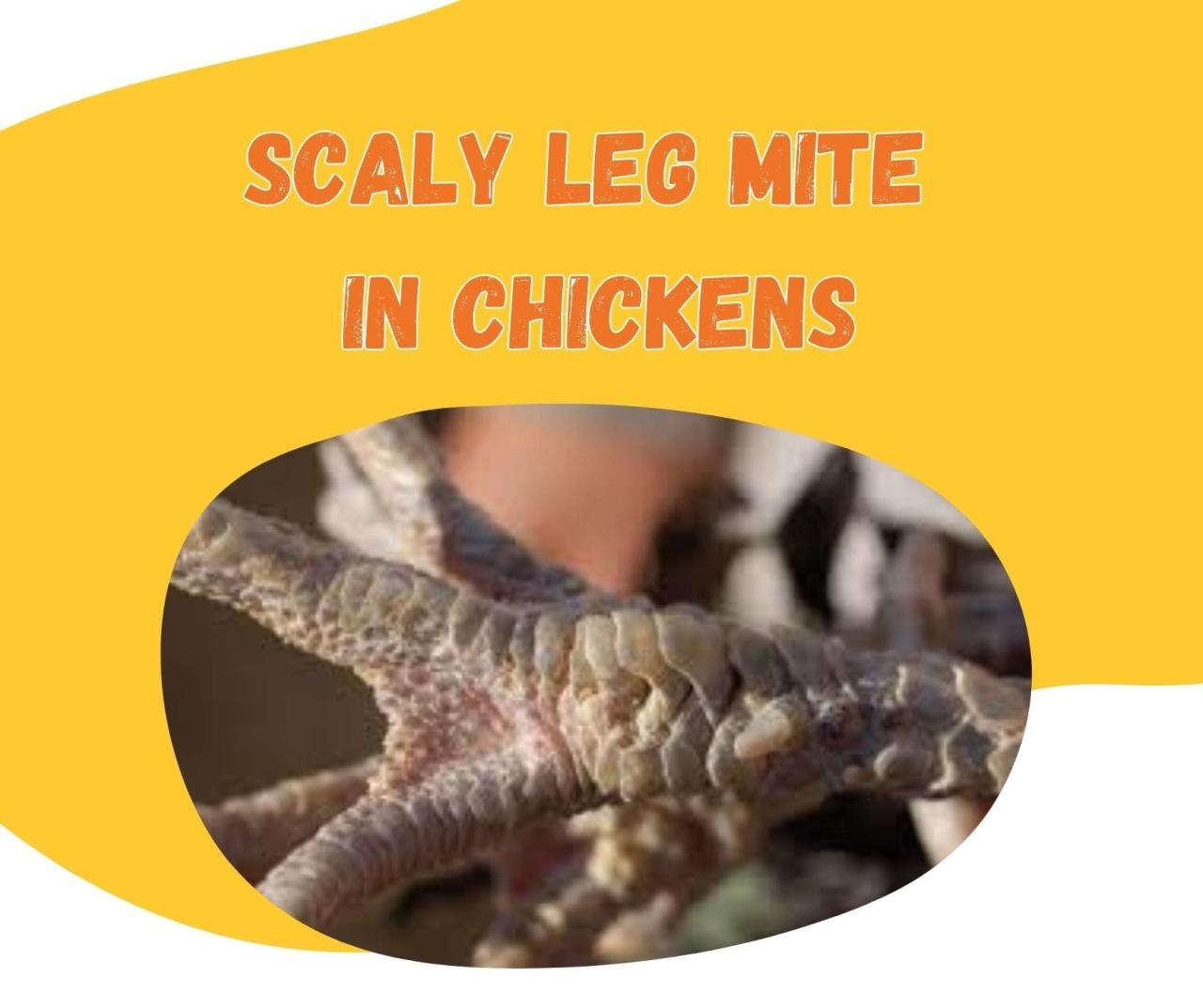
Chicken mites, particularly the red mite (Dermanyssus gallinae), are notorious pests in poultry farming, known for their detrimental effects on the health of chickens and the productivity of poultry operations. Understanding their biology is crucial for effective management and control. The life cycle of chicken mites involves several stages: egg, larva, nymph (which has two stages), and adult. The female mite lays eggs in sheltered areas, such as cracks and crevices within the poultry house. A single female can lay up to 20 eggs per day, and under optimal conditions, these eggs hatch into larvae within a week. The larvae then feed on the host’s blood before molting into nymphs.
The nymph stage has two instars, with the first nymph feeding on blood before undergoing another molt to become an adult. The entire cycle from egg to adult can be completed in as little as 7 days, depending on environmental conditions. Adult mites are capable of surviving for several months without a host, which allows them to persist in poultry environments even when birds are not present. Their ability to reproduce rapidly and survive unfavorable conditions contributes to their notorious reputation.
Physical Characteristics of Chicken Mites
Chicken mites possess several physical characteristics that enhance their survival in poultry environments. They are small, measuring about 0.5 to 1 millimeter in length, which allows them to hide easily in the feathers of chickens and in cracks within the coop. Their flattened bodies enable them to move through tight spaces, while their color can vary from reddish-brown to gray, helping them blend into their surroundings and avoid detection.
These mites also have specialized mouthparts adapted for piercing the skin of their hosts to feed on blood, which is essential for their growth and reproduction. The ability to withstand varying temperatures and humidity levels further enhances their adaptability. Chicken mites thrive in warm, humid environments, often found in poorly ventilated or overcrowded poultry houses, where they can reproduce prolifically.
Environmental Conditions Promoting Proliferation
The proliferation of chicken mites is heavily influenced by specific environmental conditions. Optimal temperatures for chicken mite reproduction typically range from 20°C to 30°C (68°F to 86°F). High humidity levels, around 70% to 80%, also facilitate their growth and survival.
These conditions are often prevalent in poultry housing that lacks adequate ventilation, leading to an increase in moisture and warmth. Poor hygiene practices, such as infrequent cleaning of coops and bedding materials, can further exacerbate mite populations.
The following factors are critical in understanding conditions that promote mite proliferation:
- Temperature: Warm environments significantly enhance the reproduction rate of chicken mites.
- Humidity: High humidity levels create favorable conditions for mite survival and breeding.
- Poultry Density: Overcrowded conditions allow for easier transmission between birds, leading to higher infestation rates.
- Hygiene Practices: Inadequate cleaning and maintenance of poultry facilities contribute to the persistence of mite populations.
Understanding these biological and environmental factors is essential for developing effective management strategies to mitigate the impact of chicken mites on poultry health and productivity.
Identifying the Symptoms of Chicken Mite Infestation in Poultry
Chicken mite infestations can lead to serious health issues in poultry if not identified and addressed promptly. It’s essential for poultry owners and farmers to recognize the signs of these pests to ensure the well-being of their birds. Affected chickens can exhibit a range of symptoms, which often manifest in both physical appearance and behavior. Understanding these symptoms not only aids in early detection but also helps in differentiating chicken mites from other potential pests or diseases that may impact poultry.
Identifying the symptoms of a chicken mite infestation requires careful observation of the birds’ physical health and behavior. Mites are tiny parasites that often go unnoticed until their population has significantly increased. Common indicators of infestation include changes in feather condition, skin irritation, and behavioral abnormalities. Monitoring these symptoms regularly can prevent the spread of infestation and minimize its impact on the flock.
Common Signs of Chicken Mite Infestation
Several symptoms can indicate that chickens are suffering from a mite infestation. Observing these signs is crucial for early intervention. Here are some of the key symptoms to watch for:
- Feather Loss: Chickens affected by mites often exhibit patches of missing feathers, particularly around the vent and neck areas. Feather loss can be extensive and may lead to bald spots.
- Skin Irritation: Infested birds may display redness or inflammation on their skin, often accompanied by scabs or sores. The presence of small black specks may indicate mite feces.
- Weight Loss: Affected chickens may experience significant weight loss due to reduced feed intake and stress associated with mite irritation.
- Decreased Egg Production: Mite infestations can lead to a drop in egg production due to stress and poor health of the hens.
Behavioral changes in chickens can also provide vital clues regarding mite infestations. When chickens are affected by mites, they may exhibit unusual behavior patterns that are not typical for healthy birds. Some behavioral changes to look out for include:
- Excessive Scratching: Chickens may scratch themselves more frequently as they attempt to alleviate the discomfort caused by mites.
- Restlessness: Infested birds might become agitated, pacing or displaying signs of distress, especially at night when mites are more active.
- Isolation: Some chickens may separate themselves from the flock, indicating discomfort or illness.
Differentiating between chicken mites and other pests or diseases affecting poultry is essential for effective management. Chicken mites, especially the Northern fowl mite and the Red mite, often produce distinctive symptoms that set them apart from other issues such as lice or external parasites. For instance, while both lice and mites can cause feather loss and irritation, lice tend to be larger and are typically more visible to the naked eye. In contrast, mites are much smaller and often require closer inspection to identify. Additionally, diseases like fowl pox or avian influenza can present similar symptoms but will usually have additional telltale signs like lesions or respiratory distress. Therefore, careful observation and sometimes veterinary consultation are necessary to accurately diagnose the problem and implement appropriate control measures.
The Impact of Chicken Mites on Poultry Health and Production
The presence of chicken mites in poultry farms can create significant challenges for farmers, affecting both the overall health of the chickens and their productivity. These tiny pests feed on the blood of birds, leading to a range of health issues that can decimate flocks and compromise production levels. As such, understanding the implications of chicken mite infestations is essential for maintaining a successful poultry operation.
Chicken mites can cause various health issues in infected chickens, primarily through blood loss and stress induced by their feeding behavior. The most common health problems related to mite infestations include anemia, weight loss, and skin irritation. Chickens may appear lethargic, and their feathers may become ragged and unkempt. In severe cases, the stress associated with mite infestations can lead to increased susceptibility to diseases, impacting the overall immune response of the birds.
Effects on Egg Production versus Meat Production
The implications of chicken mite infestations extend to poultry production, affecting both egg-laying hens and meat-producing chickens. The impact on these two areas can vary significantly and is important for farmers to consider.
In terms of egg production, mite infestations can lead to a substantial decrease in egg yield. Affected hens may lay fewer eggs due to stress or illness, and the quality of the eggs may decline, with issues such as thin shells or reduced size. Studies have shown that a mite infestation can reduce egg production by up to 50% in severe cases.
Conversely, for meat-producing chickens, the effects of chicken mites can also be detrimental, but in different ways. While meat production may not see an immediate drop in numbers, the overall weight gain and feed conversion efficiency can suffer. Chickens that are stressed or unhealthy due to mite infestations may not grow as quickly or as robustly as their unaffected counterparts, leading to lower meat yields at market time.
Economic Implications of Neglecting Mite Control
Neglecting chicken mite control can have serious economic implications for poultry operations. The cost of lost production and declining health can quickly outweigh the investment needed for effective mite management.
When mite infestations go unchecked, the following economic impacts can be expected:
- Increased veterinary costs due to treating diseases that arise from weakened immune systems.
- Higher feed costs as less efficient feed conversion results in increased feed usage per pound of meat or per dozen eggs produced.
- Lost revenue from reduced egg output and lower-quality meat, affecting pricing and market competitiveness.
- Potential costs associated with flock turnover, as the need to replace infested chickens can lead to additional expenses.
Adopting proactive mite management strategies is essential for preventing these economic losses. Understanding the scope of the problem and implementing measures such as regular inspections, treatment protocols, and biosecurity practices can safeguard both the health of the birds and the financial viability of poultry operations.
Effective Methods for Controlling Chicken Mite Populations
Chicken mites, particularly the Northern Fowl Mite and the Red Mite, are notorious pests that can significantly harm poultry health and productivity. With chicken mites feeding on the blood of birds, the consequences can range from decreased egg production to anemia and even death. Therefore, a comprehensive strategy must be implemented to control and manage these pests effectively. This overview will explore both chemical and organic control methods, providing poultry farmers with practical steps to tackle mite infestations.
Chemical Control Methods
Chemical treatments remain one of the most effective ways to manage chicken mite populations. These include various insecticides specifically formulated for poultry. Common active ingredients include permethrin and pyrethrins, which work by disrupting the nervous system of the mites. When utilizing chemical control methods, it’s important to adhere to the manufacturer’s guidelines to ensure both efficacy and safety for the birds.
To implement chemical control effectively, follow these steps:
1. Preparation: Ensure all equipment and spaces are clean. Remove bedding and litter from the coop.
2. Selection of Treatment: Choose an appropriate insecticide based on the mite species and severity of infestation. Always check for any restrictions or recommendations for use in poultry.
3. Application:
– Spray or dust the birds while avoiding their eyes and beaks.
– Treat the coop, nests, and perches comprehensively.
4. Monitoring: Regularly check for mite activity post-treatment. If necessary, repeat applications according to the product’s instructions.
Organic Control Methods
For those preferring a more natural approach, organic methods can effectively keep chicken mite populations at bay. These methods often involve the use of diatomaceous earth, essential oils, and natural predator insects such as ladybugs.
Here’s how to implement organic control methods:
1. Diatomaceous Earth: This powder can be sprinkled in the coop. It works by dehydrating mites upon contact. Apply it in areas where mites are likely to hide.
2. Essential Oils: Oils such as tea tree and lavender possess natural insecticidal properties. Dilute these oils in water and spray in the coop and directly onto the birds.
3. Beneficial Insects: Introducing predatory mites can help control chicken mite populations. These beneficial insects feed on the pests without harming your flock.
Best Practices for Preventing Future Infestations
Preventing chicken mite infestations is crucial for maintaining poultry health. Here are several best practices that can help keep these pests at bay:
1. Regular Cleaning: Maintain a clean environment by regularly removing waste, old bedding, and performing deep cleans of the coop.
2. Frequent Inspections: Conduct routine checks on the birds and their living conditions to identify any signs of mites early.
3. Quarantine New Birds: Isolate new additions to the flock until they are confirmed to be free of mites to avoid introducing the pests.
4. Maintain Optimal Conditions: Ensure proper ventilation and avoid overcrowding, which can create a favorable environment for mites.
5. Rotate Pastures: If applicable, rotating chickens to different areas can help break the mite life cycle.
Implementing these practices can significantly reduce the likelihood of mite infestations, ensuring the health and productivity of your poultry.
Natural Remedies for Treating Chicken Mites in Backyard Flocks
As backyard chicken enthusiasts increasingly seek alternative solutions for mite infestations, natural remedies are becoming more popular for their effectiveness and safety. Utilizing substances like diatomaceous earth and essential oils can provide a holistic approach to mite control without the harsh chemicals found in conventional treatments. These natural remedies not only benefit the chickens but also contribute to a healthier environment.
Diatomaceous earth (DE) is a powdery substance made from the fossilized remains of tiny aquatic organisms known as diatoms. It works by dehydrating and damaging the exoskeletons of mites when they come into contact with it. To use diatomaceous earth effectively, it is essential to apply it in a fine dust form. A good practice is to create a dust bath for the chickens by mixing one part DE with two parts sand or wood ash. This bath allows chickens to roll around, helping them to self-treat and reduce mite populations on their bodies.
Essential oils are another natural option for combating chicken mites. Certain oils, such as tea tree, lavender, and eucalyptus, possess insecticidal properties that can repel or kill mites. A simple mixture can be made by combining a few drops of essential oil with a carrier oil, such as coconut or olive oil, and applying it to the skin of the chickens. A recommended recipe could include:
– 10 drops tea tree oil
– 2 tablespoons coconut oil
Mix these ingredients well and gently massage the mixture into the skin and feathers of the chickens, avoiding contact with their eyes.
When considering natural remedies, it is crucial to weigh the pros and cons against conventional treatments. Natural solutions tend to be safer for both the chickens and the environment, minimizing the risk of chemical residues. Moreover, they can be more economical, as many ingredients can be sourced locally or made at home. However, natural remedies may require more frequent applications and can take longer to show results, especially in severe infestations.
Here’s a summary of the advantages and disadvantages of using natural remedies compared to traditional treatments:
Natural remedies are often safer, but may not be as quick-acting as chemical solutions.
- Pros:
- Non-toxic and safer for chickens.
- Environmentally friendly.
- Cost-effective and accessible.
- Cons:
- May require more frequent application.
- Slower results in severe cases.
- Effectiveness can vary depending on the specific method and application.
Monitoring and Managing Chicken Mite Populations Over Time
Regular monitoring of chicken mite populations is essential for poultry farms to maintain the health and productivity of their flock. Mites can cause significant stress to chickens, leading to decreased egg production, weight loss, and, in severe cases, death. By implementing a structured management plan, farmers can prevent infestations, reduce the impact of existing populations, and ultimately ensure a healthier environment for their birds.
Establishing a mite management plan involves integrating routine checks and preventive measures tailored to the specific needs of the farm. The first step is to develop a regular monitoring schedule that includes visual inspections and the use of tools designed to detect mite presence. This proactive approach helps in identifying any early signs of mite activity before they escalate into a larger problem.
Routine Checks and Preventive Measures
Routine checks should focus on potential hotspots for mite infestations, such as nesting boxes, feed areas, and perches. By being vigilant, farmers can take immediate action if mites are detected. It is recommended to:
- Conduct visual inspections at least once a week, paying close attention to the skin and feathers of the chickens.
- Use sticky traps placed strategically around the coop to capture adult mites and monitor population levels over time.
- Evaluate environmental factors such as humidity and temperature, as these can influence mite reproduction rates.
- Implement a regular cleaning schedule for coops and equipment to minimize mite habitats.
Preventive measures can also significantly reduce the risk of infestation. This includes maintaining good flock health, as healthy birds are less susceptible to mite attacks. Regular veterinary check-ups and vaccination programs can help bolster the overall resilience of the chickens against external parasites.
Technology and Tools for Effective Mite Monitoring
The role of technology in mite monitoring cannot be overstated. Various tools and apps are now available that aid in the tracking and management of mite populations. These technological advancements allow farmers to gather data more efficiently and make informed decisions. Some examples include:
- Mite monitoring applications that enable farmers to log mite sightings, track population changes, and receive alerts based on preset thresholds.
- Automated mite traps that utilize advanced sensors to detect mite movement, providing real-time updates on infestation levels.
- Data analytics software that helps analyze trends over time, giving farmers insights into seasonal patterns and risk factors associated with mite outbreaks.
By leveraging these tools, poultry farmers can enhance their ability to monitor mite populations effectively, ensuring a proactive approach to management. The combination of regular monitoring, preventative measures, and modern technology equips farmers to keep chicken mite populations in check, safeguarding the health and productivity of their flocks.
The Role of Education in Preventing Chicken Mite Infestations
Education plays a crucial role in preventing chicken mite infestations, which pose significant threats to both commercial and backyard poultry operations. Many farmers may be unaware of the signs of mite infestations or the effective management strategies available to them. By equipping poultry farmers with the knowledge and skills necessary to combat these pests, we can significantly reduce the occurrence and severity of outbreaks.
Effective farmer education focuses on integrated pest management (IPM) practices, which combine various techniques to control pest populations while minimizing environmental impact. Workshops and training sessions centered around pest management can provide hands-on experience and practical guidance, helping farmers identify and respond to mite problems early. These training programs often include information on the life cycle of chicken mites, their behavior, and the signs of infestation, enabling farmers to take preventive measures and act swiftly when necessary.
Workshops and Training Sessions on Pest Management
Workshops and training sessions are essential for creating a knowledgeable farming community prepared to tackle chicken mite infestations. These educational opportunities foster interactions between experts and farmers, allowing for the sharing of effective strategies and experiences. A well-informed farmer is more likely to employ proactive measures that prevent mite outbreaks, such as maintaining proper hygiene in poultry housing and implementing regular health checks.
Key components of effective workshops include:
- Hands-on demonstrations of mite identification and monitoring techniques, allowing farmers to recognize infestations early.
- Training on using various control methods, including biological, chemical, and cultural approaches, ensuring that farmers can choose the most appropriate tactics for their specific situations.
- Access to current research findings and trends in mite management, keeping farmers informed about the latest advancements in pest control.
Educational resources available to poultry farmers include extension programs offered by agricultural universities, online courses, and informational pamphlets provided by agricultural cooperatives. Organizations such as the National Chicken Council and various state agricultural departments often publish guidelines and best practices for mite control, empowering farmers with the knowledge they need to defend their flocks against infestations.
“Educated farmers are the first line of defense against pest outbreaks, leading to healthier poultry and more sustainable farming practices.”
By engaging in ongoing education and training, poultry farmers can effectively reduce the risk of chicken mite infestations and ensure the health and productivity of their flocks.
Conclusion
In conclusion, tackling chicken mites requires a proactive approach that combines education, monitoring, and effective control strategies. By staying informed and implementing best practices, poultry farmers can mitigate the impact of these pests on their flocks, ensuring healthier chickens and better production outcomes. Remember, the key to a thriving poultry operation lies in vigilance and timely intervention against chicken mites.
Common Queries
What are chicken mites?
Chicken mites are small ectoparasites that feed on the blood of birds, causing irritation and health issues.
How can I tell if my chickens have mites?
Look for signs such as feather loss, scratching, and changes in behavior like reduced activity or egg production.
Are chicken mites harmful to humans?
While chicken mites primarily affect birds, they can cause skin irritation in humans who handle infested chickens.
Can chicken mites be controlled naturally?
Yes, natural remedies like diatomaceous earth and essential oils can be effective in managing chicken mite populations.
How often should I check for chicken mites?
Regular monitoring, ideally every few weeks, is recommended to catch infestations early and implement control measures.