
 Valerie Eden
Roosting bars are crucial elements in the habitats of various bird species, providing them a safe and comfortable place to rest and socialize. These structures serve as a natural instinctive refuge where birds can perch, promoting their well-being and health. Understanding how roosting bars function and their significance can enhance our appreciation of avian life and improve the living conditions for pet birds and poultry alike.
Different bird species utilize roosting bars in unique ways, reflecting their natural behaviors and social structures. For instance, larger birds may prefer wider bars for better stability, while smaller birds often choose narrower options. Additionally, various materials and designs can influence how birds interact with these bars, making it essential to consider their specific needs when designing a roosting area.
Understanding the concept of a roosting bar
A roosting bar is a crucial component in the habitat of various bird species, providing a designated space for them to rest and sleep. Typically made from wood, metal, or other sturdy materials, these bars offer birds a secure perch away from ground predators. Roosting bars can be found in both natural environments, like trees and shrubs, and artificial settings such as birdhouses or aviaries. The design and placement of these bars can significantly influence the well-being of birds, emphasizing their importance in avian habitats.
The primary function of a roosting bar is to provide a safe resting place for birds, particularly during the night or in adverse weather conditions. Birds often roost together in colonies for warmth, safety, and social interaction. Roosting bars facilitate this behavior by offering a stable platform where birds can easily access their resting spots without the risk of falling or being attacked by predators. The height, thickness, and texture of the roosting bar can vary based on the species using it, as different birds have unique preferences and needs when it comes to their roosting locations.
Importance of roosting bars for various bird species
Roosting bars play a vital role in the life cycle of numerous bird species, providing more than just a place to sleep. They help with thermoregulation, socialization, and even communication among birds. The presence of a roosting bar can enhance the habitat’s attractiveness to birds, making it a preferred location for nesting and feeding as well.
Here are some key points illustrating the significance of roosting bars for birds:
-
Roosting bars enhance safety by keeping birds elevated and away from ground predators.
-
They provide a social space for birds to interact, strengthen bonds, and communicate.
-
Using roosting bars helps birds conserve energy during the night, allowing them to rest effectively.
-
Roosting together can assist in maintaining body heat, especially in colder climates.
-
Roosting bars can serve as a lookout point for detecting potential threats.
Various bird species utilize roosting bars, each adapting to their specific needs. For instance, songbirds like sparrows and finches prefer thinner bars that allow for easier grip, while larger birds like parrots may opt for thicker bars for stability. Raptors, such as hawks and owls, often select high vantage points for their roosting spots, affording them a wide view of their surroundings. Each species’ unique adaptations highlight the diverse requirements and preferences that roosting bars fulfill in avian habitats.
The materials used for constructing a roosting bar
A roosting bar is an essential component in bird housing, providing a safe and comfortable resting place for birds. The choice of material for constructing a roosting bar significantly influences its durability, safety, and the overall comfort of the birds. Selecting the right material not only ensures the longevity of the roosting bar but also affects the health and well-being of the birds that use it.
Wood
Wood is one of the most popular materials for constructing roosting bars, favored for its natural qualities and comfort for birds. It provides a textured surface that is easy for birds to grip.
- Pros: Wood is generally durable and can withstand the weight of multiple birds. It also has natural insulating properties, which can keep birds warm.
- Cons: Wood is susceptible to rot, especially if exposed to moisture. It may also harbor bacteria or parasites if not properly maintained.
The comfort provided by wood is significant, as its natural texture allows birds to perch easily, promoting healthy foot development.
Metal
Metal, such as stainless steel or aluminum, is another option for roosting bars, known for its high durability and ease of cleaning.
- Pros: Metal is highly resistant to rot and can withstand harsh weather conditions. It is also easy to sanitize, which helps reduce disease transmission among flocks.
- Cons: Metal can become cold in lower temperatures, potentially causing discomfort for birds. Additionally, certain metals may become too hot to touch in direct sunlight, leading to burns.
While metal ensures longevity, it is crucial to consider the thermal properties and ensure adequate protection from extreme temperatures to maintain bird comfort.
Plastic
Plastic materials are increasingly used for roosting bars due to their lightweight and versatile nature. They are often made from high-density polyethylene (HDPE) or similar materials.
- Pros: Plastic is resistant to moisture and does not rot or rust. It is also lightweight, making it easy to install and replace as needed.
- Cons: Plastic may not provide the same natural gripping surface as wood, which can affect the comfort of perching for some birds. It may also become brittle over time, particularly in extreme temperatures.
Choosing plastic for a roosting bar can be beneficial in terms of maintenance, but it is essential to consider how it affects the birds’ ability to perch comfortably.
“Selecting the right material for a roosting bar is crucial for ensuring the health and comfort of the birds.”
Ideal placement of a roosting bar in an aviary
The placement of a roosting bar is crucial for creating a comfortable and functional environment for birds in an aviary. Proper positioning can enhance the overall well-being of the birds, allowing them to exhibit natural behaviors. Factors such as height, accessibility, and surrounding disturbances play a significant role in determining the ideal location for the roosting bar.
The location of a roosting bar within an aviary is influenced by various factors, including the species of birds housed, their natural behaviors, and the structure of the aviary itself. Birds tend to roost at different heights depending on their species; for instance, larger birds often prefer elevated positions while smaller species may opt for lower perches. Accessibility is another essential factor. The roosting bar should be easily accessible to all birds in the aviary, allowing them to perch and rest without excessive effort.
Height and Accessibility Factors
The height of the roosting bar greatly impacts how birds utilize it. Birds in the wild often select higher roosting spots to avoid predators and feel secure. In an aviary, replicating this aspect of their natural habitat is important. Here are key considerations regarding height and accessibility:
- Height Variations: Consider installing multiple roosting bars at various heights to accommodate different species and their natural preferences. For example, smaller birds like finches may prefer lower levels, while larger parrots might seek higher perches.
- Ease of Access: Ensure that the roosting bars are easily reachable by birds, particularly for young or less agile individuals. Gradual inclines or natural climbing features can facilitate access.
- Safety Considerations: Place the bars away from corners or areas where birds can become trapped, which can lead to stress or injury. Open spaces promote better movement and comfort.
To maintain a peaceful roosting environment, it is important to minimize disturbances around the roosting area. Birds are sensitive to changes in their environment, which can affect their comfort levels. Here are practical recommendations for reducing disturbance:
- Location Selection: Position the roosting bar away from high-traffic areas within the aviary to reduce noise and interruptions.
- Natural Barriers: Utilize plants or other structures to create a buffer zone around the roosting area, providing birds with a sense of security and privacy.
- Limit Handling: Avoid frequent handling of birds during their roosting times to ensure they feel secure and undisturbed.
Creating a tranquil and accessible roosting area is vital for the mental and physical well-being of birds, promoting healthy behaviors and reducing stress levels.
By carefully considering these factors, aviary owners can create an environment where birds can thrive, ensuring their roosting habits align with their natural instincts and comfort needs.
Maintenance practices for a roosting bar
Proper maintenance of a roosting bar is essential for ensuring the health and safety of the birds using it. Regular cleaning and inspections can prevent the build-up of harmful bacteria and parasites, while also extending the lifespan of the bar itself. By following a systematic maintenance routine, you can create a safe and convenient resting place for your feathered friends.
Step-by-step guide for cleaning and maintaining a roosting bar
To maintain a roosting bar effectively, follow this comprehensive cleaning guide:
1. Gather Cleaning Supplies: You’ll need a soft brush, mild detergent, a sponge or cloth, and a hose or bucket of clean water.
2. Remove Birds: Temporarily relocate any birds using the roosting bar to ensure their safety during cleaning.
3. Disassemble if Necessary: If the design allows, disassemble the roosting bar for easier cleaning access.
4. Scrub the Surface: Apply the mild detergent to the sponge or cloth and scrub the surface of the bar thoroughly to remove droppings, dirt, and debris.
5. Rinse Well: After scrubbing, rinse the bar with clean water to eliminate any soap residue.
6. Dry Completely: Allow the roosting bar to dry completely before reassembling it and placing it back in the original position.
7. Inspect for Damage: While cleaning, look for any signs of wear or damage that may require repair or replacement.
This process should be repeated regularly to ensure a hygienic resting environment for the birds.
Maintenance frequency for different materials
The frequency of maintenance largely depends on the material of the roosting bar. Here’s a breakdown:
– Wood: Requires cleaning every 2-3 weeks, as it can absorb moisture and harbor bacteria.
– Metal: Clean every month. Metal surfaces are more resistant to bacteria but can rust if not kept dry.
– Plastic: Ideal for easy maintenance, clean every 4-6 weeks. Plastic does not absorb droppings and can be easily scrubbed clean.
Keeping a routine based on these materials can enhance the longevity of your roosting bar while ensuring it remains a safe haven for birds.
Signs indicating a roosting bar needs replacement
Observing your roosting bar for signs of deterioration is crucial. Here are key indicators that suggest it may be time for a replacement:
– Severe Cracks or Splits: These can lead to injury for the birds and may compromise the structure.
– Excessive Wear and Tear: Continuous usage can cause degradation, making the bar unsafe.
– Rot or Mold: Especially with wooden bars, any signs of rot or mold indicate that the bar is no longer hygienic.
– Rust on Metal Bars: Rust can weaken the structure and pose health risks to birds.
– Persistent Odor: A strong, unpleasant smell may indicate that even thorough cleaning is not enough to maintain hygiene.
Being vigilant about these signs will ensure that you provide a safe and comfortable resting place for your birds.
Benefits of using a roosting bar for poultry

Providing a roosting bar is essential in maintaining the health and well-being of poultry, particularly chickens. These structures allow chickens to engage in their natural behaviors, which not only enhances their physical health but also contributes to their mental well-being. When chickens have the opportunity to roost, they experience less stress and show improved overall vitality.
A roosting bar serves as a crucial element in mimicking the natural habitat of chickens, which would typically seek elevated perches to rest at night, away from ground predators. The introduction of a roosting bar can significantly enhance the living conditions of chickens, encouraging behaviors that promote their health.
Encouragement of Natural Behaviors
The provision of a roosting bar allows chickens to perform instinctual behaviors that are vital for their psychological health. The following points illustrate the specific benefits related to the natural behaviors encouraged by roosting:
-
Elevation for Safety:
By roosting at a height, chickens feel safer from ground-dwelling predators, which helps reduce anxiety and stress levels.
-
Social Interaction:
Roosting bars provide a space for chickens to interact socially, reinforcing the pecking order and social structure within the flock.
-
Rest and Sleep:
Elevated perches allow chickens to rest comfortably at night, leading to better sleep quality and overall health by reducing nighttime disturbances.
-
Exercise:
The act of jumping up and down from a roosting bar promotes physical activity, helping to keep chickens fit and healthy.
-
Feather Maintenance:
Perching aids in the maintenance of plumage, as chickens engage in preening while roosting, which is essential for feather health and insulation.
The behavior of chickens with access to a roosting bar significantly differs from those without one. Chickens that lack elevated perches show signs of stress and anxiety, often exhibiting pecking behaviors or other aggressive actions due to overcrowding and inability to establish a secure resting space. In contrast, those with roosting bars display calmer dispositions, increased social bonding, and better overall health, demonstrating the clear advantages of incorporating such features in poultry enclosures.
Creative designs for roosting bars
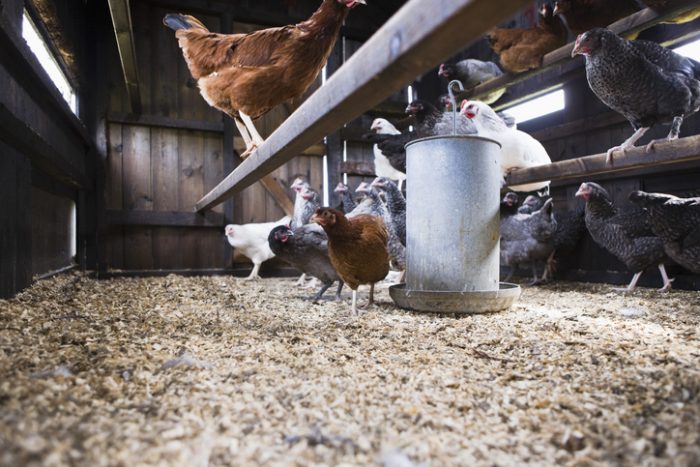
Creating a suitable and enjoyable environment for birds involves innovative design in roosting bars. These structures not only serve a functional purpose but also play a significant role in the well-being of various bird species. By thoughtfully crafting roosting bars, we can enhance the overall aesthetics of outdoor spaces while catering to the specific needs of different birds.
Innovative designs for roosting bars can include various structures that are tailored to the preferences of specific bird species. For example, some birds prefer horizontal bars, while others may seek out platforms or angled surfaces to perch on. Incorporating different heights and shapes into the design allows for a more dynamic environment that can accommodate a variety of birds.
Unique shapes and heights
When developing roosting bars, it is essential to consider the different shapes and heights that can be beneficial for birds. Each bird species has unique perching habits, and a thoughtful arrangement can promote rest, social interaction, and comfort. Here are some examples of how varying shapes and heights can enhance a roosting bar:
-
Curved roosting bars
– These can mimic natural branches, providing a more familiar environment for birds. The gentle curve allows for a comfortable grip, which is especially beneficial for smaller species.
-
Tiered platforms
– Different heights enable birds to choose their preferred vantage point. This design can also reduce competition among birds by providing multiple resting spots.
-
Asymmetrical structures
– Incorporating irregular shapes can create interest and stimulate the birds’ natural behaviors. This unpredictability can encourage exploration and play.
-
Multi-level roosting systems
– These structures can include various tiers and platforms that cater to both larger and smaller birds, ensuring that all species have a place to roost.
Integrating aesthetic elements into roosting bar designs enhances not only the visual appeal but also provides functional advantages. This can be achieved through the use of natural materials like wood and bamboo, which blend seamlessly into outdoor settings. Additionally, vibrant colors and textures can attract birds, making the roost more inviting. Such designs encourage engagement from both birds and bird watchers, fostering a deeper appreciation for wildlife and nature.
The role of roosting bars in social behavior among birds
Roosting bars serve as crucial social hubs for birds, greatly influencing their interactions and establishing their social structures. Birds often gather on these bars during resting periods, which facilitates communication and strengthens social bonds within the group. This social behavior is essential for both individual well-being and the cohesion of the flock.
The dynamics observed at roosting bars highlight the intricate social lives of birds. These locations are not merely resting spots; they play a vital role in establishing social hierarchies, often referred to as pecking orders. The positioning of individuals on the roosting bars can provide insights into their social status within the flock.
Influence of Roosting Bars on Pecking Orders
Roosting bars are pivotal in developing and maintaining pecking orders among birds. The hierarchy can be observed in who occupies the highest or most favored spots on the bar. Birds that achieve these desirable positions are often the dominant individuals of the flock. The following points explain the significance of this phenomenon:
- Dominance Display: Birds often engage in displays of dominance while on the roosting bars. This can include vocalizations, posturing, or even physical confrontations that help establish who has priority access to the best resting spots.
- Access to Resources: Higher-ranking birds typically have better access to food and mating opportunities. Their favored position on the roosting bar reflects their social status, impacting their overall fitness and reproductive success.
- Social Learning: Younger or subordinate birds observe and learn from more dominant birds while on the roosting bars. This learning experience is critical for developing survival strategies and social skills within the group.
Effects of Communal Roosting on Flock Health
Communal roosting at these bars has profound implications for the overall health and well-being of bird populations. The interactions that occur during these gatherings contribute significantly to their social structure and resilience. Key points regarding the health benefits of communal roosting include:
- Protection from Predators: By roosting together, birds enhance their safety through collective vigilance. The more eyes watching for danger mean a reduced chance of predation.
- Thermoregulation: Roosting in groups allows birds to share body heat, which is especially important during colder months. This communal behavior aids in conserving energy and maintaining body temperature.
- Social Cohesion: Regular interactions at roosting sites strengthen bonds among flock members, promoting cooperative behaviors that are beneficial for survival and breeding success.
“Roosting bars are more than just places to rest; they are central to social interactions that define the structure and health of avian communities.”
Conclusive Thoughts
In summary, roosting bars not only provide essential resting spots for birds but also play a pivotal role in their social dynamics and overall health. By selecting appropriate materials, ensuring proper placement, and maintaining these structures, bird enthusiasts can significantly enhance their feathered friends’ quality of life. The thoughtful integration of roosting bars into bird habitats promotes natural behaviors and fosters a sense of community among aviary inhabitants.
FAQ Section
What is the ideal height for a roosting bar?
The ideal height for a roosting bar varies by species, but generally, it should be positioned high enough to provide safety from ground predators while still being easily accessible for the birds.
How often should I clean my roosting bar?
Cleaning frequency should be at least once a week, but it may need to be more frequent depending on the number of birds and the material used for the bar.
Can I use untreated wood for a roosting bar?
While untreated wood is a natural choice, it can harbor bacteria and parasites, so it is better to use treated wood or regularly maintain untreated wood to ensure the birds’ safety.
What types of birds benefit most from roosting bars?
Many birds, including chickens, parrots, and finches, benefit from roosting bars as they satisfy their instinct to perch and socialize.
Are there specific designs that work better for certain bird species?
Yes, different bird species may prefer varying widths, heights, and material textures; for example, larger birds may require sturdier and wider bars compared to smaller birds.