
 Valerie Eden
Bedding material plays a crucial role in ensuring a restful night’s sleep, and yet many people overlook its importance. From the feel of the sheets against your skin to the breathability of the fabric, the right bedding can transform your sleep experience. Understanding the nuances of various materials can unlock a world of comfort, health benefits, and even personal style, making it essential to consider all options available.
When diving into the world of bedding materials, you’ll find a myriad of choices ranging from luxurious cotton to innovative synthetic blends. Each option presents its own set of advantages and disadvantages that can significantly impact your sleep quality and overall well-being. Additionally, factors like climate, allergies, and personal preferences further complicate the decision-making process, making it all the more important to explore what bedding material suits you best.
The Importance of Selecting the Right Bedding Material
Choosing the right bedding material is essential for enhancing sleep quality and overall comfort. Bedding serves as our first layer of interaction with our sleeping environment, influencing not only our comfort levels but also our health and well-being. Different materials can provide varying degrees of breathability, insulation, and softness, all of which play a significant role in determining how well we sleep. A well-chosen bedding material can lead to a more restful night and, consequently, better health outcomes.
The impact of bedding material on health is profound. For instance, natural fibers such as cotton and linen are breathable and moisture-wicking, making them excellent choices for those who tend to sleep hot. These materials help regulate body temperature, reducing the likelihood of night sweats and allowing for uninterrupted sleep cycles. Conversely, synthetic materials like polyester may trap heat, leading to discomfort and restlessness throughout the night.
Moreover, bedding materials can also affect skin health. Hypoallergenic materials like bamboo or organic cotton can prevent allergic reactions and skin irritations, especially for those with sensitive skin or respiratory issues. The choice of bedding material may contribute to conditions such as eczema or asthma if certain allergens are present. Therefore, understanding the properties of each material is critical for anyone who prioritizes their health and comfort during sleep.
When selecting bedding materials, various factors should be considered, especially in relation to climate. For warmer climates, breathable materials are essential. Fabrics like cotton and linen not only keep you cool but also wick away moisture, promoting a better night’s sleep. In contrast, those living in colder areas might prefer bedding made from flannel or thicker materials, which provide warmth and coziness.
Here are some key factors to consider based on climate:
- Humidity: In humid conditions, opt for materials that wick moisture and promote airflow.
- Temperature: Choose insulating materials for colder weather to maintain warmth.
- Allergies: Select hypoallergenic options to minimize dust mites and other allergens.
- Care Requirements: Consider how easy the material is to clean and maintain, which can vary with climate conditions.
Understanding these elements ensures that you choose bedding that not only enhances comfort but also supports health and well-being across different environments.
A Comparative Review of Natural vs. Synthetic Bedding Materials
When it comes to bedding materials, the choice between natural and synthetic options can significantly impact comfort, durability, and overall sleep quality. Understanding the characteristics, benefits, and drawbacks of these materials helps consumers make informed decisions tailored to their needs and preferences.
Natural bedding materials, such as cotton, linen, and wool, have long been favored for their comfort and breathability. Cotton, widely recognized for its softness and moisture-wicking properties, offers a hypoallergenic experience, making it an excellent choice for those with sensitive skin. Linen, derived from the flax plant, is not only durable but also has unique temperature-regulating qualities that keep users cool in summer and warm in winter. Wool, known for its superior insulation and moisture management, also has natural antibacterial properties, making it resistant to odors. However, natural materials can come with drawbacks; they often require more care, including specific washing instructions to maintain their quality and longevity. Additionally, the production of natural fibers can be less efficient and more resource-intensive than their synthetic counterparts.
Characteristics and Implications of Synthetic Bedding Materials
Synthetic bedding materials like polyester and rayon are becoming increasingly popular due to their affordability and performance features. Polyester, a petroleum-based fabric, is known for its durability and resistance to wrinkles and shrinking. It is easily machine-washable and dries quickly, making it a low-maintenance option for busy households. However, polyester lacks the breathability that natural fibers offer, which can lead to discomfort in warmer conditions as it traps heat and moisture. The environmental impact of polyester is significant; the production process involves the use of non-renewable fossil fuels, and washing polyester can release microplastics into waterways, contributing to pollution.
Rayon, a semi-synthetic material made from regenerated cellulose, offers a soft feel similar to cotton but with a silk-like appearance. While it can provide good moisture absorption, rayon is prone to wrinkling and may require dry cleaning to preserve its quality. The environmental implications of rayon production can also be concerning, mainly due to deforestation associated with sourcing wood pulp and the chemical processes involved in its manufacturing.
The table below compares natural and synthetic bedding materials based on their attributes and environmental impacts:
| Attribute | Natural Materials | Synthetic Materials |
|---|---|---|
| Comfort | Soft, breathable, hypoallergenic | Durable, may trap heat, less breathable |
| Care Instructions | Requires careful washing, may shrink | Easy to care for, machine washable |
| Durability | Varies by material, can wear over time | Highly durable, resistant to wrinkles |
| Environmental Impact | Resource-intensive, farming impacts | Fossil fuel-based, microplastic pollution |
In summary, while both natural and synthetic bedding materials have their own unique benefits and drawbacks, the choice ultimately depends on individual preferences regarding comfort, maintenance, and environmental considerations. Understanding these factors will guide consumers toward selecting the right bedding materials for their lifestyle and values.
The Role of Bedding Material in Allergies and Sensitivities
Bedding materials play a crucial role in determining the comfort and health of our sleep environment. For many individuals, especially those with allergies or sensitivities, the choice of bedding can significantly impact their health. Certain materials can harbor dust mites, mold, and other allergens that trigger unpleasant reactions, making it essential to select bedding that promotes a healthier sleeping environment.
Allergens are often found in common bedding materials, particularly in older or improperly cared for items. Dust mites, which thrive in warm and humid conditions, can accumulate in bedding, causing allergic reactions in sensitive individuals. Symptoms may include sneezing, a runny nose, itchy eyes, and even respiratory issues. Additionally, materials that retain moisture can encourage mold growth, further exacerbating allergic reactions. To combat these issues, individuals with allergies should focus on choosing hypoallergenic materials that repel common allergens.
Best Bedding Materials for Allergy Sufferers
When selecting bedding suitable for allergy sufferers, it’s essential to consider materials that are less likely to harbor allergens. Here are some of the best options:
- Hypoallergenic Synthetic Fibers: Materials such as polyester and nylon are excellent for individuals with allergies. These fibers are less prone to attracting dust mites and can be easily washed.
- Cotton: Organic cotton is particularly beneficial due to its breathability and natural resistance to dust mites and molds. Look for tightly woven fabric to minimize allergen penetration.
- Bamboo: This material is naturally hypoallergenic and contains antimicrobial properties that help reduce the presence of allergens.
- Latex: Natural latex mattresses and pillows are resistant to dust mites and mold, making them a great option for allergy sufferers.
- Wool: While some may worry about wool’s potential to irritate skin, high-quality wool bedding can help regulate temperature and wick away moisture, preventing the growth of allergens.
These materials are not only beneficial for those with allergies but are also supported by scientific research. For instance, a study published in the Journal of Allergy and Clinical Immunology highlighted that hypoallergenic bedding significantly reduced the presence of dust mites and other allergens in the sleeping environment. This reduction was associated with improved allergy symptoms and overall sleep quality.
Maintaining clean bedding is equally important in reducing allergens. Regular washing of bedding materials in hot water (at least 130°F or 54°C) can kill dust mites and remove allergens effectively. Additionally, utilizing allergen-proof covers on pillows and mattresses creates a barrier that prevents allergens from penetrating. Vacuuming the bedroom regularly with a vacuum equipped with a HEPA filter also helps minimize dust accumulation. Incorporating a dehumidifier in the bedroom can further control moisture levels, making the environment less hospitable to mold and dust mites.
Incorporating these practices into your routine will not only enhance your sleep quality but also significantly improve your overall health, particularly if you suffer from allergies or sensitivities.
Innovations in Bedding Material Technology
In recent years, the bedding industry has witnessed significant innovations that focus on enhancing both comfort and durability. With advancements in technology, manufacturers are continuously developing materials that not only improve sleep quality but also cater to the diverse needs of consumers. The integration of smart technologies and sustainable practices has redefined the landscape of bedding materials, making them more appealing than ever.
Smart Bedding Materials
Smart bedding materials have become a prominent trend, particularly those designed to regulate temperature and moisture. These innovations are essential for improving sleep comfort and overall well-being. For instance, materials incorporating phase change technology respond to body temperature changes, allowing for a more consistent and comfortable sleeping environment. When the body heats up, these materials absorb excess heat, while releasing it back when the body cools down, ensuring a balanced thermal experience throughout the night.
Additionally, moisture-wicking fabrics have gained traction, particularly in performance bedding lines. These fabrics draw perspiration away from the skin, promoting a drier sleep surface. This is particularly beneficial for those who experience night sweats or live in humid climates. Brands such as Sleep Number and Tempur-Pedic have begun using these technologies in their mattress covers and sheets, providing consumers with enhanced comfort and a more pleasant sleeping experience.
The rise of smart textiles, which incorporate sensors and IoT technology, has also made waves in the bedding market. These materials can monitor sleep patterns and adjust temperature settings based on real-time data, offering a personalized sleep experience. For instance, some smart mattresses can connect to mobile apps, allowing users to track sleep metrics such as duration and quality, while also enabling features like adjustable firmness and temperature settings.
Sustainable Bedding Materials
Sustainability is increasingly becoming a priority within the bedding industry, with emerging trends focused on eco-friendly materials and practices. Consumers are more aware of the environmental impact of their purchases, leading to a surge in demand for bedding made from organic and recycled materials. Natural fibers such as organic cotton, bamboo, and hemp are gaining popularity due to their minimal environmental footprint and reduced use of harmful chemicals during production.
Another trend is the development of bedding materials that utilize recycled plastics. Brands are producing mattresses and pillows from recycled PET bottles, significantly reducing waste while providing durable and high-quality products. This shift not only helps in decreasing plastic pollution but also appeals to environmentally conscious consumers who seek sustainable options.
The adoption of these practices has the potential to reshape the market significantly. As more companies commit to sustainable production methods, they contribute to a circular economy, which minimizes waste and promotes recycling. The use of sustainable materials can lead to a healthier sleep environment and a reduced carbon footprint, aligning with the growing consumer demand for eco-friendly products.
“The future of bedding lies in the convergence of comfort, technology, and sustainability.”
Cultural Influences on Bedding Material Preferences
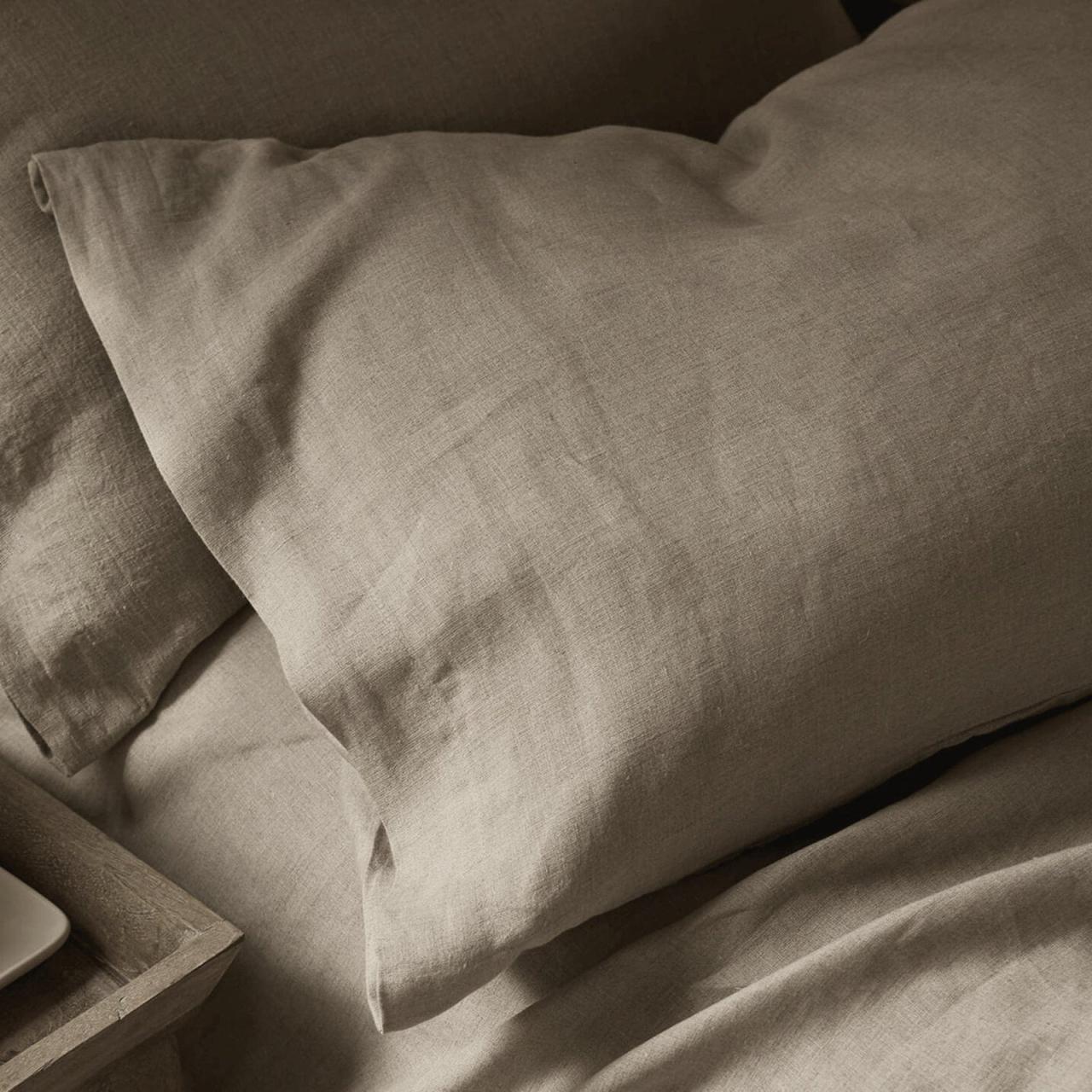
Bedding materials serve not only as functional items but also as reflections of cultural identities and traditions. Across different regions of the world, preferences for bedding materials are deeply influenced by historical practices, available resources, and social customs. Understanding these cultural influences can provide insight into how people connect with their sleeping environments and the significance these materials hold in their daily lives.
Bedding materials vary widely across cultures, each selection often tied to climatic needs, historical practices, and aesthetic preferences. For instance, in regions with colder climates, such as Scandinavia, traditional bedding materials include down feathers and wool, which provide exceptional warmth and insulation. In contrast, tropical regions, such as Southeast Asia, favor lightweight cotton and silk, materials that promote breathability and comfort in humid conditions. Some cultures incorporate symbolic meanings into their bedding choices, such as the use of specific colors or patterns believed to bring luck or prosperity in marriage.
Traditional Bedding Materials and Their Significance
The diversity of bedding materials globally is a testament to the interplay between culture and environment. Each region’s historical context adds layers of meaning to their bedding choices. Here are a few examples of traditional materials and their cultural significance:
- Silk in China: Traditionally used by royalty and associated with luxury, silk bedding showcases the intricate craftsmanship of Chinese artisans. It is often dyed in vibrant colors and adorned with auspicious symbols to promote prosperity.
- Wool in the Scottish Highlands: Known for its warmth, wool has been a staple in Scottish households for centuries. Traditionally woven into blankets and quilts, it reflects the rich textile heritage of the region.
- Cotton in India: In India, cotton holds immense cultural significance. The use of block-printed cotton quilts, or ‘rajasthani quilts’, symbolizes local artistry and is prized for its comfort in the country’s diverse climates.
- Reed mats in the Amazon: Indigenous peoples of the Amazon often use reed mats for bedding, a reflection of their deep connection to the natural environment. These mats are crafted from local materials and serve as both practical bedding and cultural artifacts.
- Bamboo bedding in Southeast Asia: In countries like Indonesia and Thailand, bamboo is commonly used for bedding. Its natural properties help regulate temperature and moisture, making it ideal for the tropical climate.
The historical context behind these materials adds to their significance. For instance, the silk route not only facilitated trade but also shared cultural practices, allowing silk to become an emblem of wealth across different societies. Similarly, the use of wool in Scottish culture ties back to the pastoral lifestyle, where sheep farming contributed to both the economy and the community’s identity.
In summary, bedding materials are much more than mere textiles; they embody the values, traditions, and environmental adaptations of the cultures that produce them. Knowledge of these influences enhances our appreciation for the diverse ways in which people around the world experience rest and comfort.
The Economic Aspects of Bedding Material Choices
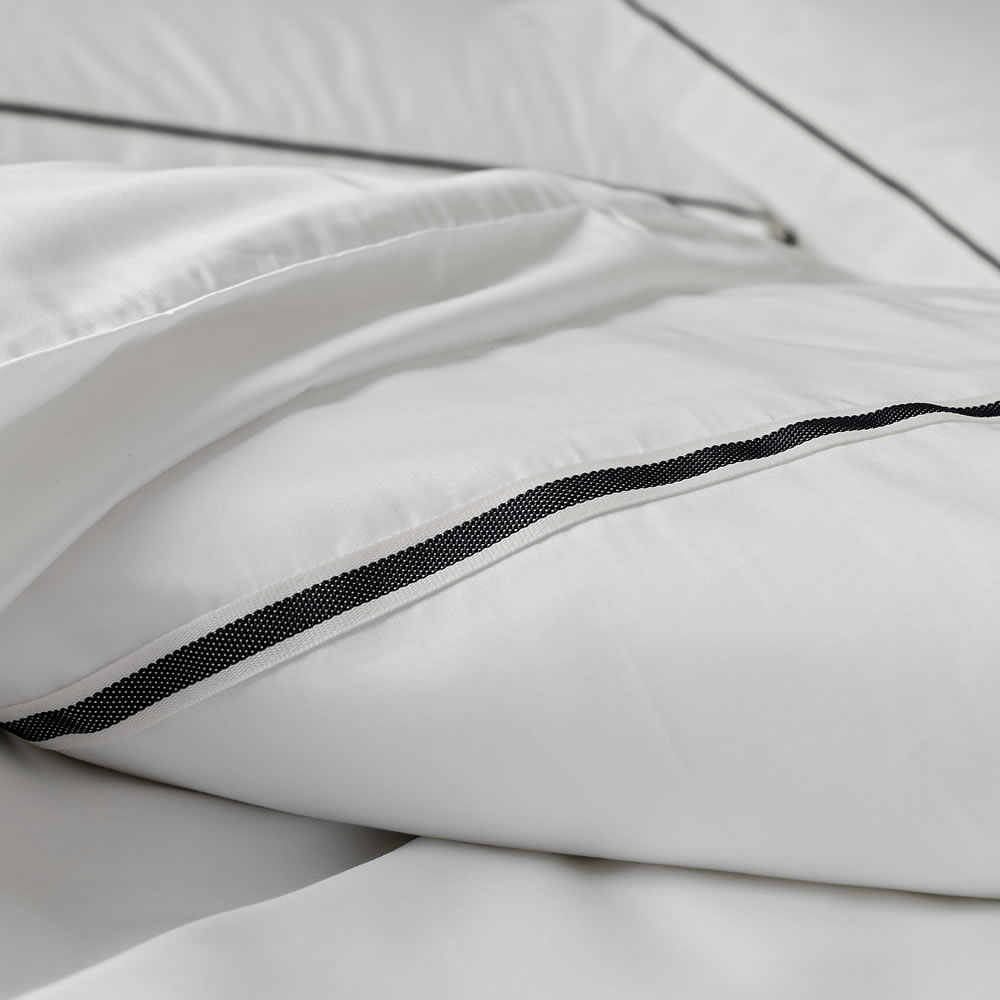
When choosing bedding materials, it’s essential to consider not only comfort and aesthetics but also the economic implications of your choices. The cost-effectiveness of bedding materials can vary significantly depending on their lifespan, maintenance requirements, and initial purchase price. Understanding these factors allows consumers to make informed decisions that provide both quality and value for their money.
The economics of bedding materials is influenced by several factors, including durability, care requirements, and long-term costs. For instance, while luxury materials like high-thread-count cotton and silk may have a higher upfront cost, they often last longer and require less frequent replacement compared to cheaper alternatives. On the other hand, synthetic materials may be more affordable initially but can wear out faster, requiring replacements sooner. Therefore, consumers must evaluate the total cost of ownership, factoring in lifespan and maintenance, to identify the most economical choice. For example, investing in a higher-quality duvet cover may seem expensive at first, but if it lasts three times as long as its cheaper counterpart, the overall cost per use is significantly lower.
Affordable High-Quality Bedding Materials
For budget-conscious shoppers, finding bedding materials that balance quality and affordability is crucial. High-quality bedding doesn’t have to break the bank, and there are numerous options that provide excellent comfort and durability without a hefty price tag.
Here are some affordable yet high-quality bedding materials to consider:
- Microfiber: This synthetic fabric is soft, durable, and easy to care for. It typically costs less than natural fibers while mimicking their softness and comfort.
- Percale Cotton: A tightly woven cotton fabric that offers a crisp feel and breathability. While it might not be as luxurious as sateen, it’s often more affordable and equally comfortable.
- Bamboo Viscose: Made from bamboo, this material is naturally hypoallergenic, breathable, and moisture-wicking. Its eco-friendly nature adds value without a high price.
- Polyester Blends: Blending polyester with natural fibers can reduce costs while maintaining comfort and durability. Look for blends that contain at least 50% cotton for better quality.
- Flannel: Perfect for colder climates, flannel sheets are soft and warm. Affordable options are available, especially during off-peak seasons.
- Jersey Knit: This fabric, often used for t-shirts, is stretchy and soft. It’s an inexpensive option for casual bedding that feels cozy.
By carefully selecting from these materials, consumers can create a comfortable sleeping environment that meets their budgetary constraints without sacrificing quality.
Conclusive Thoughts
In conclusion, the choice of bedding material is not just a trivial decision but a pivotal one that can influence your health, comfort, and even your budget. By understanding the various materials available, their characteristics, and how they align with your personal needs, you are better equipped to make an informed decision. Remember, a good night’s sleep is just a bedding choice away!
General Inquiries
What are the best bedding materials for hot climates?
Lightweight and breathable materials such as cotton and linen are ideal for hot climates, as they help regulate temperature and wick away moisture.
Can bedding materials affect allergies?
Yes, certain materials can trigger allergies; hypoallergenic options like bamboo or organic cotton are often recommended for allergy sufferers.
How often should I replace my bedding material?
It’s recommended to replace bedding materials every 2-3 years or when they show signs of wear, such as fraying or staining.
Are synthetic materials less durable than natural ones?
Synthetic materials like polyester can be very durable and often resist wrinkling better than natural materials, though they may not be as breathable.
What is the environmental impact of bedding materials?
The environmental impact varies; natural materials like organic cotton have a lower impact than synthetic materials, which can involve chemical processes and plastic production.