
 Valerie Eden
Urban chicken keeping is a fascinating blend of sustainability and urban living, transforming city backyards into vibrant spaces for poultry. This practice not only provides fresh eggs but also contributes to reducing the carbon footprint associated with egg production. With cities around the globe embracing this trend, urban chicken keeping enhances food security and fosters community connections, making it a win-win for both residents and the environment.
By reducing reliance on commercial egg production, which often involves long transportation routes and intensive farming practices, urban chicken keeping promotes a more sustainable lifestyle. From selecting suitable chicken breeds for confined spaces to navigating local regulations, this venture encourages city dwellers to engage more deeply with their food sources, thereby enriching their lives and their communities.
Urban chicken keeping offers a sustainable solution for city dwellers seeking fresh eggs.
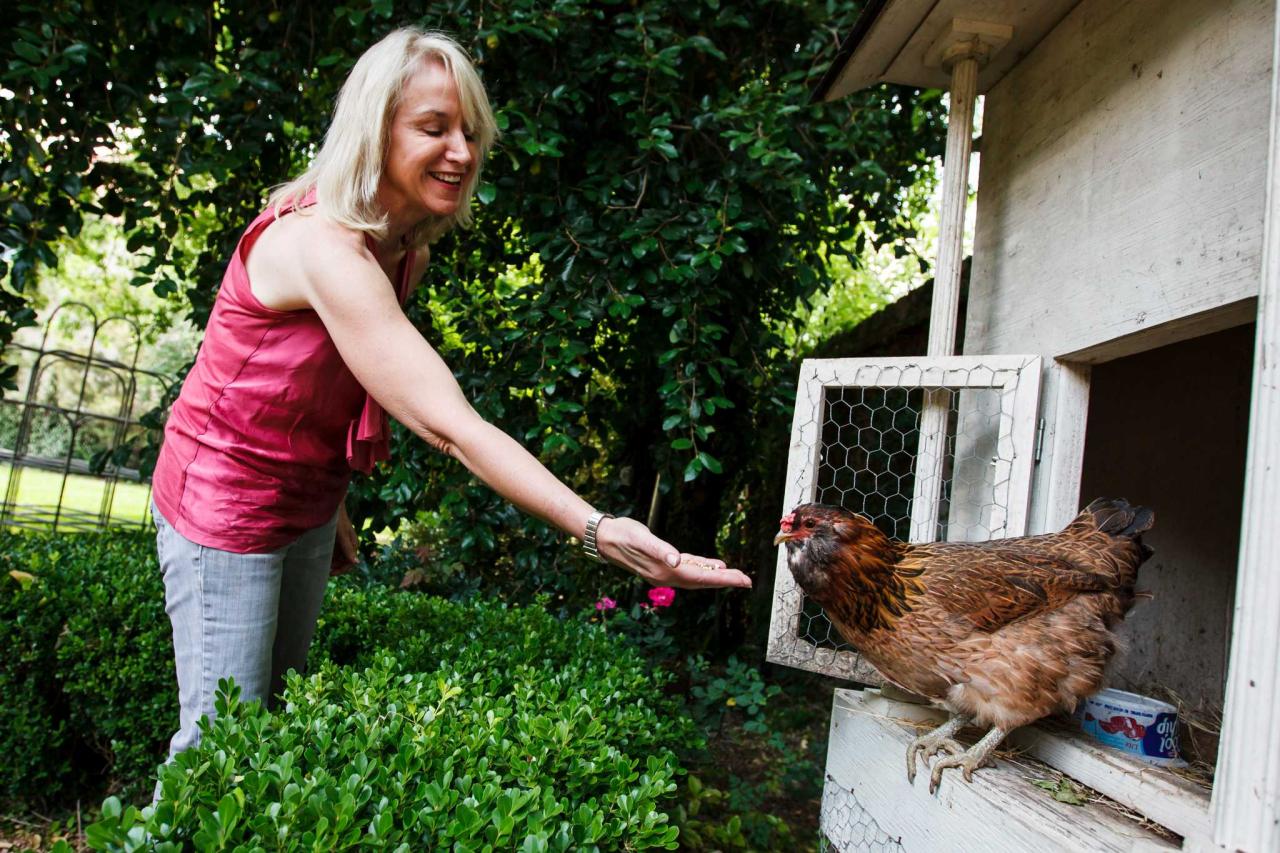
Urban chicken keeping is becoming increasingly popular among city dwellers, providing a sustainable option for those looking to enjoy fresh eggs while also contributing positively to the environment. This practice not only ensures that families have access to high-quality eggs but also plays a critical role in reducing the carbon footprint associated with traditional egg production methods.
The carbon footprint of egg production is significant due to the industrial farming processes involved, which require transportation, large-scale feed production, and significant energy consumption. By keeping chickens in urban settings, individuals can drastically minimize these emissions. Urban chicken keeping eliminates the need for long-distance transportation of eggs, as local residents can produce their own on-site. Furthermore, chickens can be fed kitchen scraps and organic material, reducing waste and fostering a circular economy. This practice not only cuts down greenhouse gas emissions but also promotes biodiversity by enriching local ecosystems.
Examples of cities embracing urban chicken keeping
Many cities worldwide have recognized the benefits of urban chicken keeping, leading to programs and regulations that support this practice. Cities like Portland, Oregon, and Los Angeles, California, have embraced urban farming initiatives, allowing residents to keep chickens in their backyards. In Portland, the city permits up to three chickens per household, encouraging residents to engage in sustainable living while providing educational resources on chicken care. This has resulted in stronger community ties as neighbors share tips, eggs, and even chicken-sitting responsibilities.
In New York City, the community has also rallied around the idea of urban chicken keeping. Initiatives such as the NYC Chicken Project aim to educate residents on the benefits of raising chickens and provide support for those who wish to start their own flocks. These programs not only enhance food security but also promote a sense of community, as urban chicken keepers often share their experiences and support one another.
Starting an urban chicken keeping venture
Embarking on an urban chicken keeping venture requires careful planning and consideration. First, it’s essential to check local regulations regarding chicken keeping, as some areas may have restrictions on the number of birds or require permits. After confirming compliance with local laws, selecting the right chicken breeds suited for small spaces is crucial.
Some recommended breeds for urban settings include:
- Rhode Island Reds: Known for their hardiness and excellent egg-laying capabilities, they adapt well to confined spaces.
- Leghorns: Highly productive layers with a friendly disposition, they are also low-maintenance.
- Silkies: Their calm and docile nature makes them ideal for families with children.
Creating a suitable environment for the chickens is equally important. This includes providing a secure coop with adequate ventilation, space for the birds to roam, and access to clean water and nutritious feed. By following these guidelines, urban chicken keepers can successfully contribute to a sustainable lifestyle while enjoying fresh, home-produced eggs.
The legalities surrounding urban chicken keeping can vary greatly from one location to another.
Urban chicken keeping is increasingly popular in cities across the globe, but the legal landscape surrounding this practice is anything but uniform. Regulations can differ significantly based on local governments, neighborhoods, and even homeowner associations. Understanding these legalities is crucial for any urban chicken enthusiast to ensure compliance and avoid potential pitfalls.
The common regulations affecting urban chicken keeping often include zoning laws, permit requirements, and specific rules regarding the number of chickens allowed. Many municipalities have established guidelines to help maintain a balance between animal husbandry and community standards. These regulations are generally designed to address public health concerns, noise ordinances, and property values. For instance, some cities might limit the number of hens to a certain number per household (often ranging from three to six), while others may require a permit to keep chickens or have specific setbacks from property lines.
Common Regulations Affecting Urban Chicken Keeping
Understanding these regulations is essential for anyone interested in raising chickens in an urban setting. Here are some of the most common regulations that may come into play:
- Zoning Laws: Different zones may have specific designations that either allow or prohibit livestock, including chickens.
- Number of Chickens: Many localities restrict the number of chickens that can be kept on a residential property, typically ranging from three to six hens.
- Rooster Restrictions: Many ordinances prohibit keeping roosters due to their noise and potential nuisance to neighbors.
- Permits: Some cities require residents to obtain a permit or license to keep chickens, often involving an application process and fees.
- Coop Regulations: Guidelines may specify the size and structure of chicken coops, including sanitation and distance from property lines.
Adhering to these regulations is essential, as non-compliance can lead to various consequences. The repercussions of keeping chickens without abiding by local laws can range from fines to the forced removal of the chickens. In some cases, neighbors may file complaints, leading to legal action or even the involvement of animal control agencies.
Advocating for Favorable Regulations
If you find that the regulations in your area are overly restrictive or not conducive to urban chicken keeping, there are steps you can take to advocate for change. Engaging with your community can lead to more favorable laws that support responsible chicken keeping.
To effectively advocate for more lenient regulations, consider the following approaches:
- Gather Community Support: Host informational meetings or workshops to educate neighbors about the benefits of urban chicken keeping, such as local food production and sustainability.
- Petition for Change: Create a petition outlining the desired changes to local laws and gather signatures from residents who support your cause.
- Engage with Local Officials: Schedule meetings with local lawmakers to discuss your concerns and present research on the benefits of keeping chickens in urban areas.
- Collaborate with Local Organizations: Partner with local farming or gardening organizations that may already have initiatives in place advocating for urban agriculture.
- Educate on Compliance: Promote best practices and responsible chicken keeping to mitigate concerns from those opposed to urban poultry.
By effectively advocating for more balanced regulations, urban chicken keepers can foster a positive environment that benefits both the chickens and the community.
Understanding and complying with local laws is essential for a successful urban chicken-keeping experience.
The impact of urban chicken keeping on local food security and sustainability should not be overlooked.
Urban chicken keeping is rapidly gaining traction in cities around the world, and its significance extends beyond just a quirky hobby. This practice plays a vital role in enhancing food security and promoting sustainable living in urban environments. It provides an effective solution to some of the pressing challenges cities face regarding access to fresh, nutritious food while simultaneously fostering community connections. Moreover, keeping chickens helps in waste management and enriches urban gardens, illustrating its multifaceted benefits.
Contribution to Urban Food Security
Raising chickens in urban settings can significantly bolster local food security by providing a consistent source of protein and nutrient-rich food. Urban dwellers often face barriers to accessing fresh produce and proteins, primarily due to distance from rural farms or high prices at grocery stores. Chickens can help mitigate these challenges in several ways:
- Egg Production: Backyard chickens lay fresh eggs daily, ensuring a steady supply of high-quality protein for families.
- Meat Source: For those who choose to raise their chickens for meat, this provides an additional, sustainable food source right at home.
- Cost Savings: By producing their own eggs and meat, urban residents can significantly reduce their grocery bills, allowing them to allocate resources to other necessities.
- Enhanced Diet: Home-raised eggs are often richer in nutrients compared to store-bought options, contributing to improved overall health for families.
Community Ties and Local Food Systems
Urban chicken keeping fosters community ties and enhances local food systems by encouraging neighbors to connect and collaborate. Chicken keepers often share resources, tips, and even eggs, creating a supportive network. The benefits extend beyond individual households, impacting entire neighborhoods.
- Community Initiatives: Chicken co-ops or community farms can emerge, where multiple households contribute to the care of chickens, sharing the responsibilities and benefits.
- Educational Opportunities: Workshops and events can be organized, allowing experienced chicken keepers to teach newcomers about sustainable practices and animal husbandry.
- Local Food Sharing: A culture of food sharing can develop, where excess produce, eggs, or even compost are exchanged among neighbors, promoting a more interconnected community.
- Awareness of Local Sourcing: The practice encourages individuals to consider where their food comes from and fosters a preference for local, sustainable food sources.
Chickens in Composting and Urban Gardens
Chickens play an essential role in composting organic waste and enriching urban gardens. Their natural behaviors and dietary habits contribute to a more sustainable urban ecosystem:
- Waste Reduction: Chickens can consume kitchen scraps and yard waste, reducing the amount of organic material sent to landfills.
- Composting Aid: Their droppings are a rich source of nitrogen, which can be mixed with carbon-rich materials to create high-quality compost that benefits garden soil.
- Soil Fertility: The nutrients in chicken manure improve soil health, leading to more productive urban gardens and thus increasing local food production.
- Pest Control: Chickens naturally forage for insects, helping to manage pests in gardens without the need for chemical pesticides.
The health and welfare of backyard chickens require careful planning and management.
Urban chicken keeping is a rewarding venture, but it comes with its set of challenges, particularly regarding the health and welfare of the birds. Proper planning and management are essential to ensure that your chickens thrive in an urban environment. By understanding the common health issues they face and implementing preventive measures, you can create a safe and comfortable living space for your feathered friends.
Common Health Issues and Prevention
Urban chickens are susceptible to a variety of health issues that can arise from their living conditions. It’s crucial to be aware of these problems and take proactive steps to mitigate them.
Some common health issues include:
- Respiratory Infections: Dust, ammonia buildup, and poor ventilation can lead to respiratory diseases. Regular cleaning and ensuring good airflow in their coop are essential.
- Parasites: Chickens can be infested with mites, lice, and worms. Regular checks and treatments, along with maintaining hygiene, can help control these pests.
- Nutrition-Related Issues: A lack of a balanced diet can lead to obesity or nutritional deficiencies. Providing a varied diet rich in vitamins and minerals is crucial.
- Egg-laying Problems: Issues like egg binding or soft-shelled eggs often occur due to improper diet or stress. Ensuring a calm environment and adequate calcium intake can prevent these issues.
By being proactive and educating yourself on these health issues, you can significantly reduce the risk of them affecting your flock.
Creating a Safe and Comfortable Living Environment
The living environment for urban chickens greatly influences their health and welfare. A well-planned setup can prevent many health issues and promote overall well-being.
Key elements for a safe and comfortable chicken coop include:
- Space: Each chicken requires at least 4 square feet of indoor space and 10 square feet of outdoor run. Overcrowding can lead to stress and health problems.
- Ventilation: Ensure proper airflow to prevent moisture buildup and ammonia accumulation. Installing vents or windows can help maintain fresh air.
- Security: Protect your chickens from predators by using sturdy materials for the coop and run. Buried fencing can prevent digging animals from entering.
- Cleanliness: Regularly clean the coop and replace bedding to minimize waste buildup. A clean environment reduces the risk of disease outbreaks.
These considerations will create a nurturing atmosphere where your chickens can thrive.
Importance of Regular Veterinary Care and Vaccinations
Regular veterinary care and vaccinations are integral to maintaining the health of urban chickens. Routine check-ups allow for early detection of potential health issues before they become serious.
Essential aspects to consider include:
- Annual Health Checks: Schedule yearly visits to a vet who specializes in poultry. These check-ups can identify any underlying health problems.
- Vaccinations: Vaccines against diseases such as Marek’s disease and Newcastle disease can protect your flock. Consult your vet about a suitable vaccination schedule.
- Record Keeping: Maintain detailed health records for each chicken, including vaccinations, treatments, and any health issues. This helps in monitoring their health over time.
Establishing a relationship with a qualified veterinarian ensures that your chickens receive the best possible care, contributing to their longevity and overall well-being.
The economic aspects of urban chicken keeping can be both beneficial and challenging.
Urban chicken keeping presents a unique blend of economic advantages and potential hurdles for city dwellers. While the initial investment and ongoing costs can add up, the long-term savings and opportunities for income generation may offset these challenges. Understanding the financial landscape of urban chicken keeping is essential for those considering this venture.
Costs associated with starting and maintaining an urban chicken flock
Starting an urban chicken flock involves several initial costs that potential keepers should be aware of. These can include expenses for coop construction, purchasing chickens, feed, bedding, and healthcare. The following breakdown highlights typical costs involved:
- Coop Construction: Building a chicken coop can range from $200 to $1,500, depending on size and materials used.
- Chickens: The price of hens varies, generally costing between $3 to $20 each, based on the breed and age.
- Feed: Monthly feed costs can range from $15 to $50, depending on the number of chickens and their dietary needs.
- Bedding: Bedding materials, such as straw or wood shavings, generally cost around $5 to $20 per month.
- Healthcare: Regular health checks and vaccinations can incur costs of approximately $25 to $100 annually.
It’s important to note that unexpected costs may arise, such as repairs to the coop or veterinary expenses, which can impact overall budgeting.
Financial benefits of raising chickens for eggs versus purchasing eggs from the store
Raising chickens for eggs can provide significant financial benefits when compared to purchasing eggs from retail stores. The costs of store-bought eggs have been on the rise, with organic or free-range options often exceeding $3 per dozen. In contrast, the cost of producing eggs from home-raised chickens can be considerably lower.
On average, each hen can lay about 250 to 300 eggs per year. This translates to a potential yield of 20 to 25 dozen eggs annually per hen. Considering the costs of feed and maintenance, the overall expenditure per dozen eggs produced can be around $1 to $2. This creates a clear financial advantage, as homeowners can save a substantial amount over time.
By raising chickens, not only are you saving on egg costs, but you’re also gaining access to fresher and higher-quality eggs.
Potential income opportunities from selling eggs or chicken products
Urban chicken keepers can also explore income opportunities by selling excess eggs or chicken products within their community. With a growing demand for local and organic food options, many urban dwellers are willing to pay a premium for fresh, home-raised products.
Before diving into this venture, it’s crucial to understand local regulations regarding animal husbandry and food sales. Some potential income streams include:
- Egg Sales: Selling surplus eggs can generate income, potentially earning $3 to $5 per dozen, depending on the local market demand.
- Meat Sales: For those who raise chickens for meat, selling locally processed chickens can yield profits as well.
- Organic Fertilizer: Chicken manure can be composted and sold as organic fertilizer for gardens, providing an additional revenue stream.
Engaging with local farmers’ markets or community-supported agriculture (CSA) programs can further enhance opportunities for selling products and building a customer base. By tapping into these avenues, urban chicken keepers can turn their passion into a profitable endeavor while contributing to their local economy.
Connecting with the community through urban chicken keeping can enhance social interactions.
Urban chicken keeping not only brings the charm of fresh eggs to city dwellers but also fosters a sense of community among urban enthusiasts. By bringing people together with a shared interest, urban chicken keeping creates opportunities for social interactions, knowledge sharing, and collaboration. This collective engagement can significantly enhance the overall experience, leading to a supportive network of chicken keepers.
Creating a community network for urban chicken keepers
Establishing a robust community network among urban chicken keepers can lead to enriched social ties and shared resources. Setting up a local chicken-keeping group can help foster friendships while also providing a platform for exchanging tips and experiences. Here are some ideas for organizing a community network:
- Local Chicken Keeping Groups: Form a club that meets regularly to discuss challenges, share advice, and celebrate successes in chicken keeping.
- Neighborhood Chicken Walks: Organize events where members can visit each other’s backyards to see different setups, learn about various chicken breeds, and share best practices.
- Collaborative Gardening: Pair chicken keeping with community gardening, where members can grow food for their chickens while building bonds over shared gardening experiences.
Workshops and events for sharing knowledge about chicken keeping
Hosting workshops and events is an excellent way to disseminate knowledge and strengthen community ties among chicken keepers. These gatherings can cover a multitude of topics, ensuring everyone, from beginners to experienced keepers, finds value. Here are some examples of events that can be organized:
- Chicken Care Workshops: Sessions focused on proper feeding, health care, and habitat maintenance can empower new chicken owners and refresh seasoned keepers’ knowledge.
- Egg Decorating Contests: These fun events can stimulate creativity and community spirit while promoting social interactions around chicken keeping.
- Guest Speaker Series: Invite experts in veterinary care, organic farming, or local ordinances related to chicken keeping to share their insights and foster discussions.
The role of social media in fostering connections among urban chicken enthusiasts
Social media serves as a powerful tool for connecting urban chicken enthusiasts, enabling them to share experiences and advice regardless of geographical limitations. Online platforms can facilitate communication through forums, dedicated groups, and page interactions. Here are ways social media enhances community connections:
- Facebook Groups: Create a private group for local chicken keepers to share tips, post questions, and offer support.
- Instagram Accounts: Use visual storytelling to share daily chicken life, showcasing fun moments and inspiring others while connecting with a broader audience.
- YouTube Tutorials: Produce videos that provide practical advice and demonstrations on various aspects of chicken keeping, making knowledge accessible to all.
By leveraging community networks and social media, urban chicken keepers can significantly elevate their chicken-keeping experience while building lasting relationships with fellow enthusiasts.
The role of education in promoting responsible urban chicken keeping practices must be emphasized.
Educational initiatives play a crucial role in fostering responsible urban chicken keeping practices. As urban farming gains popularity, it’s essential to provide new chicken keepers with the knowledge and tools they need to avoid common pitfalls. By emphasizing education, we can ensure that both novice and experienced keepers understand the responsibilities involved in raising chickens in urban settings.
Educational programs designed for urban chicken keepers can significantly reduce the likelihood of common mistakes. Through workshops, online courses, and community meetings, new chicken keepers can learn about essential topics, including proper housing, nutrition, and health care for their birds. These resources not only provide essential information but also create a supportive community where individuals can share experiences and best practices.
Teaching Children About Responsibility and Animal Care
Incorporating chicken keeping into children’s learning experiences can instill a sense of responsibility and enhance their understanding of animal care. By engaging children in the process of raising chickens, they can learn valuable life skills.
One effective method is to create hands-on educational programs at local schools. These programs can include:
- Chickens as Classroom Pets: Having chickens in classrooms allows students to observe and participate in their care. This firsthand experience teaches children the daily responsibilities involved in keeping animals, such as feeding, cleaning, and monitoring health.
- Curriculum Integration: Lessons about biology, ecology, and nutrition can be seamlessly integrated with chicken keeping. For example, students can learn about the life cycle of chickens, the importance of sustainable farming, and how chickens contribute to reducing waste through composting.
- Community Projects: Schools can organize community garden and chicken projects where students collaborate with local farmers or experienced chicken keepers. This promotes teamwork while providing children with practical knowledge about animal husbandry.
Implementing these educational strategies can foster a greater understanding of compassion for animals and the environment. It encourages children to become responsible stewards of their community by recognizing the impact of their actions on the ecosystem.
Local schools have significant potential to incorporate chicken keeping into their curriculum, promoting a culture of responsibility and sustainability. Schools can develop partnerships with local agricultural organizations or universities to provide resources and expertise. By hosting educational workshops or field trips to local farms, students can gain insights into the broader context of food production and the role of chickens in sustainable agriculture.
In conclusion, the educational component of urban chicken keeping is not just beneficial; it is essential for cultivating a responsible and informed community of chicken keepers. By prioritizing education, we can ensure that future generations understand the importance of animal welfare and environmental stewardship.
The environmental benefits of maintaining chickens in urban settings can be profound.

Keeping chickens in urban areas not only offers fresh eggs and companionship but also provides significant environmental advantages. Urban chickens contribute to a more sustainable ecosystem, promoting healthier gardens while reducing the reliance on harmful chemicals.
Pest Control and Reduction of Chemical Pesticides
Chickens are natural foragers and their presence in urban gardens can dramatically lessen pest populations. By pecking at insects, larvae, and weeds, chickens serve as a biological pest control solution. This method reduces the need for chemical pesticides, which can have detrimental effects on local ecosystems and human health.
– Chickens can consume a variety of common garden pests, including:
– Aphids
– Slugs
– Caterpillars
– Beetles
The incorporation of chickens into garden maintenance not only keeps pest populations in check but also supports the development of a more organic approach to urban gardening.
Natural Fertilization through Chicken Droppings
Chicken droppings are a nutrient-rich resource, making them an excellent natural fertilizer for urban gardens. Rich in nitrogen, phosphorus, and potassium, chicken manure can enhance soil fertility and improve plant growth when properly composted.
– Key benefits of using chicken droppings as fertilizer include:
– Enhanced soil structure due to organic matter
– Increased microbial activity aiding nutrient availability
– Reduction of the need for synthetic fertilizers, which can be harmful to the environment
Using chicken droppings can create a circular economy in urban agriculture, where waste is transformed into a valuable resource for plant health.
Biodiversity Support in Urban Ecosystems
Introducing chickens into urban settings can significantly bolster local biodiversity. Their presence encourages a diverse range of organisms, creating a mini-ecosystem within the city. Chickens help aerate the soil and promote the growth of beneficial microorganisms, which support plant health and soil vitality.
– The interactions created by chickens can include:
– Increased populations of beneficial insects, such as pollinators
– Enhanced plant diversity due to improved soil conditions
– Support for local wildlife, as diverse habitats attract various species
This biodiversity not only contributes to the resilience of urban ecosystems but also enhances the aesthetic and ecological value of city environments.
“Chickens in urban settings can become a cornerstone of sustainable city living, fostering a greener future for all.”
Final Review
In summary, urban chicken keeping is not just about fresh eggs; it’s a movement towards sustainability, community engagement, and educational opportunities. As more urban dwellers embrace this rewarding practice, the benefits become clear: healthier environments, stronger community ties, and an enhanced connection to the food we consume. By choosing to keep chickens, city residents can make a meaningful impact on their local landscape and beyond.
Detailed FAQs
What are the basic requirements for keeping chickens in an urban setting?
You need adequate space, proper shelter, access to food and water, and appropriate waste management practices.
How many chickens can I keep in my backyard?
This depends on local regulations, but generally, 3-6 chickens are suitable for most small urban backyards.
What breeds are best for urban chicken keeping?
Breeds like Bantams, Rhode Island Reds, and Orpingtons are popular for urban environments due to their friendly nature and adaptability.
Do I need a permit to keep chickens in the city?
It depends on local laws; some cities require permits while others have specific zoning regulations regarding livestock.
How do I manage noise and smell from chickens?
Regular cleaning and maintaining a small flock can minimize odors, while choosing quieter breeds can help manage noise.
Can I raise chickens for meat in an urban setting?
Many urban areas have regulations against keeping chickens for meat, so check local laws to ensure compliance.