
 Valerie Eden
Poultry management is a critical aspect of modern agriculture, focusing on the care and production of chickens, ducks, and other birds. Understanding the intricacies of poultry nutrition, biosecurity measures, and housing innovations can significantly impact the health and productivity of flocks. As the poultry industry evolves, staying informed about market trends and sustainable practices becomes essential for farmers aiming to optimize their operations.
This exploration delves into various strategies that enhance poultry welfare and farm profitability, offering insights on effective management practices that cater to the unique needs of different poultry species. From innovative housing designs to efficient waste management systems, each element plays a vital role in ensuring the success of poultry enterprises.
Effective Strategies for Poultry Nutrition Management
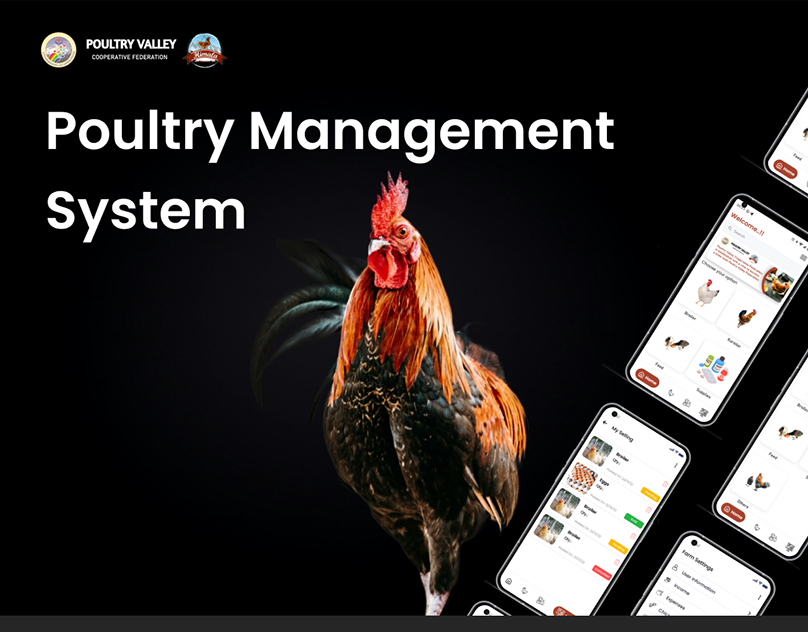
Poultry nutrition management is a critical aspect of successful poultry farming that directly influences growth, health, and egg production. Implementing effective strategies ensures that poultry receive balanced diets tailored to their specific needs at various life stages, optimizing their performance and productivity.
Essential components of poultry diets include proteins, carbohydrates, fats, vitamins, and minerals. Each of these nutrients plays a specific role in fostering growth and supporting reproductive functions. For instance, protein is essential for muscle growth and tissue repair, while carbohydrates provide the energy required for daily activities. Fats are also a vital energy source and contribute to the absorption of fat-soluble vitamins.
Nutritional Requirements for Different Poultry Species and Ages
Understanding the nutritional requirements for various poultry species and their ages is paramount for ensuring their well-being and productivity. Nutritional needs can vary significantly between broilers, layers, and turkeys, as well as among different age groups.
For instance, broiler chickens require a high-protein diet to support rapid growth, particularly during the first few weeks of life. As they mature, their protein levels can be decreased while energy needs remain high. Layers, on the other hand, need diets rich in calcium and phosphorous to support strong eggshell formation, especially as they approach peak egg production age.
The nutritional requirements can be summarized as follows:
| Poultry Type | Age Group | Key Nutritional Needs |
|---|---|---|
| Broilers | 0-3 weeks | High protein (20-24%), energy-rich |
| Broilers | 3-6 weeks | Moderate protein (18-20%), energy-rich |
| Layers | 0-6 weeks | High protein (20-22%), balanced vitamins |
| Layers | 6 weeks and older | High calcium (4-5%), moderate protein (16-18%) |
| Turkeys | 0-8 weeks | High protein (28-30%), high energy |
| Turkeys | 8 weeks and older | Moderate protein (24-26%), energy-rich |
Common Feed Ingredients and Their Nutritional Benefits
Selecting the right feed ingredients is essential for meeting the nutritional needs of poultry, as they supply the necessary nutrients for optimal growth and production. The following common feed ingredients are often incorporated into poultry diets, each providing specific benefits:
– Soybean Meal: A primary protein source that is rich in amino acids essential for growth and egg production.
– Corn: A high-energy carbohydrate source that helps in maintaining energy levels in poultry.
– Wheat: Provides energy and is often included in layer diets to enhance egg production.
– Alfalfa Meal: A source of vitamins and minerals that supports overall health and immune function.
– Fish Meal: Rich in omega-3 fatty acids, beneficial for fatty acid profiles in eggs and enhancing overall health.
Incorporating these ingredients effectively can lead to healthier flock management, improved feed conversion ratios, and enhanced overall productivity.
“Balanced poultry diets, tailored to specific species and life stages, are crucial for maximizing growth and production efficiency.”
Implementing Biosecurity Measures in Poultry Farms
Biosecurity is crucial in poultry farming as it safeguards the health of the flock and prevents the spread of diseases that can have devastating effects on both production and profitability. By adopting effective biosecurity protocols, farmers can mitigate risks associated with various pathogens, ensuring the welfare of their birds and maintaining the integrity of their operations.
Effective biosecurity measures are essential for preventing outbreaks of diseases such as avian influenza, Newcastle disease, and other poultry-related infections. These measures are designed to create barriers that prevent the introduction and spread of pathogens on the farm. Implementing a comprehensive biosecurity plan not only protects the birds but also enhances consumer confidence and helps sustain the poultry industry.
Biosecurity Protocols for Poultry Farmers
Farmers can adopt a variety of biosecurity protocols tailored to their specific operations. These protocols encompass measures that address both external and internal factors that could lead to disease transmission.
Key protocols include:
1. Controlled Access: Limiting access to the poultry houses to authorized personnel and maintaining a visitor log helps track who enters the farm and minimizes the risk of disease entry.
2. Personal Protective Equipment (PPE): Providing and enforcing the use of PPE, such as gloves, masks, and coveralls, reduces the likelihood of introducing pathogens from outside sources.
3. Sanitation Procedures: Regular cleaning and disinfection of equipment, facilities, and vehicles used on the farm are critical in eliminating pathogens. This includes using approved disinfectants that are effective against poultry diseases.
4. Pest Control: Implementing measures to control rodents and wild birds, which can be carriers of diseases, is essential. This may involve using traps, bait stations, and maintaining a clean environment to discourage pests.
5. Vaccination Programs: Establishing a vaccination schedule for the flock ensures immunity against common diseases, thereby reducing the chances of an outbreak.
6. Isolation of New Birds: Quarantining new or returning birds for a minimum of 30 days before introducing them to the main flock helps prevent the spread of latent infections.
To effectively implement these protocols, a comprehensive checklist can serve as a valuable tool for assessing the biosecurity measures currently in place on a farm.
Biosecurity Assessment Checklist
Utilizing a checklist allows farmers to systematically evaluate their biosecurity practices and identify areas needing improvement. Here is a suggested checklist to assess biosecurity measures:
– Facility and Site Management
– Are all entry points to the poultry houses secured?
– Is there a designated area for vehicle and equipment cleaning?
– Are there physical barriers (e.g., fences) around the poultry premises?
– Personnel Practices
– Do all visitors undergo a health screening before entering the farm?
– Is there a policy in place regarding the use of PPE?
– Are there clear guidelines for farm workers regarding hygiene practices?
– Health Management
– Is there a vaccination program in place for all birds?
– Are veterinary records maintained up to date?
– Is there a protocol for reporting illness in the flock?
– Feed and Water Management
– Are feed and water sources regularly tested for contaminants?
– Is there a plan for managing feed delivery to minimize contamination risk?
– Pest Management
– Are there ongoing pest control measures implemented?
– Is there regular monitoring for signs of rodent or wild bird activity?
A thorough implementation of biosecurity measures through these protocols and ongoing assessments can help poultry farmers safeguard their flocks and ensure the sustainability of their operations in the face of potential disease outbreaks.
Innovations in Poultry Housing Design
Recent advancements in poultry housing design are transforming the way we raise birds, emphasizing animal welfare and productivity. Innovations focus on creating environments that cater to the natural behaviors of poultry while maximizing efficiency for farmers. The integration of technology, sustainability, and thoughtful design principles is pivotal in ensuring that poultry farming meets modern demands.
Advancements in Housing Structures
Innovative housing structures are now being developed that not only protect flocks from environmental stressors but also enhance their welfare. These designs incorporate features such as:
- Environmentally Controlled Systems: Advanced climate control systems, including automated ventilation, heating, and cooling, help maintain optimal temperatures and humidity levels, reducing stress on the birds.
- Smart Technology Integration: The use of IoT devices allows for real-time monitoring of flock health and living conditions, enabling prompt interventions when necessary.
- Multi-tiered Housing: Vertical housing designs optimize space usage and allow for higher density without compromising bird welfare, promoting natural behaviors like pecking and nesting.
Comparison of Housing Systems
Different housing systems have distinct impacts on flock health and management practices. Evaluating these systems is essential for optimizing poultry production.
- Conventional Barns: Traditional open barn systems allow for free movement but can expose birds to pathogens due to limited environmental control.
- Enriched Cages: Providing additional space and perches, enriched cages significantly improve bird welfare while maintaining biosecurity.
- Aviary Systems: These systems encourage natural behaviors by allowing birds to move vertically and horizontally, often resulting in healthier flocks with lower stress levels.
Optimizing Space and Ventilation
Effective space utilization and proper ventilation are crucial for maintaining a healthy environment in poultry houses. Implementing strategies to enhance airflow and spatial design can lead to improved flock performance.
- Natural Ventilation Techniques: Utilizing roof designs and open sidewalls can create effective airflow, reducing the need for mechanical systems and promoting a healthier environment.
- Design Layouts: Arranging feeding and watering stations strategically within the housing can minimize competition and stress, ensuring all birds have access to resources.
- Space Allocation: Providing adequate space per bird, based on their size and breed, is essential for reducing aggression and promoting a calm atmosphere.
“Innovative poultry housing designs not only enhance productivity but also prioritize the wellbeing of the flock, ensuring a sustainable future for poultry farming.”
Understanding Poultry Health Monitoring Techniques
Monitoring the health of poultry flocks is essential for ensuring the well-being of the birds and the economic viability of poultry operations. Effective health monitoring techniques not only help in identifying diseases early but also play a critical role in maintaining overall flock productivity. By employing a combination of traditional assessments and modern technology, farmers can significantly enhance their poultry health management practices.
Various methods are employed to monitor poultry health, ranging from visual inspections to advanced technological solutions. Traditional techniques often involve observing the birds for signs of illness or distress, while modern methods leverage digital tools for more comprehensive health tracking. Recognizing the symptoms of common poultry diseases, such as respiratory issues or abnormal behavior, is vital for early detection and treatment.
Methods for Monitoring Poultry Health
A multi-faceted approach is necessary for effective poultry health monitoring. Here are several methods that farmers can utilize:
- Visual Inspection: Regularly checking birds for any physical signs of illness, such as lethargy, abnormal posture, or changes in eating habits. This first line of monitoring allows farmers to notice unusual behaviors promptly.
- Weight Monitoring: Keeping track of average weight gain or loss in birds can indicate health issues. Sudden weight loss can signal underlying health problems and requires immediate attention.
- Fecal Examination: Analyzing droppings can provide crucial insights into the digestive health of the flock. Abnormal feces can indicate infections or dietary issues.
- Temperature Measurements: Using thermometers to check the body temperature of birds can help identify fevers, which are often associated with infections.
- Blood Tests: Regular blood sampling can help detect viral or bacterial infections before symptoms become evident.
- Vaccination Records: Maintaining up-to-date vaccination records is crucial for preventing disease outbreaks within the flock.
Role of Technology in Poultry Health Management
Technology plays an increasingly vital role in enhancing poultry health management practices. With advancements in digital tools and data analytics, farmers can now monitor flock health more effectively than ever before.
The use of smart sensors and RFID tags allows for real-time tracking of bird health metrics, providing immediate alerts for any deviations from normal patterns. For example, wearable technology can monitor vital signs and activity levels, sending notifications to farmers about potential health issues.
Additionally, software applications can aggregate data from various monitoring systems, giving farmers comprehensive insights into flock health trends. This data-driven approach enables proactive management, allowing farmers to make informed decisions about nutrition, environment, and disease prevention strategies.
Conducting Regular Health Assessments
Regular health assessments of poultry flocks are crucial for maintaining bird health and productivity. Here are practical tips for farmers to effectively conduct these assessments:
- Establish a Routine: Create a schedule for health checks that includes daily, weekly, and monthly assessments. Consistency in monitoring is key to catching health issues early.
- Training Staff: Ensure all personnel involved in poultry management are trained to recognize signs of illness and follow proper monitoring protocols.
- Documentation: Keep detailed records of health assessments, treatments administered, and any changes in flock behavior or health. This data can help identify patterns over time.
- Engage Veterinary Services: Collaborate with veterinarians for routine health checks and vaccinations. Professional input can enhance overall flock health.
- Utilize Checklists: Develop checklists for health assessments to ensure comprehensive evaluations during each monitoring session.
“An ounce of prevention is worth a pound of cure.” This adage holds true in poultry management, where proactive health monitoring is essential for flock success.
The Role of Poultry Handling and Transportation in Welfare
Effective handling and transportation of poultry are crucial elements in ensuring their welfare. Stress and injury during transport can significantly impact the overall health and productivity of the birds, emphasizing the need for best practices in this area. Proper procedures not only adhere to animal welfare standards but also enhance the quality of meat and eggs produced, benefiting both farmers and consumers alike.
Best Practices for Handling and Transporting Poultry
Minimizing stress and injury during poultry transportation is vital for maintaining their welfare. Implementing the following best practices can greatly reduce the risks associated with handling and transport:
- Calm Environment: Ensure that the handling area is quiet, free from sudden noises, and has sufficient lighting. A calm atmosphere helps keep the birds relaxed.
- Gentle Handling: Use gentle movements when catching and holding birds to prevent injuries. Avoid holding them by their wings or legs, and instead support their bodies fully.
- Proper Housing: Use well-ventilated, appropriately sized transport crates to prevent overcrowding and to allow for adequate movement during transport.
- Temperature Control: Monitor and maintain suitable temperature levels in transport vehicles to prevent overheating or hypothermia. Birds should be transported in a climate-controlled environment.
- Time Management: Limit the duration of transport to minimize stress. Plan routes effectively to avoid unnecessary delays, ensuring timely arrivals.
Legal Requirements and Welfare Standards for Poultry Transport
Various regulations govern the transport of poultry, aimed at ensuring their welfare during the journey. Understanding these legal requirements is essential for compliance and promoting ethical farming practices. Key points include:
- Animal Welfare Act: Legislation mandates that all poultry must be transported humanely, with provisions for adequate space, food, and water during transport.
- EU Regulations: Within the European Union, strict guidelines require that all transport vehicles are equipped with features such as ventilation systems and are designed to prevent injury.
- Health Inspections: Poultry must undergo health inspections before transport to ensure they are free from diseases that could spread during transportation.
Guidelines for Farmers to Prepare Birds for Transportation
Proper preparation of poultry before transportation is essential to ensure their welfare. Farmers can follow these guidelines to effectively ready their birds:
- Health Checks: Conduct thorough health assessments before transport to identify any sick or injured birds and ensure that only healthy birds are transported.
- Familiarization: Gradually acclimate the birds to the transport crates to alleviate stress, allowing them to explore the crates prior to loading.
- Feeding Schedule: Implement a feeding schedule that allows for a suitable fasting period before transport, typically 8-12 hours, to reduce waste and stress during the journey.
- Hygiene Practices: Maintain high standards of hygiene within transport crates to prevent the spread of disease and ensure a safe environment for the birds.
- Loading Techniques: Use calm and systematic approaches to load birds into crates, minimizing panic and ensuring that each bird is handled gently.
Managing Poultry Waste for Environmental Sustainability
Poultry farming can significantly contribute to environmental degradation if waste is not managed properly. The byproducts from poultry operations, including manure, feathers, and bedding, pose various environmental challenges. These challenges include water pollution, greenhouse gas emissions, and nutrient runoff. By implementing effective waste management practices, poultry producers can mitigate these impacts while promoting sustainability.
One of the primary concerns with poultry waste is its potential to contaminate water sources through nutrient leaching and runoff. When improperly handled, excess nitrogen and phosphorus can lead to algal blooms in nearby water bodies, degrading aquatic ecosystems. Effective waste management systems are essential in reducing these risks and promoting an eco-friendly approach to poultry farming. Various methods exist for managing poultry waste, including composting, anaerobic digestion, and using it as a direct fertilizer.
Waste Management Systems and Pollution Reduction
Numerous waste management systems can be employed in poultry farming to minimize pollution and utilize waste effectively. Each system has its own benefits and operational requirements. Here are a few effective approaches:
- Composting: This natural process converts poultry waste into a nutrient-rich organic fertilizer. Composting not only reduces waste volume but also stabilizes nutrients, preventing water pollution.
- Anaerobic Digestion: This method involves breaking down organic matter in the absence of oxygen, resulting in biogas production and digestate, which can be used as a fertilizer. It mitigates methane emissions and harnesses energy, making it a dual-purpose solution.
- Direct Land Application: Properly managed poultry litter can be applied directly to fields as fertilizer. This practice recycles nutrients back into the soil, enhancing crop yields while minimizing the need for chemical fertilizers.
Efficient waste management not only reduces environmental risks but also creates opportunities for resource recovery. For instance, the digestate from anaerobic digestion can serve as a high-quality fertilizer, while the biogas produced can be converted into energy for heating or electricity.
Utilizing poultry waste effectively can transform a liability into a valuable resource, promoting sustainability and economic viability in poultry operations.
Real-life case studies illustrate the potential of these systems. For example, a poultry farm in Georgia implemented a composting program that reduced waste disposal costs by 30% while generating high-quality compost used in local agriculture. Similarly, a facility in Maryland using anaerobic digestion reported a 50% reduction in methane emissions and produced enough biogas to power its operations. These examples highlight the practical benefits of integrated waste management systems in poultry farming, showcasing their role in promoting environmental sustainability.
Understanding Market Trends in Poultry Production
In the ever-evolving landscape of agriculture, poultry production stands as a significant sector influenced by various market trends and consumer preferences. Understanding these trends is crucial for farmers and producers aiming to adapt and thrive in a competitive environment. From shifts in dietary habits to growing awareness of sustainability, this discussion will delve into the current dynamics shaping poultry production.
Current Market Trends Affecting Poultry Production
The poultry industry is currently experiencing several trends that significantly impact production methods and consumer choices. A notable increase in health consciousness among consumers is driving the demand for lean protein sources, with poultry often being the preferred choice. Additionally, urbanization and changing lifestyles are contributing to a surge in ready-to-cook and processed poultry products, catering to convenience-seeking consumers.
- Rising Demand for Free-Range and Organic Products: There is a noticeable shift towards free-range and organic poultry products as consumers increasingly prioritize animal welfare and environmental sustainability.
- Health and Wellness Focus: The trend towards healthier eating is propelling the consumption of poultry due to its lower fat content compared to red meats.
- Technological Advancements: Innovations in poultry farming technology, such as automated feeding systems and climate control solutions, are enhancing production efficiency and improving the quality of poultry products.
Impact of Sustainability and Organic Practices on Poultry Product Marketing
Sustainability has emerged as a key driver in the marketing of poultry products. Consumers today are more informed and concerned about the environmental implications of their food choices. Organic practices not only meet these consumer demands but also enable producers to differentiate their products in a crowded marketplace.
The integration of sustainability into production processes often leads to enhanced brand loyalty, as environmentally conscious consumers prefer to support businesses that align with their values. For instance, a poultry farm that practices rotational grazing can brand its products as ‘environmentally friendly’, appealing to a niche market willing to pay a premium for sustainable options.
“Adopting sustainable practices can significantly enhance brand perception and open new markets for poultry producers.”
Strategies for Farmers to Adapt to Changing Market Demands
To navigate the shifting landscape of poultry production successfully, farmers can adopt several key strategies aimed at improving profitability and meeting consumer preferences.
Implementing responsive production practices, such as adjusting flock sizes based on market demand, can help minimize waste and optimize profits. Additionally, diversifying product offerings to include organic, free-range, or specialty poultry can attract a broader customer base.
Moreover, effective marketing and branding strategies are essential for communicating the unique qualities of products. Farmers should leverage social media and digital marketing to reach wider audiences and tell their sustainability stories.
- Market Research: Regularly conducting market research enables farmers to stay informed about consumer preferences and emerging trends, allowing for timely adjustments in production.
- Collaboration and Networking: Building relationships with other producers, distributors, and retailers can foster collaborative efforts that enhance market access and share best practices.
- Education and Training: Investing in knowledge and skills development related to sustainable farming practices can equip farmers to innovate and improve product quality.
Training and Development for Poultry Management Personnel
Ongoing education and training for poultry farm workers are essential for maintaining efficient operations, ensuring animal welfare, and enhancing productivity. As the poultry industry constantly evolves due to technological advancements and changing regulations, it is crucial for workers to stay informed and skilled in best practices.
Effective poultry management requires a diverse set of skills and knowledge. Workers must be equipped with an understanding of animal husbandry, biosecurity measures, disease management, nutrition, and environmental controls. Proficiency in these areas ensures that poultry are raised in a healthy and productive environment.
Essential Skills and Knowledge for Poultry Management
To excel in poultry management, personnel should be well-versed in several critical areas. This knowledge base can significantly impact the success of a poultry operation. The following skills are particularly important:
- Animal Husbandry: Understanding the principles of animal care, including breeding, feeding, and general wellbeing.
- Biosecurity: Implementing and managing protocols to prevent disease outbreaks within poultry populations.
- Nutritional Management: Knowledge of poultry nutrition to formulate balanced diets that promote growth and health.
- Environmental Management: Skills in managing housing conditions, including temperature, ventilation, and litter management.
- Record Keeping: Ability to maintain accurate records of flock performance, health, and feeding for informed decision-making.
The importance of training cannot be overstated, as it directly correlates with the overall productivity and sustainability of poultry operations. Continuous education fosters a culture of improvement and adaptation, allowing farm workers to stay ahead in a competitive market.
Resources and Programs for Poultry Management Training
Various resources and programs are available to support the training and development of poultry management personnel. Engaging with these resources can enhance skills and knowledge effectively:
- University Extension Programs: Many agricultural universities offer extension services with workshops and courses focused on poultry management.
- Online Courses and Webinars: Platforms like Coursera and FutureLearn provide access to specialized courses on poultry management that can be taken at one’s convenience.
- Industry Associations: Organizations such as the National Poultry and Food Distributors Association (NPFDA) often provide training resources, certifications, and networking opportunities.
- On-Farm Training: Collaborating with experienced personnel or consultants for hands-on training allows for practical learning directly applicable to operations.
Investment in training is a vital component for any poultry operation striving for excellence. By ensuring that personnel are well-trained, farms can achieve better animal health, improved product quality, and increased overall efficiency, ultimately leading to greater profitability.
Conclusive Thoughts
In summary, effective poultry management encompasses a wide array of practices designed to improve animal welfare, enhance productivity, and ensure sustainability. By adopting best practices in nutrition, health monitoring, and transportation, farmers can navigate the challenges of the poultry industry while responding to market demands. Ultimately, investing in education and innovation leads to thriving poultry operations that benefit both producers and consumers alike.
FAQ Overview
What are the main components of a poultry diet?
The main components include proteins, carbohydrates, fats, vitamins, and minerals, each playing a crucial role in growth and egg production.
How often should I conduct health assessments on my flock?
Regular assessments are recommended at least once a month, with more frequent checks during periods of stress or illness.
What are effective biosecurity measures for new farms?
Implementing strict access controls, maintaining hygiene practices, and monitoring for signs of disease are key biosecurity measures for new farms.
How can poultry waste be repurposed?
Poultry waste can be composted and used as organic fertilizer or processed into energy through anaerobic digestion.
What are the best practices for transporting poultry?
Minimizing transport time, ensuring adequate ventilation, and handling birds gently can reduce stress during transportation.