
 Valerie Eden
Drinking water hygiene is essential for maintaining public health and preventing waterborne diseases. As we navigate through various sources and treatments of drinking water, it becomes increasingly vital to understand how to ensure its cleanliness and safety. This topic encompasses a range of practices and principles that not only safeguard individual health but also contribute to the well-being of entire communities.
By exploring the common contaminants in our water, effective treatment methods, and best practices for maintaining hygiene at home, we can better appreciate the significance of drinking water hygiene. It plays a critical role in our daily lives and is influenced by numerous factors such as climate change and community involvement.
Understanding the Concept of Drinking Water Hygiene
Drinking water hygiene refers to the practices and principles that ensure the safety and quality of water consumed by individuals and communities. It plays a crucial role in public health by preventing waterborne diseases and ensuring that everyone has access to safe drinking water. A solid understanding of drinking water hygiene is essential for the protection of public health and the promotion of well-being.
Safe drinking water management encompasses various principles aimed at maintaining the integrity and safety of water sources, distribution systems, and consumption practices. These principles include source protection, water treatment, distribution system maintenance, and public education. Effective management ensures that contaminants are minimized or eliminated, providing communities with reliable access to safe drinking water.
Principles of Safe Drinking Water Management
The principles of safe drinking water management are designed to ensure the delivery of high-quality water. These principles are vital for safeguarding public health and maintaining the integrity of water supplies. Key aspects include:
- Source Protection: Safeguarding the water source from pollution and contaminants is the first step in ensuring safe drinking water. This includes protecting watersheds and implementing regulations to prevent chemical runoff.
- Water Treatment: Effective treatment processes, such as filtration, chlorination, and UV treatment, are crucial for removing harmful pathogens and impurities from the water before it reaches consumers.
- Distribution System Maintenance: Regular inspections and maintenance of water distribution systems help prevent contamination during storage and transport, ensuring that the water remains safe up to the point of use.
- Monitoring and Testing: Continuous monitoring of water quality through testing for contaminants, bacteria, and chemicals is essential to ensure compliance with health standards.
- Public Education: Educating the community about the importance of drinking water hygiene, proper storage practices, and the effects of contamination empowers individuals to take proactive steps in safeguarding their health.
Factors Influencing Water Hygiene
The hygiene of drinking water is influenced by a variety of factors that can affect the safety and quality of water. Understanding these factors is essential for effective water management. Notable influences include:
- Environmental Conditions: Factors such as climate, geography, and land use can impact the quality of water sources. For example, heavy rains can lead to runoff, introducing pollutants into water bodies.
- Human Activities: Industrial discharges, agricultural practices, and urbanization can introduce contaminants into water sources. Awareness and regulation of these activities are necessary for maintaining water hygiene.
- Infrastructure: The condition of water supply systems affects the integrity of water delivered to consumers. Deteriorating pipes can lead to leaks and contamination from external sources.
- Socioeconomic Factors: Access to resources, education, and healthcare plays a role in communities’ ability to maintain water hygiene. Economic disparities can limit access to safe water management practices.
“The implementation of comprehensive water hygiene practices is essential for reducing the burden of waterborne diseases and promoting public health.”
Common Contaminants Found in Drinking Water
Drinking water quality is crucial for maintaining good health, yet many sources of water are plagued by contaminants that can pose serious health risks. Understanding the types of contaminants commonly found in drinking water can help individuals take proactive measures to ensure their water is safe for consumption.
Contaminants in drinking water can be categorized into three main types: biological, chemical, and physical. Each type presents unique challenges and health implications that are important to be aware of. The following sections will delve into these categories and highlight the potential dangers associated with consuming contaminated water.
Biological Contaminants
Biological contaminants are living organisms that can affect water quality. Common examples include bacteria, viruses, and parasites. These microorganisms often infiltrate water supplies through sewage, agricultural runoff, or animal waste.
- Bacteria: Pathogenic bacteria such as Escherichia coli (E. coli) and Salmonella can cause severe gastrointestinal illnesses.
- Viruses: Waterborne viruses, including Norovirus and Hepatitis A, can lead to outbreaks of viral gastroenteritis and liver infections.
- Parasites: Protozoa like Giardia and Cryptosporidium are resistant to chlorine and can cause serious health issues, particularly in immunocompromised individuals.
The health implications of consuming water contaminated with biological pathogens can be severe, potentially leading to dehydration, long-term health issues, or even death. According to the World Health Organization (WHO), waterborne diseases cause an estimated 2 million deaths annually, primarily in developing countries where sanitation and hygiene practices may be inadequate.
Chemical Contaminants
Chemical contaminants include a wide range of substances that can enter water bodies through industrial discharges, agricultural runoff, and even household products.
- Pesticides: Herbicides and insecticides can leach into drinking water sources, posing risks to human health.
- Heavy Metals: Contaminants like lead, arsenic, and mercury can result from industrial pollution and corroded pipes, leading to neurological and developmental issues.
- Nitrates: Commonly found in fertilizers, high nitrate levels can cause methemoglobinemia, or “blue baby syndrome,” in infants.
The consequences of consuming chemically contaminated water can be dire. Long-term exposure to certain chemicals may lead to chronic health conditions, including cancers, reproductive problems, and organ damage.
Physical Contaminants
Physical contaminants refer to non-biological and non-chemical materials that can affect water quality, such as sediments, microplastics, and debris.
- Sediments: Soil and silt can cloud water and harbor harmful pathogens, making it unsafe for drinking.
- Microplastics: Tiny plastic particles can enter water systems and accumulate in marine life, posing risks to food safety.
- Debris: Large particles including leaves and trash can affect water treatment processes and potentially introduce contaminants.
Physical contaminants may not always carry immediate health risks, but their presence indicates a lack of water treatment and can lead to the proliferation of biological and chemical contaminants.
“The emergence of waterborne diseases and the prevalence of contaminated water highlight the urgent need for improved hygiene practices and better water management globally.”
Statistics reveal alarming trends related to waterborne diseases. The WHO estimates that 1 in 10 people worldwide lack access to safe drinking water, contributing to the spread of diseases. In regions with poor hygiene practices, diseases such as cholera and dysentery are prevalent, leading to significant morbidity and mortality rates. Understanding these contaminants and their impacts is essential for protecting public health and ensuring safe drinking water for everyone.
The Role of Water Treatment in Ensuring Hygiene
Water treatment is a critical component in maintaining public health and hygiene, as it ensures that the water supply is free from harmful contaminants. With the increasing demand for clean water, understanding the various water treatment processes and their effectiveness becomes crucial. This discussion will explore the different methods of water treatment, highlight the importance of maintaining these facilities, and examine modern technologies that enhance water purification.
Water Treatment Processes and Their Effectiveness
Water treatment involves several processes designed to remove impurities and pathogens from water, ensuring its safety for consumption and use. The main treatment processes can be summarized as follows:
- Coagulation and Flocculation: This process involves adding chemicals to water that bind with impurities to form larger particles, known as flocs, which can then be removed.
- Filtration: After coagulation, water passes through filters made of sand, gravel, or charcoal, which trap remaining particles and microorganisms.
- Disinfection: Common methods include chlorination or ultraviolet (UV) light treatment, which effectively kill bacteria and viruses, ensuring microbiological safety.
- Reverse Osmosis: This advanced filtration process uses a semipermeable membrane to remove a vast majority of contaminants, including minerals and salts, producing high-purity water.
These processes are essential for producing safe drinking water, and their effectiveness varies based on water quality and the specific contaminants present.
Importance of Regular Maintenance and Monitoring
To ensure the reliability of water treatment facilities, regular maintenance and monitoring are imperative. This involves routine inspections and upkeep of equipment, as well as testing water quality to detect any deviations from safety standards. The following points illustrate the significance of these practices:
- Ensures compliance with health regulations and safety standards.
- Prevents equipment failures that could lead to contamination.
- Facilitates timely identification and remediation of water quality issues.
- Enhances the longevity and efficiency of treatment systems.
Such proactive measures are crucial in maintaining the integrity of water supply systems, ultimately safeguarding public health.
Modern Technologies in Water Purification
Innovations in water purification technology have significantly improved the efficiency and effectiveness of treatment processes. Some notable advancements include:
- Nanotechnology: Utilizes nanoparticles to enhance filtration processes, offering a more effective removal of contaminants at a molecular level.
- Membrane Bioreactors (MBRs): Combine biological treatment with membrane filtration to produce high-quality effluent suitable for reuse, greatly improving sustainability.
- Advanced Oxidation Processes (AOPs): Employs powerful oxidants to decompose organic pollutants and pathogens, ensuring thorough disinfection and purification.
- Smart Water Management Systems: Integrates IoT technology for real-time monitoring and analytics, allowing for immediate response to water quality challenges.
The implementation of these technologies not only improves water hygiene but also promotes sustainable practices in water management, contributing to overall public health outcomes.
“Regular maintenance and the adoption of innovative technologies are vital for effective water treatment, ensuring that communities have access to safe and clean water.”
Best Practices for Maintaining Drinking Water Hygiene at Home
Ensuring safe drinking water at home is crucial for the health and well-being of all family members. By adopting best practices for water hygiene, you can significantly reduce the risk of contamination and enjoy clean water every day. This guide Artikels essential practices that can help you maintain drinking water hygiene effectively.
Essential Practices for Safe Drinking Water
To maintain the hygiene of your drinking water, several practices should be incorporated into your daily routine. These practices are simple yet effective in ensuring that the water you consume remains safe and clean.
- Regularly clean and disinfect water storage containers to minimize bacterial growth.
- Use food-grade containers when storing drinking water to prevent leaching of harmful chemicals.
- Store water in a cool, dark place to avoid the growth of algae and bacteria.
- Replace stored water every six months to ensure freshness and safety.
- Always cover containers to prevent dust and insects from contaminating the water.
The proper storage and handling of drinking water play a significant role in its hygiene. Contaminated storage practices can introduce harmful pathogens, making even the cleanest source of water unsafe for consumption.
Role of Proper Storage and Handling
The way you store and handle drinking water is essential in maintaining its quality. Here are key factors to consider:
- Choose containers made specifically for water storage; avoid repurposing containers that previously held non-food substances.
- Ensure that all containers are thoroughly cleaned before filling them with water.
- Monitor the temperature of the storage area, maintaining it ideally below 70°F (21°C) to prevent bacterial growth.
- Check for any visible signs of algae or contamination in storage containers regularly.
- Use an appropriate filtration system to treat water before storage if your local source is questionable.
Regular testing and maintenance of your home’s water system is vital for early detection of potential issues and ensuring long-term safety.
Importance of Regular Testing and Maintenance
Keeping your home water system in optimal condition involves consistent testing and maintenance practices. This proactive approach allows for early identification of any problems that may arise.
- Conduct routine water quality tests to check for contaminants such as bacteria, lead, and nitrates.
- Inspect and maintain water treatment systems (e.g., filters, softeners) according to manufacturer recommendations.
- Seek professional help for any plumbing issues like leaks or corrosion that could compromise water quality.
- Stay informed about local water quality reports that indicate potential changes or contamination in the water supply.
- Consider installing a UV filter or reverse osmosis system for added protection against pathogens.
“Regular monitoring and maintenance of your drinking water system not only protect your health but also prolong the life of the infrastructure.”
The Impact of Climate Change on Drinking Water Hygiene
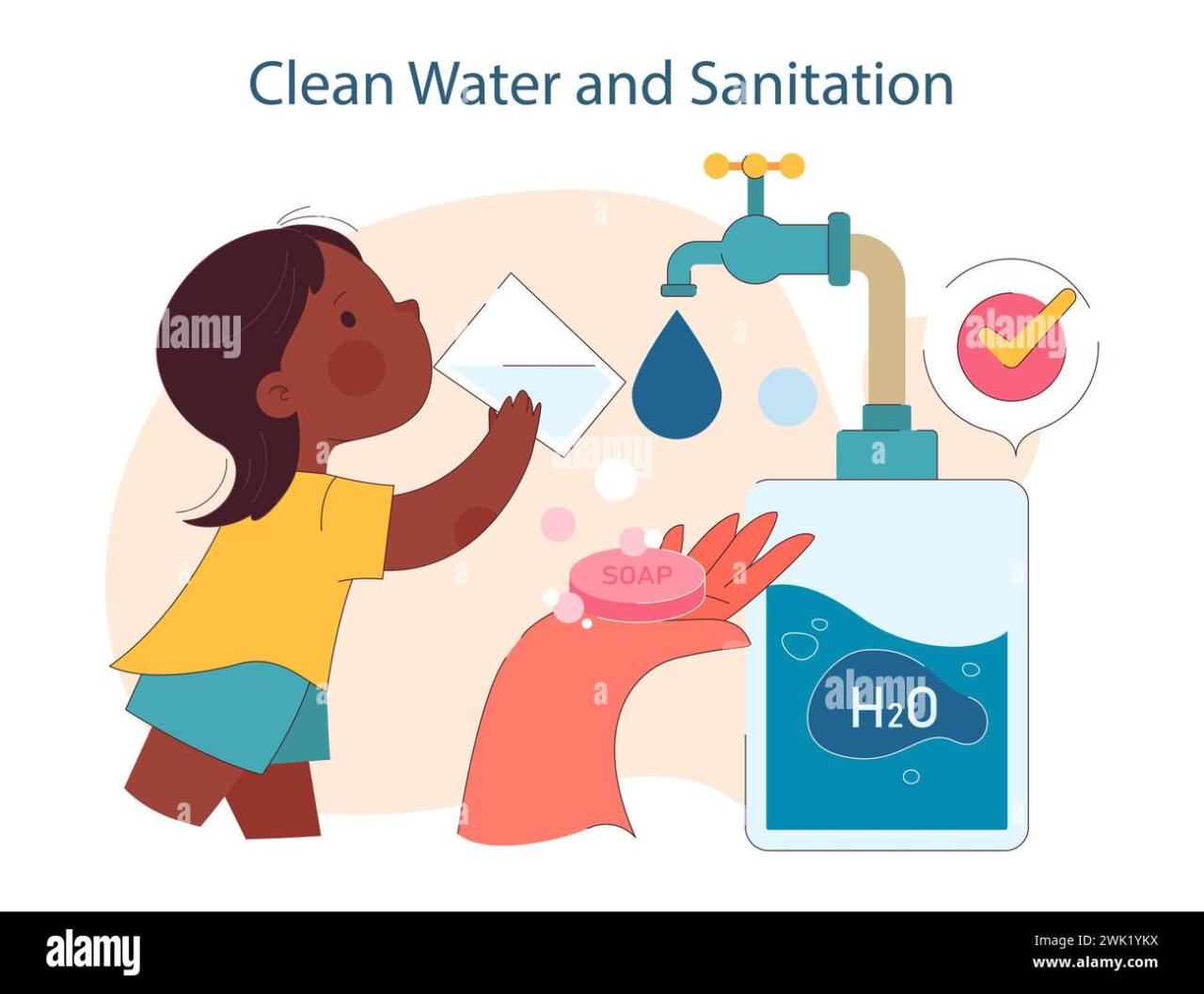
Climate change is a pressing global issue that significantly affects various environmental factors, including the quality and availability of drinking water. As temperatures rise and weather patterns become increasingly erratic, the implications for water hygiene are profound and far-reaching. Understanding these impacts is critical for ensuring safe drinking water for communities worldwide.
Climate change can lead to alterations in the hydrological cycle, influencing both the quality and quantity of water resources. Increased evaporation rates can reduce water levels in lakes and rivers, while intense rainfall can lead to runoff that carries pollutants into water sources. This dual effect creates a challenge for maintaining clean drinking water, especially in areas that are already vulnerable. For instance, regions experiencing drought may see diminished water supplies, while those subjected to flooding may face contamination from sewage and agricultural runoff.
Effects of Extreme Weather Events on Water Sources
Extreme weather events, intensified by climate change, pose significant risks to water sources. These events can disrupt the natural filtration processes that keep water clean and safe for consumption. The following points highlight the key risks associated with such occurrences:
- Flooding: Heavy rainfall can overwhelm water treatment facilities, leading to overflow and contamination of drinking water supplies with pathogens and pollutants.
- Drought: Prolonged dry spells can deplete freshwater resources, forcing communities to rely on less safe alternatives, which increases the risk of waterborne diseases.
- Storm Surges: Coastal flooding from storms can infiltrate freshwater sources with saltwater, complicating the treatment process and affecting the taste and usability of drinking water.
- Temperature Extremes: Higher temperatures can promote harmful algal blooms in lakes and reservoirs, which produce toxins that can contaminate drinking water and pose health risks.
To address the challenges posed by climate change on drinking water hygiene, several strategies can be implemented. These strategies focus on enhancing resilience and improving water management systems.
Strategies to Mitigate Climate Change Impact on Drinking Water Hygiene
Implementing effective strategies is essential for safeguarding drinking water quality against the backdrop of climate change. Below are some recommended approaches:
- Infrastructure Improvement: Upgrading water treatment facilities and pipelines to withstand extreme weather events can help prevent contamination and ensure the delivery of safe drinking water.
- Water Conservation: Promoting water-saving practices among communities can alleviate pressure on water resources during droughts, ensuring sustainable availability.
- Integrated Watershed Management: Encouraging collaboration between stakeholders in a watershed can lead to more effective management of water resources and improved water quality.
- Public Education: Raising awareness about the impacts of climate change on water hygiene can empower communities to take proactive measures in protecting their water sources.
The future of safe drinking water hinges on our ability to adapt to the changing climate and implement strategies that prioritize both quality and availability.
The interplay between climate change and drinking water hygiene necessitates immediate action and long-term planning. By understanding the impacts and adopting strategic responses, we can work towards ensuring safe drinking water for future generations.
Legislation and Policy Framework Surrounding Drinking Water Hygiene
Ensuring safe drinking water is a fundamental aspect of public health, necessitating a robust legislative and policy framework. Key laws and regulations are established to maintain water hygiene standards, which in turn protect communities from waterborne diseases. This segment will explore the essential legislation that governs water hygiene, the role of government and NGOs in upholding these standards, and the challenges faced in enforcing such policies effectively.
Key Laws and Regulations Governing Water Hygiene
A variety of laws and regulations are designed to ensure the safety and hygiene of drinking water supplies. Understanding these legal frameworks is crucial for grasping how water quality is monitored and maintained.
- The Safe Drinking Water Act (SDWA) – Enacted in the United States, this act authorizes the Environmental Protection Agency (EPA) to set health-based standards for drinking water to protect public health.
- The Clean Water Act – This legislation focuses on maintaining the integrity of water bodies and indirectly supports drinking water hygiene through pollution control measures.
- The World Health Organization (WHO) Guidelines – While not legally binding, these guidelines provide a framework for countries to develop their own drinking water safety standards.
- Local Water Quality Regulations – Many countries implement local regulations that specify water quality criteria based on regional needs and environmental conditions.
Role of Government and NGOs in Promoting Water Hygiene Standards
Government agencies and non-governmental organizations (NGOs) play pivotal roles in promoting water hygiene standards, ensuring compliance with laws, and educating the public. Their collaborative efforts are essential for reinforcing safe drinking water practices.
- Government Oversight – National and local governments are responsible for monitoring water quality and enforcing regulations through regular testing and inspections.
- Public Awareness Campaigns – NGOs often lead initiatives to educate communities about the importance of drinking water hygiene and safe practices.
- Funding and Resources – Both governmental bodies and NGOs may provide financial support for water sanitation projects, particularly in underserved areas.
- International Collaboration – Partnerships between governments and NGOs facilitate the sharing of best practices and technologies in water hygiene management across borders.
Challenges in Enforcing Drinking Water Hygiene Policies
Despite existing laws and active involvement from government and NGOs, significant challenges persist in enforcing drinking water hygiene policies. Recognizing these barriers is crucial for developing effective solutions.
- Resource Constraints – Many regions face a lack of funding and technical resources, limiting their ability to implement and enforce water hygiene regulations.
- Infrastructure Deficiencies – Aging water infrastructure can compromise water quality, making adherence to hygiene standards difficult in certain areas.
- Public Compliance – Ensuring community engagement and compliance with hygiene practices often proves challenging, as some individuals may lack awareness or access to information.
- Political Will – In some cases, insufficient political commitment to prioritize water hygiene can hinder effective policy enforcement and funding allocation.
Community Engagement and Education for Water Hygiene
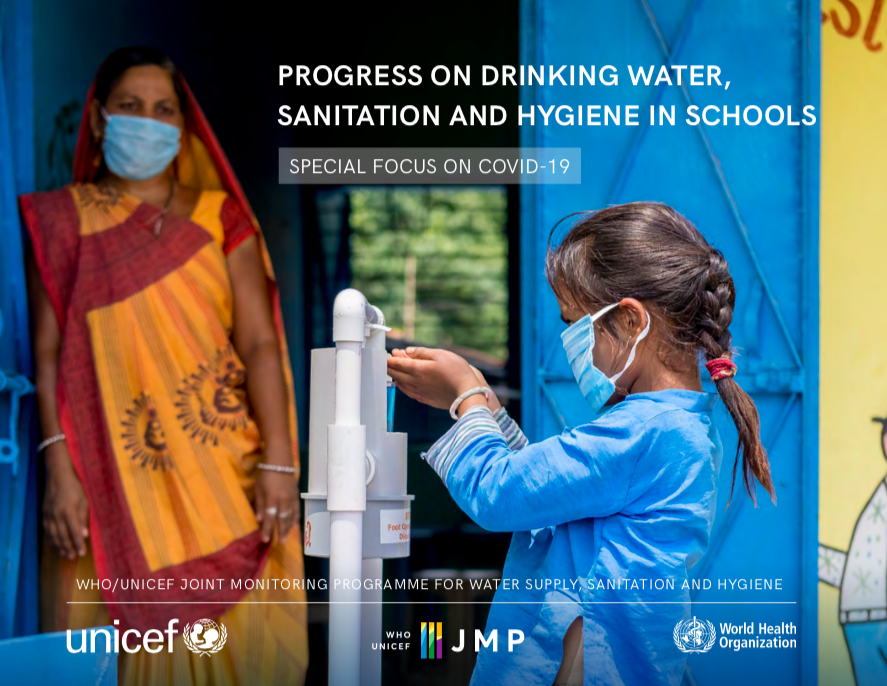
Community involvement is crucial in promoting water hygiene as it fosters a sense of ownership and responsibility among residents. When individuals participate actively in their community’s water hygiene initiatives, they are more likely to adopt practices that ensure safe drinking water. This collective effort not only enhances public awareness but also cultivates a culture of vigilance regarding water-related health issues.
Effective education methods tailored to the community can significantly increase awareness and engagement concerning safe drinking water practices. One method involves organizing workshops and informational sessions where experts can demonstrate the importance of water hygiene. Additionally, utilizing local media, including community radio and newsletters, can help disseminate valuable information and tips on maintaining safe drinking water.
Methods for Educating Communities About Safe Drinking Water Practices
It is essential to employ diverse educational approaches to reach various community segments effectively. Here are several impactful methods that can be utilized:
- Workshops and Training Sessions: Conducting hands-on workshops where community members learn about water purification techniques and hygiene practices can empower them to take control of their water safety.
- School Programs: Integrating water hygiene education into school curriculums ensures that children grow up understanding the importance of safe drinking water and can share that knowledge with their families.
- Community Clean-Up Days: Organizing events focused on cleaning water sources or surrounding environments encourages community participation while highlighting the connection between cleanliness and water hygiene.
- Use of Visual Aids: Creating posters and infographics that illustrate safe water practices can be an effective way to reach those who may not have access to formal education. These materials can be placed in public areas where community members frequently gather.
Local organizations play a vital role in advocating for better water hygiene by acting as a bridge between the community and essential resources. They provide educational materials, organize events, and often have access to funding that can support water hygiene initiatives. Their presence can amplify community voices in discussions with governmental agencies or stakeholders about necessary improvements in water sanitation infrastructure.
“Community involvement leads to more effective and sustainable water hygiene practices.”
Involving local organizations not only enhances the overall effectiveness of educational efforts but also ensures that initiatives are culturally relevant and aligned with community values. Their established networks can facilitate outreach and support, ultimately contributing to a healthier community and improved water hygiene standards.
Future Directions in Drinking Water Hygiene Research
The future of drinking water hygiene research looks promising, with a range of emerging trends and innovations poised to make significant impacts. As global water challenges grow due to climate change, urbanization, and population growth, the need for effective solutions becomes increasingly crucial. Researchers are now focusing on interdisciplinary approaches that integrate technology, public health, and environmental science to tackle these challenges more effectively.
One of the key aspects gaining traction in water hygiene research is the application of advanced technologies. Innovations such as smart sensors for real-time water quality monitoring, nanotechnology for water purification, and artificial intelligence for predictive analytics are transforming how we understand and manage drinking water hygiene. These technologies enable more efficient detection of contaminants and quicker responses to potential outbreaks, ultimately improving public health outcomes.
Emerging Trends and Innovations in Water Hygiene Research
The landscape of water hygiene research is evolving rapidly. Several emerging trends are shaping the future of this critical field. The following points highlight some key areas of focus:
- Smart Water Management Systems: The integration of IoT (Internet of Things) devices allows for continuous monitoring of water quality. This data-driven approach helps in identifying contamination sources and responding promptly.
- Biotechnology in Water Treatment: The use of microorganisms to treat wastewater or purify drinking water is gaining popularity. Advances in genetic engineering are enhancing the efficacy of these biological treatments.
- Decentralized Water Systems: With increasing urbanization, decentralized systems are being explored as a viable alternative to central water treatment facilities. These systems can be tailored to local conditions and needs.
- Public Health Integration: Researchers are emphasizing the connection between water hygiene and public health. Collaborative studies are focusing on understanding the links between water quality, disease vectors, and community health outcomes.
- Emerging Contaminants Research: As new chemicals and pollutants are identified, research is evolving to address these emerging contaminants in drinking water, including pharmaceuticals and microplastics.
Interdisciplinary Approaches to Water Hygiene Challenges
Addressing the complexities of drinking water hygiene necessitates an interdisciplinary approach. Collaborations between engineers, environmental scientists, public health professionals, and social scientists are essential. These partnerships facilitate a comprehensive understanding of water systems and human health implications. The integration of diverse perspectives leads to:
- Enhanced Problem Solving: Combining expertise from various fields encourages innovative solutions that address both technical and social dimensions of water hygiene.
- Community Engagement: Involving social scientists helps in designing interventions that resonate with local communities, ensuring better compliance and sustainable practices.
- Policy Development: Collaborative research informs policy-makers about effective regulations and guidelines, bridging the gap between science and governance.
Potential Research Areas for Improvement in Drinking Water Hygiene
The need for continuous research is apparent, especially in light of evolving challenges in water hygiene. Potential areas for future research include:
- Impact of Climate Change: Understanding how climate variability affects water quality and availability can inform adaptive management strategies.
- Water-Related Disease Surveillance: Developing robust systems for tracking waterborne diseases can aid in early detection and response efforts.
- Innovative Filtration Technologies: Researching new materials and methods for filtration can enhance the removal of contaminants, including pathogens and chemical pollutants.
- Consumer Behavior Studies: Investigating how consumers interact with water hygiene practices can provide insights into improving public engagement and education initiatives.
- Economic Assessments: Evaluating the cost-effectiveness of various water treatment technologies can guide investment decisions for municipalities and organizations.
Conclusion
In conclusion, drinking water hygiene is a multifaceted issue that demands our attention and action. By fostering a deeper understanding of water contamination, treatment processes, and the importance of regular maintenance, we can work towards a future where safe drinking water is accessible to everyone. Together, through education and community engagement, we can champion the cause of drinking water hygiene, ensuring healthier lives for generations to come.
Expert Answers
What are the health risks of drinking contaminated water?
Drinking contaminated water can lead to various health issues, including gastrointestinal diseases, neurological disorders, and in severe cases, death due to waterborne pathogens.
How often should I test my home water supply?
It is recommended to test your home water supply at least once a year for contaminants and every time there is a change in taste, color, or odor.
What are some signs that my drinking water may be contaminated?
Signs of contaminated drinking water include unusual taste, strange odors, discoloration, and the presence of sediment or floating particles.
Can boiling water purify it effectively?
Boiling water can effectively kill most bacteria, viruses, and parasites, making it a temporary solution for purifying drinking water.
What should I do if I suspect my water is contaminated?
If you suspect your water is contaminated, cease consumption, use bottled water, and contact your local health department for guidance and testing.