
 Valerie Eden
With Chicken health at the forefront, this topic invites you to delve into the essential elements that contribute to a thriving flock. From understanding nutritional needs to environmental factors, we explore the nuances of keeping chickens healthy and happy. This journey through chicken health offers insights that can elevate your poultry management practices.
The health of chickens is influenced by various factors including their diet, living conditions, and genetics. Biosecurity plays a crucial role in maintaining their wellbeing by preventing disease outbreaks. In this guide, we will uncover common health issues, essential nutrients, and effective preventive measures that every poultry enthusiast should be aware of to ensure their birds flourish.
Understanding the Basics of Chicken Health
Chickens, like all livestock, require a holistic approach to health management, integrating key factors such as diet, environment, and genetics. Understanding these elements is crucial for anyone looking to maintain a healthy flock, whether for personal use or commercial purposes.
A well-balanced diet is essential for the overall health of chickens. Chickens require a mix of carbohydrates, proteins, vitamins, and minerals to thrive. High-quality feed should be rich in these nutrients and tailored to the specific needs of different age groups and breeds. For instance, chicks require higher protein levels for growth, while laying hens need additional calcium for eggshell production. Access to clean, fresh water is equally important as dehydration can quickly lead to serious health issues.
The environment in which chickens are kept plays a critical role in their health. Indoor conditions, such as proper ventilation, temperature control, and cleanliness, can prevent respiratory diseases and other infections. Additionally, outdoor access allows chickens to exhibit natural behaviors, reduces stress, and provides opportunities for foraging, which can enhance their diet. The genetics of chickens also cannot be overlooked; certain breeds are predisposed to specific health conditions, making it essential to choose breeds that are well-suited to the local environment and management practices.
Role of Biosecurity in Poultry Health
Biosecurity measures are vital for preventing the introduction and spread of diseases among poultry populations. This includes practices such as controlling access to the flock, regular cleaning and disinfection of equipment, and monitoring for signs of illness. Implementing strong biosecurity protocols helps to safeguard not only the health of individual birds but also the entire flock.
Common health issues that affect chickens include respiratory infections, parasites, and nutritional deficiencies. Symptoms can vary but often include lethargy, coughing, wheezing, and abnormal droppings. For example, chickens suffering from coccidiosis may exhibit signs of diarrhea with blood, which can be life-threatening if not treated promptly. Additionally, external parasites like mites and lice can cause significant stress and health declines, leading to feather loss and reduced egg production.
“A proactive approach to chicken health, which combines diet, environment, genetics, and biosecurity, is essential for a thriving flock.”
Nutritional Requirements for Healthy Chickens
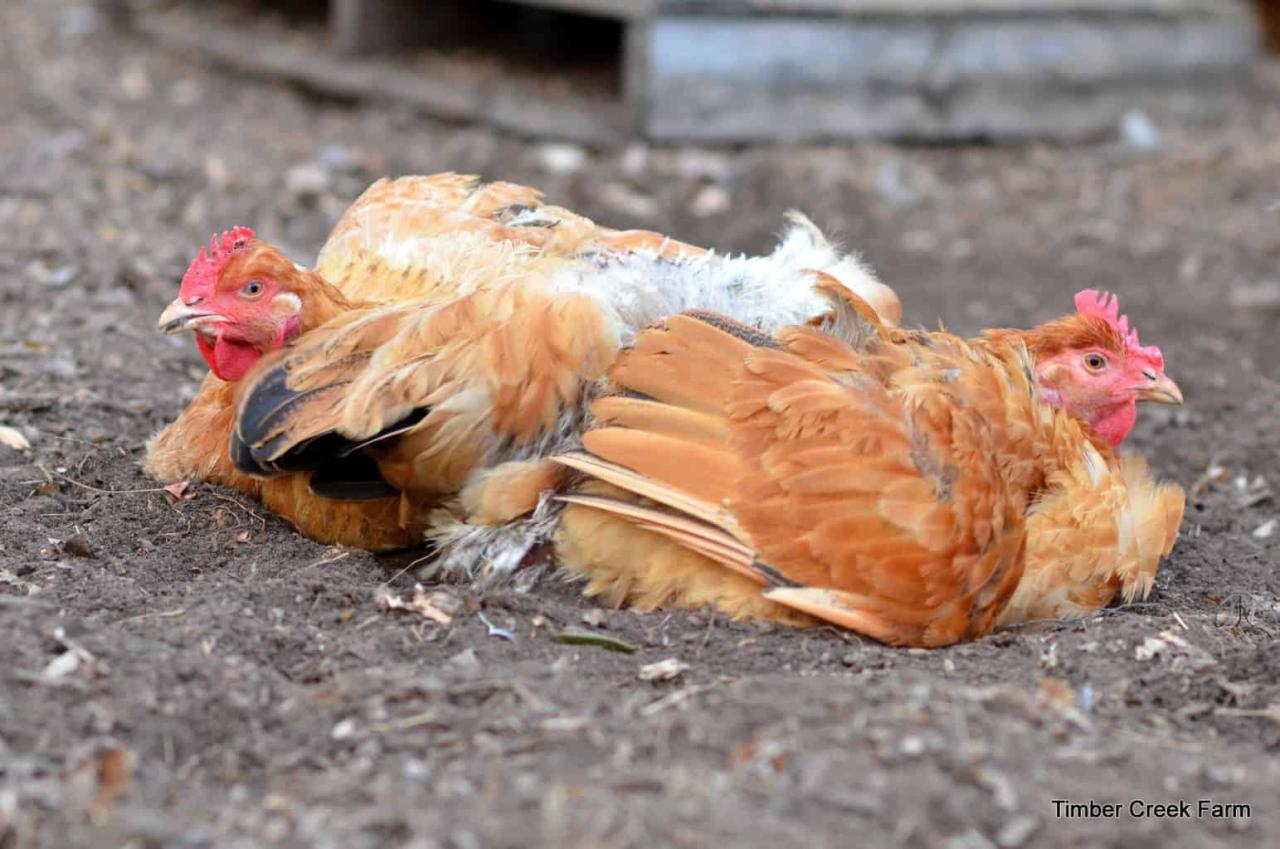
Chickens, like all animals, require a balanced diet to thrive. Proper nutrition not only supports their overall health but also enhances their productivity in terms of growth and egg production. Understanding the essential nutrients needed for chickens is critical for any poultry owner aiming for optimal results.
A balanced feed formulation plays a vital role in the health of chickens. These birds need a variety of nutrients, including proteins, carbohydrates, fats, vitamins, and minerals, to support their bodily functions, growth rates, and reproductive abilities. Balanced feeding ensures that chickens receive the right amount of each nutrient, which can directly influence their growth, egg-laying capabilities, and overall vitality.
Essential Nutrients for Chickens
When considering the nutritional needs of chickens, it’s important to recognize the roles played by each nutrient type. Here’s a breakdown of the essential nutrients:
- Proteins: Proteins are crucial for growth and muscle development. They provide amino acids necessary for tissue repair and egg production. A diet with 16-20% protein is recommended for layers, while meat chickens may require up to 24%.
- Carbohydrates: These provide energy for daily activities and are essential for growth. Grains such as corn and wheat are excellent sources.
- Fats: Fats are a concentrated source of energy and aid in the absorption of fat-soluble vitamins. A small amount (up to 5%) is beneficial in feed.
- Vitamins: Vitamins A, D, E, and K, along with B vitamins, are vital for various physiological processes, including vision, bone health, and metabolism.
- Minerals: Calcium and phosphorus are particularly important, especially for laying hens, to support eggshell formation. A calcium level of 3-4% is recommended in layer diets.
The importance of balanced feeding cannot be overstated. For instance, a deficiency in protein can lead to poor growth rates and reduced egg production, while an excess of certain nutrients can lead to metabolic disorders. Thus, formulating feed that meets the specific needs of different chicken breeds and their life stages is crucial.
Healthy Feed Formulations
Different breeds and life stages require tailored feeding formulations to meet their nutritional needs effectively. Here are examples of healthy feed formulations:
- Layer Breeds: A layer diet typically includes 16-18% protein, with added calcium for eggshell strength. Ingredients can include corn, soybean meal, and calcium carbonate.
- Broiler Breeds: Broiler feed is protein-rich, often comprising 20-24% protein to promote rapid growth. This can include corn, soybean meal, and various supplements for vitamins and minerals.
- Chick Starter Feed: For chicks, a starter feed with 18-20% protein is essential. This feed often contains a mix of grains, proteins, and vitamins to support early development.
“The right feed formulation supports not only the health of chickens but also maximizes their productivity.”
By understanding these nutritional requirements and implementing proper feeding strategies, poultry owners can ensure their chickens remain healthy and productive throughout their lives.
Preventive Measures for Maintaining Chicken Health
Maintaining the health of chickens is essential for any poultry farmer, whether large or small. Preventive measures not only enhance productivity but also reduce the risk of disease outbreaks that can devastate flocks. Following proper vaccination protocols, implementing biosecurity measures, and conducting regular health check-ups are integral parts of a comprehensive chicken health management plan.
Vaccination Protocols
Vaccination is a critical tool for preventing common diseases in chickens. Various diseases, such as Marek’s disease, Newcastle disease, and Infectious Bronchitis, pose significant threats to poultry health. A well-structured vaccination schedule ensures that chickens are protected at the right stages of their development.
Typically, the vaccination protocol includes the following:
- Marek’s Disease Vaccine: Administered at one day of age to provide early immunity.
- Newcastle Disease Vaccine: Given at 2-3 weeks, with booster doses as needed.
- Infectious Bronchitis Vaccine: Administered at 6-8 weeks, depending on the strain prevalent in the region.
- Coccidiosis Vaccine: Given at 1 day of age to prevent intestinal infection.
It is important to adhere to these schedules and consult a veterinarian for specific recommendations tailored to local disease challenges and flock management practices.
Biosecurity Plan for a Small Poultry Farm
Implementing a robust biosecurity plan is vital for minimizing health risks on a poultry farm. This plan involves a combination of practices designed to prevent the entry and spread of pathogens.
Key elements of an effective biosecurity plan include:
- Controlled Access: Limit entry to the poultry house to authorized personnel only. A visitor log should be maintained.
- Sanitation Procedures: Regular cleaning and disinfection of equipment and housing areas to eliminate pathogens.
- Quarantine: Isolate new birds for at least 30 days before introducing them to the existing flock.
- Protective Gear: Require all personnel to wear clean, designated clothing and footwear when handling the birds.
By establishing these practices, farmers greatly reduce the risk of disease transmission and enhance flock welfare.
Regular Health Check-Ups and Monitoring Practices
Routine health check-ups are essential for early detection of potential health issues in chickens. Regular monitoring allows for timely interventions that can prevent disease outbreaks.
Farmers should consider implementing the following health monitoring practices:
- Physical Examinations: Conduct weekly checks for signs of illness, such as lethargy, changes in appetite, or abnormal droppings.
- Weight Monitoring: Weigh birds regularly to ensure they are growing at an expected rate, indicating adequate health.
- Feeding and Watering Practices: Ensure that feed and water are clean and accessible, as poor nutrition can lead to health problems.
- Veterinary Consultations: Schedule periodic visits from a veterinarian to assess flock health and discuss prevention strategies.
By prioritizing these health check-ups, poultry producers can maintain a healthy flock and enhance overall productivity, contributing to the success of their farming operations.
Common Diseases and Their Treatments
Chickens, like any other livestock, are susceptible to a variety of diseases that can significantly affect their health and productivity. Recognizing these diseases early is crucial for maintaining flock well-being and productivity. The following sections discuss some common diseases in chickens, their symptoms, treatments, and the importance of early detection.
Common Diseases and Treatments
Understanding the diseases that commonly affect chickens, along with their treatments, is vital for any poultry keeper. Early recognition of symptoms can lead to timely interventions, preventing the spread of illness and minimizing losses. Below are five prevalent diseases along with their treatments:
- Avian Influenza: This viral infection can lead to severe respiratory issues and high mortality rates. Treatment focuses on biosecurity measures and supportive care. Vaccination is essential in high-risk areas.
- Newcastle Disease: Characterized by respiratory distress and neurological symptoms, this highly contagious viral disease requires immediate isolation of affected birds. Treatment involves vaccination and supportive care to manage symptoms.
- Coccidiosis: A parasitic infection caused by Eimeria species, it leads to diarrhea and weight loss. Treatment includes anticoccidial medications and improving sanitation to reduce exposure to oocysts in the environment.
- Fowl Pox: This viral disease manifests as lesions on the skin and can affect the respiratory system. While there is no specific treatment, vaccination can help prevent outbreaks, and supportive care may be necessary for affected birds.
- Salmonella: Causing enteritis and systemic infections, Salmonella can pose a significant health risk. Treatment involves antibiotics prescribed by a veterinarian, along with strict hygiene measures to prevent transmission.
Recognizing symptoms early is vital for effective disease management. When symptoms such as lethargy, changes in feed and water intake, or unusual droppings are noticed, swift action can be taken to isolate affected birds and seek veterinary assistance. Early intervention can mitigate the spread of disease, ensuring healthier birds and a more productive flock.
Case Studies in Disease Management
Successful disease management in poultry can be illustrated through various case studies that highlight the importance of preventive measures and rapid response to outbreaks.
“Implementing a robust vaccination schedule and biosecurity protocols can drastically reduce disease incidence in poultry operations.”
One notable case involved a large commercial poultry operation that experienced an outbreak of Newcastle Disease. By quickly isolating the affected flock and implementing a comprehensive vaccination strategy, the farm was able to limit the outbreak and subsequently recover its production levels within months. Regular health assessments and strict biosecurity measures were put into place, ensuring the continuation of healthy flocks.
Another example is a small-scale farmer who faced a Coccidiosis outbreak. After identifying the symptoms early, the farmer administered the appropriate anticoccidial medications and improved litter management practices. This proactive approach not only resolved the immediate health crisis but also established a long-term plan for disease prevention, significantly enhancing the overall health of the flock.
These case studies exemplify the critical role of early detection and intervention in effective poultry disease management. By learning from these experiences, poultry keepers can adopt best practices that contribute to a healthier and more productive flock.
The Role of Environment in Chicken Health
The environment in which chickens live plays a crucial role in their overall health and productivity. Factors such as temperature, humidity, and space directly influence their well-being, impacting everything from growth rates to egg production. Establishing a conducive living environment is fundamental for any chicken keeper aiming for optimal flock health.
Impact of Temperature and Humidity on Chicken Well-being
Temperature and humidity levels are vital determinants of chicken health. Chickens thrive in temperatures between 65°F to 75°F (18°C to 24°C). Extremes in temperature can lead to heat stress or hypothermia, both of which can adversely affect their immune system. Humidity levels should ideally range from 40% to 70%. High humidity can lead to respiratory problems and increased risk of disease.
To manage these environmental factors effectively, consider the following strategies:
- Provide adequate ventilation to reduce humidity levels and maintain air circulation.
- Use insulation in coops to regulate temperature in extreme weather conditions.
- Install fans or misting systems in hot climates to cool down the flock.
- Ensure chickens have access to shaded areas during hot days to prevent overheating.
Space Requirements for Healthy Living
Adequate space is essential for chickens to exhibit natural behaviors, which contributes to their overall mental and physical health. Crowding can lead to stress, aggression, and increased susceptibility to diseases.
The following points are important to consider regarding space:
- Each chicken should have a minimum of 4 square feet of space in a coop and 10 square feet in an outdoor run.
- Provide perches at different heights to encourage natural roosting behaviors.
- Ensure that feeders and waterers are spaced out to minimize competition and bullying.
Waste Management and Its Effects on Chicken Health
Proper waste management is critical to maintaining a healthy environment for chickens. Accumulated waste can lead to harmful ammonia buildup, attracting pests and fostering disease.
Effective waste management strategies include:
- Regularly clean the coop and replace bedding to minimize odor and disease risk.
- Implement a composting system for chicken droppings, which can provide valuable nutrition for garden plants.
- Use deep litter methods, where organic bedding material is layered and allowed to decompose, providing insulation and reducing waste.
Regular maintenance and attention to environmental factors can significantly enhance the overall health and productivity of chickens.
Behavioral Aspects of Chicken Health
Understanding the behavioral aspects of chicken health is vital to ensuring their overall well-being. Chickens are social creatures, and their behavior can significantly impact their physical health, productivity, and quality of life. By recognizing and addressing the behavioral needs of chickens, farmers and caretakers can create an environment that supports both mental and physical health.
The connection between behavioral health and overall chicken well-being is profound. Chickens that exhibit natural behaviors such as foraging, dust bathing, and socializing tend to be healthier and more productive. Stress and abnormal behaviors, on the other hand, can lead to various health issues, including reduced immunity and increased susceptibility to diseases. Consequently, observing and improving chicken behavior is essential in flock management.
Observing and Improving Chicken Behavior
Observing chicken behavior provides valuable insights into their health and well-being. Regular monitoring allows caretakers to identify signs of stress or illness early. Some key behavioral indicators to watch for include changes in activity levels, social interactions, and feeding behaviors. By fostering an environment that promotes positive behaviors, caretakers can enhance the overall flock health.
To improve chicken behavior in a flock setting, consider the following methods:
- Conduct regular health checks to identify any physical or behavioral issues.
- Monitor flock dynamics, paying attention to pecking order and social interactions.
- Implement gentle handling techniques to reduce stress during management practices.
- Provide adequate space to minimize overcrowding, which can lead to aggression and stress.
Enrichment Activities for Natural Behaviors
Enrichment activities are essential for promoting natural behaviors and reducing stress in chickens. These activities encourage chickens to engage in their instinctual behaviors, improving their overall health and happiness. Creating a stimulating environment can help prevent boredom and related behavioral issues.
Examples of enrichment activities include:
- Foraging opportunities: Scatter grains or treats in the litter to encourage natural foraging behavior.
- Dust baths: Provide a designated area with loose dirt or sand to allow chickens to dust bathe, which is important for feather maintenance.
- Perches and platforms: Install varying heights of perches to encourage climbing and social interaction.
- Interactive toys: Introduce hanging vegetables or toys to stimulate exploration and play.
- Social interaction: Ensure a stable flock size and avoid abrupt changes to maintain social bonds among chickens.
“Providing chickens with an environment that allows for natural behaviors is crucial for their health and productivity.”
The Impact of Stress on Chicken Health
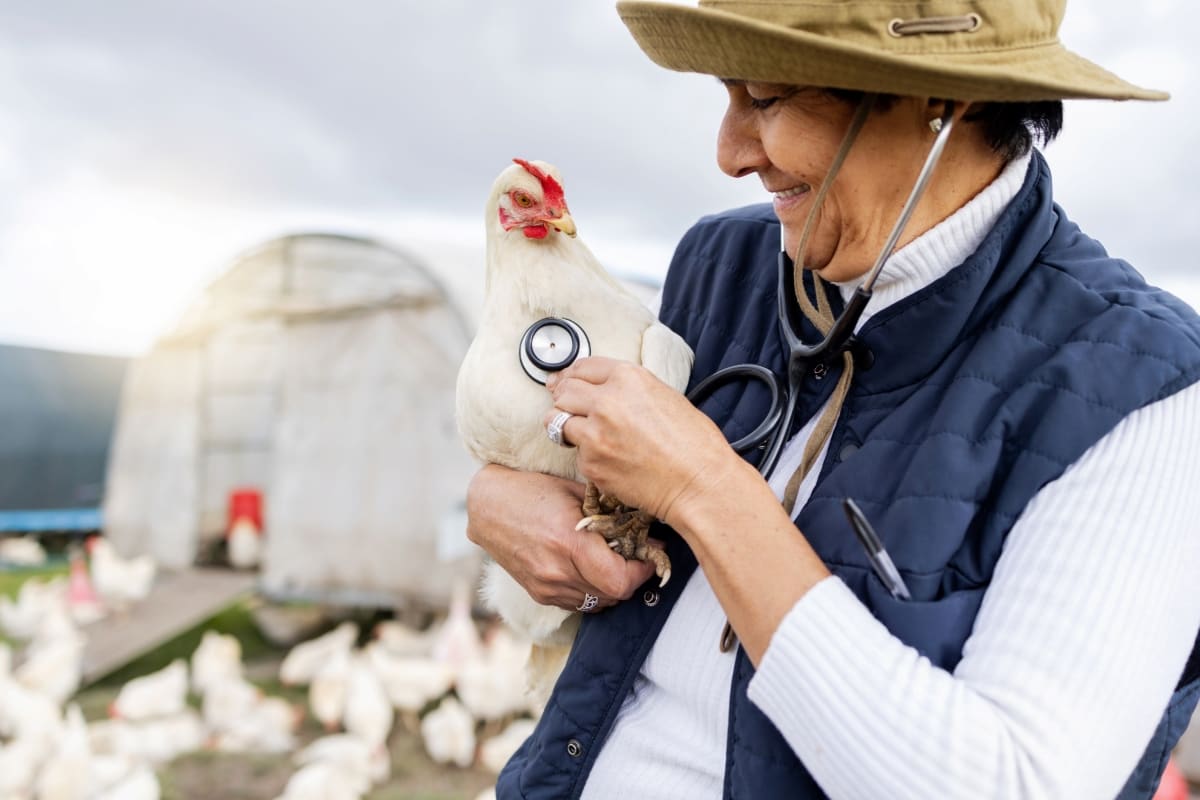
Stress can significantly influence the overall health and productivity of chickens. Various stressors, ranging from environmental changes to inadequate handling practices, can lead to serious health issues. Understanding these stressors and implementing strategies to mitigate them is essential for maintaining a thriving poultry operation.
Common Stressors Affecting Chickens
Chickens are sensitive creatures that can experience stress from multiple sources. Identifying these stressors is crucial for preventing health issues. The following are some notable stressors that affect chickens:
- Environmental Changes: Sudden shifts in temperature, humidity, or lighting can disrupt a chicken’s natural rhythm and cause stress.
- Handling and Transport: Rough handling during catching, transporting, or processing can lead to immediate stress responses, affecting their physical condition.
- Social Hierarchy Disruptions: Introducing new chickens or altering group dynamics can lead to pecking order conflicts, resulting in stress and injury.
- Health Issues: Illness, parasites, or poor nutrition can exacerbate stress levels, leading to further complications.
- Noise: Loud noises from machinery, vehicles, or other disturbances can frighten chickens and lead to increased anxiety.
Understanding the various stressors is the first step toward minimizing their impact on chicken health.
Strategies for Reducing Stress in Chickens
Implementing effective strategies to minimize stress during handling, transport, or environmental changes can enhance the well-being of chickens. Here are several effective practices:
- Gentle Handling Techniques: Train workers in proper handling methods that prioritize the chicken’s comfort and safety, using slow and calm movements.
- Acclimatization: Gradually introduce chickens to any changes in their environment, such as temperature or lighting adjustments, to reduce shock.
- Social Stability: Keep established flocks together and introduce new chickens slowly to minimize conflicts and establish a peaceful environment.
- Environmental Enrichment: Provide space, perches, and objects for exploration to reduce stress and promote natural behaviors.
- Monitoring Health: Regular health checks can identify and address issues before they escalate into stress-inducing problems.
Creating a stable and enriching environment is key to enhancing chicken health and productivity.
Case Studies Illustrating the Effects of Stress
Real-life examples highlight the significant impact of stress on chicken health and productivity. One compelling case involved a poultry farm that experienced a significant drop in egg production following extreme weather changes. The sudden rise in temperature led to heat stress, resulting in a 40% reduction in egg yield over just a few weeks.
Another case study showcased a transport scenario where chickens were handled roughly during loading and unloading. This led to a rise in injuries and mortality, as well as decreased growth rates among the affected flock. Proper training for personnel involved in handling and transport could have mitigated these issues.
In a third example, a farm that implemented stress-reduction strategies such as gradual acclimatization and environmental enrichments reported improved overall health parameters, with a noticeable increase in both egg production and the weight of the chickens.
Stress management is not just beneficial; it is essential for optimal chicken health and productivity.
Importance of Record Keeping in Poultry Health Management
Maintaining accurate health records for each chicken in a flock is vital for effective poultry health management. These records serve as a foundation for monitoring the well-being of the birds, enabling farmers to identify trends, track health issues, and implement timely interventions. Proper record keeping can enhance flock productivity, reduce mortality rates, and ultimately lead to a more profitable operation.
One of the primary benefits of maintaining accurate health records is the improved ability to make informed decisions regarding flock management. By analyzing data over time, farmers can detect patterns in disease outbreaks, assess the effectiveness of vaccination programs, and optimize feeding strategies. Additionally, comprehensive records can be critical for compliance with local regulations and organic certification requirements, ensuring that producers adhere to best practices.
Types of Data for Poultry Health Management
Collecting a variety of data points is essential for effective health management. The following types of data should be recorded regularly:
- Individual Bird Identification: Each bird should have a unique ID (e.g., leg bands, microchips) to track individual health histories.
- Health Observations: Notes on daily behavior, signs of illness, and any treatments administered should be logged diligently.
- Vaccination Records: Documenting vaccination dates, types, and responses aids in evaluating immunity levels within the flock.
- Feed and Water Intake: Monitoring daily consumption patterns helps identify potential health issues or dietary deficiencies.
- Mortalities and Culling: Recording the reasons for bird deaths and culling decisions assists in determining health challenges and improving management strategies.
The accumulation of this data not only assists in health management but also contributes to breeding and selection decisions. For example, if a particular strain shows consistent health issues, farmers can choose to breed from healthier stock, improving overall flock resilience.
Example of a Simple Record-Keeping System
A straightforward record-keeping template can greatly facilitate the organization of health data. Below is an example of a basic spreadsheet format that can be used for this purpose:
| Bird ID | Health Observations | Vaccination Date | Feed Intake (g) | Water Intake (ml) | Mortalities/Culling Reason |
|---|---|---|---|---|---|
| 001 | Active, no signs of illness | 2023-03-01 | 150 | 300 | N/A |
| 002 | Weak, lethargic | 2023-03-01 | 140 | 250 | Health issue |
This record allows farmers to quickly reference each bird’s health status, vaccination history, and feeding patterns. By maintaining this system consistently, farmers can enhance their ability to respond effectively to health challenges as they arise, leading to a healthier, more productive flock.
Innovations in Chicken Health Management
Recent advancements in poultry health care and technology are transforming chicken health management, ensuring that poultry producers can maintain high standards of animal welfare and productivity. These innovations not only enhance overall chicken health but also contribute to sustainable farming practices. As the industry faces challenges like disease outbreaks and antibiotic resistance, the integration of new technologies plays a crucial role in addressing these concerns.
Advancements in Poultry Health Care Technology
The integration of technology into poultry health management has led to significant improvements in disease monitoring and management. Technologies such as precision farming tools, wearable health monitors, and automated feeding systems are becoming commonplace in modern poultry operations.
One notable advancement is the use of health monitoring sensors that track vital signs and behaviors of chickens in real-time, allowing farmers to detect health issues before they escalate. This proactive approach helps reduce mortality rates and enhances overall flock productivity. The implementation of big data analytics in poultry operations is also noteworthy, as it enables farmers to analyze health data trends and make informed decisions quickly.
Genetic Selection for Disease Resistance
Genetic selection has emerged as a powerful tool in improving disease resistance among various chicken breeds. By selectively breeding chickens that exhibit strong immune responses and resilience to specific diseases, poultry producers can significantly enhance flock health and reduce reliance on antibiotics.
Programs focused on genetic improvements are being implemented worldwide. For instance, the use of molecular markers in breeding allows for more precise selection of traits associated with disease resistance. Studies have shown that breeds like the Red Ranger and Ross 308 are more resistant to common diseases such as Newcastle disease and avian influenza, showcasing the effectiveness of genetic selection in enhancing health outcomes.
Future Trends in Chicken Health Management
Looking ahead, several trends are expected to shape the future of chicken health management, with implications for the entire industry. The rise of personalized nutrition for poultry, utilizing data to tailor diets based on individual flock needs, is anticipated to enhance overall health and productivity.
Another trend is the increasing adoption of artificial intelligence (AI) in disease prediction and management. AI algorithms can analyze large datasets to identify potential disease outbreaks before they occur, allowing for swift intervention measures.
Furthermore, advancements in vaccine development, including the use of recombinant vaccines and delivery methods that enhance efficacy, are likely to play a pivotal role in disease prevention. The integration of these innovations will continue to enhance chicken health management, leading to improved animal welfare and more sustainable poultry production systems.
Final Wrap-Up
In summary, ensuring optimal chicken health involves a multifaceted approach that ranges from proper nutrition and biosecurity to understanding environmental impacts and behavioral aspects. By implementing the strategies discussed, poultry owners can foster healthier flocks that not only thrive but also contribute to sustainable farming practices. Remember, a happy chicken is a productive chicken!
Detailed FAQs
What are the signs of a healthy chicken?
A healthy chicken typically has bright eyes, smooth feathers, a good appetite, and is active and alert.
How often should chickens be vaccinated?
Chickens should be vaccinated according to a schedule based on their age and health history, often annually or as recommended by a veterinarian.
Can chickens eat kitchen scraps?
Yes, chickens can eat certain kitchen scraps, but avoid foods that are toxic to them, such as chocolate, onions, and garlic.
How much space do chickens need?
Chickens typically need about 4 square feet per bird in the coop and 10 square feet per bird in the run to ensure they are comfortable and healthy.
What should I do if a chicken is sick?
If a chicken shows signs of illness, isolate it from the flock and consult a veterinarian for diagnosis and treatment options.