
 Valerie Eden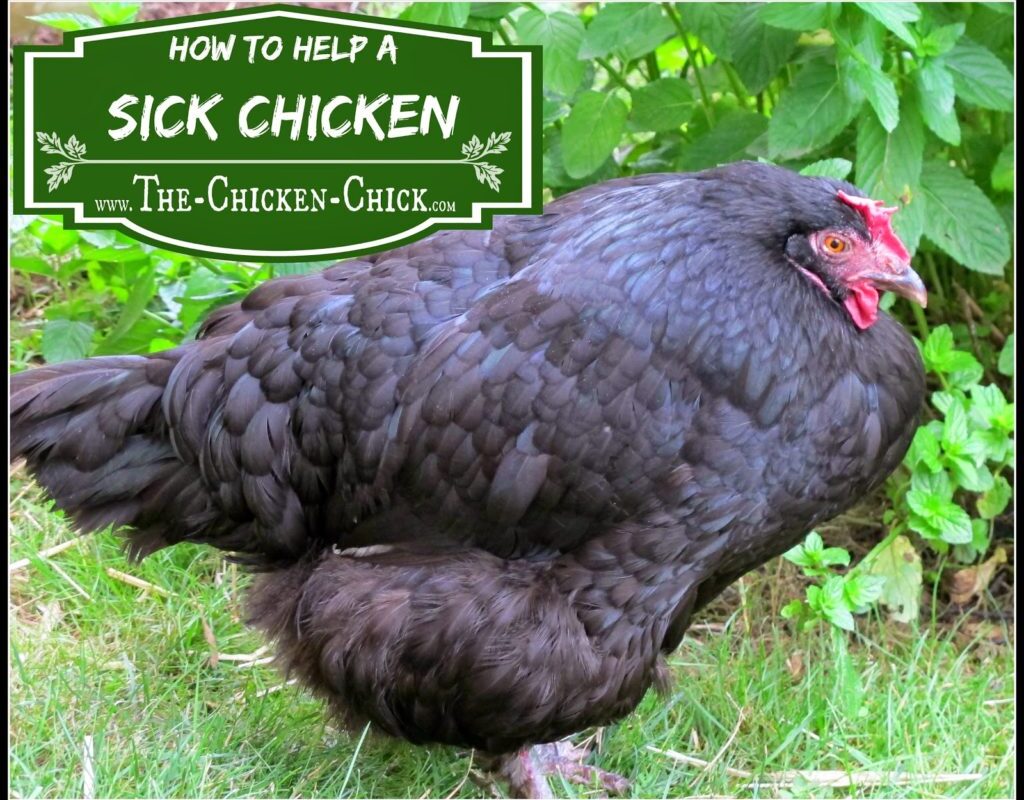
Understanding Sick chicken symptoms is crucial for any chicken owner who wants to ensure their flock remains healthy and vibrant. Chickens, like any other pets or livestock, can exhibit a range of signs when they’re not feeling well. Recognizing these symptoms early can make a significant difference in addressing health issues promptly and effectively. From lethargy to changes in appetite, being observant can help catch problems before they escalate.
In this discussion, we’ll explore common symptoms associated with sick chickens, delve into environmental factors that can contribute to illness, and highlight the importance of routine health checks and proper nutrition. Knowing what to look for can empower owners to take swift action, ensuring their chickens lead happy, healthy lives.
Understanding the common symptoms of sick chickens
Chickens, like any other animals, can fall ill and exhibit various symptoms that indicate their distress. Being attentive to these signs is crucial for any poultry owner, as early detection can significantly improve treatment efficacy and recovery chances. Understanding the common symptoms of sick chickens can help ensure their well-being and maintain a healthy flock.
The symptoms that indicate a chicken may be unwell can vary widely, but there are some typical signs that owners should monitor closely. These include changes in behavior, appearance, and overall health. Visible symptoms and signs of illness can be the first indicators that something is wrong. Commonly observed symptoms among sick chickens include lethargy, unusual vocalizations, changes in appetite, and abnormal droppings.
Visible symptoms to monitor closely
Monitoring your chickens closely for visible symptoms is essential for early intervention. Here are some key signs that may suggest your chicken is unwell:
- Lethargy: A chicken that is typically active but now appears sluggish or withdrawn can be an alarming sign. This may indicate various underlying health issues.
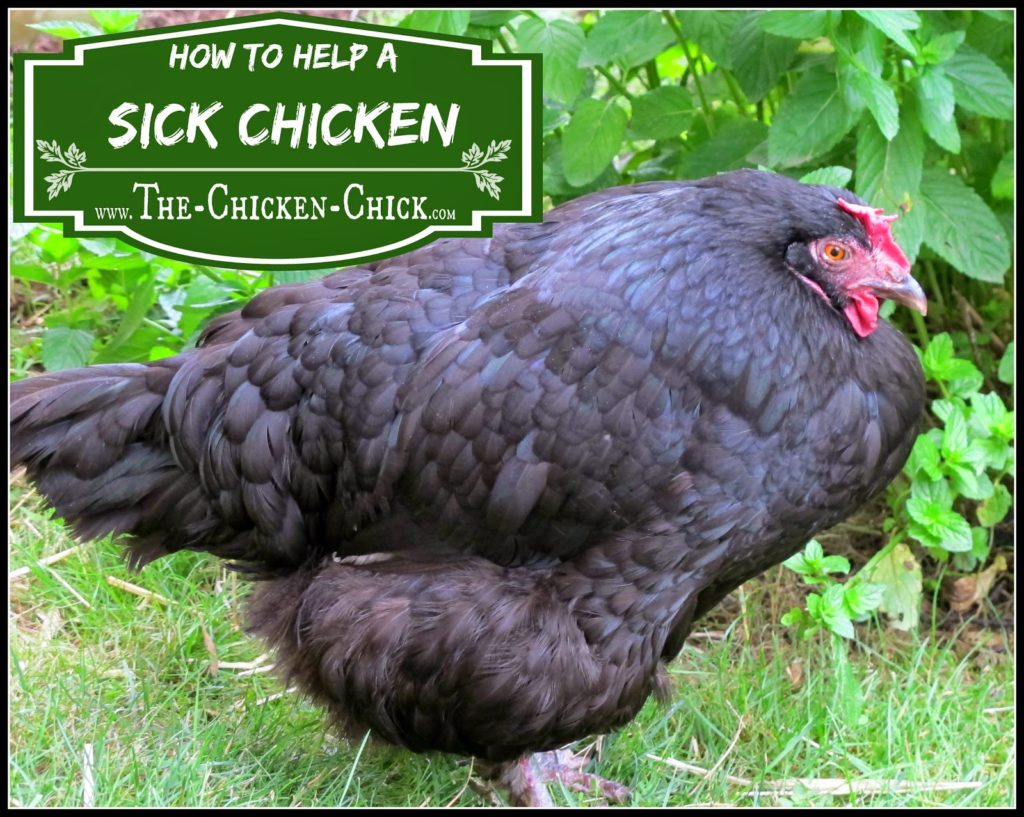
- Fluffed feathers: Chickens often fluff up their feathers when they are unwell, which can indicate they are too cold or are trying to conserve body heat due to illness.
- Loss of appetite: If a chicken refuses to eat or drink, it may be a sign of illness. Monitoring eating habits is vital for assessing health.
- Abnormal droppings: Changes in the color, consistency, or frequency of droppings can indicate digestive issues or other health problems.
- Coughing or sneezing: Respiratory issues are common in chickens. Any signs of coughing or nasal discharge should prompt immediate attention.
- Pale comb or wattles: Healthy chickens usually have bright red combs and wattles. Pale or discolored combs may suggest anemia or other health concerns.
Early detection of symptoms can lead to more effective treatment and better recovery outcomes for sick chickens.
Being vigilant and proactive in observing your chickens can make a significant difference in their health. Regular health checks and monitoring for these symptoms can prevent minor issues from escalating into serious problems. Taking prompt action when symptoms are noticed is not just beneficial; it is essential for maintaining a thriving flock. Understanding these signs will empower you as a poultry owner to respond swiftly and appropriately when your chickens are unwell.
The environmental factors contributing to chicken illness
Chickens, like all living beings, are significantly affected by their surroundings. Various environmental factors play crucial roles in determining their health and well-being. Understanding these factors is essential for anyone involved in poultry farming, as it directly impacts not only the chickens’ health but also the productivity of the flock. Factors such as temperature, humidity, and cleanliness are fundamental in preventing illness and ensuring a thriving environment for chickens.
Environmental conditions such as temperature and humidity can greatly influence the health of chickens. Extreme temperatures, whether too hot or too cold, can stress chickens, leading to various health issues. For instance, high temperatures can cause heat stress, which is detrimental to the chickens’ respiratory systems and overall vitality. On the other hand, low temperatures might lead to hypothermia, especially if chickens are not adequately protected from drafts or wet conditions. Humidity also plays a vital role; too much moisture in the air can lead to respiratory issues, while too little can cause dehydration and affect the chickens’ ability to regulate their body temperature.
Impact of Cleanliness and Housing Conditions
The cleanliness of the chicken coop and the quality of housing are pivotal factors in maintaining the health of chickens. Poor hygiene can lead to the buildup of harmful bacteria and parasites, which directly contributes to illness among the flock. Dirty bedding, accumulated waste, and inadequate ventilation can create an environment ripe for diseases.
The following points highlight how improper housing can lead to various health issues in chickens:
- Respiratory problems: A poorly ventilated coop can lead to high ammonia levels from droppings, which can irritate the chickens’ respiratory systems, making them susceptible to infections.
- Increased stress levels: Crowded conditions can elevate stress in chickens, leading to aggression and a weakened immune system, which may result in various illnesses.
- Parasite infestations: Improper housing that does not allow for adequate cleaning can harbor parasites like mites and lice, which can cause skin irritations and result in anemia.
- Infectious diseases: Overcrowding combined with poor hygiene can facilitate the spread of infectious diseases such as coccidiosis and avian flu.
To illustrate the importance of proper housing conditions, a common example is the case of broiler chickens raised in intensive farming systems. These chickens often suffer from leg problems due to overcrowding and inadequate space to exercise, leading to lameness and reduced growth rates. Furthermore, if their living area is not well-maintained, they are at a higher risk of developing infections, which can result in significant economic losses for farmers.
In conclusion, understanding and addressing environmental factors such as temperature, humidity, cleanliness, and proper housing is essential for the health and well-being of chickens. A well-managed environment not only helps prevent illness but also promotes productivity and longevity in poultry farming.
Common diseases associated with sick chicken symptoms
![Sick Chickens? Spot the Symptoms [Infographic] - Hobby Farms](https://thecozyroost.com/wp-content/uploads/2026/02/AdobeStock_320828297-scaled-e1668791025411.jpeg "Sick Chickens? Spot the Symptoms [Infographic] - Hobby Farms")
Chickens can suffer from various diseases that present specific symptoms, making it crucial for poultry owners to recognize these indicators promptly. Addressing these diseases early can prevent widespread outbreaks and promote flock health. Understanding the common diseases associated with sick chicken symptoms, such as Avian Influenza, Marek’s Disease, and Coccidiosis, is essential for effective management and treatment.
Avian Influenza, commonly known as bird flu, is a viral infection that affects various bird species, including chickens. Symptoms may include respiratory distress, lethargy, and a drop in egg production. In contrast, Marek’s Disease is a viral illness caused by a herpesvirus, leading to tumors in various organs and nerves. Symptoms can manifest as paralysis, weight loss, and abnormal feathering. Coccidiosis, on the other hand, is a parasitic disease caused by protozoa that infect the intestinal tract. This illness leads to diarrhea, weight loss, and poor growth rates in affected chickens.
To clarify the differences and similarities in symptoms, the following table summarizes key indicators associated with each of these diseases:
| Disease | Symptoms |
|---|---|
| Avian Influenza |
|
| Marek’s Disease |
|
| Coccidiosis |
|
Understanding the symptoms associated with these diseases enables poultry keepers to take immediate action when signs of illness appear. Early intervention can significantly reduce the impact of these diseases on the flock, ensuring healthier birds and better productivity. Furthermore, implementing preventive measures such as vaccination, hygiene practices, and biosecurity can aid in minimizing the risk of disease outbreaks in poultry operations. Awareness of these common diseases is vital for all those involved in poultry farming, helping maintain overall flock health and welfare.
Nutritional deficiencies and their impact on chicken health
Chickens, like all living organisms, require a variety of nutrients to maintain optimal health and productivity. A lack of essential vitamins and minerals can lead to a range of health issues, manifesting as sick chicken symptoms that can affect their growth, egg production, and overall vitality. Understanding the significance of these nutrients is crucial for any poultry keeper aiming for a thriving flock.
Nutritional deficiencies can have devastating effects on chicken health. Each nutrient plays a unique role in physiological processes, and when these nutrients are absent or insufficient, various health issues can arise. For example, a deficiency in vitamin A can lead to respiratory problems and poor vision, while a lack of calcium can result in weak bones and poor eggshell quality. Additionally, deficiencies in B vitamins can cause nervous system disorders, stunted growth, and feathering issues. The consequences not only affect individual birds but can also have a cascading impact on flock health and productivity.
Key vitamins and minerals for chicken health
A well-balanced diet for chickens should include a variety of essential vitamins and minerals. Here are some critical nutrients and their roles in maintaining chicken health:
– Vitamin A: Supports vision, immune function, and skin health.
– Vitamin D: Crucial for calcium absorption and bone health; prevents rickets and poor eggshell formation.
– Vitamin E: Acts as an antioxidant, aiding in reproductive health and muscle function.
– Vitamin K: Essential for blood clotting and overall metabolic processes.
– Calcium: Vital for bone structure and eggshell strength; deficiencies lead to soft-shelled eggs.
– Phosphorus: Works with calcium to build strong bones and teeth; important for energy metabolism.
– Selenium: A trace mineral that acts as an antioxidant, protecting cells from damage.
The absence of these key nutrients can lead to a variety of health problems that poultry keepers should be aware of. Signs indicating nutritional deficiencies in chickens include:
– Poor feather quality and abnormal feather loss.
– Reduced egg production or poor egg quality.
– Lethargy and decreased activity levels.
– Weight loss or stunted growth in chicks.
– Swollen joints or lameness, indicating potential mineral deficiencies.
– Respiratory issues or signs of infection due to weakened immune systems.
Recognizing these signs early and addressing nutritional gaps can help in maintaining a healthy and productive flock. Regularly providing a balanced diet, supplemented with necessary vitamins and minerals, will ultimately contribute to the overall well-being of chickens. By ensuring that your flock receives the proper nutrition, you can help prevent sick chicken symptoms and promote a thriving poultry environment.
Prevention strategies to maintain chicken health and reduce sickness
Preventing illness in chickens is essential for maintaining a healthy flock and ensuring optimal egg production and meat quality. Implementing effective prevention strategies not only lowers the risk of diseases but also enhances the overall well-being of the birds. This discussion focuses on various preventive measures that can be adopted to keep chickens healthy, including vaccination schedules, biosecurity protocols, and providing proper nutrition.
Vaccination schedules
Vaccination plays a crucial role in protecting chickens from various diseases. A well-structured vaccination plan helps in preventing outbreaks that can devastate a flock. It is vital to consult with a veterinarian to determine the most suitable vaccination schedule based on the specific needs of the flock. Here are some commonly recommended vaccines and their schedules:
- Newcastle disease vaccine: Administered at 6-8 weeks of age, followed by a booster at 12-14 weeks.
- Infectious bronchitis vaccine: Given at 6-8 weeks, with a possible booster every 6 months.
- Fowl pox vaccine: Recommended at around 8-12 weeks of age, particularly in areas with high disease prevalence.
Establishing a comprehensive vaccination program not only protects individual birds but also contributes to flock immunity, significantly reducing the risk of disease transmission.
Biosecurity measures
Biosecurity is essential for preventing the introduction and spread of diseases within a flock. Implementing stringent biosecurity measures creates a barrier against pathogens that can negatively impact chicken health. Key practices include:
- Access control: Limit access to the poultry area to essential personnel only.
- Sanitation: Ensure that all equipment, footwear, and clothing are cleaned and disinfected before entering the chicken area.
- Quarantine: Isolate any new or sick birds for at least two weeks before introducing them to the existing flock.
By enforcing strict biosecurity protocols, you can significantly reduce the risk of disease outbreaks.
Proper nutrition
Providing a balanced and nutritious diet is fundamental to maintaining chicken health. Chickens require a variety of nutrients, including proteins, carbohydrates, vitamins, and minerals, to support their immune system and overall vitality. A structured feeding plan should include:
- High-quality feed: Use commercially formulated feeds that meet the specific dietary requirements of chickens at various life stages.
- Fresh water: Ensure that clean, potable water is always available, as hydration is crucial for health.
- Supplementation: Consider adding vitamins and minerals as supplements, especially during stressful periods such as molting or extreme weather.
A well-balanced diet contributes significantly to the chickens’ ability to resist diseases and thrive.
Cleaning and maintenance routines
Regular cleaning and maintenance of the chicken coop and surrounding areas are vital for reducing the risk of disease. A clean environment helps minimize exposure to pathogens. Effective routines include:
- Daily cleaning: Remove droppings and uneaten feed from the coop and run each day.
- Weekly deep cleaning: Wash and disinfect feeders, waterers, and nesting boxes weekly.
- Monthly coop maintenance: Inspect and repair any damaged structures, ensuring good ventilation and reducing moisture accumulation.
Implementing these cleaning protocols helps maintain a safe environment for the chickens and significantly reduces the likelihood of disease outbreaks.
Treatment options for common ailments in chickens
Chickens, like any other livestock, can encounter a range of health issues that require appropriate treatment. Understanding treatment options is crucial for maintaining the health and productivity of your flock. Both natural remedies and veterinary medications can be effective in addressing common ailments such as respiratory infections, digestive issues, and parasitic infestations.
Several methods are available for treating sick chickens, and it is essential to choose the right approach based on the specific symptoms and severity of the condition. Below, we explore various treatment options, including their dosages and administration methods for quick reference.
Natural Remedies and Veterinary Medications
Natural remedies can be a gentle approach to treating minor ailments in chickens. However, for more severe cases, veterinary medications may be necessary.
Natural Remedies:
– Garlic: Acts as a natural antibiotic and can boost the immune system. Dosage: 1-2 cloves crushed and mixed into feed per 5 chickens.
– Apple Cider Vinegar: Helps improve digestion and can prevent bacterial infections. Dosage: 1 tablespoon per gallon of drinking water.
– Oregano Oil: Known for its antiseptic properties. Dosage: 1-2 drops in the water or feed for a few days.
– Pumpkin Seeds: Natural dewormer that can help control internal parasites. Dosage: 1 tablespoon per chicken mixed into feed.
Veterinary Medications:
– Tylan (Tylosin Tartrate): Used for respiratory infections caused by Mycoplasma. Dosage: 1 tablespoon per gallon of water for 5 days.
– Ivomec (Ivermectin): Effective against external and internal parasites. Dosage: 0.2 mg/kg body weight, typically given as an injection.
– Corid (Amprolium): Used to treat coccidiosis. Dosage: 1.5 teaspoons per gallon of water for 5 days.
– Baytril (Enrofloxacin): Broad-spectrum antibiotic for severe infections. Dosage: 10 mg/kg body weight, given orally for up to 5 days.
For quick reference, the following table summarizes these treatment options:
| Treatment | Type | Dosage | Administration Method |
|---|---|---|---|
| Garlic | Natural | 1-2 cloves per 5 chickens | Mixed into feed |
| Apple Cider Vinegar | Natural | 1 tablespoon per gallon | In drinking water |
| Oregano Oil | Natural | 1-2 drops | In water or feed |
| Pumpkin Seeds | Natural | 1 tablespoon per chicken | Mixed into feed |
| Tylan | Veterinary | 1 tablespoon per gallon | In drinking water |
| Ivomec | Veterinary | 0.2 mg/kg body weight | Injection |
| Corid | Veterinary | 1.5 teaspoons per gallon | In drinking water |
| Baytril | Veterinary | 10 mg/kg body weight | Orally for up to 5 days |
In conclusion, adopting a balanced approach that incorporates both natural remedies and veterinary medications can significantly enhance the health and well-being of your chickens. Always consult with a veterinarian to determine the most appropriate treatment for your flock’s specific needs.
The role of regular health checks in preventing sickness in chickens
Conducting regular health checks for chickens is crucial for maintaining their well-being and productivity. These assessments allow chicken owners to identify early signs of illness, ensuring timely intervention and treatment, thereby minimizing potential outbreaks and losses. Healthy chickens not only contribute to a thriving flock but also provide better quality eggs and meat. Routine health checks empower owners to monitor their flock’s overall health, leading to a proactive approach in disease prevention.
Regular health assessments are a vital practice in poultry management. They help in detecting conditions that might not be immediately obvious, including respiratory issues, parasites, and nutritional deficiencies. By establishing a routine, chicken owners can become familiar with the normal behavior and appearance of their birds, making it easier to spot any abnormalities. A thorough health check typically includes observing the chicken’s physical condition, behavior, and environmental factors.
Steps for conducting a thorough health check
A comprehensive health check involves several key steps to ensure that each chicken is assessed thoroughly. Begin by gathering all necessary supplies, including gloves, a thermometer, and a notebook to record findings.
1. Visual Inspection: Observe each chicken for any signs of distress, such as lethargy, unusual posture, or isolation from the flock. Check for any visible injuries or abnormalities, including feather loss or skin lesions.
2. Physical Handling: Gently handle each bird to feel for weight loss or body condition, as significant weight changes can indicate health issues.
3. Check Feather and Skin Health: Inspect the feathers for signs of parasites like mites or lice and ensure the skin is free of lesions or irritations.
4. Examine Eyes and Beak: Look for clear eyes and a healthy beak. Any discharge or swelling can signal respiratory or nutritional problems.
5. Monitor Respiration: Observe the breathing pattern. Rapid or labored breathing may indicate respiratory infections.
6. Temperature Check: Use a thermometer to check for fever. The normal body temperature for chickens ranges between 105°F and 107°F.
7. Assess Droppings: Examine droppings for consistency and color, which can provide insight into digestive health.
To make health checks more effective, owners may utilize a checklist. This ensures that each aspect of the health assessment is covered efficiently:
- Visual inspection for behavior and posture
- Weight evaluation
- Feather and skin condition check
- Eye and beak examination
- Respiration assessment
- Body temperature measurement
- Dropping consistency and color analysis
- Environment check for cleanliness and space
Regular health checks not only improve the overall health of the flock but also foster a closer bond between owners and their birds. Maintaining vigilance through these assessments contributes significantly to the long-term success and sustainability of poultry farming.
The impact of stress on chicken health and behavior
Chickens, like all animals, can be significantly affected by stress, which can manifest in various health issues and behavioral changes. Understanding how stress impacts chicken health is crucial for poultry caregivers aiming to maintain a healthy flock. Given the close relationship between physical well-being and psychological states, stress can lead to symptoms of illness that compromise the overall health and productivity of chickens.
Stress in chickens can arise from multiple sources, and it’s vital to identify these stressors to mitigate their effects effectively. Common stressors include environmental factors, social dynamics, and management practices. For instance, extreme temperature fluctuations, inadequate shelter, or poor ventilation can lead to heat stress or respiratory issues. Social stress may occur in overcrowded conditions or during pecking order disputes, which can result in aggressive behavior and injuries. Management practices such as sudden changes in diet, transportation, or handling can also contribute to stress levels in chickens.
Stress can lead to a range of symptoms, including a weakened immune system, decreased egg production, and increased susceptibility to diseases. When chickens experience stress, their bodies release stress hormones like cortisol, which can compromise their immune response. This hormonal imbalance may make them more prone to infections, parasites, and other health issues. Behavioral changes might include decreased activity levels, changes in feeding behavior, or increased aggression toward flock mates. Such changes can have dire consequences for both individual chickens and the entire flock.
To foster an environment that reduces stress and promotes chicken welfare, several practices can be implemented. Creating a suitable living space is paramount. This includes providing adequate space per bird, ensuring proper ventilation, and maintaining comfortable temperatures. Additionally, enriching the environment with perches, dust bathing areas, and foraging opportunities can help mitigate stress and promote natural behaviors.
Another effective practice is to establish a consistent routine for feeding, handling, and care. Chickens thrive on predictability; abrupt changes can lead to anxiety and stress. Implementing gradual introductions when adding new birds to an existing flock can minimize social stress and aggression.
Regular health checks also play a crucial role in stress management. By monitoring the health and behavior of chickens, caregivers can quickly identify and address any issues that may contribute to increased stress levels. Furthermore, providing a balanced diet rich in essential nutrients strengthens their immune systems, enabling chickens to better cope with stressors.
In summary, understanding the impact of stress on chickens is essential for maintaining their health and well-being. By recognizing various stressors and implementing practices to reduce stress, poultry caregivers can enhance their birds’ quality of life, leading to a healthier, more productive flock.
Final Wrap-Up
In conclusion, keeping an eye out for Sick chicken symptoms and understanding how to manage their environment and diet is key to preventing disease in your flock. By being vigilant and proactive, you can not only enhance the well-being of your chickens but also enjoy the many rewards of healthy poultry farming. Remember, a little knowledge goes a long way in keeping your feathered friends thriving.
FAQ Corner
What are the early signs of illness in chickens?
Early signs include lethargy, reduced appetite, ruffled feathers, and unusual vocalizations.
How can I tell if my chicken is stressed?
Signs of stress include pecking at each other, excessive squawking, and changes in eating habits.
Is it normal for chickens to have occasional sneezing?
Occasional sneezing can be normal, but frequent sneezing coupled with other symptoms may indicate a respiratory issue.
How often should I conduct health checks on my chickens?
It’s recommended to perform health checks at least once a month but more frequently during stress-prone times like extreme weather.
What should I do if I notice unusual symptoms in my chickens?
If you notice unusual symptoms, it’s best to consult a veterinarian who specializes in poultry for accurate advice and treatment options.