
 Valerie Eden
Chicken parasites are a significant concern for poultry farmers and chicken owners alike. These unwelcome guests can lead to a range of health issues in chickens, impacting their well-being and productivity. Understanding the various types of parasites, their life cycles, and the signs of infestation is crucial in maintaining a healthy flock.
This guide delves into everything you need to know about chicken parasites, from identifying common types like mites and worms to effective prevention and treatment methods. By equipping yourself with this knowledge, you can ensure the longevity and health of your chickens, ultimately safeguarding your investment in poultry farming.
Understanding the Different Types of Chicken Parasites
Chickens, like all living creatures, can fall victim to various parasites that affect their health and productivity. These parasites can be broadly categorized into two main types: internal and external. Understanding these parasites, their life cycles, and their effects on chicken health is crucial for effective management and prevention.
Parasites can severely impact the overall well-being of chickens, leading to decreased egg production, weight loss, and increased susceptibility to diseases. Internal parasites, such as worms, live within the chicken’s body, while external parasites, like mites and lice, reside on the surface of the chicken’s skin and feathers. The life cycles of these parasites can vary significantly, with some requiring specific environmental conditions for reproduction and survival.
Common Types of Chicken Parasites
Various parasites affect chickens, each exhibiting unique characteristics and behaviors that can harm their hosts. Below are some of the most common chicken parasites along with their impact on poultry health:
- Internal Parasites:
Internal parasites primarily include worms that infest the gastrointestinal tract of chickens. They can lead to malnutrition and anemia. Common examples include:- Roundworms: These are among the most prevalent internal parasites, often leading to significant health issues.
- Tapeworms: These flatworms can cause intestinal blockages, affecting nutrient absorption.
- Capillaria: This type of worm infests the crop and intestines, causing serious digestive problems.
- External Parasites:
External parasites live on the surface of the chicken’s body and can cause discomfort and disease. Examples include:- Chicken Mites: Small arachnids that feed on blood, leading to feather loss and anemia.
- Chicken Lice: These insects feed on skin debris and blood, causing irritation and stress.
- Fleas: Though less common, fleas can infest chickens and cause itching and discomfort.
“The presence of parasites can lead to reduced growth rates and diminished egg production in chickens.”
The life cycle of these parasites generally includes several stages, such as eggs, larvae, and adults, often requiring specific environmental conditions to thrive. For example, mites can reproduce rapidly in warm, humid environments, leading to infestations that can decimate a flock’s health. Understanding these life cycles helps poultry keepers implement timely interventions, such as deworming and pest control measures, to safeguard their flock’s health.
Signs and Symptoms of Parasite Infestation in Chickens
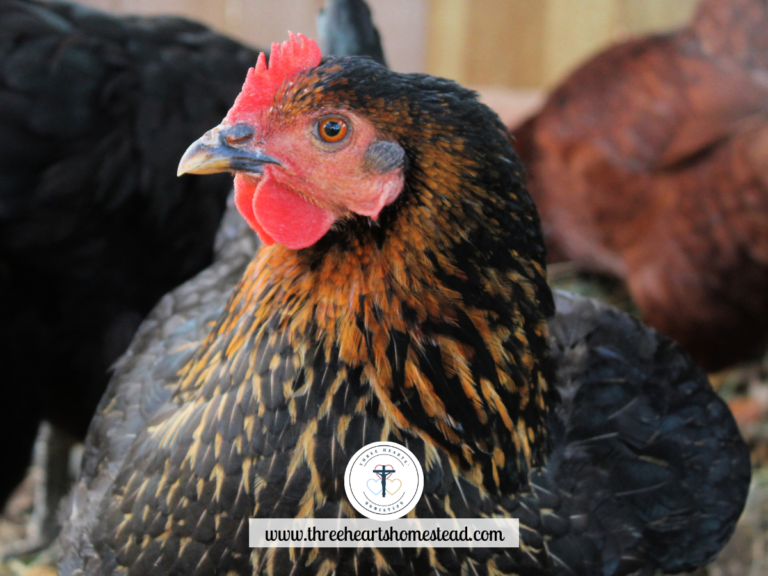
Recognizing parasite infestations in chickens is crucial for maintaining their health and productivity. Various types of parasites can affect chickens, leading to significant behavioral and physical changes. These changes often serve as red flags for owners to take prompt action.
To effectively detect parasites, it is essential to perform a thorough visual and physical examination of the chickens. Observing their behavior, feather condition, and overall vitality can provide vital clues about their health status. Regular checks will help in identifying any abnormalities early, allowing for timely treatment and prevention of further complications.
Behavioral and Physical Signs of Parasite Infestation
Chickens displaying signs of parasite infestations may exhibit several behavioral and physical characteristics. Awareness of these signs can facilitate early intervention and enhance overall flock health.
- Decreased activity levels: Infected chickens may appear lethargic, spending more time sitting or resting than usual.
- Poor feather condition: Infestations can lead to feather loss, itching, and an unkempt appearance due to constant scratching.
- Changes in appetite: A noticeable decrease in feed consumption or weight loss can occur as a result of parasites competing for nutrients.
- Unusual droppings: The presence of worms or a change in the consistency and color of droppings can signal a parasitic issue.
- Weight loss: Chronic infection often leads to significant weight loss, despite normal feeding behavior.
The importance of recognizing these signs cannot be overstated, as early detection is key to effective treatment and management.
Visual and Physical Examination Techniques for Parasites
Conducting a proper examination of chickens is vital for confirming the presence of parasites. Below are methods to visually and physically inspect chickens for signs of infestation.
- Visual Inspection: Observe the chickens in their environment. Look for excessive scratching, feather pecking, or changes in social behavior.
- Feather Check: Gently part the feathers to examine the skin for signs of irritation, lesions, or parasites such as mites or lice.
- Dropping Analysis: Inspect droppings for any unusual characteristics, such as the presence of worms, which may be indicative of internal parasites.
- Weight Measurement: Regularly weigh your chickens to monitor weight changes. A significant drop can suggest a parasitic burden.
Employing these examination techniques can help chicken owners maintain a healthy flock by identifying parasitic issues before they escalate.
Experiences from Chicken Owners Regarding Symptoms Before Diagnosis
Many chicken owners have shared their experiences regarding the symptoms observed before a definitive diagnosis of parasites. These anecdotes often highlight the importance of vigilance and prompt action.
“Initially, I thought my hens were just being lazy, but soon I noticed they were losing feathers and had become very withdrawn. A visit to the vet confirmed they had a severe mite infestation.” – A local chicken enthusiast.
Such shared stories underline how easily signs can be overlooked, emphasizing the need for regular health checks in poultry. Through these experiences, owners can learn to recognize the subtle cues that indicate an underlying issue, ultimately leading to better flock management and health outcomes.
Methods for Preventing Chicken Parasite Infestation
Maintaining a healthy flock is crucial for poultry farmers, and one of the key aspects of flock health is the prevention of parasite infestations. Parasites can lead to various health problems in chickens, including reduced growth rates, poor egg production, and even death in severe cases. Implementing effective prevention strategies is essential to keep your chickens thriving and your farm productive.
Creating a clean and sanitary environment for your chickens significantly reduces the risk of parasite infestations. Regular maintenance of the coop is vital, as a well-kept space can diminish the likelihood of parasites finding a home in your flock. The following practices should be adopted:
Sanitation Practices for a Clean Coop Environment
Sanitation is the foundation of parasite prevention. Keeping the coop clean involves several important steps that should be part of a routine cleaning schedule.
- Regular Cleaning: Clean the coop at least once a week by removing droppings and replacing bedding. Ensure that all surfaces are scrubbed to eliminate any eggs or larvae present.
- Disinfection: Use appropriate disinfectants on floors, walls, and equipment. A bleach solution or commercial poultry disinfectants can be effective, but always follow the manufacturer’s instructions.
- Proper Drainage: Ensure that the coop has proper drainage to prevent water accumulation, which can attract pests and create a breeding ground for parasites.
- Ventilation: Adequate ventilation helps in reducing humidity and keeping the environment dry, making it less hospitable for parasites.
- Regular Inspections: Conduct routine health checks on the birds and inspect the coop for signs of parasites, such as feather loss, unusual droppings, or visible pests.
In addition to sanitation, vaccinations and treatments play a significant role in controlling parasite risks. Research-backed methods can help mitigate the impacts of parasites on your flock.
Recommended Vaccinations and Treatments
Preventive health measures, including vaccinations and treatments, are essential for keeping parasites at bay. Poultry farmers should consider the following options:
- Vaccinations: While specific vaccines for some parasites may not be available, ensuring that chickens are vaccinated against common diseases (like Marek’s disease) can help improve their overall resilience. Stronger chickens are often less affected by parasites.
- Antiparasitic Treatments: Regular deworming with products like fenbendazole or ivermectin can help control internal parasites. Consult with a veterinarian for the right treatment protocols based on your specific flock needs.
- Probiotics: Adding probiotics to the diet can help enhance gut health, making chickens less susceptible to the effects of parasites. Healthy chickens are better equipped to fight off infestations.
- Biosecurity Measures: Implement biosecurity measures such as limiting access to the coop and requiring visitors to follow strict hygiene protocols to prevent the introduction of external parasites.
“An ounce of prevention is worth a pound of cure.” This underscores the importance of proactive measures in keeping your flock healthy and parasite-free.
Treatment Options for Chicken Parasites
When it comes to managing chicken parasites, selecting the appropriate treatment is crucial for the health and productivity of the flock. Effective treatment can prevent the spread of parasites, promote better growth rates, and improve overall well-being. This section explores the various options available for treating both internal and external parasites in chickens, from conventional medications to natural remedies.
Medications for Internal and External Parasites
A variety of medications are available for treating parasitic infections in chickens. These treatments can be categorized into those targeting internal parasites, such as worms, and those addressing external parasites, like mites and lice.
For internal parasites, commonly used medications include:
- Fenbendazole: This broad-spectrum dewormer is effective against a variety of worms and is typically administered through the drinking water or as a feed additive.
- Ivermectin: This medication is effective against both internal and external parasites. It’s often used in a topical form or as an injection.
- Piperazine: This drug is specifically effective against roundworms and can be added to the drinking water.
External parasites are typically treated with:
- Permethrin: A widely used topical insecticide that effectively controls mites and lice.
- Sevin (Carbaryl): This powder can be dusted onto birds to eliminate lice and mites.
- Natural Essential Oils: Oils such as eucalyptus and tea tree oil can be used as natural repellents and treatments for external parasites.
Natural Remedies for Parasite Control
Many chicken keepers prefer natural remedies to minimize chemical exposure for their birds. While such methods may not be as immediately effective as medications, they can play a significant role in prevention and control.
Some effective natural remedies include:
- Diatomaceous Earth: This natural product can be sprinkled in the chicken coop and nesting boxes. It works by dehydrating and killing parasites that come into contact with it.
- Garlic: Adding crushed garlic to the birds’ diet can help repel parasites due to its natural anti-parasitic properties.
- Apple Cider Vinegar: Adding this to drinking water can help boost the chickens’ immune systems and create an unfavorable environment for parasites.
Effectiveness of Treatments and Influencing Factors
The effectiveness of parasite treatments often varies based on several factors, including the type of parasite, the age and health status of the chickens, and the environment in which they are raised.
For example, younger chickens or those with weakened immune systems may require more intensive treatment or repeated applications to fully eradicate parasites. Additionally, the prevalence of certain parasites can vary by region, which may influence the choice of treatment.
“The key to successful parasite management is not just the medication used, but also the overall management practices of the flock.” – A seasoned chicken keeper.
Testimonials from Chicken Keepers
Many chicken owners have shared their experiences with various treatments, highlighting the importance of finding the right solution for their specific situations.
One chicken keeper reported an impressive turnaround after using Fenbendazole in their flock: “After treating my hens with Fenbendazole for a roundworm outbreak, I saw a noticeable increase in egg production within just a couple of weeks!”
Another keeper mentioned the benefits of natural remedies: “I started adding garlic and apple cider vinegar to my flock’s diet, and not only did it help deter parasites, but my chickens also seemed healthier overall.”
These testimonials emphasize that treatment efficacy can vary widely and that both conventional and natural methods have their place in effective parasite management.
The Role of Nutrition in Combating Chicken Parasites
A well-balanced diet plays a crucial role in enhancing the immune system of chickens, making them more resilient against parasitic infestations. Providing the right nutrients not only supports overall health but also fortifies the body’s defenses, equipping chickens to combat parasites more effectively. When chickens receive proper nutrition, their ability to fight off infections and reduce the likelihood of parasite-related health issues improves significantly.
Nutrition is vital for the overall health of chickens, and specific nutrients have been identified as particularly beneficial in preventing parasite infestations. A diet rich in these nutrients can bolster a chicken’s immune response and enhance its ability to fend off parasites. The following list details essential nutrients that support the health of chickens and help combat parasitic threats:
Beneficial Nutrients for Chicken Health
A variety of nutrients contribute to the strength of a chicken’s immune system. Understanding and incorporating these into their diet can help in preventing parasite loads:
- Protein: Essential for building and repairing tissues, a protein-rich diet strengthens immune function. Sources include soybean meal, fish meal, and insect protein.
- Vitamins: Vitamins A, C, and E are crucial for immune health. Vitamin A aids in maintaining epithelial integrity, while C and E act as antioxidants. These can be sourced from leafy greens, carrots, and seeds.
- Minerals: Zinc, selenium, and copper play important roles in immune response. Foods rich in these minerals include nuts, legumes, and whole grains.
- Fatty Acids: Omega-3 and Omega-6 fatty acids support immune function and can be found in fish oils and flaxseed.
- Probiotics: These beneficial bacteria promote gut health, which is critical for nutrient absorption and immune response. They can be introduced through fermented feed or specific supplements.
The impact of specific feed additives on reducing parasite loads has gained attention in poultry nutrition. Certain additives can enhance the diet’s efficacy against parasites by improving gut health and immune function, thus decreasing the incidence of infestations. The following feed additives have shown promise in this regard:
Effectiveness of Feed Additives
Incorporating specific feed additives has been demonstrated to reduce parasite loads effectively. These additives can modify the gut environment, making it less hospitable for parasites while promoting the overall health of the chickens.
- Essential Oils: Oils derived from plants, such as oregano and thyme, possess natural antiparasitic properties. They can disrupt the life cycle of parasites and improve overall gut health.
- Organic Acids: Short-chain fatty acids like butyric acid can enhance gut integrity and reduce pathogenic load by lowering pH levels in the intestines, making it less favorable for parasites.
- Herbal Extracts: Extracts from various herbs, such as garlic and neem, are known for their antiparasitic effects. These can be included in feed to help mitigate infestations.
- Probiotics: As previously mentioned, probiotics not only support gut health but also compete with parasitic organisms, minimizing their ability to thrive.
In summary, a well-balanced diet enriched with essential nutrients and effective feed additives plays a pivotal role in strengthening chickens’ immune systems against parasites. By focusing on nutritious feed, poultry farmers can significantly enhance the health and vitality of their flocks, leading to a decrease in parasitic challenges.
Long-term Management Strategies for Chicken Parasites
Effective management of chicken parasites is vital for maintaining the health and productivity of a flock. Long-term strategies not only help to minimize parasite infestations but also support overall flock well-being. Developing a consistent management plan ensures that chicken keepers can proactively address issues before they escalate.
Regular health checks and monitoring are essential components of any effective parasite management strategy. These practices enable poultry farmers to identify and treat infestations early, thereby reducing the overall impact on the flock. Implementing a structured approach to health assessments allows for timely interventions and better outcomes for poultry health.
Regular Health Checks and Monitoring
Establishing a routine for health checks is crucial for the long-term management of parasites in chickens. This should include both visual inspections and more detailed assessments to ensure the flock remains healthy.
– Weekly Visual Inspections: Monitor chickens for signs of distress, unusual behavior, or visible parasites. Check feathers, skin, and the vent area for abnormalities.
– Monthly Health Assessments: Conduct a more thorough examination that includes checking body weight, feather condition, and overall appearance. Look for signs of anemia or other health issues.
– Fecal Testing: Schedule fecal tests every 3-6 months to assess the parasite load within the flock. This can provide vital information for targeted treatments.
Utilizing these strategies not only assists in early detection but also fosters a culture of health awareness among poultry keepers.
Record-Keeping for Tracking Treatments and Trends
Maintaining accurate records is a fundamental aspect of managing chicken parasites effectively. Documentation allows farmers to track treatments, monitor trends over time, and make informed decisions about flock management.
– Treatment Logs: Keep detailed records of all treatments administered, including medication type, dosage, and date of administration. This helps in evaluating efficacy and preventing overuse of any treatment.
– Health Observations: Document observations during health checks to identify patterns or recurring issues. This can indicate whether certain parasites are becoming more prevalent or if specific treatments are losing effectiveness.
– Flock Histories: Compile comprehensive flock histories that include data on age, breed, and previous health issues. This provides insights into which groups might be more susceptible to specific parasites.
By prioritizing record-keeping, poultry farmers can enhance their understanding of parasite dynamics within their flock, ultimately leading to more effective management strategies and healthier chickens.
The Economic Impact of Chicken Parasites on Poultry Farming
The presence of chicken parasites in poultry farming can lead to significant economic repercussions that extend beyond immediate health concerns. These infestations negatively affect productivity, which can translate into substantial financial losses for farmers. Understanding the economic impact of these parasites is crucial for effective management and prevention strategies in poultry production.
The economic consequences of chicken parasites manifest in various ways, primarily through decreased egg production and compromised meat quality. Infestations can lead to poor feed conversion rates, increased veterinary costs, and the necessity for more extensive management practices to control outbreaks. Affected farms often see a reduction in both the quantity and the overall quality of their products, which directly correlates with revenue decline. Farmers may also face market restrictions when their products do not meet quality standards due to parasite damage.
Examples of Farms Affected by Severe Parasite Outbreaks
Several case studies highlight the economic toll of severe parasite infestations on poultry farms. For instance, a large-scale poultry operation in North Carolina experienced a devastating outbreak of coccidiosis, a common parasitic infection. The outbreak resulted in a 30% decrease in egg production over a six-month period, leading to estimated losses of over $500,000. This case underscores how quickly a parasite can disrupt production and lead to financial strain.
Another notable example involves a farm in Brazil facing a severe outbreak of gastrointestinal worms. The infestation not only decreased meat quality due to poor animal health but also led to high veterinary expenses and loss of customer trust. The farm’s revenue dropped by 40% during the period of infestation, highlighting the cascading economic effects caused by parasite management failures.
Calculating Potential Losses Due to Parasite Management Failures
Accurate calculations of potential losses stemming from parasite management failures are essential for poultry farmers. Several factors must be considered when assessing these financial impacts, including:
- Decreased production rates: Calculate the average loss in production (eggs or meat) during an outbreak, factoring in historical production data.
- Increased veterinary and management costs: Assess additional costs incurred for treatments and preventive measures during an outbreak.
- Market value of affected produce: Determine the market price of eggs or meat that would have been sold during the period of decreased production.
By utilizing the formula:
Potential Loss = (Average Production Loss x Market Price) + Additional Costs
farmers can estimate the financial impact of parasitic infestations and develop more effective management strategies to mitigate these losses. The importance of early detection and intervention cannot be overstated as they can significantly influence the overall economic health of poultry operations.
In conclusion, the economic impact of chicken parasites on poultry farming is multifaceted and can lead to severe financial repercussions. Through careful monitoring and management, poultry farmers can minimize these risks and protect their livelihoods.
Research and Innovations in Chicken Parasite Management
Recent advancements in research focused on chicken parasites have become instrumental in enhancing flock health and productivity. The poultry industry faces ongoing challenges with various parasitic infestations that can lead to significant economic losses. As researchers and innovators explore new strategies, the integration of science and technology has paved the way for effective parasite management solutions, ensuring healthier chickens and more sustainable farming practices.
One of the most notable areas of research is the development of targeted treatments that minimize the impact of parasites while ensuring the overall well-being of the birds. This includes innovations in vaccine formulations that enhance immunity against specific parasites, as well as the use of natural compounds derived from plants that exhibit antiparasitic properties. The shift towards more sustainable practices has also encouraged the exploration of biological control methods, such as the introduction of beneficial organisms that can help keep parasite populations in check.
Innovative Products and Solutions in Poultry
The poultry industry has seen a surge in innovative products that address parasitic infections, reflecting a shift from traditional methods to more advanced approaches. These innovations not only improve effectiveness but also minimize the risk of resistance commonly associated with conventional treatments.
Several groundbreaking products have emerged, which include:
- Herbal Antiparasitic Formulations: Natural products that utilize plant extracts, known for their traditional use in treating parasites, are being formulated into commercial products. These solutions are gaining popularity for their safety and efficacy.
- Probiotics and Prebiotics: Administering beneficial microorganisms has shown promising results in enhancing gut health, which indirectly helps in reducing the severity of parasitic infections.
- Microencapsulation Technology: This innovative method allows for the targeted delivery of antiparasitic compounds to specific sites in the chicken’s digestive system, increasing their effectiveness and minimizing side effects.
- Genetic Selection: Research into breeding chickens that are genetically resistant to certain parasites is progressing, enabling the development of healthier flocks with lower parasite burdens.
Traditional practices, such as the use of broad-spectrum dewormers and regular chemical treatments, have been effective but often lead to resistance issues and environmental concerns. In contrast, modern approaches emphasize integrated pest management (IPM), which combines biological, cultural, and chemical strategies to maintain parasite levels at acceptable thresholds.
“Integrating innovative solutions in poultry farming not only aids in combating parasites but also promotes sustainable practices that protect animal welfare and the environment.”
The transition from conventional to modern methods highlights the importance of research and ongoing innovation in managing chicken parasites effectively. The poultry industry is on the brink of a transformation that promises healthier birds and more resilient farming operations, underscoring the critical need for continued investment in research and development.
Closing Notes
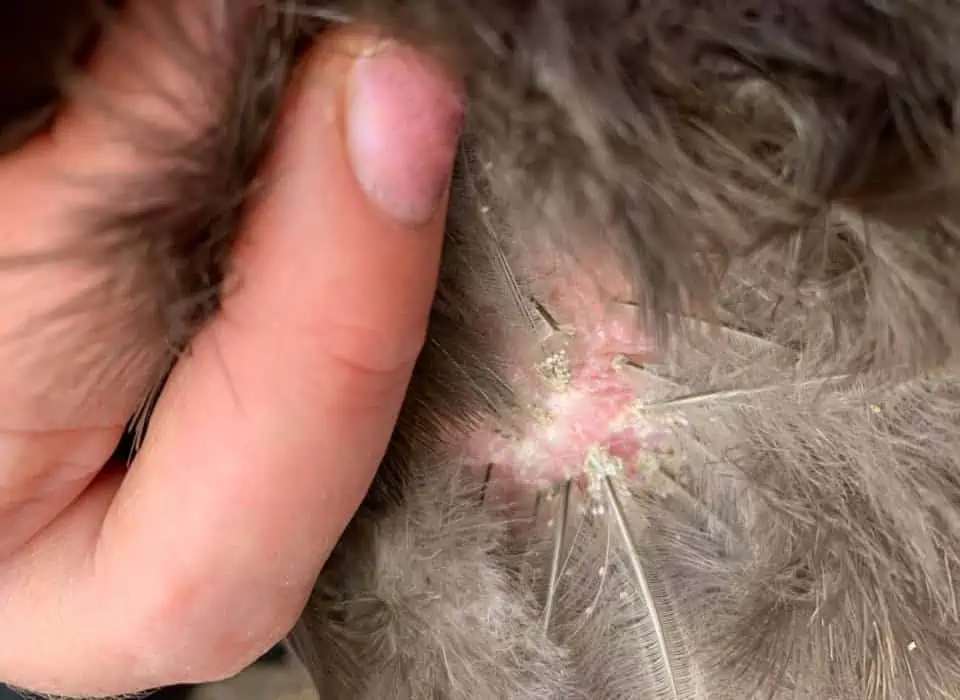
In summary, addressing chicken parasites is an essential part of poultry management that can no longer be overlooked. With the right knowledge and strategies, you can effectively prevent and treat infestations, leading to a healthier flock and better productivity. Keep monitoring your chickens and stay informed about the latest treatments and innovations in parasite management to ensure your birds thrive.
FAQ Section
What are the common signs of chicken parasites?
Common signs include weight loss, feather loss, lethargy, and changes in egg production.
How can I prevent chicken parasites?
Maintaining a clean coop, practicing good sanitation, and ensuring proper nutrition can help prevent infestations.
Are there natural remedies for treating chicken parasites?
Yes, options include diatomaceous earth and herbal treatments, but they may vary in effectiveness.
How often should I check my chickens for parasites?
Regular checks, ideally every few weeks, can help catch infestations early.
Can parasites affect egg production?
Yes, parasites can lead to decreased egg production and overall health issues in hens.