
 Valerie Eden
Scaly leg mites, a common yet often overlooked issue, can significantly affect our feathered friends. These tiny parasites, known scientifically as Knemidokoptes, invade the skin of birds, leading to discomfort and various health problems. Awareness of these mites is crucial for bird owners and enthusiasts alike, as effective management and treatment can preserve the well-being of affected birds.
Understanding the biology, symptoms, treatment options, and preventive measures related to scaly leg mites lays the groundwork for ensuring healthy avian companions. In this discussion, we will dive deep into the life cycle of these mites, identify the signs of infestation, explore effective treatments, and discuss the vital role of avian veterinarians in managing this issue.
Understanding the biology of scaly leg mites
Scaly leg mites, scientifically known as Knemidocoptes mutans, are ectoparasites that primarily affect birds, particularly chickens and other poultry. To effectively manage and treat infestations, it’s essential to delve into their biology, including their life cycle, habitat preferences, anatomical characteristics, and the specific interactions they have with their hosts.
The life cycle of scaly leg mites consists of several stages: egg, larva, nymph, and adult. Adult mites lay eggs within the skin of their avian hosts, particularly in areas where the skin is thin and vulnerable, such as the legs and feet. The eggs hatch into larvae in about 3-5 days, which then burrow into the skin. As the larvae mature into nymphs and then adults, they continue to feed on the host’s tissue and secretions. Scaly leg mites thrive in warm environments, making coops and enclosures with inadequate ventilation and high humidity ideal habitats for their proliferation.
Habitat preferences and life cycle stages
Understanding the specific habitat preferences and life cycle stages of scaly leg mites can help in developing effective management strategies. These mites prefer dark, warm, and moist environments. The following details describe their life cycle stages:
- Egg stage: Female mites lay eggs within the host’s skin, particularly in skin folds where the environment is favorable for hatching.
- Larval stage: After hatching, larvae emerge and begin to burrow into the skin, feeding on epithelial cells and lymphatic fluid.
- Nymph stage: Following the larval stage, nymphs develop through two molts before reaching adulthood, continuing to feed on the host.
- Adult stage: Adult mites are typically found in the same areas of the host, engaging in mating and laying more eggs, perpetuating the infestation cycle.
The anatomy of scaly leg mites distinguishes them from other parasites. They possess a round body shape, with a soft exoskeleton that lacks the hard, chitinous structure seen in some other mites. The legs are relatively short and adapted for burrowing into the skin, allowing them to infiltrate the epidermal layer effectively. The mouthparts are designed for piercing, enabling the mites to feed on skin cells and bodily fluids.
Scaly leg mites can cause significant irritation and discomfort in birds, leading to secondary infections and severe damage to the leg tissues.
The interaction between scaly leg mites and their avian hosts is primarily parasitic, leading to various health issues. As the mites feed on the host’s skin, they can cause inflammation, thickening of the skin, and the formation of crusts or scales, particularly on the legs. In severe cases, this can hinder the bird’s mobility and result in pain and stress. The condition is often exacerbated by environmental factors, such as overcrowding and poor hygiene within the bird’s habitat, which contribute to the spread and severity of infestations.
In summary, a comprehensive understanding of the biology of scaly leg mites—including their life cycle, habitat preferences, anatomical characteristics, and host interactions—provides valuable insights for effective management and treatment strategies for poultry owners.
Identifying symptoms of scaly leg mite infestation in birds
Scaly leg mites are a common health concern for birds, often causing a variety of symptoms that can be alarming for bird owners. Identifying these symptoms early is crucial for effective treatment and recovery. This section will cover the physical signs and behavioral changes that indicate a bird may be suffering from a scaly leg mite infestation, as well as how to differentiate these symptoms from other ailments.
Physical signs of scaly leg mite infestation
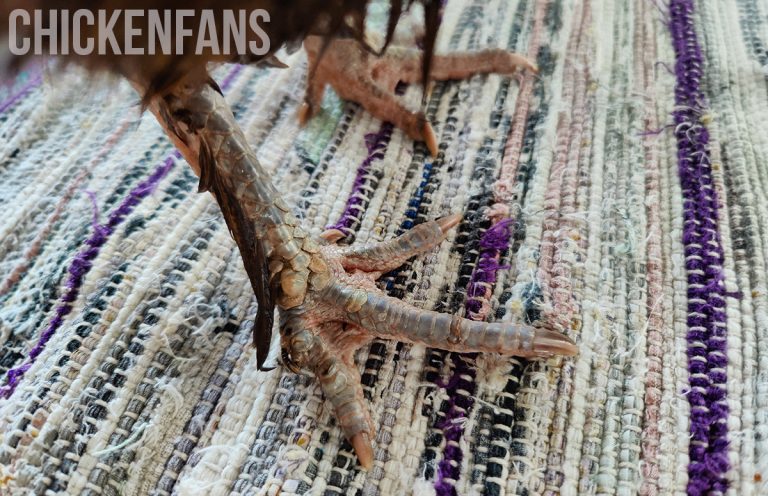
The appearance of a bird’s legs and feet can provide significant clues about the presence of scaly leg mites. Typically, infected birds show several distinct physical signs:
- Thickened skin: One of the most noticeable symptoms is a thickening of the skin on the legs and feet, which can become dry and scaly.
- Crusty lesions: As the infestation progresses, crusty lesions may develop, often leading to discomfort and pain for the bird.
- Color changes: The affected areas might change color, becoming gray or white in appearance, which can be a stark contrast to the bird’s normal skin tone.
- Scaling and flaking: The skin can begin to flake off, revealing raw, irritated areas beneath.
These physical signs are crucial for diagnosing a scaly leg mite infestation, as they often worsen if left untreated.
Behavioral changes in infected birds
In addition to physical symptoms, behavioral changes can also indicate that a bird is suffering from a scaly leg mite infestation. Observing these changes can provide important insights into the bird’s health status:
- Increased grooming: Infected birds may exhibit excessive grooming behaviors, as they try to alleviate the discomfort caused by the mites.
- Restlessness: Birds may become restless or agitated, which can be a response to the irritation caused by the mites.
- Reduced activity: A noticeable decrease in activity levels may occur, as the bird might feel unwell and prefer to stay in a quiet, undisturbed area.
- Separation from other birds: Infected birds might isolate themselves from their flock, indicating a state of distress or discomfort.
These behavioral changes serve as additional indicators that a bird may be dealing with a scaly leg mite infestation.
Differentiating scaly leg mite symptoms from other bird ailments
It is essential to distinguish scaly leg mite symptoms from those associated with other ailments in birds. Some common conditions that share similar signs include:
- Fungal infections: Fungal infections can also cause scaling and thickening of the skin, but they may present with discoloration that is often yellow or greenish rather than gray or white.
- Bacterial infections: These infections can lead to lesions and inflammation, but they usually come with additional signs of systemic illness, such as lethargy and a lack of appetite.
- Other skin parasites: Conditions caused by other parasites may show scaling, but often include hair loss or feather plucking, which is not typical of scaly leg mite infestations.
Understanding these distinctions can aid in accurate diagnosis and appropriate treatment for affected birds.
Effective treatment options for scaly leg mites
Scaly leg mites are a common problem among birds, particularly poultry, causing discomfort and potential health issues. Addressing these infestations promptly is crucial for the well-being of the affected birds. This section explores various treatment options, comparing natural remedies to chemical treatments, and provides a structured guide for application.
Treatment Methods for Eradicating Scaly Leg Mites
There are several effective treatment methods available for combating scaly leg mites, which include both natural remedies and chemical treatments. Choosing the right approach depends on the severity of the infestation and personal preferences regarding chemical use.
Natural remedies can be a gentle yet effective alternative for those who prefer to avoid chemicals. Common natural treatments include:
- Vegetable Oil: Applying vegetable oil to the affected area suffocates the mites while also moisturizing the skin.
- Neem Oil: This natural insecticide disrupts the life cycle of mites and can be sprayed on the legs of birds for effective treatment.
- Vinegar: A solution of vinegar and water can help clean the areas affected and deter mites due to its acidic properties.
In contrast, chemical treatments offer faster results and are often easier to apply. Common chemical options include:
- Permethrin: A commonly used insecticide, effective in killing mites on contact and has a residual effect to prevent re-infestation.
- Ivomec (Ivermectin): This veterinary product is effective against various parasites, including scaly leg mites, and can be administered orally or through injections.
- Pyrethrin: A natural insecticide derived from chrysanthemum flowers, effective in killing mites quickly while being less toxic compared to synthetic chemicals.
Step-by-Step Guide for Applying Treatments
To ensure the well-being of the birds and successful treatment of scaly leg mites, following a structured application process is recommended. The application method will vary slightly depending on whether a natural or chemical treatment is used.
1. Preparation:
– Gather all necessary materials including the chosen treatment, gloves, and any cleaning supplies.
– Ensure the area is clean to prevent further infestations.
2. Treatment Application:
– For natural remedies:
– Apply the oil or solution directly to the affected legs, ensuring to cover all areas.
– Use a cloth or cotton ball for better control of the application.
– For chemical treatments:
– Follow the manufacturer’s instructions carefully for dosage and method of application.
– Apply evenly across the affected areas, avoiding over-saturation.
3. Post-Treatment Care:
– Monitor the birds for signs of improvement or any adverse reactions.
– Maintain a clean living environment to prevent re-infestation.
– Repeat treatment as necessary, typically every 7-14 days, depending on the product used.
4. Follow-Up:
– Regularly inspect the birds for any signs of returning mites.
– Continue to maintain good hygiene practices in the living environment.
Regular monitoring and prompt treatment are key to managing scaly leg mite infestations effectively.
Prevention strategies for scaly leg mite infestations
Maintaining a healthy environment for birds is essential in preventing scaly leg mite infestations. These pests can cause significant discomfort and health issues for our feathered friends, so taking proactive measures is crucial. By creating clean and safe living conditions, implementing regular care routines, and focusing on a nutritious diet, bird owners can help protect their pets from these microscopic nuisances.
Establishing a clean environment is the first line of defense against scaly leg mites. Keeping the living area of birds tidy minimizes the potential for infestations. Regular cleaning routines should be implemented to remove any waste, feathers, and debris that may harbor mites. Furthermore, understanding the factors that contribute to mite infestations can help bird owners stay vigilant.
Best practices for maintaining a clean environment
A clean living space is fundamental in preventing scaly leg mite issues. Proper maintenance can significantly reduce the likelihood of infestations. Here are some effective practices:
- Regularly clean cages and perches: Remove droppings and old bedding at least once a week and thoroughly clean the cage with a safe disinfectant.
- Provide fresh bedding: Use clean, dry materials for nesting and bedding, as damp or soiled bedding can attract mites.
- Inspect and clean accessories: Regularly check and clean food and water containers, toys, and other accessories to prevent mite buildup.
- Minimize overcrowding: Ensure adequate space for birds; overcrowding can lead to increased stress and susceptibility to mites.
Implementing a regular care routine is equally important in preventing scaly leg mite infestations. Consistent attention to the birds’ overall well-being can enhance their resilience against pests.
Regular care routines for birds
Bird owners should establish a routine that includes regular health checks and grooming practices. These routines not only help in early detection of potential infestations but also promote overall health. Key components of a regular care routine include:
- Frequent inspections: Regularly check for signs of mite infestations, such as scaling or crusting on the legs and feet.
- Bathing birds: Provide opportunities for birds to bathe, which helps remove dirt and potential parasites from their feathers.
- Regular vet check-ups: Routine veterinary visits can help identify health issues early and provide preventive treatments.
- Grooming: Regularly trimming nails and checking for any skin irritations can help catch problems before they escalate.
Diet and nutrition also play a significant role in strengthening a bird’s resistance to mite infestations. A balanced diet can enhance the immune system, making birds less susceptible to pests.
Role of diet and nutrition
Nourishing birds with a well-rounded diet is essential for their overall health and resilience against mites. A few dietary considerations include:
- Provide a balanced diet: Incorporate a variety of seeds, fruits, vegetables, and pellets to ensure that birds receive essential vitamins and minerals.
- Focus on high-quality feed: Opt for premium bird feed that has been specifically formulated to meet the nutritional needs of the bird species.
- Hydration: Ensure that fresh water is always available, as hydration is crucial for bird health and aids in immune function.
- Supplement when necessary: Consider adding immune-boosting supplements or probiotics if recommended by a veterinarian.
By implementing these prevention strategies, bird owners can create a safer environment and promote the health of their feathered companions, significantly reducing the risk of scaly leg mite infestations.
The impact of scaly leg mites on bird health and behavior
Scaly leg mites, small parasitic arthropods primarily affecting birds, can lead to significant health issues and behavioral changes. These mites infiltrate the skin and feathers of birds, often going unnoticed until severe damage has occurred. Understanding their impact on bird health and behavior is critical for bird owners and aviculturists, aiding in the prevention and management of infestations.
Effects on overall health and immune system
Scaly leg mites can significantly compromise a bird’s overall health and weaken its immune system. The infestation can lead to the following health issues:
-
Skin irritation and inflammation:
Mites burrow into the skin, causing redness, swelling, and discomfort. Birds may scratch excessively, leading to secondary infections.
-
Feather loss:
Due to constant scratching and irritation, birds may lose feathers, leading to compromised insulation and protection.
-
Weight loss and malnutrition:
The stress of infestation can lead to decreased appetite, resulting in weight loss and nutritional deficiencies.
-
Increased susceptibility to diseases:
A weakened immune system makes birds more vulnerable to other infections and diseases, which can be life-threatening.
Long-term behavioral changes from severe infestations
Severe infestations of scaly leg mites can lead to notable alterations in bird behavior. These behavioral changes are often a direct result of the physical discomfort and stress caused by the mites.
-
Increased aggression:
Infested birds may become more aggressive towards cage mates due to discomfort and irritation, disrupting social dynamics.
-
Reduced social interaction:
Birds suffering from mite infestations might isolate themselves, avoiding interaction with others, which can impact their mental well-being.
-
Changes in vocalization:
Infested birds may exhibit changes in their vocalizations, often becoming quieter or more distressed, indicating their discomfort.
Consequences of untreated infestations
If scaly leg mite infestations remain untreated, they can lead to more serious health issues, which can be challenging to manage and may even result in fatal outcomes.
-
Severe skin infections:
Bacterial infections can develop from persistent scratching and injury to the skin, leading to further health complications.
-
Pneumonia and respiratory issues:
Weakened birds are at risk of developing respiratory problems, such as pneumonia, due to stress and compromised health.
-
Death:
In extreme cases, untreated infestations can lead to death, particularly in young or already weakened birds, underscoring the importance of timely intervention.
Research and advancements in scaly leg mite treatment
Recent studies on scaly leg mites, particularly in avian populations, have highlighted the urgency of developing effective treatments. Researchers are increasingly focused on understanding the biology of these mites, their impact on bird health, and the most effective strategies for management. Such insights are crucial for avian welfare, particularly for domesticated birds and those in captivity, where infestations can lead to significant health issues.
One of the key areas of research has been the efficacy of various treatment options, including both traditional and novel approaches. Recent studies have explored the use of natural remedies alongside conventional pharmaceuticals, aiming to minimize side effects while ensuring effective mite elimination. Findings indicate that integrating these methods can lead to better outcomes for birds suffering from infestations.
Recent scientific studies on scaly leg mites
A series of recent scientific studies have provided valuable insights into scaly leg mites and their implications for avian health. Researchers have noted that infestations can lead to severe skin irritation, secondary infections, and even mortality in severe cases. Key findings include:
- Studies have shown that scaly leg mites thrive in specific environmental conditions, prompting recommendations for managing housing and nesting areas to reduce their prevalence.
- Research has identified a correlation between the immune response of birds and the severity of mite infestations, suggesting that bolstering avian immune systems may be a viable preventive measure.
- Advancements in molecular techniques have allowed scientists to trace mite populations more effectively, leading to better understanding of their life cycles and breeding patterns.
Advancements in treatment options
The latest research findings have led to significant advancements in treatment options for scaly leg mites. These include:
- New formulations of systemic treatments are being developed, which target mites during their lifecycle, improving effectiveness and reducing the need for repeated applications.
- Natural products derived from plants, such as essential oils, have shown promise in studies, offering an alternative to chemical treatments with fewer side effects.
- Integrated pest management strategies are becoming standard, combining chemical treatments with environmental and behavioral modifications to ensure comprehensive control.
Future research directions
Looking ahead, the direction of research related to scaly leg mites and their management in bird populations is expected to evolve significantly. Predictions include:
- Increased focus on the development of vaccines that could enhance avian immunity against mite infestations, potentially reducing the incidence of severe cases.
- Collaboration between veterinarians and entomologists to create comprehensive treatment protocols tailored to specific bird species and their environments.
- Advancements in genetic studies may lead to the identification of mite resistance mechanisms, paving the way for targeted treatments that could disrupt mite biology without harming the host birds.
“Understanding the biology and ecology of scaly leg mites is essential for developing effective control measures and ensuring the health of avian populations.”
The role of avian veterinarians in managing scaly leg mites
Avian veterinarians play a crucial role in diagnosing and treating scaly leg mite infestations in birds. These specialized vets are trained to recognize the signs of mite infestations and administer appropriate treatments to ensure the health and well-being of their avian patients. With their expertise, they can also educate bird owners on preventive measures to help minimize the risk of future infestations.
Veterinarians use a variety of methods to diagnose scaly leg mites, including physical examinations and laboratory tests. They often look for characteristic signs such as crusty scales, swelling, and discolored skin on the legs and feet of birds. Once diagnosed, treatment typically involves the use of topical medications or injections that specifically target the mites. Additionally, avian vets may recommend environmental changes and improved hygiene practices to further support the bird’s recovery.
Importance of regular veterinary check-ups
Regular veterinary check-ups are essential for early detection and management of scaly leg mites. Routine visits allow avian veterinarians to monitor the overall health of birds and identify potential issues before they escalate.
- Early intervention can prevent severe health complications caused by prolonged mite infestations.
- Veterinarians can provide tailored advice on the best preventive care and treatment options available for specific bird species.
- Regular check-ups can lead to improved bird owner awareness regarding signs of mite infestations.
Bird owners should maintain a collaborative relationship with their avian veterinarian to ensure their feathered friends remain healthy. This partnership is vital in preventing mite infestations as it encourages open communication about any observed changes in behavior or physical appearance.
Collaborative prevention strategies
To effectively prevent mite infestations, bird owners and veterinarians can work together to establish a proactive care plan.
- Establishing a consistent schedule for veterinary visits to monitor health and treat any potential infestations promptly.
- Implementing thorough cleaning protocols for cages and environments to minimize environments where mites can thrive.
- Educating bird owners on the importance of checking birds regularly for signs of scaly leg mites and addressing any concerns with their veterinarian immediately.
By fostering this partnership, both bird owners and veterinarians can significantly reduce the incidence of scaly leg mite infestations, ensuring a healthier and happier life for pet birds.
The ecological impact of scaly leg mites on wild bird populations
Scaly leg mites, primarily affecting birds in the wild, can lead to significant ecological consequences. These tiny parasites, which infest the legs and feet of birds, have the potential to disrupt not only individual health but also overall bird populations and biodiversity. Understanding the implications of these infestations is crucial for conservation efforts aimed at preserving avian species and their habitats.
The presence of scaly leg mites can severely impact wild bird populations in various ways. Infected birds often exhibit signs of distress, such as difficulty walking or perching, which can lead to decreased foraging efficiency and increased vulnerability to predators. The condition can also result in secondary infections, compounding the effects of the initial infestation. A lack of mobility can hinder the birds’ ability to migrate and breed effectively, ultimately affecting population dynamics and species survival.
Effects on bird migration and breeding
Bird migration and breeding are pivotal processes in maintaining avian biodiversity. Scaly leg mites can disrupt these natural cycles, leading to concerning outcomes for affected species. When birds are infested, their energy reserves may dwindle due to the physical toll of managing an infestation. This energy depletion can result in:
- Delayed migration: Infested birds may struggle to undertake long migrations, which are essential for accessing breeding grounds or winter habitats.
- Reduced offspring survival: Poor health and increased mortality rates in adult birds can lead to fewer breeding pairs and lower reproductive success.
- Altered migration patterns: Infestations may force birds to change their migratory routes or destinations, impacting ecosystem balance and food web dynamics.
Scaly leg mites can also lead to a decrease in genetic diversity within bird populations. This reduction can occur when populations become isolated due to migration disruptions, making them more susceptible to disease and environmental changes.
Conservation efforts to manage scaly leg mite populations
Efforts to manage scaly leg mite populations in the wild are essential for safeguarding bird health and biodiversity. Conservationists have initiated several strategies aimed at controlling mite infestations. These efforts include:
- Monitoring and research: Organizations conduct studies to understand the life cycle and impact of scaly leg mites on various bird species, which informs future management strategies.
- Habitat management: Ensuring that habitats are kept clean and free from excessive moisture can reduce the favorable conditions for mite proliferation.
- Public awareness campaigns: Educating birdwatchers and the general public on the signs of mite infestations can lead to quicker reporting and intervention efforts.
The collaboration between wildlife organizations, researchers, and local communities is crucial in the effective management of scaly leg mites. Such initiatives are vital not only for the affected bird populations but also for the overall health of ecosystems where these species play significant roles.
Closing Summary
In conclusion, scaly leg mites are more than just a nuisance; they pose real threats to bird health and behavior. By staying informed about their life cycle, recognizing symptoms early, and implementing preventive strategies, bird owners can protect their pets from these pesky parasites. Remember, regular veterinary check-ups and a proactive approach to bird care can make a significant difference in combating scaly leg mites.
FAQ Explained
What are scaly leg mites?
Scaly leg mites are tiny parasites that burrow into the skin of birds, causing irritation and health issues.
How do I know if my bird has scaly leg mites?
Symptoms include scaling or crusty skin on the legs and feet, along with behavioral changes like excessive preening.
Can scaly leg mites affect all bird species?
Yes, while they are most common in domesticated birds, scaly leg mites can infest various bird species.
Are natural remedies effective against scaly leg mites?
Some natural remedies may help, but effectiveness can vary; consulting a veterinarian is recommended for severe infestations.
How often should I check my birds for mites?
Regular checks, at least monthly, are advisable to catch any infestations early.