
 Valerie Eden
Worming chickens is more than just a routine task; it’s a crucial part of ensuring your flock stays healthy and productive. In the world of poultry care, understanding the implications of worm infestations can make a significant difference in the wellbeing of your chickens and the quality of their eggs.
With the right information about the types of worms that affect chickens, the signs to look for, and effective worming methods, you can safeguard your birds against these unseen threats. Regular worming not only enhances the health of your chickens but also boosts their performance, leading to a more fruitful farming experience.
Understanding the Importance of Worming Chickens
Chickens, like any other livestock, require attentive care to ensure they remain healthy and productive. Worming is a crucial aspect of poultry management that should not be overlooked. Failure to address worm infestations can lead to significant health problems, affecting not only the chickens themselves but also the overall productivity of a farm or backyard flock.
Worms can pose serious health risks to chickens, including malnutrition, stunted growth, and even death in severe cases. These parasites consume essential nutrients that chickens need to thrive, leading to a weakened immune system and increased susceptibility to other diseases. Additionally, an untreated worm infestation can result in a decline in egg production and overall performance, as chickens become less efficient in converting feed into energy and growth. Regular worming practices are pivotal for ensuring that chickens remain healthy, robust, and capable of delivering better yields.
Impact of Worms on Egg Production and Overall Chicken Performance
The presence of worms in chickens can drastically reduce egg production and affect the quality of the eggs laid. Nutrients that are critical for egg formation, such as calcium and protein, are often depleted by these parasites. As a result, hens may lay fewer eggs, and the eggs they do produce may be smaller and of inferior quality.
To illustrate this point, consider a farm that experiences a significant drop in egg production during the months when worms are left untreated. A flock of 50 hens typically lays around 300 eggs a month. However, due to a worm infestation, this number can decrease to 200 eggs, representing a 33% drop in productivity. This not only affects the farmer’s income but also the food supply for consumers.
Regular worming can lead to healthier livestock and improved yields. Monitoring the productivity of your chickens after implementing a worming regime often reveals a positive correlation between regular worm treatments and overall flock performance. Healthy chickens are less likely to exhibit signs of stress and illness, which translates to consistent egg production and enhanced growth rates.
In summary, the importance of worming chickens cannot be overstated. Addressing worm infestations promptly ensures that chickens can maintain optimal health and productivity. By staying vigilant and implementing regular worming schedules, poultry keepers can foster healthier flocks and enjoy the benefits of better yields.
Recognizing Signs of Worm Infestation in Chickens
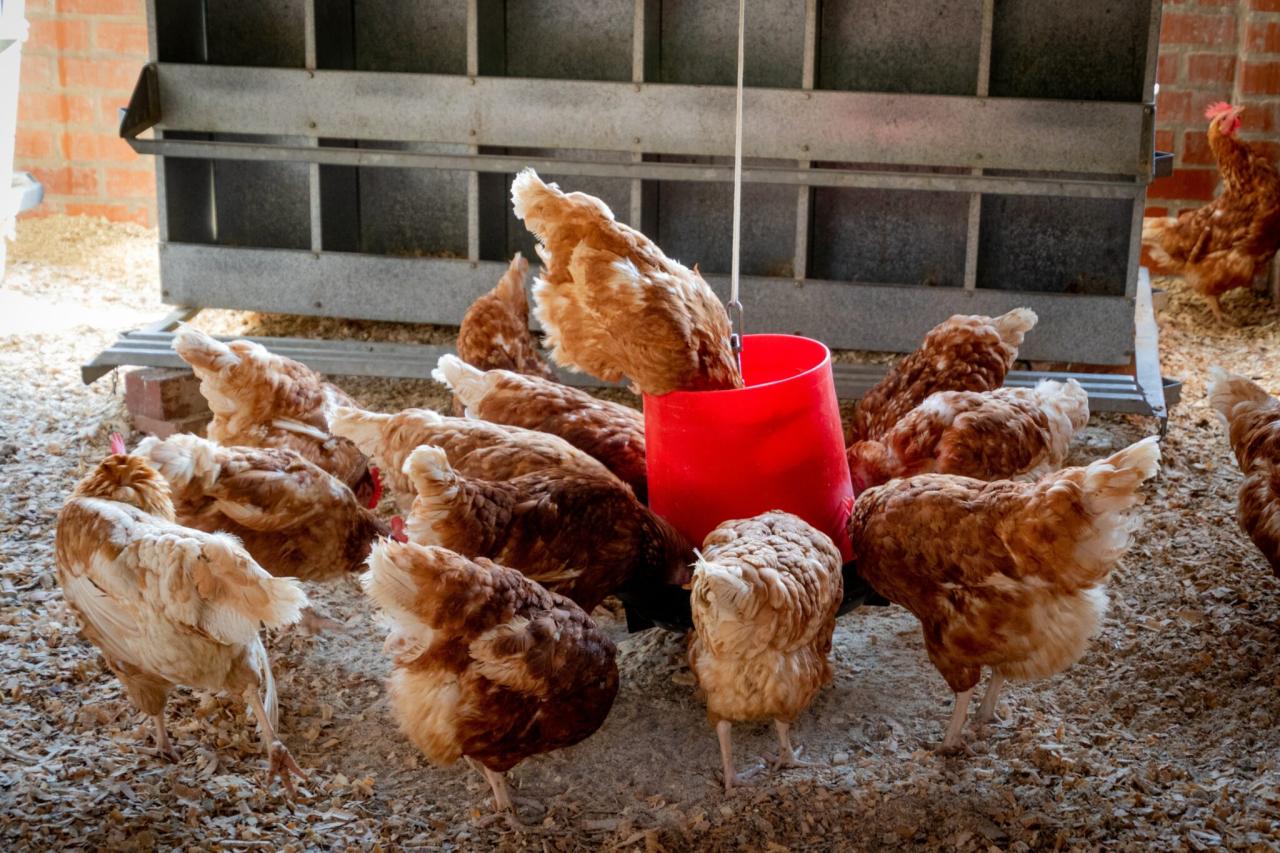
Worm infestations can significantly affect the health and productivity of chickens. Recognizing the signs early is crucial for effective treatment and prevention. Understanding the common symptoms, behavioral changes, and physical signs can help chicken owners maintain a healthy flock.
Chickens may exhibit various symptoms when they are infested with worms. These signs can vary based on the type of worm and the severity of the infestation. Early detection can lead to timely intervention, improving the chances of recovery and maintaining the overall health of the birds.
Common Symptoms of Worm Infestation
Identifying the symptoms of worm infestation is essential for chicken owners. The following are common indicators that a chicken may be suffering from worms:
- Weight Loss: A noticeable decrease in weight, even with regular feeding, suggests a health issue.
- Pale Comb and Wattles: The color of a chicken’s comb and wattles may become pale due to anemia caused by blood loss from worms.
- Diarrhea: Watery or unusually colored droppings can indicate intestinal problems linked to worms.
- Decreased Egg Production: A drop in egg output can be a sign of stress or health problems due to infestation.
Behavioral Changes Indicating Health Issues
Behavioral changes in chickens can often signal underlying health problems. In the case of worm infestations, you may notice the following behaviors:
- Lethargy: Infected chickens may appear sluggish and less active than usual.
- Isolating from Flock: Affected birds may prefer to separate themselves from the rest of the flock, indicating discomfort or ill health.
- Increased Dust Bathing: Chickens may engage in more dust bathing, attempting to alleviate skin irritation caused by worms.
Physical Signs in Droppings and Feathers
Examining droppings and feathers is crucial for identifying worm infestations. Here are the physical signs to observe:
- Presence of Worms: Adult worms or segments may be visible in droppings, particularly with tapeworm infestations.
- Abnormal Droppings: Droppings may appear green, yellow, or have a watery consistency, indicating intestinal distress.
- Feather Condition: Chickens with worms may exhibit poor feather quality, with feathers appearing dull or ruffled, as the parasites affect their overall health.
“Early detection of worm infestations is key to ensuring a healthy chicken flock.”
Types of Worms that Affect Chickens
Various types of worms can infest chickens, leading to significant health challenges and reduced productivity. Understanding these parasites is crucial for effective management and treatment. Among the most common are roundworms and tapeworms, each with distinct characteristics and impacts on chicken health.
Worm infestations typically happen when chickens ingest larvae or eggs present in contaminated feed, water, or soil. Once inside the host, these worms can grow, reproduce, and cause various health issues. The life cycle of these worms can vary, but they generally follow a pattern of egg laying, development into larvae, and subsequent infection of other birds.
Roundworms
Roundworms, specifically the genus Ascaridia, are one of the most common parasites found in chickens. These worms are elongated, typically measuring up to 10 centimeters in length. They inhabit the intestines of their hosts, feeding on the chicken’s digested food, which can lead to malnutrition, stunted growth, and reduced egg production.
The life cycle of roundworms involves several stages. After a chicken ingests the eggs from contaminated sources, the eggs hatch into larvae within the intestines. These larvae mature into adults, and the adult females can lay thousands of eggs that are excreted in the feces, perpetuating the cycle.
The effects of roundworms on chicken health include:
- Weight Loss: Infested chickens often show signs of weight loss despite having a normal appetite.
- Diarrhea: Frequent watery droppings can occur, leading to dehydration.
- Decreased Egg Production: Hens may lay fewer eggs or produce eggs that are smaller than usual.
- Poor Feather Condition: Infestations can lead to a dull, unkempt appearance of feathers.
Tapeworms
Tapeworms are another significant concern for chicken health. These flat, segmented worms belong to the class Cestoda and can grow several meters long. Unlike roundworms, tapeworms attach themselves to the intestinal walls and absorb nutrients directly from the chicken’s digestive tract.
Tapeworms have a complex life cycle often involving intermediate hosts such as insects or rodents. Chickens become infected when they consume these hosts or contaminated feed. The segments of tapeworms can break off and be excreted in the feces, allowing them to spread in the environment.
The health impacts of tapeworms on chickens can be severe, including:
- Nutritional Deficiencies: As tapeworms absorb nutrients, chickens can suffer from deficiencies leading to weak immune systems.
- Intestinal Blockage: Large infestations may cause blockages, leading to severe discomfort and potential death.
- Reduced Growth Rates: Chickens may exhibit stunted growth due to poor nutrient absorption.
- Lower Egg Production: Similar to roundworms, tapeworm infestations can lead to decreased egg output in hens.
In summary, both roundworms and tapeworms pose significant threats to chicken health and productivity. Understanding their life cycles and impacts can aid in the development of effective prevention and treatment strategies.
Methods for Worming Chickens
Worming chickens is an essential aspect of poultry care, ensuring that your flock remains healthy and productive. Worms can cause significant health issues, affecting the growth, egg production, and overall well-being of chickens. Various methods for worming chickens exist, both chemical and natural, each with its own advantages and disadvantages. Understanding these methods will empower chicken keepers to make the best decisions for their flocks.
Chemical Worming Treatments
Chemical wormers are widely used due to their effectiveness and rapid action. These treatments are often available in various forms, including powders, liquids, and medicated feed. Here are some common chemical options:
- Ivermectin: A broad-spectrum antiparasitic that targets a variety of worms. It is effective in treating both internal and external parasites.
Effective against many types of worms, but can cause adverse reactions in some birds.
- Piperazine: Commonly used for roundworms, it is available in drinking water or feed formulations.
Safe for use in laying hens, but requires multiple doses for effectiveness.
- Fenbendazole: Another broad-spectrum option, effective against many gastrointestinal worms.
Can be given in feed or water but requires careful dosage calculations.
The primary advantages of chemical treatments include their rapid action and high effectiveness. However, potential downsides include the risk of developing resistance over time and possible side effects. It’s crucial to follow the manufacturer’s instructions closely to ensure safe and effective use.
Natural Worming Treatments
Natural worming methods are growing in popularity among chicken keepers who prefer a holistic approach. These methods often use herbs and other natural substances to deter or eliminate worms. Here are some commonly used natural options:
- Garlic: Believed to have natural antiparasitic properties, garlic can be added to feed or water.
Garlic’s strong odor may also repel worms.
- Pumpkin seeds: Contain compounds that can paralyze worms, making them easier to expel from the chicken’s system.
Can be fed whole or ground, and are a healthy treat.
- Wormwood and sage: These herbs are thought to have natural worm-repelling properties and can be included in the diet.
May require regular administration for best results.
Natural wormers are often seen as safer and less likely to contribute to resistance. However, they may take longer to show results and may not be effective against all types of worms.
Step-by-Step Procedure for Administering Worming Treatments
Administering worming treatments effectively requires careful planning and attention to detail. Here’s a comprehensive guide to ensure successful treatment:
- Identify the presence of worms through observation of symptoms such as weight loss, lethargy, or changes in egg production.
- Choose the appropriate worming method (chemical or natural) based on your flock’s specific needs and any health concerns.
- Acquire the chosen treatment, ensuring it is appropriate for the age and type of chickens you have.
- Calculate the correct dosage based on the weight of your chickens, adhering to manufacturer guidelines.
- Administer the treatment in accordance with the recommended method, whether it be through feed, water, or directly into the mouth.
- Monitor your chickens for any adverse reactions and maintain records of treatment dates and outcomes.
- Repeat treatments as necessary, especially if using natural methods that may require multiple doses.
Following these steps will help ensure that your worming treatment is not only effective but also safe for your chickens. Regular monitoring and maintenance of flock health are crucial in preventing future infestations.
Frequency and Timing for Worming Chickens
Worming chickens is an essential aspect of poultry care that ensures their health and productivity. Regularly addressing worm infestations not only protects the chickens but also enhances their overall well-being. Understanding the frequency and timing of worming treatments is crucial for maintaining a healthy flock throughout the year.
Seasonal changes can significantly impact the worming schedule for chickens. Temperature fluctuations and environmental factors play a role in the life cycles of parasites. Therefore, being aware of these seasonal influences is important for effective management.
Recommended Frequency for Worming
Establishing a consistent worming schedule is vital for preventing infestations. The general guideline suggests worming chickens every three to six months, depending on the flock’s exposure to the environment and the presence of previous infestations. Chickens in free-range settings may require more frequent treatments, considering their higher likelihood of encountering parasites.
To maintain optimal chicken health, it is advisable to monitor the flock regularly for signs of worm infestation and adjust the worming frequency accordingly.
Seasonal Factors Influencing Timing
Timing of worming treatments should align with seasonal changes, as these can affect parasite activity. In warmer months, parasite populations tend to increase, making it an ideal time to implement worming treatments. Conversely, during colder months, the risk may decrease, allowing for longer intervals between treatments.
Factors to consider include:
- Spring: As temperatures rise, the likelihood of parasites increases. Worming should be done at the beginning of spring to target any dormant eggs that may hatch.
- Summer: Frequent checks for signs of infestation are necessary. Monthly assessments and potential treatments may be necessary, especially in free-range systems.
- Fall: A comprehensive worming treatment in early fall helps to eliminate any parasites before winter when chickens are less active.
- Winter: While the risk is lower, a light treatment can be beneficial to clear any lingering worms before the spring season.
Best Practices for Maintaining a Worming Schedule
Creating a structured approach to worming can lead to better flock management. Best practices include:
- Record Keeping: Maintain detailed records of worming treatments and any observed issues. This helps in tracking effectiveness and planning future treatments.
- Consultation with a Veterinarian: Regular discussions with a poultry veterinarian can provide tailored recommendations for specific circumstances and local parasite risks.
- Environmental Management: Keeping the coop clean and dry minimizes parasite load. Regularly changing bedding and controlling moisture levels can significantly reduce infestation risks.
- Rotation of Treatments: Utilizing different worming products can prevent parasites from developing resistance, ensuring treatment effectiveness over time.
Regular worming and effective management practices contribute significantly to the health and productivity of chickens.
Natural Remedies for Worming Chickens
Natural remedies have gained popularity among chicken keepers as effective alternatives to chemical treatments for worming. These approaches often emphasize the use of herbs, natural supplements, and dietary adjustments, which can promote the overall health of the flock while addressing worm infestations. Utilizing these remedies can be a safer and more holistic method of maintaining the well-being of chickens.
Several natural remedies are available that chicken owners can use to effectively manage and prevent worm infestations. Each remedy can be easily integrated into a chicken’s diet, ensuring that they receive the necessary nutrients while benefiting from the worming properties of these natural ingredients.
Herbs and Supplements for Worming
Incorporating herbs and supplements into your chickens’ diet can provide an effective solution for managing worms. The following remedies have shown success among many chicken keepers:
- Garlic: Renowned for its natural antiparasitic properties, garlic can be added to chicken feed or water to help deter worms. It is advisable to crush or chop the garlic to release its beneficial compounds.
- Pumpkin Seeds: These seeds contain compounds that can paralyze worms, making it easier for chickens to expel them. Whole or ground pumpkin seeds can be mixed into their feed.
- Wormwood: This herb is known for its ability to help eliminate intestinal worms. A small amount of wormwood can be added to their feed or given as a tea to drink.
- Fennel: Acts as a natural digestive aid and can help in expelling worms. Fennel seeds can be crushed and mixed into the food.
- Apple Cider Vinegar (ACV): ACV is believed to create an unwelcoming environment for worms in the gut. Adding a tablespoon of raw, unfiltered ACV to a gallon of drinking water can promote a healthy digestive system.
Integrating these remedies into a chicken’s diet should be done gradually to minimize any digestive upsets. Start with small amounts and observe the chickens’ reactions. It’s important to ensure that any supplements used do not exceed recommended levels, as too much of certain herbs can lead to adverse effects.
“Natural remedies not only help in worm management but also contribute to overall flock vitality.”
Many chicken keepers have successfully adopted these natural methods, leading to healthier birds and a reduction in worm infestations. For instance, a small farm in Oregon reported that after incorporating garlic and pumpkin seeds into their chickens’ diet, they noticed a significant decrease in worm counts during regular fecal examinations. Another chicken enthusiast from Texas shared that using apple cider vinegar in their water regimen improved their flock’s overall health and reduced the need for chemical wormers.
Incorporating these natural remedies can be a rewarding experience, fostering a healthier environment for chickens while minimizing reliance on synthetic treatments. With proper implementation and observation, chicken keepers can enjoy both the benefits of natural worming and the joy of raising healthy, vibrant birds.
Potential Risks and Side Effects of Worming Treatments
Worming treatments are crucial for maintaining the health of chickens, but they can also come with potential risks and side effects. Understanding these aspects is essential for chicken keepers to ensure their birds remain healthy and comfortable during and after treatment. This section will explore the possible side effects of various worming medications, how to monitor chickens for adverse reactions, and the precautions necessary when administering these treatments.
Possible Side Effects of Worming Treatments
Different worming medications can induce a range of side effects in chickens. Common side effects include:
- Diarrhea: Some treatments may upset the digestive system, leading to loose stools.
- Lethargy: Chickens may show signs of tiredness or reduced activity post-treatment.
- Dehydration: Diarrhea and reduced water intake can lead to dehydration, which is critical to monitor.
- Allergic Reactions: Rarely, some birds may experience allergic responses, characterized by swelling or difficulty breathing.
Monitoring for these side effects is crucial, as early detection can help in addressing any adverse reactions quickly.
Monitoring Chickens Post-Treatment
After administering worming treatments, it’s important to monitor chickens closely for any signs of adverse reactions. Observational signs that should be noted include:
- Behavioral Changes: Look for alterations in the usual behavior, such as reduced social interaction or withdrawal from the flock.
- Physical Symptoms: Watch for unusual signs such as changes in feather condition or excessive scratching.
- Appetite: Monitor feed and water intake to ensure the chickens are eating and drinking normally.
- Weight Check: Regularly weighing the chickens can help identify any rapid weight loss that may indicate health issues.
Keeping a close eye on these factors ensures that any potential issues are caught early, allowing for timely intervention if necessary.
Precautions When Administering Worming Medications
Taking proper precautions when worming chickens is essential to minimize risks and enhance effectiveness. Key precautions include:
- Consultation with a Veterinarian: Always consult with a qualified veterinarian before starting any treatment to select the appropriate medication.
- Proper Dosage: Ensure that the correct dosage is administered based on the weight and age of the chickens to avoid toxicity.
- Isolation Period: If possible, isolate treated chickens from the rest of the flock until they are fully recovered.
- Follow Manufacturer’s Instructions: Adhere strictly to the instructions provided with the worming medication for safe use.
Implementing these precautions helps to reduce the likelihood of adverse effects and ensures the health and well-being of the chickens during the worming process.
Understanding the Role of Nutrition in Preventing Worms
Proper nutrition is vital for maintaining the health and well-being of chickens, particularly in their ability to resist worm infestations. A well-balanced diet not only supports overall growth and egg production but also plays a significant role in strengthening the immune system. By equipping chickens with the right nutrients, poultry owners can enhance their flock’s defenses against parasites, including worms.
A chicken’s immune system relies heavily on the availability of specific vitamins, minerals, and proteins in its diet. When chickens receive a nutritionally rich diet, they are better equipped to fend off potential worm infestations. Additionally, certain dietary adjustments can further bolster their immunity.
Dietary Adjustments for Immune Strengthening
Implementing dietary changes can significantly benefit chickens in preventing worm infestations. The following nutritional components are crucial:
- High-Quality Protein: Protein helps in the production of antibodies and other immune cells. Incorporating sources such as soybean meal, fish meal, or insects can elevate protein levels in the diet.
- Vitamins and Minerals: Vitamins A, D, and E, along with essential minerals like zinc and selenium, are vital for a robust immune response. These can be found in leafy greens, fruits, and fortified feeds.
- Probiotics: Adding probiotics to the diet can enhance gut health, promoting a better overall immune status. Yogurt or commercial probiotic supplements can be beneficial.
Maintaining a clean feeding environment is equally important in reducing the risk of worm infestations. A dirty feeding area can contaminate feed with worm eggs and larvae, leading to higher infestation rates. Regular cleaning of feeding and watering equipment helps minimize these risks.
“An ounce of prevention is worth a pound of cure.” Keeping feed clean is essential in protecting your chickens from worms.
In addition, the implementation of proper feeding practices, such as not overfilling feeders and ensuring feed is stored in a dry, rodent-proof container, can further limit exposure to potential parasites. By focusing on nutrition and hygiene, poultry owners can create an environment conducive to the health and productivity of their flock.
Closing Notes
In conclusion, effectively managing worm infestations is essential for any chicken keeper who wants to ensure their flock thrives. By being aware of the signs of worms, the types that can affect your chickens, and the different worming methods available, you can take proactive steps to maintain a vibrant and productive poultry population. Remember, healthy chickens lead to better yields, so make worming a priority in your chicken care routine.
Q&A
How often should I worm my chickens?
It is generally recommended to worm chickens every three to six months, but this can vary based on factors like the age of the birds and environmental conditions.
Can I use human medication to worm my chickens?
No, it’s important to use medications specifically formulated for chickens, as human medications can be harmful to them.
What are the signs that my chickens need worming?
Look for signs such as weight loss, decreased egg production, visible worms in droppings, or changes in behavior like lethargy.
Are natural remedies effective for worming chickens?
Yes, many chicken keepers report success with natural remedies, but results can vary, and it’s important to monitor your chickens’ health closely.
Is it safe to worm chickens during their laying period?
Most worming treatments are safe during the laying period, but always check the specific medication guidelines for any restrictions.
Can worms affect the taste of chicken meat or eggs?
While worms themselves don’t directly affect the taste, infected chickens can have poor health, which may impact the quality of their meat or eggs.