
 Valerie Eden
Chicken bedding cleaning is essential for the overall well-being of your poultry. It plays a crucial role in maintaining a healthy environment that promotes both the physical health and behavior of chickens. When bedding is kept clean, it reduces harmful bacteria and parasites that can thrive in dirty conditions, ultimately leading to better egg production and happier birds. Understanding the significance of this practice not only helps you care for your flock but also contributes to their longevity and productivity.
Regular cleaning of chicken bedding ensures that your birds are not exposed to allergens and pathogens, which can lead to diseases and decreased egg-laying performance. By implementing good bedding management practices, chicken keepers can observe noticeable improvements in flock health and a more pleasant living environment for their birds. In this overview, we will explore the best types of bedding materials, an effective cleaning guide, common mistakes to avoid, eco-friendly practices, and the role of bedding in disease prevention.
Understanding the Importance of Chicken Bedding Cleaning
Maintaining clean bedding in chicken coops is essential for the overall health and productivity of the flock. Regular cleaning not only prevents the buildup of harmful pathogens, but it also contributes to a more comfortable environment for the birds. In turn, this fosters better behavior and enhances egg production. A clean habitat promotes the wellbeing of chickens, which is crucial for those who rely on poultry farming for their livelihood.
Dirty bedding can lead to a myriad of health issues for chickens, such as respiratory problems, increased stress, and even the spread of diseases like coccidiosis and avian influenza. When bedding is not cleaned regularly, ammonia from droppings builds up, causing respiratory irritation among the chickens. This irritability can translate into behavioral issues, such as pecking and aggression, which disrupts the social dynamics of the flock. Furthermore, eggs laid in a dirty environment are more susceptible to contamination, affecting both quality and safety.
Research shows that maintaining clean bedding significantly enhances chicken health and productivity. A study by the University of Florida found that flocks kept in clean conditions produced eggs that were 10% heavier and had a lower rate of defects compared to those with inadequate bedding management. Moreover, statistics reveal that poultry operations practicing regular cleaning protocols report a 20% increase in egg production rates. This translates to more profit and sustainability for those in the poultry industry. Ensuring cleanliness not only benefits the chickens but also supports the economic viability of poultry farming.
Impact of Clean Bedding on Chicken Behavior and Egg Production
The influence of clean bedding on the behavior of chickens cannot be overstated. Clean environments reduce stress levels, allowing chickens to exhibit natural behaviors such as foraging and nesting. Stress-free chickens show improved social interactions, which leads to a more harmonious flock. A well-maintained bedding system also minimizes health problems that can arise from dirt and bacteria, thereby enhancing overall productivity.
The correlation between clean bedding and egg production is evident in numerous studies. Clean, dry bedding provides a comfortable substrate for hens to lay eggs, resulting in fewer broken or soiled eggs. Furthermore, a clean environment encourages greater egg-laying frequency. For instance, one particular farm that implemented rigorous bedding management protocols reported an increase in egg production from an average of 250 to 300 eggs per day within a month. This demonstrates the direct impact of clean bedding on productivity.
“Clean bedding significantly enhances chickens’ health and productivity, leading to higher egg quality and quantity.”
To summarize, maintaining clean bedding is not merely a matter of aesthetics; it is a critical component of successful poultry management. Chickens thrive in a clean environment, leading to better health outcomes, improved behaviors, and enhanced egg production rates, which ultimately contribute to the sustainability of poultry farming operations.
Step-by-Step Guide to Cleaning Chicken Bedding
Cleaning chicken bedding is an essential aspect of chicken care that directly influences the health and productivity of your flock. Properly maintained bedding creates a comfortable environment for your chickens, helps prevent the spread of disease, and minimizes odors. This step-by-step guide provides a comprehensive procedure to clean chicken bedding effectively, ensuring a healthy habitat for your birds.
To execute a thorough cleaning, the process can be broken down into three main stages: preparation, execution, and post-cleaning maintenance. Each of these stages includes specific tasks that contribute to an efficient cleaning routine.
Preparation for Cleaning
Preparation is crucial to ensure that the cleaning process goes smoothly. Gather your supplies and ready the area for cleaning, which will help streamline the execution phase.
The essential tools and supplies you will need for cleaning chicken bedding include:
- Shovel or pitchfork
- Broom
- Garden rake
- Trash bags or compost bin
- Pressure washer or hose (optional)
- Disinfectant or cleaning solution
- Protective gloves
- Face mask (optional, to avoid dust inhalation)
Before you begin, ensure that you have all the necessary items ready. Clear the area surrounding the coop and remove any obstacles that may hinder your movement during the cleaning process.
Execution of Cleaning
The execution stage involves the actual cleaning steps that will create a fresh and safe environment for your chickens.
1. Remove the Old Bedding: Start by using a shovel or pitchfork to scoop out the soiled bedding. Be careful to remove all the old materials, as this helps in eliminating potential parasites and bacteria that can affect your chickens.
2. Clean the Coop Floor: After removing the bedding, use a broom to sweep the floor thoroughly. If needed, a garden rake can help to remove any stubborn debris stuck to the surface.
3. Disinfect the Area: Once the floor is clean, apply a suitable disinfectant to sanitize the coop. Ensure to follow the manufacturer’s instructions for safe and effective use. Allow it to sit for the recommended time to kill germs and bacteria.
4. Inspect and Repair: While the coop is empty, take the time to inspect for any damages or wear and tear. Repair any broken panels, and ensure ventilation is adequate.
5. Add Fresh Bedding: After the coop is clean and dry, spread fresh bedding evenly on the floor. Choose bedding that is absorbent and comfortable, such as straw, wood shavings, or hay.
Post-Cleaning Maintenance
After the cleaning process, maintaining the coop is essential to prolong the cleanliness and health of your chickens.
Regular maintenance should include:
- Daily checks to remove soiled bedding and waste
- Weekly cleaning of feeding and watering areas
- Monthly deep cleaning to maintain optimal hygiene
By adhering to this step-by-step guide, you’ll ensure that your chickens have a clean and healthy environment to thrive in, which can lead to better egg production and overall well-being. Maintaining a routine will make future cleaning easier and more efficient, contributing to a healthier flock.
Common Mistakes to Avoid When Cleaning Chicken Bedding

Maintaining clean bedding for chickens is vital for their health and productivity. However, many chicken keepers often make common mistakes that can compromise the hygiene of their coop and the well-being of their flock. By identifying these pitfalls, chicken owners can take proactive steps to ensure a healthier environment for their birds.
One frequent error is not cleaning the coop frequently enough. Many keepers may believe that a thorough cleaning once a month is sufficient, but this can lead to a buildup of waste, which can become a breeding ground for harmful bacteria and parasites. This neglect can result in respiratory issues, infections, or even increased mortality in severe cases. To avoid this pitfall, aim for regular spot cleaning and a comprehensive clean every week or two, depending on the size of the flock and coop conditions.
Another mistake is using harsh chemicals during the cleaning process. Many chicken keepers may unknowingly expose their flock to harmful substances by using bleach or ammonia-based cleaners. These chemicals can irritate chickens’ respiratory systems and harm their skin. Instead, opt for natural cleaning solutions like vinegar or eco-friendly products that are safe for animals.
Improper disposal of old bedding is also a common error. Some keepers might just dump waste in a corner or leave it in the open, attracting pests and causing odor issues. Effective composting of chicken waste can not only keep the environment clean but also provide nutrient-rich fertilizer for gardens. Ensure that old bedding is disposed of properly or composted in a designated area away from the coop.
Keeping bedding too dry is another frequent oversight. While it’s essential to prevent dampness that promotes mold growth, overly dry bedding can lead to dust, which can irritate chickens’ airways. Maintaining a balance is necessary, and adding a bit of moisture to straw or shavings can help control dust while still ensuring the area remains clean.
By being aware of these common mistakes, chicken keepers can better safeguard their flock’s health and ensure a clean, comfortable home for their birds.
Eco-Friendly Practices for Chicken Bedding Management
Managing chicken bedding sustainably not only benefits the environment but can also enhance the health of your garden. Utilizing eco-friendly practices for disposing of or reusing chicken bedding promotes a greener approach to poultry care. By choosing methods that are both practical and environmentally conscious, you contribute to a sustainable cycle that reduces waste and supports soil health.
One sustainable method for managing chicken bedding involves composting. Used bedding, often made from straw, wood shavings, or shredded paper, can be added to a compost pile. This process not only breaks down the bedding materials but also integrates them with kitchen scraps and other organic waste, creating nutrient-rich compost that improves soil structure and fertility. Composting chicken bedding offers several advantages for garden health, including:
– Nutrient-Rich Soil: Decomposed chicken bedding provides essential nutrients like nitrogen, phosphorus, and potassium, which are vital for plant growth.
– Soil Aeration: The addition of compost improves soil structure, promoting aeration, moisture retention, and drainage.
– Microbial Activity: Composting enhances soil microbiome diversity, which can improve plant resilience against diseases.
When considering eco-friendly bedding options, multiple materials can be utilized effectively. Each of these options offers distinct environmental benefits, making them suitable for sustainable poultry farming. The following points highlight some of the best eco-friendly options for chicken bedding:
- Straw: A natural byproduct of grain production; it’s biodegradable and excellent for moisture control.
- Shredded Paper: Recycled paper products can serve as bedding, reducing waste while being absorbent and lightweight.
- Hemp Bedding: Biodegradable and highly absorbent, hemp bedding helps control odors and is a renewable resource.
- Wood Shavings: Sourced from sustainable timber, wood shavings are absorbent and help keep the coop dry.
- Grass Clippings: An often overlooked option, they can be used if they are free from herbicides and pesticides, providing a nutrient boost as they decompose.
Using eco-friendly bedding materials not only minimizes environmental impact but also enhances the overall health of your coop and garden. By applying these practices, you can effectively manage chicken bedding while contributing positively to the ecosystem.
The Role of Bedding in Disease Prevention for Chickens
Proper bedding management is crucial in poultry farming, as it directly influences the health and productivity of chickens. The choice of bedding material, its maintenance, and overall management play a pivotal role in minimizing disease risks. Suitable bedding provides comfort, absorbs moisture, and helps in controlling harmful pathogens that thrive in damp and dirty environments. When bedding is managed correctly, it creates a healthier living space that significantly contributes to the overall health of the flock.
Bedding serves as the first line of defense against various diseases in chickens. Poor bedding conditions, such as wet, soiled, or improperly ventilated setups, can lead to a multitude of health issues. One common disease associated with inadequate bedding is coccidiosis, which can arise from the proliferation of the Eimeria parasite in dirty bedding. Another concern is respiratory diseases like Infectious Laryngeal Necrobacillosis, often exacerbated by ammonia build-up from waste in damp bedding. Additionally, conditions like footpad dermatitis can result from prolonged exposure to wet bedding.
To illustrate the differences in bedding conditions and their corresponding disease risks, the following table summarizes healthy versus unhealthy bedding scenarios:
| Bedding Condition | Characteristics | Associated Disease Risks |
|---|---|---|
| Healthy Bedding |
|
|
| Unhealthy Bedding |
|
|
Maintaining optimal bedding conditions not only prevents disease but also enhances the overall well-being and productivity of the chickens. Regular monitoring and appropriate actions, such as timely cleaning and replacement of bedding materials, are essential practices that every poultry farmer should adopt for a successful poultry operation.
Innovations in Chicken Bedding Products
The poultry industry has seen remarkable innovations in chicken bedding products, enhancing not only the comfort and health of chickens but also improving the efficiency of poultry farming. With a focus on sustainability and animal welfare, manufacturers are now providing bedding solutions that surpass traditional straw or wood shavings. These advancements are crucial in fostering a more productive and hygienic environment for poultry.
The latest bedding materials are designed with several key benefits that help address common issues faced in traditional bedding options. For instance, new bedding products often have superior moisture absorption capabilities, which helps control ammonia levels in the chicken coop. High-quality bedding materials can also reduce the risk of disease by facilitating better drainage and airflow, promoting cleaner living conditions for the birds. Furthermore, innovative bedding solutions are often made from recycled or sustainable materials, contributing to environmental conservation efforts.
Noteworthy Innovations in Bedding Materials
A variety of innovative bedding products have emerged recently, each offering unique features that enhance their usability and effectiveness in poultry farms. Below are notable advancements in chicken bedding:
- Bio-based Bedding: Made from agricultural by-products like corn husks or hemp, these products provide excellent moisture control and are biodegradable, making them environmentally friendly.
- Absorbent Panels: These panels are coated with advanced absorbent materials that can capture moisture and odors far better than traditional bedding, leading to a cleaner environment.
- Activated Charcoal Bedding: Incorporating activated charcoal, this bedding not only absorbs moisture but also neutralizes odors, creating a more pleasant atmosphere within the coop.
- Recycled Paper Bedding: Made from shredded recycled paper, this bedding is lightweight, highly absorbent, and provides a soft surface for chickens, reducing stress on their feet.
These innovative bedding solutions not only improve the conditions for chickens but also simplify the cleaning process for poultry farmers. The use of advanced materials often means less frequent changing of bedding, which can lead to significant savings in labor and time.
In the market, several brands have emerged as leaders in providing high-quality chicken bedding products. Notable brands include:
- Hemp Bedding: Known for its sustainability and absorption qualities, Hemp Bedding offers natural solutions for poultry farmers.
- Sweet PDZ: This is a natural zeolite that helps control ammonia and moisture, making it an excellent choice for maintaining a clean coop.
- Chicken Coop Company: They offer a variety of bedding options, including recycled paper and straw, to cater to different farmer needs.
- Nature’s Best: Their bedding products focus on organic materials, ensuring that the chickens are raised in a safe and healthy environment.
Innovations in chicken bedding are transforming how poultry is raised, leading to healthier chickens and more efficient farming practices.
Identifying the Best Types of Bedding for Chickens
Choosing the right bedding for chickens is crucial for their health and well-being. The bedding material not only provides comfort but also plays a significant role in maintaining hygiene and managing waste. This guide explores various chicken bedding options, evaluating their benefits and drawbacks while comparing natural and synthetic materials.
Comparison of Bedding Materials
When selecting bedding for chickens, it is essential to consider the material’s properties, including absorption, odor control, and comfort. Here are some common types of bedding used for chickens, along with their pros and cons:
- Straw:
Natural straw is a traditional bedding option that provides good insulation and is readily available.
- Pros: Affordable, provides warmth, biodegradable.
- Cons: Can harbor pests, lower absorbency compared to other materials.
- Wood Shavings:
Wood shavings, especially from pine or cedar, are popular due to their absorbent qualities.
- Pros: Good odor control, highly absorbent, comfortable for chickens.
- Cons: Can be dusty, may cause respiratory issues if not kept clean.
- Sand:
Sand is increasingly used in chicken coops for its ease of cleaning and drainage properties.
- Pros: Excellent drainage, easy to clean, does not harbor bacteria.
- Cons: Can be cold in winter, requires regular maintenance to prevent compaction.
- Paper Products:
Recycled paper bedding is an eco-friendly alternative that is gaining popularity.
- Pros: Highly absorbent, dust-free, biodegradable.
- Cons: More expensive than straw, may need frequent replacement.
- Pelleted Bedding:
Pelleted bedding is compact and expands upon moisture absorption, making it a convenient choice.
- Pros: Absorbent, reduces odor, easy to handle.
- Cons: Can be more costly, may require some getting used to for the chickens.
Natural vs. Synthetic Bedding
Natural bedding options, such as straw and wood shavings, are often preferred for their biodegradability and comfort. However, synthetic materials like synthetic pellets can offer enhanced hygiene and durability. Natural bedding tends to be more difficult to clean and may harbor pests or bacteria if not managed properly. In contrast, synthetic bedding is generally easier to maintain and can provide a cleaner environment, reducing the risk of disease transmission among chickens.
Bedding Types Table
The following table Artikels different bedding types, highlighting their features and suitability for various climates:
| Bedding Type | Features | Best for Climate |
|---|---|---|
| Straw | Insulating, biodegradable, affordable | Moderate to cold climates |
| Wood Shavings | Highly absorbent, good odor control | All climates |
| Sand | Excellent drainage, easy cleaning | Hot climates |
| Paper Products | Highly absorbent, dust-free | All climates |
| Pelleted Bedding | Compact, odor-reducing | All climates |
Identifying the Best Types of Bedding for Chickens
Choosing the right bedding for chickens is crucial for their health and comfort. The bedding not only provides a soft surface for the birds to rest on but also plays an essential role in maintaining hygiene within the coop. Different materials have distinct pros and cons, and understanding these can help poultry keepers make informed decisions tailored to their specific needs and environment.
Various materials can be used for chicken bedding, ranging from natural to synthetic options. Natural bedding materials include straw, hay, wood shavings, and pine needles, while synthetic options often consist of commercial products like recycled paper or plastic pellets. Below is a comparison of these bedding types, highlighting their advantages and disadvantages:
Comparison of Bedding Materials
Natural bedding materials generally have a more appealing aesthetic and can often be sourced locally. Straw, for instance, is widely available and provides good insulation, making it suitable for colder climates. However, straw can harbor pests and mold if not changed frequently. Hay, while soft and comfortable, is more expensive and can spoil quickly if wet. Wood shavings are excellent for absorbing moisture and controlling odor, but they require regular replacement to prevent a buildup of waste.
On the other hand, synthetic bedding options, like recycled paper or plastic pellets, are designed with hygiene in mind. They are often highly absorbent and less prone to mold growth. However, these materials may lack the natural feel that chickens prefer, which can lead to reduced comfort.
In terms of climate suitability, certain types of bedding are better suited to specific weather conditions. The table below Artikels different bedding types, their features, and their suitability for various climates:
| Bedding Type | Features | Climate Suitability |
|---|---|---|
| Straw | Good insulation, low cost | Cold climates |
| Hay | Soft, comfortable | Moderate climates |
| Wood shavings | Absorbent, odor control | All climates |
| Pine needles | Natural, aromatic | Warm climates |
| Recycled paper | Highly absorbent, low dust | All climates |
| Plastic pellets | Durable, low maintenance | All climates |
Choosing the right bedding can significantly affect the health and productivity of your chickens.
In summary, the selection of chicken bedding is a vital decision that impacts the well-being of the flock. By considering the various options available, their pros and cons, as well as their suitability for different climates, chicken keepers can create an environment that promotes health, comfort, and productivity.
Ultimate Conclusion
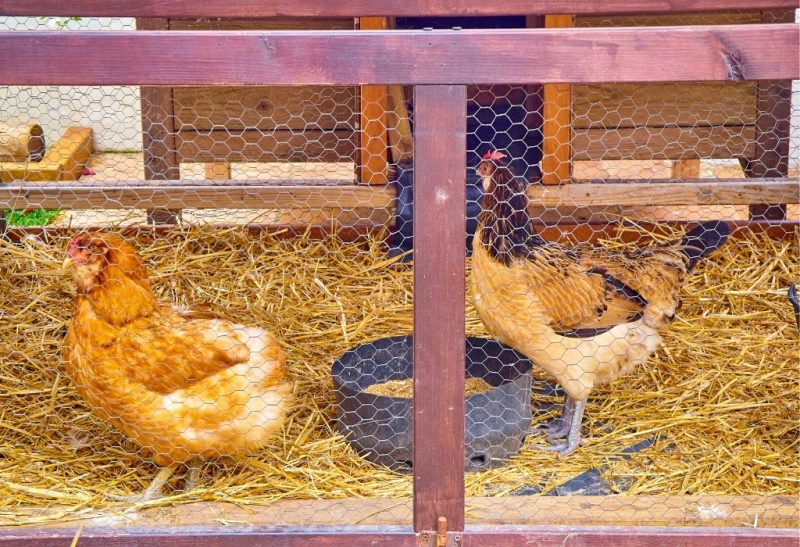
In conclusion, maintaining clean chicken bedding is a fundamental aspect of poultry care that cannot be overlooked. By understanding the importance of cleanliness, choosing the right bedding materials, and following best practices for cleaning, chicken keepers can ensure a thriving flock. As we continue to innovate in bedding management, embracing eco-friendly options will not only benefit our chickens but also contribute positively to our environment. Keep these tips in mind, and your chickens will thank you with better health and productivity!
FAQ
How often should I clean chicken bedding?
It’s recommended to clean chicken bedding at least once a week to maintain a healthy environment.
Can I use straw as bedding for chickens?
Yes, straw can be used, but it should be kept dry and clean to prevent mold and pests.
What are the signs that my chicken bedding needs to be changed?
Signs include a strong odor, visible waste accumulation, or a damp texture.
Is it necessary to wear gloves when cleaning chicken bedding?
Wearing gloves is advisable to protect your hands from bacteria and potential irritants.
Can I compost chicken bedding?
Yes, used chicken bedding can be composted and is beneficial for garden health when properly managed.