
 Valerie Eden
Chicken coop insulation is essential for maintaining a comfortable environment for your feathered friends, ensuring their health and productivity throughout the year. With proper insulation, you can protect your chickens from extreme temperatures, leading to improved egg production and overall well-being.
This article dives into the importance of insulation in chicken coops, exploring various materials, techniques, and common pitfalls to avoid. By understanding the benefits of insulation, you can create a thriving coop that keeps your chickens happy and healthy, regardless of the season.
Understanding the Importance of Insulation for Chicken Coops
Insulation plays a crucial role in maintaining a comfortable environment for chickens, which in turn affects their health and productivity. It is essential to recognize how insulation adapts to seasonal changes, ensuring that your feathered friends are protected from extreme temperatures during winter and summer alike.
Insulating a chicken coop offers multiple benefits throughout the year. In winter, proper insulation helps retain heat, allowing chickens to thrive even in colder temperatures. During summer, it keeps the coop cooler by reflecting heat, which is vital for preventing heat stress. This balance not only reduces mortality rates but also improves the overall well-being of chickens, leading to better egg production. Studies show that insulated coops can increase egg yield by up to 20% in extreme weather conditions.
Seasonal Benefits of Insulation
Understanding the specific advantages of insulation during different seasons highlights its importance in chicken rearing. Here are the key benefits:
- Winter Heat Retention: Insulation minimizes heat loss, keeping the coop warm and cozy. This is particularly beneficial for maintaining optimal body temperatures for chickens, which should be around 102°F (39°C).
- Summer Heat Reflection: Insulation helps reflect excessive heat away, maintaining a cooler environment that prevents heat stress and promotes healthy behavior.
- Humidity Control: Proper insulation aids in controlling moisture levels, reducing the risk of respiratory diseases associated with damp conditions.
- Energy Efficiency: Insulated coops require less energy for heating and cooling, leading to cost savings over time.
Effects on Chicken Health and Egg Production
Insulation directly influences the health of chickens and their capacity to produce eggs effectively. The relationship between a chicken’s environment and its output is evident through several factors:
- Stress Reduction: Chickens kept in stable temperatures experience less stress, which correlates with increased egg production and better overall health.
- Enhanced Immune System: A comfortable environment helps chickens maintain a strong immune system, reducing susceptibility to illness.
- Improved Egg Quality: Consistent temperature regulation leads to higher-quality eggs, as stress can negatively impact shell integrity and yolk health.
Common Insulation Materials for Chicken Coops
Choosing the right insulation materials is fundamental to achieving the desired effects. Here are some popular options commonly used in chicken coops:
- Fiberglass Batts: A widely used insulation option, fiberglass batts are effective and resistant to moisture when installed correctly.
- Foam Board: Offers excellent insulation value and is easy to install, making it a popular choice for many coop builders.
- Reflective Radiant Barriers: These materials reflect heat away and can be especially beneficial in warmer climates for cooling the coop.
- Straw or Hay Bales: An organic option, straw or hay bales can provide natural insulation and are often used in cooperative structures.
Proper insulation not only protects chickens from the elements but also enhances their productivity and well-being, making it a key aspect of successful poultry farming.
Selecting the Right Insulation Material for Your Chicken Coop
Insulating your chicken coop is crucial for maintaining a comfortable environment for your birds, especially during extreme temperatures. Selecting the right insulation material not only enhances the coop’s energy efficiency but also contributes to the health and productivity of your flock. Understanding the various options available will help you make an informed decision.
Insulation Materials Overview
When it comes to insulating your chicken coop, various materials can be utilized, each with its unique advantages and disadvantages. Here’s a breakdown of common insulation materials and their respective pros and cons:
- Fiberglass Insulation:
Fiberglass insulation is cost-effective and has good thermal resistance. However, it can be irritating when handled and requires protective gear.
- Foam Board Insulation:
Foam board is highly effective and moisture-resistant, making it ideal for coop environments. On the downside, it can be more expensive than other options.
- Spray Foam Insulation:
This type provides an excellent air seal and thermal performance, but the application process can be labor-intensive and costly.
- Cellulose Insulation:
Made from recycled paper, cellulose is eco-friendly and effective, but it can settle over time, reducing its insulating properties.
- Mineral Wool (Rock Wool) Insulation:
This material offers excellent fire resistance and soundproofing, yet it is generally more expensive than fiberglass.
Natural Versus Synthetic Insulation Materials
Deciding between natural and synthetic insulation materials involves evaluating their effectiveness and environmental impact. Natural materials, like straw and hemp, are sustainable and often provide decent insulation, but they may require more maintenance and may not offer the same thermal performance as synthetic options. Synthetic materials, like fiberglass and foam, tend to provide superior insulation but come with potential environmental concerns related to their production and disposal.
When considering effectiveness, it’s essential to look at R-value, which measures thermal resistance. For instance, fiberglass typically has an R-value of around 2.9 to 4.3 per inch, while foam board can range from 4.0 to 6.5 per inch, showcasing its superior insulating properties.
Cost Considerations for Insulation Types
Budgeting for insulation is vital as costs can vary significantly based on material choice, installation method, and local market conditions. A brief overview of expected costs includes:
- Fiberglass Insulation: Generally costs between $0.40 to $1.00 per square foot.
- Foam Board Insulation: Ranges from $1.00 to $3.00 per square foot, depending on thickness and quality.
- Spray Foam Insulation: Can run $1.50 to $3.00 per square foot, including labor costs for professional installation.
- Cellulose Insulation: Typically costs around $0.50 to $1.50 per square foot.
- Mineral Wool Insulation: Priced between $1.00 to $2.00 per square foot.
In summary, while the initial cost of insulation materials may vary, it is essential to consider the long-term savings on energy bills and the overall health of your chickens. Investing in proper insulation will not only keep your coop comfortable but also benefit your flock’s productivity and well-being.
Effective Insulation Techniques for Chicken Coops
Insulating a chicken coop is crucial for maintaining a comfortable environment for your flock, especially during harsh weather conditions. Proper insulation can help regulate temperature, reduce energy costs, and protect your chickens from extreme cold in winter and excessive heat in summer. Below are some effective techniques to ensure your chicken coop is well-insulated and can provide a safe habitat for your birds.
Insulating Walls, Roofs, and Floors
To properly insulate your chicken coop, you can follow a systematic approach for each part of the structure. Here’s a step-by-step method for insulating the walls, roofs, and floors:
1. Walls:
– Start by inspecting the walls for any gaps or cracks. Seal these with caulk or expandable foam to prevent drafts.
– For insulation material, foam board insulation or fiberglass batts are great options. Measure the wall’s dimensions, cut the insulation to fit, and secure it in place with adhesive or staples.
– Finally, cover the insulation with plywood or other wall materials to protect it from pecking and moisture.
2. Roof:
– Check for leaks and repair any damaged roofing material before you begin insulation.
– Install a radiant barrier if your coop has a metal roof. This material reflects heat away and helps keep the coop cooler in summer.
– For insulation, fiberglass batts or spray foam can be applied under the roof rafters. Ensure to leave an air gap to avoid moisture buildup, which can lead to mold.
3. Floors:
– Insulating floors can be done using rigid foam boards. Lay down a vapor barrier first to prevent moisture from penetrating.
– Cut the foam boards to fit and lay them down. For additional protection, cover the foam with plywood or flooring material.
– Make sure to provide a slight slope towards a drainage area to manage any potential water accumulation.
Maintaining Proper Ventilation
While insulating is essential, maintaining proper ventilation is equally important to ensure a healthy coop environment. Here are some tips to achieve this balance:
– Install adjustable vents near the roofline to allow warm air to escape without letting drafts disturb the chickens.
– Use soffit vents at the eaves of the coop to promote cross-ventilation while keeping insulation intact.
– Ensure vents are covered with mesh to prevent pests from entering.
Tools and Supplies Checklist for Insulation Projects
Before starting your insulation project, gather the necessary tools and supplies. This checklist will ensure you have everything you need:
– Tools:
– Measuring tape
– Utility knife or insulation saw
– Caulk gun
– Stapler
– Drill and bits
– Level
– Supplies:
– Insulation material (foam boards, fiberglass batts, or spray foam)
– Vapor barrier (plastic sheeting)
– Plywood or wall board for covering insulation
– Caulk or spray foam for sealing gaps
– Ventilation materials (adjustable vents, mesh)
Having these tools and supplies ready will streamline your insulation project, ensuring that your chicken coop provides a warm and safe environment for your birds all year round.
Common Mistakes to Avoid When Insulating Chicken Coops
Insulating a chicken coop is vital for maintaining a comfortable environment for your flock, but it can be tricky. Many poultry owners make common mistakes during the insulation process that can lead to inefficient heating, moisture problems, and even health issues for the birds. Understanding these pitfalls can help ensure that your coop remains a safe and snug haven for your chickens throughout the year.
One of the most frequent errors made during the insulation process is underestimating the importance of proper ventilation. While it’s essential to keep the coop warm in winter, too much insulation without adequate airflow can lead to moisture buildup, leading to mold growth and respiratory problems for the chickens. Keeping a balance between insulation and ventilation is crucial for the health of your birds.
Signs of Poor Insulation
Identifying signs of insufficient insulation is vital to maintaining the well-being of your flock. Here are some indicators that your chicken coop may not be insulated effectively:
- Condensation on walls and ceilings: Excess moisture can lead to mold and mildew, which is harmful to chickens.
- Drafts inside the coop: If you can feel cold air entering the coop, it indicates that the insulation is not doing its job.
- Chickens huddling together: When birds are trying to conserve heat, it suggests that the coop is too cold.
- Frozen water sources: If your chickens’ water freezes frequently, the coop may not be adequately insulated against cold temperatures.
Recognizing these signs early can prevent more severe problems later on.
Best Practices to Rectify Insulation Mistakes
If you suspect that your chicken coop insulation is lacking, a few best practices can help correct these mistakes. Ensuring that your insulation is not only effective but also applied correctly is key to maintaining a comfortable environment for your chickens.
- Inspect and Seal Air Leaks: Check for gaps around doors, windows, and walls, and use caulk or weatherstripping to seal them.
- Install Proper Ventilation: Incorporate vents or windows that can be opened in warmer months to prevent moisture buildup.
- Choose the Right Insulation Material: Use materials like foam boards or fiberglass that provide good insulation without absorbing moisture.
- Regular Maintenance: Periodically check the insulation and ventilation systems to ensure they are functioning effectively throughout the winter months.
By implementing these best practices, you can improve the insulation of your chicken coop, ensuring a safe and warm environment for your birds. Remember, a well-insulated coop not only protects your flock but also reduces energy costs over time.
Seasonal Insulation Strategies for Chicken Coops
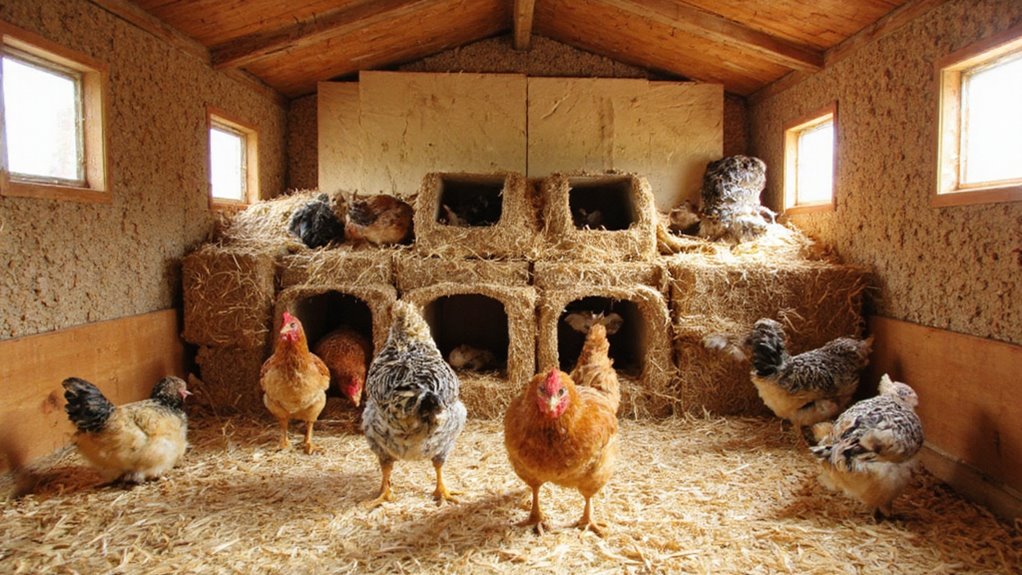
As seasons change, so do the insulation needs of your chicken coop. These adjustments are crucial for the well-being of your chickens, ensuring they remain comfortable regardless of the weather. By understanding how to adapt your coop for seasonal variations, you create a safe haven that supports your flock’s health and productivity.
In winter, insulating your coop will protect your chickens from the harsh cold. Materials like straw, foam board, or even reflective insulation can be used effectively to trap heat. Conversely, during the summer, insulation needs to be adjusted to allow for ventilation while still maintaining some thermal resistance. This balance helps in preventing overheating, which can be detrimental to your flock. Monitoring temperature and humidity becomes essential throughout the year to ensure your chickens thrive.
Winterizing the Coop
Preparing your chicken coop for winter involves several strategies aimed at retaining warmth and protecting your flock from the cold. Here are key methods to winterize your coop effectively:
- Install Insulation: Use foam boards or straw bales in walls and ceilings to provide effective insulation against the cold.
- Seal Drafts: Check for any gaps or cracks in the coop structure and seal them using caulk or weather stripping to minimize heat loss.
- Provide Heat Sources: Consider using heat lamps or heated waterers to keep the coop warm and ensure your chickens have access to unfrozen water.
- Adjust Coop Layout: Position nesting boxes and roosts away from cold drafts, ideally in the warmest part of the coop.
Summerizing the Coop
In the summer months, the focus shifts to keeping the coop cool and well-ventilated. This involves several adjustments to combat the heat effectively:
- Enhance Ventilation: Install windows or vents that can be opened to allow fresh air circulation, helping to reduce heat buildup in the coop.
- Use Shade Cloth: Placing shade cloth over the coop or adjacent areas can help block direct sunlight, keeping the space cooler.
- Provide Cooling Areas: Create shaded areas with fans or misters to help your chickens cool off during the hottest parts of the day.
- Monitor Water Levels: Ensure that fresh water is always available, as chickens need to stay hydrated in high temperatures.
Monitoring Temperature and Humidity Levels
To maintain a comfortable environment for your chickens, consistent monitoring of temperature and humidity is essential. Here are effective methods for doing so:
- Use Thermo-Hygrometers: Invest in digital thermo-hygrometers that provide real-time readings of temperature and humidity levels within the coop.
- Regular Checks: Make it a habit to check these levels at least twice daily, adjusting ventilation or insulation based on the readings.
- Keep Records: Maintain a log of temperature and humidity changes throughout the seasons to identify patterns and adjust your strategies accordingly.
- Automated Systems: Consider using automated monitoring systems that alert you to significant changes in conditions, allowing for quick responses to potential issues.
The Role of Insulation in Energy Efficiency for Chicken Coops
Proper insulation in chicken coops plays a pivotal role in enhancing energy efficiency, ultimately leading to significant cost savings over time. Insulation helps to maintain a stable internal environment, reducing the need for additional heating in winter and cooling in summer. This is particularly important for poultry, as they thrive best within specific temperature ranges. As a result, effective insulation has a direct impact on the welfare of the chickens and the operational costs for the farmer.
The contribution of proper insulation to energy savings is evident in various aspects. By minimizing heat exchange between the coop’s interior and the external environment, insulation helps maintain the desired temperature with less energy consumption. This can be achieved through the use of materials such as fiberglass, foam boards, or natural options like straw bales. These materials help create a thermal barrier that significantly reduces heat loss during colder months and keeps the coop cooler when temperatures rise.
Examples of Energy-Efficient Practices Complementing Insulation
In addition to insulation, several energy-efficient practices can enhance the overall energy savings of chicken coops. Implementing these practices not only complements insulation but also optimizes the coop’s energy usage. Here are some examples:
- Energy-efficient heating systems, such as infrared heaters or thermostatically controlled heating pads, can be used alongside proper insulation to ensure that chickens remain warm without excessive energy use.
- Natural ventilation methods, like strategically placed vents and windows, allow for airflow without losing heat, which is crucial during warmer months.
- Solar panels can be installed to harness renewable energy, powering heating or cooling systems and supporting overall energy efficiency.
- Utilizing thermal mass materials, such as concrete or stone, within the coop can help absorb heat during the day and release it at night, stabilizing internal temperatures.
Investing in good insulation and these energy-efficient practices yields long-term cost benefits. While the initial outlay for high-quality insulation may seem significant, the resulting energy savings can be substantial.
“Good insulation in chicken coops can reduce heating costs by up to 50% during winter months.”
Furthermore, the longevity of the insulation itself contributes to cost effectiveness, as it reduces the frequency of replacements and repairs. By maintaining a more consistent environment, farmers can also see improved productivity from their flocks, leading to better egg production or meat quality, further enhancing the return on investment. Adopting these energy-efficient strategies not only creates a better living environment for the chickens but also supports sustainable farming practices and reduces carbon footprints, aligning with modern agricultural values.
DIY Insulation Projects for Chicken Coops

Insulating a chicken coop is essential for maintaining a comfortable environment for your feathered friends, especially during extreme weather conditions. DIY insulation projects can be rewarding, allowing you to customize and improve your coop without the hefty price tag of professional services.
Engaging in DIY insulation projects not only enhances the welfare of your chickens but also provides an opportunity to learn and develop handy skills. However, it’s important to recognize that while these projects can be manageable for novice builders, they do come with their own set of challenges. Below are some simple DIY insulation ideas that you can tackle, along with their benefits and considerations.
Basic Insulation Techniques for Chicken Coops
When considering insulation for your chicken coop, several straightforward techniques can be implemented. These methods not only improve thermal regulation but also enhance energy efficiency within the coop. Here’s a list of popular DIY insulation projects suitable for beginners:
- Foam Board Insulation: Easily cut to fit the walls and ceiling, foam boards provide excellent thermal resistance. They are lightweight and simple to install with adhesive or screws.
- Reflective Foil Insulation: This can be placed on the roof or walls to reflect heat during summer and retain warmth in winter. It’s often a budget-friendly solution and can be combined with other materials.
- Straw Bales: A natural insulator, straw bales can be positioned around the exterior of the coop. They are affordable, biodegradable, and provide excellent insulation against the elements.
- Recycled Materials: Using old blankets, carpet remnants, or even recycled insulation from home improvement projects can serve as low-cost insulators that help keep temperatures stable.
The advantages of these DIY projects include cost savings, the ability to customize according to your coop’s specific needs, and the satisfaction of completing the work yourself. However, challenges may arise such as ensuring proper sealing to avoid moisture buildup, which can lead to mold and health issues for the chickens.
“A well-insulated coop not only keeps chickens comfortable but also saves on heating costs during winter.”
Successful Case Studies of DIY Insulation
Many chicken owners have successfully insulated their coops using creative DIY methods. One popular anecdote comes from a farmer who used foam board insulation combined with a reflective foil barrier in their coop. The result was a significant drop in heating costs during the cold months while maintaining a cozy environment for the chickens.
Another case involved a family that opted for straw bale insulation around the exterior of their coop. They reported that this not only kept the coop warmer but also provided an aesthetic rural charm that blended beautifully with their farm.
These examples highlight the practicality and effectiveness of DIY insulation projects. With a little research and commitment, novice builders can achieve impressive results that benefit both their chickens and their pocketbook. The key takeaway is that with the right materials and approach, insulating your chicken coop can be a fulfilling project that enhances the welfare of your flock.
Innovative Insulation Solutions for Sustainable Chicken Coops
As the demand for sustainable farming practices rises, innovative insulation solutions for chicken coops are becoming increasingly vital. Eco-friendly insulation options not only enhance the comfort of the chickens but also reduce the environmental impact associated with traditional materials. This discussion will explore various eco-friendly insulation solutions, focusing on their sustainability and contributions to a healthier environment for both poultry and farmers.
Eco-Friendly Insulation Materials
Several eco-friendly insulation materials stand out for their effectiveness in chicken coops. These materials are designed to provide warmth and regulate humidity while minimizing environmental harm. The following options are worth considering:
- Hemp Insulation: Made from the fibers of the hemp plant, it is biodegradable, offers excellent thermal performance, and is pest-resistant, making it a natural choice for chicken coops.
- Sheep’s Wool: This natural insulation material is renewable and effective at regulating moisture levels, ensuring a dry and comfortable environment for chickens.
- Straw Bales: Utilizing straw bales not only provides insulation but also recycles agricultural byproducts. They are readily available and can be used to create solid walls for coops.
- Recycled Denim: This insulation is made from post-consumer denim, preventing waste and offering excellent thermal properties while being safe for animals.
Using Recycled Materials for Coop Insulation
Recycling materials for insulation can significantly reduce waste and promote sustainability. The use of recycled products not only saves resources but also often provides unique insulation solutions. Here are some innovative ways to incorporate recycled materials:
- Recycled Paper or Cardboard: Shredded paper and cardboard can act as effective insulation when used properly. They are often free or low-cost and can be easily sourced.
- Plastic Bottles: Filling used plastic bottles with insulation materials like straw or shredded paper can create effective insulation panels for coop walls.
- Old Tires: While not conventional, stacking old tires filled with insulating material can create solid, eco-friendly walls that offer thermal mass and durability.
- Wood Chips or Sawdust: Sourced from local sawmills, these materials can be an inexpensive option for insulation and are also biodegradable.
Future Trends in Chicken Coop Insulation Technology
The future of chicken coop insulation technology is shifting towards more sustainable practices, driven by advancements in materials science and environmental awareness. Important trends shaping this future include:
- Biosynthetic Insulation: Emerging materials derived from natural sources, such as mycelium (fungus), promise high performance with minimal environmental impact.
- Smart Insulation Solutions: Technological advancements are leading to insulation solutions that can adapt to temperature changes, improving energy efficiency.
- Building with Nature: Integrating natural elements like green roofs or living walls into chicken coops for improved insulation and biodiversity.
- Local Material Utilization: Increased focus on sourcing materials within local communities to reduce transportation emissions and support local economies.
“Sustainable insulation is not just an option; it’s a necessity for the future of farming.”
Closing Notes
In conclusion, investing in chicken coop insulation not only enhances your chickens’ living conditions but also contributes to energy efficiency and long-term cost savings. By selecting the right materials and techniques, you can create a cozy and sustainable space for your poultry, ultimately leading to better health and productivity.
Frequently Asked Questions
What are the best insulation materials for chicken coops?
Some of the best insulation materials include fiberglass, foam board, and straw bales, each offering a unique set of benefits.
How often should I check the insulation in my coop?
It’s wise to check your coop’s insulation at least twice a year, ideally before winter and summer, to ensure it remains effective.
Can I insulate my chicken coop myself?
Yes, many insulation projects are DIY-friendly, allowing you to save money while ensuring your chickens have a well-insulated home.
What signs indicate poor insulation in my coop?
Signs of poor insulation include drafts, condensation on walls, and extreme temperature fluctuations inside the coop.
Does insulation affect the coop’s ventilation?
Proper insulation should not compromise ventilation; it’s crucial to maintain airflow while keeping warmth in during cold months.