
 Valerie Eden
Chicken feeders play a crucial role in the world of poultry farming, serving as the primary means to nourish and sustain your flock. With various designs and functionalities, these feeders not only ensure that chickens receive their required nutrients but also contribute to their overall health and productivity. By maintaining a clean feeding environment and understanding the types of feeders available, poultry enthusiasts can enhance both their chickens’ well-being and the efficiency of their farming practices.
The right chicken feeder can make a significant difference, whether you are a backyard hobbyist or managing a larger poultry operation. From DIY projects that cater to personal preferences to advanced technological innovations, there are myriad options available to suit any farmer’s needs. In this discussion, we will explore the different types of chicken feeders, factors to consider when choosing one, and best practices to ensure your chickens thrive.
Understanding the Purpose of a Chicken Feeder
Chicken feeders play a crucial role in poultry farming, serving as essential tools for providing a consistent and accessible food supply to chickens. By ensuring that chickens have reliable access to feed, farmers can optimize growth, health, and egg production, all while managing feeding costs effectively.
The primary function of a chicken feeder is to dispense feed in a controlled manner, preventing waste and ensuring that all chickens have equal access to food. This helps to maintain a balanced diet, which is vital for their growth and productivity. Furthermore, different types of chicken feeders cater to various needs in poultry management, enhancing the efficiency of feeding practices.
Types of Chicken Feeders
Understanding the different types of chicken feeders is essential for optimizing feeding practices. Each feeder type is designed with specific functionalities that cater to various aspects of poultry management.
- Trough Feeders: These feeders are typically long containers that allow multiple chickens to eat at once. They are ideal for larger flocks as they can hold more feed, reducing the frequency of refills.
- Bell Feeders: This design features a suspended bell that allows chickens to peck at the feed inside while minimizing spillage. They are particularly useful for free-range chickens, as they can control access to feed.
- Automatic Feeders: These feeders dispense feed automatically at predetermined intervals, ensuring a continuous supply without manual intervention. They are particularly beneficial for large-scale operations.
- Tube Feeders: Designed for small to medium flocks, these feeders allow chickens to access feed through horizontal tubes. They help minimize waste and keep the feed clean.
Maintaining a clean feeding environment for chickens is vital for their health and productivity. A dirty feeder can lead to feed contamination, which can result in health issues for the flock. Regular cleaning and sanitizing of feeders help prevent the growth of harmful bacteria and pests.
“A clean feeding environment is integral to preventing disease and ensuring optimal growth in poultry.”
Farmers should schedule regular cleaning, using appropriate cleaning solutions that are safe for animals. Additionally, keeping the area around feeders free of debris and waste encourages better feeding habits and reduces the risk of spreading diseases.
Different Types of Chicken Feeders Available in the Market
Choosing the right chicken feeder is essential for maintaining the health and productivity of your flock. Various designs, materials, and sizes are available in the market, each offering unique benefits and challenges. Understanding these options will help you select a feeder that meets the specific needs of your chickens and your farming environment.
The market presents a wide array of chicken feeders tailored to different feeding styles, flock sizes, and environmental conditions. The most common types can be divided into gravity feeders, trough feeders, and automatic feeders. Each type is crafted from distinct materials such as plastic, metal, or wood, and comes in various sizes to accommodate different flock sizes and feeding habits.
Overview of Chicken Feeder Types
Understanding the characteristics of chicken feeders can guide your choice. Below is a comprehensive listing of various feeder types along with their advantages and disadvantages.
-
Gravity Feeders:
Gravity feeders rely on the weight of feed to keep the supply constant.
These feeders are typically made from plastic or metal and allow feed to flow down into the trough as chickens eat. They are ideal for small to medium-sized flocks and can hold a significant amount of feed.
Advantages: Easy to refill, minimizes waste, and keeps feed dry.
Disadvantages: Can be prone to blockage, and smaller chickens may struggle to reach the feed.
-
Trough Feeders:
Trough feeders are long, open containers filled with feed.
These feeders can be made of wood, metal, or durable plastic, and are suited for larger flocks. They allow multiple chickens to feed at once.
Advantages: Accommodates a large number of birds, promotes social feeding.
Disadvantages: Requires frequent cleaning, and feed can get dirty or wet.
-
Automatic Feeders:
Automatic feeders dispense feed at set intervals or in response to chicken activity.
These typically use electronic mechanisms and can be battery or solar-powered. They are perfect for large-scale operations where consistent feeding is vital.
Advantages: Reduces labor, maintains a steady feed supply, and minimizes waste.
Disadvantages: Higher initial investment, and potential mechanical failures can disrupt feeding.
Comparison of Chicken Feeder Models
When selecting a chicken feeder, it’s essential to consider features such as capacity, ease of use, and material durability. The following table compares different feeder models to help inform your decision.
| Feeder Type | Material | Capacity | Ease of Cleaning | Price Range |
|---|---|---|---|---|
| Gravity Feeder | Plastic/Metal | Up to 50 lbs | Moderate | Low to Moderate |
| Trough Feeder | Wood/Metal/Plastic | Varies (5-20 ft long) | High | Moderate to High |
| Automatic Feeder | Plastic/Metal | Up to 100 lbs | Low to Moderate | High |
Factors to Consider When Choosing a Chicken Feeder
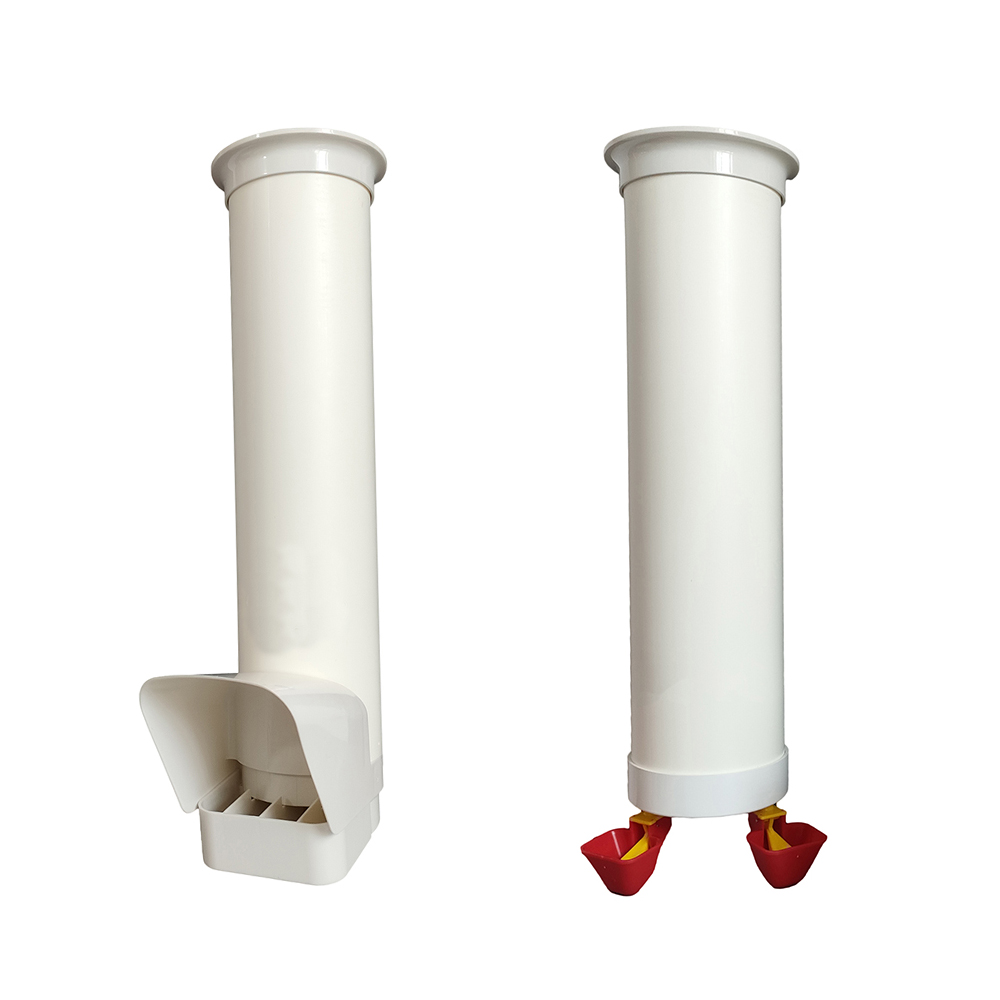
Selecting the right chicken feeder is essential for maintaining a healthy and productive flock. The choice of feeder influences not only the convenience of feeding but also the overall well-being of the chickens. A variety of factors should guide the decision, ensuring that the feeder meets both the needs of the chickens and the preferences of the keeper.
Key Criteria for Selection Based on Flock Size
When choosing a chicken feeder, flock size plays a significant role. The feeder’s capacity should align with the number of chickens in the coop to prevent over-crowding and promote ease of access. Larger flocks require feeders that can accommodate their feeding habits without causing competition for food.
- Small Flocks (1-10 Chickens): A simple, gravity-fed feeder works well, as it provides enough space for each bird to eat without waste.
- Medium Flocks (11-50 Chickens): Options like trough feeders or hanging feeders are ideal, as they can hold more feed and reduce spillage.
- Large Flocks (51+ Chickens): Consider automated or bulk feeders that can dispense feed over time, ensuring all chickens have access while minimizing waste.
Impact of Climate and Environment on Feeder Choice
The climate and environment in which the chickens are raised significantly affect feeder selection. Extreme weather conditions require specific considerations to ensure the feed remains dry and accessible. For instance, in humid climates, moisture-resistant feeders are essential to prevent mold growth in the feed.
- Cold Climates: Insulated feeders or those with heated options can prevent feed from freezing, ensuring that chickens have continuous access to food.
- Hot Climates: Feeders that provide shade or are made from reflective materials can keep the feed cool and reduce spoilage.
- Rainy or Humid Environments: Elevated feeders or covered designs prevent water accumulation, maintaining feed quality.
Budget Considerations for Purchasing a Chicken Feeder
The budget is a critical factor when selecting a chicken feeder. While it’s tempting to opt for the cheapest option, investing in a quality feeder can lead to savings in the long run due to durability and reduced feed waste.
- Initial Costs: Compare various models and materials to find a balance between quality and price.
- Long-Term Investment: Consider the feeder’s lifespan and warranty. Cheaper feeders may need frequent replacement, leading to higher cumulative costs.
- Operational Costs: Efficient feeders minimize waste, so investing a little more upfront can lead to savings on feed over time.
DIY Chicken Feeder Projects for Enthusiasts
Building your own chicken feeder can be a rewarding project that not only saves money but also allows for customization to suit your flock’s needs. Whether you’re a seasoned DIYer or a beginner, creating a chicken feeder from household items is a fun and practical undertaking. By engaging in this project, you’ll gain insights into your chickens’ feeding habits while ensuring they have a steady supply of food.
Step-by-Step Guide to Create a Simple Chicken Feeder
Creating a simple chicken feeder involves utilizing items you may already have at home, which makes it an economical choice. Here’s a straightforward approach to build one using a plastic container:
1. Gather Materials: You’ll need an empty plastic container with a lid, such as a large yogurt or a food storage container, a pair of scissors, and a drill or a sharp knife.
2. Prepare the Container: Clean the container thoroughly to remove any residues. Once dry, take the lid and make several holes around the sides. The holes should be large enough for the grains to flow out but small enough to prevent spillage.
3. Create a Base: If using a container without a base, place the feeder on a flat surface or create a simple base using wooden blocks or bricks to keep it off the ground.
4. Fill and Secure: Fill the container with your chosen chicken feed, secure the lid tightly, and place the feeder in your chicken coop or run.
5. Monitor Usage: Observe how your chickens interact with the feeder. Adjust the height or the size of the holes as necessary to facilitate easy access to the food.
Benefits of Building a Custom Feeder
Building a chicken feeder has several advantages over purchasing a pre-made one. Firstly, it allows for complete customization to fit the specific needs and habits of your flock. Additionally, DIY feeders can often be designed to accommodate various types of feed and reduce waste.
Here are some key benefits of creating your own chicken feeder:
- Cost-effective solution using recycled materials.
- Flexibility to modify based on the size of your flock.
- Enhanced control over feed type and quality.
- Opportunity to create unique features, such as adjustable feed flow.
- Educational experience in understanding your chickens’ feeding behaviors.
Materials Required for a DIY Chicken Feeder Project
To ensure a successful DIY chicken feeder project, gather the following materials. Understanding the items needed will streamline the building process and help you visualize the final product.
- Empty plastic container with a lid (e.g., yogurt container, food storage container)
- Drill or a sharp knife for making holes
- Measuring tape (optional, for precise hole placement)
- Sandpaper (optional, for smoothing edges of holes)
- Wooden blocks or bricks (for creating a sturdy base)
- Chicken feed of your choice
Common Issues Associated with Chicken Feeders
Maintaining a chicken feeder might sound straightforward, but there are several common issues that can arise, impacting both the efficiency of the feeder and the well-being of your chickens. Understanding these problems and knowing how to fix them is essential for ensuring a consistent and healthy feeding routine for your flock.
One of the main issues that often occurs with chicken feeders is clogging. This can happen due to moisture or improper feed types that can lead to sticky clumps. To prevent this, it’s crucial to choose the right type of feed that is less likely to clump together. Regularly cleaning the feeder and ensuring it is stored in a dry, well-ventilated area also helps in preventing moisture accumulation.
Feed Wastage Prevention
Feed wastage is a significant concern for chicken keepers, often leading to unnecessary costs and potential health issues for the birds. By implementing a few strategies, you can minimize wastage effectively.
Consider these approaches:
- Use a feeder with adjustable height settings to accommodate the size of your chickens, ensuring they can reach the feed without excessive scratching.
- Choose a feeder design that limits access to the feed while allowing the chickens to eat comfortably, such as those with hoods or troughs that prevent spillage.
- Regularly check the feed level and refill as necessary to avoid having the feeder empty, which can lead to chickens foraging on the ground and creating a mess.
Troubleshooting Feeder Issues
When problems arise, knowing how to troubleshoot them can save time and resources. Here are some common feeder-related issues and their solutions:
- Feed Clumping: If feed becomes clumped, inspect for moisture and switch to a dryer feed type. Clean the feeder frequently to maintain a clean environment.
- Inaccessibility: If chickens struggle to access the feed, adjust the height of the feeder or consider a different design that better suits your flock’s size.
- Pests: If you notice pests such as rodents or insects around the feeder, secure the feed in airtight containers and clean the area regularly to deter invasions.
By addressing these common issues proactively, you can ensure your chicken feeder operates efficiently, providing your flock with consistent access to quality feed while minimizing wastage and health risks.
Feeding Schedules and Best Practices for Chickens
Establishing a proper feeding schedule and adhering to best practices is essential for the health and productivity of chickens. As they grow, their nutritional needs will change, and understanding how to meet these requirements is crucial for optimal growth and egg production.
When it comes to feeding schedules, different stages of chicken growth necessitate varying amounts and types of feed. This ensures that chickens receive the right nutrients at the right time, promoting healthy development and maximizing egg-laying potential.
Optimal Feeding Schedules for Different Stages of Chicken Growth
Chickens require tailored feeding schedules depending on their age and purpose, which can include broilers (meat birds), layers (egg-producing hens), or pullets (young hens). Here’s a breakdown of recommended feed types and schedules for various stages:
| Age of Chicken | Feed Type | Feeding Frequency | Quantity per Chicken |
|---|---|---|---|
| Chicks (0-3 weeks) | Starter feed (high protein) | Ad libitum (free access) | Up to 0.25 lbs/day |
| Growers (3-6 weeks) | Grower feed (moderate protein) | Twice daily | Approximately 0.5 lbs/day |
| Layers (6 weeks+) | Layer feed (high calcium) | Twice daily | About 0.25-0.33 lbs/day |
| Broilers (0-6 weeks) | Broiler feed (high protein) | Ad libitum (free access) | Up to 0.5 lbs/day |
Implementing a consistent filling routine is just as important as the feeding schedule. Regular maintenance of feeders aids in preventing feed waste and ensures that chickens have continuous access to their food. Here are some best practices to follow:
- Check Feed Levels Daily: Regularly inspect feeders to ensure an adequate supply for the flock.
- Avoid Overfilling: Overloading feeders can lead to spoilage and waste. Fill them in increments, ensuring that the flock can consume the feed efficiently.
- Clean Feeders Weekly: Keeping feeders clean prevents mold and contamination, fostering a healthier feeding environment.
- Monitor Feed Quality: Always use fresh, high-quality feed and store it properly to avoid spoilage.
- Adjust Feed Type as Needed: Modify the feed type based on the age and purpose of the chickens to meet their nutritional needs.
By adhering to these feeding schedules and best practices, chicken keepers can ensure that their flocks are nourished correctly, leading to better health, enhanced growth, and improved productivity.
The Role of Chicken Feeders in Poultry Health
The design and function of chicken feeders are critical components in maintaining the overall health and productivity of poultry. Properly designed feeders not only ensure that chickens receive the right amount of feed but also help to minimize waste and promote healthier feeding habits. A well-structured feeding system can lead to improved weight gain, better egg production, and reduced susceptibility to diseases.
One major factor influencing chicken health is the design of the feeder itself. Feeders that allow for easy access and prevent contamination can significantly impact poultry well-being. For instance, feeders that are elevated off the ground reduce the risk of feed contamination from feces and moisture, which can lead to diseases such as coccidiosis. Additionally, feeders designed to minimize spillage encourage chickens to consume their feed more efficiently, helping to maintain optimal body weight and energy levels.
Feeder Management and Poultry Diseases
Effective feeder management is essential for preventing common poultry diseases. Poor feeding practices can lead to malnutrition, which in turn makes birds more vulnerable to infections and other health issues. Proper management includes regular cleaning and maintenance of feeders to avoid mold growth and bacterial contamination.
The following points highlight the significance of feeder management in disease prevention:
- Regular cleaning prevents the buildup of harmful bacteria and fungi.
- Consistent feed delivery ensures chickens receive adequate nutrition, reducing stress and enhancing immunity.
- Monitoring feed consumption can help identify health issues early, as changes in eating habits often indicate underlying problems.
Implementing good feeder management practices decreases the incidence of diseases such as necrotic enteritis and avian influenza, contributing to healthier flocks and increased productivity.
Improving Flock Health Through Proper Feeding Techniques
Utilizing appropriate feeding techniques can significantly enhance the overall health of poultry flocks. For example, the use of self-feeders can provide chickens with access to food at all times, which can reduce competition and aggression among birds.
The importance of proper feeding techniques is summarized in the following examples:
-
Research has shown that flocks fed on a continuous basis using self-feeders exhibited lower stress levels and improved growth rates.
- Offering a balanced diet that meets the nutritional requirements of the birds promotes optimal health and egg production.
- Implementing a targeted feeding regimen based on the specific needs of different age groups within the flock can enhance overall productivity.
By adopting these feeding techniques, poultry farmers can create a healthier environment that supports the growth and development of their chickens. Overall, the strategic use of feeders not only ensures proper nutrition but also plays a pivotal role in disease prevention and flock management.
Innovations in Chicken Feeder Technology
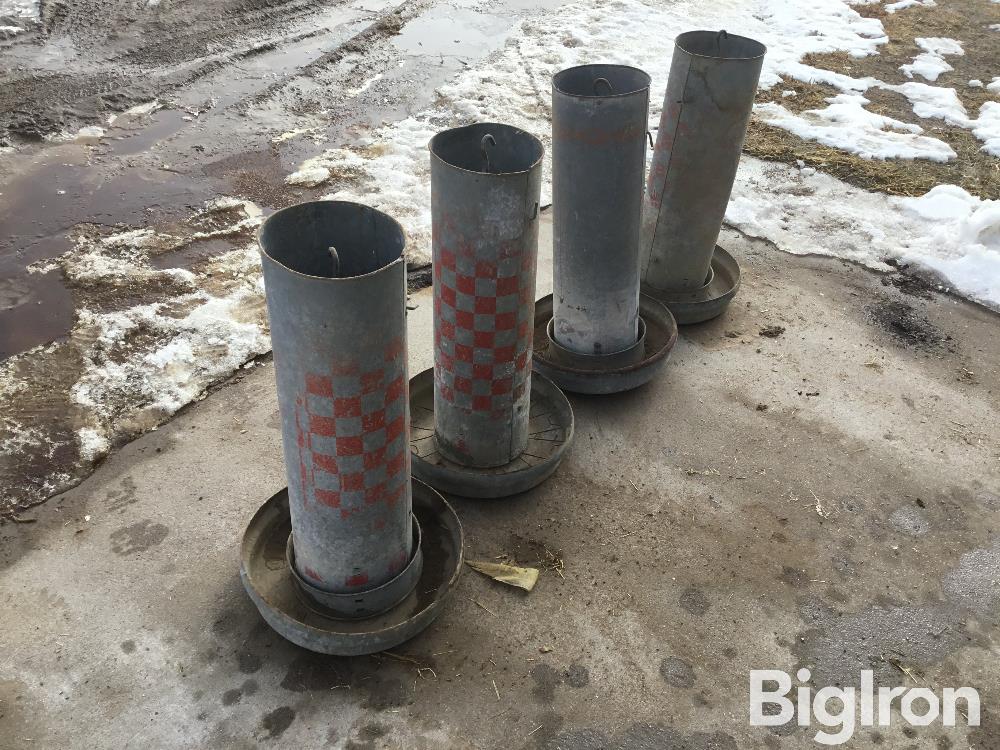
The world of chicken feeders has seen significant advancements in recent years, driven by the need for more efficient farming practices and improved animal welfare. These innovations not only make feeding easier but also enhance the overall management of poultry operations. High-tech feeders are designed to optimize food usage while ensuring that chickens receive adequate nutrition without waste.
Modern chicken feeder technology incorporates various features that streamline feeding processes and improve productivity. These advancements allow farmers to spend less time on manual feeding and more time on other critical aspects of poultry care.
Latest Advancements in Chicken Feeder Designs
Recent innovations in chicken feeder technology have led to the development of smart feeders that utilize sensors and automation. These feeders can monitor feed levels and dispense food based on the specific needs of the flock. The following points highlight essential features that modern chicken feeders may offer:
- Automated Feed Delivery: Many high-tech feeders can automatically dispense food at scheduled intervals, ensuring that chickens are fed consistently without manual intervention.
- Smart Sensors: These feeders often come equipped with sensors that detect when feed levels are low, alerting the farmer to refill or adjust feeding schedules.
- Remote Monitoring: With the aid of mobile apps, farmers can monitor feeder status and chicken behavior from their smartphones, allowing for real-time adjustments.
- Waste Reduction Features: Designed to minimize food waste, some feeders are engineered to reduce spillage and prevent contamination, ensuring that all animals have access to fresh feed.
- Adjustable Feed Portions: Modern designs allow farmers to customize feed portions based on the age and size of the chickens, maximizing feed efficiency and promoting healthy growth.
- Durable Materials: Many feeders are built using high-quality materials that can withstand harsh weather conditions and resist wear and tear, ensuring a longer lifespan.
- Integrated Technology: Some advanced models include data analytics capabilities, enabling farmers to analyze feeding patterns and make informed decisions regarding flock management.
The integration of these features not only enhances the efficiency of poultry feeding but also improves the overall sustainability of chicken farming operations. By adopting these innovative designs, farmers can achieve better results in terms of productivity and animal health.
Final Conclusion
In conclusion, understanding the importance of chicken feeders is essential for anyone involved in poultry farming. By selecting the appropriate feeder for your flock and maintaining it properly, you can greatly improve the health and productivity of your chickens. With advancements in feeder technology and practical DIY solutions, there’s no shortage of options to enhance your poultry care routine, ensuring your flock remains happy and healthy for years to come.
FAQ Insights
What is the best material for a chicken feeder?
Durable materials like metal or high-quality plastic are ideal as they resist weather conditions and are easy to clean.
How often should I clean my chicken feeder?
It’s best to clean your chicken feeder at least once a week to prevent mold and contamination.
Can I use an old container as a chicken feeder?
Yes, as long as the container is clean, safe, and appropriate in size, it can be repurposed as a chicken feeder.
What size feeder do I need for my flock?
The feeder size depends on your flock size; a general rule is to provide 1 linear foot of feeder space for every 4-5 chickens.
Are automatic feeders worth the investment?
Automatic feeders can save time and reduce feed waste, making them a worthy investment for many poultry farmers.