
 Valerie Eden
Coccidiosis in chickens is a pressing concern for poultry farmers worldwide, offering a blend of challenges and insights into chicken health management. This parasitic disease, caused by the protozoan Coccidia, can lead to significant health issues and economic losses in flocks if not addressed promptly and effectively.
By delving into the life cycle of Coccidia, we can better understand how various environmental factors contribute to the disease’s spread. Recognizing symptoms and implementing proper treatments and preventative measures can greatly enhance the well-being of chickens and the overall success of poultry operations.
Understanding the Life Cycle of Coccidia in Chickens
The life cycle of Coccidia is a crucial aspect of understanding how these parasites affect chicken health. Coccidia are single-celled organisms that can lead to coccidiosis, a disease causing significant morbidity and mortality in chickens. The life cycle involves several stages, each playing a role in how these parasites proliferate and transmit among birds.
The life cycle of Coccidia consists of both sexual and asexual phases, which contribute to their rapid multiplication in the environment. The primary stages include oocyst, sporozoite, trophozoite, and gametocyte. The process begins when the infective oocyst is ingested by a chicken, leading to the release of sporozoites in the intestine. These sporozoites then invade the intestinal cells, where they multiply and develop into trophozoites. Eventually, these trophozoites mature into gametocytes, resulting in the formation of new oocysts that are excreted in the feces, thus completing the cycle.
Stages of the Coccidia Life Cycle and Their Impact
Each stage of the Coccidia life cycle has specific implications for chicken health. Understanding these stages helps in managing and controlling coccidiosis effectively.
– Oocyst Stage: This is the dormant stage that can survive in the environment for long periods. Once ingested, it releases sporozoites in the intestine, leading to infection.
– Sporozoite Stage: The sporozoites penetrate the intestinal epithelial cells, where they begin to multiply. Damage to these cells can lead to diarrhea and nutrient malabsorption.
– Trophozoite Stage: At this stage, the parasite grows within the host cells. The destruction of host cells can cause significant gastrointestinal distress, leading to clinical signs like poor weight gain and lethargy.
– Gametocyte Stage: Mature trophozoites develop into gametocytes, which reproduce and form new oocysts that are expelled in feces, perpetuating the cycle of infection.
Environmental Factors Influencing Coccidia Proliferation
Several environmental factors significantly influence the growth and transmission of Coccidia in chicken populations.
– Moisture: Coccidia thrive in moist environments. High humidity levels can lead to increased oocyst survival in bedding and litter, raising the chances of infection.
– Temperature: Warm temperatures favor the life cycle of Coccidia. Optimal conditions for their development range between 20°C to 30°C (68°F to 86°F).
– Crowding: Overcrowded living conditions facilitate the spread of Coccidia, as close contact among chickens increases the likelihood of ingesting oocysts.
– Sanitation Practices: Poor sanitation can lead to a buildup of feces, which can harbor oocysts. Regular cleaning and disinfection are crucial in minimizing the risk of coccidiosis outbreaks.
Transmission Dynamics Among Chickens
The life cycle of Coccidia plays a significant role in how the disease spreads among chickens.
– Fecal-Oral Route: The primary mode of transmission is through the fecal-oral route. Chickens can become infected by consuming feed, water, or litter contaminated with oocysts.
– Vertical Transmission: In some cases, hens can transmit Coccidia to their chicks via the eggs, although this is less common compared to environmental transmission.
– Contaminated Equipment: In commercial settings, contaminated feeders, waterers, and housing can serve as sources of infection, necessitating stringent biosecurity measures.
The interaction between Coccidia life cycle stages, environmental conditions, and transmission dynamics highlights the importance of proactive management strategies in poultry production to combat coccidiosis effectively.
Symptoms and Diagnosis of Coccidiosis in Chickens
Coccidiosis is a significant condition affecting chickens, characterized by various symptoms that can greatly impact flock health and productivity. Recognizing these symptoms early is vital for effective management and treatment of the disease. This section will delve into the common symptoms of coccidiosis in chickens, diagnostic procedures employed by veterinarians, and the importance of early detection in preventing outbreaks.
Common Symptoms of Coccidiosis in Chickens
Identifying the symptoms of coccidiosis is crucial for poultry health. The following are the most frequently observed signs in affected chickens:
- Diarrhea: Often watery and may contain blood; this is one of the most critical indicators of the disease.
- Weight Loss: Chickens affected by coccidiosis often exhibit significant weight loss due to poor nutrient absorption.
- Reduced Feed Intake: Infected birds may eat less, leading to further weight loss and overall poor condition.
- Lethargy: Affected chickens tend to be less active, showing signs of weakness and depression.
- Pale Comb and Wattle: The comb and wattle may lose color, indicating poor health and blood loss.
- Hunched Posture: Chickens may appear to be huddled or hunched, a signal of discomfort and illness.
These symptoms not only signify the presence of coccidiosis but also highlight the importance of flock health management, as they can lead to decreased productivity and increased mortality if not addressed promptly.
Diagnostic Procedures for Coccidiosis
Veterinarians utilize various diagnostic procedures to confirm the presence of coccidiosis in chickens. These methodologies ensure accurate identification of the disease and guide appropriate treatment plans.
The primary diagnostic tests include:
- Fecal Examination: A microscopic evaluation of fecal samples can reveal the presence of oocysts, the reproductive stage of the coccidia parasite.
- Clinical Signs Evaluation: Veterinarians assess the clinical signs presented by the chickens, correlating them with potential coccidial infection.
- Post-Mortem Examination: In severe cases, necropsies are conducted on deceased chickens to identify characteristic lesions in the intestines associated with coccidiosis.
These procedures enable veterinarians to confirm the presence of coccidiosis, allowing for the implementation of targeted treatment interventions.
Importance of Early Detection in Managing Outbreaks
Early detection of coccidiosis plays a pivotal role in managing potential outbreaks within a flock. Recognizing the symptoms and confirming the diagnosis promptly can prevent the spread of the disease and reduce mortality rates.
The benefits of early detection include:
- Timely Treatment: Administering medications or vaccines as soon as symptoms are identified can significantly improve recovery rates.
- Preventing Spread: Isolating affected individuals can help control the spread of the disease to the rest of the flock.
- Enhanced Management Practices: Early identification allows for adjustments in management practices, such as improving sanitation and biosecurity measures.
In summary, understanding the symptoms and diagnostic procedures associated with coccidiosis is essential for maintaining flock health. Prompt action based on early detection can mitigate the impact of this disease on poultry operations.
Treatment Options for Coccidiosis in Chickens
Coccidiosis in chickens can lead to significant health issues if not addressed promptly. Understanding the various treatment options is essential for poultry farmers to ensure the health and productivity of their flocks. This section explores the available treatments, comparing medication and natural remedies, as well as discussing preventative measures and vaccination options.
Medication and Natural Remedies
Various treatment methods are available for addressing coccidiosis in chickens. The primary approach involves using anticoccidial medications, while natural remedies are also gaining attention among poultry keepers.
Anticoccidial drugs, such as amprolium and sulfonamides, are commonly employed to treat coccidiosis. These medications work by inhibiting the growth of the coccidia parasites within the chicken’s intestines.
On the other hand, natural remedies can offer alternative options. Ingredients like garlic, oregano oil, and apple cider vinegar are often cited for their potential benefits in supporting a chicken’s immune system and gut health. While there is anecdotal evidence supporting the efficacy of these natural remedies, scientific validation is limited compared to conventional medications.
The choice between medication and natural remedies primarily hinges on the severity of the infection and the farmer’s philosophy regarding poultry management. Medication is generally more effective for acute infestations, while natural remedies may serve as supportive treatments or preventive measures.
Efficacy of Preventative Treatments Versus Curative Methods
Preventative treatments play a crucial role in managing coccidiosis outbreaks before they occur, while curative methods are employed once an infection has been established.
Preventative treatments often include administering low doses of anticoccidials in feed or water, which can reduce the likelihood of infection. These methods create a less favorable environment for coccidia to thrive, thus minimizing the incidence of disease.
Curative methods, in contrast, are aimed at treating the current infection. While they can be effective, they require timely intervention and may not reverse severe damage already inflicted by the parasites.
In practice, many poultry farmers choose to implement a combination of both strategies. The preventative approach not only helps in maintaining flock health but also reduces the overall reliance on medications, contributing to sustainable farming practices.
Use of Vaccines Against Coccidiosis
Vaccination is a proactive method used to prevent coccidiosis, and several vaccines are available on the market. These vaccines contain live, attenuated strains of coccidia that stimulate the chicken’s immune response, enabling them to develop immunity against the disease.
Research indicates that vaccinated birds tend to exhibit fewer clinical signs of coccidiosis and have improved growth rates compared to unvaccinated peers. The effectiveness of these vaccines varies based on factors such as the strain of coccidia present in the environment and the overall management practices in place.
Incorporating vaccination into a comprehensive flock health program, which may also include biosecurity measures and appropriate feeding practices, can significantly enhance the resilience of chickens against coccidiosis. This integrated approach not only improves animal welfare but also supports production efficiency.
Prevention Strategies for Coccidiosis in Poultry Farms
Coccidiosis is a significant concern in poultry farming, impacting the health and productivity of chickens. Effective prevention strategies are essential to mitigate the risks associated with this parasitic disease. Focusing on hygiene, vaccination, and nutrition can substantially enhance the resilience of flocks against Coccidia outbreaks.
Hygiene Practices in Chicken Coops
Maintaining optimal hygiene in chicken coops is critical for preventing Coccidia outbreaks. A clean environment minimizes the chances of exposure to the parasite.
- Regular Cleaning: Coops should be cleaned thoroughly and frequently. Remove droppings, leftover feed, and soiled bedding to reduce pathogen load.
- Disinfection: Utilize effective disinfectants to sanitize surfaces, equipment, and waterers. Focus on areas where chickens congregate to eliminate potential Coccidia oocysts.
- Waste Management: Implement proper waste disposal practices. Composting or utilizing designated disposal areas can help manage waste effectively.
- Separate Age Groups: Keeping different age groups of chickens in separate coops can help prevent cross-infection among flocks.
Vaccination Schedule for Young Chickens
An effective vaccination schedule for young chickens is vital for enhancing their immunity against Coccidiosis. Vaccination can significantly reduce the severity of the disease and support healthier growth.
- Initial Vaccination: Administer the first dose of the coccidiosis vaccine at the hatchery or within the first week of life.
- Booster Doses: Follow up with booster doses according to the manufacturer’s guidelines, generally between 6 to 10 weeks of age.
- Monitoring: Observe vaccinated chicks for any adverse reactions and ensure that all birds receive their vaccinations on schedule to maintain flock immunity.
The Role of Nutrition in Resistance Against Coccidiosis
Proper nutrition plays a vital role in strengthening the chickens’ resistance to Coccidiosis. A well-balanced diet supports overall health and enhances the immune system.
- High-Quality Feed: Provide a complete feed rich in essential nutrients, including proteins, vitamins, and minerals that support growth and immune function.
- Probiotics and Prebiotics: Incorporate probiotics and prebiotics into the diet to promote gut health, which is crucial in managing Coccidia populations.
- Water Quality: Ensure access to clean, fresh water, as hydration is essential for optimal digestion and absorption of nutrients.
- Supplementation: Consider adding specific supplements, such as vitamins A, D, and E, which are known to enhance immunity and help combat infections.
Economic Impact of Coccidiosis on Poultry Farming

The economic ramifications of Coccidiosis in poultry farming are significant and can severely affect the viability of poultry operations. When outbreaks occur, they not only lead to immediate losses but also create long-term financial challenges for farmers. Understanding these economic impacts is crucial for making informed decisions regarding disease management and prevention strategies.
The financial implications of Coccidiosis outbreaks can be extensive, ranging from direct losses due to mortality and decreased production to increased costs associated with treatment and management. Farmers face substantial expenses in veterinary care, medication, and enhanced biosecurity measures. Additionally, the impact on growth rates and feed conversion efficiency can lead to lower marketable weights of birds, ultimately reducing overall profitability.
Cost-Benefit Analysis of Preventative Measures
Implementing preventative measures against Coccidiosis in poultry farms can lead to considerable financial savings in the long run. While there may be upfront costs associated with vaccination, improved sanitation, and biosecurity practices, these investments often yield substantial returns by reducing the incidence and severity of outbreaks.
For instance, a cost-benefit analysis reveals the following points:
- Direct savings from reduced mortality rates, leading to higher overall flock productivity.
- Lower veterinary costs as fewer treatment interventions are needed.
- Increased feed conversion rates, which translates into more efficient growth and reduced feed costs.
- Enhanced marketability of birds due to improved health status and weight consistency.
- Long-term sustainability of farm operations, preserving capital and maintaining profitability.
A study conducted on a commercial broiler farm demonstrated that by investing in a comprehensive Coccidiosis prevention program, the farm reduced its mortality rates by 15% and improved feed conversion by 8%. This translated to an estimated annual savings of $50,000, showcasing how effective preventative measures can bolster economic resilience.
Case Studies Illustrating Economic Effects
Real-life case studies provide valuable insights into the economic effects of Coccidiosis on various poultry farms, highlighting the need for proactive management strategies.
One notable example involved a layer farm that experienced a severe Coccidiosis outbreak, leading to a 20% drop in egg production. The immediate financial loss was calculated at $100,000 over a three-month period. Following this event, the farm implemented a robust biosecurity protocol that included regular health screenings and vaccination programs. Within a year, not only did the farm recover its production levels, but it also experienced a 30% increase in egg quality, which allowed for premium pricing in the market.
Another case involved a turkey farm that faced losses due to Coccidiosis-related weight retardation. The farm incurred costs for medication and lost revenue from underweight birds. By adopting a preventative approach and investing in high-quality feed and vaccination, the farm reported a 25% increase in average bird weight at market time. This improvement not only reduced costs associated with feed efficiency but also elevated profitability per bird sold.
“Effective management of Coccidiosis can turn potential losses into significant gains for poultry farmers.”
Research and Future Directions in Coccidiosis Management
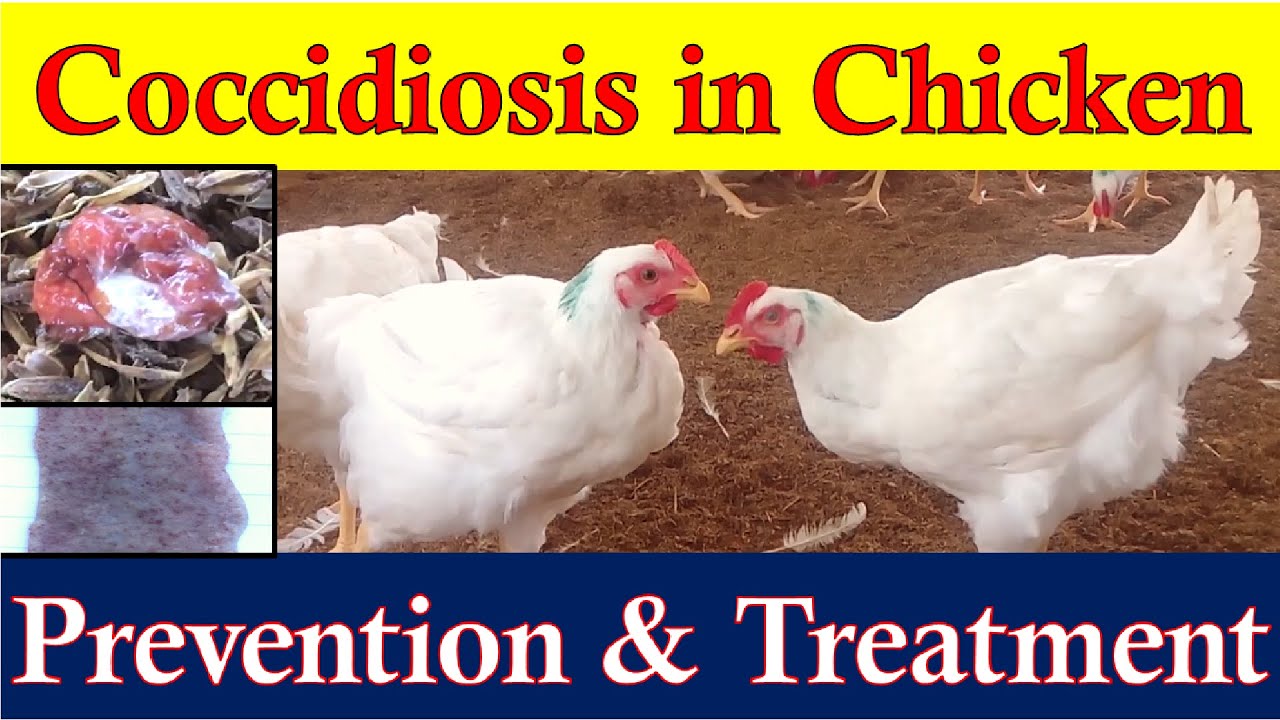
As the poultry industry continues to grapple with the challenges posed by coccidiosis, recent advancements in research have opened new avenues for effective management strategies. Significant strides have been made in understanding the biology of Eimeria species, the pathogens responsible for coccidiosis, which may lead to innovative approaches in controlling this disease. This section delves into the latest research findings and explores future directions that could transform how coccidiosis is managed in chickens.
Recent Advancements in Research
Recent studies have shed light on various aspects of coccidiosis, from the development of vaccines to the use of alternative treatments. Notably, the emergence of live attenuated vaccines has shown promise in enhancing immunity in chickens, reducing the severity of the disease and improving overall flock health. These vaccines are designed to stimulate a protective immune response while minimizing the risk of clinical disease.
Furthermore, research has indicated that using probiotics and prebiotics can support gut health in chickens, potentially reducing the impact of coccidiosis. These products help maintain a balanced gut microbiota, which can enhance the bird’s immunity and resilience against pathogens. The integration of these findings into commercial poultry operations represents a significant advancement in coccidiosis management.
Identifying Gaps in Current Knowledge
Despite the advancements in research, there remain critical gaps in our understanding of coccidiosis that require further investigation. For instance, the interactions between different Eimeria species and the host’s immune response are not fully elucidated. This lack of knowledge hampers the development of more effective vaccines and therapeutic approaches.
Moreover, the long-term effects of using specific control measures, such as genetic selection for disease resistance, have yet to be comprehensively studied. Understanding the implications of these strategies on production efficiency and animal welfare is essential for their successful implementation in the poultry industry.
Emerging Trends in Biotechnology
In recent years, biotechnology has emerged as a powerful tool in the fight against coccidiosis. Advances in genetic engineering and molecular biology have paved the way for innovative solutions that could revolutionize disease management practices. For example, CRISPR technology is being explored for its potential to create genetically modified chickens that exhibit enhanced resistance to coccidiosis.
Additionally, the development of novel antimicrobials and immunomodulators derived from natural compounds holds promise for managing coccidiosis more effectively. These biotechnological advancements could provide alternatives to traditional anticoccidial drugs, addressing concerns related to drug resistance and food safety.
Research into the use of artificial intelligence (AI) and big data analytics is also gaining traction in the poultry industry. By analyzing vast amounts of data regarding flock health and environmental conditions, AI can help predict coccidiosis outbreaks and enable proactive management strategies. This shift towards data-driven decision-making could significantly improve the efficacy of coccidiosis management practices.
“The integration of biotechnology and data analytics is set to transform coccidiosis management in poultry, paving the way for healthier flocks and sustainable production.”
The Role of Biosecurity in Controlling Coccidiosis
Implementing effective biosecurity measures is crucial for poultry farmers aiming to manage and minimize the risk of Coccidiosis outbreaks in their flocks. By establishing a set of protective protocols, farmers can create an environment that greatly reduces the likelihood of introducing or spreading the disease. This is essential not just for the health of the chickens, but also for the overall productivity and profitability of the poultry operation.
Biosecurity measures focus on preventing the entry and transmission of pathogens, including the protozoan parasites responsible for Coccidiosis. Effective strategies can significantly lower the risk of infection and help maintain flock health. Below are specific biosecurity protocols that farmers should consider implementing:
Specific Biosecurity Protocols for Poultry Operations
A comprehensive biosecurity plan should address various aspects of flock management, including facility design, sanitation, and personnel practices. Here are key protocols that can enhance biosecurity:
- Controlled Access: Limit access to poultry houses to authorized personnel only. This reduces the potential for introducing pathogens from outsiders.
- Sanitation Practices: Regularly clean and disinfect equipment, vehicles, and clothing before entering poultry areas. Use approved disinfectants effective against coccidia.
- Isolation of New Birds: Quarantine new arrivals for at least 30 days to monitor for any signs of illness before introducing them into the main flock.
- Rodent and Pest Control: Implement measures to control rodents and pests, which can act as vectors for disease transmission.
- Water Quality Management: Ensure that drinking water is clean and free from contaminants that could compromise the health of the birds.
- Regular Health Monitoring: Conduct routine health checks and flock assessments to detect any signs of Coccidiosis early on.
Successful biosecurity strategies have been employed in various poultry operations across the globe. For instance, a large-scale poultry farm in the Midwest USA reduced Coccidiosis incidence by over 50% after implementing a stringent biosecurity program that included enhanced cleaning protocols and restricted access to their facilities. They invested in education and training for staff, emphasizing the importance of biosecurity practices in maintaining healthy flocks.
In another example, an egg production farm in Europe utilized a combination of all-in/all-out production systems and strict biosecurity protocols. They observed a marked decrease in Coccidiosis-related issues, which resulted in improved egg production and lower veterinary costs. These real-life cases demonstrate that proactive biosecurity measures lead to significant health benefits and operational efficiency in poultry farming.
Closing Summary
In summary, understanding Coccidiosis in chickens is crucial for both flock health and farm profitability. By employing effective treatment and prevention strategies, farmers can mitigate the risks associated with this disease, ensuring healthier birds and a thriving business. As research progresses, staying informed about the latest advancements and biosecurity measures will continue to play a vital role in managing this complex challenge.
FAQ Guide
What is Coccidiosis in chickens?
Coccidiosis is a parasitic infection caused by Coccidia, affecting the intestinal tract of chickens and leading to various health issues.
How is Coccidiosis transmitted?
The disease is transmitted primarily through contaminated feed, water, or environments where Coccidia spores are present.
Can humans contract Coccidiosis from chickens?
No, Coccidiosis is not zoonotic, meaning it cannot be transmitted from chickens to humans.
What are the long-term effects of Coccidiosis on chickens?
Long-term effects can include stunted growth, decreased egg production, and weakened immunity, making chickens more susceptible to other diseases.
Is there a specific breed of chicken more susceptible to Coccidiosis?
While all breeds can be affected, young chicks and those under stress are generally more susceptible to Coccidiosis.