
 Valerie Eden
Crop issues are an essential concern for farmers and agricultural experts alike, presenting challenges that can significantly affect yield and sustainability. From climate change to pest management, the multifaceted nature of these problems requires a comprehensive understanding and strategic solutions. Addressing crop issues is not just about maintaining productivity but also involves adapting to a rapidly changing environment.
By exploring the various influences on crop health—ranging from soil quality to economic impacts—we can better appreciate the complexities that farmers face daily. This overview aims to shed light on critical factors, highlighting innovative practices and policies that can help mitigate these challenges and promote a more resilient agricultural sector.
Climate factors impacting crop issues
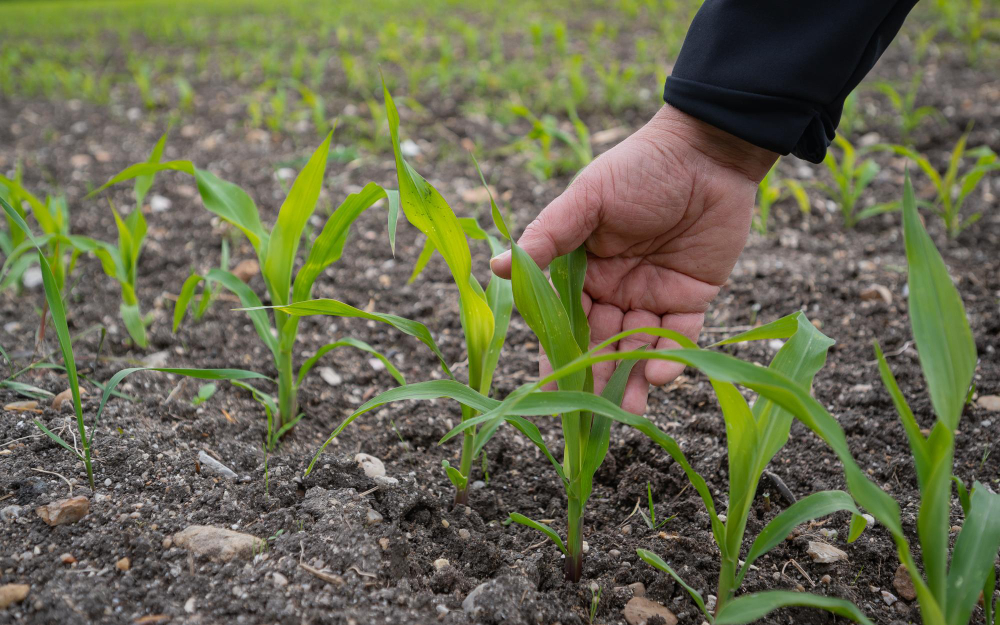
Climate change is increasingly recognized as a key driver of agricultural challenges globally. The interplay of various climate factors can significantly affect crop yields, quality, and farming practices. Understanding how these factors impact agriculture is essential for developing strategies to mitigate their adverse effects and adapt to shifting environmental conditions.
Numerous climate-related challenges arise due to changing weather patterns, extreme temperatures, and altered precipitation regimes. These factors can lead to issues like drought, flooding, and increased pest and disease pressures on crops. Furthermore, as temperatures rise, the growing seasons may shift, affecting planting and harvesting times.
Temperature Variability and Crop Growth
Temperature plays a crucial role in determining the growth and development of crops. Extremes in temperature can disrupt this process significantly. Here are some specific impacts of temperature variability on crops:
- Higher temperatures can lead to heat stress in plants, which can inhibit growth and reduce yields. For example, wheat yields can decrease by 6% for every 1°C increase above optimal growing conditions.
- Increased nighttime temperatures can also disrupt the photosynthesis process, leading to reduced crop productivity.
- Prolonged periods of high temperatures can exacerbate water stress, leading to decreased soil moisture and requiring additional irrigation, which may not always be feasible for farmers.
“Heat stress can diminish yields and crop quality, posing substantial economic risks for farmers.”
Precipitation Patterns and Water Availability
Changes in precipitation patterns due to climate change affect crop production through altered water availability. Variability in rainfall can lead to both drought and flooding situations, each presenting distinct challenges:
- Drought conditions can severely limit water availability for crops, resulting in poor germination and stunted growth.
- Conversely, excessive rainfall can lead to flooding, which can drown crops, erode soil, and disrupt planting schedules.
- Shifts in the timing and intensity of rainfall can also affect the effectiveness of irrigation systems and water management practices.
“Understanding precipitation trends is critical for effective water management in agriculture.”
Pest and Disease Pressure from Climate Change
Climate change influences the distribution and lifecycle of pests and diseases, posing significant challenges for farmers. Warmer temperatures and altered rainfall can create favorable conditions for pest proliferation:
- Increased temperatures may extend the range of certain pests, making them a threat in areas where they were previously absent. For instance, the fall armyworm has expanded its range into new territories due to climate-induced temperature changes.
- Changes in humidity levels associated with climate variations can also affect the prevalence and severity of crop diseases, such as fungal infections.
- Farmers may need to adapt their pest management strategies, relying more on integrated pest management (IPM) techniques to combat these new challenges effectively.
“Adapting to new pest pressures is essential for sustaining crop productivity in a changing climate.”
Soil Quality and Climate Impact
Soil health is foundational for productive agriculture and is influenced by climate conditions. Here’s how climate change threatens soil quality:
- Increased rainfall can lead to soil erosion, depleting nutrient-rich topsoil and diminishing crop yields.
- Higher temperatures can accelerate soil organic matter decomposition, reducing the soil’s fertility and moisture retention capacity.
- Changes in pH levels due to climate factors can alter nutrient availability, impacting crop health and productivity.
“Maintaining soil health is critical for adapting to climate change effects on crop production.”
Pest and disease management strategies for crops
Effective pest and disease management is crucial for maintaining healthy crops and maximizing yields. The integration of various strategies not only protects plants but also ensures sustainable agricultural practices. This discussion delves into the importance of integrated pest management (IPM) and explores methods for identifying and controlling agricultural pests, along with a comparison of organic versus chemical pest control measures.
Importance of Integrated Pest Management
Integrated Pest Management (IPM) is a holistic approach that combines multiple strategies to control pest populations effectively while minimizing risks to human health and the environment. It emphasizes the need for a thorough understanding of pest life cycles, ecological practices, and the environment in which crops are grown. This approach promotes the sustainable use of resources and reduces the reliance on chemical interventions.
IPM utilizes a combination of biological, cultural, physical, and chemical control methods. The key components of IPM include:
- Monitoring and Identification: Regular scouting and monitoring of crops are essential for the early detection of pests and diseases.
- Threshold Levels: Establishing action thresholds helps determine when pest populations reach levels that warrant control measures.
- Diverse Crop Rotation: Rotating crops disrupts pest life cycles, reducing pest populations over time.
- Natural Predators: Encouraging beneficial insects, such as ladybugs and lacewings, can help keep pest populations in check.
- Targeted Chemical Application: When necessary, using pesticides selectively at the right time and in the right amount minimizes environmental impact.
“IPM is about managing pests, not eliminating them.”
Methods for Identifying and Controlling Common Agricultural Pests
Identifying and managing pests requires a systematic approach. Effective pest identification involves recognizing symptoms and signs associated with specific pests. For example, the presence of holes in leaves may indicate feeding by caterpillars or beetles, while yellowing leaves could signal aphid infestation.
Common methods to identify and control agricultural pests include:
- Visual Inspection: Regularly examining crops for signs of pest activity.
- Use of Traps: Deploying sticky traps can help monitor pest populations, particularly for flying insects.
- Field Guides: Utilizing pest identification guides can assist in accurately recognizing pests and their damage.
- Biological Control: Introducing natural predators or parasites can sustainably reduce pest populations.
- Insecticidal Soaps and Oils: These can be effective against soft-bodied insects and are less harmful to beneficial insects.
Comparison of Organic versus Chemical Pest Control Measures
When evaluating pest control options, farmers often face the choice between organic and chemical measures. Each approach has its merits and challenges, influencing pest management strategies and crop yield outcomes.
Organic pest control measures focus on natural methods and materials, while chemical methods typically involve synthetic pesticides. Here’s a comparison:
| Aspect | Organic Control | Chemical Control |
|---|---|---|
| Environmental Impact | Generally lower, promotes biodiversity and soil health. | Higher potential for environmental contamination. |
| Effectiveness | May require repeated applications; effectiveness can vary. | Often provides rapid results, especially for severe infestations. |
| Health Considerations | Safer for humans and non-target organisms. | May pose health risks if misused or over-applied. |
| Regulations | Must adhere to strict organic certification standards. | Laws vary by region; some chemicals may be restricted. |
Understanding the differences between these pest management strategies enables farmers to make informed decisions tailored to their specific crop situations and environmental conditions.
Soil health and its relation to crop yield
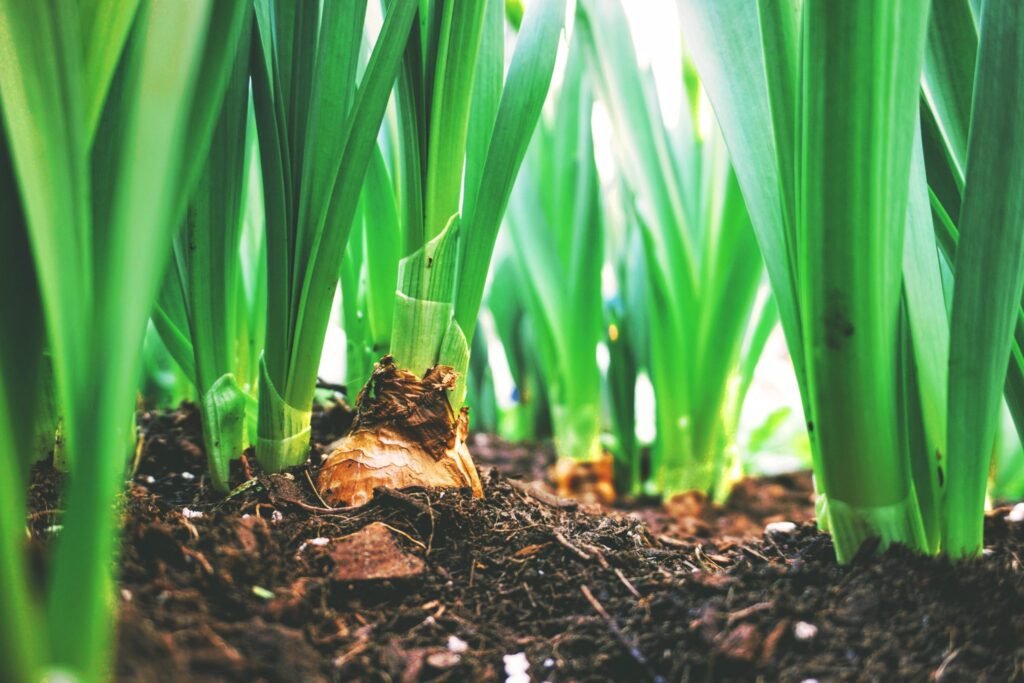
Soil health is a critical factor that directly impacts crop yield, influencing both the quantity and quality of agricultural production. Healthy soil is rich in nutrients, has good structure, and supports a diverse ecosystem of microorganisms, which work synergistically to promote plant growth and resilience. Farmers who prioritize soil health not only enhance their harvests but also contribute to sustainable farming practices that protect the environment for future generations.
The relationship between soil health and crop performance is multifaceted. Healthy soil improves water retention, provides essential nutrients, and enhances the ability of plants to withstand pests and diseases. For instance, research has shown that soils with high organic matter content can increase crop yields by up to 20% compared to soils with lower organic matter. This highlights the importance of maintaining soil fertility as a means of achieving optimal crop production.
Practices for maintaining and improving soil fertility
To ensure healthy soil and enhanced crop yields, farmers can adopt various practices that focus on improving soil fertility. These practices are essential for maintaining the balance of nutrients and supporting the overall health of the soil ecosystem.
Several effective methods include:
- Crop rotation: This practice involves alternating the types of crops grown in a particular area over time. For example, rotating legumes with cereals can enhance nitrogen availability in the soil.
- Cover cropping: Planting cover crops, such as clover or rye, can prevent soil erosion, suppress weeds, and improve soil structure and fertility when tilled back into the soil.
- Reduced tillage: Minimizing tillage helps preserve soil structure and reduce erosion, allowing beneficial organisms to thrive while maintaining organic matter levels.
- Organic amendments: Adding compost, manure, or other organic materials increases nutrient availability and enhances microbial activity, which is vital for soil health.
- Soil testing: Regular soil testing helps farmers understand nutrient levels and pH, allowing them to make informed decisions about the necessary amendments.
These practices not only enhance soil health but also contribute to sustainable agricultural systems that are resilient to climate change and other environmental challenges.
Guide for farmers on assessing soil quality
Assessing soil quality is an essential step for farmers to understand the condition of their soil and its capacity to support crop production. A comprehensive assessment can guide farmers in implementing the right practices for soil improvement.
Key indicators of soil quality include:
- Soil texture: The proportion of sand, silt, and clay affects drainage, aeration, and nutrient retention. Farmers can feel the soil’s texture by rubbing it between their fingers.
- Organic matter content: High levels of organic matter improve soil structure and fertility. Farmers can estimate organic matter by performing a visual inspection and assessing the soil’s dark color and crumbly texture.
- Nutrient levels: Soil testing kits can be utilized to measure essential nutrients like nitrogen, phosphorus, and potassium, helping farmers address deficiencies.
- pH level: Soil pH affects nutrient availability. A pH meter or test kit can help farmers determine if their soil is too acidic or alkaline.
- Microbial activity: The presence of earthworms, ants, and other soil organisms indicates healthy soil. Farmers can assess this by digging into the soil and observing the biodiversity.
By utilizing these indicators, farmers can develop a clear understanding of their soil’s health and make informed decisions to enhance its quality, ultimately leading to improved crop yields.
Technological innovations in agriculture and crop issues
The agricultural sector is undergoing a significant transformation due to technological innovations that address various crop issues. In an era where food security and sustainable practices are paramount, technology plays a vital role in enhancing agricultural productivity, reducing resource waste, and mitigating environmental impacts. This discussion will delve into how technology is shaping modern agriculture and the implications it has for crop management.
Role of Technology in Addressing Crop Issues
Technology has become an indispensable ally in modern agriculture, offering solutions to contemporary challenges such as pest control, soil health, and water management. Advanced tools and techniques have emerged to aid farmers in optimizing their practices. For instance, precision agriculture employs GPS and IoT devices to monitor crop conditions in real-time, enabling farmers to make informed decisions.
The adoption of data analytics allows for better forecasting of weather patterns and pest invasions, which can significantly reduce crop losses. Additionally, biotechnology, including genetically modified organisms (GMOs), provides resistance to diseases and pests, enhancing crop yields. The integration of drones and satellite imagery allows for more effective monitoring of large agricultural fields, improving resource allocation.
Examples of New Tools and Techniques
Innovative tools and techniques are revolutionizing agricultural practices and improving crop management, including:
- Drones: Equipped with cameras and sensors, drones facilitate crop monitoring, soil analysis, and irrigation management from above, offering comprehensive insights into field conditions.
- Soil Sensors: These devices measure soil moisture, temperature, and nutrient levels, allowing farmers to apply fertilizers and water precisely when needed, thereby reducing waste and improving crop health.
- Automated Irrigation Systems: Smart irrigation systems utilize weather data and soil moisture sensors to determine optimal watering schedules, conserving water while maintaining crop vitality.
- Robotic Harvesters: These machines can autonomously harvest crops, reducing labor costs and improving efficiency, especially during peak harvest times.
Benefits and Challenges of Advanced Farming Technologies
While the integration of advanced technologies in agriculture brings numerous benefits, it also presents challenges that must be addressed.
The benefits include:
- Increased Efficiency: Technology streamlines operations, allowing for more efficient use of resources, which can lead to higher crop yields.
- Enhanced Crop Quality: Precise monitoring and management lead to better quality produce, meeting market demands.
- Environmental Sustainability: Technology fosters sustainable practices by minimizing chemical usage and conserving water and soil health.
Conversely, challenges exist:
- High Initial Costs: The investment required for advanced tools and systems can be substantial, posing a barrier for smallholder farmers.
- Technical Knowledge Requirement: Farmers often need training to effectively utilize new technologies, which can be a hurdle in areas with limited access to education.
- Data Privacy Concerns: The reliance on data collection raises issues regarding privacy and the security of sensitive agricultural information.
“Technology in agriculture is not just a tool for increased productivity; it’s a pathway to sustainable and responsible farming.”
Economic impacts of crop issues on farmers and markets
Crop issues can significantly influence the economic stability of farming communities, affecting not only the farmers but rippling through local and global markets. Crop failures due to pests, diseases, or extreme weather conditions can lead to substantial financial losses, altering the dynamics of agricultural production and market availability. Understanding these impacts is crucial for farmers, policymakers, and stakeholders in the agricultural sector.
Crop issues also create fluctuations in market prices, influencing both supply and demand. When crop yields fall, the immediate effect is a decrease in supply, potentially leading to increased prices for consumers. Conversely, if farmers anticipate a poor harvest, they may sell off their stocks early, further destabilizing market prices. For instance, in 2012, the U.S. experienced a severe drought that resulted in corn production dropping by 13%, causing corn prices to spike by 50% within a year. Such fluctuations illustrate how crop issues can directly impact economic stability.
Impact on Farming Communities
The economic stability of farming communities is deeply intertwined with the health of their crops. Crop issues can lead to increased financial burdens on farmers, which may manifest in various ways:
- Debt Accumulation: Farmers often rely on loans to manage cultivation costs. Crop failures can lead to an inability to repay loans, resulting in a cycle of debt.
- Employment Loss: A significant crop failure not only affects farmers but also those employed in agriculture-related jobs, leading to potential job losses.
- Local Economy Decline: When farmers struggle, local businesses that depend on agricultural income, such as equipment suppliers and retailers, may also face financial difficulties.
Additionally, farmers can utilize several economic tools to mitigate the financial risks associated with crop issues:
Economic Tools for Risk Mitigation
Farmers have access to a variety of economic instruments designed to help them manage risks linked to crop issues. These tools range from insurance products to financial instruments, which can stabilize income and support sustainability.
- Crop Insurance: This essential tool protects farmers from losses due to crop failure. Programs like the Federal Crop Insurance in the U.S. help farmers recover a portion of their losses and maintain operational viability.
- Forward Contracts: By locking in prices for their crops ahead of harvest, farmers can reduce uncertainty and stabilize their income against market fluctuations.
- Government Subsidies: These financial aids help cushion the impact of adverse conditions, ensuring farmers can continue their operations during tough times.
In summary, the economic impacts of crop issues are profound and multifaceted, affecting not just individual farmers but entire communities and markets. By understanding these dynamics, farmers can better prepare and adapt to the uncertainties inherent in agricultural production.
The role of government policies in addressing crop-related challenges
Government intervention plays a critical role in shaping agricultural practices and ensuring the stability of food production. With the challenges posed by climate change, pests, and fluctuating market prices, effective government policies are essential for supporting farmers and enhancing crop resilience. These policies not only provide financial assistance but also create frameworks that encourage sustainable practices and innovation within the agricultural sector.
One of the most impactful ways governments can assist struggling crop sectors is through targeted agricultural policies. These policies often include subsidies, grants, and research funding aimed at improving crop yields and promoting sustainable farming techniques. Additionally, governments may implement insurance programs to protect farmers against natural disasters and market volatility. Programs like the U.S. Department of Agriculture’s (USDA) Crop Insurance program serve to mitigate risk for farmers, allowing them to recover more effectively from unforeseen events.
Specific policies supporting struggling crop sectors
Several specific policies have been enacted to support farmers facing crop-related challenges. These policies are crucial in providing immediate relief and fostering long-term sustainability.
Firstly, subsidies play a significant role in stabilizing farmers’ income. For example, the European Union’s Common Agricultural Policy (CAP) provides direct payments to farmers, helping them manage income fluctuations due to market volatility or crop failures.
Secondly, the implementation of research and development initiatives has proven vital. The Agricultural Research Service (ARS) in the United States focuses on developing pest-resistant crop varieties, which can significantly reduce losses and increase food security.
Furthermore, governments often facilitate access to new technologies. Programs promoting precision agriculture enable farmers to utilize data-driven insights for better crop management. This approach enhances productivity and reduces waste, leading to more sustainable agricultural practices.
Lastly, the establishment of cooperatives can empower farmers by providing them greater negotiation power and collective resources. These cooperatives can also facilitate access to shared resources like equipment, which can be prohibitively expensive for individual farmers.
Improvements to agricultural policies for enhanced crop resilience
While current policies provide significant support, there is always room for improvement. Future agricultural policies could focus on the following areas to enhance crop resilience:
The integration of climate adaptation strategies is essential. Policies that promote crop diversification and agroecological practices can help farmers better cope with changing climatic conditions. For instance, financial incentives for adopting cover cropping can improve soil health and reduce erosion.
Enhancing access to education and training programs for farmers is another important step. By equipping farmers with knowledge about innovative farming techniques and sustainable practices, governments can empower them to make informed decisions that positively impact crop yield and sustainability.
Moreover, improving data accessibility can greatly aid farmers in decision-making. Creating centralized databases that provide real-time weather, pest reports, and market trends can help farmers plan more effectively.
Lastly, the promotion of public-private partnerships can drive innovation in the agricultural sector. Collaborations between government entities, research institutions, and private companies can lead to the development of cutting-edge technologies tailored to specific regional challenges.
In conclusion, the role of government policies in addressing crop-related challenges is vital. By continuing to adapt and improve these policies, governments can create a resilient agricultural framework that supports farmers and ensures food security for future generations.
Sustainable practices for mitigating crop issues
Sustainable agricultural practices play a crucial role in addressing the various challenges faced by farmers today. These methods not only aim to enhance crop production but also seek to protect the environment and promote biodiversity. By implementing sustainable practices, farmers can effectively mitigate crop issues such as soil degradation, pest infestations, and water scarcity, thus ensuring the long-term viability of their farming operations.
The significance of sustainable agricultural practices lies in their ability to create a balanced ecosystem that supports healthy crop growth. Techniques such as crop rotation, organic farming, and integrated pest management can reduce reliance on chemical inputs, enhance soil fertility, and improve resilience to climate change. Furthermore, sustainable farming practices enable farmers to maintain productivity while minimizing adverse environmental impacts.
Examples of successful sustainable farming techniques
Several successful sustainable farming techniques have emerged as effective solutions to crop issues. These methods have been embraced by farmers across the globe and have shown promising results in enhancing agricultural productivity and environmental health. Notable examples include:
- Crop rotation: Rotating different crops in a sequential manner helps prevent soil depletion and interrupts pest life cycles, leading to healthier crops and reduced reliance on pesticides.
- Organic farming: Utilizing natural fertilizers and pest control methods, organic farming fosters a healthier soil ecosystem and reduces chemical runoff, benefiting both crops and surrounding environments.
- Agroforestry: Integrating trees with agricultural crops enhances biodiversity, improves soil quality, and provides shade and wind protection, ultimately leading to increased crop yields.
- Permaculture: This design philosophy mimics natural ecosystems, promoting sustainable land use practices that optimize resource use and minimize waste.
- Conservation tillage: Reducing tillage helps maintain soil structure, improves water retention, and decreases erosion, while also sequestering carbon in the soil.
To support farmers interested in adopting sustainable practices, various resources are available. These resources provide valuable information, tools, and support networks that can guide farmers in their transition to more sustainable methods.
Resources for sustainable farming
A wealth of resources exists to assist farmers in implementing sustainable practices effectively. These resources are essential for acquiring knowledge and skills, as well as access to funding and support networks. The following list highlights some key resources:
- Local agricultural extension services: Many regions have extension offices that offer workshops, training sessions, and one-on-one consultations to help farmers implement sustainable practices.
- Non-profit organizations: Organizations like the Rodale Institute and Sustainable Agriculture Research and Education (SARE) provide extensive research, training programs, and funding opportunities for sustainable farming.
- Online platforms: Websites such as ATTRA Sustainable Agriculture and eOrganic offer a wealth of articles, webinars, and resources dedicated to sustainable farming techniques and practices.
- Government programs: Various government initiatives promote sustainable agriculture through grants, subsidies, and technical assistance, such as the USDA’s Environmental Quality Incentives Program (EQIP).
- Peer networks and co-ops: Joining local farming cooperatives or networks allows farmers to share experiences, exchange knowledge, and collaborate on sustainable practices.
Future trends in crop management and their implications
As agriculture faces an evolving landscape influenced by climate change, population growth, and technological advancements, future trends in crop management are becoming increasingly critical. The integration of innovative practices and technologies promises to enhance productivity while addressing sustainability concerns. This section explores anticipated challenges and emerging trends that will likely shape the future of agriculture.
Anticipated challenges in crop management
The future of crop management is fraught with challenges that may hinder agricultural practices. Among these, climate change stands out as a paramount concern, leading to unpredictable weather patterns, increased pest pressure, and reduced crop yields. Additionally, soil degradation and water scarcity pose significant threats to sustainable farming. Here are some noteworthy challenges:
- Climate variability affecting planting and harvesting timelines.
- Increased prevalence of pests and diseases due to changing ecosystems.
- Limitations in arable land due to urbanization and industrialization.
- Water scarcity impacting irrigation practices and crop viability.
Emerging trends shaping the future of agriculture
With the backdrop of these challenges, several emerging trends are poised to transform crop management. The rise of precision agriculture, which utilizes data analytics and technology to optimize farming practices, is among the most significant trends. This approach enables farmers to make well-informed decisions, enhancing efficiency and productivity. Other emerging trends include:
- Adoption of genetically modified organisms (GMOs) for increased resistance to pests and diseases.
- Utilization of drone technology for crop monitoring and management tasks.
- Integration of sustainable practices, such as cover cropping and reduced tillage, to maintain soil health.
- Incorporation of artificial intelligence (AI) for predictive analytics in crop yield forecasting.
Scenario of future crop production impacts
To illustrate the interplay of various factors affecting future crop production, consider a scenario where precision agriculture is widely adopted. Farmers leverage satellite imagery and sensors to monitor crop health, allowing them to apply fertilizers and pesticides more effectively. Concurrently, climate change continues to manifest, leading to increased drought periods. In response, these farmers implement drought-resistant crop varieties, significantly improving resilience.
In this scenario, the combination of technology, innovative crop varieties, and adaptive management practices leads to the following outcomes:
- Enhanced crop yields despite adverse weather conditions.
- Reduced environmental impact due to targeted application of agricultural inputs.
- Increased farmer profitability through savings on inputs and improved productivity.
- Greater food security for communities facing climate-related challenges.
“Embracing technology not only mitigates the impacts of climate change but also paves the way for a more sustainable agricultural future.”
This scenario exemplifies how proactive adaptation strategies and technological advancements can shape a resilient agricultural landscape, addressing both current and future challenges in crop management.
Conclusion
In summary, understanding crop issues is vital for ensuring the stability and sustainability of our agricultural systems. By recognizing the interplay of climate factors, pest management, soil health, and economic dynamics, we can foster awareness and drive actionable solutions. As we look ahead, embracing innovative technologies and sustainable practices will be crucial to overcoming the challenges that lie ahead in crop management.
Detailed FAQs
What are the main climate factors affecting crops?
Temperature variations, precipitation patterns, and extreme weather events are primary climate factors that impact crop health and productivity.
How can farmers identify pests early?
Regular field scouting, monitoring for signs of damage, and using traps can help farmers detect pests before they become a significant problem.
What practices can enhance soil fertility?
Crop rotation, cover cropping, and the application of organic amendments like compost can significantly improve soil fertility over time.
How does technology help in addressing crop issues?
Technology aids in precision farming, data analysis, and resource management, allowing farmers to make informed decisions and optimize their practices.
What financial tools can help mitigate risks from crop failures?
Crop insurance, futures contracts, and government subsidies are financial instruments that can help protect farmers from losses due to crop failures.
What role does government policy play in agriculture?
Government policies can provide support through subsidies, research funding, and regulations that promote sustainable agricultural practices and resilience.
How can farmers adopt sustainable practices?
Farmers can start by integrating practices such as reduced tillage, organic farming, and agroforestry to enhance sustainability and reduce crop issues.
What future trends should farmers be aware of?
Emerging trends include advancements in biotechnology, climate-smart agriculture, and greater emphasis on sustainability and food security initiatives.