
 Valerie Eden
Fermented feed stands at a fascinating intersection of tradition and innovation, revealing a rich history that spans various cultures and epochs. This ancient practice has evolved over time, showcasing the ingenuity of farmers who have harnessed the power of fermentation to enhance the nutritional quality of animal feed. As we delve into this topic, we uncover not only the cultural significance of fermented feed but also its modern applications that promise to revolutionize sustainable agriculture.
The process of fermentation employs specific microorganisms to transform feed into a more digestible and nutrient-rich source. Understanding the microbiological dynamics and the biochemical changes that occur during fermentation is crucial for appreciating how fermented feed contributes to improved health and performance in livestock. With the backdrop of historical context and scientific insights, we aim to explore the many facets of fermented feed and its vital role in contemporary farming practices.
Fermented feed and its historical significance in agriculture
Fermented feed has played a crucial role in agricultural practices throughout history, serving as an essential component in the diets of livestock across various cultures. The process of fermentation not only enhances the nutritional value of animal feed but also contributes to better preservation and taste. Various ancient civilizations recognized the benefits of fermented feed, using it as a means to sustain livestock health and productivity.
Historically, fermented feed can be traced back to numerous cultures around the world. In Asia, particularly in China and Japan, rice and soybeans have been fermented to produce by-products such as koji and tempeh. These not only serve as human food but are also crucial in enhancing the growth and health of animals. Ancient Egyptian farmers utilized fermented barley and wheat to ensure their livestock thrived, as the fermentation process improved the digestibility of grains. Similarly, the Scandinavian countries have long employed methods of fermenting dairy products into silage, which enriched the diets of farm animals during harsh winters. The method of lacto-fermentation, used in regions like Africa, involved allowing natural bacteria to thrive, thus enhancing the feed’s nutritional content while also preserving it for longer periods.
Traditional methods for fermenting feed varied significantly across regions, often reflecting local resources and agricultural practices. In Europe, farmers would create silage by chopping green fodder and storing it in airtight containers to ferment. This process relied heavily on the anaerobic conditions within the silage pit, which promoted lactic acid bacteria growth. In contrast, Asian farmers often utilized a process called “ensiling,” where crops were submerged in water or covered with leaves to capture natural fermentation. In both instances, the end goal was to preserve feed and improve its nutritional profile, making it more beneficial for livestock.
When comparing historical practices of fermented feed with modern techniques, significant advancements are evident. Modern fermentation processes are often more controlled, utilizing specific strains of bacteria or yeasts that can be carefully monitored for optimal results. This not only guarantees consistency in the quality of fermented feed but also enhances its nutritional benefits even further. For example, contemporary biotechnological approaches allow for the manipulation of fermentation processes, resulting in feed that is tailored to meet specific dietary needs of livestock, which wasn’t possible with traditional methods.
Additionally, the rise of understanding regarding the gut microbiome in animals has influenced modern fermented feed production. Farmers today recognize that the health of the animal’s gut is paramount for optimal growth and productivity, leading to the inclusion of probiotics in feeds. This not only echoes the principles of traditional fermentation but enhances it, underscoring the importance of fermented feed in both historical and contemporary agricultural practices.
The microbiological processes involved in fermenting feed
Fermentation of animal feed is a fascinating process that not only enhances the nutritional value of the feed but also improves its palatability and digestibility. This microbial-driven transformation involves a variety of microorganisms and a series of biochemical reactions that convert complex organic materials into simpler compounds. Understanding the specific microorganisms and the biochemical processes at play is essential for optimizing fermentation practices in animal nutrition.
Microorganisms in Feed Fermentation
The fermentation process relies heavily on different types of microorganisms, each contributing uniquely to the breakdown of feed components. The primary players in fermentation include bacteria, yeasts, and molds.
Bacteria are the most pivotal microorganisms in feed fermentation. Lactic acid bacteria (LAB), such as *Lactobacillus* and *Pediococcus*, are particularly important. They thrive in anaerobic conditions and are responsible for producing lactic acid from carbohydrates. This acidification of the feed helps preserve it and enhances the availability of nutrients.
Yeasts, primarily from the genus *Saccharomyces*, also contribute to fermentation, particularly in high-sugar substrates. They ferment sugars into alcohol and carbon dioxide, providing energy-rich byproducts. Their activity can enhance palatability and create a favorable environment for beneficial bacteria.
Molds, while often associated with spoilage, can also play a role in fermentation. Species like *Aspergillus* can break down complex carbohydrates into simpler sugars, making them accessible to other microorganisms. However, care must be taken as some molds can produce mycotoxins that are harmful to livestock.
Biochemical Processes in Fermentation
During fermentation, a series of biochemical processes occur, transforming feed constituents into more digestible forms. The key processes include:
1. Hydrolysis: This process involves breaking down complex polysaccharides into simpler sugars. Enzymes produced by microorganisms help facilitate this reaction, making nutrients more accessible.
2. Fermentation: Sugars are converted into organic acids, alcohols, and gases through microbial metabolism. Lactic acid is a major product formed by LAB, which lowers the pH of the feed, enhancing preservation and inhibiting spoilage organisms.
3. Synthesis: Microorganisms synthesize vitamins, amino acids, and peptides during fermentation. These metabolites can significantly boost the nutritional profile of the feed.
4. Decomposition: Unwanted or toxic materials are broken down by certain bacteria and molds, contributing to the overall safety and quality of the feed.
Factors Influencing Microbial Activity in Fermentation
Several factors affect the efficiency and success of microbial activity during feed fermentation. Recognizing these factors can help in optimizing the process:
– Temperature: The fermentation temperature can greatly influence microbial growth. Most LAB prefer temperatures between 30°C to 40°C, while yeasts thrive in slightly cooler conditions.
– Moisture Content: Adequate moisture is essential for microbial activity. High moisture content can promote fermentation but too much moisture can encourage the growth of spoilage organisms.
– pH Levels: A lowered pH due to acid production is favorable for LAB but can inhibit the growth of undesirable microbes. Maintaining an optimal pH range is crucial for successful fermentation.
– Aeration: While anaerobic conditions favor LAB and yeasts, some molds require oxygen. Understanding the specific needs of the microorganisms involved can help maintain the right balance.
– Substrate Composition: The type of feed and its nutritional composition will dictate which microorganisms are most effective during fermentation. Certain substrates may favor specific microbial populations.
In summary, the interplay between different microorganisms and the biochemical processes they enable during fermentation significantly impacts the quality and nutritional value of animal feed. By managing the influencing factors, producers can enhance the efficacy of feed fermentation, leading to better health and productivity in livestock.
Nutritional benefits of using fermented feed in animal diets
Fermented feed offers a myriad of nutritional benefits that can significantly enhance the overall health and productivity of livestock. This age-old practice of fermentation not only preserves feed but also transforms it, making it a powerhouse of nutrients. When incorporated into animal diets, fermented feed can lead to improved growth rates, better feed efficiency, and enhanced animal health, making it an essential consideration for livestock nutrition.
The process of fermentation involves the action of microorganisms, which break down complex organic materials in feed into simpler, more digestible components. This microbial activity enhances the digestibility of nutrients, allowing animals to absorb and utilize them more effectively. Fermentation can lead to the production of short-chain fatty acids, vitamins, and probiotics that promote gut health. Improved digestibility results in better nutrient utilization, which translates to improved growth rates and overall performance.
Enhancement of Nutrient Availability Through Fermentation
The fermentation process can significantly increase the availability of specific nutrients, making them more accessible to the animals that consume them. Several key nutrients are positively affected by fermentation, enhancing their bioavailability and efficacy in livestock diets.
One notable example is the increase in protein digestibility. Fermentation can break down complex proteins into peptides and amino acids, making them easier for animals to absorb. This is particularly beneficial in ruminant diets, where the effective utilization of protein is critical for growth and milk production.
Vitamins, especially B-vitamins, are also enhanced through fermentation. The microbial action involved in fermentation can increase the concentration of essential B-vitamins, such as riboflavin, thiamine, and niacin, which play crucial roles in metabolic processes and overall health.
Additionally, minerals such as calcium and phosphorus are rendered more bioavailable through fermentation. The microbial breakdown of phytates, which can bind minerals and inhibit their absorption, helps release these essential nutrients for better uptake by the animal.
Fermented feeds also support the growth of beneficial gut microbiota, which is vital for digestion and overall health. These probiotics can help improve gut flora balance, which in turn can enhance nutrient absorption, boost immunity, and reduce the incidence of gastrointestinal diseases.
In summary, the incorporation of fermented feed into livestock diets can lead to improved nutritional benefits, enhancing digestibility and availability of key nutrients. This results in better health and productivity for livestock, making fermented feed a valuable addition to animal nutrition.
The impact of fermented feed on animal health and performance
Fermented feed has been gaining traction as a valuable dietary component in livestock nutrition, significantly influencing animal health and performance. The process of fermentation enhances the nutritional profile of feed, making it more digestible and beneficial for animals. This transformation not only supports the overall well-being of livestock but also contributes to improved productivity and efficiency in agricultural practices.
Research has shown a strong correlation between the consumption of fermented feed and improved animal health. Fermentation enriches feed with probiotics and beneficial bacteria, which help to establish a balanced gut microbiota. A balanced microbiota is essential for optimal nutrient absorption, immune function, and overall metabolic health. For instance, studies indicate that livestock fed fermented feeds experience a reduction in gastrointestinal disorders, which often leads to lower mortality rates and improved growth rates.
Performance metrics of animals fed with fermented feeds
Several studies have highlighted the performance metrics associated with the incorporation of fermented feed in animal diets. These metrics underscore the benefits of fermented feed in enhancing growth rates, feed conversion ratios, and overall health.
In a study involving broiler chickens, it was found that those receiving fermented feed exhibited a 10-15% increase in weight gain compared to those on conventional feed. Additionally, their feed conversion ratio improved by approximately 5%, indicating that they efficiently converted feed into body mass.
Another research focused on dairy cows revealed that feeding them with fermented silage not only improved milk yield by 8% but also enhanced the quality of milk, increasing fat content significantly. Such findings illustrate the positive impact of fermented feed on both the quantity and quality of animal output.
The following table summarizes the health benefits of fermented feed for different livestock species:
| Livestock Species | Health Benefits |
|---|---|
| Broiler Chickens | Reduced gastrointestinal disorders, improved weight gain, enhanced feed conversion efficiency. |
| Dairy Cows | Increased milk yield, improved milk quality, better digestion and nutrient absorption. |
| Pigs | Enhanced growth rates, reduced stress levels, improved gut health. |
| Sheep | Higher weight gain, improved wool quality, better reproductive performance. |
Incorporating fermented feeds in livestock diets results in measurable improvements in health and productivity, leading to more sustainable farming practices.
Production methods of fermented feed at the farm level
Fermented feed is gaining popularity among farmers for its nutritional benefits and ability to enhance the health of livestock. The production methods at the farm level can vary widely based on resources, scale, and specific livestock needs. Understanding these methods can empower farmers to improve feed quality and animal health efficiently.
There are several effective production methods for fermented feed that farmers can adopt on a small scale. Each method comes with its unique steps and considerations, and knowing how to navigate these can lead to successful fermentation.
Small-scale fermentation techniques
Farmers looking to produce fermented feed can utilize simple techniques that require minimal investment while being highly effective. The following steps Artikel a straightforward method for small-scale fermentation:
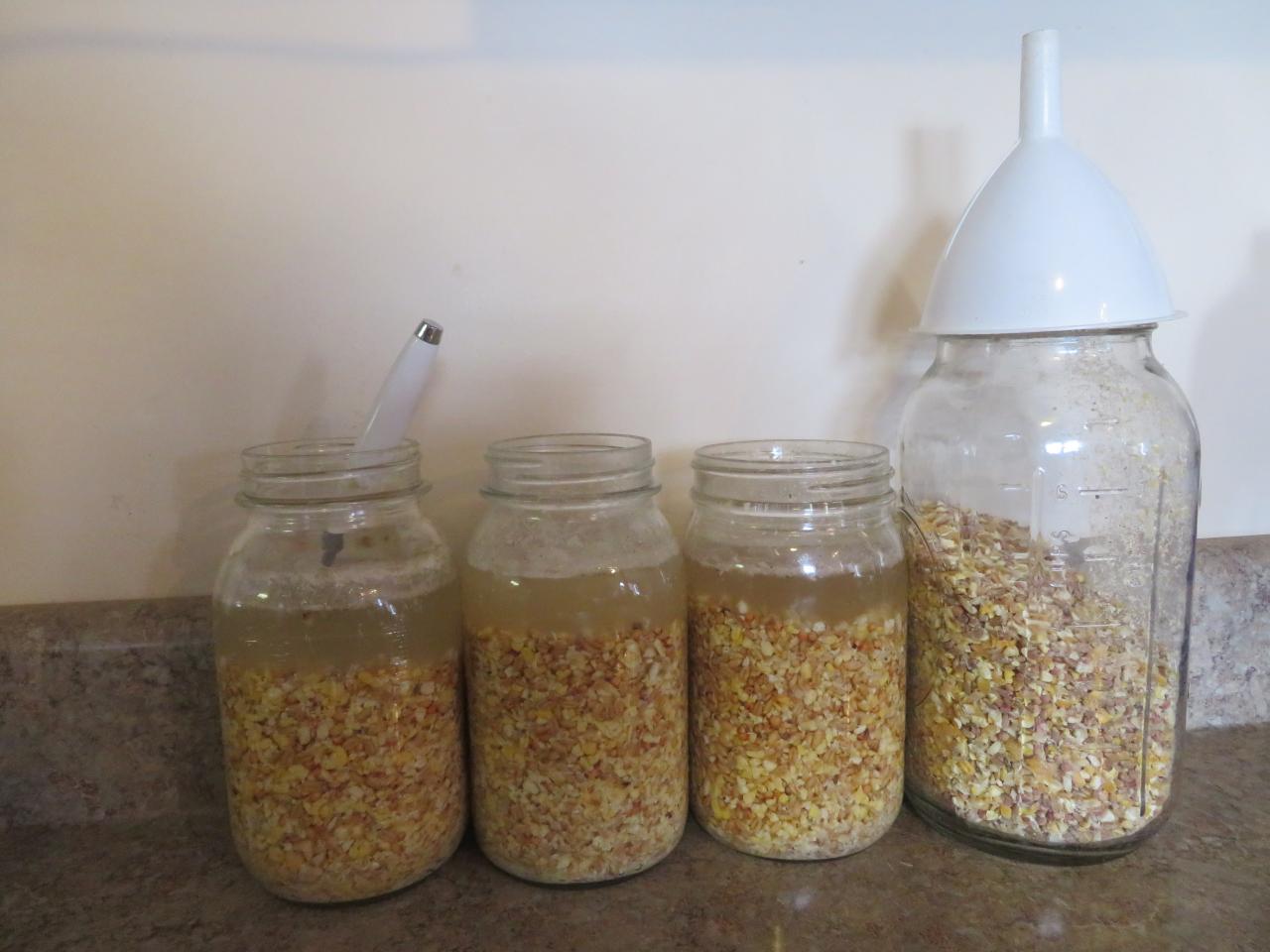
1. Selection of raw materials: Choose suitable ingredients such as grains (corn, wheat), vegetables (carrots, cabbage), or by-products (soybean meal, whey) rich in carbohydrates.
2. Preparation of the mixture: Chop or grind the raw materials to enhance surface area, which aids fermentation. Combine the ingredients in a clean container, ensuring a proper ratio based on the desired nutrient profile.
3. Inoculation with beneficial microbes: Introduce beneficial microorganisms like Lactobacillus, which can be sourced from dairy products or commercial inoculants. This step is crucial for initiating fermentation.
4. Moisture adjustment: Ensure the mixture contains adequate moisture, usually around 60-70%. If needed, add water to achieve this level, as proper moisture content is vital for microbial activity.
5. Fermentation environment: Place the container in a warm, anaerobic environment. Cover it tightly to prevent oxygen from entering. Ideal temperatures range from 20°C to 30°C (68°F to 86°F).
6. Fermentation duration: Allow the mixture to ferment for 3 to 7 days. Taste or smell can indicate readiness; a sour aroma is usually a sign of successful fermentation.
7. Storage: Once fermented, store the feed in airtight containers to preserve its quality. Use within a few weeks for optimal benefits.
Comparing different fermentation techniques reveals their effectiveness in various contexts. For instance, the use of sealed containers can yield higher fermentation rates and better preservation than open-air methods. Moreover, utilizing specific microbial cultures may enhance nutritional profiles more than spontaneous fermentation relying solely on ambient microbes.
In a study, farmers employing lab-tested inoculants reported a 15% increase in feed efficiency and overall livestock health compared to those using natural fermentation. Additionally, the ability to control fermentation parameters in more structured methods often leads to reduced spoilage and higher palatability of the feed.
Exploring these production methods offers farmers a range of options to enhance their feed practices effectively. By adopting small-scale fermentation techniques, they can significantly improve the nutritional value of their livestock diets while optimizing resources.
Challenges and considerations in implementing fermented feed practices
Implementing fermented feed practices can enhance livestock health and productivity, but it also presents a range of challenges for farmers. Understanding these challenges is essential for successful adoption, ensuring that the benefits of fermented feeds are fully realized while minimizing potential drawbacks.
One of the primary challenges is the risk of spoilage and contamination during the fermentation process. Farmers often find it difficult to create the ideal conditions for fermentation, leading to the growth of undesirable microorganisms, which can compromise feed quality and animal health. Additionally, inconsistent fermentation results can lead to variable nutritional content in the feed, making it hard for farmers to gauge the health benefits for their livestock accurately.
Spoilage and contamination concerns
Addressing spoilage and contamination is critical for the successful implementation of fermented feed. Farmers need to be aware of several factors that contribute to these issues and implement practical strategies to mitigate them.
– Hygienic practices: Maintaining cleanliness in feed preparation areas is essential. Regular cleaning and sanitation of tools and containers used in fermentation can significantly reduce contamination risks.
– Controlled fermentation environment: Creating a controlled environment for fermentation can improve outcomes. This includes monitoring temperature and humidity, which are key factors affecting the fermentation process.
– Using quality raw materials: Starting with high-quality ingredients reduces the likelihood of spoilage and promotes successful fermentation. Farmers should prioritize the use of fresh and undamaged raw materials.
– Regular monitoring: Implementing a routine for checking the fermentation process can help catch any spoilage early. Farmers can use sensory evaluations (smell, taste, appearance) and laboratory tests to ensure the feed remains safe and nutritious.
Integrating fermented feed into existing farming systems can also pose challenges. It requires careful planning and education to ensure that farmers understand the benefits and methods involved.
– Training and education: Providing farmers with proper training on fermentation techniques and the nutritional benefits of fermented feeds can facilitate successful integration. Workshops or online resources can be valuable for sharing knowledge and best practices.
– Gradual implementation: Instead of a full-scale switch, farmers might benefit from a phased approach, allowing them to monitor livestock responses and adjust practices as needed.
– Collaboration with experts: Farmers should consider collaborating with agricultural extension services or feed specialists who can offer tailored advice and support throughout the implementation process.
By addressing these challenges effectively, farmers can harness the potential of fermented feeds, improving livestock health and farm productivity while ensuring sustainable practices are upheld.
Future trends in the use of fermented feed within sustainable agriculture
The future of agriculture increasingly aligns with sustainable practices, and fermented feed is poised to play a pivotal role in this transformation. As global demand for food production escalates and environmental concerns mount, the agricultural sector is exploring innovative solutions that enhance resource efficiency while minimizing waste. Fermented feed not only enriches animal diets but also presents opportunities for sustainable management of agricultural by-products.
Emerging research is shedding light on the benefits of fermented feeds in reducing agricultural waste and optimizing resource utilization. Fermented feeds can be derived from various by-products that would otherwise be discarded, such as crop residues, food waste, and dairy by-products. This approach not only diminishes the carbon footprint associated with feed production but also enhances the nutritional profile of animal diets. Studies indicate that animals fed on fermented feeds exhibit improved gut health and productivity, ultimately leading to increased food security and sustainable farming.
Innovative applications of fermented feeds in modern agriculture
The versatility of fermented feeds is creating numerous innovative applications within the agricultural landscape. Understanding these applications is critical to leveraging the benefits of fermented feed effectively. Below are key areas where fermented feeds are making an impact:
- Livestock nutrition enhancement: Fermented feed can significantly improve the digestibility of nutrients in animal diets, leading to better growth rates and feed conversion ratios.
- Waste reduction: Utilizing food and crop waste to produce fermented feed minimizes landfill contributions and promotes a circular economy in agriculture.
- Improved soil health: By incorporating fermented feed into composting processes, beneficial microorganisms proliferate, enriching the soil and enhancing crop yields.
- Climate resilience: Fermented feeds can lower methane emissions from livestock, contributing to climate change mitigation efforts.
- Organic farming integration: Fermented feeds align well with organic practices, offering a natural and holistic approach to animal nutrition.
- Bioactive compounds: Fermented feeds can be rich in probiotics and other bioactive compounds, promoting animal health and reducing reliance on antibiotics.
- Alternative protein sources: The use of fermented microbial proteins provides an alternative dietary source for livestock, supporting sustainability while reducing competition with human food sources.
The future of fermented feed is defined by its potential to transform agricultural practices, reducing waste and enhancing resource efficiency. By integrating fermented feed into modern farming systems, producers can contribute to a more sustainable agricultural framework while addressing the pressing challenge of food security.
Conclusive Thoughts
In summary, the journey through the world of fermented feed reveals its multifaceted benefits that extend far beyond traditional practices. From enhancing nutritional value to positively impacting animal health, the integration of fermented feed into modern agriculture showcases a promising path towards sustainability. As we look to the future, embracing these practices not only supports livestock well-being but also contributes to a more efficient and responsible agricultural system.
Quick FAQs
What types of animals can benefit from fermented feed?
Fermented feed can benefit a wide range of livestock, including cattle, pigs, poultry, and goats, by improving digestion and overall health.
How do I start making fermented feed at home?
Begin by mixing your animal feed with water and a fermentation starter culture, then allow it to ferment in a covered container for several days before feeding it to your animals.
Is fermented feed safe for animals?
Yes, when properly prepared and stored, fermented feed is safe and can enhance animal health due to its probiotic content.
Can fermented feed reduce feed costs?
Yes, fermented feed can improve nutrient absorption, potentially leading to lower overall feed costs by maximizing the available nutrition.
How long does it take for feed to ferment?
Fermentation typically takes about 3 to 14 days, depending on the type of feed and environmental conditions.