
 Valerie Eden
Nesting boxes are a vital tool in fostering wildlife conservation, providing safe haven for various bird species and contributing to their habitats. These structures not only offer shelter but also support ecological balance, particularly in urban and rural settings where natural nesting sites are dwindling. As we explore the importance of nesting boxes, we’ll uncover how they play a significant role in species recovery and preservation efforts, making them essential components in the fight for biodiversity.
From the materials used to craft them to the innovative designs tailored for specific bird species, nesting boxes are more than just simple wooden structures; they are gateways to understanding and enhancing our ecosystem. Whether you are a seasoned birdwatcher or just someone looking to contribute positively to the environment, the world of nesting boxes offers something for everyone.
The Importance of Nesting Boxes in Wildlife Conservation
Nesting boxes play a crucial role in wildlife conservation efforts, especially as natural habitats become increasingly threatened by urbanization, climate change, and habitat loss. These artificial structures provide a safe and secure environment for various bird species, mammals, and even insects to reproduce and thrive. Understanding the significance of nesting boxes in supporting species and preserving their habitats is essential for fostering biodiversity and ecological balance.
Nesting boxes offer vital support to numerous species by replicating natural nesting sites that may be scarce due to habitat destruction. For instance, cavity-nesting birds such as bluebirds, swallows, and chickadees benefit greatly from nesting boxes, as they provide protection from predators and harsh weather conditions. On a broader scale, these boxes can also host small mammals like bats and squirrels, contributing to a diverse array of wildlife. Furthermore, nesting boxes can facilitate species recovery efforts for endangered birds by creating safe breeding grounds, allowing populations to stabilize and grow.
Ecological Benefits of Nesting Boxes in Urban and Rural Areas
Implementing nesting boxes in both urban and rural environments yields significant ecological benefits. In urban areas, where green space is limited, nesting boxes can help maintain biodiversity and offer refuge for declining species. This is particularly important as cities expand and natural habitats are fragmented. In rural settings, nesting boxes can support vital agricultural ecosystems by attracting insect-eating birds, which can naturally control pest populations and reduce the need for chemical pesticides.
The ecological benefits of nesting boxes include:
- Enhanced Biodiversity: By providing habitats for various species, nesting boxes contribute to greater species diversity, which is essential for ecosystem health.
- Habitat Restoration: Nesting boxes can aid in the restoration of degraded habitats by providing essential nesting sites for species often displaced by human activity.
- Pest Control: Birds that inhabit nesting boxes can help manage insect populations, offering a natural way to control pests in agricultural and suburban settings.
- Education and Awareness: Installing nesting boxes can serve as a tool for community education about wildlife conservation and the importance of protecting natural habitats.
Nesting boxes are also instrumental in species recovery and preservation efforts. With many bird populations declining due to habitat loss and environmental changes, conservationists implement nesting box programs to provide immediate support. For example, the Eastern Bluebird was once endangered, but through the installation of nesting boxes, its population has rebounded in many areas. Such initiatives highlight the importance of human intervention in wildlife conservation, showcasing how nesting boxes can be a practical solution to combat species decline.
Materials Used in Crafting Effective Nesting Boxes
Nesting boxes serve as vital habitats for birds, enhancing their chances of breeding successfully. Selecting the right materials is crucial for creating effective and durable nesting boxes that can withstand the elements while providing a safe space for birds. Different materials offer distinct advantages and disadvantages, influencing the box’s longevity and ecological impact.
Types of Materials for Nesting Boxes
The choice of materials can significantly affect the durability, usability, and environmental impact of nesting boxes. Here are some of the most common materials used:
- Wood:
Wood is the traditional choice for nesting boxes, particularly untreated cedar or pine.Wood provides natural insulation and helps regulate temperature.
Pros include its aesthetic appeal and excellent insulation properties, making it comfortable for birds. However, wood can deteriorate over time when exposed to moisture unless treated, which may introduce harmful chemicals into the environment.
- Plastic:
Plastic nesting boxes are increasingly popular due to their durability and ease of maintenance.Plastic boxes are resistant to weather and do not rot or require regular sealing.
They can be easily cleaned and are lightweight, making installation straightforward. On the downside, they may not provide the same insulating properties as wood and can be less appealing to certain bird species that prefer natural materials.
- Metal:
Metal nesting boxes, often made from aluminum or galvanized steel, offer unmatched durability.Metal resists harsh weather conditions and pests.
While they can last for years, they may become too hot in direct sunlight, potentially harming the birds inside. Additionally, metal boxes may not provide adequate insulation, leading to temperature extremes.
The choice between these materials often boils down to the specific needs of the target bird species and the environmental conditions of the installation site.
Eco-Friendly Materials and Environmental Impact
The increasing awareness of environmental issues has led to a growing interest in eco-friendly materials for nesting boxes. Options like reclaimed wood, bamboo, and biodegradable composites are gaining traction among builders who prioritize sustainability.
- Reclaimed Wood:
Using reclaimed wood not only reduces waste but also provides a rustic charm.It minimizes the carbon footprint associated with new lumber production.
- Bamboo:
Bamboo is a highly renewable resource that grows rapidly and can be sustainably harvested.Bamboo’s natural antimicrobial properties make it a safe choice for nesting boxes.
- Biodegradable Composites:
These materials blend natural fibers with resins to create strong yet environmentally-friendly options.They break down over time, reducing landfill waste.
Choosing eco-friendly materials not only supports conservation efforts but also appeals to environmentally conscious bird enthusiasts. By utilizing sustainable resources, builders can contribute positively to the ecosystem while providing safe nesting opportunities for birds.
Designing Nesting Boxes for Different Bird Species
Creating suitable nesting boxes is essential for providing safe and comfortable habitats for various bird species. Each bird species has its unique nesting requirements, which must be taken into account when designing these boxes. Understanding the specific dimensions and features that cater to different birds is crucial for successful nesting and attracting wildlife to your garden or yard.
Dimensions and Features for Specific Bird Species
When designing nesting boxes, it is important to consider both the dimensions and specific features that will accommodate the bird species you wish to attract. Below are tailored designs for common birds:
- Eastern Bluebirds: The nesting box for Eastern Bluebirds should measure 5.5 inches wide, 5.5 inches deep, and 10 inches tall, with an entrance hole of 1.5 inches in diameter, positioned 6 inches from the floor. Bluebirds prefer a box without a perch to deter predators.
- House Wrens: For House Wrens, a nesting box should be 4 inches wide, 4 inches deep, and 6 to 8 inches tall, with a 1-inch entrance hole. Wrens are known for using multiple nests, so providing several boxes can increase your chances of attracting them.
- Great Horned Owls: Owls require a much larger box to accommodate their size; a nesting box should ideally measure 24 inches wide, 24 inches deep, and 30 inches tall, with a 6-inch entrance hole placed 12 inches above the floor. Including a platform inside enhances nesting success.
The significance of proper ventilation and drainage cannot be overstated when it comes to nesting box design. Adequate ventilation helps regulate temperature, preventing overheating during warmer months, while drainage holes at the bottom of the box help keep nesting materials dry and reduce the risk of mold or decay.
“A well-ventilated nesting box contributes to the overall health of the chicks and enhances their survival rates.”
Incorporating materials such as untreated wood ensures safety for nesting birds, while avoiding toxic finishes is vital. Overall, understanding the specific needs of each bird species, including the right dimensions and features, is essential in designing effective nesting boxes and promoting a thriving avian community in your area.
The Seasonal Maintenance of Nesting Boxes

Maintaining nesting boxes is essential for attracting and supporting various bird species throughout the year. Proper care ensures that these habitats remain safe and inviting for birds to breed and raise their young. Seasonal maintenance tasks play a crucial role in preventing deterioration, ensuring cleanliness, and enhancing the overall functionality of the nesting boxes.
Regular inspection and cleaning of nesting boxes help maintain a healthy environment for birds. The best times to perform these tasks are typically during the late winter to early spring before birds begin nesting, and again in late summer after the breeding season has concluded. These periods allow for maximum effectiveness and minimize disturbance to the birds.
Essential Maintenance Tasks Throughout the Year
The maintenance of nesting boxes involves several key tasks that should be performed throughout the year to ensure their longevity and effectiveness. Here are the essential activities to consider:
- Inspection: Regularly checking the condition of the nesting boxes helps identify any signs of wear and tear, such as cracks or holes. Inspect for pests or signs of mold that could affect the birds.
- Cleaning: After the nesting season, it’s crucial to remove old nesting materials and debris. This prevents the transmission of diseases and makes the box more appealing for the next occupants.
- Repair: Any damaged parts should be repaired promptly. This might include replacing broken hinges or reinforcing weak structures to ensure the box remains secure.
- Repainting: If the nesting boxes are painted, inspect the paint for peeling or fading. A fresh coat of nontoxic paint can protect the wood and ensure the box blends well with the environment.
- Placement Evaluation: Assess the box’s location. Ensure it remains sheltered from extreme weather conditions and is positioned at an appropriate height and angle for bird access.
Neglecting these maintenance tasks can lead to several potential risks for nesting boxes, such as pest infestations, mold growth, or structural failure, which can ultimately deter birds from using them. To mitigate these risks, adhere to a consistent maintenance schedule, and remain vigilant about changes in the nesting box’s condition.
“Regular maintenance is key to ensuring that nesting boxes remain a safe haven for birds throughout their breeding cycles.”
Ensuring that nesting boxes are well-maintained not only supports local wildlife but also fosters an enriching experience for bird watchers and nature enthusiasts alike. Ultimately, the effort put into seasonal maintenance makes a significant difference in the health and safety of bird populations in our communities.
How to Attract Birds to Nesting Boxes
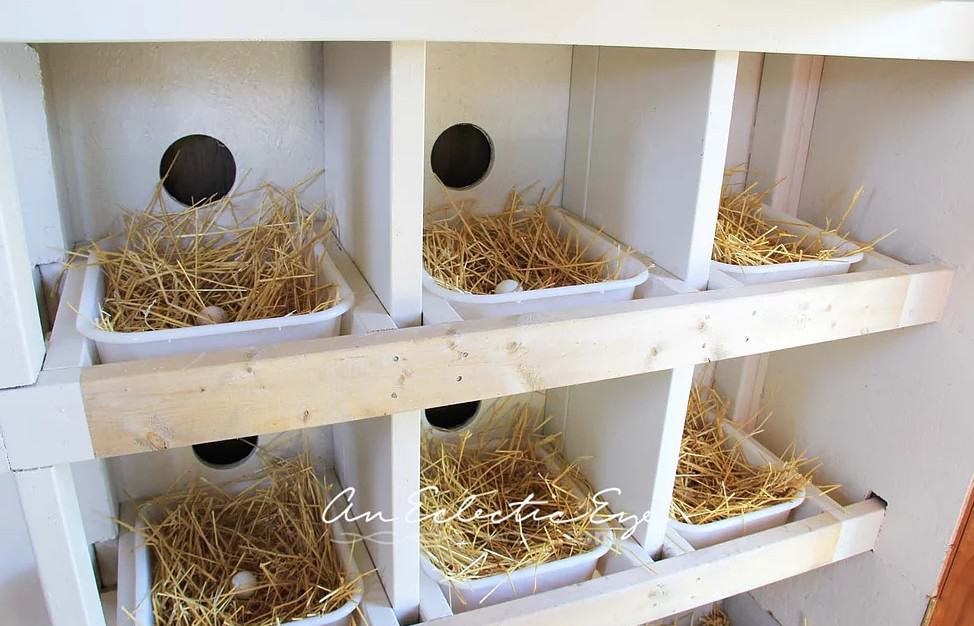
Creating a welcoming environment for birds is an essential part of encouraging them to occupy nesting boxes. Birds have specific preferences when it comes to choosing their nesting locations, and understanding these preferences can significantly increase the likelihood of attracting them. By optimizing placement, enhancing the surrounding environment, and providing essential food sources, you can create a bird-friendly habitat that encourages occupancy.
Optimal Placement and Environmental Enhancements
The placement of nesting boxes plays a critical role in attracting birds. To effectively draw them in, consider the following strategies:
- Height and Location: Position nesting boxes between 5 to 10 feet off the ground, ideally on a tree trunk or a pole. This height provides protection from ground predators while making it accessible for the birds.
- Avoid Direct Sunlight: Select a spot that receives dappled sunlight rather than full exposure. Too much heat can deter birds from nesting.
- Natural Cover: Surround the nesting box with native shrubs and trees. This not only provides cover but also contributes to a more natural environment that birds prefer.
- Distance from Feeders: Place nesting boxes at least 20-30 feet away from bird feeders to reduce competition and stress for nesting birds.
The surrounding environment is equally important. Birds are drawn to habitats that provide food and shelter. Enhancing the space around nesting boxes can be done by:
- Native Plants: Planting native flowers, shrubs, and trees that produce seeds and berries attracts a variety of bird species and provides essential nutrition.
- Water Sources: Incorporate birdbaths or small ponds to provide drinking and bathing opportunities, making the area more attractive to birds.
- Natural Nesting Materials: Leave natural materials such as twigs, grass, and feathers nearby to help birds in building their nests.
Psychological Factors in Location Preferences
Birds often choose nesting sites based on safety and comfort. Factors such as visibility, concealment, and the presence of nearby perches influence their decisions.
“Safety from predators, easy access to food, and protection from elements are key factors that entice birds to specific locations.”
To further attract birds, ensure that nesting boxes are placed in areas where they can easily observe their surroundings. Providing nearby perches, like branches or tall grass, allows birds to scout for danger and feel secure. Moreover, minimizing disturbances from human activity can significantly increase their comfort level, encouraging them to take up residence in your nesting boxes. By combining these strategies, you create an ideal environment that birds will find hard to resist.
The Role of Technology in Nesting Box Monitoring
The integration of technology into wildlife observation and conservation has transformed the way we monitor nesting behaviors and manage nesting boxes. With innovative tools at our disposal, researchers and conservationists can gather more precise data, improve the efficiency of nesting box usage, and ultimately enhance the survival of various bird species. The advancements in technology have made it possible to closely observe the processes occurring within nesting boxes without causing disturbance to the wildlife.
The application of various technological tools has significantly improved the monitoring of nesting boxes. This has led to a more comprehensive understanding of bird behaviors, breeding patterns, and environmental influences. Among these tools, cameras and sensors have become essential in gathering data that was previously difficult or impossible to obtain.
Innovative Tools for Nesting Behavior Monitoring
The following technologies play a crucial role in enhancing the monitoring of nesting boxes:
- Remote Cameras: Equipped with infrared capabilities, these cameras allow for 24/7 monitoring of nesting behaviors without direct human interference. They capture high-resolution images and videos, enabling researchers to observe activities such as feeding, incubation, and fledging.
- Temperature and Humidity Sensors: These sensors track environmental conditions within the nesting box. By collecting data on temperature fluctuations and humidity levels, conservationists can assess how these factors may affect the health and development of the chicks.
- Motion Detectors: Motion sensors can trigger cameras to capture footage when birds enter or leave the nesting box. This minimizes the amount of footage recorded, reducing data storage needs while ensuring that key events are documented.
- GPS Tracking Devices: For species that utilize nesting boxes as part of their migratory routes, GPS devices can track their movements in real-time, providing insights into their travel patterns and habitat preferences.
The importance of data collection cannot be overstated. Accurate and consistent data is critical for conservationists and researchers who aim to understand and protect avian populations. The information gathered through these technologies can be used to:
- Identify trends in breeding success rates and causes of failure.
- Assess the impact of environmental changes on nesting behaviors.
- Develop management strategies to enhance habitat suitability.
- Provide evidence for conservation initiatives and policy-making.
“Data-driven insights are essential for making informed decisions in wildlife conservation.”
In conclusion, the incorporation of technology into nesting box monitoring has opened new avenues for research and conservation efforts. By utilizing tools such as cameras and sensors, professionals in the field can gather critical data that supports the sustainability of bird populations and their habitats. The ongoing evolution of technology promises to further enhance our understanding of nesting behaviors, ultimately leading to more effective conservation strategies.
Community Involvement in Nesting Box Projects
Community engagement is crucial for the success of nesting box initiatives. By involving local residents, schools, and organizations, communities can create meaningful connections to the environment while contributing to wildlife conservation efforts. Nesting box projects not only provide habitats for birds and other creatures but also foster a sense of responsibility and pride among community members.
Collaborative efforts between schools, local organizations, and government bodies play a pivotal role in the development and implementation of nesting box projects. These partnerships enable the pooling of resources, expertise, and manpower, leading to more effective outcomes. Schools can integrate nesting box projects into their science curriculum, allowing students to learn about ecology and conservation hands-on. Local organizations, such as wildlife conservation groups and environmental NGOs, can provide guidance and support in design and placement, ensuring that the boxes meet the needs of target species. Government bodies can facilitate these initiatives by offering funding, permits, and technical assistance.
Success stories from various communities illustrate the positive impact of these collaborative efforts. For instance, a community in Oregon successfully engaged local schools and environmental organizations to install nesting boxes for purple martins. Through educational workshops, students learned about the birds’ habitat needs and participated in building and monitoring the boxes. The project led to an increase in the purple martin population in the area, demonstrating the effectiveness of community-driven initiatives.
Another notable example comes from a town in Massachusetts, where a partnership between the town’s parks department and a nonprofit organization resulted in the installation of nesting boxes for eastern bluebirds. Volunteers from the community participated in the construction and placement of the boxes, and local residents were invited to monitor them throughout the breeding season. As a result, the town saw a significant increase in bluebird sightings and engaged more residents in local conservation efforts, enhancing community pride and awareness of local wildlife.
Community involvement in nesting box projects not only benefits local ecosystems but also strengthens community bonds, fosters educational opportunities, and promotes a culture of conservation.
Addressing Challenges in Nesting Box Use
Nesting boxes offer a valuable tool for promoting avian populations, yet they come with a set of challenges that can impact their effectiveness. Understanding these challenges and addressing them is crucial for ensuring successful nesting.
Common problems encountered with nesting boxes include improper placement, lack of maintenance, and competition from other species. When nesting boxes are positioned in unsuitable locations, such as areas with high human activity or excessive disturbance, birds may avoid them. Regular maintenance, including cleaning out old nests and checking for damage, is essential; neglecting this can lead to health issues for new inhabitants. Furthermore, competition from invasive species, such as house sparrows or starlings, can deter native birds from utilizing the boxes.
To address these challenges, several strategies can be implemented. First, proper placement of nesting boxes is key; they should be located away from heavy human traffic and positioned in quieter areas with natural cover. Utilizing predator guards can help shield nesting birds from threats such as raccoons and snakes. Regular maintenance should be part of a schedule that includes cleaning the boxes after the breeding season, inspecting for wear and tear, and ensuring the boxes remain safe and functional.
Impact of Predators and Environmental Factors
Predators and environmental conditions significantly influence nesting success. Common predators include rats, cats, and various birds of prey, all of which can prey on eggs or chicks. Environmental factors such as extreme weather, habitat destruction, and food availability also play a role in the health of nesting populations. For instance, heavy rains can flood nesting sites, while drought can limit food resources, leading to lower survival rates for young birds.
To mitigate these challenges effectively, several strategies can be employed. Implementing predator-proof designs for nesting boxes can significantly reduce predation risks. Examples include adding metal baffles or using materials that make it difficult for predators to access eggs or fledglings. Additionally, planting native vegetation around nesting sites can enhance habitat quality, providing cover and foraging opportunities that support both adult birds and their young. Creating a buffer zone around nesting boxes can also help minimize disturbances from human activities.
Monitoring local wildlife populations can inform best practices for nesting box management, ensuring that any emerging issues are swiftly addressed. Engaging in community efforts to support local bird populations can foster a more favorable environment for nesting success.
Last Word
In summary, nesting boxes represent a critical intersection between human activity and wildlife conservation. They promote biodiversity, support various species, and foster community involvement while addressing ecological challenges. By understanding their construction, maintenance, and the technology that can aid in monitoring them, we can ensure that these small yet impactful structures continue to thrive. Let’s embrace the importance of nesting boxes and take action to create a harmonious environment for our feathered friends.
Essential FAQs
What are nesting boxes used for?
Nesting boxes are designed to provide safe nesting sites for birds and other wildlife, helping to support their populations and habitats.
How can I get involved in building nesting boxes?
You can participate by joining community initiatives, schools, or local organizations focused on wildlife conservation and habitat restoration.
Are there specific designs for different bird species?
Yes, nesting boxes can be designed with specific dimensions and features that cater to the preferences of various bird species.
How do I maintain nesting boxes?
Regular maintenance includes cleaning them at appropriate times, inspecting for damage, and ensuring proper ventilation and drainage.
What materials are best for crafting nesting boxes?
Durable materials like untreated wood, eco-friendly plastics, and metal can be used, each with its own pros and cons for durability and environmental impact.