
 Valerie Eden
Organic chicken feed is more than just a dietary choice; it’s a commitment to better quality, health, and sustainability in poultry farming. As the demand for organic products continues to rise, understanding the significance of organic feed becomes essential for producers and consumers alike. Not only does it contribute to the overall well-being of chickens, but it also enhances the quality of the meat and eggs they produce, making it a win-win for both animals and their caretakers.
This exploration into organic chicken feed delves into its nutritional advantages, the stark differences between organic and conventional feeds, and the positive implications for animal welfare. By sourcing high-quality ingredients and adhering to sustainable practices, farmers can ensure that their chickens thrive while meeting the growing consumer demand for organic products.
The importance of organic chicken feed in poultry farming
Organic chicken feed plays a crucial role in promoting the health and well-being of poultry. Farmers who prioritize the use of organic feed are investing in the long-term vitality of their flocks. This type of feed not only aligns with sustainable farming practices but also enhances the nutritional quality of the meat and eggs produced.
The benefits of organic chicken feed extend beyond the immediate health of the chickens. When chickens are fed organic diets, they exhibit improved immune function, better growth rates, and overall enhanced well-being. There is a notable correlation between organic feed and the quality of the meat and eggs produced. Research indicates that eggs from hens raised on organic feed often contain higher omega-3 fatty acids and lower cholesterol levels compared to those from conventionally fed hens. Additionally, organic meat tends to be more flavorful and free from antibiotic residues, appealing to health-conscious consumers.
Common organic feed ingredients and their nutritional value
Understanding the ingredients in organic chicken feed is essential for maximizing the health benefits for the chickens. Common organic ingredients are carefully chosen for their nutritional profiles, ensuring that poultry receive a balanced diet. Here are some key ingredients along with their nutritional value:
- Whole grains (e.g., corn, barley, oats): These provide energy through carbohydrates and are rich in fiber, promoting digestive health.
- Legumes (e.g., peas, soybeans): High in protein, legumes support muscle development and overall growth in chickens.
- Seeds (e.g., flaxseed, sunflower seeds): Flaxseeds are particularly rich in omega-3 fatty acids, which contribute to heart health and enhance the nutritional quality of eggs.
- Vegetables (e.g., kale, spinach): Leafy greens are excellent sources of vitamins A and K, as well as antioxidants that bolster the immune system.
- Herbs (e.g., oregano, garlic): These not only improve flavor but also offer antimicrobial properties that can help maintain flock health.
Incorporating these organic ingredients into chicken feed leads to healthier flocks and higher-quality products. By focusing on what their chickens consume, farmers can ensure that their poultry thrive while producing eggs and meat that are not only nutritious but also aligned with organic farming principles.
Comparisons between organic and conventional chicken feed
The choice between organic and conventional chicken feed is pivotal in poultry farming, significantly influencing production quality, environmental sustainability, and consumer preferences. Understanding the key differences in ingredients and production methods, along with their broader implications, can help farmers and consumers make informed decisions.
The primary distinction between organic and conventional chicken feed lies in their ingredient sourcing and production practices. Organic chicken feed is formulated from ingredients certified organic, prohibiting synthetic additives, genetically modified organisms (GMOs), and toxic pesticides. Typical components include organic grains like corn and soy, along with natural supplements such as vitamins, minerals, and probiotics. In contrast, conventional feed may incorporate non-organic grains and can include animal by-products and artificial additives that enhance growth rates and productivity. While conventional feed is often produced through industrial-scale farming practices that prioritize efficiency and cost-cutting, organic feed is typically manufactured under stricter regulations, ensuring humane treatment of animals and sustainable farming practices.
Environmental impacts associated with organic versus conventional feed
The environmental footprint of organic versus conventional chicken feed production presents significant differences. Organic feed production generally emphasizes ecological balance and biodiversity. It promotes soil health through crop rotation and organic fertilizers, minimizing the reliance on synthetic chemicals that can pollute waterways and harm wildlife. The absence of GMOs in organic feed aligns with conservation efforts to preserve genetic diversity in crops. Conversely, conventional feed production often relies heavily on monocultures, which can degrade soil quality and reduce biodiversity. Moreover, the use of pesticides in conventional farming can lead to harmful runoff, adversely affecting aquatic ecosystems.
The market trends indicate a growing consumer preference for organic chicken products, driven by health consciousness and environmental concerns. Sales of organic chicken have seen steady growth as consumers increasingly prioritize natural food sources that align with their values. This trend is reflected in the rise of organic certifications and labeling that assure quality and sustainability. Industry reports show that organic poultry sales surged by over 15% in recent years, highlighting a shift in consumer demand towards products perceived as healthier and more ethically produced. Alongside this, retailers are expanding their organic offerings, responding to the market’s evolving landscape.
In conclusion, the distinctions between organic and conventional chicken feed encompass not just ingredient sourcing and production methods but also their broader implications for environmental health and consumer choices. Understanding these differences aids in making informed decisions that align with personal and societal values.
Methods for formulating balanced organic chicken feed
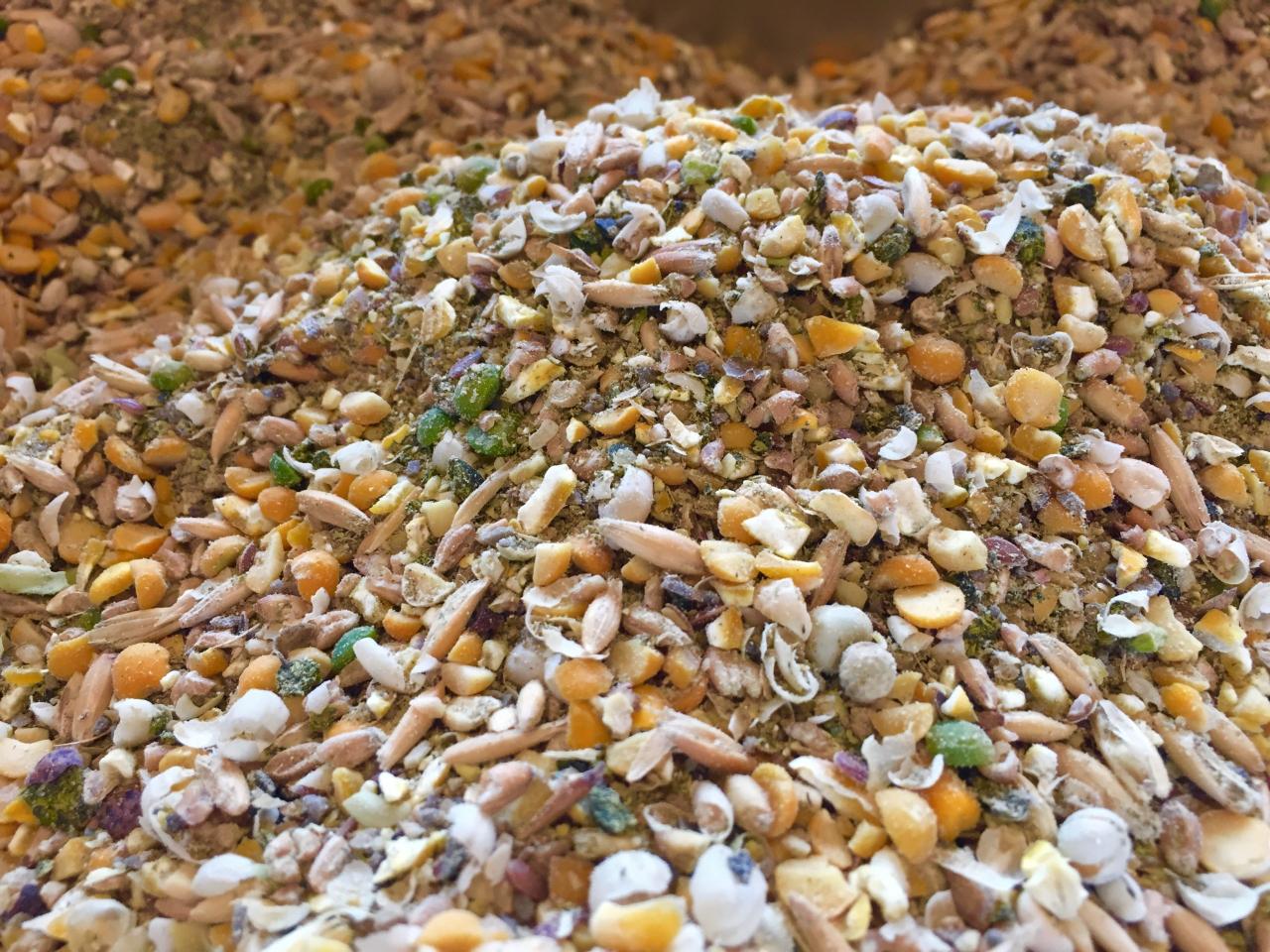
Formulating a balanced organic chicken feed is essential for ensuring the health and productivity of chickens. A well-structured diet not only supports optimal growth but also enhances egg production, resulting in healthier birds and better yields for farmers. Understanding the necessary nutrients and how to effectively combine them into a feed recipe is crucial for success.
Optimal chicken growth and egg production require a comprehensive blend of essential nutrients. These include proteins, carbohydrates, fats, vitamins, and minerals. A proper balance of these nutrients ensures that chickens receive the energy they need while supporting overall health.
Essential Nutrients for Chickens
The following nutrients are fundamental for the health and productivity of chickens:
- Proteins: Vital for growth, muscle development, and egg production. Sources include soybean meal, peas, and fish meal.
- Carbohydrates: Provide energy. Common sources are corn and wheat.
- Fats: Important for energy and overall health. Inclusion of oils such as flaxseed oil can enhance fat content in feed.
- Vitamins: Essential for various biochemical processes. Vitamins A, D, and E are critical for poultry health.
- Minerals: Support bone health and metabolic functions. Calcium and phosphorus are particularly important for egg-laying hens.
Balanced Organic Chicken Feed Recipe
Creating a nutritious feed can be straightforward using commonly available organic ingredients. Here’s a sample recipe for a balanced organic chicken feed:
A well-rounded organic feed recipe can improve growth rates and egg production significantly.
- Ingredients:
- 50% Organic Corn
- 25% Organic Soybean Meal
- 15% Organic Wheat
- 5% Organic Sunflower Seeds
- 3% Organic Alfalfa Meal
- 1% Organic Minerals (Calcium and Phosphorus)
- 1% Organic Vitamins (A, D3, E)
- Mixing Instructions: Combine all ingredients in a large bin and mix thoroughly to ensure even distribution of nutrients. Store in a cool, dry place to maintain freshness.
Role of Supplements in Organic Feed
Supplements play a significant role in enhancing the nutritional profile of organic chicken feed. They help address specific dietary deficiencies and can boost overall health and productivity.
- Probiotics: Improve gut health and nutrient absorption.
- Enzymes: Aid in the digestion of feed components, enhancing nutrient availability.
- Herbal Supplements: Can provide natural health benefits, such as improved immunity and reduced stress.
- Mineral Supplements: Ensure that all essential minerals are adequately provided, especially in specific life stages of the birds.
Investing time and resources into formulating a balanced organic chicken feed can result in healthier chickens and improved productivity. Understanding the roles of various nutrients and how to incorporate them effectively into feed recipes is a vital aspect of successful poultry farming.
The impact of organic chicken feed on animal welfare
Organic chicken feed plays a significant role in enhancing the overall welfare of chickens. By providing a diet that is free from synthetic additives and rich in natural nutrients, organic feeding practices contribute not only to the health of the birds but also to their living conditions. This approach nurtures a more humane environment for chickens, allowing them to express their natural behaviors and thrive.
The shift towards organic feeding practices tends to improve living conditions for chickens significantly. Organic farms prioritize outdoor access, allowing chickens to roam freely, forage, and exhibit natural behaviors. These practices are essential for fostering a better quality of life. Several studies indicate that chickens raised on organic feed tend to have lower stress levels and exhibit fewer signs of aggressive behavior compared to their conventionally fed counterparts.
Case studies and testimonials from farmers
Several farmers have shared their rewarding experiences after transitioning to organic feed for their flocks. These testimonials highlight not only the health benefits for the chickens but also the positive impact on farm operation.
– A farmer from Oregon noted, “Since switching to organic feed, my chickens are more active and healthier. I’ve seen a decrease in illness and an increase in egg production.”
– Another farmer in Pennsylvania reflected on their experience, stating, “My hens are happier and more sociable. They love foraging outdoors, which I believe is a direct result of the organic diet I’ve provided.”
These case studies demonstrate that the organic approach can lead to a more harmonious farm environment and healthier chickens.
Psychological benefits of organic diets for chickens
Feeding chickens an organic diet significantly influences their well-being beyond just physical health. The psychological advantages are profound, as a diet rich in diverse nutrients supports not only their bodily functions but also their mental health.
Chickens raised on organic feed often exhibit more natural behaviors, such as foraging, dust bathing, and social interactions. This freedom to express their natural instincts leads to reduced stress levels. Studies have shown that chickens in enriched environments with access to organic feed display lower aggression and pecking behavior, reflecting their enhanced mental state.
The psychological benefits include:
– Improved social dynamics within flocks, leading to fewer instances of bullying.
– Increased curiosity and engagement with their environment, contributing to mental stimulation.
– Overall improved well-being indicated by higher activity levels and lower rates of stress-related diseases.
By prioritizing organic feed, farmers not only enhance the physical health of their chickens but also contribute significantly to their mental and emotional welfare, fostering a more holistic approach to animal husbandry.
Challenges faced when sourcing organic chicken feed
Sourcing high-quality organic chicken feed presents its own unique set of challenges that farmers must navigate. Unlike conventional feed, organic feed must adhere to strict regulations, making the procurement process more complex. This complexity can lead to difficulties in both availability and cost, impacting overall farm operations.
When it comes to sourcing organic feed ingredients, several potential challenges can arise. These include limited local availability of organic grains, fluctuations in supply due to seasonal variations, and the increased cost of organic products. Farmers often find themselves competing for these limited resources, which can lead to inconsistent supply and unpredictable pricing. Furthermore, the verification process for organic certification can add another layer of complexity, as producers must ensure that all ingredients meet organic standards.
Overcoming sourcing challenges through local partnerships
Building strong local partnerships and utilizing co-ops can significantly alleviate sourcing challenges faced by farmers. By collaborating with local farmers or joining a co-op, producers can create a more reliable supply chain for organic feed ingredients. This approach not only helps secure consistent sources of quality feed but also fosters community support and reduces transportation costs.
Consider the following strategies to enhance sourcing through local partnerships:
- Form partnerships with neighboring organic farms to share resources and bulk purchasing opportunities.
- Join or establish local co-ops that facilitate collective buying, thereby lowering costs and improving access to organic feed.
- Engage in direct relationships with suppliers who specialize in organic ingredients, ensuring a steady supply and potentially better pricing.
A strong network can also assist in navigating regulatory requirements and sourcing challenges, providing a community-centered approach to organic feed procurement.
Comparison of supply chain dynamics for organic versus conventional feed
Understanding the supply chain dynamics of organic versus conventional feed is crucial for farmers. Organic feed often experiences higher production costs, which translates into elevated prices for consumers. This disparity arises from the rigorous farming practices, crop rotations, and pest management techniques that define organic farming. In contrast, conventional feed, which can utilize synthetic additives, tends to have a more streamlined supply chain, with fewer regulatory hurdles.
The following factors highlight the differences in supply chain dynamics:
- Certification and Regulation: Organic feed must comply with stringent regulations and certification processes, whereas conventional feed may not face similar requirements.
- Availability: Organic ingredients can be less readily available due to limited production areas, while conventional ingredients are generally more widespread and easier to source.
- Cost: The price of organic feed is typically higher due to its production methods, while conventional feed remains more affordable, impacting farmers’ choices.
These contrasting dynamics not only affect sourcing strategies but also influence the overall sustainability and economic viability of organic poultry farming.
The future of organic chicken feed in the poultry industry
As the poultry industry evolves, the future of organic chicken feed is shaping up to be promising and dynamic. With increasing consumer awareness about health, sustainability, and animal welfare, organic chicken feed is expected to play a significant role in meeting these growing demands. Innovations in feed production are paving the way for healthier and more nutritious options for poultry, which could ultimately enhance the quality of organic chicken products available in the market.
Emerging trends in organic feed production showcase a shift towards more sustainable practices and the incorporation of technology. This includes advancements in feed formulations that utilize alternative protein sources, such as insects and plant-based ingredients. The adoption of precision agriculture techniques is also becoming more prevalent, allowing for tailored nutrient delivery to chickens, thereby improving overall feed efficiency and reducing waste.
Innovations in Organic Feed Production
Recent developments in organic feed production are focused on enhancing nutritional profiles while maintaining sustainable practices. Here are some notable trends and innovations:
- Alternative Protein Sources: The use of insect meal and plant-based proteins is gaining traction. These sources not only provide high-quality nutrition but also minimize the environmental impact traditionally associated with livestock feed.
- Fermentation Technologies: Fermentation is being used to improve the digestibility and nutrient absorption of feed ingredients. This process can enhance the availability of essential amino acids and probiotics, promoting better gut health in chickens.
- Integration of Technology: Smart feeding systems that monitor individual bird health and adjust feed blends accordingly are becoming more common. This precision feeding approach helps in optimizing growth rates and feed conversion ratios.
- Local Sourcing: The trend towards local sourcing of organic feed ingredients is on the rise. This not only supports local agriculture but also reduces the carbon footprint associated with transporting feed over long distances.
Consumer Demand and Market Predictions
Consumer demand for organic chicken products is expected to continue its upward trajectory. This trend is driven by increasing awareness of health benefits associated with organic foods, alongside concerns over animal welfare and environmental sustainability. The following points illustrate how this demand may shape the market:
- According to market research, organic poultry sales are projected to grow at a compound annual growth rate (CAGR) of 10% over the next five years, reflecting a significant shift in consumer preferences.
- Retailers are responding to this demand by expanding their organic product lines, leading to greater availability of organic chicken and related products in mainstream grocery stores.
- The rise of e-commerce is facilitating easier access to organic products for consumers, with many online platforms dedicated exclusively to organic food sales.
- Increased consumer education regarding the benefits of organic chicken, including its nutritional superiority and lower levels of harmful additives, is likely to further boost demand.
Potential Future Developments in Organic Feed Formulations
The future of organic chicken feed may see several innovative developments aimed at improving overall poultry health and sustainability. The table below Artikels some potential developments:
| Development | Description |
|---|---|
| Enhanced Nutritional Profiles | Future formulations may include a wider array of nutrients, vitamins, and minerals sourced from organic ingredients to support optimal chicken health. |
| Functional Ingredients | Incorporating functional ingredients such as herbs and botanicals known for their health benefits could become standard practice, offering natural alternatives to antibiotics. |
| Customizable Feed Blends | Advancements in technology may allow for more customizable feed blends tailored to specific breeds and production goals, enhancing growth performance. |
| Sustainable Packaging | As sustainability becomes a focal point, manufacturers may innovate in packaging solutions, utilizing biodegradable and recyclable materials to reduce waste. |
“Organic chicken feed is not just about meeting regulatory standards; it’s about redefining health and sustainability in the poultry industry.”
Creating a sustainable organic chicken feed supply chain
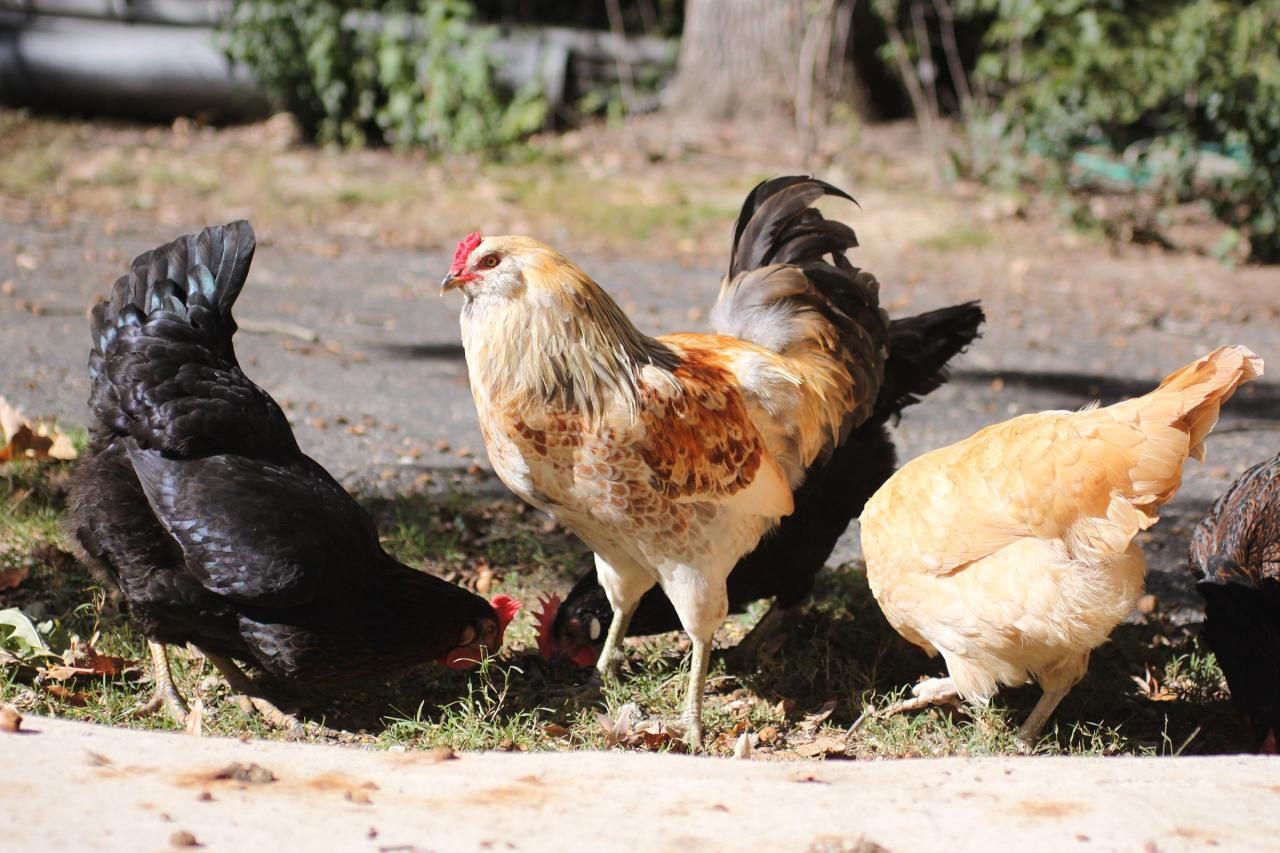
Establishing a sustainable organic chicken feed supply chain requires a comprehensive approach that encompasses sourcing, production, and distribution. This ensures that the feed ingredients not only meet organic standards but also support environmental and community health. As consumers increasingly demand ethically produced food, building a sustainable supply chain becomes essential for producers dedicated to organic practices.
To design a sustainable sourcing strategy for organic feed ingredients, several key steps should be considered. First, identifying local and regional sources for organic grains and other feed components helps reduce transportation emissions and supports local economies. Establishing relationships with farmers who practice sustainable agriculture can ensure a reliable supply of high-quality ingredients. Additionally, implementing collaborative purchasing strategies can enhance purchasing power and support the establishment of a local organic feed market.
Importance of traceability and transparency in organic feed production
Traceability and transparency play critical roles in organic feed production, ensuring that all ingredients are sourced responsibly and meet organic certification standards. This is vital to maintain consumer trust and uphold the integrity of organic products. By implementing robust tracking systems, producers can monitor the journey of ingredients from farm to feed mill, providing assurance that they adhere to organic practices.
Key components of an effective traceability system include:
- Documentation: Maintain detailed records of all sourcing transactions, including supplier certifications and ingredient origins.
- Batch Tracking: Utilize batch numbers for feed production to trace specific ingredients back to their sources, ensuring quality control.
- Regular Audits: Conduct regular assessments of suppliers to verify compliance with organic standards and sustainability practices.
- Consumer Access: Provide consumers with access to information about the feed’s sourcing and production through labels or online platforms.
These practices not only comply with organic regulations but also foster a culture of transparency that enhances consumer confidence.
Successful sustainable practices adopted by organic feed producers
Several organic feed producers have successfully adopted sustainable practices that serve as exemplary models within the industry. For instance, the company “Blue Seal Feeds” emphasizes local sourcing and integrates sustainable farming practices into their supply chain. By working directly with local farmers, they assure that their ingredients are both organic and sustainably grown, which reduces environmental impact and supports regional economies.
Another notable example is “Agriculture and Agri-Food Canada,” which has developed programs to support organic grain production. Their initiatives include funding for research on organic cropping systems and providing educational resources for farmers transitioning to organic practices, ultimately enhancing the quality and availability of organic feed ingredients.
Furthermore, “Sustainable Feed Solutions” has implemented a closed-loop system where organic waste is repurposed into feed, showcasing innovation in resource use. This practice not only reduces waste but also provides a nutrient-rich feed option, highlighting the potential for circular economies within the organic feed industry.
Through these examples, it is evident that adopting sustainable practices in sourcing, production, and distribution can lead to a more resilient and ethical organic chicken feed supply chain.
Evaluating the cost-effectiveness of organic chicken feed
Switching from conventional to organic chicken feed represents a significant decision for poultry farmers, impacting both operational costs and overall profitability. Evaluating the economic implications of this transition is crucial for making informed decisions that align with both sustainability goals and financial viability.
The cost-effectiveness of organic chicken feed can be analyzed through various lenses, including upfront costs, long-term benefits, and the overall return on investment (ROI) for farmers. Although organic feed tends to have higher initial costs compared to conventional feed, many farmers find that the benefits, such as improved bird health and higher egg quality, can offset these expenses in the long run.
Cost Comparison of Feed Types
Understanding the financial implications of using organic versus conventional chicken feed is essential for farmers. The following table illustrates the costs associated with each feed type, providing a clearer picture of the financial landscape:
| Cost Element | Conventional Feed ($ per ton) | Organic Feed ($ per ton) |
|---|---|---|
| Feed Cost | 300 | 600 |
| Transportation | 50 | 75 |
| Labor for Feeding | 100 | 120 |
| Health Benefits | None | Estimated savings of 100 |
| Market Price Premium (average) | None | 200 |
This financial analysis highlights that while the upfront costs for organic feed are higher, factors such as health benefits and potential market price premiums for organic products can significantly enhance overall profitability. The health benefits can lead to reduced veterinary costs and improved production efficiency, making organic feed a more attractive option over time.
The relationship between feed quality and overall farm profitability is crucial; higher quality feed can lead to improved growth rates and productivity, ultimately benefiting the farmer financially.
Evaluating the return on investment for organic feed involves not only a direct comparison of costs but also considering the long-term advantages it provides. Farmers who incorporate organic feed into their practices may experience enhanced flock health, better egg production quality, and access to premium markets, making the investment worthwhile over time.
Ending Remarks
In summary, embracing organic chicken feed represents a transformative approach to poultry farming that prioritizes animal health, environmental sustainability, and superior product quality. With ongoing innovations and an increasing marketplace for organic options, both farmers and consumers stand to benefit from this holistic shift in practices. As we look to the future, the integration of sustainable strategies and community efforts will be crucial in shaping the landscape of organic chicken feed.
Questions and Answers
What are the main benefits of organic chicken feed?
Organic chicken feed promotes better health for chickens, improves the quality of eggs and meat, and supports sustainable farming practices.
Are there specific organic ingredients that are essential?
Common essential organic ingredients include whole grains, legumes, seeds, and natural supplements like herbs and minerals for balanced nutrition.
How does organic feed impact the environment?
Organic feed production typically results in reduced chemical runoff, improved soil health, and better biodiversity compared to conventional feed.
Can organic chicken feed be cost-effective?
While often more expensive upfront, the long-term benefits of organic feed can lead to higher profits due to growing consumer demand and better product quality.
How can farmers source high-quality organic feed?
Farmers can establish local partnerships, join cooperatives, or connect with organic feed suppliers to ensure access to premium ingredients.