
 Valerie Eden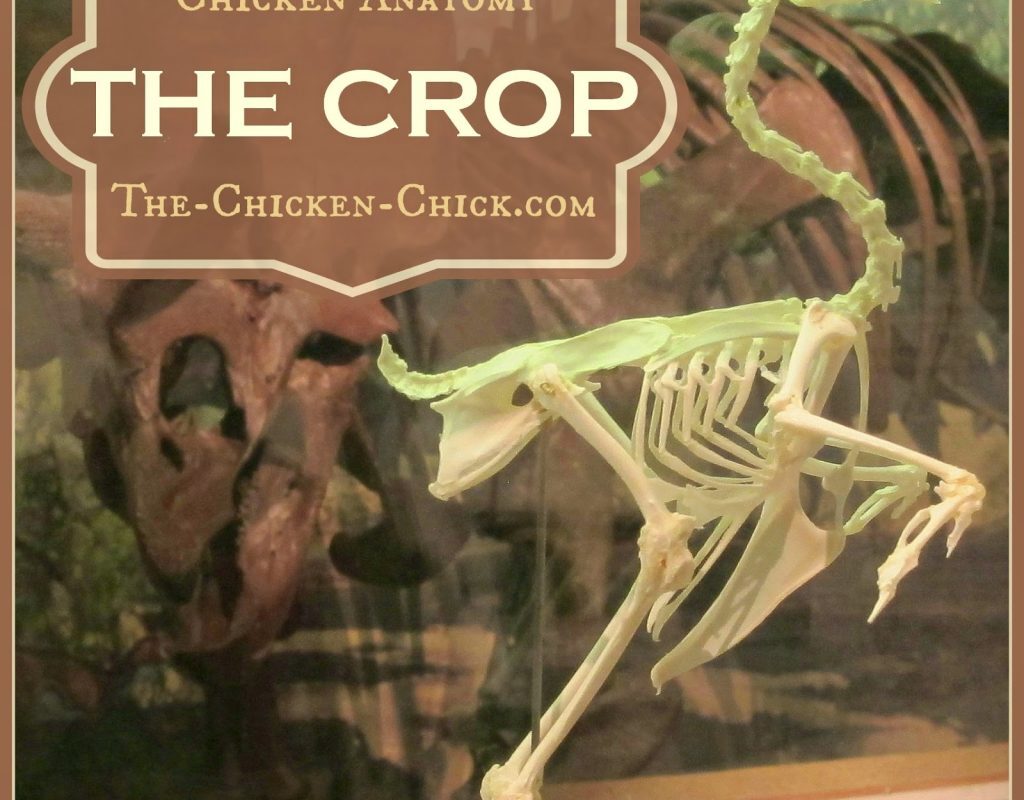
Sour crop is a condition that many bird owners may encounter, particularly in poultry, and understanding its intricacies is crucial for proper care. This ailment arises when the crop, a part of a bird’s digestive system, fails to function correctly, leading to fermentation of food and the production of excess acids. Factors such as improper feeding practices and dietary choices significantly contribute to the development of sour crop, making education on prevention and management essential for every bird enthusiast.
Identifying the early signs and symptoms of sour crop can make a significant difference in treatment outcomes. From behavioral changes to physical symptoms, awareness can empower owners to act swiftly. This overview will delve into the causes, symptoms, diagnosis, treatment options, and preventative measures related to sour crop, ensuring that bird owners are well-prepared to maintain their feathered companions’ health.
Understanding what sour crop is and its causes
Sour crop is a condition often observed in birds, particularly in poultry, characterized by the abnormal fermentation of food within the crop, leading to a distended, foul-smelling organ. This condition can result in discomfort for the bird and can lead to more severe health issues if not addressed. Understanding sour crop involves looking at its physiological mechanisms, underlying factors, and the significant impact of diet and feeding practices.
The crop is a part of the avian digestive system that acts as a temporary storage area for food before it moves to the stomach. In healthy birds, food enters the crop and is gradually released into the digestive system. However, when there is a disruption in this process, such as delayed emptying or bacterial overgrowth, food can ferment, leading to the production of gases and acids. This fermentation process is exacerbated by specific factors that influence the bird’s overall health and feeding habits.
Physiological mechanisms leading to sour crop
The physiological processes responsible for sour crop primarily involve disruptions in normal digestive function. Several mechanisms contribute to this condition:
- Delayed Crop Emptying: When food remains in the crop for an extended period, it can lead to fermentation. This can occur due to various factors, including stress or underlying disease.
- Overgrowth of Pathogenic Bacteria: Normal gut flora can be disrupted by antibiotics, poor diet, or stress, allowing harmful bacteria to proliferate and cause fermentation.
- Inability to Digest Food Properly: Certain conditions, such as crop impaction or esophageal obstructions, can prevent food from moving through the digestive tract, increasing the likelihood of sour crop.
Common underlying factors contributing to sour crop
Several underlying factors play a significant role in the development of sour crop across different bird species. Notable factors include:
- Dietary Imbalances: A diet low in fiber or high in carbohydrates can contribute to poor digestion and fermentation in the crop.
- Inadequate Water Intake: Dehydration can hinder proper digestion and crop function, leading to conditions favorable for sour crop.
- Environmental Stressors: Factors such as overcrowding, sudden temperature changes, or inadequate ventilation can increase stress in birds, which may disrupt normal feeding and digestion.
Diet and feeding practices influencing sour crop
Diet and feeding practices significantly influence the occurrence of sour crop in avian species. Proper nutritional management is essential for maintaining digestive health.
- Quality of Feed: Poor-quality feed, often moldy or improperly stored, can introduce harmful microorganisms that lead to sour crop.
- Feeding Frequency: Irregular feeding schedules can lead to overeating or gorging, which can contribute to crop distension and fermentation.
- Type of Feed: The choice of feed plays an important role; for example, a diet high in grains without adequate grit can lead to poor digestion and increase the risk of sour crop.
Proper feeding practices and a balanced diet are crucial in preventing sour crop and ensuring the long-term health of poultry and other avian species.
Identifying the symptoms of sour crop
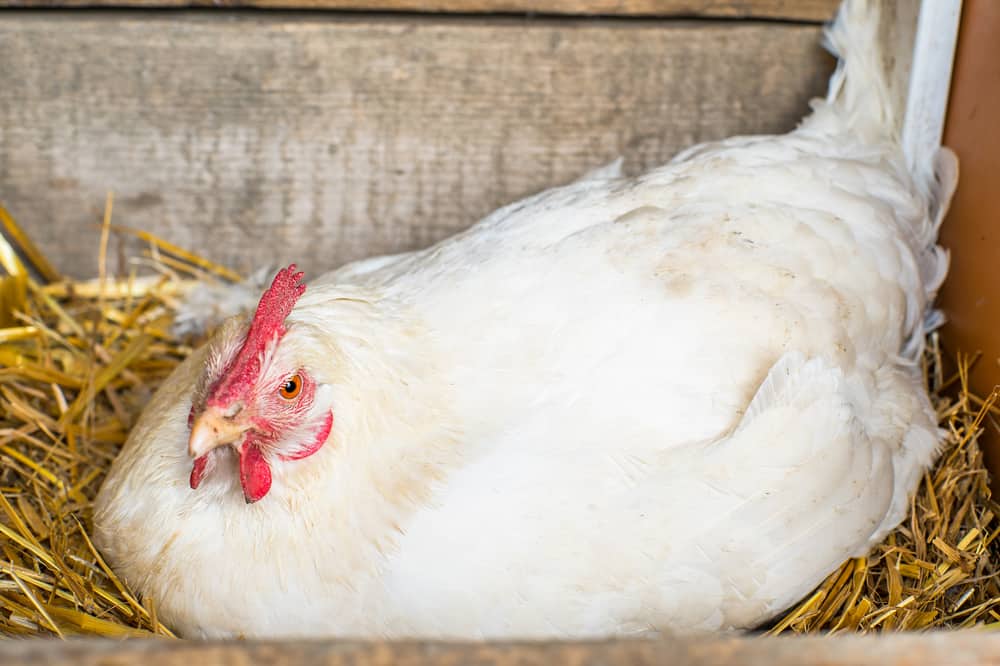
Sour crop is a digestive condition that affects birds, particularly those that are domesticated or kept as pets. Recognizing the symptoms early can be crucial for effective treatment. This section Artikels the primary indicators of sour crop and how to distinguish it from other avian health issues.
Symptoms Indicating Sour Crop
Identifying the symptoms of sour crop is essential for timely intervention. The following symptoms are commonly observed in affected birds:
- Swollen Crop: The crop may appear enlarged and need to be palpated gently to assess its firmness.
- Foul Smell: A distinct sour odor emanating from the bird’s mouth indicates fermentation in the crop.
- Regurgitation: Birds may frequently regurgitate undigested food, which can be a sign of an obstructed crop.
- Lethargy: Affected birds often exhibit low energy levels and decreased activity.
- Loss of Appetite: Birds might refuse to eat or show less interest in food.
- Weight Loss: Extended periods of not eating may lead to noticeable weight loss.
- Dehydration: Signs include dry droppings and sunken eyes.
- Changes in Droppings: The droppings may appear runny or have an unusual color due to undigested food.
Differentiating Sour Crop from Similar Conditions
It is vital to distinguish sour crop from other conditions that might present similar symptoms. Here are some key differentiators:
- Choking: Unlike sour crop, choking typically involves sudden distress and rapid breathing, and the bird may be incapable of producing sound.
- Worm Infestation: Worms can also cause weight loss and lethargy but usually don’t result in bad breath.
- Crop Impaction: This condition often leads to a hard, distended crop, and the bird may exhibit signs of pain when the crop is palpated.
- Other Digestive Issues: Conditions like enteritis may cause diarrhea without the distinctive foul odor associated with sour crop.
Behavioral Changes Indicating Sour Crop
Behavioral changes in birds can signal the onset of sour crop. These alterations are often subtle but provide significant clues:
- Inactivity: Affected birds may sit quietly rather than engage in normal activities like preening or foraging.
- Isolation: Birds may prefer to stay away from other flock members, showing signs of distress or discomfort.
- Change in Vocalization: A noticeable change in sounds, such as fewer chirps or whistles, can indicate illness.
- Pacing: Affected birds might exhibit restless behavior, moving back and forth in their enclosure.
- Head Shaking: Birds may shake their heads in an attempt to clear discomfort or obstruction.
Timely identification of sour crop symptoms can be the key to effective treatment and recovery in affected birds.
Diagnosing sour crop in affected birds
Diagnosing sour crop in birds involves a careful evaluation by veterinarians to ensure accurate identification and treatment of this condition. Sour crop arises when the crop becomes distended with fermented food, leading to discomfort and health issues in avian patients. The diagnostic process is essential to differentiate sour crop from other gastrointestinal disorders that might present similar symptoms.
Physical examinations and a thorough medical history play a crucial role in diagnosing sour crop effectively. During the physical examination, veterinarians assess the bird’s overall health, looking for specific signs such as:
- Swelling or distension of the crop
- Foul-smelling breath, indicative of fermentation
- Changes in appetite or feeding behavior
- Weight loss or lethargy
The medical history of the bird provides context that can influence diagnosis, including any recent dietary changes, exposure to pathogens, or previous health issues. Understanding the bird’s environment and habits can help in identifying potential causes of sour crop.
Role of laboratory tests in diagnosis
Laboratory tests are instrumental in ruling out other health issues related to sour crop. These tests provide vital information that assists veterinarians in confirming the diagnosis and determining the appropriate course of treatment.
Common laboratory procedures that may be employed include:
- Fecal examination to check for parasites or bacterial infections
- Crop swabs for microbiological cultures to identify pathogenic bacteria or yeast
- Blood tests to assess organ function and detect underlying health conditions
- X-rays or ultrasound imaging to evaluate the crop and surrounding organs for abnormalities
Each of these tests contributes to a comprehensive understanding of the bird’s health status, allowing for targeted interventions. The combination of physical examinations, medical history, and laboratory tests forms the cornerstone of an effective diagnostic approach to sour crop in birds, ensuring that any treatment prescribed is both appropriate and timely.
Accurate diagnosis is essential for effective treatment and recovery in birds suffering from sour crop.
Treatment options available for sour crop
Sour crop is a condition that affects birds, particularly those in captivity, where the crop becomes distended and filled with a soupy, fermented substance. This condition can lead to serious health issues if not addressed promptly and appropriately. Fortunately, there are various treatment options available to help manage and resolve sour crop effectively.
Common treatment methods for addressing sour crop
The treatment for sour crop generally includes both natural remedies and medicinal interventions. Understanding these options is essential for any bird owner looking to maintain their pet’s health.
Here are some commonly recommended methods:
- Feed Adjustment: Providing a more natural diet, including fresh fruits and vegetables, can help stimulate proper digestion and crop function.
- Crop Massage: Gentle massage of the crop can promote movement and help clear the contents, allowing for better digestion.
- Hydration: Ensuring the bird stays hydrated is crucial, as this can help thin the contents of the crop and reduce fermentation.
Natural remedies and their effectiveness in treating sour crop symptoms
Natural remedies can play a supportive role in the treatment of sour crop. Many bird owners prefer these methods due to their holistic approach and minimal side effects.
Some natural remedies include:
- Apple Cider Vinegar: Adding a small amount of apple cider vinegar to the bird’s water can create an acidic environment that discourages harmful bacteria growth.
- Probiotics: These supplements help restore the natural gut flora, which can improve digestive health and combat the symptoms of sour crop.
- Yogurt: Plain, unsweetened yogurt can provide beneficial bacteria that may assist in digestion when offered in small, controlled amounts.
Use of medications and when they are necessary for treating sour crop
In some cases, natural remedies may not be sufficient to treat sour crop effectively, necessitating the use of medications. Veterinary guidance is essential before starting any medicinal treatment.
Medications may include:
- Antibiotics: These are prescribed when there is a bacterial infection present alongside sour crop, helping to eliminate harmful bacteria.
- Anti-fungal medications: If a yeast infection is suspected, antifungal drugs may be necessary to treat the underlying cause of fermentation in the crop.
- Motility agents: These medications can support normal crop emptying and digestion, aiding in the quick recovery of the bird.
“Early intervention is key to preventing serious complications associated with sour crop in birds.”
Preventative measures to avoid sour crop
Sour crop is a common condition in birds characterized by the fermentation of food in the crop, leading to discomfort and potential health issues. To effectively prevent sour crop, it’s essential to adopt proper feeding practices, maintain a clean environment, and conduct regular health checks. Implementing these measures can significantly reduce the risk of this condition and promote overall avian health.
Guideline for feeding practices
Proper feeding practices play a crucial role in preventing sour crop in poultry and other birds. A balanced diet, appropriate feeding schedule, and quality feed contribute to healthier digestion. Consider the following key points when establishing feeding guidelines:
- Provide a balanced diet rich in nutrients, ensuring that feed contains adequate fiber, protein, and vitamins.
- Feed birds smaller, frequent meals rather than large portions to facilitate better digestion and reduce the likelihood of crop impaction.
- Choose high-quality feed that is fresh and free from mold or contaminants, as spoiled feed can lead to fermentation and sour crop.
- Avoid sudden changes in diet, as this can disrupt the digestive system. Gradually introduce new feeds to prevent digestive upset.
- Monitor the amount of food consumed and adjust feeding accordingly to avoid overfeeding, which can contribute to crop issues.
Importance of proper sanitation
Maintaining a clean environment is vital in preventing sour crop. Unsanitary living conditions can lead to the growth of harmful bacteria and mold that can affect birds’ health. The following sanitation practices are essential:
- Regularly clean and disinfect feeding and watering equipment to prevent bacterial buildup.
- Remove uneaten feed promptly to avoid spoilage and contamination.
- Ensure that bird housing is well-ventilated, dry, and free from waste accumulation to limit the risk of fungal growth.
- Conduct routine cleaning of the bird’s living area, including perches and nesting boxes, to promote a healthy environment.
Regular health checks
Conducting regular health checks is an effective strategy for the early detection and prevention of sour crop in birds. Health checks should include the following aspects:
- Inspect the crop for signs of swelling or impaction, and monitor the bird’s droppings for any signs of gastrointestinal distress.
- Check the bird’s appetite and eating behavior to identify any changes that may indicate underlying health problems.
- Observe overall behavior, including lethargy or signs of discomfort, as these can signal health issues that need attention.
- Consult with a veterinarian for routine health assessments and vaccinations to maintain optimal health and prevent diseases that could lead to sour crop.
The relationship between sour crop and overall bird health
Sour crop is a condition that can significantly impact the health and well-being of birds. It is characterized by the fermentation of food in the crop, leading to a range of symptoms that can compromise a bird’s overall health. If left untreated, sour crop can lead to severe physiological imbalances and even mortality. Understanding the implications of sour crop on bird health is essential for bird owners and caretakers.
The effects of sour crop on a bird’s health can manifest in various ways. Initially, birds may exhibit symptoms such as lethargy, poor appetite, and foul-smelling breath, which can indicate digestive distress. Over time, untreated sour crop can lead to malnutrition due to impaired food absorption, weakening the immune system and making birds more susceptible to infections and diseases. Additionally, the chronic discomfort caused by sour crop may result in behavioral changes, including increased aggression or withdrawal from social interactions, which can further affect their health.
Consequences of recurrent sour crop episodes
Recurrent episodes of sour crop can have long-lasting effects on a bird’s health. The repeated stress on the digestive system can lead to more serious complications, including:
- Chronic gastrointestinal disorders: Birds may develop conditions like gastritis or enteritis, which can result in prolonged discomfort and nutritional deficiencies.
- Weight loss and stunted growth: Young birds that experience frequent sour crop episodes may not grow properly, leading to permanent developmental issues.
- Increased risk of systemic infections: The compromised immune function due to malnutrition can leave birds vulnerable to bacterial or viral infections.
- Behavioral changes: Continuous discomfort can result in stress-related behaviors, leading to a decline in overall quality of life.
Impact across different species
The impact of sour crop can vary significantly between different bird species, with each facing unique health challenges. For instance, seed-eating birds like parrots may struggle with sour crop due to high-fat diets, while insectivorous birds may encounter issues arising from improper feeding practices that lead to sour crop.
Common species affected and their specific challenges include:
- Budgerigars: These small parrots are prone to sour crop due to their delicate digestive systems. Recurrent sour crop can lead to severe malnutrition and liver issues.
- Canaries: Known for their sensitivity, canaries can develop respiratory infections secondary to sour crop, making them particularly vulnerable.
- Finches: Finches may experience rapid weight loss and lethargy, which affects their ability to thrive in social environments.
- Cockatiels: These birds often suffer from dehydration as a result of sour crop, exacerbating their health problems and leading to other serious conditions.
Understanding the relationship between sour crop and bird health is crucial for prevention and timely treatment. Regular monitoring and addressing feeding habits can significantly reduce the risk of sour crop and its associated health issues.
The role of owner education in managing sour crop
Educating bird owners about sour crop is crucial for the well-being of their feathered companions. Sour crop, a condition resulting from the fermentation of food in the crop, can lead to serious health issues if not identified and treated promptly. An informed owner is better equipped to recognize symptoms early and take action, contributing to better outcomes for their birds.
Understanding the implications of sour crop is essential for bird owners. It not only affects the physical health of the bird but can also lead to behavioral changes and decreased quality of life. By increasing awareness and education around this condition, owners can prevent its development and manage it effectively if it occurs.
Recognizing early signs of sour crop
Early detection of sour crop can significantly influence treatment success. Owners should be vigilant and observant, looking for common signs that may indicate the onset of this condition. Here are key indicators to monitor:
- Swollen or distended crop: The crop may appear enlarged, particularly after feeding, which can indicate food retention.
- Foul odor from the beak: A sour smell can signal fermentation in the crop.
- Lethargy or decreased activity: Birds may become less active due to discomfort or illness.
- Changes in appetite: A bird may refuse food or show a significant decrease in feeding behavior.
- Vomiting or regurgitation: Owners should be concerned if their bird frequently regurgitates food.
Understanding these signs allows bird owners to respond promptly. If any of the above symptoms are observed, it is advised to consult a veterinarian experienced in avian care immediately to prevent further complications.
Resources and communities for support
Bird owners can benefit greatly from connecting with resources and communities dedicated to avian health. These platforms provide valuable information, support, and shared experiences from other bird enthusiasts. Consider the following resources:
- Online forums and social media groups: Many platforms have dedicated groups for bird owners to share experiences and ask for advice regarding sour crop.
- Veterinary resources: Websites of veterinary organizations often provide in-depth articles on common bird health issues, including sour crop.
- Local avian clubs: Many communities have clubs where bird owners can meet and share knowledge about caring for their pets.
- Books and articles by avian specialists: There are numerous publications available that cover bird care comprehensively, including the management of sour crop.
Engaging with these resources not only enhances a bird owner’s knowledge but also creates a supportive environment where they can discuss concerns and learn from others’ experiences.
“An educated bird owner is a proactive bird owner, leading to healthier and happier pets.”
Conclusive Thoughts
In conclusion, sour crop is a condition that requires attention and knowledge for effective management. By understanding its causes and symptoms, bird owners can take proactive steps to ensure their avian friends remain healthy. Through proper feeding practices, regular health checks, and timely interventions, the risks associated with sour crop can be minimized, fostering a nurturing environment for birds. Ultimately, informed owners can significantly enhance their pets’ quality of life and overall well-being.
FAQ Compilation
What are the primary causes of sour crop?
The primary causes of sour crop include improper feeding, feeding moldy or spoiled food, and underlying health issues that affect digestion.
Can sour crop be prevented?
Yes, sour crop can often be prevented through proper feeding practices, maintaining hygiene in feeding areas, and ensuring a balanced diet.
Are there specific breeds more prone to sour crop?
While sour crop can affect any bird, certain breeds that have digestive sensitivities may be more prone to this condition.
Is sour crop contagious among birds?
No, sour crop is not contagious, but poor hygiene and shared feeding practices can increase the risk among birds in the same environment.
What should I do if I suspect my bird has sour crop?
If you suspect your bird has sour crop, it is important to consult a veterinarian for diagnosis and treatment as soon as possible.