
 Valerie Eden
Chicken waterer is a crucial aspect of poultry care that directly influences the health and productivity of chickens. Proper hydration is vital for their well-being, playing a significant role in egg production and maintaining overall health. Without adequate access to clean water, chickens can suffer from various health issues like dehydration, lethargy, and decreased egg laying rates, highlighting the importance of this often-overlooked aspect of chicken husbandry.
Choosing the right chicken waterer involves understanding the different types available, their features, and how they can be tailored to suit your specific environment, whether it’s a backyard coop or a larger farm setup. With a variety of options, from automatic systems to simple gravity-fed bowls, there’s a solution that fits every need.
Understanding the Importance of a Chicken Waterer
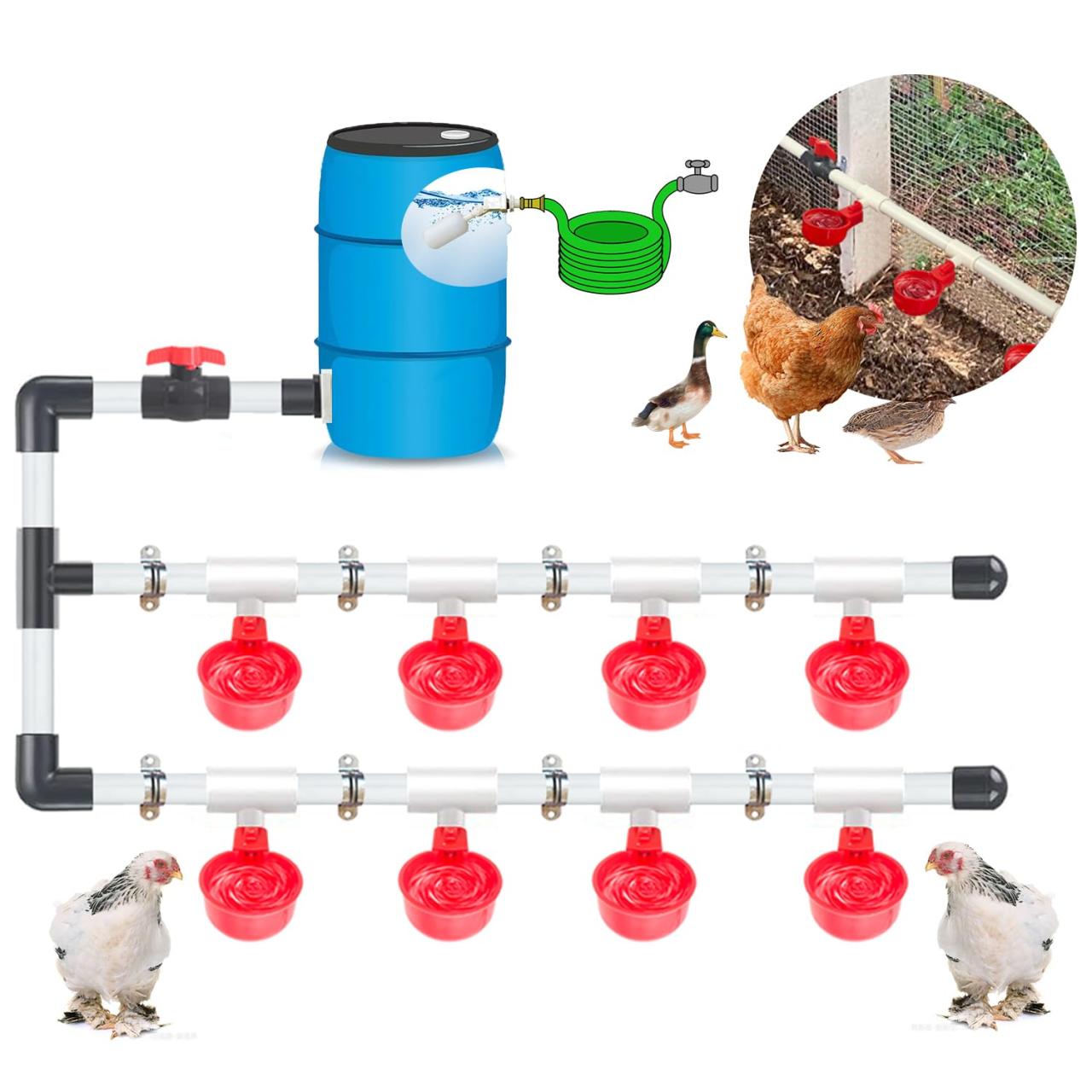
A chicken waterer is a critical component of poultry management, serving as the primary source of hydration for chickens. Water plays a vital role in various physiological processes, directly impacting the health and productivity of these birds. Ensuring that chickens have access to clean, fresh water at all times is essential for their overall wellbeing, as well as for maintaining optimal egg production levels.
Proper hydration in chickens significantly influences their egg production and general health. Chickens are composed of approximately 70% water, and just like humans, they require adequate hydration to function effectively. Water aids in digestion, nutrient absorption, and temperature regulation. When chickens are well-hydrated, they are more likely to lay eggs efficiently and consistently. Conversely, insufficient water intake can lead to stress, reduced feed conversion, and diminished egg quality.
Health Issues Related to Inadequate Water Access
It is crucial to understand the potential health issues that can arise from inadequate access to water. When chickens do not receive enough water, they may experience a range of problems that can hinder their growth and productivity. Some common health issues associated with insufficient hydration include:
- Dehydration: Dehydration can lead to lethargy, decreased appetite, and impaired physiological functions. Chickens may exhibit signs such as dry mucous membranes and reduced egg production.
- Kidney Damage: Chronic dehydration can strain the kidneys, resulting in long-term health issues. Kidneys are responsible for filtering waste from the bloodstream, and inadequate water intake can hinder this process.
- Digestive Issues: Water is essential for proper digestion and nutrient absorption. Without adequate hydration, chickens may develop impacted crops or other digestive tract problems, impairing their overall health.
- Heat Stress: In hot weather, chickens rely on water to regulate their body temperature. Insufficient water can exacerbate heat stress, which is harmful to their health and productivity.
- Low Egg Production: Studies indicate that egg production can drop significantly when chickens are dehydrated. A lack of water can cause hens to lay fewer eggs or produce eggs that are smaller and of lower quality.
“Access to clean, fresh water is as important as feed in maintaining health and productivity in chickens.”
By providing a reliable and efficient chicken waterer, poultry owners can ensure their flocks remain hydrated, healthy, and productive.
Different Types of Chicken Waterers Available
Choosing the right chicken waterer is vital for ensuring your feathered friends stay hydrated and healthy. Various types of chicken waterers cater to different needs, environments, and flock sizes. Understanding the different types available can help you make an informed decision that suits your setup and budget.
There are several popular types of chicken waterers, including automatic, gravity-fed, and bowl designs. Each type has its unique features, benefits, and drawbacks, making them suitable for different situations and preferences among chicken keepers.
Types of Chicken Waterers
Here’s a detailed look at the various types of chicken waterers available, along with their key features, advantages, and disadvantages:
- Automatic Chicken Waterers:
Automatic chicken waterers are designed to provide a continuous supply of fresh water. They usually connect to a water source, like a hose, and refill automatically as your chickens drink.Key advantage: Minimal manual intervention required.
However, they can be more expensive and may require plumbing knowledge for proper installation.
- Gravity-Fed Waterers:
Gravity-fed waterers rely on gravity to deliver water to the chickens. These devices hold a reservoir of water that flows down to a trough or bowl as chickens drink.Key advantage: Simple design and low maintenance.
The main disadvantage is that they can be prone to spills and may not supply enough water for larger flocks.
- Bowl Designs:
Bowl waterers are standalone units that typically hold water in a shallow basin. They are relatively easy to set up and can be moved around as needed.Key advantage: Easy to clean and monitor water levels.
However, they may require frequent refilling, especially in hot weather, and can get dirty quickly if not maintained.
For a clearer understanding, the following comparison table highlights the key features and functionalities of each type:
| Type | Water Supply | Maintenance | Cost | Best For |
|---|---|---|---|---|
| Automatic | Continuous (connected to water source) | Low | High | Large flocks or busy keepers |
| Gravity-Fed | Reservoir (gravity-driven) | Medium | Medium | Medium-sized flocks |
| Bowl | Manual (filled by hand) | High | Low | Small flocks or backyard setups |
Each type of chicken waterer brings its own set of advantages and disadvantages, making it essential to consider your specific needs, flock size, and environmental conditions before making a choice. By understanding these factors, you can ensure your chickens have access to clean and adequate water, promoting their health and well-being.
Key Features to Consider When Choosing a Chicken Waterer
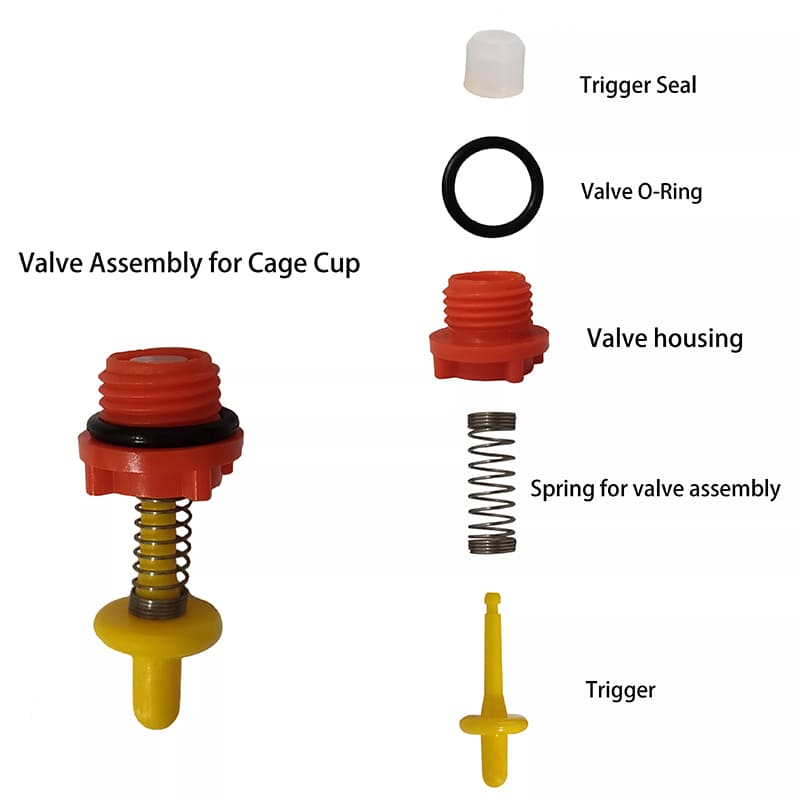
Selecting the right chicken waterer is crucial for the health and well-being of your flock. A quality waterer not only ensures that your chickens have constant access to fresh water but also minimizes maintenance tasks for the caretaker. Various features can significantly influence the performance and suitability of a waterer, making it essential to evaluate them thoroughly.
The capacity of a chicken waterer is one of the most important features to consider. A larger waterer can accommodate more birds and reduce the frequency of refills, which is particularly helpful for those managing a substantial flock. Additionally, the materials used in the construction of the waterer are vital for durability and safety. Commonly used materials include plastic, stainless steel, and ceramic. Each has its benefits; for instance, stainless steel is highly durable and resistant to rust, making it ideal for outdoor environments.
Influence of Environment on Waterer Choice
The environment in which the chickens are kept plays a significant role in determining the appropriate type of waterer. For backyard flocks, a smaller, more aesthetic waterer may suffice, as space is often limited, and the care routine might be more hands-on. On the other hand, for larger farm operations, a more robust waterer with a higher capacity is necessary, especially if the farm is located in an area with extreme weather conditions.
In outdoor settings, consider waterers that can withstand freezing temperatures or direct sunlight. Waterers equipped with heaters can prevent water from freezing in cold climates, while UV-resistant materials can help maintain water quality by preventing algae growth in warmer environments.
Recommended Materials for Durability and Safety
When choosing a chicken waterer, the materials and their safety for the birds are paramount. Below are some of the most recommended materials along with their benefits:
- Plastic: Lightweight and easy to clean, but ensure it’s BPA-free to avoid harmful chemicals.
- Stainless Steel: Highly durable and resistant to rust, making it a long-lasting option even in harsh weather conditions.
- Ceramic: Offers a traditional aesthetic and is heavy enough to resist tipping, though care should be taken to avoid breakage.
- Polyethylene: A robust plastic option, often used in larger waterers, resistant to UV light and easy to maintain.
“Choosing the right materials can significantly impact the longevity and safety of your chicken waterers.”
Maintenance Best Practices for Chicken Waterers
Maintaining chicken waterers is vital for the health and productivity of your flock. Regular upkeep ensures that your chickens have access to clean, fresh water, which is crucial for their overall well-being. Neglecting maintenance can lead to a host of problems, including disease, dehydration, and decreased egg production. Here, we will explore effective maintenance practices and the common issues that arise due to poor upkeep.
Chickens drink a significant amount of water daily, and if their waterers are not kept clean, they can harbor harmful bacteria and algae. These contaminants can lead to health issues such as coccidiosis and other gastrointestinal infections. To prevent these problems, it is essential to establish a routine cleaning schedule and monitor the water quality regularly. Furthermore, ensuring that the waterer functions properly will minimize waste and encourage your flock to drink adequately.
Common Issues and Prevention
Regular maintenance can help prevent multiple issues that may arise with chicken waterers. Neglect can lead to stagnant water, which attracts pests, and the buildup of algae and bacteria can create an unhealthy environment. Additionally, improper functioning of automatic waterers can cause leaks, leading to water wastage and potential damage to your coop.
To maintain your chicken waterers effectively, consider the following checklist of tasks that should be performed regularly:
– Daily Checks: Inspect water levels and refill as necessary to ensure constant access.
– Cleaning: Remove any residue or debris from the waterer daily. Use a brush to scrub the inside and outside of the unit, focusing on crevices that might harbor bacteria.
– Weekly Sanitization: Use a mild vinegar or bleach solution to disinfect the waterer, rinsing thoroughly afterward to remove any lingering chemicals.
– Monitor for Algae Growth: In warmer months, check for algae daily. If detected, increase the frequency of cleanings.
– Inspect for Leaks: Regularly check for leaks or drips around the waterer and repair them promptly to avoid water wastage.
– Seasonal Maintenance: During colder months, ensure that waterers are insulated or heated to prevent freezing. In hot weather, consider adding ice to keep the water cool.
By adhering to these maintenance practices, you can ensure that your chicken waterers remain clean and functional, promoting the health and productivity of your flock. Regular maintenance not only enhances their drinking experience but also minimizes the risk of health-related issues that can arise from contaminated water sources.
“A clean waterer is essential for a healthy chicken flock.”
How to Set Up a Chicken Watering System
Setting up a chicken watering system is essential for maintaining the health and productivity of your flock. Chickens, like any living creatures, require a constant supply of fresh, clean water to thrive. A properly designed watering system can help ensure that your chickens have access to water at all times, regardless of the environment they are in.
Establishing a chicken watering system involves several steps that consider the specifics of your setup, including the size of your flock, your available space, and the climate. This guide will provide a comprehensive approach to setting up an effective watering system, including considerations for location, accessibility, and integration with feeding systems.
Step-by-Step Process for Setting Up a Chicken Watering System
To successfully implement a chicken watering system, follow these steps:
1. Determine Water Needs: Assess the water requirements based on the size of your flock. On average, a chicken drinks about 0.5 to 1 liter of water per day, so calculate accordingly.
2. Choose the Right Watering System: Depending on your flock size and environment, select from various options such as:
– Nipple Drinkers: These are efficient and minimize water spillage. Ideal for larger flocks.
– Gravity-Feed Waterers: Suitable for smaller flocks and can be easily refilled.
– Automatic Waterers: These can be connected to a water source, providing continuous access.
3. Select an Appropriate Location: Choose a spot that is easily accessible to the chickens, sheltered from extreme weather, and away from muddy areas. The ground should be level to avoid water pooling.
4. Installation Procedure:
– If using nipple drinkers, attach them to a PVC pipe that runs along the coop wall, ensuring they are at beak height.
– For gravity-feed systems, ensure the water container is elevated to allow water to flow down to the birds.
5. Integration with Feeding Systems: Position the waterers close to feeding areas to encourage drinking. This is particularly crucial because chickens often drink after eating. Ensure that the watering system does not obstruct access to feed.
6. Maintenance Routine: Regularly check the system for leaks, clean the water containers, and ensure that the water remains fresh. A good practice is to change the water daily to avoid bacterial buildup.
7. Seasonal Adjustments: In winter, consider heating options to prevent water from freezing, while in summer, ensure shade is provided over the water sources to keep it cool.
The following table illustrates a suggested timeline for setting up your chicken watering system:
| Task | Timeline |
|---|---|
| Assess water needs and flock size | Day 1 |
| Choose and purchase watering system | Days 2-3 |
| Select and prepare location for waterers | Day 4 |
| Install watering system | Days 5-6 |
| Integrate waterers with feeding system | Day 7 |
| Conduct initial maintenance check | Day 8 |
| Establish routine maintenance schedule | Ongoing |
Setting up a chicken watering system may seem like a daunting task, but with careful planning and execution, it ensures that your flock stays hydrated and healthy. Remember, the right system can significantly improve the overall wellbeing of your chickens and enhance their productivity.
Innovations in Chicken Watering Solutions
Recent advancements in chicken watering solutions have dramatically transformed poultry farming practices, enhancing efficiency and improving the welfare of chickens. With the integration of modern technology and innovative designs, farmers are now equipped with tools that streamline water management, reduce labor intensity, and ensure optimal hydration for their flocks. These innovations are not just about convenience; they significantly impact the health and productivity of the chickens, ultimately leading to better farm yields.
The shift towards automated and smart watering systems has been a pivotal change in the industry. Innovations such as automatic nipple drinkers, pressure-regulated systems, and integrated sensors have emerged as game-changers in providing chickens with consistent access to clean water. These systems are designed to adapt to the chickens’ drinking behaviors, ensuring that they receive the right amount of water without wastage. Furthermore, technology such as IoT (Internet of Things) devices allows farmers to monitor and control water levels remotely, making it easier to manage multiple poultry houses.
Smart Watering Solutions
One of the most significant innovations in chicken watering is the introduction of smart watering solutions. These systems use advanced technology to monitor water consumption and quality, which can lead to enhanced chicken welfare and reduced labor for farmers. The following are key features of these smart watering solutions:
- Automated Monitoring: Sensors continuously track water levels and quality, alerting farmers to any issues before they impact the birds.
- Real-Time Data Analytics: IoT-enabled systems provide insights into water consumption patterns, enabling farmers to optimize their management practices.
- Waste Reduction: Smart drinkers minimize water wastage while ensuring that chickens have consistent access to fresh water.
- Integration with Feeding Systems: Some solutions integrate watering with feeding systems, allowing for synchronized delivery of feed and water, enhancing overall feeding efficiency.
Key players leading the charge in these innovations include companies like Big Dutchman, which specializes in automated feeding and watering systems, and Chick Master, known for its advanced climate control solutions that incorporate watering systems. Additionally, various startups are emerging with cutting-edge technologies that focus on sustainable practices, such as using rainwater harvesting systems integrated with chicken watering solutions.
The benefits of these innovations extend beyond just operational efficiency; they play a crucial role in improving the overall health and productivity of chickens by preventing dehydration and promoting better growth rates. By adopting these modern watering solutions, farmers can significantly reduce the time and labor associated with traditional watering methods, allowing them to focus on other essential aspects of poultry management.
Environmental Impact of Chicken Watering Systems
Chicken watering systems play a crucial role in maintaining the health and well-being of poultry while also having significant environmental implications. As poultry farming becomes increasingly scrutinized for its sustainability and ecological footprint, understanding the environmental impact of these water systems is essential for both farmers and consumers. Selecting the right watering system not only ensures adequate hydration for chickens but also influences water conservation efforts and the overall sustainability of poultry operations.
The environmental considerations associated with chicken watering systems revolve around water usage efficiency, waste management, and the potential impact on local ecosystems. Traditional watering methods, such as open troughs or buckets, can lead to significant water loss through evaporation and spillage. In contrast, modern watering systems like nipple drinkers and automatic waterers are designed to minimize water waste by delivering water directly to the chickens, thereby reducing contamination and evaporation risks.
Sustainability of Different Types of Waterers
When comparing the sustainability of various chicken watering systems, it is crucial to analyze their water usage efficiency and overall ecological impact. The following table highlights key types of watering systems and their sustainability ratings:
| Watering System | Water Usage Efficiency | Environmental Impact |
|---|---|---|
| Traditional Open Trough | Low | High (evaporation, contamination) |
| Nipple Drinkers | High | Low (less waste, cleaner water) |
| Automatic Waterers | Very High | Very Low (efficient use, minimal waste) |
Additionally, incorporating eco-friendly practices can enhance the sustainability of chicken watering systems. For instance, rainwater harvesting systems can be utilized to collect and store water for chicken hydration needs. These systems reduce reliance on municipal water sources and promote water conservation.
Furthermore, using solar-powered pumps to distribute water can cut down on energy consumption and lower the carbon footprint of poultry operations. Implementing these practices not only improves water usage efficiency but also aligns poultry farming with sustainable agricultural practices.
The combined benefits of efficient watering systems and eco-friendly practices can lead to significant improvements in the environmental impact of poultry farming.
Concluding Remarks
In summary, investing time in selecting and maintaining the right chicken waterer can lead to a healthier flock and improved productivity. By ensuring your chickens have constant access to clean, fresh water, you’re not only supporting their immediate health but also fostering a thriving environment that encourages optimal growth and egg production. Ultimately, a well-thought-out watering system can make all the difference in your poultry venture.
Popular Questions
How often should I clean my chicken waterer?
It’s recommended to clean the waterer at least once a week or more frequently if it becomes dirty.
Can chickens drink cold water?
Yes, chickens can drink cold water, but it’s best to avoid extreme temperatures as it may stress them.
What size waterer do I need for my chickens?
A general rule is to provide one gallon of water for every four to five chickens to ensure adequate hydration.
Do I need to supplement my chicken’s water with vitamins?
In some cases, like during stressful situations or illness, adding vitamins to their water can be beneficial.
Are there any waterers that prevent spillage?
Yes, some automatic and gravity-fed designs are made to minimize spilling and keep the area dry.