
 Valerie Eden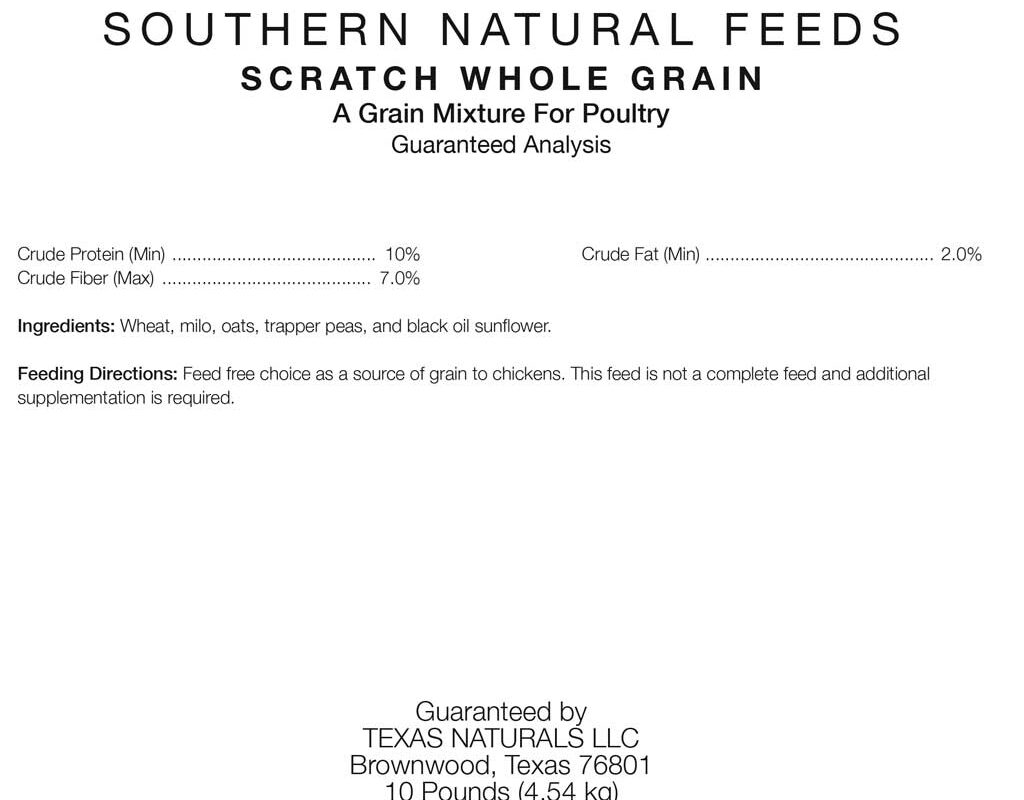
Scratch grain is a critical component in the realm of animal nutrition, offering a unique blend of benefits that enhance the overall health and productivity of various livestock. This versatile feed is not just a simple supplement; it provides essential nutrients that cater specifically to the needs of poultry and other animals, making it a favored choice among farmers. Understanding the vital role of scratch grain allows us to appreciate how it can significantly improve feed conversion rates and contribute to enhanced animal well-being.
From helping to maintain optimal health to promoting better foraging behaviors, scratch grain plays an important role in livestock diets. Its rich composition of proteins, fats, and carbohydrates ensures that animals receive the energy they require while also enjoying the flavorful aspects of their diet. This overview sets the stage for a deeper dive into the specifics of scratch grain’s composition, benefits, and effective usage in agricultural practices.
Understanding Scratch Grain in the Context of Animal Nutrition
Scratch grain plays a significant role in the diets of various livestock, particularly poultry, swine, and other farm animals. It typically consists of a mix of grains such as corn, oats, barley, and wheat, which are primarily used as a supplemental feed. Its formulation is designed to provide energy, essential nutrients, and improve the overall quality of the feed. The inclusion of scratch grain in animal diets can enhance palatability, encouraging animals to consume their feed more eagerly, which is crucial for maintaining health and productivity.
The nutritional benefits of scratch grain are considerable. Firstly, it is a source of carbohydrates, which are vital for providing energy to animals. This energy is essential for growth, reproduction, and maintaining body weight. Additionally, scratch grain is rich in fiber, promoting healthy digestion and preventing gastrointestinal issues. The grains in scratch mixtures can also provide a range of vitamins and minerals, including B vitamins and trace elements, which support metabolic functions and overall health. The diversity in grain types ensures that animals receive a well-rounded nutritional profile, reducing the risk of deficiencies.
Animal Types Benefiting from Scratch Grain
Numerous types of animals can benefit extensively from scratch grain, particularly those that are omnivorous or granivorous. Poultry, including chickens, turkeys, and ducks, are among the primary beneficiaries of scratch grain. The energy-rich content of the grains supports high egg production and healthy growth rates in chicks. Similarly, pigs can thrive on scratch grain, as it aids in muscle development and overall health, contributing to better weight gain and feed conversion ratios. Furthermore, some ruminants like goats and sheep can also utilize scratch grains, particularly when mixed with other forage, to enhance their energy intake during periods of high demand, such as lactation or growth phases.
The inclusion of scratch grain can significantly impact overall animal health and productivity. A well-balanced diet that includes scratch grain can lead to improved feed efficiency, ensuring that animals convert feed into body mass or production effectively. Additionally, the fiber content in scratch grain promotes better gut health, reducing the incidence of digestive disorders. The energy provided by scratch grain can improve physical activity, ensuring that livestock remain active and healthy, which in turn enhances productivity metrics like milk yield in dairy cows or egg production in laying hens. By supporting these aspects of health and productivity, scratch grain plays a crucial role in the livestock industry, promoting sustainable and efficient animal agriculture practices.
The Composition of Scratch Grain and Its Ingredients
Scratch grain is a popular feed option for various animal species, particularly poultry, due to its palatability and nutritional density. Understanding the composition of scratch grain is crucial for determining its suitability for specific animals, ensuring their dietary needs are met effectively.
The typical ingredients found in scratch grain mixes often include a blend of grains, seeds, and legumes. These components vary in their proportions depending on the intended animal species and their nutritional requirements. A common formulation may consist of corn, oats, barley, millet, and sunflower seeds, each contributing unique benefits to the feed.
Typical Ingredients in Scratch Grain Mixes
The primary ingredients in scratch grain are selected for their energy content and essential nutrients. Here’s a breakdown of some common ingredients:
- Corn: A major source of carbohydrates and energy, corn is typically the main ingredient. It provides approximately 70-80% of the total caloric content in scratch grain.
- Oats: Known for their high fiber content, oats are beneficial for digestion and help maintain gut health. They add a modest amount of protein as well.
- Barley: Barley offers a good mix of carbohydrates and protein, contributing to the overall energy level while supporting muscle development.
- Millet: This small seed is rich in nutrients and provides a good source of fats, enhancing the overall palatability of the mix.
- Sunflower Seeds: High in fats, sunflower seeds add essential fatty acids and vitamin E, supporting overall health and vitality.
Nutritional Components of Scratch Grain
Scratch grain not only serves as an energy source but also supplies essential nutrients crucial for animal health. The nutritional profile generally includes:
- Proteins: Varying between 12-16%, the protein content is essential for growth and repair of body tissues. Ingredients like oats and legumes contribute significantly to this component.
- Fats: Comprising about 3-6%, fats provide concentrated energy and support the absorption of fat-soluble vitamins.
- Carbohydrates: Making up the bulk of the blend, carbohydrates can account for 60-70% of the total mix, primarily sourced from grains like corn and barley.
- Vitamins and Minerals: Essential minerals such as calcium, phosphorus, and various vitamins are often added to meet specific dietary needs, especially for growing or laying hens.
Variations in Formulations for Different Animal Species
The formulation of scratch grain can be tailored to meet the dietary requirements of various animal species. For example, the nutritional needs of chickens differ from those of ducks or pigs, which necessitates specific adjustments in ingredient ratios.
- Poultry: Chicken scratch grains often contain more corn and protein levels to support egg production and growth.
- Ducks: Duck scratch grain formulations usually incorporate a higher fat content and more fiber to accommodate their unique digestive systems.
“Understanding the composition and nutritional benefits of scratch grain is essential for optimizing animal health and production.”
The Benefits of Incorporating Scratch Grain into Livestock Diets
Scratch grain has emerged as a beneficial component in the diets of various livestock, particularly poultry. Its inclusion not only supports animal health but also enhances overall productivity. The mix of grains typically used in scratch grain formulations includes corn, oats, barley, and wheat, which are favored for their nutritional profile. Incorporating these grains can lead to significant improvements in feed efficiency and animal well-being.
Advantages of Scratch Grain in Livestock Nutrition
Integrating scratch grain into the diet of livestock and poultry can yield numerous benefits. These benefits primarily stem from the diverse nutritional components that scratch grains offer, which are vital for animal growth and development.
- Improved Nutrition: Scratch grain provides essential carbohydrates, vitamins, and minerals, supporting the overall health of livestock. The combination of grains promotes balanced nutrition that can enhance growth rates and egg production in poultry.
- Enhanced Feed Conversion Rates: When administered correctly, scratch grain can significantly improve feed conversion rates, meaning that animals require less feed to gain weight. This efficiency can result in reduced feed costs for farmers. Research has indicated that poultry exposed to scratch grains show up to a 10% improvement in feed conversion ratios, highlighting the economic benefit for producers.
- Increased Palatability: Scratch grain is highly palatable, which encourages livestock to consume more feed. A more appealing diet can lead to better appetite and intake, vital for young or lactating animals that require higher energy levels.
Flavor and Palatability Enhancements for Animals
The flavor and texture of scratch grain can significantly affect the feeding behavior of livestock. Animals tend to prefer diets that are varied and flavorful, and scratch grain offers this through its mixture of different grains.
“A varied diet enhances animal enjoyment and can lead to increased feed intake and growth.”
Incorporating scratch grain not only satisfies the taste preferences of the animals but may also improve their overall satisfaction with their diet. The texture of grains in scratch grain can stimulate natural pecking and foraging behaviors in poultry, contributing to better mental and physical health. The benefits of using scratch grain are evident in both production and animal welfare aspects, making it a valuable addition to livestock diets. The overall result is a healthier, more productive herd that thrives on a well-rounded diet.
Comparing Scratch Grain to Other Forms of Animal Feed
Scratch grain is a popular feed choice among poultry and small livestock owners, primarily due to its simple formulation and ease of use. Unlike specialized feeds, scratch grain typically consists of a mix of grains such as corn, wheat, and oats, providing a good source of energy. This section will explore the differences between scratch grain and other feed types, highlighting scenarios where scratch grain may be more suitable and discussing its cost-effectiveness in agricultural operations.
Differences Between Scratch Grain and Pelleted or Complete Feed
When comparing scratch grain to pelleted or complete feed options, several distinctions arise that can influence a farmer’s choice of feed. Pelleted feeds are formulated to provide a balanced diet, often containing added vitamins and minerals necessary for optimal health and production. In contrast, scratch grain is generally considered a supplemental feed, lacking certain nutrients essential for growth and reproduction.
A few key differences include:
- Nutritional Composition: Pelleted feeds offer a balanced array of nutrients, while scratch grain is primarily high in carbohydrates with limited proteins and fats.
- Feeding Method: Scratch grain often requires more management, encouraging birds to forage and engage in natural behaviors, while pelleted feeds are easier to measure and serve.
- Digestibility: Pelleted feeds are typically easier for animals to digest due to their uniformity, whereas scratch grains might contain whole seeds and grains that some animals struggle to process efficiently.
Situations Favoring Scratch Grain
Scratch grain may be preferred in various situations, especially where animal behavior and foraging are prioritized. Here are some scenarios where scratch grain shines:
- When keeping free-range poultry, scratch grain can encourage natural foraging behaviors, enhancing their quality of life.
- In mixed-species farming setups, scratch grain serves as a great option to feed both poultry and small livestock, simplifying feed management.
- During colder months, scratch grain can provide a source of energy that helps animals maintain body heat.
Cost-Effectiveness of Scratch Grain
From a financial perspective, scratch grain can be a cost-effective option for many agricultural operations. Its affordability often stems from its simple ingredient list and lower production costs compared to specialized pelleted feeds. Farmers can save money on feed while still providing their animals with adequate nutrition, especially when integrated into a balanced feeding regimen.
A few points to consider regarding cost-effectiveness include:
- Bulk Purchasing: Buying scratch grain in bulk can lead to significant savings over time.
- Supplemental Use: When used as a supplement alongside other feed types, scratch grain can reduce overall feed costs while enhancing animal welfare.
- Reduced Waste: With the ability to encourage foraging behavior, animals may utilize scratch grain more efficiently, resulting in less waste compared to pelleted options.
Techniques for Proper Storage and Handling of Scratch Grain
Proper storage and handling of scratch grain are essential for maintaining its quality and ensuring the health of the animals that consume it. When grain is stored correctly, it minimizes the risk of spoilage, contamination, and nutrient loss. Understanding the best practices for handling scratch grain will help farmers and poultry keepers provide a safe and nutritious feed for their birds.
Best Practices for Storing Scratch Grain
Storing scratch grain in optimal conditions is vital for preserving its freshness and preventing deterioration. Here are important practices to follow:
- Choose the Right Containers: Use airtight bins or containers that are made of durable material to prevent exposure to moisture and pests. Plastic or metal containers with secure lids are ideal.
- Location of Storage: Store grain in a cool, dry place away from direct sunlight and heat sources. Attics and basements can be suitable, but ensure good ventilation to avoid humidity buildup.
- Regularly Inspect Storage Area: Check the storage area frequently for signs of pest infestation, mold, or moisture. If any issues arise, take immediate action to address them.
Importance of Monitoring Humidity and Temperature
Humidity and temperature play a crucial role in the quality of stored scratch grain. High humidity can lead to mold growth, while extreme temperatures can degrade nutritional value. Here are key points to consider:
- Maintain Optimal Humidity Levels: Aim for a humidity level below 14% to prevent mold and spoilage. Use hygrometers to measure the moisture content in storage containers.
- Control Temperature Fluctuations: Store grain at temperatures below 70°F (21°C) to inhibit insect activity and maintain feed quality.
- Utilize Climate-Controlled Storage: In areas with extreme weather, consider climate-controlled storage solutions to consistently manage temperature and humidity levels.
Safe Handling Techniques to Avoid Contamination
Proper handling of scratch grain is essential to prevent contamination that could harm the livestock. Here are some safe handling techniques:
- Use Clean Equipment: Always use clean scoops, containers, and tools when handling scratch grain. This minimizes the risk of introducing bacteria and other contaminants.
- Practice Good Hygiene: Wash hands thoroughly before and after handling grain to prevent the spread of germs and pathogens. Encourage workers to follow the same practices.
- Avoid Mixing Old and New Grain: When adding new grain to existing stock, ensure that old grain is used up first to prevent spoilage and maintain freshness.
Understanding the Impact of Scratch Grain on Poultry Behavior
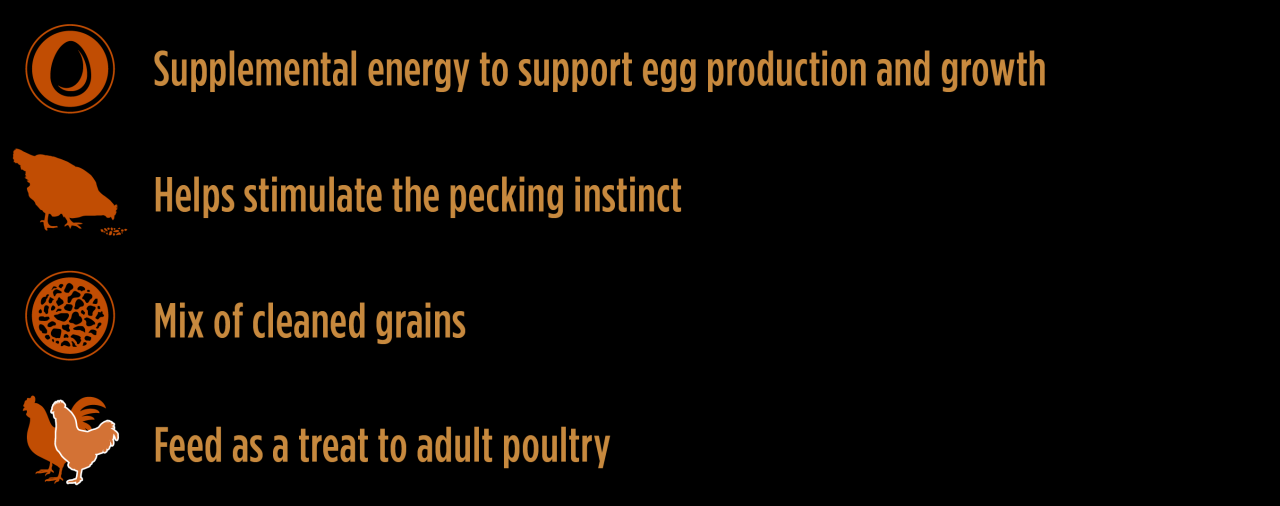
Scratch grain serves as an essential dietary supplement in poultry management, influencing various aspects of bird behavior and social dynamics. When incorporated into a flock’s diet, it not only provides nutritional benefits but also encourages natural behaviors, enhancing the overall well-being of the birds. Understanding how scratch grain impacts poultry behavior is crucial for farmers and bird enthusiasts who aim to maintain healthy and active flocks.
The introduction of scratch grain can significantly alter the foraging behavior of poultry. Birds are naturally inclined to forage, and scratch grain stimulates this instinctive behavior, promoting exercise and engagement within the flock. With the grains scattered across their environment, poultry will actively search and peck at the ground, replicating their natural foraging habits. This activity not only contributes to their physical health by supporting muscle development and improving cardiovascular fitness but also keeps them mentally stimulated and prevents boredom.
Effects on Foraging Behavior and Social Interactions
The provision of scratch grain positively affects not only the foraging behavior but also the social interactions within poultry flocks. When birds engage in foraging together, they develop social bonds and hierarchies, which are vital for their well-being. The following points highlight the importance of scratch grain in shaping these behaviors:
- Encouragement of Natural Foraging: Scratch grain promotes natural foraging behavior, allowing birds to engage in instinctual activities that fulfill their natural needs and reduce stress.
- Reduction of Aggression: When birds are busy foraging, there tends to be less competition and aggression, leading to a more harmonious flock environment.
- Enhancement of Pecking Order: Foraging activities often involve interactions that help establish or reinforce the social hierarchy among birds, which is essential for their social structure.
- Increased Activity Levels: Scratch grain encourages movement, which is beneficial for overall health. Active birds are less prone to health issues and exhibit more positive behaviors.
Balancing scratch grain use with the nutritional needs of poultry is essential for maintaining optimal behavior and health. While scratch grain provides energy and stimulates foraging, it should not replace a balanced diet. It is important to provide sufficient nutrients to meet their dietary requirements. The key is to use scratch grain as a supplement rather than a primary food source. This allows for the benefits of increased activity and social interaction while ensuring that the birds receive adequate protein, vitamins, and minerals necessary for their growth and reproduction.
“A balanced diet, complemented by scratch grain, fosters healthy behaviors and social dynamics in poultry flocks.”
By understanding the impact of scratch grain on poultry behavior, farmers can create an environment that enhances the health and welfare of their birds. Proper management ensures that both the physical and psychological needs of the flock are met, leading to a thriving and productive poultry operation.
Customizing Scratch Grain Recipes for Specific Livestock Needs
Creating customized scratch grain recipes for livestock can significantly enhance their health, growth, and productivity. By tailoring these mixtures to the specific needs of different animal species, farmers can ensure that their livestock receive the precise nutrients necessary for optimal development. This guide will Artikel the steps to create these tailored recipes while considering the unique requirements of various animals.
Step-by-Step Guide for Tailoring Scratch Grain Mixtures
When customizing scratch grain recipes, it is essential to take a methodical approach. The following steps provide a clear guide to developing tailored mixtures.
1. Identify the Livestock Species: Determine the species of livestock for which the scratch grain is intended. Different animals have different nutritional requirements.
2. Assess Nutritional Needs: Evaluate the specific nutritional needs based on the age, size, and purpose of the livestock. For instance, growing chickens may require more protein than adult layers.
3. Select Base Grains: Choose appropriate base grains such as corn, barley, or oats. Each grain has distinct benefits; corn provides high energy, while oats are rich in fiber.
4. Add Supplements: Incorporate necessary supplements such as minerals, vitamins, and protein sources like soybean meal or alfalfa. These additions should align with the specific requirements of the livestock.
5. Mix Thoroughly: Thoroughly mix the selected grains and supplements to ensure uniformity in the nutrient distribution.
6. Monitor and Adjust: Regularly monitor the livestock’s health and performance, making adjustments to the recipe as needed based on their growth and productivity.
Key Factors to Consider When Customizing Recipes
Customizing scratch grain recipes requires careful consideration of various factors to ensure the best outcomes for livestock. Understanding these elements can help in formulating a balanced diet.
– Age: Young animals often require higher protein and energy levels for growth, while mature animals may need a more maintenance-focused diet.
– Size: The size of the animal influences how much feed they require and the type of nutrients needed. Larger animals generally require more energy-dense feeds.
– Purpose: Livestock raised for specific purposes, such as meat production or egg laying, will have vastly different dietary needs. It’s crucial to align the grain formulation with the intended outcome.
Successful Custom Scratch Grain Formulations
Numerous farming practices have successfully utilized customized scratch grain mixtures. Below are a few examples that illustrate effective formulations based on specific livestock needs.
– Broiler Chickens: A formulation for broiler chickens often includes 70% corn, 20% soybean meal, and 10% vitamins/minerals. This mixture promotes rapid growth and high feed conversion rates.
– Layer Hens: For layer hens, a mixture of 60% corn, 25% wheat, and 15% calcium sources (like limestone) supports egg production and shell quality.
– Pigs: A suitable formula for pigs might be 50% corn, 30% barley, and 20% protein sources such as fish meal or soybean meal, providing adequate energy and protein for growth.
Customizing scratch grain recipes helps meet the specific needs of livestock, improving overall health and productivity.
Environmental Considerations of Using Scratch Grain in Farming
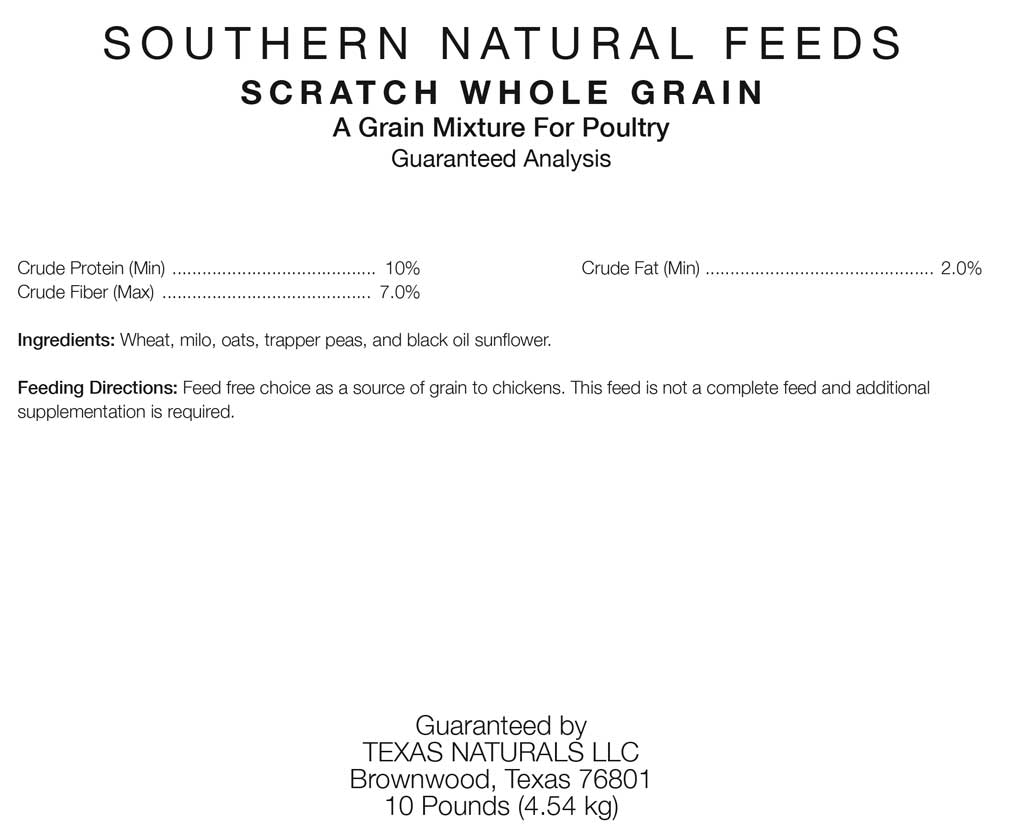
The use of scratch grain in farming practices raises important environmental considerations. Sourcing and utilizing these grains can have both positive and negative impacts on the ecosystem. Understanding these implications is crucial for farmers looking to implement sustainable agricultural methods. Scratch grains, consisting primarily of grains like corn, wheat, and barley, can provide essential nutrients for livestock while also influencing land use and resource consumption.
Environmental Implications of Sourcing Scratch Grain
Sourcing scratch grain involves a variety of environmental factors that need consideration. The cultivation of these grains requires land, water, and energy resources, which can lead to habitat disruption and increased greenhouse gas emissions. Factors such as soil degradation, pesticide use, and water consumption are integral to the discussion. It is essential to evaluate how these grains are produced to understand their impact on the environment fully.
One critical aspect is the carbon footprint associated with scratch grain production compared to other conventional feed options. Research indicates that the carbon emissions from producing scratch grains can vary significantly based on agricultural practices. Conventional methods that rely heavily on chemical fertilizers and pesticides tend to yield higher emissions than organic farming methods, which often employ crop rotation and natural pest control techniques. Here are some insights regarding the carbon footprint:
- Scratch grains produced using organic farming methods typically result in lower carbon emissions compared to conventionally grown grains.
- A study by the Environmental Working Group shows that grass-fed livestock, which often rely on scratch grain, can have a reduced overall carbon footprint compared to grain-fed livestock.
- Farmers adopting precision agriculture techniques have reported up to a 30% reduction in emissions through optimized input use.
Sustainable Practices for Utilizing Scratch Grain in Livestock Diets
Implementing sustainable practices when incorporating scratch grain into livestock diets is essential for minimizing environmental impacts. Practices such as sourcing grains locally, implementing feed rationing, and choosing organic options can greatly enhance sustainability. Using scratch grain as a supplement in balanced diets, rather than a primary feed source, is another method that can contribute positively to both animal health and the environment.
Utilizing a variety of feed ingredients, including scratch grain, fosters biodiversity in livestock diets, improving overall sustainability.
Farmers can adopt several sustainable practices to improve the environmental footprint of scratch grain usage:
- Integrating cover crops in crop rotation can improve soil health and reduce the need for chemical fertilizers.
- Utilizing by-products from grain production, such as straw or husks, can minimize waste and enhance nutrient cycling.
- Implementing water conservation techniques during grain cultivation can significantly reduce the agricultural water footprint.
Preparing Scratch Grain for Feeding
Scratch grain is a popular feed option among livestock owners due to its high energy content and palatability. Proper preparation of scratch grain before feeding is essential to maximize its nutritional benefits and ensure the health of the animals. This segment explores various methods of preparing scratch grain, alongside the pros and cons of each technique, while emphasizing the importance of adhering to optimal feeding practices.
Methods of Preparing Scratch Grain
There are several methods for preparing scratch grain that can enhance its digestibility and nutritional value. Among these, soaking and mixing are two of the most common techniques.
Soaking scratch grain involves immersing the grains in water for a specified duration. This method can lead to the following benefits:
- Increased moisture content, which aids in digestion.
- Softening of grains, making them easier for animals to consume.
- Reduction of dust and spoilage, improving feed quality.
However, there are some drawbacks to soaking:
- Risk of developing mold if left soaked for too long.
- Requires careful management of water ratios to avoid excess moisture.
Mixing scratch grain with other feed types can also optimize its benefits. This technique allows for improved nutrient balance and can lead to better overall animal health. Here are some pros associated with mixing:
- Enhanced nutrient profile when combined with protein-rich supplements.
- Improved palatability, encouraging better feed intake.
- Customization of feed to meet specific dietary needs of different livestock species.
On the downside, mixing can sometimes lead to:
- Inconsistent feeding if proportions are not accurately measured.
- Potential for certain nutrients to overshadow others, leading to imbalances.
Importance of Proper Feeding Practices
Ensuring proper feeding practices is crucial for maximizing the benefits of scratch grain. Correct feeding standards help maintain animal health and ensure optimal growth and productivity. Key practices include:
- Adhering to recommended feeding amounts to prevent overconsumption.
- Monitoring the health and body condition of livestock regularly to adjust feed accordingly.
- Providing fresh, clean water at all times to aid digestion and nutrient absorption.
Proper preparation and feeding of scratch grain not only enhance the feed’s nutritional value but also promote a healthier livestock environment, leading to better overall agricultural productivity. By understanding and implementing these methods and practices, livestock owners can ensure the well-being of their animals while optimizing the advantages of scratch grain in their diets.
Exploring the Historical Use of Scratch Grain in Agriculture
The utilization of scratch grain in agriculture has a rich history that dates back thousands of years. Scratch grain, which typically consists of whole grains and seeds, has been a staple in livestock feeding practices across various cultures. This section delves into the evolution of scratch grain usage, examining traditional practices that have paved the way for modern approaches in livestock nutrition.
Historical Evolution of Scratch Grain Usage
The history of scratch grain can be traced back to ancient agricultural societies, where grains such as corn, wheat, and barley were first cultivated. Early farmers recognized the nutritional benefits of these grains not only for human consumption but also as feed for their livestock. Over time, the practice of feeding animals with scratch grains became essential for ensuring a steady and reliable source of protein and energy. The early adoption of scratch grain in livestock diets can be seen in various cultures across the globe.
For instance, in ancient Egypt, farmers included grains in the diets of their animals, which played a crucial role in their agricultural economy. Similarly, in Mesopotamia, evidence of grain storage facilities suggests that farmers understood the importance of grain for feeding livestock, thereby enhancing their farming output.
As agriculture evolved through the ages, so did the methods and practices surrounding scratch grain. With the advent of the agricultural revolution, innovations in farming techniques and grain production allowed for more efficient cultivation and utilization of scratch grains. These traditional feeding practices have shaped modern approaches where scratch grains are now often mixed with other feed components to create nutritionally balanced diets for livestock.
Cultural Significance and Variations in Scratch Grain Usage
Scratch grain usage varies significantly across cultures, influenced by local agricultural practices, available grains, and livestock types. In many rural areas, scratch grains hold cultural importance, being seen not just as livestock feed but as part of a community’s heritage.
For example, in the southern United States, scratch grains, particularly corn, are fundamental in poultry farming. The traditional practice of feeding chickens scratch grain is steeped in local customs, where farmers often mix different grains to enhance the hens’ diet. This practice is not only beneficial for the health of the livestock but also impacts the flavor of the eggs produced.
In contrast, in parts of Asia, rice bran and millet are commonly used as scratch grains for feeding livestock. These grains are often mixed with local ingredients to create customized feed that meets the specific dietary needs of animals in those regions. The variations in scratch grain usage reflect the diverse agricultural landscapes and cultural practices that exist worldwide.
The significance of scratch grains extends beyond mere sustenance; they are often associated with rituals, festivals, and community gatherings. For instance, in some cultures, the first harvest of a particular grain is celebrated with feasts that include livestock fed with that grain, symbolizing gratitude and the cyclical nature of agriculture.
“Scratch grains serve as both a nutritional resource and a cultural artifact, weaving together the threads of agricultural heritage and community identity.”
Ultimate Conclusion
In summary, scratch grain stands out as an invaluable resource in animal nutrition, providing a multitude of benefits that positively impact livestock health and productivity. By incorporating this feed into dietary regimens, farmers can enhance the overall quality of animal care while also improving economic efficiency. With sustainable practices and careful customization, the future of scratch grain usage in agriculture looks promising, paving the way for healthier, happier livestock and responsible farming.
Answers to Common Questions
What is scratch grain made of?
Scratch grain is typically composed of a mix of grains such as corn, wheat, barley, and oats, often supplemented with seeds and grains for additional nutrition.
How much scratch grain should I feed my chickens?
Generally, scratch grain should make up about 10-15% of a chicken’s diet, serving as a supplement to their main feed.
Can scratch grain be fed to all livestock?
While scratch grain is primarily beneficial for poultry, other animals such as pigs and goats can also benefit from it in moderation, depending on their dietary needs.
Is scratch grain suitable for young animals?
Scratch grain can be given to young animals, but it should be introduced cautiously and in limited amounts until they reach an appropriate age for such feed.
What are the signs of spoilage in scratch grain?
Signs of spoilage include a bad odor, mold growth, and discoloration. It’s essential to check for these indicators before feeding scratch grain to ensure animal safety.