
 Valerie Eden
Electrolytes for chickens play a vital role in maintaining their health and overall well-being. These essential minerals help regulate hydration, nerve function, and muscle contractions, which are critical for optimal growth and egg production. Understanding the importance of electrolytes allows poultry owners to ensure their flocks remain healthy and productive.
This article will explore the significance of electrolytes in chicken health, the signs of electrolyte imbalance, effective sources of supplementation, and practical methods for administration. With proper knowledge and care, you can enhance your chickens’ vitality and boost their production efficiency.
Understanding the Role of Electrolytes in Chicken Health
Electrolytes are essential minerals that play a crucial role in the biological systems of chickens. These charged particles help regulate various bodily functions, impacting hydration, nerve function, and muscle contractions. In poultry farming, ensuring that chickens receive adequate electrolytes is vital for maintaining their overall health and productivity.
Electrolytes serve multiple functions that are pivotal for hydration and overall wellness in chickens. They help maintain fluid balance in cells, ensuring that chickens remain hydrated, especially during stressful conditions such as heat or illness. Additionally, electrolytes support nerve impulses and muscle function, which are critical for locomotion and feeding behavior. A deficiency in electrolytes can lead to health issues, affecting growth rates and egg production.
Common Electrolytes in Chicken Diets
Several key electrolytes are often included in chicken diets to enhance their health and productivity. These include sodium, potassium, calcium, and magnesium. Each of these minerals has unique effects on growth and egg production:
- Sodium: Essential for maintaining fluid balance and nerve transmission, sodium supports chickens’ overall health and well-being. Adequate sodium levels help prevent dehydration, especially during hot weather.
- Potassium: This electrolyte is crucial for muscle contractions and nerve function. A sufficient amount of potassium in the diet can lead to improved feed conversion rates and overall growth performance.
- Calcium: Critical for strong bone development and the production of eggshells, calcium is particularly important for laying hens. A diet rich in calcium can significantly enhance egg quality and production rates.
- Magnesium: Involved in over 300 enzymatic reactions in the body, magnesium supports energy metabolism and muscle function. This can lead to better growth rates and overall health in chickens.
Electrolytes can also be supplemented through commercial electrolyte solutions or specific feed formulations designed for poultry. These solutions are particularly useful during periods of stress, such as vaccination or transportation, helping to quickly restore electrolyte balance and support recovery.
Identifying Signs of Electrolyte Imbalance in Chickens
Electrolyte balance is crucial for the overall health of chickens, as it affects various physiological processes. Recognizing the signs of electrolyte imbalance can help poultry keepers take timely action to restore health and prevent severe issues. This segment discusses the symptoms of electrolyte imbalance, the methods of monitoring chicken health regarding electrolyte levels, and how these imbalances compare to other common health issues in poultry.
Symptoms of Electrolyte Imbalance
Identifying symptoms of electrolyte imbalance in chickens is essential for maintaining their health. Electrolyte imbalances can manifest in both behavioral and physiological signs. Some of these symptoms include:
- Dehydration: Signs such as dry mucous membranes, sunken eyes, and increased thirst indicate dehydration often linked to electrolyte imbalance.
- Weakness or Lethargy: Chickens may appear sluggish or reluctant to move, showing signs of weakness due to improper electrolyte levels.
- Decreased Egg Production: An abrupt drop in egg production may be a direct indication of stress related to electrolyte imbalance.
- Changes in Feces: Watery or unusually colored droppings can signify issues with hydration and electrolyte levels.
- Abnormal Behavior: Chickens may become more aggressive, exhibit nervous behavior, or isolate themselves from the flock as a response to discomfort.
Monitoring Chicken Health Regarding Electrolyte Levels
Regular monitoring of chickens’ health can help in identifying electrolyte issues early. Here are several methods for evaluation:
- Observation: Frequent observation of chickens throughout the day can reveal changes in behavior, activity level, and feeding patterns, which can indicate health issues.
- Hydration Checks: Assess the hydration status by checking the elasticity of the skin and the condition of mucous membranes. Well-hydrated chickens will have elastic skin that returns quickly when pinched.
- Flock Health Records: Maintaining records of egg production, growth rates, and any health incidents can help identify trends that point to electrolyte imbalances.
- Veterinary Consultation: Periodic veterinary examinations and blood tests can provide concrete data on electrolyte levels and overall health.
Comparison with Other Health Issues in Poultry
Understanding how electrolyte imbalances relate to other common poultry health issues is vital for effective management. Electrolyte imbalances can lead to symptoms resembling other conditions, making accurate diagnosis crucial.
- Dehydration vs. Electrolyte Imbalance: While dehydration often accompanies electrolyte imbalance, it can also be caused by other factors such as heat stress or illness.
- Egg Production Issues: A drop in egg production can stem from various causes, including stress, disease, and nutritional deficiencies, making it essential to consider electrolyte levels as a potential factor.
- Behavioral Changes: Aggression or lethargy can arise from illness or environmental stressors, so contextual evaluation of electrolyte status is necessary.
Monitoring electrolyte levels is not just about preventing imbalances; it’s about ensuring the well-being and productivity of your flock.
Recommended Sources of Electrolytes for Poultry

Electrolytes play a critical role in maintaining the health and productivity of poultry. Adequate levels of essential minerals like sodium, potassium, and chloride are necessary for maintaining fluid balance, nerve function, and muscle contraction. Understanding the various sources of electrolytes helps poultry keepers ensure their chickens receive a well-rounded diet that supports their overall well-being.
A variety of natural and commercial sources can be incorporated into chickens’ diets to provide these vital electrolytes. The following table Artikels some recommended sources, highlighting their electrolyte content and associated benefits, making it easier for poultry owners to select appropriate options.
| Source | Electrolyte Content | Benefits |
|---|---|---|
| Electrolyte Powders | Sodium, Potassium, Chloride | Quickly restores electrolyte balance, especially during heat stress. |
| Coconut Water | Potassium, Sodium, Magnesium | Natural hydration aid; rich in antioxidants. |
| Sea Salt | Sodium, Chloride | Enhances flavor and improves water retention in feed. |
| Vegetable Broth | Sodium, Potassium | Provides hydration and essential minerals in a palatable form. |
| Fish Meal | Sodium, Calcium | High in protein; supports overall health and growth. |
| Commercial Electrolyte Solutions | Varies by product | Designed specifically to meet the electrolyte needs of poultry. |
Incorporating these sources effectively into a balanced diet requires careful consideration. A mix of natural and commercial options ensures versatility and caters to chickens’ dietary preferences. For instance, including electrolyte powders in drinking water during hot weather can significantly reduce heat stress, while coconut water can be offered as a treat. It’s essential to monitor the overall balance of nutrients, ensuring that while electrolytes are provided, they are part of a broader nutrition strategy that includes proteins, vitamins, and minerals.
To achieve optimal results, poultry owners should introduce new electrolyte sources gradually, observing how the flock responds. This practice allows for adjustments based on the specific needs of the chickens, especially during periods of stress or increased activity. Regular assessments of hydration levels and overall health will guide effective dietary management, helping to maintain robust and productive poultry.
Procedures for Administering Electrolytes to Chickens
Administering electrolytes to chickens is essential for maintaining their health, especially during periods of stress, heat, or illness. Proper procedures ensure that the birds receive the right dosage and benefit fully from the electrolyte solutions. Understanding the methods of administration can greatly improve the effectiveness of these solutions in supporting chicken well-being.
Step-by-Step Procedures for Administration
Administering electrolyte solutions should follow a structured approach to ensure that chickens receive the correct dosage safely and effectively. The following steps Artikel the process:
- Select the Right Electrolyte Solution: Choose a commercial electrolyte solution formulated specifically for poultry. Ensure it contains essential electrolytes such as sodium, potassium, and magnesium.
- Determine the Dosage: The general recommendation is to use 1 to 2 teaspoons (5 to 10 grams) of electrolyte powder per liter of clean drinking water. For young chicks, use half the dosage.
- Mix the Solution: In a clean container, mix the determined amount of electrolyte powder with the appropriate volume of water until fully dissolved.
- Provide Access: Offer the electrolyte solution in a clean waterer. Ensure it is the only available drink to encourage intake.
- Monitor Intake: Observe the chickens to ensure they are drinking the solution. If not, consider alternative methods of administration.
- Frequency of Administration: Administer the electrolyte solution for 2 to 3 days during stressful conditions, and resume normal water after that. If symptoms persist, repeat as necessary.
Methods for Ensuring Proper Absorption and Effectiveness
To maximize the benefits of electrolyte solutions, certain methods can enhance their absorption and effectiveness in chickens. Consider the following:
Electrolytes should be administered during cooler parts of the day to reduce heat stress and enhance water intake.
- Maintain a Comfortable Environment: Ensure that the chickens are housed in a cool, shaded area to help them remain hydrated and more likely to drink.
- Hydration Check: Assess the hydration status of the birds by checking their skin elasticity and the color of their combs and wattles.
- Use Flavoring Agents: Adding flavoring agents like sugar or natural fruit juices can encourage chickens to drink the solution voluntarily.
Encouraging Voluntary Consumption of Electrolyte Solutions
Getting chickens to consume electrolyte solutions voluntarily can be achieved through simple, effective strategies. The following tips can foster a willingness to drink:
Creating a positive experience around the electrolyte solution can lead to increased voluntary consumption among chickens.
- Introduce Gradually: Slowly introduce the electrolyte solution by mixing it with regular water to familiarize chickens with the taste.
- Group Drinking: Place the solution in a communal waterer where chickens naturally congregate. This encourages group drinking behavior.
- Frequent Refills: Regularly refresh the solution to keep it appealing and ensure it’s always available for the birds.
Evaluating the Impact of Electrolytes on Chicken Production
Electrolytes play a vital role in maintaining the health and productivity of chickens. When supplemented appropriately, they can significantly enhance various production metrics, including growth rate, feed conversion efficiency, and overall egg quality. This section dives into how these benefits manifest in chicken farming, backed by research findings and case studies that highlight the positive correlation between electrolyte supplementation and production outcomes.
Influence of Electrolytes on Growth Rate and Feed Conversion
The growth rate of chickens can be directly affected by their electrolyte balance. A well-formulated electrolyte solution helps in restoring hydration, especially during heat stress, leading to improved growth performance. Studies have shown that chickens receiving electrolyte supplements demonstrate a marked increase in body weight compared to those on a standard diet.
Recent research indicates that electrolyte supplementation can improve feed conversion ratios (FCR). This ratio measures the efficiency with which chickens convert feed into body mass. A balanced ratio indicates healthier birds that utilize feed more effectively. For example, a trial conducted on broiler chickens showed that those on an electrolyte-enhanced diet had a FCR of 1.75 compared to 1.95 in the control group, highlighting significant improvements in feed efficiency.
Effects on Egg Quality
Electrolytes also significantly influence egg quality, which encompasses factors such as shell strength, yolk color, and overall size. When hens are supplied with adequate electrolytes, they tend to produce tougher eggshells and yolks that are more vibrant. This is crucial in the market, where consumers often seek quality over quantity.
A case study involving laying hens demonstrated that the inclusion of electrolytes in their diet led to a 15% increase in eggshell strength. In addition, the yolk color improved from a pale yellow to a more desirable deep yellow, meeting market demands. This improvement not only enhances consumer satisfaction but also reduces losses associated with eggshell breakage during handling.
Comparative Analysis of Electrolyte-Enhanced Diet vs. Standard Diet
Comparative studies often reveal striking differences between chickens on electrolyte-enhanced diets and those on standard diets. Such analyses highlight the tangible benefits of electrolyte supplementation.
In a controlled study, chickens on a standard diet averaged a weight gain of 1.5 kg over a six-week period. In contrast, their counterparts receiving an electrolyte-enriched diet achieved approximately 2.0 kg in the same timeframe. This considerable difference underscores the influence of electrolytes on chicken growth.
The use of electrolytes also showed a positive impact on overall flock health, reducing mortality rates during periods of stress. In a study where both groups were subjected to high temperatures, the electrolyte-fed group experienced only a 2% mortality rate, compared to 8% in the standard diet group.
By assessing these metrics, farmers can make informed decisions regarding the incorporation of electrolytes in their poultry diets, ultimately leading to enhanced productivity and profitability.
The Role of Electrolytes in Stress Management for Chickens
Electrolytes play a critical role in maintaining the overall health and wellbeing of chickens, especially during stressful situations. Stressors such as extreme weather conditions and transportation can significantly affect the physiological state of birds, leading to a decline in their health and productivity. By providing adequate electrolyte supplementation, poultry farmers can help mitigate these stress effects and promote a quicker recovery.
Stress in chickens triggers various physiological changes, including dehydration, electrolyte imbalances, and decreased immunity. During such times, electrolytes like sodium, potassium, and chloride help regulate fluid balance and nerve function, which are essential for maintaining normal cellular operations. When chickens undergo stress, their bodies may lose these vital electrolytes through increased respiration rates or sweat. Supplementing with electrolytes can restore balance and support recovery, enabling the birds to cope better with the stressors.
Electrolyte Supplementation Protocols During High-Stress Events
Implementing effective electrolyte supplementation protocols during high-stress events is essential for supporting the health of chickens. Here are key examples of when and how to supplement.
Electrolyte solutions can be administered in the following scenarios:
- During Transportation: Providing electrolyte solutions in the water before and during transport helps chickens stay hydrated and maintain electrolyte balance. Use a ready-to-use electrolyte powder mixed with clean water to ensure all birds have access.
- Extreme Weather Conditions: During hot weather, chickens can become dehydrated quickly. Supplementing their drinking water with electrolytes can help maintain hydration and prevent heat stress. Mixing electrolytes into water sources can be done for several days leading up to heat waves.
- Post-Vaccination Stress: After vaccinations, chickens can experience stress that affects their appetite and hydration. Administering a balanced electrolyte solution in their water can help them recover more swiftly and maintain optimal health.
In each of these scenarios, the use of electrolyte supplements not only aids in recovery but also supports the overall well-being of the flock, ensuring that stress levels are managed effectively.
“Proper electrolyte balance is crucial for optimal physiological function and stress management in poultry.”
Designing an Electrolyte Supplementation Plan for Chicken Flocks
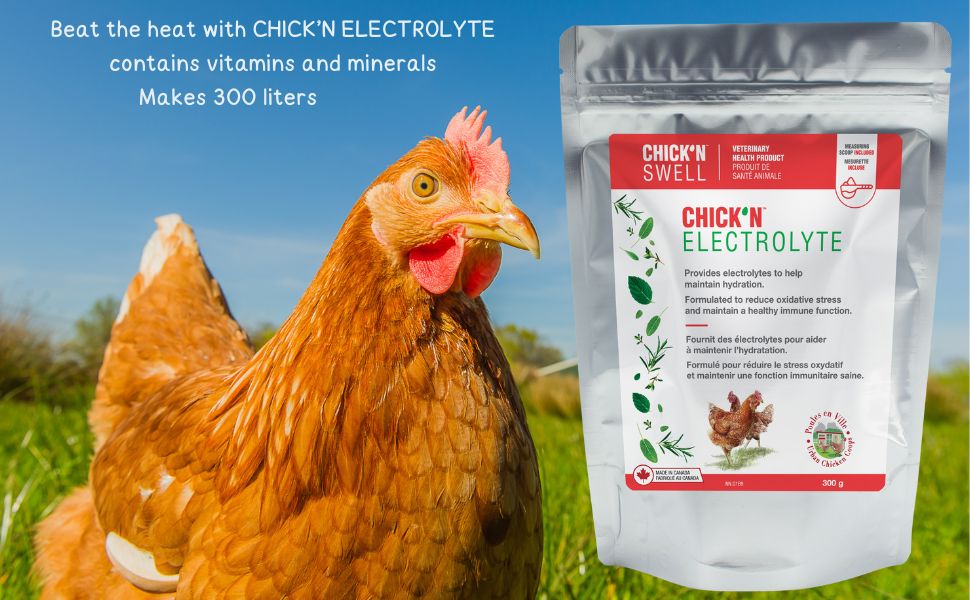
Integrating an electrolyte supplementation plan for chicken flocks is crucial for maintaining optimal health and productivity. Proper supplementation helps manage hydration, especially during periods of heat stress or illness. This plan should be tailored to fit the unique needs of each flock, ensuring that they receive the necessary nutrients to thrive.
When designing an electrolyte supplementation plan, several vital factors must be considered. These include the size of the flock, the age of the chickens, and any specific health needs that may arise. Young chicks have different requirements compared to adult birds, and large flocks may necessitate different strategies for effective distribution. Additionally, environmental conditions, such as temperature and humidity, play a significant role in determining the frequency and amount of supplementation needed.
Factors Affecting Electrolyte Supplementation
Understanding the nuances of each flock is essential for successful electrolyte supplementation. Here are critical considerations:
- Flock Size: Larger flocks may require bulk electrolyte solutions to ensure all birds receive adequate supplementation. Consideration for distribution methods, such as adding to water supply or using feeders, is essential.
- Age of Chickens: Younger birds might need more frequent supplementation, especially during the critical growth phase. Adults may require less frequent interventions unless under stress.
- Health Needs: Monitoring health conditions is key. If a flock shows signs of illness or stress, adjusting electrolyte levels should be a priority to support their recovery.
- Environmental Factors: Seasonal changes can impact hydration needs. During hot months, increase supplementation frequency to combat heat stress. In colder months, ensure that water isn’t freezing, as it may limit intake.
Sample Schedule for Electrolyte Monitoring and Adjustment
Establishing a schedule can help ensure that electrolyte levels are consistently monitored and adjusted as needed. Below is a sample schedule for monitoring and adjusting electrolyte supplementation based on flock requirements and seasonal changes:
| Time Period | Action | Notes |
|---|---|---|
| Daily | Check water supply and ensure electrolyte solutions are available. | Look for signs of dehydration or stress in the flock. |
| Weekly | Adjust electrolyte concentration based on weather conditions. | Increase levels during heat waves; decrease during cooler periods. |
| Monthly | Conduct health assessments of the flock. | Monitor for any signs of illness that may require additional supplementation. |
| Seasonally | Review overall flock health and adjust supplementation plan as necessary. | Consider changing suppliers or formulations if results are lacking. |
“Regular monitoring and adjustments in electrolyte supplementation can prevent serious health issues and promote overall flock well-being.”
Closing Summary
In conclusion, maintaining proper electrolyte levels is crucial for the health and productivity of chickens. By recognizing the signs of imbalance and implementing effective supplementation strategies, poultry owners can significantly improve growth rates and egg quality. A proactive approach to electrolyte management will not only ensure healthier chickens but also contribute to a more successful poultry operation.
Question Bank
What are electrolytes?
Electrolytes are minerals that carry an electrical charge and are essential for various bodily functions, including hydration and muscle activity.
How do I know if my chickens need electrolytes?
Signs include lethargy, reduced egg production, dehydration, and abnormal behavior. Regular monitoring can help identify these issues early.
Can I use human electrolyte solutions for chickens?
It’s not recommended as human solutions may contain ingredients that are harmful to chickens. Always use products specifically formulated for poultry.
How often should I administer electrolytes to my flock?
Frequency depends on the needs of your chickens, environmental conditions, and health status. It’s best to consult a veterinarian for specific guidance.
Are there any side effects of electrolyte supplementation?
When administered correctly, side effects are rare, but over-supplementation can lead to imbalances. Always follow recommended dosages.