
 Valerie Eden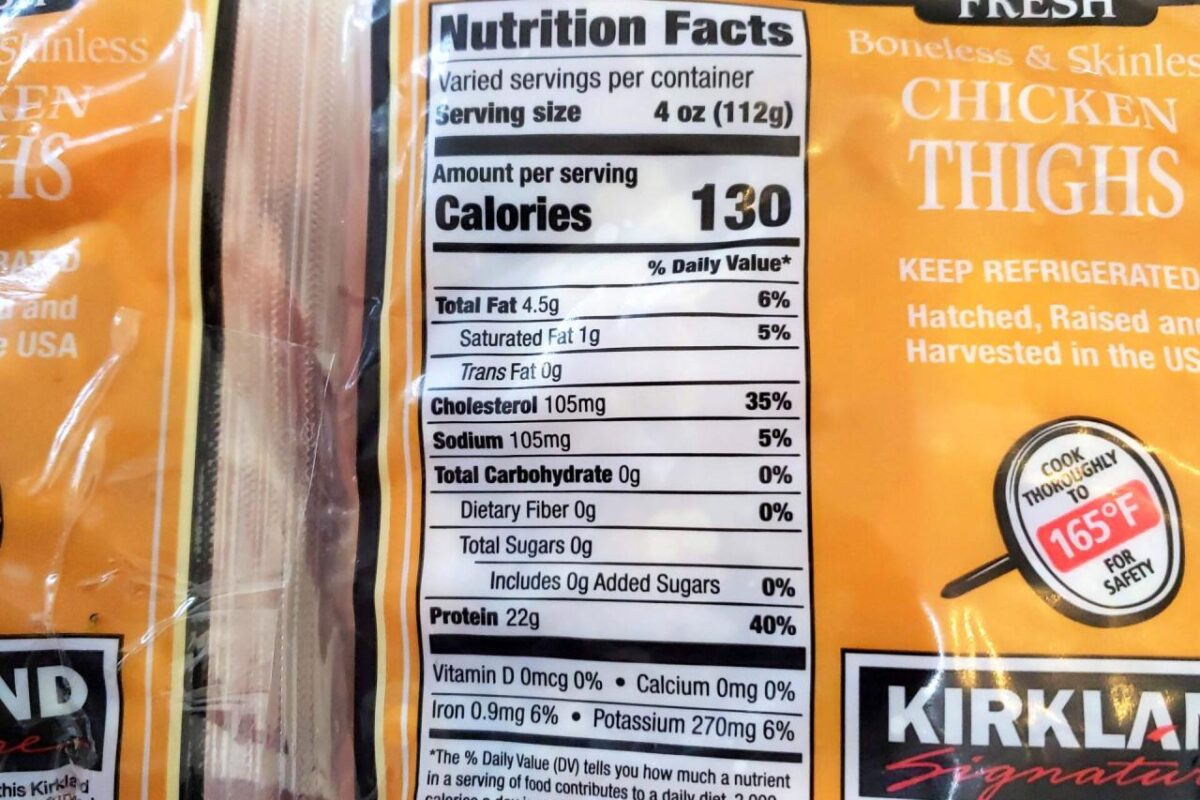
With Chicken nutrition at the forefront, this discussion unveils the essential role chicken plays in a healthy diet. As one of the most popular protein sources worldwide, chicken not only satisfies our taste buds but also offers an array of nutrients crucial for our well-being.
This exploration dives into the nutritional value found in various chicken cuts, the critical protein it provides, and the impact of its omega fatty acids. From understanding the essential minerals it contains to evaluating cooking methods that preserve its benefits, we aim to provide a comprehensive overview of how chicken can fit seamlessly into a balanced diet.
Understanding the Nutritional Value of Chicken
Chicken is one of the most popular sources of protein worldwide, prized not only for its taste and versatility but also for its impressive nutritional profile. Rich in essential nutrients, chicken provides significant health benefits, making it a staple in many diets. Whether grilled, roasted, or baked, chicken is a delicious way to incorporate vital nutrients into your meals.
Chicken is an excellent source of high-quality protein, which is essential for muscle growth, repair, and overall body function. It is also low in fat, especially in lean cuts, making it suitable for those looking to manage their weight. In addition to protein, chicken contains various vitamins and minerals such as B vitamins (especially niacin and B6), phosphorus, and selenium, each playing crucial roles in maintaining health. Niacin supports metabolism and skin health, while vitamin B6 is essential for energy production and brain function. Selenium acts as an antioxidant, helping to protect the body from oxidative stress.
Variation in Nutritional Content Among Chicken Cuts
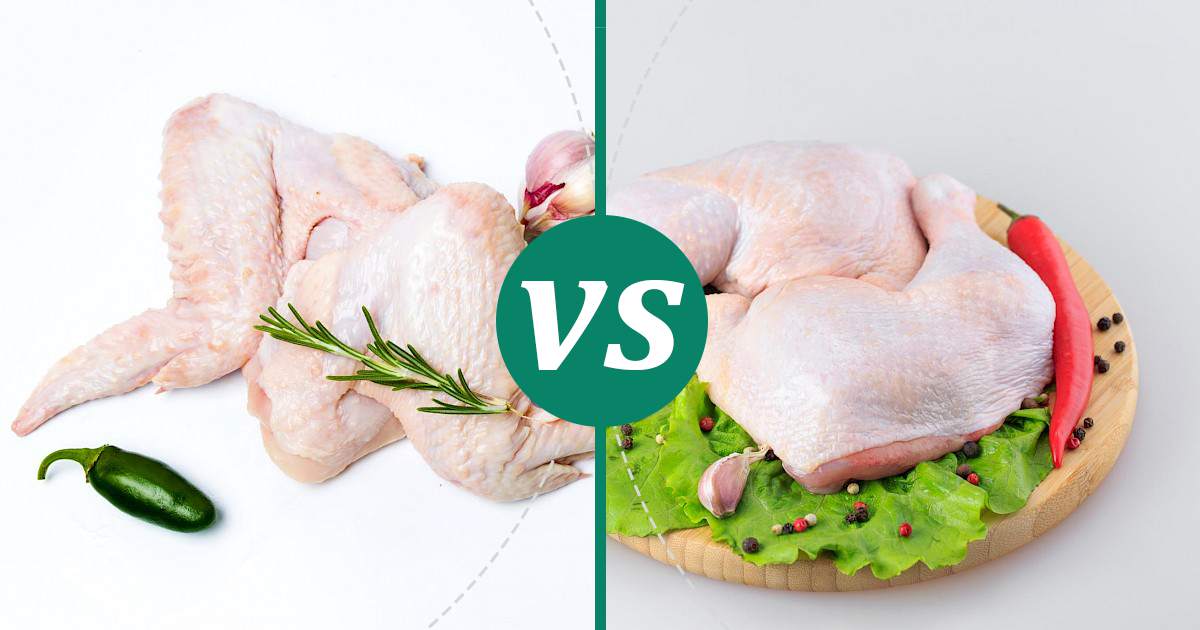
The nutritional value of chicken can vary significantly between different cuts. The choice of cut can impact not only the protein and fat content but also the overall calorie count. For instance, dark meat typically contains more fat than white meat, which is leaner. Understanding these variations is crucial for making informed dietary choices.
Here’s a comparison table highlighting the nutritional content of four common chicken cuts:
| Chicken Cut | Protein (g/100g) | Fat (g/100g) | Calories (kcal/100g) |
|---|---|---|---|
| Chicken Breast (skinless) | 31 | 3.6 | 165 |
| Chicken Thigh (skinless) | 26 | 8.5 | 209 |
| Chicken Drumstick (skin-on) | 28 | 9.6 | 215 |
| Chicken Wing (skin-on) | 30 | 19.9 | 290 |
Understanding these differences can help individuals tailor their diets to meet specific health goals. For example, someone aiming for higher protein intake with lower fat might prefer skinless chicken breasts, while another individual seeking flavor and tenderness might opt for thigh or drumstick cuts.
“Choosing the right cut of chicken can significantly affect your dietary goals and overall health.”
The Importance of Protein in Chicken Consumption
Chicken is widely regarded as one of the best sources of high-quality protein, making it a staple in many diets around the world. Due to its rich amino acid profile, chicken plays a crucial role in the growth, repair, and maintenance of body tissues. It is particularly favored by athletes, bodybuilders, and those seeking a healthy lifestyle due to its lean protein content without excessive fat. Understanding the significance of chicken as a protein source can help individuals make informed dietary choices.
Chicken is composed of a variety of amino acids, which are the building blocks of protein. The most notable amino acids found in chicken include leucine, isoleucine, valine, lysine, and methionine. These amino acids are essential for several bodily functions. For instance, leucine is critical for muscle protein synthesis, which aids in muscle growth and recovery after exercise. Lysine plays a vital role in calcium absorption and the production of hormones and enzymes. Methionine, on the other hand, is important for metabolism and detoxification. The presence of these amino acids in chicken not only supports muscle building but also contributes to overall health, including immune function and tissue repair.
To optimize protein intake through chicken, individuals can easily incorporate it into various dietary plans. Here are some effective methods to include chicken in different meals:
- Grilled Chicken Salads: Adding grilled chicken breast to a salad enhances its protein content. Toss together mixed greens, colorful vegetables, and a protein-rich dressing to create a nutritious meal.
- Stir-Fried Chicken: Stir-frying chicken with a variety of vegetables and a light sauce makes for a quick, protein-rich dish. It’s an excellent option for busy days and can be served with brown rice or quinoa for added nutrition.
- Chicken Soups: Making a hearty chicken soup can provide comfort and nourishment. Using chicken thighs or drumsticks can add depth of flavor, while vegetables like carrots, celery, and spinach boost the overall nutrient profile.
- Baked Chicken Dishes: Baking chicken with herbs and spices allows for flavorful meals without added fats. It can be paired with sweet potatoes or whole grain pasta, balancing protein with complex carbohydrates.
- Chicken Tacos: Using shredded chicken in tacos with whole grain tortillas, fresh salsa, and avocado offers a delicious way to enjoy protein while incorporating healthy fats and fiber.
Incorporating chicken into a daily diet is not only simple but also beneficial for maintaining a healthy protein intake. Its versatility allows individuals to enjoy a range of flavors and preparations, ensuring they meet their nutritional needs while savoring each meal. The high protein content in chicken supports active lifestyles, making it an ideal choice for those engaged in regular physical activity or seeking to improve their health. Ultimately, understanding the importance of protein in chicken consumption can lead to better dietary practices and improved overall well-being.
Exploring the Role of Omega-3 and Omega-6 Fatty Acids in Chicken
The significance of omega-3 and omega-6 fatty acids in poultry nutrition cannot be overstated. These essential fatty acids play a crucial role in the overall health of chickens, influencing their growth, development, and even the nutritional quality of the meat. Especially important is their impact on cardiovascular health, which is increasingly relevant as consumers become more health-conscious.
Omega-3 and omega-6 fatty acids are polyunsaturated fats that contribute to heart health by helping to reduce inflammation and lower blood cholesterol levels. Chickens, like many animals, can obtain these fatty acids from their diet. A balanced intake of omega-3 and omega-6 is critical for maintaining the optimal ratio of these fats in the body. The typical western diet often skews heavily towards omega-6, leading to potential health issues, including cardiovascular diseases. When chickens are provided with a diet rich in omega-3 sources, such as flaxseed or fish oil, their meat becomes a beneficial source of these vital nutrients for consumers.
Comparison of Omega-3 Content in Different Farming Practices
The omega-3 content in chicken can vary significantly depending on the farming methods employed. Chickens raised on pasture typically have a higher omega-3 fatty acid content compared to those raised in conventional farming environments. This variance is largely due to the diet that pasture-raised chickens consume, which includes a variety of grasses, seeds, and insects that are naturally rich in omega-3 fatty acids. In contrast, conventionally raised chickens are often fed a grain-based diet lacking in these beneficial fats.
Research has demonstrated that pasture-raised chickens can contain up to 5 times more omega-3 fatty acids than those raised conventionally. This difference not only enhances the nutritional profile of the chicken meat but also contributes to better heart health for consumers.
To emphasize the importance of incorporating omega fatty acids into the diet, here are common dietary sources that include chicken:
- Fatty fish (e.g., salmon, mackerel, sardines)
- Flaxseeds and flaxseed oil
- Chia seeds
- Walnuts
- Canola oil
- Hemp seeds
- Eggs from hens fed omega-3 enriched diets
- Grass-fed beef
Incorporating these sources into your diet can help achieve a balanced intake of omega-3 and omega-6 fatty acids, supporting overall cardiovascular health and well-being.
Analyzing the Mineral Content Found in Chicken
Chicken is not only a popular protein source globally, but it is also rich in essential minerals that play pivotal roles in maintaining various bodily functions. Minerals like iron, zinc, and selenium are abundant in chicken and contribute significantly to overall health. Understanding their importance can help individuals make informed dietary choices.
Among the essential minerals found in chicken, iron is crucial for the formation of hemoglobin, which carries oxygen throughout the body. Adequate iron intake helps prevent anemia and boosts energy levels. Chicken, particularly dark meat, is an excellent source of heme iron, which is more readily absorbed by the body compared to non-heme iron found in plant sources.
Zinc is another vital mineral present in chicken that supports immune function, protein synthesis, and wound healing. It plays a critical role in enzymatic reactions and helps maintain taste and smell. Deficiency in zinc can lead to a weakened immune response and slower healing processes, making chicken a beneficial addition to a diet aimed at maintaining health.
Selenium, a trace mineral found in chicken, acts as a powerful antioxidant. It protects cells from damage and supports thyroid function, which regulates metabolism. Selenium also plays a role in DNA synthesis and prevents inflammation. Consuming chicken can help meet the daily recommended intake of selenium, thereby enhancing overall well-being.
Mineral Composition and Daily Values
The mineral content in chicken varies depending on the cut and cooking method. The following table provides a comprehensive overview of essential minerals found in chicken, along with their recommended daily values:
| Mineral | Amount per 100g | Recommended Daily Value (DV) |
|---|---|---|
| Iron | 0.9 mg | 18 mg |
| Zinc | 1.0 mg | 11 mg |
| Selenium | 24.0 mcg | 55 mcg |
Ensuring the intake of these minerals through chicken consumption can support various bodily functions, including enhancing the immune system and improving energy levels. With the right dietary choices, individuals can harness the health benefits that chicken and its mineral content provide.
The Impact of Cooking Methods on Chicken Nutrition
Different cooking methods can significantly alter the nutritional profile of chicken. How you prepare and cook chicken influences not only the taste but also its health benefits. Cooking techniques can lead to the loss of essential nutrients, and understanding these effects is crucial for maintaining a balanced diet. Nutritionists often emphasize the importance of selecting appropriate cooking methods to maximize the health benefits associated with chicken consumption.
Various cooking methods interact differently with the nutritional components of chicken, such as protein, vitamins, and minerals. For instance, certain techniques may lead to nutrient loss while others may enhance nutrient availability. The most nutritious cooking techniques typically involve methods that preserve moisture and minimize cooking time, such as steaming, poaching, and grilling. These techniques not only reduce the risk of nutrient degradation but also help maintain the natural flavors and textures of the chicken.
Nutrient Retention Across Cooking Methods
Understanding how different cooking methods affect nutrient retention is important for making informed dietary choices. Below is a comparison of various cooking methods and their impact on the nutritional quality of chicken:
- Boiling: Boiling chicken can lead to substantial nutrient loss, particularly B vitamins. During boiling, water-soluble vitamins can leach into the cooking water, reducing the overall nutritional content.
- Grilling: Grilling is considered one of the healthiest cooking methods, as it allows fat to drip away while retaining moisture and nutrients. This method enhances flavor without the need for additional fat.
- Steaming: Steaming is another excellent method for preserving nutrient content. This technique retains vitamins and minerals while preventing them from dissolving in cooking water, making steamed chicken a nutritious option.
- Frying: Frying can significantly decrease the nutritional value of chicken. The addition of oil increases calorie content, and the high temperatures can destroy some vitamins and create harmful compounds.
- Baking: Baking chicken can be a nutritious option if done without excessive fats or oils. It retains moisture well, but overcooking can lead to dryness and nutrient loss.
- Slow Cooking: Slow cooking at low temperatures can help retain moisture and nutrients. However, prolonged cooking times may still lead to some vitamin loss, particularly B vitamins.
In summary, the choice of cooking method can make a marked difference to the nutritional quality of chicken. Cooking techniques that employ lower temperatures and shorter cooking times, such as steaming and grilling, tend to preserve more vitamins and minerals compared to methods that involve higher temperatures and longer durations, like boiling and frying.
Choosing the right cooking method is essential to maximize the health benefits of chicken.
Chicken as Part of a Balanced Diet
Incorporating chicken into a balanced diet is a delicious and nutritious choice that can enhance overall health. Chicken is a versatile protein source that can easily fit into various dietary plans while providing essential nutrients. It is rich in protein, low in fat, and contains important vitamins and minerals such as B vitamins, phosphorus, and selenium. By understanding how to integrate chicken into meals effectively, individuals can enjoy its benefits while maintaining a nutritious diet.
Chicken can be a staple in a balanced diet due to its high protein content, which is vital for muscle growth, repair, and overall bodily functions. Dietary guidelines suggest that protein should make up about 10-35% of total daily calories, making chicken an excellent option for meeting these requirements. The recommended serving size of cooked chicken is approximately 3 to 4 ounces, which is about the size of a deck of cards. For those engaging in moderate physical activity or looking to build muscle, slightly higher servings may be beneficial, but it’s important to balance this with other food groups.
To create balanced meals, pairing chicken with other nutritious foods is essential. This can be achieved by incorporating a variety of vegetables, whole grains, and healthy fats into the meal. Here are some tips for creating nutritious combinations with chicken:
Nutritious Pairings for Chicken Meals
When planning meals that include chicken, it’s beneficial to consider how it complements other food groups:
- Vegetables: Adding colorful vegetables like broccoli, bell peppers, and carrots not only boosts the meal’s nutrient density but also provides fiber, which is important for digestive health. A stir-fry with chicken and mixed vegetables is an excellent option.
- Whole Grains: Pairing chicken with whole grains such as brown rice, quinoa, or whole wheat pasta can enhance fiber content and provide complex carbohydrates, which are essential for sustained energy. A chicken and quinoa salad is both filling and nutritious.
- Healthy Fats: Incorporating sources of healthy fats, such as avocado or olive oil, can improve the absorption of fat-soluble vitamins and contribute to satiety. Roasted chicken drizzled with olive oil alongside a side of avocado salad offers a well-rounded meal.
- Legumes: Including beans or lentils with chicken can provide additional protein, fiber, and vital nutrients. A chicken chili with beans serves as a hearty and nourishing dish.
By following these pairing guidelines, chicken can seamlessly fit into a balanced diet, providing both flavor and essential nutrients. It is important to keep portion sizes in mind and vary the accompaniments to ensure a well-rounded nutritional profile. Overall, chicken not only satisfies hunger but also plays a crucial role in maintaining a balanced and healthy diet.
Addressing Common Myths About Chicken Nutrition
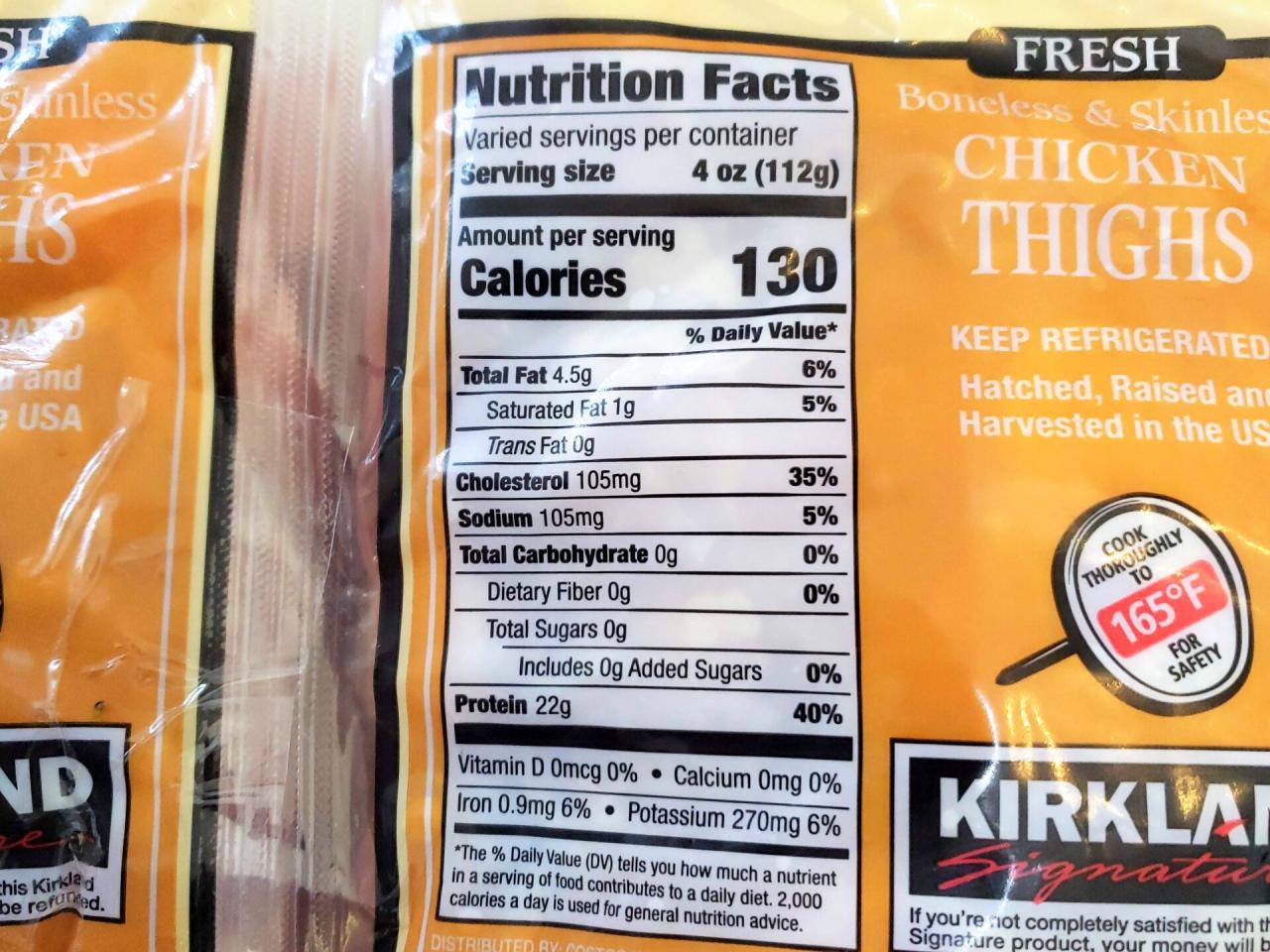
The world of nutrition is often filled with misconceptions, and chicken is no exception. Many people have preconceived notions about chicken’s health benefits and risks, which can cloud their understanding of its nutritional value. In this section, we will identify and debunk some of these common myths, clarify the truth about chicken’s cholesterol content, and provide a comprehensive overview of what chicken offers to our diets.
Myths and Facts about Chicken Nutrition
Understanding the realities of chicken nutrition is crucial for making informed dietary choices. Below are several prevalent myths about chicken consumption, along with the truths that counter them:
- Myth: All chicken is unhealthy.
Many believe that chicken, particularly fried or processed types, is inherently unhealthy. In reality, when prepared properly, such as grilling or baking, chicken can be a lean source of protein that contributes positively to a balanced diet. - Myth: Chicken skin is the only source of fat.
While chicken skin does contain fat, the meat itself can also be a source of healthy fats, especially when consuming darker cuts. Furthermore, removing the skin significantly reduces the fat content. - Myth: Chicken is high in cholesterol and should be avoided.
Chicken does contain cholesterol, but moderate consumption—especially of skinless chicken—has not been shown to significantly impact cholesterol levels for most people. In fact, dietary cholesterol has less impact on blood cholesterol than previously thought. - Myth: Chicken breast is the only healthy cut.
While chicken breast is a popular choice due to its low fat content, other parts, such as thighs and drumsticks, also offer essential nutrients and can be part of a healthy diet when consumed in moderation. - Myth: Organic or free-range chicken is always healthier.
While organic and free-range chickens may have better living conditions, their nutritional value isn’t always significantly different from conventionally raised chickens. Factors such as cooking methods and overall diet are more influential on health than farming practices alone.
The truth is that chicken is a versatile protein source that provides numerous health benefits when consumed as part of a balanced diet. It is rich in essential nutrients such as B vitamins, selenium, and phosphorus, which play crucial roles in maintaining overall health.
“Moderate chicken consumption, especially when prepared healthfully, contributes positively to a balanced diet.”
When considering chicken’s cholesterol content, research indicates that dietary cholesterol does not have the same impact on blood cholesterol for most individuals as once believed. The American Heart Association suggests that it is saturated and trans fats in the diet that have a more significant effect on cholesterol levels. Therefore, for individuals looking to manage their cholesterol, focusing on overall dietary patterns is more effective than simply avoiding chicken.
In summary, debunking these myths helps clarify the nutritional value of chicken. By understanding the facts, consumers can make informed choices that support their health goals while enjoying the culinary versatility chicken has to offer.
Evaluating the Environmental Impact of Chicken Farming
The environmental implications of chicken farming are significant and merit careful consideration. As the demand for chicken meat rises globally, so too do the concerns surrounding its production methods. Chicken farming contributes to greenhouse gas emissions, deforestation for feed crop production, and water usage, all of which impact our planet’s ecological balance. Yet, amidst these challenges, chicken farming also boasts nutritional benefits that can enhance public health and food security.
The ecological footprint of chicken production can be substantial, particularly in conventional farming systems. Intensive poultry farming practices often lead to the overuse of land and water resources, potentially causing soil degradation and water pollution. In fact, according to the Food and Agriculture Organization (FAO), poultry farming contributes approximately 14% of global greenhouse gas emissions from livestock. This stark statistic underscores the need for more sustainable practices that can mitigate these environmental impacts while continuing to provide essential nutrients found in chicken.
Sustainable Chicken Farming Practices
Adopting sustainable practices in chicken farming can significantly reduce environmental impacts while enhancing the nutritional contributions of poultry. Sustainable methods focus on reducing waste, conserving resources, and improving animal welfare. These practices not only address ecological concerns but also aim to produce healthier chicken, benefiting the consumers.
Key sustainable practices include:
| Sustainable Practice | Benefits for Chicken Nutrition |
|---|---|
| Free-range farming | Allows chickens to access natural foraging, leading to a diet richer in omega-3 fatty acids and vitamins. |
| Organic feed | Reduces exposure to pesticides and antibiotics, promoting healthier meat and eggs. |
| Integrated pest management (IPM) | Minimizes reliance on chemicals, preserving soil health and biodiversity, which can enhance feed quality. |
| Water conservation techniques | Ensures clean water access for chickens, improving overall health and meat quality. |
| Rotational grazing | Promotes soil fertility and reduces parasites, resulting in healthier chickens and improved nutrient profiles in meat. |
These practices not only enhance the welfare of the chickens but also contribute to a more sustainable food system. The shift towards sustainable chicken farming represents a vital step in addressing the nutritional needs of the growing population while fostering environmental stewardship. By implementing these methods, farmers can balance productivity with ecological responsibility, ensuring that chicken remains a vital source of nutrition in our diets without compromising the health of our planet.
“Sustainable chicken farming is essential to meet global nutritional demands without further harming our ecosystems.”
End of Discussion
In summary, chicken nutrition emerges as a vital component of a healthy lifestyle, offering numerous health benefits and versatility in meal preparation. By debunking myths and highlighting sustainable practices, we can appreciate chicken not just as a food choice, but as an ally for better health and environmental stewardship.
FAQ Insights
What are the health benefits of chicken?
Chicken is rich in protein, essential vitamins, and minerals, promoting muscle growth, immune function, and overall health.
Is chicken better than red meat?
Generally, chicken has lower saturated fat content compared to red meat, making it a healthier option for heart health.
Can chicken be part of a weight loss diet?
Yes, chicken can be a great lean protein source that helps with satiety and weight management when prepared healthily.
How should chicken be cooked for the best nutrition?
Methods like grilling, baking, or steaming are recommended as they preserve nutrients better than frying.
Is it safe to eat chicken every day?
Yes, for most individuals, consuming chicken daily can be part of a balanced diet, but variety is key for overall nutrition.