
 Valerie Eden
Poultry lice are more than just a nuisance; they can significantly impact the health and productivity of your flock. These tiny parasites thrive in various environments and can quickly invade your poultry, leading to discomfort and disease. Understanding their life cycle, symptoms of infestation, and effective treatment methods is essential for any poultry owner looking to maintain a healthy flock.
In this guide, we will delve into the life cycle of poultry lice, identify common symptoms of infestations, and explore various treatment and prevention strategies. Additionally, we will discuss the economic implications for farmers and the role of nutrition in bolstering resistance against these pests. By equipping yourself with this knowledge, you can better protect your birds and enhance their overall well-being.
Understanding the Life Cycle of Poultry Lice
Poultry lice are ectoparasites that can significantly impact the health and productivity of birds. Understanding their life cycle is critical for effective management and control strategies. These lice undergo several developmental stages that are influenced by various environmental factors, which can either promote or hinder their growth.
The life cycle of poultry lice consists of three main stages: egg, nymph, and adult. The process begins when adult females lay eggs, commonly referred to as nits. These eggs are typically glued to the base of feathers, making them difficult to remove. The incubation period for these eggs usually spans about 5 to 14 days, depending on the environmental conditions such as temperature and humidity.
Once the eggs hatch, they release nymphs that resemble smaller versions of adult lice but are not yet capable of reproduction. Nymphs typically progress through three molts, gradually growing larger with each stage. This nymphal stage lasts around 7 to 14 days, influenced by factors like food availability and environmental stressors.
After the final molt, they mature into adults capable of reproduction. Adult lice can live for about 30 days, during which time they can reproduce multiple times. A single female can lay up to 30 eggs per day, leading to rapid population growth if left unchecked. Their lifecycle can complete in as little as 14 to 28 days under optimal conditions, which emphasizes the importance of timely management.
Environmental Influences on the Life Cycle
Environmental factors play a crucial role in the development and survival of poultry lice. Temperature, humidity, and overall cleanliness of the poultry environment significantly affect their life cycle duration and effectiveness of control measures.
High temperatures and humidity levels typically accelerate the life cycle of poultry lice. For instance, during summer months, lice populations can increase rapidly due to favorable breeding conditions. Conversely, extreme cold can slow down their development and reduce reproductive rates.
In terms of cleanliness, a dirty environment provides ample hiding spots and breeding grounds for lice, allowing them to thrive. Regular cleaning and disinfection of poultry housing can reduce lice infestations significantly. For example, a study showed that maintaining a clean environment helped decrease lice prevalence by over 40% in commercial flocks within a month.
To summarize, understanding the life cycle stages of poultry lice and their environmental influences is essential for effective management practices. The specific durations of each life stage indicate when interventions should be applied to minimize infestations and protect the health of poultry.
Identifying Symptoms of Poultry Lice Infestation
Recognizing the symptoms of poultry lice infestation is essential for maintaining the health of your flock. Poultry lice can cause discomfort, stress, and severe health issues if left untreated. Identifying these pests early can save your birds from significant harm and prevent infestations from spreading. Observing the behavior and physical condition of your birds will aid in early detection.
One of the most common signs of a lice infestation is excessive scratching or pecking at the skin and feathers. Birds infested with lice often exhibit restlessness and may appear agitated. Additionally, you might notice a decrease in egg production, as hens often become stressed and less productive due to irritation from the lice. Other indicators include feathers that are frayed or missing patches of plumage, which can be a result of lice feeding on the skin.
Visual Inspection of Birds for Lice
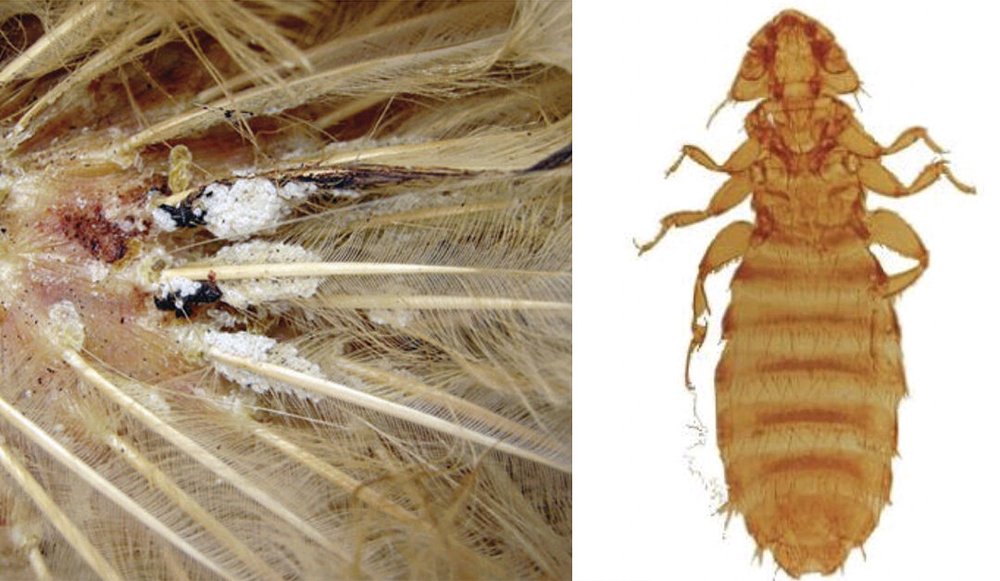
To effectively inspect your birds for lice, it is crucial to be thorough and methodical. Begin by gently handling the bird and carefully parting its feathers. Look for small, moving insects that are generally yellowish or grayish in color and measure about 1-2 mm in length. Since lice tend to congregate near the base of the feathers and around the vent area, pay close attention to these regions.
Establishing a routine inspection schedule is beneficial. Consider checking your flock every two weeks, especially during warmer months when lice populations can thrive. Additionally, observe your birds’ behavior closely. Signs of distress, such as increased aggression or isolating themselves from the flock, can also indicate an underlying lice problem.
To differentiate between poultry lice and other external parasites like mites, focus on their appearance and behavior. Poultry lice are larger and more visible compared to mites, which are often microscopic. While lice tend to inhabit the feathers and can be seen moving, mites usually burrow into the skin and may cause scabs or sores. A notable behavior difference is that lice are predominantly active during the day, whereas mites are more active at night.
Monitoring your flock for these signs and symptoms can significantly reduce the risk of a severe lice infestation and help ensure the overall well-being of your poultry.
Effective Treatment Methods for Poultry Lice
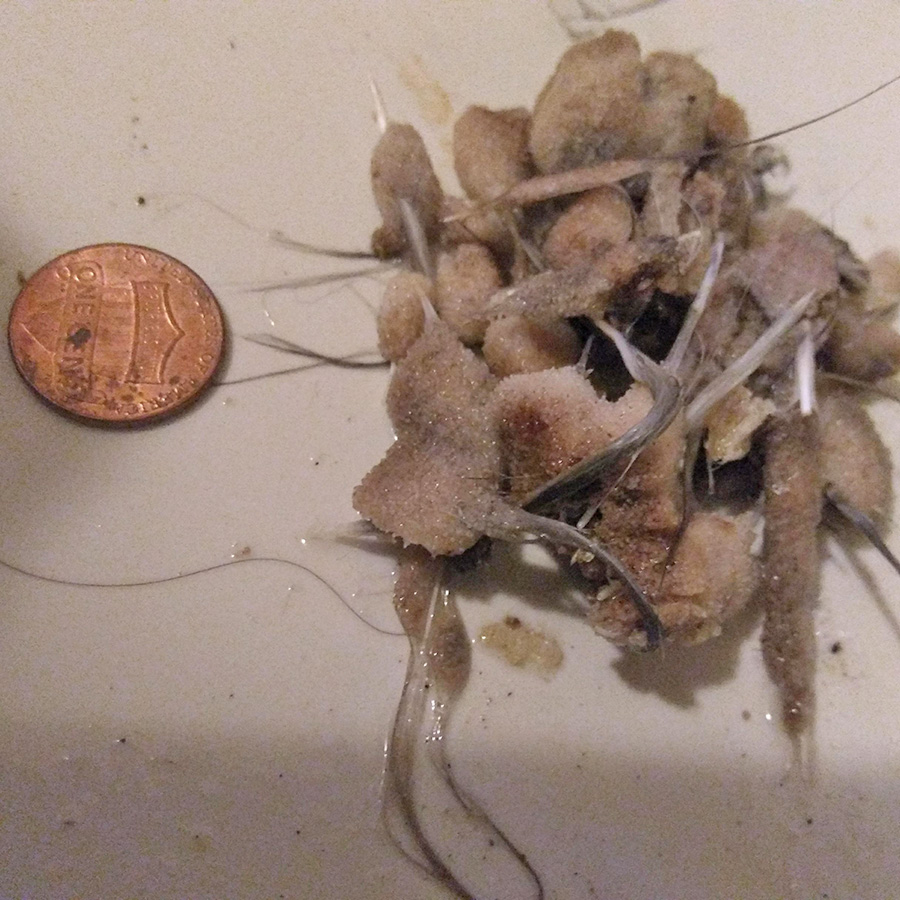
Poultry lice can pose significant health risks to birds, leading to decreased egg production and overall vitality. Effective treatment is crucial for maintaining a healthy flock. This section discusses various treatment options available for controlling poultry lice, comparing their effectiveness, application procedures, and the importance of follow-up monitoring.
Treatment Options for Poultry Lice
There are several methods to combat poultry lice, ranging from chemical solutions to natural remedies. Each method varies in effectiveness, application, and safety. Understanding these options is essential for successful infestation management.
- Chemical Insecticides: Products containing permethrin or pyrethrin are commonly used due to their fast action. They are effective in killing adult lice and are available as sprays or powders. However, it is crucial to follow the manufacturer’s instructions to avoid toxicity to birds.
- Insect Growth Regulators (IGRs): These disrupt the life cycle of lice by preventing nymphs from maturing into adults. Products containing methoprene or pyriproxyfen are effective when used in tandem with adulticides.
- Natural Remedies: Diatomaceous earth and essential oils like eucalyptus or tea tree can deter lice. While they are safer for birds and the environment, their effectiveness may be slower and less potent compared to chemical options.
Application procedures for these treatments vary. For chemical insecticides, it is essential to apply them in a well-ventilated area away from food and water sources. Wear protective gloves and a mask during application to minimize exposure. Natural remedies, while usually safer, still require careful application to ensure they reach all areas where lice are present.
“Regularly monitor your flock to catch any resurgence of lice early, as they can quickly reinfest if not managed properly.”
The importance of follow-up after treatment cannot be overstated. Monitoring should occur weekly for the first month post-treatment. Check for signs of lice on the birds and in their environment. If reinfestation is observed, repeat the treatment process. A schedule for ongoing monitoring should include visual inspections of the birds and regular cleaning of their living areas, which should be maintained to prevent future outbreaks.
By employing an effective combination of treatment methods and adhering to a diligent monitoring schedule, poultry keepers can successfully manage lice infestations and ensure the health and productivity of their flocks.
Preventive Measures Against Poultry Lice
Preventing poultry lice infestations is crucial for maintaining the health and productivity of your flock. Effective preventive measures not only protect the birds but also reduce the need for chemical treatments, which can be costly and harmful to the environment. By implementing a series of proactive strategies, poultry owners can significantly minimize the risk of lice affecting their birds.
Regular management practices play a vital role in keeping lice at bay. Consistent monitoring and care can deter infestations before they take hold. Here are some essential practices that every poultry owner should incorporate into their routine:
Essential Management Practices
Routine management practices are key to preventing poultry lice. The following checklist highlights crucial steps that should be regularly undertaken:
- Maintain Cleanliness: Regularly clean and disinfect the coop and surrounding areas to eliminate lice and their eggs. Pay attention to nesting boxes and perches.
- Monitor Flock Health: Conduct regular health checks on your poultry to identify any signs of lice or other parasites early on.
- Isolate New Birds: Quarantine new additions to the flock for at least 30 days to ensure they are lice-free before introducing them to the main flock.
- Rotate Pastures: If possible, rotate pastures to limit lice transmission between flocks. This practice can help minimize the build-up of parasites in the environment.
- Provide Dust Baths: Encourage natural grooming behaviors by providing areas for dust bathing, as this helps birds remove pests from their feathers.
- Feed Quality Nutrition: Ensure your poultry receives a balanced diet, as healthy birds are better equipped to resist infestations and recover from any potential problems.
Implementing biosecurity measures and effective flock management is vital in reducing the likelihood of lice infestations. Biosecurity refers to practices that prevent the introduction and spread of pests and diseases.
“Biosecurity measures are the first line of defense against poultry lice and other health threats.”
Essential biosecurity practices include:
- Control Access: Limit access to the poultry area and ensure that visitors disinfect their shoes and hands before entering.
- Regular Surveillance: Perform routine surveillance for lice and other parasites, utilizing visual inspections and traps to monitor populations.
- Environmental Management: Maintain a dry environment, as moisture can encourage lice proliferation. Ensure proper drainage and ventilation in coops.
- Use of Approved Treatments: When preventative measures fail, consider using approved lice treatments as directed, ensuring they are safe for your poultry and the environment.
By following these comprehensive preventive measures, poultry owners can significantly enhance the health of their flock and minimize the risks associated with poultry lice infestations.
Impacts of Poultry Lice on Bird Health and Production
Poultry lice, small wingless ectoparasites, pose significant threats to the health and productivity of birds in commercial and backyard flocks alike. These pests not only cause discomfort but also lead to more severe health issues that can affect the overall performance of poultry. A deeper understanding of how these infestations impact bird health and productivity is crucial for poultry farmers aiming to maintain a healthy flock and optimize production.
The presence of poultry lice can lead to various health complications in birds. These parasites feed on the blood, skin, and feathers of their hosts, resulting in several physiological and behavioral responses. Affected birds often exhibit signs of stress, including increased scratching and feather pecking, which can lead to skin injuries or secondary infections. In severe cases, heavy infestations can cause anemia due to blood loss, leading to decreased immunity, stunted growth, and even death in extreme situations. Moreover, the stress induced by lice can significantly reduce egg production in laying hens and lead to poor feed conversion rates, impacting weight gain in broilers.
Economic Implications of Lice Infestations
The economic ramifications for poultry farmers facing lice infestations can be quite serious. The cost of managing and treating lice outbreaks can quickly escalate, and the financial impact of decreased production can be profound. Below are key aspects of the economic implications associated with poultry lice:
– Treatment Costs: Farmers must invest in various treatment solutions, ranging from insecticides to specialized veterinary care. Continuous monitoring and re-treatment may also be necessary to ensure complete eradication, further adding to costs.
– Loss of Productivity: Reduced egg production and poor weight gain in affected birds result in lower sales. Reports suggest that heavy lice infestations can decrease egg production by as much as 10-20%, significantly affecting potential revenue.
– Market Value: The overall health and appearance of poultry can affect market value. Birds suffering from lice infestations may be less appealing to buyers, potentially leading to lower prices and profits during sales.
– Labor Costs: Increased labor is often necessary to manage infestations, including additional time spent on monitoring, treatment applications, and caring for sick birds.
Research Findings on Lice Infestations and Disease Transmission
Research has demonstrated a clear link between lice infestations and the transmission of various diseases within poultry flocks. Poultry lice can serve as vectors for pathogens, exacerbating health issues in already stressed birds. For instance, studies have shown that lice can carry and transmit pathogens such as Salmonella and Mycoplasma, leading to outbreaks of disease that can decimate a flock.
In one case study conducted in a commercial poultry operation, a significant increase in louse populations was correlated with a subsequent outbreak of Avian Influenza. The stress caused by lice weakened the birds’ immune systems, making them more susceptible to viral infections. Another study indicated that flocks infested with lice had higher mortality rates due to the combined effects of parasitism and disease susceptibility.
These findings emphasize the need for comprehensive management practices that not only address the immediate issues posed by lice but also consider their role in disease ecology. Implementing biosecurity measures, regular health checks, and effective pest management strategies can mitigate the impacts of lice on bird health and overall production efficiency.
The Role of Nutrition in Combating Poultry Lice
Proper nutrition plays a crucial role in maintaining the health and well-being of poultry, especially in the fight against lice and other parasites. A well-balanced diet not only supports the growth and productivity of birds but also enhances their immune systems, making them more resilient to infestations. When birds are nourished correctly, they develop healthier skin and feathers, which serve as barriers to pests like lice. Understanding the impact of nutrition on poultry health can lead to more effective management practices and better overall flock performance.
The connection between nutrition and pest resistance is well-documented. Nutritionally balanced diets contribute to optimal feather condition and skin integrity, making it difficult for lice to thrive. A diet rich in essential vitamins, minerals, and fatty acids supports the production of strong feathers, which serve as the first line of defense against external parasites. Additionally, proteins are vital for feather development, while specific nutrients can have direct effects on the skin’s health, discouraging infestations.
Key Dietary Components for Skin and Feather Health
To effectively combat poultry lice, it is essential to incorporate specific dietary components into the birds’ feed. These components can not only enhance the immune response but also improve the overall condition of the birds. The following dietary elements are known to play significant roles in skin and feather health:
- Proteins: High-quality protein sources such as soybean meal, fish meal, and alfalfa are vital for feather growth and repair. These proteins provide the necessary amino acids that are essential for keratin synthesis, the primary structural protein in feathers.
- Omega-3 and Omega-6 Fatty Acids: These fatty acids, found in flaxseed, fish oil, and certain seeds, contribute to maintaining healthy skin and plumage. They help in reducing inflammation and promoting better feather condition, making birds less attractive to lice.
- Vitamins: Vitamins A, D, and E are crucial for skin health. Vitamin A, in particular, aids in maintaining the integrity of mucous membranes and skin, while Vitamin E supports immune function and skin healing.
- Minerals: Trace minerals such as zinc, selenium, and copper are important for maintaining feather quality. Zinc plays a role in skin repair and growth, while selenium supports the immune system, helping birds fight off lice infestations.
Implementing sound feeding practices is essential for reducing vulnerability to infestations. Consider the following recommendations to enhance your poultry’s nutritional intake:
1. Provide a complete and balanced feed formulated specifically for the life stage and purpose of your birds.
2. Regularly assess the quality of feed and ensure it is free from contaminants that could impair your birds’ health.
3. Supplement with natural additives like herbs or probiotics that may enhance gut health and immune function, making birds more resilient to pest challenges.
4. Monitor the birds’ condition and adjust rations as needed to meet their nutritional requirements, especially during stressful periods such as molting or after vaccinations.
By prioritizing nutrition, poultry farmers can significantly improve their flocks’ resistance to lice and other parasites, ensuring healthier, more productive birds.
Understanding the Resistance of Poultry Lice to Treatments
As the poultry industry continues to expand, an alarming trend has emerged: the increasing resistance of poultry lice to various treatments. This growing concern not only threatens the health of poultry but also poses a significant challenge for poultry managers striving to maintain healthy flocks. Understanding the factors contributing to this resistance is essential for developing effective management strategies.
Poultry lice, particularly species such as Menacanthus stramineus and Cuclotogaster heterographus, have shown an alarming ability to develop resistance to commonly used insecticides and treatments. This resistance is primarily attributed to several factors, including overuse and misuse of chemical treatments, sub-lethal doses, and the genetic adaptability of these pests. When treatments are applied too frequently or incorrectly, the lice that survive can pass on their resistant traits to subsequent generations. Furthermore, the life cycle of poultry lice, which allows for rapid reproduction, exacerbates the development of resistance.
Implications of Resistance for Poultry Management
The implications of lice resistance are profound for poultry management. As treatment options become less effective, the burden of lice infestations can lead to decreased productivity, increased mortality rates, and higher veterinary costs. Consequently, poultry managers must adapt their strategies to address these challenges, emphasizing the need for integrated pest management (IPM) approaches that combine chemical treatments with alternative methods.
To effectively combat lice resistance, it is crucial for poultry managers to recognize the signs of treatment failure. These signs may include the persistent presence of lice, increased scratching and feather loss among birds, and a marked rise in egg production issues. When these symptoms occur, it is essential to reassess management practices. Implementing IPM strategies may involve rotating between different classes of insecticides to prevent resistance build-up or integrating non-chemical control measures such as improved sanitation, use of diatomaceous earth, or introducing beneficial insects that prey on lice.
Moreover, regular monitoring of lice populations can help in detecting resistance early on. Using sticky traps or regular visual inspections can aid in assessing the effectiveness of current treatments and alert managers to developing issues. Investing in education and training on proper treatment application and resistance management is also vital. This ensures that all personnel involved in poultry care are equipped with the knowledge to combat lice effectively.
In summary, understanding the dynamics of poultry lice resistance is critical for effective poultry management. By recognizing signs of treatment failure and adopting a multifaceted approach, managers can safeguard their flocks against the detrimental effects of lice infestations.
Case Studies on Poultry Lice Control Success Stories
Poultry lice infestations can be a significant challenge for farmers, impacting the health of the birds and the overall productivity of the farm. However, numerous farms have successfully implemented various control measures to combat these pests. This section highlights several case studies that showcase effective strategies, the outcomes of those strategies, and the lessons learned that can be applied to other poultry operations.
Integrated Pest Management on a Free-Range Farm
On a free-range poultry farm in the Midwest, the owners faced a severe lice infestation that threatened their flock of heritage chickens. The farm adopted an Integrated Pest Management (IPM) approach to control the lice population. This multifaceted strategy included regular monitoring, cultural controls, biological controls, and chemical treatments as a last resort.
The farmers began by enhancing their monitoring practices. They conducted weekly inspections to assess lice levels on their birds. Noticing higher populations during the warmer months, they adjusted their management practices accordingly. They implemented cultural controls, such as maintaining clean and dry environments, which involved regular cleaning of coops and ensuring adequate bedding to reduce lice habitats.
Furthermore, they introduced beneficial insects, like predatory mites, to naturally reduce the lice population. When these strategies didn’t fully eliminate the problem, the farmers opted for targeted chemical treatments with insecticides registered for poultry use, ensuring they adhered to safety guidelines and withdrawal times.
As a result, the farm saw a drastic reduction in lice numbers within a few weeks. The healthier birds led to an increase in egg production, improving the farm’s profitability. This case exemplifies the effectiveness of an IPM approach, highlighting the importance of adaptability and ongoing monitoring in lice control.
Community-Based Lice Management in a Poultry Cooperative
A cooperative of small-scale poultry farmers in the Southeast faced chronic issues with poultry lice, significantly affecting their collective output. Recognizing the need for a unified approach, the cooperative organized workshops to educate all members about lice management techniques.
One essential outcome of these workshops was the establishment of a community monitoring program. Members were trained to inspect their birds regularly and report lice occurrences. This collective data allowed the cooperative to identify patterns and high-risk periods for infestations, fostering a proactive rather than reactive approach.
The cooperative also pooled resources to purchase high-quality insecticides in bulk, which reduced costs for individual farmers. Additionally, they encouraged the sharing of effective management practices, including the use of diatomaceous earth and herbal treatments, which many members adopted successfully.
Over the course of a year, the cooperative reported a significant decrease in lice-related issues. Egg production improved by an average of 30% across participating farms, demonstrating the power of collaboration and shared knowledge in enhancing pest management practices.
Organic Pest Control in a Large-Scale Egg Production Facility
In a large-scale egg production facility located in California, the management sought to transition towards organic practices while addressing a persistent lice issue. They undertook extensive research and opted for organic methods, primarily focusing on using natural products and preventive measures to combat lice.
The facility introduced a regimented cleaning schedule that included steam cleaning of equipment and nesting boxes, reducing lice eggs and larvae effectively. They also utilized organic pyrethrins and neem oil as insecticides that were safe for organic operations, applying them strategically during peak infestation periods.
Another innovative strategy was the establishment of a rotational grazing system. By moving hens to fresh pastures regularly, they minimized the chances of lice thriving in any one area. This practice not only helped control lice but also improved the overall health of the flock.
The results were promising. The facility reported a 50% reduction in lice populations within three months, and the transition to organic practices resulted in higher consumer demand for their eggs. This case underscores the feasibility of integrating organic pest control methods in large-scale operations while achieving successful lice management.
These success stories illustrate that effective poultry lice control is achievable through various strategies, including Integrated Pest Management, community collaboration, and organic practices. Each case not only provides a roadmap for other poultry operations but also emphasizes the significance of ongoing education, monitoring, and adaptability in pest management.
Ending Remarks
In conclusion, managing poultry lice requires a multifaceted approach that combines understanding their biology, recognizing the signs of infestation, and implementing effective treatments and preventive measures. By fostering good management practices and prioritizing flock health, poultry owners can mitigate the risks associated with lice, ensuring their birds remain productive and healthy. Remember, staying informed and proactive is key to successful poultry management.
Quick FAQs
What are poultry lice?
Poultry lice are small, wingless insects that infest birds, feeding on their blood and skin, leading to irritation and potential health issues.
How can I visually inspect my birds for lice?
Look for signs such as excessive scratching, feather loss, or tiny white or yellow specks (lice) near the skin or feathers during visual inspections.
Can poultry lice affect egg production?
Yes, heavy infestations can stress birds and lead to decreased egg production and overall poor health.
Are there natural remedies for treating poultry lice?
Natural remedies such as diatomaceous earth and neem oil can be effective in controlling lice, but they should be used carefully and with proper application methods.
How often should I check my flock for lice?
Regular inspections at least once a month are recommended to catch infestations early and manage them effectively.