
 Valerie Eden
Chicken tractors are an innovative solution that bridges the gap between raising livestock and sustainable farming practices. They not only provide a mobile environment for chickens but also enhance the overall health of the land on which they graze. By utilizing these portable coops, farmers can promote soil fertility, reduce pests, and produce healthier animals, all while enjoying the benefits of a more sustainable agricultural approach.
As modern agriculture faces challenges such as soil degradation and the need for eco-friendly practices, chicken tractors have emerged as a viable answer. These structures allow for rotational grazing, enabling chickens to forage naturally while simultaneously improving the soil through their natural behaviors. This interconnectedness of livestock and land creates a holistic farming approach that benefits both the environment and the farmer.
The concept of a chicken tractor and its significance in sustainable farming practices
A chicken tractor is a portable, movable coop designed for raising chickens while simultaneously enhancing the health of the surrounding soil. This innovative farming tool embodies the principles of sustainable agriculture by allowing birds to forage and fertilize the land naturally. The concept has gained traction in recent years, offering a practical solution for small-scale farmers and homesteaders seeking a low-impact way to integrate livestock into their agricultural systems.
The primary role of a chicken tractor in modern agriculture lies in its ability to manage chickens in a way that benefits both the animals and the environment. By confining chickens to a specific area, farmers can effectively control their foraging patterns while also allowing the chickens to contribute to pest control and weed management. As the chickens scratch and peck at the ground, they aerate the soil and break down organic matter, creating a healthier growing environment for crops. This cycle of natural fertilization and pest control can reduce the need for synthetic fertilizers and pesticides, aligning with sustainable farming practices.
Environmental benefits of chicken tractors in small-scale farming
The environmental benefits of using chicken tractors are numerous and significant. These mobile coops help promote biodiversity and soil health, which are essential for sustainable agriculture. Below are key points highlighting how chicken tractors contribute to a healthier ecosystem:
- Soil Fertility: Chickens deposit manure directly onto the soil, enriching it with nitrogen, phosphorus, and potassium. This natural fertilizer enhances soil structure and promotes healthy microbial activity.
- Pest Control: Chickens consume insects, larvae, and weeds, helping to naturally control pests without the use of harmful chemicals. This reduces the reliance on pesticides, contributing to a more balanced ecosystem.
- Crop Rotation Support: By moving chicken tractors around the farm, farmers can simulate a natural grazing pattern, improving soil fertility in various sections of the farm and allowing for better crop rotation practices.
- Reduced Soil Compaction: Traditional farming methods often lead to soil compaction, which can hinder root growth and water infiltration. Chicken tractors promote light, manageable disturbances in the soil that can improve aeration.
The integration of chicken tractors into farming practices not only fosters a more sustainable approach to agriculture, but it also enhances productivity. For instance, farmers utilizing chicken tractors have reported increased crop yields due to improved soil conditions and reduced pest populations. Utilizing these innovative structures reinforces the connection between livestock management and environmental stewardship, making them a vital component of modern sustainable farming systems.
Key components and design features of an efficient chicken tractor
Building an efficient chicken tractor involves selecting the right materials and structures to ensure the chickens’ comfort, mobility, and safety. A well-designed chicken tractor allows for easy relocation, efficient feeding, and protection from predators while providing adequate living space for the birds. Here, we will explore essential components, design considerations, and various designs catering to different farming needs.
Essential materials and structures for building a chicken tractor
When constructing a chicken tractor, it’s vital to choose materials that are durable, lightweight, and weather-resistant. Here are some key components that an efficient chicken tractor should consist of:
- Frame: The frame is typically constructed from sturdy materials like PVC pipes, wood, or metal. PVC is lightweight and resistant to corrosion, making it a popular choice for mobile designs. Wooden frames should be treated to prevent rot, and metal frames offer durability.
- Roofing: A roof is essential for protecting your chickens from harsh weather. Options include metal sheets or corrugated plastic, providing waterproofing while allowing for sunlight penetration. Ensure the roof has an overhang to shield against rain.
- Wiring: Galvanized wire mesh is crucial for the sides of the tractor, offering ventilation while preventing predators from accessing the chickens. The mesh should be small enough to block even the smallest animals.
- Flooring: A solid floor made from treated wood or metal can aid in sanitation and protect chickens from ground-dwelling parasites. Some designs incorporate wire flooring to allow droppings to fall through, simplifying cleanup.
- Access Points: Ensure your design includes easy access doors for feeding, watering, and collecting eggs. These should be secure enough to prevent predator entry while remaining convenient for the farmer.
Design considerations for optimal mobility and comfort
Designing a chicken tractor that is easily movable and comfortable for the chickens requires thoughtful planning. The following considerations are vital:
- Weight: Aim for a lightweight design that can be easily pushed or pulled by hand or attached to a small vehicle. This allows for frequent relocation to fresh grass and reduces the need for additional feeding.
- Wheels: Incorporating wheels or skids can facilitate movement. Larger wheels can navigate uneven ground better, while removable or foldable wheels can minimize space when stationary.
- Ventilation: Proper airflow is crucial to prevent overheating and maintain a healthy environment. Design openings that allow for air circulation while keeping out rain and snow.
- Space: Provide adequate space depending on the number of chickens. A general guideline is at least 4 square feet per bird to ensure comfort and reduce stress.
- Accessibility: Create features that allow chickens to enter and exit easily, such as ramps or sloped sides. This not only enhances their comfort but also encourages natural behaviors.
Examples of different designs for chicken tractors
Various designs of chicken tractors cater to different farming needs, and selecting the right one can enhance your chicken-raising experience. Here are a few popular designs:
- The A-Frame tractor: This design is simple and effective, with a triangular frame that offers stability and mobility. Its shape allows for easy movement while maximizing interior space.
- The Mini coop tractor: Ideal for small backyards, this compact design accommodates a few chickens while still providing the essential features. It is lightweight, allowing for easy relocation without much effort.
- The Mobile coop: Larger tractors can house a bigger flock. These designs often include wheels and a ramp for easy access, making them suitable for pasture-raised chickens.
- The Multi-chamber tractor: For farmers looking to segregate flocks or manage different breeds, this design includes multiple sections, each with its own access points and amenities, allowing for better control over flock dynamics.
Incorporating these key components and considerations into your chicken tractor design will result in a functional, efficient, and comfortable environment for your chickens. Each design serves a unique purpose, ensuring that you can cater to your specific farming needs.
The benefits of using a chicken tractor over traditional chicken coops
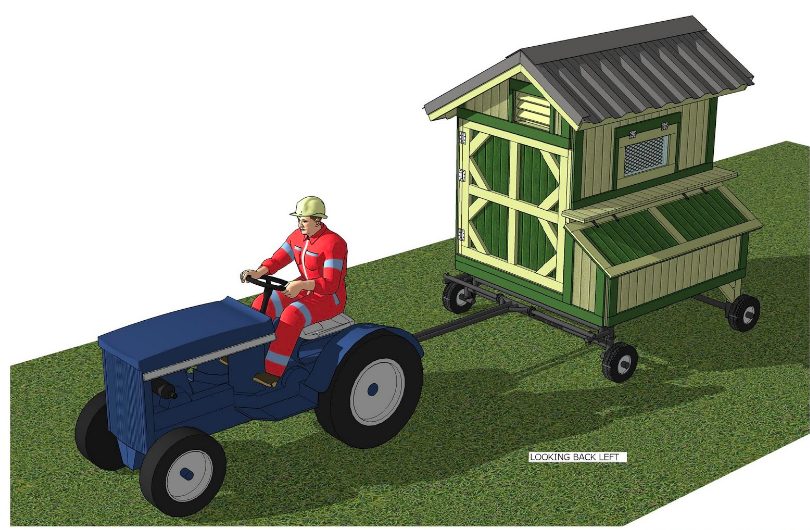
Chicken tractors have gained popularity among poultry enthusiasts and small-scale farmers for their unique advantages over traditional chicken coops. These mobile structures provide a dynamic environment for chickens, promoting their natural behaviors and improving overall welfare. By allowing chickens to forage and roam, chicken tractors can significantly enhance animal health and productivity while also offering cost-effective benefits for the farmer.
One of the central advantages of using chicken tractors is the improvement in chicken welfare. Chickens raised in tractors have access to fresh grass, insects, and other foraging opportunities, which are essential for their physical and mental well-being. This diet mimics their natural behavior and leads to healthier, more vibrant birds. A study conducted by the University of California found that pasture-raised chickens produced eggs with higher omega-3 fatty acids and enhanced flavor due to their varied diet. Furthermore, the mobility of chicken tractors allows for rotation of grazing areas, reducing the risk of disease transmission and eliminating excess waste buildup that often occurs in stationary coops.
Cost-effectiveness of chicken tractors versus permanent housing
When comparing the cost-effectiveness of chicken tractors to traditional permanent chicken housing, several factors must be considered. Chicken tractors typically require lower initial investment costs than building a fixed coop. They can be constructed from repurposed materials or simple designs, making them accessible for those on a budget. Additionally, the mobility of chicken tractors allows farmers to effectively manage land use. This can lead to reduced expenses on feed and maintenance as the chickens forage naturally, thereby minimizing feed costs.
In a typical scenario, a traditional coop may require a considerable one-time investment for structure and installation, along with ongoing costs for bedding, cleaning, and potential pest control. In contrast, chicken tractors can be moved regularly, which mitigates the need for extensive cleaning and sanitization—factors that contribute to ongoing expenditure.
Pest control and natural foraging benefits
Utilizing chicken tractors also provides significant advantages in pest control and natural foraging. Chickens are natural foragers, and their diet includes a variety of pests such as ticks, beetles, and larvae. By deploying chicken tractors strategically across the landscape, farmers can effectively manage pest populations in their gardens and fields. This not only reduces the need for chemical pesticides but also promotes a healthier ecosystem.
Moreover, as chickens forage, they contribute to soil health through their natural behaviors. They scratch the ground, aerating the soil while their droppings provide organic fertilizer, enriching the earth and supporting plant growth. The integration of chickens into a rotational grazing system can lead to improved soil tilth and fertility over time, which can be particularly beneficial for those looking to cultivate crops alongside poultry.
In summary, chicken tractors offer a multifaceted approach to poultry raising that enhances chicken welfare, reduces costs, and contributes positively to pest control and soil health. They provide an efficient and sustainable alternative to traditional chicken coops, aligning with current trends in regenerative agriculture and holistic farming practices.
Maintenance practices for ensuring the longevity of a chicken tractor
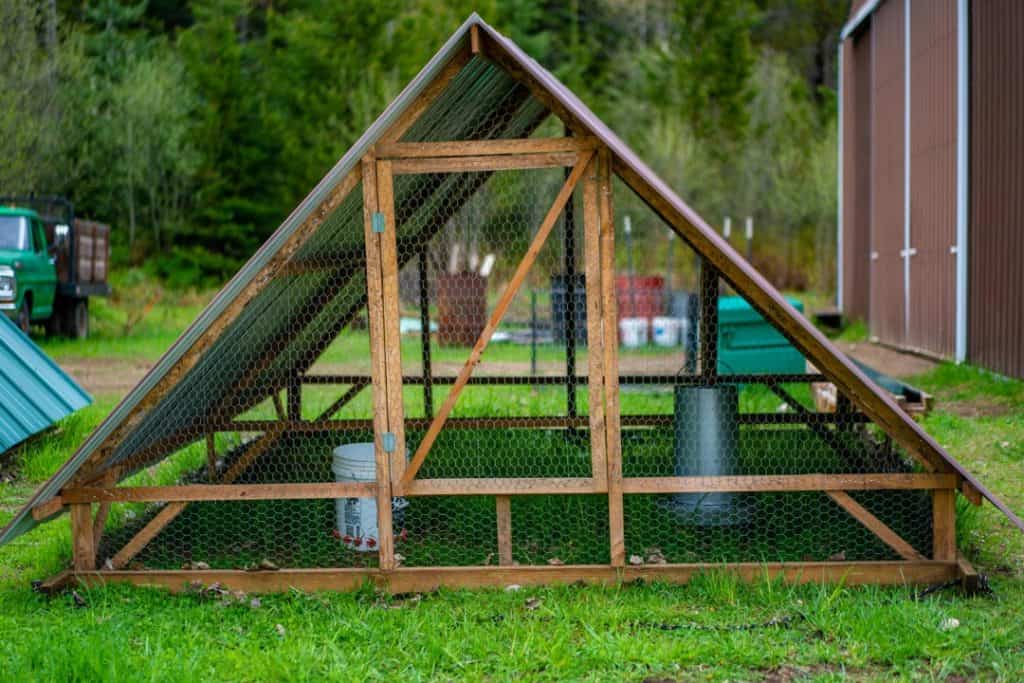
Maintaining a chicken tractor is essential for both the health of the flock and the durability of the structure itself. Regular maintenance practices not only ensure that the chickens are living in a safe and clean environment but also prolong the life of the tractor, saving both time and money in the long run. By following a systematic approach to maintenance, chicken keepers can enjoy a fruitful and sustainable poultry farming experience.
Routine maintenance tasks
Routine maintenance tasks are crucial for the overall upkeep of a chicken tractor. These tasks include checking and maintaining the structural integrity, ensuring proper ventilation, and monitoring the health of the chickens. Here are some key practices to follow:
- Regular inspections: Conduct regular inspections of the chicken tractor’s frame, roof, and wheels. Look for signs of wear and tear, such as rust or cracks, and address them immediately to prevent further damage.
- Painting and sealing: Use non-toxic paint or sealants to protect the wood from moisture and pests. This should be done every couple of years, depending on the weather conditions.
- Hardware check: Inspect all hardware, including hinges, latches, and locks, to ensure they are functioning properly. Replace any damaged or corroded hardware to maintain security and ease of use.
- Feeding and watering systems: Regularly check feeding and watering systems for leaks or blockages. Clean out bowls and containers to prevent algae growth and contamination.
Cleaning and sanitation procedures are vital in protecting the flock’s health. A clean chicken tractor minimizes the risk of disease and promotes a healthy living environment. Here are essential cleaning and sanitation practices:
- Daily cleaning: Remove any uneaten food, droppings, and bedding daily. This prevents the buildup of bacteria and parasites, which can affect the health of your chickens.
- Deep cleaning: Perform deep cleaning at least once a month. This includes scrubbing down walls, floors, and all surfaces with a mild detergent or vinegar solution. Ensure that all areas are rinsed and dried properly.
- Sanitizing: After deep cleaning, use a poultry-safe disinfectant to sanitize surfaces. Make sure to follow the manufacturer’s instructions for proper dilution and application.
- Bedding replacement: Replace bedding material regularly, especially if it becomes damp or dirty. Fresh bedding promotes better hygiene and comfort for the flock.
Importance of regular inspections and repairs
Regular inspections and repairs are integral to maximizing the life of a chicken tractor. By identifying potential issues early on, chicken keepers can prevent minor problems from escalating into major repairs.
“An ounce of prevention is worth a pound of cure.”
Regular checks can help maintain the safety and functionality of the tractor. Here are reasons to prioritize inspections:
- Identify wear and tear: Regular inspections allow you to spot wear and tear before it leads to structural failure. This proactive approach can save both time and money in the long term.
- Pest control: Inspect for any signs of pest infestations, such as rodents or insects. Addressing these issues promptly can prevent significant damage and health hazards.
- Adapting to weather changes: Different weather conditions can affect the condition of your chicken tractor. Regular inspections enable you to make necessary adjustments, such as reinforcing the structure during heavy rains or extreme heat.
Best practices for incorporating chicken tractors into crop rotation systems
Integrating chicken tractors into crop rotation systems can enhance soil health, improve pest management, and increase overall crop yields. Chicken tractors serve as mobile coops that allow chickens to forage and fertilize the land while minimizing the impact on the environment. This method not only benefits the chickens but also enriches the soil, making it a win-win for both the poultry and the crops.
The effectiveness of incorporating chicken tractors into a crop rotation plan hinges on timing and methodology. A well-planned rotation schedule ensures that vegetables and grains benefit from the nutrient-rich manure the chickens leave behind, while the birds also play a role in pest control. For instance, after the harvest of a legume crop, chicken tractors can be moved into that area to allow the chickens to forage on leftover plants, insects, and weeds. This process aids both in cleaning up the site and providing natural fertilizer as the chickens roam.
Timing and methodology for rotating chicken tractors
To maximize the benefits of chicken tractors, it’s essential to align their rotation with planting and harvesting cycles. This involves several key steps:
1. Pre-planting Phase: Prior to planting, chicken tractors should be introduced to the fields where crops will be sown. This timing allows the chickens to fertilize the soil while also consuming any leftover plant matter, resulting in a cleaner and more fertile planting bed.
2. During Crop Growth: As plants begin to grow, the chicken tractors can be rotated to adjacent plots that will not hinder crop development. This method allows for continued pest control and soil enhancement without disrupting the main crops.
3. Post-harvest Phase: After the harvest, immediately move the chicken tractors back onto the same plots to prepare the soil for the next planting cycle. The chickens can help break down any remaining plant debris and provide vital nutrients through their droppings.
In successful systems, such as the one implemented by Joel Salatin at Polyface Farm, chicken tractors are regularly rotated onto different sections of the farm, allowing for controlled grazing in conjunction with crop production. By adhering to this rotation method, they have seen significant improvements in soil health and crop yield.
“The integration of livestock in crop production enriches the ecosystem and leads to sustainable farming practices.”
Another practical example is the use of chicken tractors in organic vegetable farms. Farmers have reported enhanced pest management and improved soil structure, which often translates into higher yields and healthier crops. By carefully planning the movement of chicken tractors, these farmers have adopted a holistic approach, promoting biodiversity and reducing the need for synthetic fertilizers.
Employing chicken tractors in crop rotation systems not only supports sustainable farming practices but also leads to better resource management and improved economic viability for farmers.
The impact of chicken tractors on the well-being of chickens
Raising chickens in a chicken tractor offers numerous behavioral benefits that significantly enhance their overall well-being. By providing a mobile and spacious environment, these structures allow chickens to engage in natural behaviors that are critical for their happiness and health. The opportunity to roam freely and forage not only satisfies their instinctual needs but also reduces stress and promotes a more enjoyable living experience.
Chickens thrive in settings that mimic their natural habitats. Chicken tractors facilitate this by allowing them to scratch, peck, and explore their surroundings. The design encourages movement, which is essential for their physical fitness. A study from the University of California noted that chickens raised in mobile systems exhibit higher levels of activity compared to those confined in static setups. This increased activity leads to improved muscle development and cardiovascular health, reducing the risk of obesity-related issues.
Behavioral benefits and their effects on health
The behavioral improvements seen in chickens raised in chicken tractors stem from various contributing factors that promote both mental and physical health. Key aspects include:
- Access to natural forage: Chickens in tractors can engage in foraging behaviors, such as scratching for bugs and pecking for seeds. This not only provides them with a varied diet but also stimulates their minds, leading to lower stress levels.
- Increased space for movement: Having more space to move around encourages exercise. Active chickens are generally healthier, with better muscle tone and lower obesity levels.
- Social interactions: A mobile environment allows for natural social hierarchies to form. Chickens can establish their pecking order in a more dynamic setting, which is crucial for their mental well-being.
- Reduced boredom: The movement of the tractor to fresh ground provides new foraging opportunities, preventing boredom and associated behavioral issues like feather pecking.
The influence of chicken tractors extends beyond behavioral aspects to tangible outcomes such as egg production and meat quality. Research indicates that hens raised in mobile environments often produce eggs with higher nutritional value and better shell quality. A study published in the Journal of Applied Poultry Research found that eggs from free-range systems, which mimic the conditions of chicken tractors, had higher omega-3 fatty acid content compared to those from conventional systems.
In terms of meat quality, chickens that have access to varied diets and the opportunity to roam tend to develop superior flavor profiles and texture. The natural foraging leads to a more balanced diet rich in nutrients, which is reflected in the quality of the meat. Furthermore, stress reduction in chickens results in lower levels of cortisol, contributing to more tender and flavorful meat.
In summary, the impact of chicken tractors on the well-being of chickens is profound, enhancing their physical health, promoting natural behaviors, and leading to superior egg production and meat quality. The benefits of mobility-based systems cannot be overstated when considering the overall health and happiness of these birds.
Challenges faced when using chicken tractors in different climates
The effectiveness of chicken tractors can be heavily influenced by the local climate, presenting various challenges for farmers. Different weather conditions, such as extreme heat, cold, or wetness, can significantly impact the health of the chickens and the overall functionality of the tractor. Understanding these challenges is crucial for optimizing chicken tractor use across diverse environments, ensuring the welfare of the birds and the success of the farming operation.
Climatic conditions play a vital role in the efficacy of chicken tractors. In hot climates, heat stress can lead to decreased egg production, reduced feed intake, and even mortality. Chickens require adequate ventilation and shade to thrive in high temperatures. Conversely, in cold climates, extreme cold can pose serious risks to the chickens, leading to frostbite and reduced laying rates. Wet climates introduce challenges such as mud and waterlogged ground, which can lead to health issues for the chickens and create difficulties in maintaining the tractor’s mobility.
Design modifications for climate adaptation
Tailoring chicken tractor designs to specific climates can greatly enhance their effectiveness. Here are some strategies for modifying designs:
- Hot Climates: Incorporate breathable materials for better airflow and include shaded areas within the tractor. Adding a misting system can help cool the chickens during peak temperatures.
- Cold Climates: Use insulated materials to retain heat and provide adequate bedding to keep the chickens warm. Installing windbreaks can also shield the tractor from harsh winds.
- Wet Climates: Design raised floors to prevent water accumulation and use materials that are resistant to moisture. Implementing drainage systems around the tractor can help mitigate flooding issues.
Innovative farmers have developed unique solutions to address these climate-related challenges. For instance, in arid regions, some farmers have successfully used solar panels on their chicken tractors to power fans for ventilation. This not only provides cooling but also creates an eco-friendly energy solution. In colder areas, a farmer in Canada designed a chicken tractor with a double-walled structure that traps heat efficiently, ensuring the chickens remain warm even during freezing temperatures. These examples highlight the ingenuity within the farming community to adapt chicken tractors for optimal performance in various climates.
Innovations in chicken tractor designs and technology
The evolution of chicken tractors has been remarkable, with new designs and technologies emerging to enhance efficiency, sustainability, and animal welfare. As the demand for local, organic poultry increases, innovations in materials and technology have become crucial in modern poultry farming. These advancements not only contribute to the health and productivity of the chickens but also offer solutions that align with the principles of smart farming.
Advancements in Materials and Structural Design
Recent innovations in materials for chicken tractors have significantly improved durability and functionality. Traditionally, chicken tractors were often constructed from wood, which, while readily available, can warp or deteriorate over time. Today, farmers are increasingly utilizing weather-resistant materials such as galvanized steel and high-density polyethylene (HDPE). These materials not only offer enhanced longevity but also reduce the need for frequent repairs and replacements.
In addition to materials, design innovations have focused on improving mobility and ease of use. Modern chicken tractors often feature lightweight, foldable structures that allow for easy maneuverability. Some designs incorporate wheels or skids, enabling farmers to relocate the tractor without heavy lifting, thus minimizing physical strain. The integration of solar panels into chicken tractor designs is another transformative innovation, providing a sustainable energy source for lighting or heating, especially in colder climates.
Incorporation of Automation and Smart Technology
Automation and smart farming practices are becoming increasingly prevalent in chicken tractor management. Equipped with IoT (Internet of Things) devices, farmers can monitor environmental conditions such as temperature, humidity, and air quality inside the tractor. These smart sensors offer real-time data, enabling proactive management of the chickens’ living environment. For instance, when the temperature rises, automated ventilation systems can kick in to maintain optimal conditions, ensuring the chickens remain comfortable and healthy.
Furthermore, automated feeding systems can be integrated into chicken tractors to dispense food at scheduled intervals, ensuring that the chickens receive the right amount of nutrition without the need for constant human intervention. This not only reduces labor costs but also ensures consistency in feeding, which is critical for maintaining flock health.
Comparative Analysis of Traditional and Modern Designs
While traditional chicken tractors have served farmers well for decades, modern innovations present significant benefits that enhance both productivity and animal welfare. Traditional designs often lack mobility and can be cumbersome to relocate. In contrast, modern designs prioritize efficiency, with features such as easy-pivot wheels and lightweight materials that allow for quick repositioning.
Moreover, the integration of technology in modern chicken tractors allows for a higher level of management flexibility. Traditional methods often rely on manual practices, which can be labor-intensive and less precise. Modern technologies enable farmers to collect data and make informed decisions based on real-time insights, improving overall flock management.
The transition from traditional to modern chicken tractor designs ultimately reflects a shift towards more sustainable and efficient farming practices. By embracing these innovations, farmers can not only increase production but also contribute to a more humane and environmentally friendly approach to poultry farming.
Ultimate Conclusion
In conclusion, chicken tractors represent a forward-thinking method of integrating livestock into sustainable farming systems. They not only enhance chicken welfare and productivity but also contribute positively to soil health and pest management. By adopting chicken tractors, farmers can enjoy the dual benefits of improved crop yields and a healthier environment, paving the way for a more sustainable future in agriculture.
FAQ Summary
What is a chicken tractor?
A chicken tractor is a portable chicken coop that allows chickens to graze on grass and forage for insects while providing protection from predators.
How does a chicken tractor improve soil health?
Chicken tractors enhance soil health by allowing chickens to scratch and fertilize the ground, promoting nutrient cycling and encouraging healthy plant growth.
Can chicken tractors be used in all climates?
While chicken tractors can be adapted for various climates, modifications may be necessary to ensure comfort and protection against extreme weather conditions.
Are chicken tractors cost-effective?
Yes, chicken tractors can be more cost-effective compared to traditional coops, reducing the need for permanent structures and allowing for lower feed costs through natural foraging.
How often should I move my chicken tractor?
It’s recommended to move the chicken tractor every few days to allow chickens to access fresh grass and reduce soil degradation.