
 Valerie Eden
As Biosecurity for chickens takes center stage, it is essential to understand the critical measures that protect our feathered friends from diseases. Poultry farming offers immense rewards, yet it also presents significant risks, necessitating robust biosecurity protocols. These practices not only safeguard the health of chicken populations but also ensure the sustainability of the farming industry by preventing costly outbreaks that can devastate entire flocks.
By implementing effective biosecurity measures, farmers can significantly reduce the risk of diseases such as avian influenza and Newcastle disease, which can spread rapidly in crowded environments. This overview dives into the core principles of biosecurity, illustrating how small adjustments in daily routines can create a strong defense against potential threats, ultimately leading to healthier chickens and more profitable operations.
Understanding the Importance of Biosecurity for Chickens
In the realm of poultry farming, biosecurity is a cornerstone practice that significantly influences the health and productivity of chicken flocks. Biosecurity refers to the measures taken to prevent the introduction and spread of infectious diseases among livestock. For chicken farmers, implementing effective biosecurity strategies is not merely a precaution; it is essential for ensuring the welfare of their birds and the overall success of their farming operations.
The significance of biosecurity in poultry farming extends beyond the immediate health of the birds. By preventing disease outbreaks, farmers can maintain a stable supply of chickens, which is crucial for both local and global markets. Diseases such as avian influenza and Newcastle disease can decimate flocks within a short time frame, leading to substantial economic losses and a decrease in food supply. Effective biosecurity measures can act as a shield, safeguarding flocks from such threats and ensuring a healthier and more productive farming environment.
Effective Biosecurity Measures and Disease Prevention
A comprehensive biosecurity program encompasses several key practices that, when adhered to, can significantly reduce the risk of disease outbreaks among chicken flocks. The importance of these practices cannot be overstated, as they form the first line of defense against pathogenic organisms.
One of the most critical components of biosecurity is controlling access to poultry facilities. Ensuring that only authorized personnel enter the premises minimizes the risk of disease transmission. This can be achieved by implementing visitor logs, requiring protective clothing, and establishing footbaths or hand sanitizers at entry points.
Another vital aspect is maintaining cleanliness and hygiene within the housing environment. Regular cleaning and disinfecting of equipment, feed storage areas, and drinkers help reduce the presence of pathogens. It’s also crucial to separate new or returning birds from established flocks for a period of time, allowing for observation and potential quarantine.
Additionally, vaccination programs play a pivotal role in biosecurity. Vaccines can protect chickens from prevalent diseases such as Marek’s disease, infectious bronchitis, and coryza, which can lead to significant mortality and production losses if not managed effectively.
Common diseases that biosecurity practices help control in chickens include:
- Avian Influenza: Highly contagious, it can cause severe outbreaks with high mortality rates.
- Newcastle Disease: A viral illness that can spread rapidly, causing respiratory distress and neurological symptoms.
- Marek’s Disease: A viral infection leading to tumors and paralysis, particularly in unvaccinated birds.
- Coryza: A bacterial disease affecting the upper respiratory tract, leading to decreased productivity.
By understanding and implementing these biosecurity measures, farmers can significantly mitigate the risks associated with poultry production. Investing time and resources in biosecurity not only protects the health of the birds but ultimately secures the livelihood of poultry farmers and contributes to food security on a larger scale.
Basic Biosecurity Practices for Chicken Farmers
Maintaining a healthy flock of chickens is paramount for any poultry farmer, whether small-scale or commercial. Biosecurity practices are essential to prevent disease introduction and spread. By implementing these practices, farmers can protect their chickens from infectious diseases that could lead to financial loss and compromised animal welfare.
Effective biosecurity begins with assessing the risks associated with poultry farming. Farmers must recognize potential sources of disease and take proactive measures to mitigate these risks. This includes controlling access to the farm, ensuring proper sanitation, and monitoring the health of the flock. Each element of a biosecurity plan plays a crucial role in maintaining a safe environment for poultry.
Essential Components of a Biosecurity Plan
A comprehensive biosecurity plan should encompass several key components. These components help to establish a robust defense against diseases:
- Control of Access: Restricting entry to the farm ensures that only authorized personnel and necessary visitors can access the chickens. Signage indicating biosecurity protocols is beneficial.
- Sanitation Protocols: Regular cleaning and disinfection of equipment, vehicles, and footwear minimize disease transmission. Utilizing footbaths and hand sanitizers is highly recommended.
- Health Monitoring: Daily health checks of the flock can help identify any signs of illness early. Sick birds should be isolated to prevent disease spread.
- Wildlife Management: Protecting the flock from wild birds and other animals is vital, as they can carry diseases. Physical barriers and netting can help keep unwanted wildlife away.
- Feed and Water Safety: Ensure that feed is stored securely and that water sources are clean and regularly maintained to prevent contamination.
Implementing these components creates an effective biosecurity framework that can significantly reduce disease risks on a poultry farm.
Creating a Daily Biosecurity Checklist
A daily biosecurity checklist is an effective tool for poultry farmers to ensure all biosecurity measures are consistently followed. This checklist serves as a reminder of essential tasks that need to be performed regularly.
Example of a daily biosecurity checklist could include:
“Daily monitoring and proactive measures are key to maintaining flock health.”
- Check and record the health status of each flock.
- Inspect and clean feeding and watering equipment.
- Sanitize footwear and equipment before entering and leaving the chicken area.
- Ensure all access points are secured and verify that unauthorized individuals are not present.
- Monitor and record any signs of wildlife in and around the farm.
- Review and replace any disinfection solutions used in footbaths.
By adhering to this checklist daily, farmers can ensure that their biosecurity protocols are effectively maintained, fostering a healthier environment for their chickens and reducing the potential for disease outbreaks.
The Role of Vaccination in Chicken Biosecurity
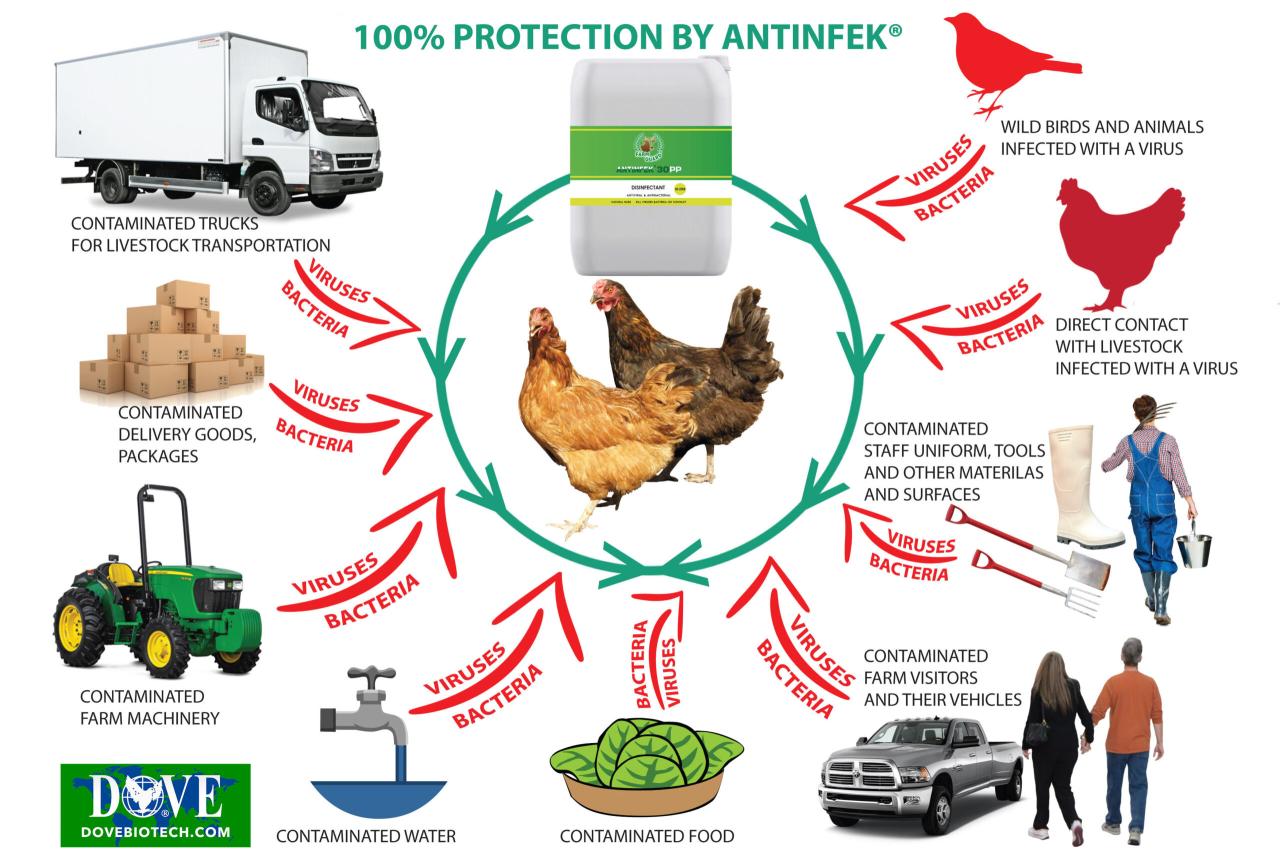
Vaccination plays a crucial role in the biosecurity of poultry farms, acting as a frontline defense against various infectious diseases that can devastate chicken populations. By integrating vaccination into a comprehensive biosecurity plan, poultry producers can safeguard flock health and maintain productivity. This proactive approach helps minimize the potential spread of pathogens, ensuring healthier chickens and a more sustainable operation.
Vaccination strategies are pivotal in controlling diseases that threaten poultry health. Vaccines stimulate the immune system, helping chickens to build a defense against specific pathogens. This relationship between vaccination and biosecurity cannot be overstated; while biosecurity measures, such as proper sanitation, restricted access to farm areas, and pest control, aim to prevent the introduction of diseases, vaccination prepares the flock to respond effectively should an infection occur. Together, these practices create a robust barrier against the threats that chickens face.
Types of Vaccines Commonly Used in Chickens
A variety of vaccines are utilized in poultry farming, each targeting specific diseases that can affect chickens. The importance of these vaccines in maintaining biosecurity cannot be overlooked. Vaccination not only protects individual birds but also contributes to the overall health of the flock, thereby reducing the risk of outbreaks. Some common types of vaccines include:
- Live Attenuated Vaccines: These vaccines contain weakened forms of the pathogens, stimulating a strong immune response without causing the disease. Examples include vaccines for Marek’s disease and Newcastle disease.
- Inactivated Vaccines: These are made from killed pathogens and are typically used for diseases such as avian influenza and infectious bursal disease. While they may require boosters, they provide effective immunity.
- Subunit Vaccines: These vaccines consist of specific proteins from the pathogen, offering targeted immunity. They are used for diseases like fowl pox and can be very effective in preventing outbreaks.
- DNA Vaccines: An emerging technology in poultry health, DNA vaccines introduce genetic material from pathogens to induce an immune response without using the live pathogen itself.
Implementing the right vaccination program is essential for biosecurity, as it not only protects the flock from specific diseases but also contributes to the overall health management strategy of the poultry operation.
Monitoring Vaccination Effectiveness Within a Flock
To ensure that vaccination programs are effective, ongoing monitoring of the flock’s immune status is vital. Several methods can be employed to assess vaccine efficacy and ensure that birds are receiving the intended protection:
- Serological Testing: Blood samples from chickens can be tested to measure antibody levels against specific pathogens. This helps determine whether the birds have developed adequate immunity after vaccination.
- Clinical Observations: Regular monitoring of flock health for signs of disease can indicate whether vaccinations are effective. A noticeable decline in disease incidence suggests successful vaccination programs.
- Production Records Analysis: By reviewing growth rates, egg production, and overall flock performance, producers can assess the impact of vaccination on the flock’s health and productivity.
- Field Trials and Studies: Conducting field studies to compare vaccinated versus unvaccinated flocks can provide valuable data on the effectiveness of specific vaccines in real-world scenarios.
Monitoring vaccination effectiveness is a critical aspect of biosecurity measures, ensuring that the interventions remain relevant and effective in protecting the chickens from infectious diseases.
Environmental Factors Impacting Chicken Biosecurity
Biosecurity for chickens is a critical aspect of poultry farming that helps prevent the spread of diseases. However, environmental factors significantly influence the effectiveness of these measures. Weather conditions, geographical location, and seasonal changes can all play a role in the health of a chicken flock and the implementation of biosecurity protocols. Understanding these factors allows farmers to adapt their practices accordingly and maintain the well-being of their chickens.
The interplay between environmental factors and biosecurity is complex. Weather influences the prevalence of disease-carrying organisms, while the location can affect the risk of exposure to wildlife and domestic animals that may harbor pathogens. For example, wet and humid conditions can promote the growth of harmful bacteria and viruses, increasing the likelihood of disease outbreaks within a flock. On the other hand, dry and windy conditions may help reduce some of these risks. Farmers should be aware of their climate and the specific diseases that may thrive in those conditions.
Adapting Biosecurity Practices Based on Seasonal Changes
Seasonal changes can bring about significant fluctuations in the risks associated with chicken biosecurity. During certain seasons, specific disease threats may become more prevalent. Implementing adaptive biosecurity measures is essential to mitigate these risks effectively.
Farmers should consider the following practices to enhance biosecurity throughout the year:
- Winter: In colder months, it’s crucial to keep chickens indoors to protect them from extreme temperatures and reduce contact with wild birds, which are carriers of diseases like avian influenza. Regular cleaning and disinfecting of coops become even more important to prevent the buildup of pathogens.
- Spring: As temperatures rise, increased insect activity can raise the risk of spreading diseases. Farmers should implement fly control measures, such as traps or insecticides, to reduce the risk of insects transmitting pathogens.
- Summer: During hot months, ensure adequate ventilation in coops to reduce heat stress, which can make chickens more susceptible to diseases. Regular monitoring for signs of respiratory issues is vital, as heat stress can exacerbate them.
- Autumn: With the changing season, wildlife activity may increase as animals prepare for winter. Farmers should monitor the perimeter of their chicken enclosures to ensure that fencing is secure and to detect any signs of wildlife intrusion.
The relationship between biosecurity and surrounding wildlife and domestic animals cannot be overstated. Wildlife, such as birds and mammals, can introduce diseases to chicken flocks. Therefore, creating a buffer zone around chicken coops and enclosures can limit contact with wild animals. Additionally, domestic animals like dogs and cats can also pose biosecurity risks if they have access to the chicken area. Farmers need to manage these interactions carefully by training pets to avoid chicken enclosures and ensuring that any visiting animals are healthy and vaccinated.
“Proactive biosecurity measures are essential in safeguarding poultry health and productivity, especially in areas with high wildlife interaction.”
Training and Education on Biosecurity for Poultry Workers
Training and education are essential components in maintaining biosecurity within poultry operations. Effective training programs equip poultry workers with the necessary knowledge and skills to prevent disease outbreaks, ensuring the health of both birds and the overall industry. By focusing on biosecurity practices, such training not only protects the livestock but also safeguards the livelihoods of those involved in poultry farming.
Designing a Comprehensive Training Program
A well-structured training program is foundational in promoting biosecurity awareness among poultry workers. The program should include the following key components:
- Introduction to Biosecurity: Workers should be introduced to the concept of biosecurity, its importance in disease prevention, and the potential economic impact of disease outbreaks. This segment can include case studies of outbreaks and their consequences.
- Identifying Risks: Training should cover common biosecurity risks associated with poultry farming, such as contact with wild birds, equipment contamination, and human traffic. Workers must learn to recognize these threats in their daily routines.
- Standard Operating Procedures (SOPs): Workers must be familiarized with SOPs that Artikel specific biosecurity practices, including proper sanitation protocols, visitor management, and feed handling guidelines.
- Hands-On Training: Incorporating practical, hands-on training sessions enhances understanding. This could involve practicing cleaning procedures, using personal protective equipment (PPE), and setting up biosecurity barriers.
- Monitoring and Reporting: Workers should learn how to monitor flock health and recognize signs of disease. Emphasizing the importance of reporting unusual findings promptly can significantly aid in early detection and control.
- Regular Refresher Courses: To reinforce knowledge, ongoing training sessions should be scheduled regularly. This ensures that workers stay updated on best practices and emerging threats.
Educating farm staff about biosecurity protocols is crucial for several reasons. Firstly, informed employees are more likely to adhere to established protocols, thus minimizing the risk of disease introduction and spread. Secondly, when staff understand the rationale behind biosecurity measures, they are better motivated to comply with them. This engagement fosters a culture of responsibility and vigilance on the farm.
Assessing the Effectiveness of Biosecurity Training
Evaluating the effectiveness of biosecurity training is key to ensuring that the objectives of the program are being met. Several methods can be employed to assess this:
- Pre- and Post-Training Assessments: Conducting knowledge assessments before and after training sessions can quantify learning gains and identify areas that may require additional focus.
- Observational Assessments: Supervisors can perform regular observations of workers implementing biosecurity practices. This practical assessment provides insights into actual behavior compared to knowledge gained during training.
- Feedback Surveys: Collecting feedback from trainees regarding the training’s content, delivery, and applicability can help in refining future training sessions.
- Monitoring Disease Incidence: Analyzing incidence rates of disease outbreaks before and after implementing training can indicate the overall impact of the program on reducing risks.
Incorporating these evaluation methods ensures that training remains relevant and effective, adapting to the ever-changing landscape of poultry health management. By committing to ongoing education, poultry operations can significantly enhance their biosecurity measures, leading to healthier birds and more sustainable farming practices.
Technology and Innovation in Enhancing Biosecurity for Chickens
The evolution of technology has significantly transformed various sectors, and poultry farming is no exception. As biosecurity becomes increasingly crucial in protecting chicken populations from diseases, innovative technological advancements play a pivotal role. These advancements not only aid in disease prevention but also enhance overall farm management and productivity. The integration of technology in biosecurity practices improves monitoring, data collection, and response strategies, making it easier for farmers to maintain healthy environments for their flocks.
One of the most notable advancements in biosecurity for chickens is the integration of digital tools that streamline monitoring and management practices. These tools assist farmers in tracking various parameters related to flock health, environmental conditions, and biosecurity adherence. With the rise of the Internet of Things (IoT), smart sensors are being deployed on farms to monitor factors such as temperature, humidity, and ammonia levels in real-time. This data provides farmers with actionable insights to make informed decisions that enhance biosecurity measures.
Digital Tools for Biosecurity Monitoring
Implementing digital tools can significantly enhance biosecurity protocols on chicken farms. These tools offer farmers the capability to keep track of biosecurity practices, ensuring that they adhere to the necessary standards to protect their flocks. Some examples of these technologies include:
- Poultry Management Software: Solutions like PoultryPal and ChickMaster provide comprehensive platforms for managing flock health, vaccination schedules, and overall farm operations. These software programs allow farmers to record vital health data and monitor disease outbreaks effectively.
- Mobile Applications: Apps such as Vet-AI enable farmers to consult veterinary experts remotely, facilitating quick diagnosis and treatment recommendations. This immediacy can help in identifying potential biosecurity breaches before they escalate.
- Automated Biosecurity Systems: Technologies like UV disinfectant robots are being utilized to sanitize poultry housing automatically. These systems ensure that pathogens are reduced significantly without manual labor, enhancing the overall hygiene of the farm environment.
The future of biosecurity in poultry farming is likely to be marked by even more innovative solutions. With advancements in artificial intelligence and machine learning, predictive analytics can be utilized to forecast potential disease outbreaks. By analyzing historical data and environmental factors, AI models can provide insights into when and where disease risks might arise.
Moreover, the development of blockchain technology may revolutionize traceability in the poultry industry. By ensuring that every movement of chickens and their products is documented and easily accessible, blockchain can enhance transparency and accountability, making it easier to manage biosecurity protocols.
“The integration of advanced technologies in poultry farming not only enhances biosecurity but also ensures sustainable practices that can withstand the challenges of modern agriculture.”
As the industry continues to evolve, the focus will be on creating resilient farm systems that can adapt to changing conditions. Innovations such as gene editing technologies may also play a role in developing disease-resistant chicken breeds, further enhancing biosecurity measures. By embracing these technological advancements, farmers can ensure the health of their chickens while promoting efficient and sustainable farming practices.
Evaluating the Economic Impact of Biosecurity Measures
The implementation of biosecurity measures in poultry farming is not merely a health necessity but also a strategic economic decision. Strong biosecurity protocols can significantly influence the financial viability of a farm, as they help mitigate the risk of disease outbreaks that can devastate poultry populations. Understanding the economic impact of these measures allows farmers to make informed choices that balance costs with potential returns.
Investing in biosecurity measures entails various costs, including infrastructure improvements, personnel training, and ongoing monitoring and compliance. However, these expenses must be weighed against the potential losses caused by disease outbreaks, which can result in the culling of infected flocks, loss of market access, and severe reputational damage. The economic implications of an outbreak can be staggering, with studies suggesting that disease-related losses in poultry can range from thousands to millions of dollars, depending on the scale of the operation and the type of disease involved.
Cost-Benefit Analysis of Biosecurity Investments
To better understand the financial implications, it is essential to conduct a thorough cost-benefit analysis of biosecurity investments. The following points illustrate the economic outcomes associated with implementing stringent biosecurity measures:
- Initial Investment: Costs related to building secure facilities, purchasing disinfectants, and investing in farmworker training can amount to several thousand dollars.
- Ongoing Operational Costs: Regular maintenance of biosecurity practices, such as cleaning and health monitoring, require continual financial commitment.
- Potential Savings from Outbreak Prevention: Effective biosecurity can prevent losses that may exceed $100,000 during an outbreak, depending on flock size and market value. This highlights the importance of investing in preventive measures.
- Insurance Premiums: Farms with robust biosecurity practices may benefit from lower insurance premiums, which can offset some operational costs.
- Market Access: Adhering to biosecurity standards often opens doors to premium markets that prioritize disease-free poultry, enhancing profitability.
A notable case study that exemplifies the economic benefits of strong biosecurity practices can be observed in a poultry farm in Georgia, which implemented a comprehensive biosecurity program. Initially investing $50,000 in infrastructure and training, the farm experienced a significant decrease in disease-related incidents. Over a five-year period, the farm reported increased profits of approximately $250,000, attributed to fewer disease outbreaks, lower operational costs, and enhanced market access. This case underscores that while the initial investment in biosecurity can be substantial, the long-term financial benefits far outweigh the costs, demonstrating that biosecurity is not just a health measure but a smart economic strategy for poultry farmers.
Last Word
In conclusion, prioritizing biosecurity for chickens is not just about preventing disease; it’s an investment in the future of poultry farming. By adopting essential practices, participating in vaccination programs, and leveraging technology, farmers can maintain their flocks’ health while enhancing their economic viability. As we look ahead, the continuous evolution of biosecurity measures will play a pivotal role in ensuring that poultry farming remains resilient and sustainable in an ever-changing environment.
FAQ Section
What are the basic biosecurity measures for chickens?
Basic measures include limiting farm access, using clean clothing and footwear, sanitizing equipment, and monitoring health regularly.
How often should I clean chicken coops?
Cleaning should ideally occur weekly, with more frequent cleaning during warmer months to manage bacteria and parasites.
Can wild birds affect chicken health?
Yes, wild birds can carry diseases that affect chickens, so it’s important to minimize their access to chicken areas.
Do I need to vaccinate all my chickens?
Vaccination is recommended for all chickens, especially in areas prone to specific poultry diseases to ensure herd immunity.
What should I do if I suspect a disease outbreak?
Isolate affected birds immediately and contact a veterinarian or local agricultural extension for advice on testing and management.