
 Valerie Eden
Poultry vaccination is crucial for maintaining healthy flocks and ensuring sustainable poultry production. By protecting birds from various diseases, vaccination plays a vital role in enhancing the welfare of poultry and the economic stability of farmers. With the rising awareness about biosecurity, poultry vaccination has become a key factor in preventing outbreaks that can devastate entire farms.
Understanding the types of vaccines available, the diseases they prevent, and how to implement effective vaccination programs is essential for any poultry farmer. Vaccination not only safeguards poultry health but also contributes to the overall productivity and profitability of the industry.
Understanding the Importance of Poultry Vaccination
Poultry vaccination plays a crucial role in protecting flocks from various diseases that can threaten both the health of the birds and the economic stability of farmers. Effective vaccination strategies not only mitigate the risk of outbreaks but also enhance the overall productivity of poultry operations. By understanding the significance of vaccination, we can appreciate its impact on animal welfare, food security, and agricultural economies.
Vaccination is a fundamental component of disease control and prevention among poultry flocks. Vaccines stimulate the immune system, helping birds to fend off infections that could otherwise lead to serious health issues or mortality. By ensuring that flocks are vaccinated, farmers can significantly reduce the incidence of prevalent diseases such as Avian Influenza, Newcastle Disease, and Marek’s Disease. This is not just about keeping chickens healthy; it’s about maintaining a resilient food supply chain.
Economic Impact of Vaccination on Poultry Production
The economic viability of poultry farming is closely tied to effective vaccination programs. When birds are protected from diseases, the benefits extend beyond mere survival; they encompass increased productivity and profitability for farmers. Vaccination helps in maintaining flock health, which in turn leads to better feed conversion rates, improved egg production, and higher weight gains in broilers.
To illustrate the economic advantages, consider the following statistics:
- The global poultry vaccination market was valued at approximately $1.4 billion in 2020 and is expected to grow steadily as more producers recognize the value of preventive health measures.
- Farmers who implement vaccination in their poultry operations can experience reductions in mortality rates by up to 80%, translating to significant financial savings.
- A study found that vaccinated flocks produced 20% more eggs with less feed input compared to unvaccinated flocks, reinforcing the connection between vaccination and efficiency.
The economic implications of vaccination reflect not only in reduced losses due to disease but also in the overall productivity gains that enhance the livelihoods of farmers.
“An ounce of prevention is worth a pound of cure.”
The effectiveness of vaccines in preventing disease outbreaks has been demonstrated through various case studies. For instance, the successful eradication of Marek’s Disease in the United States showcases how widespread vaccination can lead to healthier birds and a robust poultry industry. By prioritizing vaccination, farmers can ensure sustainability in their operations, ultimately contributing to global food security and economic stability within the agricultural sector.
Common Diseases Prevented by Poultry Vaccination
Vaccination plays a crucial role in maintaining the health and productivity of poultry. It not only helps prevent major diseases but also ensures the overall welfare of the flock. Understanding the common diseases that can be effectively managed through vaccination is essential for poultry farmers. By implementing a proper vaccination schedule, farmers can significantly reduce the incidence of these diseases, leading to healthier birds and improved productivity.
The poultry industry faces numerous diseases that can severely impact bird health and productivity. Vaccination is a proven strategy to combat these threats. Some of the major diseases prevented by vaccination include Marek’s Disease, Newcastle Disease, Infectious Bursal Disease (IBD), and Avian Influenza. Each of these diseases presents distinct symptoms and potential consequences for poultry health.
Marek’s Disease
Marek’s Disease is a viral infection caused by the Marek’s Disease virus (MDV). This disease is characterized by tumors in various organs and nerves, which leads to paralysis and other severe health issues. Symptoms include lethargy, weight loss, and difficulty walking. Infected birds may also exhibit a dropped wing posture or a change in feather color. The consequences of Marek’s Disease can be profound, with high mortality rates and reduced flock productivity.
Vaccination against Marek’s Disease is typically administered to chicks at one day of age. This early intervention is crucial, as it provides immunity during the critical early life stages of the birds.
Newcastle Disease
Newcastle Disease is a contagious viral disease that affects various bird species. Symptoms range from respiratory distress, such as coughing and nasal discharge, to neurological signs, including tremors and paralysis. The severity of the disease can lead to significant mortality rates and economic losses in poultry production.
Vaccination schedules for Newcastle Disease often include a live vaccine administered at 2-3 weeks of age, followed by a booster shot with an inactivated vaccine at 8-10 weeks. This two-pronged approach helps ensure robust immunity throughout the birds’ productive life.
Infectious Bursal Disease (IBD)
Infectious Bursal Disease primarily targets the immune system of young birds, leading to immunosuppression. Symptoms include depression, diarrhea, and swelling of the bursa. The impact of IBD can be severe, resulting in increased susceptibility to other infections and ultimately affecting overall flock health and productivity.
Vaccination against IBD is typically performed in two doses: the first dose is given at 3-4 weeks of age with a live vaccine, followed by a booster at 6-8 weeks using an inactivated vaccine. This schedule helps protect birds during their most vulnerable stages.
Avian Influenza
Avian Influenza, commonly known as bird flu, is a highly contagious viral infection that can affect both domestic and wild birds. Symptoms can vary widely, from mild respiratory signs to severe systemic illness. Infected flocks may experience sudden death, reduced egg production, and a host of other health issues, posing significant risks to poultry farming.
Vaccination strategies for Avian Influenza depend on the strain present in the area. Typically, vaccines are administered to layers and broilers at 4-6 weeks of age, followed by regular boosters every 4-6 months to ensure adequate protection against circulating strains.
Vaccination plays a vital role in safeguarding the health of poultry, ensuring their productivity and welfare.
Types of Vaccines Used in Poultry
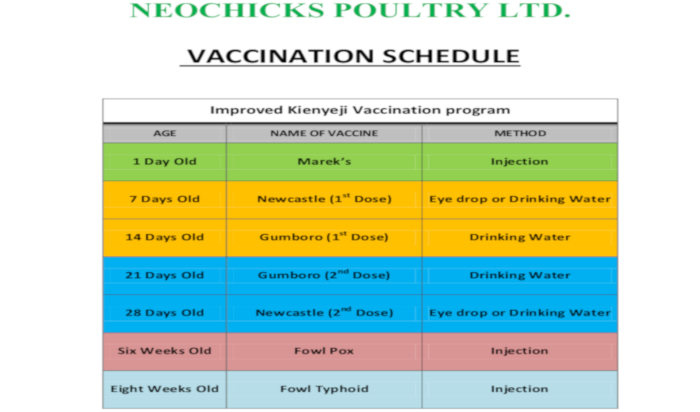
In the poultry industry, vaccination plays a crucial role in maintaining bird health and preventing disease outbreaks. Different types of vaccines are available, each tailored to combat specific pathogens affecting poultry. Understanding these vaccine types aids poultry producers in making informed decisions about vaccination strategies.
Poultry vaccines can be categorized into three main types: live, inactivated, and recombinant vaccines. Each type has distinct characteristics, advantages, and drawbacks, making them suitable for various disease prevention scenarios.
Comparison of Vaccine Types
The effectiveness, cost, and administration methods of each vaccine type significantly influence their application in poultry health management. Below is a detailed comparison based on these factors:
| Vaccine Type | Effectiveness | Cost | Administration Methods | Pros | Cons |
|---|---|---|---|---|---|
| Live Vaccines | Highly effective with strong immune response | Generally low | Oral, intranasal, or subcutaneous |
|
|
| Inactivated Vaccines | Moderately effective, often requires boosters | Moderate to high | Intramuscular or subcutaneous |
|
|
| Recombinant Vaccines | Variable effectiveness, depends on the target | High | Intranasal, oral, or intramuscular |
|
|
The choice of vaccine should be guided by factors such as the specific diseases prevalent in the flock, cost considerations, and the overall health management strategy.
Developing a Vaccination Program for Poultry
Creating an effective vaccination program for poultry is essential for maintaining the health and productivity of your flock. A well-structured program helps prevent disease outbreaks, enhances growth rates, and ensures the overall well-being of the birds. This guide will walk you through the steps to craft a comprehensive vaccination strategy tailored to your specific needs.
When developing a vaccination program, it is crucial to consider various factors that can influence the effectiveness of your schedule. The age of your birds, the breed they belong to, and the prevalence of diseases in your region all play significant roles in determining when and how to vaccinate your flock. Understanding these factors will enable you to create a program that offers optimal protection against common poultry diseases.
Step-by-Step Guide to Developing a Vaccination Program
Establishing a vaccination program involves several key steps that ensure thorough planning and execution. Here’s a detailed guide to help you navigate this process:
- Assess Your Flock’s Health Needs: Begin by evaluating the health status of your current flock. Identify any existing health issues or vulnerabilities that may require immediate attention.
- Consult with a Veterinarian: Engage a poultry veterinarian to discuss the specific diseases that are prevalent in your area. They can help tailor the vaccination program to suit your flock’s needs.
- Identify Recommended Vaccines: Based on the consultation, compile a list of recommended vaccines. Common vaccines for poultry include those for Newcastle disease, Marek’s disease, and avian influenza.
- Establish a Vaccination Schedule: Design a vaccination timeline that takes into account the age of the birds and the recommended timings for each vaccine. For example, vaccines should be administered at specific intervals during the birds’ development.
- Organize Training for Staff: Ensure that all personnel involved in administering vaccines are properly trained. This guarantees that the vaccines are handled and administered correctly.
- Implement Record Keeping: Maintain detailed records of vaccinations, including dates, types of vaccines used, and the number of birds vaccinated. This will help monitor the effectiveness of the program.
- Monitor and Adjust the Program: Regularly review the health status of your flock and the effectiveness of the vaccination program. Be prepared to make adjustments based on observed outcomes and any changes in disease prevalence.
Factors to Consider When Designing a Vaccination Schedule
Several critical elements should guide your vaccination schedule design. These factors ensure that the program is effective and aligned with the specific needs of your poultry.
- Age of Birds: Different vaccines are recommended at various life stages. For example, some vaccines are essential at the hatchling stage, while others may be planned as the birds mature.
- Breed Specifics: Certain breeds may have different susceptibility to diseases, which can influence vaccine choice and timing. For instance, some broiler breeds may require a different approach compared to layers.
- Regional Disease Prevalence: Stay informed about the diseases that are endemic to your area. Local outbreaks may necessitate additional vaccinations or adjusted timelines to protect your flock effectively.
Best Practices and Common Pitfalls in Vaccination Implementation
Implementing a vaccination program requires diligence and attention to detail. Familiarizing yourself with best practices can help you avoid common pitfalls that may undermine your efforts.
Effective vaccination hinges on proper timing, handling, and administration to ensure maximum efficacy.
- Adherence to Dosage Guidelines: Always follow the manufacturer’s guidelines regarding dosage and administration routes. Improper dosages can lead to ineffective protection.
- Vaccination Environment: Administer vaccines in a calm environment to reduce stress in the birds. Stress can negatively impact their immune response.
- Avoiding Mixing Vaccines: Do not mix vaccines unless specifically stated as safe by the manufacturer. Mixing can lead to reduced effectiveness or adverse reactions.
- Monitoring Post-Vaccination: Observe birds for any adverse reactions after vaccination. Early detection of reactions allows for timely intervention.
- Educating Farm Workers: Ensure all workers understand the importance of the vaccination program and their roles in it. Proper education reduces the risk of mistakes in administration.
Administration Methods of Poultry Vaccines
The effective administration of vaccines is crucial in ensuring the health and productivity of poultry. Various methods can be utilized to deliver vaccines, each with its unique advantages and challenges. Understanding these methods allows poultry producers to make informed decisions that enhance the overall efficacy of vaccination programs.
Injection, Drinking Water, and Spray
Poultry vaccines can be administered through several methods, most commonly by injection, drinking water, or spray. Each method has specific applications, benefits, and drawbacks.
– Injection: This method involves administering the vaccine directly into the bird’s body, usually through subcutaneous or intramuscular routes.
– Advantages:
– Precise dosing ensures each bird receives the correct amount of vaccine.
– Immediate immune response is often triggered.
– Challenges:
– Labor-intensive and time-consuming, especially in large flocks.
– Risk of injury or stress to the birds if not performed correctly.
– Drinking Water: In this method, the vaccine is mixed with the birds’ drinking water, allowing them to consume it collectively.
– Advantages:
– Efficient for large flocks, as it minimizes handling.
– Reduces stress on the birds compared to injections.
– Challenges:
– Ensuring all birds consume enough vaccine can be difficult, potentially leading to uneven immunity.
– Water quality and availability can affect vaccine uptake.
– Spray: Vaccines are atomized and sprayed directly onto the birds, allowing for inhalation or contact on mucosal surfaces.
– Advantages:
– Quick and easy method for administering vaccines to large numbers of birds simultaneously.
– Useful for respiratory vaccines, enhancing local immunity.
– Challenges:
– Requires appropriate equipment for effective delivery.
– Environmental factors like wind can affect dosage and distribution.
To maximize vaccine effectiveness, consider the following tips for each administration method:
– For Injection:
– Ensure proper training for personnel to minimize handling stress and injury.
– Use sterile equipment and proper techniques to avoid infection.
– Keep accurate records of vaccination to monitor efficacy and follow-up.
– For Drinking Water:
– Ensure water is fresh and clean prior to vaccination to promote consumption.
– Withhold water for a few hours before vaccination to ensure birds are thirsty and will drink the medicated water.
– Monitor intake during the vaccination period to identify any issues.
– For Spray:
– Use appropriate spray equipment to achieve fine mist and ensure thorough coverage.
– Conduct vaccinations in calm weather to reduce wind effects.
– Make sure the barn or enclosure is adequately ventilated during the process.
Each method of vaccine administration has its own set of benefits and challenges. Careful consideration of these factors can enhance the success of vaccination programs in poultry farming.
Monitoring Vaccine Efficacy in Poultry

Monitoring the efficacy of vaccination programs in poultry is crucial to ensure the health and productivity of the flock. Effective vaccination not only prevents disease outbreaks but also enhances overall flock performance. To achieve this, a structured approach that includes continuous evaluation and data collection is essential.
Monitoring vaccine efficacy involves various methodologies that ascertain the success of vaccination campaigns. One of the key methods includes serological testing, which helps in understanding the immune response generated by the vaccine. This process involves measuring specific antibodies in the blood of vaccinated birds, thereby providing quantitative data on the vaccine’s effectiveness.
Role of Serological Testing in Vaccine Evaluation
Serological testing is a cornerstone in evaluating the performance of vaccines in poultry. It provides insight into the immune status of the birds and indicates whether the vaccination has elicited a sufficient immune response. Testing should be conducted at various intervals post-vaccination to evaluate both the immediate and long-term responses.
The process of serological testing typically includes:
- Sample Collection: Blood samples are collected from a representative subset of the flock. Ensuring a diverse sample is important for accurate results.
- Antibody Testing: Utilization of enzyme-linked immunosorbent assays (ELISA) or other serological tests helps to quantify antibody levels.
- Data Analysis: Evaluating the results against established thresholds for protective immunity helps determine if the vaccine has been effective.
The importance of accurate record-keeping cannot be overstated. Maintaining detailed records of vaccination dates, serological test results, and any observed clinical signs helps track the effectiveness over time. This information can reveal patterns indicating whether the current vaccination strategy is working or if adjustments are necessary.
Impact of Monitoring on Vaccination Strategies
Monitoring vaccine efficacy has been pivotal in adjusting vaccination strategies based on real-world outcomes. Case studies demonstrate the importance of this practice. For example, a poultry farm in the Midwest faced an increased incidence of avian influenza despite vaccination. Through rigorous serological testing, it was discovered that the vaccine strain used was not well-matched to the circulating virus.
As a result, the farm switched to a more effective vaccine strain, leading to a significant reduction in disease occurrence. Another example involved a broiler farm where routine monitoring indicated suboptimal antibody levels against Newcastle disease. By altering the vaccination schedule and implementing a booster shot strategy, the farm successfully increased immunity, resulting in better flock health and lower mortality rates.
In summary, effective monitoring of vaccination programs through serological testing and diligent record-keeping can significantly enhance poultry health management. These efforts not only contribute to immediate disease control but also pave the way for improved long-term flock productivity.
Addressing Challenges in Poultry Vaccination
Poultry vaccination programs play a critical role in maintaining the health and productivity of flocks. However, poultry farmers often encounter various challenges that can hinder the successful implementation of these programs. Understanding these challenges and exploring innovative solutions is essential for advancing poultry health management.
Common Challenges in Implementing Vaccination Programs
Poultry farmers face several obstacles that complicate vaccination efforts. These challenges can range from logistical issues to education gaps among farm workers. Some of the most common challenges include:
- Cost of Vaccination: Vaccines can be expensive, particularly for small-scale farmers who may have limited financial resources.
- Access to Quality Vaccines: Not all farmers have easy access to high-quality vaccines, which can affect the effectiveness of vaccination programs.
- Knowledge and Training: Many farm workers lack the necessary training to properly administer vaccines, leading to improper handling and reduced effectiveness.
- Record Keeping: Maintaining accurate vaccination records is crucial, yet many farmers struggle with organization and tracking.
- Biosecurity Risks: Ineffective biosecurity measures may lead to the introduction of diseases that vaccines cannot prevent, undermining vaccination efforts.
Innovative Solutions and Practices
Overcoming these challenges requires a multifaceted approach, incorporating both traditional methods and modern technologies. Here are several strategies that can help improve vaccination implementation:
- Financial Support Programs: Government and agricultural organizations can provide subsidies or financial assistance to help farmers cover vaccine costs.
- Mobile Vaccination Units: Utilizing mobile vaccination clinics can improve access to vaccines, especially in remote areas.
- Training Workshops: Regular training programs for farm workers can enhance their skills in vaccine administration and biosecurity practices.
- Digital Record Keeping: Implementing user-friendly software or apps can streamline the record-keeping process, ensuring accurate tracking of vaccinations.
- Collaborative Approaches: Farmers can benefit from collaborating with veterinarians and agricultural extension services to develop tailored vaccination protocols.
Technology and Research in Vaccination Hurdles
Technology plays a pivotal role in addressing vaccination challenges in poultry farming. Advances in research and development have led to innovative solutions while also improving vaccine efficacy and delivery methods. Some examples include:
- Drone Technology: Drones can be utilized for aerial monitoring of large flocks, ensuring that all birds receive vaccinations and are tracked effectively.
- Wearable Health Monitors: Devices that monitor the health status of the flock can signal when vaccinations are needed, preventing diseases before they spread.
- Research on Vaccine Development: Ongoing research into new and more effective vaccines helps address the evolving nature of poultry diseases, ensuring better flock protection.
- Telemedicine: Virtual consultations with veterinarians can provide timely advice and support for vaccination protocols, particularly for farmers in remote areas.
“Investing in education and technology is vital for overcoming the barriers to effective poultry vaccination.”
Concluding Remarks
In conclusion, investing in poultry vaccination is not just about disease prevention; it’s a strategic approach to ensuring the health of livestock and maximizing farm productivity. By staying informed on the latest vaccination practices, farmers can better protect their flocks and ultimately enhance their operations’ economic viability. Emphasizing the significance of vaccination will benefit both the poultry industry and consumers alike.
Questions Often Asked
How often should poultry be vaccinated?
The vaccination schedule varies based on the type of birds and diseases prevalent in the area, but generally, vaccinations should start shortly after hatching and continue at regular intervals.
Are there any side effects of poultry vaccines?
Most poultry vaccines are safe, but some birds may experience mild reactions such as swelling at the injection site or a temporary decrease in activity.
Can vaccinated poultry still get sick?
While vaccines significantly reduce the risk of disease, they do not guarantee total immunity; stress factors or a high disease load can still lead to infections.
Is it necessary to consult a vet before vaccinating?
Yes, consulting a veterinarian is recommended to tailor a vaccination program specific to the flock’s needs and local disease threats.
What are the costs associated with poultry vaccination?
The costs vary based on the type of vaccine and the size of the flock, but it is generally considered a worthwhile investment given the potential losses from disease outbreaks.