
 Valerie Eden
Kicking off with Calcium for chickens, it’s essential to recognize how this vital mineral underpins the health and productivity of our feathered friends. Calcium plays a crucial role in various physiological processes, particularly in laying hens, where it significantly influences egg production and the quality of eggshells. Ensuring that chickens receive adequate calcium can prevent a range of health issues and enhance their overall growth and well-being, making it a key component of any poultry diet.
With a proper understanding of calcium’s importance, we can explore the natural dietary sources available, as well as the commercial supplements that can bridge any nutritional gaps. Different chicken breeds have varying calcium requirements, so it’s important to cater their diets accordingly. From incorporating calcium-rich ingredients into their feed to monitoring their intake, these practices will ensure that your chickens thrive and remain productive throughout their lives.
Understanding the Importance of Calcium in Chicken Health
Calcium is a critical mineral that plays a vital role in maintaining the health and productivity of chickens. From their bone structure to egg production, calcium is indispensable for both the physical well-being of the birds and the quality of the eggs they lay. Chickens require adequate levels of calcium in their diets, especially during crucial growth phases and when laying eggs, to ensure they thrive and perform optimally.
Calcium is essential for several physiological functions in chickens. It contributes significantly to the formation and maintenance of strong bones and teeth, facilitating proper growth and development. Additionally, calcium is pivotal for muscle contractions, blood clotting, and nerve signaling, making it crucial for overall health. For laying hens, calcium is particularly important as it directly impacts egg production and shell quality. Hens require increased calcium intake during laying periods to produce eggs with strong shells. A diet deficient in calcium can lead to thinner eggshells, making them more prone to breakage and reducing overall egg quality.
Consequences of Calcium Deficiency in Chickens
Insufficient calcium levels in chickens can lead to several serious health issues. The most immediate effect of calcium deficiency is the deterioration of bone health. Chickens may experience weakened bones, making them more susceptible to fractures and other skeletal problems. Furthermore, inadequate calcium can adversely affect growth rates in young birds, leading to stunted development and poor overall condition.
The deficiency also manifests in egg production issues. Hens suffering from calcium deficiency produce eggs with weak shells, which can lead to higher rates of broken eggs and can hinder their laying capacity. Over time, a persistent lack of calcium can result in metabolic disorders, such as Osteoporosis, where bones become porous and brittle, greatly affecting the longevity and productivity of the flock.
In summary, ensuring that chickens receive adequate calcium is paramount for their health and productivity. Regular monitoring of calcium intake, through mineral supplements or calcium-rich feed, will promote overall flock health and enhance egg quality, ensuring both the well-being of the birds and the success of poultry operations.
Sources of Calcium for Chickens
Calcium is a vital nutrient for chickens, especially for laying hens, as it plays a crucial role in eggshell formation and overall health. Ensuring an adequate calcium supply in their diet is important for preventing deficiencies that can lead to weak eggshells and other health issues. Various dietary sources, both natural and commercial, can provide the necessary calcium for poultry.
Natural Dietary Sources of Calcium
When considering natural dietary sources of calcium for chickens, several options are readily available and beneficial. These sources can be easily incorporated into their diet to ensure optimal health and productivity. Some prominent natural sources include:
- Crushed Oyster Shells: A popular choice among poultry keepers, crushed oyster shells are rich in calcium carbonate, making them an excellent supplement for laying hens to help produce strong eggshells.
- Calcium-Rich Greens: Leafy greens such as kale, collard greens, and dandelion greens not only provide calcium but also offer a variety of other nutrients and vitamins essential for chicken health.
- Bone Meal: Ground bone meal is another natural source of calcium, derived from animal bones, and can be mixed into the feed to enhance calcium levels.
Commercial Calcium Supplements for Poultry
Commercial calcium supplements are widely available and can effectively boost calcium levels in chicken diets. These products are formulated to provide a concentrated source of calcium, making them ideal for ensuring that hens meet their nutritional needs. Examples of popular commercial calcium supplements include:
- Calcium Carbonate: Available in powdered or granulated forms, calcium carbonate is a common supplement that can be added to feed.
- Granulated Limestone: This is another effective calcium source that can be mixed with feed or offered free-choice to the chickens.
- Calcium Citrate: A highly bioavailable form of calcium, calcium citrate is often found in specialized poultry feeds aimed at improving calcium absorption.
Impact of Different Sources on Bioavailability
The bioavailability of calcium varies significantly among different sources, influencing how effectively chickens can absorb this crucial nutrient. Factors such as solubility and the presence of other dietary components can affect calcium absorption.
Different forms of calcium have varied absorption rates; for instance, calcium carbonate has lower solubility in acidic conditions compared to calcium citrate, which can lead to better absorption in the digestive tract.
When selecting calcium sources, it is essential to consider their solubility and how they interact with other dietary components to maximize absorption. For example, calcium from greens may be more readily absorbed but may be present in lower quantities compared to concentrated supplements. Understanding these factors helps in creating a balanced diet that supports the health and productivity of chickens.
Recommended Calcium Levels for Different Chicken Breeds
Calcium plays a crucial role in the overall health and productivity of chickens, particularly for laying hens and meat birds. Each chicken breed has unique calcium requirements influenced by their purpose, whether it’s egg production or meat yield. Understanding the specific calcium needs of broilers, layers, and specialty breeds is essential for optimizing their diet and ensuring their well-being.
The calcium needs vary significantly between different types of chickens. Layers require higher calcium levels for eggshell formation, while broilers focus more on growth and muscle development. The following sections will Artikel specific calcium intake guidelines for each breed and age group, ensuring that your flock receives the necessary nutrients for optimal health and performance.
Calcium Requirements for Layers, Broilers, and Specialty Breeds
Laying hens have the highest calcium requirements due to the demands of egg production. In contrast, broilers primarily require calcium for growth and skeletal development. Specialty breeds may have varying needs based on their characteristics. Below are the recommended daily calcium intakes for each breed:
- Layers:
Layers require around 3.5 to 4.5 grams of calcium per hen per day. This is especially crucial during peak laying periods when they produce more eggs. A substantial portion of their diet should consist of calcium sources like crushed limestone or oyster shells. - Broilers:
Broilers have lower calcium needs, typically requiring about 0.9 to 1.2 grams per bird per day. Their diet should focus on protein and energy to support muscle growth, with calcium primarily aiding in skeletal development. - Specialty Breeds:
Specialty breeds, such as heritage or dual-purpose chickens, may require anywhere between 2.0 to 3.0 grams of calcium daily. Their calcium needs often depend on whether they are being raised for meat, eggs, or both, so adjustments should be made based on their purpose.
Calcium intake is most critical during specific growth stages. For instance, young layers in their growing phase may need around 1.5 to 2.0 grams as they prepare for egg production. In contrast, broilers under six weeks will require less calcium, which can be gradually increased as they grow.
“Providing the right amount of calcium at the correct life stage is vital for the health and productivity of your chickens.”
In summary, recognizing the differences in calcium requirements between layers and broilers is essential for successful poultry management. By tailoring diets to meet these needs, you can enhance the health and productivity of your flock effectively.
How to Incorporate Calcium into Chicken Feed
To ensure healthy growth and optimal egg production in chickens, incorporating adequate calcium into their diet is essential. Calcium plays a critical role in the development of strong bones and the formation of eggshells, helping to prevent conditions like osteoporosis and ensuring high-quality eggs. This section will provide insights into designing a balanced feeding plan, mixing calcium supplements into homemade feed, and the benefits of using crushed oyster shells as a calcium source.
Designing a Balanced Feeding Plan
A balanced feeding plan that includes calcium-rich ingredients is vital for maintaining the health of your chickens. Here are some essential calcium-rich ingredients to consider when designing your feeding plan:
- Ground limestone: Offers a concentrated source of calcium for chickens.
- Crushed oyster shells: A natural and popular source of calcium that promotes strong eggshells.
- Eggshells: A sustainable option if properly cleaned and crushed before feeding.
- Leafy greens: Vegetables like kale and collard greens provide additional calcium and nutrients.
Including these ingredients can help ensure your chickens receive the necessary calcium for their health. Regularly assessing their calcium intake and making necessary adjustments will promote their well-being.
Mixing Calcium Supplements with Homemade Chicken Feed
Integrating calcium supplements into homemade chicken feed can be done easily by following these steps:
1. Choose the Right Supplement: Decide whether to use ground limestone, crushed oyster shells, or any other calcium source.
2. Measure the Required Amount: A typical recommendation is to add about 2-5% of the calcium source to the total feed weight.
3. Mix Thoroughly: In a large mixing container, combine the chosen calcium supplement with the other feed ingredients to ensure even distribution.
4. Test and Adjust: Monitor your chickens’ health and egg production to adjust the calcium level as needed.
Following these steps will help ensure that your chickens are getting the right amount of calcium in their diet, enhancing their overall health and productivity.
Benefits of Using Crushed Oyster Shells
Crushed oyster shells serve as an excellent source of calcium for chickens and offer numerous benefits that enhance their diet and health. They are a natural product and are often preferred for organic farming practices.
– Easy Digestion: Chickens can easily digest crushed oyster shells, making the calcium readily available for absorption.
– Strong Eggshells: The calcium from oyster shells contributes to the formation of strong eggshells, reducing breakage and increasing marketability.
– Cost-Effective: Crushed oyster shells are often inexpensive and widely available, making them a practical choice for poultry farmers.
To implement crushed oyster shells into your chicken feeding regimen, simply provide them in a separate feeder, allowing chickens to consume as needed. This method ensures that they receive a constant supply of calcium without altering the overall feed composition. Regularly replenish the shells to maintain availability.
Monitoring Calcium Intake in Backyard Chickens
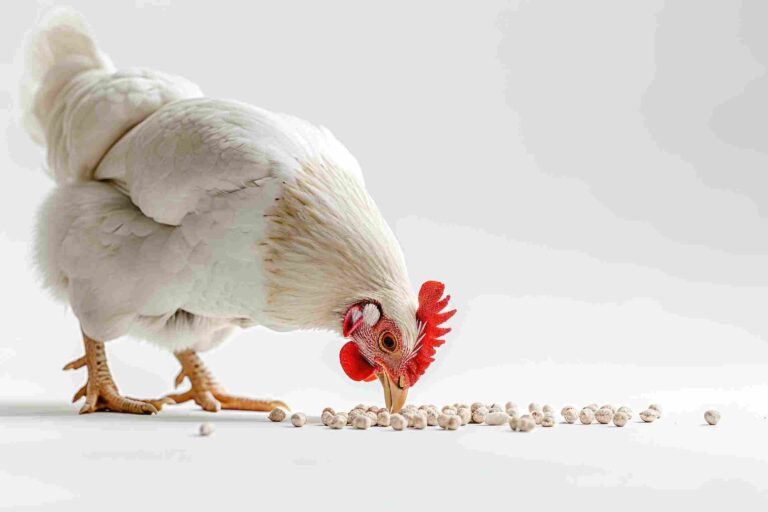
Monitoring the calcium intake of backyard chickens is crucial for their overall health and productivity, especially in layers where calcium is vital for eggshell formation. Ensuring that your chickens receive adequate calcium can prevent serious health issues, contributing to healthier birds and better egg production. To effectively assess their calcium intake, a combination of physical observations and analytical tools can be employed.
Assessing whether chickens are receiving adequate calcium involves a few straightforward techniques. One of the primary indicators includes monitoring egg quality, particularly the strength and integrity of the eggshells. Thin, brittle, or porous shells often suggest a calcium deficiency. Additionally, general health indicators such as the bird’s activity level and overall appearance should be taken into account. Healthy chickens typically exhibit bright eyes, smooth feathers, and an energetic demeanor. If chickens appear lethargic or their feathers look rough, it may signal nutritional deficiencies, including calcium.
Physical Signs of Calcium Deficiency
Recognizing physical signs of calcium deficiency in chickens is essential for timely intervention. Common symptoms include:
- Weak Eggshells: As mentioned, eggs with thin or soft shells are a clear sign of low calcium levels.
- Decreased Egg Production: A noticeable reduction in the number of eggs produced may indicate nutritional shortfalls.
- Behavior Changes: Chickens may exhibit unusual behaviors, such as pecking at the ground more frequently or showing signs of stress.
- Bone Weakness: In severe cases, chickens may suffer from leg problems or fractures due to weakened bones.
In addition to physical signs, feed analysis tools play a vital role in monitoring the calcium content of chicken feed. Using feed analysis tools, such as laboratory tests or on-site testing kits, allows you to accurately measure the calcium levels in your chickens’ diet. By sending a feed sample to a lab, you can obtain detailed information about its nutritional composition, including calcium levels. Alternatively, portable testing kits can provide immediate results, allowing for quick adjustments to the feed formulation if necessary.
- Lab Testing: Sending feed samples to accredited laboratories for precise nutritional breakdown.
- Portable Testing Kits: Utilizing on-site kits for quick assessments of calcium levels in feed.
Monitoring calcium intake in backyard chickens through these methods ensures that your flock remains healthy, productive, and capable of producing strong eggs. Regularly assessing both physical signs of deficiency and employing analytical tools creates a comprehensive approach to poultry nutrition management.
The Role of Calcium in Eggshell Formation
Calcium plays a crucial role in the formation of eggshells, serving as an essential mineral that impacts both the structural integrity and quality of the eggs produced by chickens. Understanding the biochemical processes that hinge on calcium availability can provide insights into the overall health and productivity of laying hens.
The formation of eggshells primarily occurs in the uterus or shell gland of the hen, where calcium carbonate is deposited around the developing egg. Key biochemical processes involve the absorption of calcium from the hen’s diet, which is then utilized for the synthesis of calcium carbonate. This is facilitated by the enzyme carbonic anhydrase, which catalyzes the conversion of carbon dioxide and water into carbonic acid, leading to the release of bicarbonate ions. These bicarbonate ions combine with calcium ions to form calcium carbonate, the main component of the eggshell. A consistent supply of calcium is imperative, as eggshell formation is a continuous process that occurs over a period of approximately 20 hours.
Environmental Factors Affecting Calcium Utilization
Several environmental factors can significantly influence how effectively chickens utilize calcium for eggshell development. These factors include temperature, humidity, and overall housing conditions.
High temperatures can lead to increased metabolic rates, which may enhance calcium demand. Conversely, excessive humidity can affect feed intake, potentially leading to lower calcium consumption. Stress factors such as overcrowding and poor ventilation also negatively impact the hens’ ability to absorb calcium efficiently.
Key considerations include:
- Feeding methods: The availability and types of feed, including the presence of calcium sources such as limestone or oyster shells, directly impact calcium intake.
- Water quality: Contaminants or imbalances in water can affect mineral absorption, including calcium.
- Light exposure: Adequate light encourages feeding and can enhance overall calcium utilization, as hens are stimulated to eat more during daylight hours.
Calcium Intake, Eggshell Color, and Thickness
The relationship between calcium intake and the physical characteristics of eggs, such as color and thickness, is a vital aspect of poultry nutrition. Generally, a higher intake of calcium is associated with thicker eggshells, which are better equipped to withstand external pressures and reduce breakage rates.
Color variation in eggshells is primarily a genetic trait; however, calcium levels still play a role in determining the uniformity and vibrancy of eggshell color. For example, hens that receive adequate calcium often produce eggs with richer colors, while deficiencies can lead to paler shells.
Key aspects to note are:
- Thickness: Eggs with insufficient calcium may exhibit thin shells, compromising their protection and marketability.
- Color: Optimal calcium levels can enhance the intensity of the natural pigments present in the eggs, contributing to a more appealing product for consumers.
- Market demands: Producers are increasingly aware that consumer preferences may vary, which can influence the formulations of feed to meet both nutritional needs and aesthetic expectations.
In conclusion, the intricate interplay between calcium, environmental factors, and genetic predispositions plays a significant role in the quality of eggs produced by chickens. Recognizing these dynamics can help poultry farmers optimize their feeding strategies and housing conditions to enhance egg production quality.
Addressing Calcium Deficiency in Chickens
Calcium deficiency in chickens is a pressing issue that can severely impact their health and productivity. It is essential for various bodily functions, including the formation of strong eggshells and overall skeletal health. Addressing this deficiency promptly can prevent serious health complications and ensure a thriving flock.
To effectively correct calcium deficiency in affected chickens, several strategies can be employed. The following methods are crucial in restoring calcium levels and enhancing the overall health of the flock.
Strategies to Correct Calcium Deficiency
Implementing the right strategies is vital to combat calcium deficiency. Below are three effective approaches:
- Supplementation with Calcium Sources: Providing calcium-rich supplements such as crushed oyster shells or limestone flour is a straightforward method. These natural sources of calcium are highly digestible and can be freely offered in a separate feeder, allowing chickens to consume as needed.
- Fortified Feed: Switching to a high-quality commercial feed that contains adequate calcium levels is another effective strategy. Many formulated feeds are designed specifically for layers or broilers and include the necessary nutrients to prevent deficiency.
- Access to Sunshine: Allowing chickens outdoor access promotes natural behaviors and increases vitamin D synthesis under sunlight. Vitamin D plays a crucial role in calcium absorption, thus contributing to improved calcium utilization within the body.
Veterinary guidance is essential for managing significant calcium-related health issues. When calcium deficiency is suspected, the first step should be consulting with a veterinarian. They can perform diagnostic tests to determine the extent of the deficiency and recommend appropriate interventions. Additionally, veterinarians can provide insights into potential underlying health problems that may be contributing to calcium absorption issues, such as metabolic disorders or nutritional imbalances.
Case studies illustrate the successful recovery from calcium deficiency in chickens. In one instance, a poultry farm faced a significant drop in egg production, which was traced back to insufficient calcium levels. After a thorough assessment, the farm began supplementing with crushed oyster shells and transitioning to a fortified feed. Within a few weeks, egg production rebounded significantly, and the hens exhibited improved health and vigor.
In another example, a backyard chicken owner noticed several hens experiencing soft-shelled eggs. Upon consulting a veterinarian, it was recommended to increase exposure to natural sunlight and to add a calcium supplement to their diet. Following these adjustments, the hens began laying eggs with stronger shells, demonstrating the positive impact of addressing calcium deficiency effectively.
In summary, recognizing and addressing calcium deficiency in chickens through supplementation, fortified feed, and proper management of environmental conditions is crucial. Veterinary guidance plays an indispensable role in ensuring optimal health and productivity in affected flocks, and real-world examples highlight the effectiveness of these strategies in restoring health and wellbeing.
Calcium and Chicken Behavior
Calcium is not just vital for the physical health of chickens; it plays a significant role in their behavior as well. This essential mineral influences various aspects of chicken life, from activity levels to social dynamics within a flock. Understanding how calcium affects chicken behavior can help farmers and poultry enthusiasts create more balanced and healthy environments for their birds.
Calcium levels can significantly influence chicken behavior and overall activity. Adequate calcium intake is essential for muscle function, which directly impacts how active and lively chickens are. A diet sufficient in calcium promotes not only physical strength but also encourages natural behaviors such as foraging and exploring their environment. Conversely, calcium deficiency may lead to lethargy and reduced activity levels, potentially resulting in less engagement in typical chicken behaviors.
Calcium Impact on Stress Responses
Stress responses in chickens can be affected by their calcium intake. Adequate levels of calcium help maintain the integrity of the nervous system, thereby influencing behavioral responses to stress. When chickens experience stress, such as from overcrowding or changes in their environment, their bodies require calcium for effective nerve signaling. Insufficient calcium can lead to heightened stress responses, manifested in behaviors such as feather pecking or aggression.
Here are some key points about calcium’s influence on stress responses:
- Calcium helps regulate neurotransmitter release, which is crucial during stressful situations.
- Chickens with adequate calcium may exhibit calmer behaviors compared to those with deficiencies.
- High-stress environments can lead to a depletion of calcium reserves, affecting overall well-being.
Calcium and Pecking Order Dynamics
The pecking order is a fundamental aspect of chicken social structure, and calcium intake may have an underlying influence on this dynamic. Adequate calcium levels contribute to overall health, which can impact a chicken’s position within the pecking order. Healthy chickens are often more assertive and confident, which can help them establish and maintain their rank.
The relationship between calcium intake and pecking order dynamics can be highlighted through several observations:
- Chickens with lower calcium levels may show submissive behaviors, making them more vulnerable in social interactions.
- Healthy chickens with sufficient calcium are more likely to assert themselves during feeding and access to resources.
- Disruptions in calcium availability can lead to conflicts within the flock, affecting social stability and welfare.
In summary, calcium intake plays a critical role in chicken behavior, influencing activity levels, stress responses, and social dynamics. Providing a balanced diet rich in calcium is essential for promoting a healthy and harmonious flock environment.
Outcome Summary
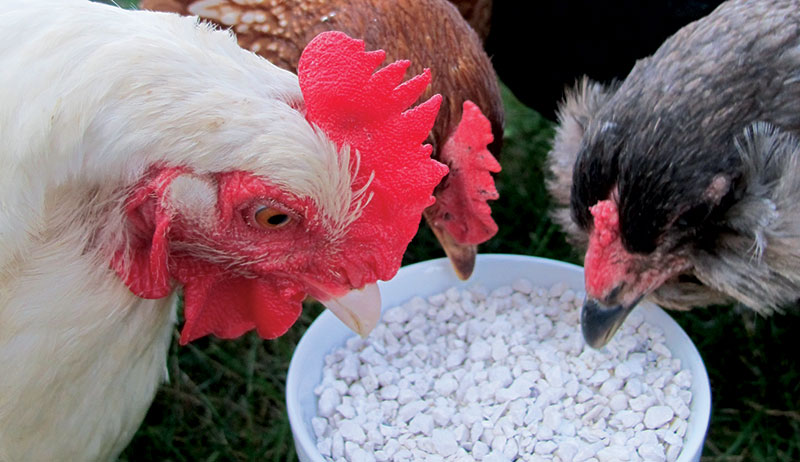
In conclusion, ensuring that chickens receive the right amount of calcium is vital for their health, productivity, and overall well-being. By understanding the sources, requirements, and methods for incorporating calcium into their diets, chicken owners can effectively support their flocks. Whether through natural sources or supplements, keeping a close eye on calcium levels will not only enhance egg production and quality but also contribute to the harmonious behavior and vitality of your chickens.
FAQ
How much calcium do chickens need daily?
The daily calcium requirement varies; laying hens typically need about 3-5 grams per day, while broilers need significantly less.
Can chickens get enough calcium from a standard feed?
Standard feed may not provide sufficient calcium, especially for layers, so supplementation is often necessary.
What are the signs of calcium deficiency in chickens?
Signs include weak eggshells, reduced egg production, increased pecking behavior, and signs of growth issues in younger birds.
Is oyster shell the best source of calcium for chickens?
Oyster shell is a highly recommended source due to its bioavailability and effectiveness in providing calcium.
Can too much calcium harm chickens?
Yes, excessive calcium can lead to kidney issues and other health problems, so it’s important to maintain balanced intake.