
 Valerie Eden
With Protein for chickens at the forefront, let’s dive into the essential role that protein plays in the health and growth of our feathered friends. As the backbone of a chicken’s diet, protein is crucial for everything from muscle development to overall vitality, impacting various stages of a chicken’s life.
This exploration will cover the types of protein sources available, the specific nutritional needs of different chicken breeds, and how to formulate a balanced diet that ensures optimal health. Understanding these elements not only enhances the well-being of chickens but also boosts their productivity and longevity.
Understanding the Role of Protein in Chicken Growth
Protein is a crucial nutrient in the diet of chickens, playing a significant role in their overall growth, development, and health. It serves as the building block for tissues, enzymes, hormones, and antibodies. The composition and quality of protein in their diet can significantly influence growth rates, feather development, and muscle mass, thereby affecting the efficiency of poultry production.
At various stages of a chicken’s life cycle, different protein levels are required to support their development. For instance, chicks require higher protein levels in their early weeks to support rapid growth and skeletal development. As they mature, their protein needs decrease slightly, but they still require sufficient amounts to maintain health and productivity.
Protein Requirements at Different Stages of Chicken Life
Understanding the varying protein requirements through the life stages of chickens is essential for optimizing their growth and health. Here’s a breakdown of the protein needs at key stages:
- Chicks (0-3 weeks): During this initial phase, chicks require a protein level of around 20-24% in their feed. This high protein intake is vital for muscle development, organ growth, and immune function.
- Growers (3-6 weeks): As the chicks transition to the grower phase, their protein requirement slightly decreases to about 18-20%. This supports continued growth while also catering to increasing energy needs.
- Finishing (6 weeks and beyond): In the final stages, protein levels can be adjusted to about 16-18%. This ensures that the chickens maintain muscle mass without unnecessary fat accumulation as they approach market weight.
The impact of protein on muscle development is profound. Adequate protein intake is essential for the synthesis of myofibrillar proteins, which contribute to muscle fibers. If protein levels are insufficient, chickens may exhibit stunted growth and poor muscle development, affecting their overall health and productivity.
“An optimal balance of protein within the diet directly influences the growth rate and ultimate weight of the chickens, impacting their market value.”
Proper protein management not only optimizes growth but also promotes overall health, reducing the risk of diseases. Ensuring access to balanced protein sources—such as soybean meal, fishmeal, and other high-quality feed ingredients—can foster healthier birds that meet production standards, ultimately leading to improved economic outcomes for poultry producers.
Types of Protein Sources Suitable for Chickens
Chickens require a balanced diet rich in protein to support their growth, egg production, and overall health. Various natural protein sources can be integrated into chicken feed, providing essential amino acids that promote optimal development. Understanding the types of protein sources and their benefits is crucial for poultry farmers aiming for high-quality production.
Natural Protein Sources in Chicken Feed
Several natural sources of protein can be utilized in chicken feed. These sources can be categorized into plant-based and animal-based proteins, each offering unique advantages and disadvantages.
- Soybean Meal: This is one of the most popular plant-based protein sources, containing about 44-48% protein. It is rich in essential amino acids, particularly lysine, which is vital for growth. However, it may cause digestive issues in some chickens if not processed properly.
- Peas: Pea protein is another excellent option, containing around 20-25% protein. It is high in fiber and has a favorable amino acid profile. The downside is that it can be less digestible than other protein sources when not adequately cooked.
- Fish Meal: This animal-based protein source contains about 60-72% protein. It is rich in omega-3 fatty acids, promoting better health and egg quality. However, it can be expensive and may have a strong odor that some farmers prefer to avoid.
- Meat Meal: Another animal by-product, meat meal, can contain 50-60% protein. It provides a concentrated source of protein but can vary in quality depending on the source of the meat used.
- Alfalfa Meal: While primarily a fiber source, alfalfa also contains about 15-20% protein. It is beneficial for overall health but should be used in moderation due to its high fiber content.
Advantages and Disadvantages of Plant-Based versus Animal-Based Proteins
Choosing between plant-based and animal-based proteins involves weighing their respective benefits and limitations. Both types can be incorporated into chicken diets but serve different roles.
- Plant-Based Proteins: Generally more economical and widely available, these proteins tend to be lower in saturated fat. However, they often require careful processing to enhance digestibility.
- Animal-Based Proteins: These provide high-quality protein with a complete amino acid profile, essential for growth and egg production. The downside includes higher costs and potential dietary concerns related to sourcing.
Common By-Products Used in Chicken Feed
By-products are often utilized in chicken feed to increase protein content while reducing costs. These products can be an economical solution for poultry farmers.
- Bone Meal: Contains about 30-35% protein and is also a source of calcium, benefiting bone health.
- Blood Meal: This protein-rich by-product can contain up to 80% protein, making it one of the most concentrated sources available. However, it should be used sparingly due to its high nitrogen content.
- Brewer’s Yeast: Rich in protein (about 40-50%), it also provides vitamins and minerals, enhancing overall nutrition.
- Distiller’s Grains: A by-product from ethanol production, this source contains about 25-30% protein and can be a cost-effective option for farmers.
Incorporating a balanced mix of protein sources can significantly improve the growth and productivity of chickens.
Nutritional Requirements for Protein in Different Breeds
Protein is a crucial component in the diet of chickens, influencing their growth, egg production, and overall health. Different breeds of chickens exhibit varying protein needs based on their specific life stages and purposes. Understanding these requirements is essential for optimal feeding strategies that promote health and productivity.
Protein Needs for Laying Hens, Broilers, and Chicks
Laying hens, broilers, and chicks all have distinct protein requirements that cater to their growth rates and functions. Laying hens require a higher protein intake to produce eggs efficiently, typically around 16-18% protein in their diet. Conversely, broilers, which are raised primarily for meat production, may require 20-24% protein during their grow-out phase to maximize growth rates. Chicks, being in their early developmental stage, benefit from a protein-rich starter feed that contains about 20-24% protein, which is essential for muscle and feather development.
The table below summarizes the protein requirements across these three categories:
| Chicken Type | Age/Stage | Protein Percentage |
|---|---|---|
| Laying Hens | Adult | 16-18% |
| Broilers | Grow-out Phase | 20-24% |
| Chicks | Starter Phase | 20-24% |
Environmental factors can significantly influence protein needs in poultry. Stressors such as temperature extremes, humidity, and housing conditions can affect feed intake and nutrient absorption. For instance, in hotter climates, chickens may consume less feed, leading to potential protein deficiencies. Additionally, factors like disease and overall flock health can modify protein requirements, necessitating adjustments to dietary formulations to ensure sufficient nutrient intake.
“Understanding the unique protein needs of different chicken breeds is vital for optimizing their health and productivity.”
Formulating a Balanced Diet with Adequate Protein
Creating a balanced diet for chickens is essential for their health and productivity. Adequate protein is a crucial component, as it supports growth, reproduction, and overall well-being. In this guide, we will dive into the details of formulating a diet that not only meets protein requirements but also includes essential vitamins and minerals that enhance the benefits of protein intake.
To formulate a balanced diet, one must consider the nutritional needs of chickens at various stages of their life cycle. The right combination of protein, vitamins, and minerals can significantly improve the health and productivity of poultry. Protein sources can vary, including plant-based and animal-based options. It’s important to balance these sources to ensure that chickens receive all the necessary amino acids and nutrients.
Importance of Vitamins and Minerals in Poultry Diet
Vitamins and minerals play a vital role in complementing protein intake in poultry. They enhance metabolic processes, aid in the absorption of nutrients, and support overall health. A well-rounded diet should include the following vitamins and minerals:
– Vitamin A: Essential for good vision and immune function. Key sources include green leafy vegetables and carrots.
– Vitamin D: Important for calcium absorption, which is crucial for bone health. Natural sunlight exposure and fortified feeds can provide this vitamin.
– Vitamin E: Acts as an antioxidant, protecting cells from damage. Sources include seeds and nuts.
– B Vitamins: These are critical for energy metabolism and the health of the nervous system. Whole grains and yeast are good sources.
– Calcium: Necessary for strong bones and eggshell formation. Found in limestone or oyster shell.
– Phosphorus: Works in tandem with calcium for bone health. Available in grains and legumes.
Including a variety of these vitamins and minerals ensures that chickens can fully utilize the protein in their diet, leading to optimal growth and production.
Sample Feeding Schedule by Age Group
A structured feeding schedule helps in providing the right protein content at various life stages of chickens. Below is a sample feeding plan, showing the protein content suitable for different age groups:
| Age Group | Diet Type | Protein Content (%) |
|---|---|---|
| Chicks (0-3 weeks) | Starter Feed | 20-24% |
| Growers (4-8 weeks) | Grower Feed | 16-20% |
| Pullets (9-20 weeks) | Developer Feed | 14-16% |
| Layers (20 weeks and older) | Layer Feed | 16-18% |
This schedule provides a guideline on the protein requirements for each age group, ensuring that chickens receive adequate nutrition as they grow. Adjusting the protein content according to these life stages is crucial for maximizing growth rates, egg production, and overall health.
“A well-balanced diet not only improves growth but also enhances the immune system, leading to better overall health in poultry.”
The Impact of Protein Deficiency on Chicken Health
Protein plays a crucial role in the overall health and productivity of chickens. Deficiencies can lead to a range of health issues, affecting everything from growth rates to egg production. Understanding the symptoms and consequences of protein deficiency is vital for any poultry keeper looking to maintain a healthy flock.
Chickens suffering from protein deficiency exhibit several noticeable symptoms. These can include poor growth, feather pecking, decreased egg production, and overall poor health. In severe cases, deficiency may lead to weakened immune responses, making them more susceptible to diseases. The loss of muscle mass and the appearance of a rough, dull feather coat are also common indicators. If left unaddressed, these symptoms can escalate, leading to severe health complications and even reduced lifespan.
Long-term Effects on Growth Rates and Egg Production
Inadequate protein not only affects immediate health but also has long-lasting implications for growth rates and egg production. Chickens that do not receive enough protein during their critical growth periods may never reach their full size, leading to decreased market value and productivity in commercial settings.
The long-term effects of protein deficiency can be understood through the following points:
- Stunted growth: Chickens may grow slower and smaller than their well-fed counterparts, affecting their future productivity.
- Reduced egg production: Hens that lack adequate protein often lay fewer eggs, and the eggs produced may be smaller and of lower quality.
- Decreased fertility: Protein deficiency can reduce the fertility of roosters and hens, leading to lower hatch rates and fewer chicks.
These consequences highlight the importance of a balanced diet rich in protein for optimal chicken health and productivity.
Case Studies of Recovery through Diet Adjustments
Several case studies illustrate the recovery process of chickens from protein deficiency through dietary adjustments. One such case involved a small farm where chickens were primarily fed a corn-based diet, leading to severe protein deficiency. The farmer noticed poor growth rates and reduced egg production. After consulting with a poultry nutritionist, they introduced a high-protein supplement, consisting of soybean meal and dietary yeast, into their feeding regimen.
Within weeks, the chickens began to show remarkable improvement:
- Growth rates accelerated, with chickens reaching standard sizes ahead of schedule.
- Egg production doubled, with hens laying larger, more robust eggs.
- The overall health of the flock improved, with fewer incidences of illness.
This case exemplifies how timely dietary changes can reverse the adverse effects of protein deficiency, leading to a healthier and more productive flock. Addressing protein needs not only fosters immediate recovery but also ensures long-term health and sustainability in poultry farming.
Innovations in Protein Supplements for Poultry
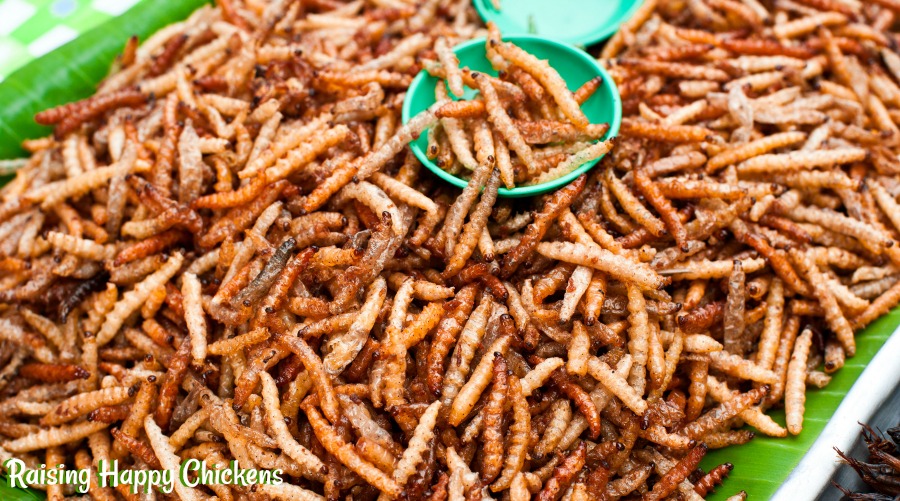
Recent developments in protein supplements for poultry have significantly transformed the way chicken nutrition is approached. These innovations not only address the dietary needs of chickens but also tackle sustainability and health concerns associated with traditional protein sources. The focus has shifted toward creating balanced diets that enhance growth rates, egg production, and overall flock health.
One of the most notable advancements in protein supplements is the incorporation of alternative protein sources. These alternatives not only reduce reliance on conventional feed ingredients but also present various benefits for poultry health and production.
Use of Alternative Protein Sources
The incorporation of alternative protein sources like insects and algae is gaining traction in the poultry industry. These innovative protein sources have been shown to offer numerous advantages:
- Insects: Insects, such as mealworms and black soldier flies, are rich in protein and essential amino acids. They can be cultivated on organic waste, making them a sustainable choice for poultry feed. Studies have shown that including insect protein in diets can enhance growth performance and feed conversion ratios in chickens.
- Algae: Algal protein is another emerging supplement that is nutrient-dense and offers high digestibility. Algae are rich in omega-3 fatty acids and other bioactive compounds that can improve the immune response in poultry, which is crucial for maintaining flock health.
- Fermented Ingredients: Fermentation processes can increase the bioavailability of nutrients in feed, making fermented soy or corn products valuable protein sources. These fermented ingredients also contribute to gut health by promoting beneficial gut microbiota.
The implementation of these alternative protein sources not only addresses protein requirements but also reduces the environmental footprint linked to poultry production. For example, the production of insect protein generates fewer greenhouse gases compared to traditional livestock farming, making it a more eco-friendly option.
“Incorporating alternative protein sources like insects and algae can significantly improve the sustainability of poultry production while enhancing the health and performance of the birds.”
By embracing these innovations, the poultry industry can expect improved productivity, better health outcomes for chickens, and a reduced environmental impact. The ongoing research and development in this field highlight a promising future for protein supplements tailored to meet the evolving demands of poultry nutrition.
Evaluating Protein Quality in Chicken Feed
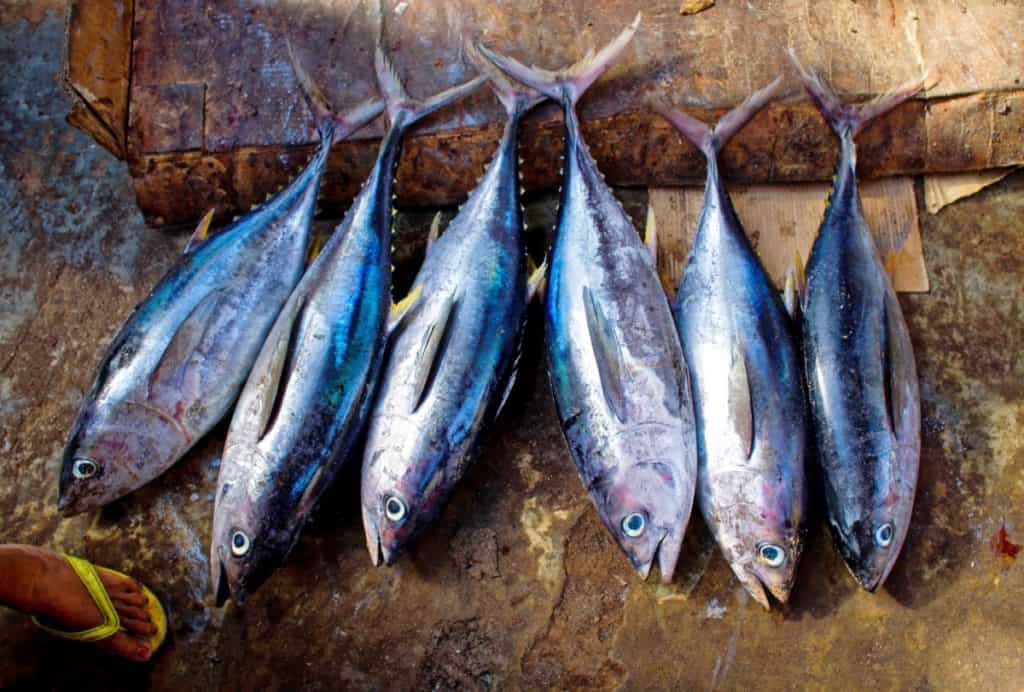
Assessing protein quality in chicken feed is vital for optimal poultry health and productivity. High-quality protein not only supports growth but also affects egg production and overall well-being. By focusing on the amino acid profiles and testing methods, poultry producers can ensure they are providing the best nutrition for their chickens.
Amino acids are the building blocks of protein, and their composition determines how efficiently a chicken can utilize the protein consumed. Different feed ingredients contain varying amino acid profiles, which directly influence the feed’s protein quality. Evaluating these profiles helps in formulating a balanced diet that meets the specific needs of the flock.
Amino Acid Profiles and Protein Efficiency
Amino acid profiles are crucial for determining the protein efficiency of feed ingredients. Each amino acid plays a distinct role in metabolism and growth, and certain essential amino acids must be present in adequate amounts for optimal health. The following points highlight the significance of amino acid profiles in chicken feed:
- Essential amino acids such as lysine, methionine, and threonine are vital for protein synthesis and must be supplied through diet.
- Amino acid imbalance can lead to poor growth rates, decreased egg production, and overall health issues in chickens.
- Understanding the digestibility of different protein sources helps in formulating more effective diets that fulfill the chickens’ amino acid requirements.
Methods for Testing Protein Levels
Testing protein levels in both homemade and commercially prepared feeds is essential to ensure that they meet nutritional standards. Various methods exist for assessing protein content, assisting poultry producers in making informed decisions about their feed formulations. Here are common methods utilized for testing protein levels:
- Kjeldahl Method: This classic method calculates total nitrogen content, which is then converted to protein percentage using a conversion factor.
- Dumas Method: An alternative to the Kjeldahl method, this process involves combustion of the sample and allows for faster analysis.
- Near-Infrared Reflectance (NIR): A non-destructive technique that quickly assesses protein content based on the sample’s light absorption characteristics.
- Amino Acid Analysis: This method specifically quantifies the individual amino acid content, providing a detailed understanding of the protein quality in the feed.
“High-quality protein sources, characterized by a balanced amino acid profile, enhance feed efficiency and increase overall productivity in poultry.”
Environmental Considerations in Protein Sourcing
The sourcing of protein for chicken feed presents significant environmental implications that merit thorough examination. As the demand for poultry increases globally, understanding the ecological impact of protein sourcing becomes essential for ensuring sustainable production practices. This segment will delve into the sustainability of various protein sources, their carbon footprints, and the potential for utilizing local resources effectively.
Ecological Impact of Protein Sourcing
The ecological footprint of protein sourcing for chicken feed is substantial, affecting land use, water resources, and biodiversity. Traditional protein sources, such as soybean and fishmeal, require extensive agricultural practices, leading to deforestation and habitat destruction. For instance, the expansion of soybean farming in South America has been linked to significant deforestation rates, which disrupt ecosystems and threaten wildlife. Additionally, the water-intensive nature of these crops contributes to water scarcity in certain regions, raising concerns about the sustainability of using such protein sources.
Reducing the Carbon Footprint of Poultry Production
To mitigate the carbon emissions associated with poultry production, selecting alternative protein sources is crucial. Legumes, insects, and agricultural by-products represent viable alternatives that not only reduce dependency on traditional feed but also lower greenhouse gas emissions. For example, integrating insect protein into chicken feed can significantly decrease the carbon footprint, as insects require less land and water than conventional protein sources.
Strategies to implement include:
- Feed Formulation Adjustments: Incorporating a higher percentage of locally sourced legumes and alternative protein sources can diminish reliance on imported feeds, thus reducing transportation emissions.
- Improved Feed Efficiency: Optimizing feed formulations to enhance digestibility can lead to lower feed conversion ratios, ultimately reducing overall emissions per unit of poultry produced.
Utilizing Local Resources in Protein Feeds
Leveraging local resources presents a sustainable approach to protein sourcing for poultry feed. Utilizing locally available protein sources not only supports regional economies but also reduces transportation emissions and enhances food security. Many regions have agricultural by-products, such as spent grains from brewing or oilseed cakes, which can serve as nutritious feed components.
Effective strategies include:
- Partnerships with Local Farmers: Collaborating with local agricultural producers can facilitate the sourcing of regionally grown crops and by-products, which are often more sustainable than imported alternatives.
- Community-Based Feed Mills: Establishing local feed mills can process locally sourced materials, decreasing transportation needs and promoting a circular economy within the community.
Utilizing local resources not only enhances sustainability but also supports the regional economy and reduces the carbon footprint of poultry production.
End of Discussion
In summary, protein is a vital ingredient in chicken nutrition that supports their growth and health throughout their life cycle. By carefully selecting protein sources and understanding the specific needs of different breeds, chicken owners can foster a thriving environment that leads to healthier birds and better production outcomes. As we embrace innovations in protein sourcing and address environmental sustainability, the future of poultry nutrition looks promising.
FAQ Summary
What are the best protein sources for chickens?
Common protein sources for chickens include soybeans, peas, fish meal, and insects, each providing essential amino acids.
How much protein do laying hens need?
Laying hens typically require around 16-18% protein in their diets to maintain optimal egg production.
Can chickens get enough protein from a vegetarian diet?
Yes, chickens can thrive on a vegetarian diet if it includes a variety of plant-based protein sources that meet their amino acid requirements.
What are the signs of protein deficiency in chickens?
Signs of protein deficiency include poor growth rates, reduced egg production, feather pecking, and weakened immune responses.
How often should I change my chicken’s diet?
It’s advisable to review and adjust your chicken’s diet every few months, especially as they transition through different growth stages or if there are changes in their production levels.