
 Valerie Eden
Chicken grit might not be the first thing that comes to mind when thinking about poultry care, but its importance can’t be overstated. This essential component plays a pivotal role in aiding digestion and enhancing the overall health of chickens, ensuring they thrive and produce quality eggs.
From helping to grind food in the gizzard to providing vital nutrients, chicken grit serves multiple functions that contribute to a well-balanced diet. Understanding the different types of grit available, how to introduce it properly, and its impact on egg production can transform your flock’s health and productivity.
Understanding the Purpose of Chicken Grit
Chicken grit plays a crucial role in maintaining the health and well-being of poultry. It serves as an essential dietary component that aids digestion, particularly in chickens that do not have access to natural sources of grit. By incorporating grit into their diet, poultry owners can promote better digestion and overall health in their birds.
The primary function of chicken grit is to assist in the mechanical breakdown of feed within a chicken’s gizzard. Chickens lack teeth, so the gizzard acts as a muscular organ that grinds food into smaller particles. Grit, which consists of small stones or coarse materials like granite, helps facilitate this grinding process, ensuring that food is adequately processed before it enters the intestine. This not only enhances digestion but also improves nutrient absorption in the birds.
Nutritional Benefits of Chicken Grit
Incorporating chicken grit into a chicken’s diet provides several nutritional advantages. The benefits of using grit extend beyond just aiding in digestion; they also contribute positively to the overall health of the birds. Here are the key nutritional benefits associated with chicken grit:
- Enhanced Digestive Efficiency: Grit helps break down larger feed particles, allowing for more efficient digestion and nutrient absorption.
- Improved Feed Conversion: With better digestion, chickens can convert feed into energy more effectively, leading to healthier growth rates.
- Reduced Risk of Digestive Disorders: Proper grit use can minimize the chances of digestive blockages and other related issues, fostering a healthier gut environment.
- Support for Mineral Absorption: Certain types of grit can provide trace minerals that are essential for various bodily functions, including bone health and egg production.
In summary, chicken grit is an indispensable element in poultry nutrition. Its role in enhancing digestion and providing necessary minerals contributes significantly to the overall health and productivity of chickens. Utilizing chicken grit allows poultry owners to maintain a balanced and effective diet for their birds, ensuring they thrive.
Different Types of Chicken Grit Available
When it comes to keeping chickens healthy and happy, grit is an essential component of their diet. Providing the right type of grit helps in digestion, ensuring that chickens can process their food properly. There are several types of grit available on the market, each with its unique characteristics and benefits that cater to different breeds and ages of chickens.
Two primary types of chicken grit are granite grit and oyster shell grit. Each type serves a specific purpose in a chicken’s diet, influencing their health and productivity.
Granite Grit
Granite grit is composed of small, sharp pieces of granite that help chickens grind their food effectively. This type of grit is particularly beneficial for adult chickens, as it aids in the mechanical breakdown of grains and seeds in the gizzard, promoting better digestion.
The characteristics of granite grit include:
- Texture: It is coarse and abrasive, which helps in the grinding process.
- Size: Available in various sizes, suitable for different ages of chickens, but typically larger pieces for adult birds.
- Digestive Benefits: Enhances the efficiency of nutrient absorption by breaking down food particles.
Granite grit is essential for chickens that primarily consume whole grains, as it enhances their ability to utilize the nutrients present in their diet more effectively.
Oyster Shell Grit
Oyster shell grit, on the other hand, is made from crushed oyster shells and serves a different purpose. This type of grit is rich in calcium, making it particularly valuable for laying hens.
Key characteristics of oyster shell grit include:
- Calcium Content: Provides essential calcium for eggshell formation, ensuring that hens produce strong, healthy eggs.
- Texture: The smooth surface of oyster shells helps in gentle grinding, suitable for hens that have already developed their gizzard.
- Supplementary Role: Acts as a supplementary source of calcium in the diet, especially important during peak laying periods.
Incorporating oyster shell grit into the diet of laying hens can significantly improve egg quality and shell strength.
Choosing the Right Type of Grit
Selecting the appropriate type of grit depends on the breed and age of the chickens. Young chicks require finer grit to accommodate their developing gizzards, while adult hens benefit from the larger, coarser granite grit for better digestion.
For instance:
- Chicks: Use fine grit or sand to support their initial growth phase.
- Growers: As they mature, transition to medium-sized granite grit.
- Laying Hens: Provide oyster shell grit in addition to granite grit to meet calcium needs.
Ensuring that chickens receive the right type of grit tailored to their specific needs plays a crucial role in their overall health and productivity.
How to Properly Introduce Grit to Chickens
Introducing grit to chickens is an essential aspect of their diet, as it supports their digestive health. Grit acts as a digestive aid, helping break down food in their gizzard, which is especially important for a diet high in grains. When introducing grit, it’s crucial to do so thoughtfully to ensure your flock’s health and well-being.
The best practices for incorporating grit into your chickens’ diet involve careful timing and the right quantity. It’s important to recognize that grit should be offered to chickens that are not receiving a pelleted feed, as these feeds often contain ingredients that do not require additional grit for digestion. Chickens raised on whole grains or kitchen scraps will benefit significantly from having grit available at all times.
Best Practices for Introducing Grit
When introducing grit to your flock, follow these guidelines to ensure a smooth transition:
1. Timing: Begin offering grit to your chickens when they are around six weeks old, particularly if they are consuming whole grains or mixed feeds. At this stage, they have developed sufficient gizzard muscles to benefit from grit.
2. Quantity: Offer grit in small amounts initially, allowing chickens to consume as needed. A general guideline is to provide a tablespoon of grit per chicken every few days, adjusting based on flock size and consumption levels.
3. Type of Grit: Choose the appropriate type of grit for your flock. Crushed granite or flint grit is commonly used and readily available. Avoid using sand or gravel that may be too coarse or contain harmful impurities.
4. Offering Method: Place grit in a separate feeder to promote free access. This allows chickens to consume grit as they feel the need, maintaining their digestive health without overloading them.
5. Monitoring Acceptance: Observe your chickens’ behavior around the grit feeder. Healthy acceptance is indicated by them pecking and consuming grit regularly. If they ignore it, consider changing the type or location of the grit.
“Providing grit is essential for chickens that eat whole grains or scraps, greatly enhancing their digestion and overall health.”
Significance of Grit with Other Feed Types
The significance of offering grit alongside other feed types cannot be understated. For chickens consuming a variety of food sources, grit plays a crucial role in digestion. When they eat grains or tougher foods such as vegetables, grit helps grind these materials in their gizzard, facilitating the proper breakdown and nutrient absorption.
Chickens require grit in different situations:
– Free-range chickens will likely find sufficient grit by foraging, but providing extra can ensure they meet their digestive needs.
– Chickens on a commercial feed may not require grit if the feed is pelleted, but those consuming mixed grains or kitchen scraps will benefit from its addition.
Regularly evaluate your flock’s diet to determine if additional grit is necessary, especially during changes in feeding practices or diets.
Step-by-Step Guide to Monitoring Acceptance of Grit
To ensure your chickens are accepting grit as part of their diet, follow this step-by-step guide:
1. Initial Setup: Introduce grit in a designated area away from other feed types to encourage exploration without distractions.
2. Daily Observation: Spend a few minutes each day observing how often the chickens approach the grit feeder. Look for signs of interest, such as pecking or scratching near the grit.
3. Record Consumption: Keep track of how much grit is consumed over several days. If it remains mostly untouched, consider adjusting either the location or the type of grit provided.
4. Adjust Feeding Practices: If your chickens do not show interest in the grit after a week, experiment with different types or provide a mixed feed that encourages the need for grit.
5. Health Monitoring: Watch for any signs of digestive issues in your chickens, as a lack of grit can lead to problems like impacted crops or reduced weight gain.
By following these guidelines, you can ensure that your flock receives the necessary digestive support from grit, promoting their overall health and productivity.
The Impact of Chicken Grit on Egg Production
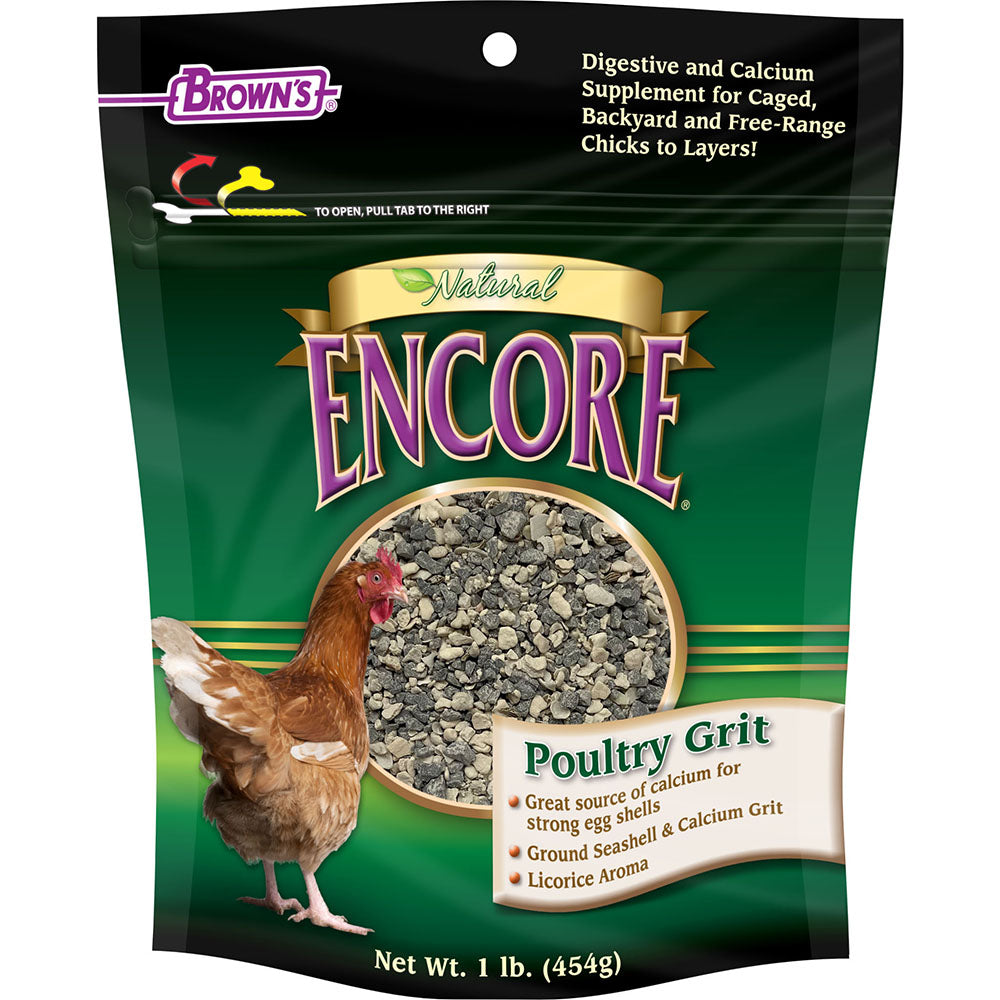
The relationship between chicken grit and egg production in laying hens is both fascinating and crucial for poultry farmers. Chicken grit serves multiple purposes, primarily aiding in digestion and nutrient absorption, which directly influences egg quality and production rates. By understanding how grit impacts these factors, poultry keepers can make informed choices that enhance their flock’s productivity.
Chicken grit plays a significant role in improving the overall health of hens, leading to better egg production. When hens consume grit, which consists of small stones, they utilize it to grind their feed in the gizzard. This mechanical action aids in digestion, allowing hens to extract more nutrients from their diets. Increased nutrient absorption results in healthier hens that lay more eggs. Additionally, the quality of the eggs is affected, particularly when it comes to their appearance and strength.
Calcium Content and Eggshell Strength
The calcium content in certain types of grit directly influences the strength of eggshells, which is a critical factor for successful egg production. Strong eggshells reduce the risk of breakage, thereby increasing overall yield. Hens require adequate calcium to form eggshells, and incorporating calcium-rich grit into their diet can significantly enhance eggshell quality.
Several studies have demonstrated the correlation between calcium intake from grit and eggshell strength. For instance, a case study conducted by the Poultry Science Association highlighted that hens provided with calcium-rich grit had a 20% decrease in eggshell breakage compared to those on a standard diet. Additionally, it was found that the eggs produced by hens with access to calcium-rich grit had higher average weights and better shell quality.
The following points summarize the benefits of calcium-rich grit for laying hens:
- Improved Eggshell Integrity: Stronger eggshells reduce losses from breakage and increase marketability.
- Enhanced Nutrient Absorption: Grit aids digestion, leading to better overall nutrition and health.
- Increased Production Rates: Hens with access to proper grit and calcium show higher egg-laying frequency.
- Healthier Hens: A well-nourished hen is more likely to produce quality eggs consistently.
In conclusion, the impact of chicken grit on egg production is substantial and multifaceted. Ensuring hens have access to the right type of grit can lead to enhanced egg quality and production rates, ultimately benefiting poultry farmers and their operations.
Addressing Common Misconceptions About Chicken Grit
Many poultry keepers and enthusiasts have varying beliefs about the use of chicken grit in their birds’ diets. It’s crucial to clarify these misconceptions as they can impact the overall health and well-being of chickens. By debunking myths and sharing factual information, we can better understand the importance of grit in poultry nutrition.
Chicken grit serves a vital role in aiding digestion for poultry. Unlike some perceptions that grit is merely an optional supplement, it is essential for birds that do not have access to a natural environment where they can forage. The primary function of grit is to help chickens grind down food in their gizzards, facilitating proper digestion and nutrient absorption.
Common Myths About Chicken Grit
Several myths surround the concept of chicken grit, leading to confusion among poultry owners. Understanding these myths and the reality behind them can enhance chicken care practices.
- Myth: Chickens don’t need grit if they eat mash feed. Reality: Even if chickens are provided with mash feed, they require grit to aid in digestion. Grit is necessary for breaking down particles in the gizzard, regardless of the feed form.
- Myth: All grit is the same and can be interchanged. Reality: There are different types of grit, including granite and oyster shell. Each type serves distinct purposes; for instance, oyster shell provides calcium, important for egg-laying hens, while granite grit is used for digestion.
- Myth: Grit is only necessary for free-range chickens. Reality: All chickens need grit, whether free-range or kept indoors. Without proper grit access, even confined chickens can experience digestive issues.
- Myth: Too much grit is harmful to chickens. Reality: While an appropriate amount of grit is essential, excessive grit can lead to impaction. However, when offered in moderation, it supports digestive health.
- Myth: Grit is not necessary for chicks. Reality: While chicks do not need grit until they start eating solid food, introducing small amounts of grit after they are a few weeks old is beneficial as they transition to a more varied diet.
The proper use of grit is crucial for maintaining optimal digestive health in chickens, ensuring that they assimilate the nutrients effectively.
By addressing these misconceptions and providing accurate information, poultry keepers can ensure that their chickens receive the correct dietary support, promoting their overall well-being and productivity. Understanding the role of chicken grit is an important step towards responsible poultry care and management.
Seasonal Considerations for Providing Chicken Grit
Seasonal changes can significantly impact the dietary needs of chickens, including their requirement for grit. Understanding how different weather conditions affect grit needs is essential for maintaining optimal health and digestion in poultry. This section explores how to adjust grit offerings based on seasonal variations and identifies signs that your chickens may require more grit throughout the year.
Impact of Seasonal Changes on Grit Needs
During warmer months, chickens are often more active and may forage for a greater variety of foods, leading to increased digestive demands. Conversely, colder months may reduce their foraging activity, which can influence grit consumption. It is crucial to monitor these changes to ensure that your flock receives adequate grit for effective digestion.
In warmer months, it can be beneficial to offer a broader variety of grit, as chickens may be consuming more fibrous materials such as greens or insects. Here are some considerations for seasonal adjustments:
- Increase grit availability in spring and summer when chickens typically forage more.
- Consider introducing crushed granite or small stones as grit options during warmer months, as they may provide additional minerals beneficial for egg production.
As temperatures drop in the fall and winter, chickens may spend more time indoors or in sheltered areas, leading to decreased grit intake. Therefore, it is essential to:
- Ensure grit is readily available at all times during colder months, as chickens may not be as inclined to search for it.
- Opt for coarser grit during winter to aid in grinding up denser foods, especially if you provide higher carbohydrate feeds to sustain energy levels.
Signs Indicating Increased Grit Needs
Recognizing specific signs in your chickens can indicate an increased need for grit depending on the season. These signs can help you adjust their grit offerings promptly.
Observe the following behaviors and physical signs in your chickens:
- Increased pecking or scratching behavior in the coop can indicate a desire for more grit, especially after a diet change or weather shift.
- Signs of poor digestion, such as changes in droppings—consistency or color—may signal that your chickens require more grit.
- Weight loss or reduced egg production can be a sign that your chickens are not properly grinding their food, leading to potential nutritional deficiencies.
Providing appropriate grit throughout the year is crucial for your chickens’ health and well-being. Monitoring their seasonal behavior and adjusting grit offerings accordingly will contribute to maintaining a healthy and productive flock.
The Role of Chicken Grit in Organic and Free-Range Farming
Chicken grit plays a vital role in promoting health and well-being in organic and free-range poultry farming. This essential component supports the digestive system of chickens, allowing them to thrive in a natural environment where foraging and dietary diversity are encouraged. Understanding its significance reveals how chicken grit contributes to the overall success of these farming practices.
In organic farming, chicken grit is crucial as it aids in the mechanical digestion of food, especially for free-range chickens that consume a varied diet including seeds, insects, and plants. Unlike conventional feed, which may be formulated for optimal digestion, free-range diets require additional support in processing tough materials. Grit, made from tiny stones or crushed minerals, assists chickens in grinding their food in the gizzard, leading to better nutrient absorption and overall health.
Significance of Grit in Free-Range Foraging Behavior
Encouraging natural foraging behavior is essential for the welfare of free-range poultry. Chicken grit supports this behavior by allowing chickens to process their foraged food effectively, thus enhancing their foraging experience. When chickens are able to forage naturally, they exhibit more robust health and improved egg production.
The role of chicken grit in facilitating these natural behaviors can be summarized as follows:
- Enhanced Digestion: Grit allows chickens to break down fibrous and hard food items, making nutrients more accessible.
- Improved Health: A diet supplemented with grit leads to healthier birds, which translates to better growth rates and egg quality.
- Natural Behavior: Access to grit supports instinctual foraging, promoting mental stimulation and physical activity among free-range chickens.
Farmers utilizing chicken grit in their operations have reported significant improvements in their flock’s health and productivity. For instance, a well-known organic farm in California integrated chicken grit into their feeding regimen, resulting in a 20% increase in egg production over six months. This farm observed that their chickens, equipped with grit, were able to process a more diverse diet, leading to higher nutritional value in their eggs and overall flock vitality.
Furthermore, another case study from a Virginia-based organic poultry farm highlighted the correlation between the introduction of chicken grit and a decrease in digestive-related health issues among the flock. The farmers noted a marked reduction in instances of impacted crops and other digestive disorders, allowing for a more efficient and sustainable production cycle.
“Incorporating chicken grit not only supports the nutritional needs of our birds but also enhances their quality of life, which is fundamental in organic farming.”
These success stories underscore the significance of chicken grit in enhancing the health and productivity of free-range chickens in organic farming, ultimately contributing to sustainable agricultural practices.
Outcome Summary

In summary, chicken grit is an indispensable element of poultry nutrition that supports digestion, enhances egg production, and promotes overall health. By debunking myths and understanding the seasonal needs of chickens for grit, poultry enthusiasts can effectively improve their flocks’ well-being. Adopting best practices for grit incorporation will surely yield better results in both organic and traditional farming scenarios.
General Inquiries
What is chicken grit made of?
Chicken grit is typically composed of small, hard particles made from materials like granite or crushed oyster shells.
How much grit should I provide to my chickens?
The amount of grit varies; generally, a handful per chicken is sufficient, but it can be adjusted based on their diet and needs.
Can chickens get grit naturally?
Yes, chickens that free-range can naturally forage for small stones and grit, but supplementation is often beneficial for those kept in coops.
Is there a difference between grit and calcium sources?
Yes, while grit aids in digestion, calcium sources like oyster shells specifically support eggshell strength and health.
How often should I change the grit provided to chickens?
Grit should be refreshed regularly, especially if it becomes contaminated or wet, as this can reduce its effectiveness.