
 Valerie Eden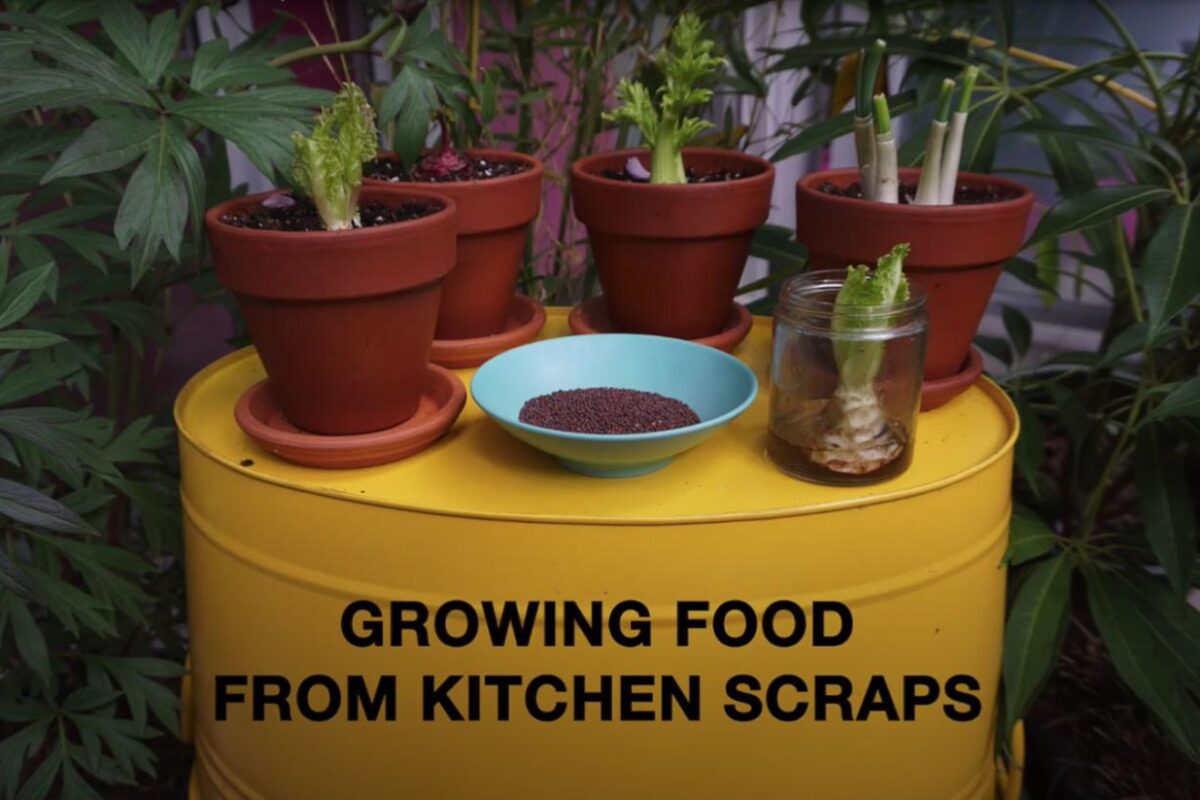
Feeding kitchen scraps offers a unique opportunity to enhance the nutrition of animals while reducing food waste in our homes. This practice not only benefits pets and livestock by providing them with nutrient-rich leftovers, but it also promotes a sustainable approach to waste management. By understanding what scraps are safe and beneficial, we can improve animal diets and contribute to a healthier environment.
From vegetable peels to leftover grains, the variety of kitchen scraps that can be utilized is impressive. As we explore the advantages, misconceptions, and methods of integrating these scraps into animal diets and composting practices, we discover how this simple action can lead to significant ecological benefits, promoting a more circular economy in our households.
Discuss the benefits of feeding kitchen scraps to animals.
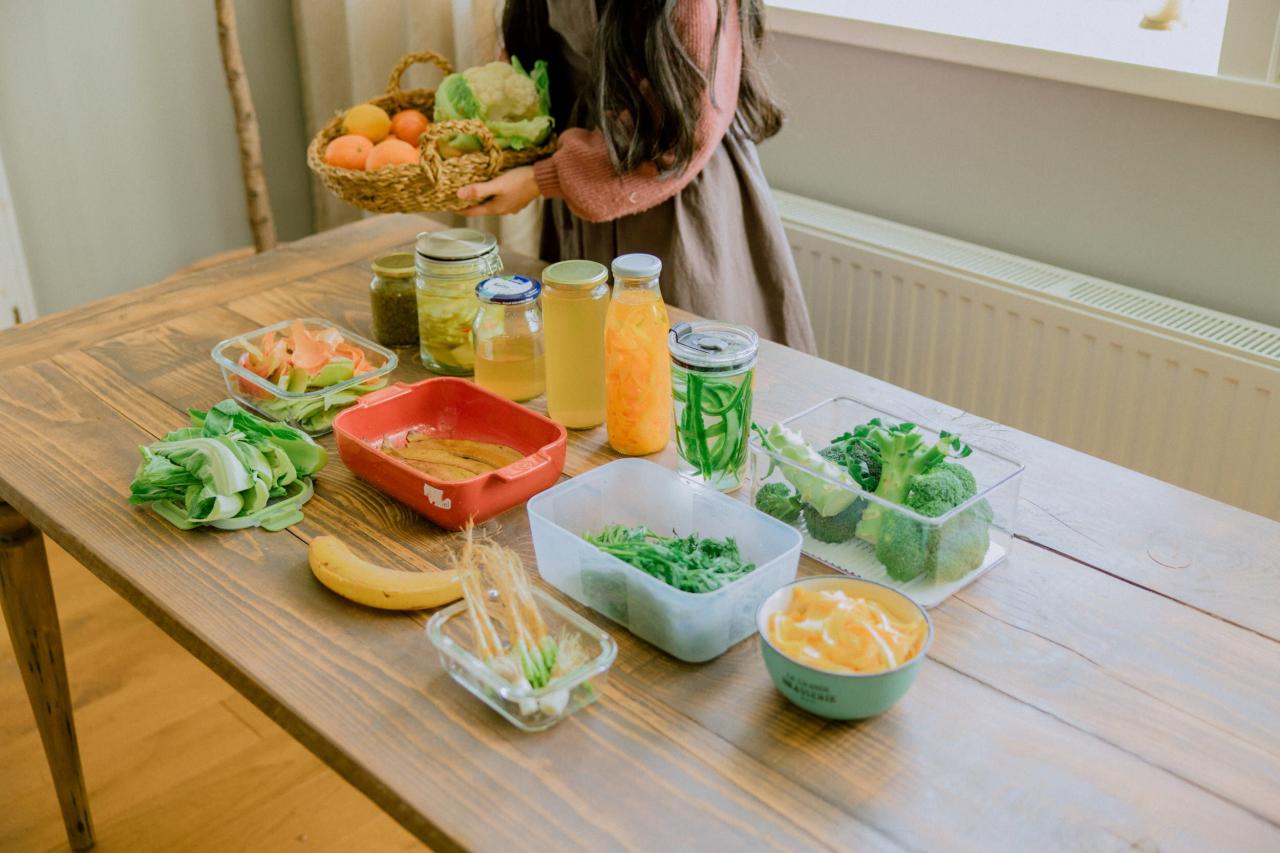
Feeding kitchen scraps to animals presents numerous benefits, enhancing both animal nutrition and waste management. By utilizing food waste that would otherwise contribute to landfills, we not only provide a more wholesome diet for our animals but also promote sustainability. This method encourages the reduction of environmental waste while simultaneously addressing nutritional deficiencies that certain animals may experience in conventional feed.
Using kitchen scraps can improve animal nutrition significantly. Many scraps are rich in essential vitamins and minerals that standard animal feed may lack. For example, fruit and vegetable scraps contain antioxidants and fiber, which can support digestive health and overall well-being. Additionally, kitchen scraps can enhance palatability, encouraging animals to consume more and enjoy their meals, thus contributing to better nutrition.
Examples of Beneficial Kitchen Scraps for Different Animal Species
To illustrate the nutritional benefits of kitchen scraps, here are specific examples that can be beneficial for various animal species:
- Vegetables: Carrot tops, leafy greens, and broccoli can be excellent for rabbits and guinea pigs, providing them with vital nutrients and fiber.
- Fruits: Apple cores and banana peels are safe for pigs and chickens, offering natural sugars and vitamins that boost energy and overall health.
- Grains: Leftover bread and pasta can be valuable for goats and sheep, serving as a source of carbohydrates and aiding in weight gain.
- Eggshells: Crushed eggshells are a great calcium source for chickens, supporting strong eggshell production.
Introducing kitchen scraps safely into animal diets is crucial for maximizing their benefits. Gradual integration is key; begin by mixing small amounts of scraps with regular feed to allow animals to adjust. Monitor the animals for any adverse reactions, and adjust quantities based on their individual needs. It is also important to ensure that the scraps are fresh, free from mold, and suitable for the specific species to avoid any health issues.
Utilizing kitchen scraps not only enhances animal nutrition but also promotes a more sustainable approach to food waste management.
Elaborate on common misconceptions surrounding kitchen scrap feeding.
Many people are eager to reduce waste and promote sustainability by feeding kitchen scraps to animals, but this practice is often accompanied by a variety of misconceptions. Addressing these myths is essential for ensuring safe and effective feeding practices. By debunking these misconceptions, we can foster a more informed community that understands the benefits and risks of kitchen scrap feeding.
Common Myths about Kitchen Scrap Feeding
It is important to clarify several myths that surround the practice of feeding kitchen scraps. Misconceptions can lead to improper practices that may harm animals or diminish the intended benefits of reducing waste. Here are three prevalent myths along with the truths that dispel them:
- Myth 1: All kitchen scraps are safe for animals.
Many believe that any leftover food is suitable for feeding. In reality, some foods are toxic to animals. For example, onions, garlic, and chocolate can be harmful to pets, while certain fruit pits and seeds contain cyanogenic compounds that may be dangerous. - Myth 2: Feeding kitchen scraps will make animals sick.
This myth suggests that animals will inevitably fall ill from consuming scraps. Properly managed kitchen scraps can actually provide nutritional benefits. Animals can thrive on a diverse diet that includes scraps, but it is crucial to follow safe feeding guidelines and avoid giving them spoiled or inappropriate foods. - Myth 3: Feeding kitchen scraps encourages pests.
While it is true that improper storage of scraps can attract pests, responsible feeding practices can mitigate this risk. By managing scraps correctly—such as using secure containers and cleaning feeding areas frequently—pest issues can be minimized, benefiting both animals and surrounding environments.
Risks of Improper Feeding Practices
Improper feeding of kitchen scraps poses several risks, which can lead to health issues for animals and environmental consequences. Understanding these risks is crucial in promoting safe practices. Some potential issues include:
- Nutritional Imbalances:
Feeding only kitchen scraps may not provide a balanced diet, resulting in deficiencies or excesses of essential nutrients. - Health Hazards:
Certain food items can cause gastrointestinal problems or toxicity in animals, leading to serious health complications. - Environmental Impact:
Improper disposal of scraps can attract pests or lead to waste accumulation, which can have negative effects on local ecosystems.
Promoting Education on Advantages and Safety
Educating others about the benefits and safety of feeding kitchen scraps is essential to dispel myths and encourage responsible practices. Community workshops, informational pamphlets, and online resources can be effective tools. Here are some strategies to consider:
- Create Informative Content:
Develop articles, videos, or infographics that Artikel safe practices for feeding kitchen scraps, emphasizing both the nutritional benefits and the precautions necessary to protect animal health. - Engage Local Communities:
Organize community events or talks where experienced individuals can share their insights, answer questions, and provide demonstrations on how to safely incorporate kitchen scraps into animal diets. - Utilize Social Media:
Leverage platforms to share success stories and tips from individuals who have successfully fed kitchen scraps, highlighting the positive outcomes and addressing common misconceptions directly.
“Knowledge is power; educating the community about safe feeding practices enhances both animal welfare and environmental sustainability.”
Describe the types of kitchen scraps that are suitable for composting.
Composting is an excellent way to recycle kitchen scraps, turning waste into nutrient-rich soil for your garden. Understanding which kitchen scraps to compost is essential for creating an effective compost pile. Certain scraps contribute valuable nutrients, while others can lead to imbalances in the composting process. Here’s a detailed look at the types of kitchen scraps that can be composted effectively.
Types of Suitable Kitchen Scraps
When it comes to composting kitchen scraps, selecting the right materials plays a significant role in the health of your compost pile. Below is a list of kitchen scraps that are not only suitable for composting but also contribute to a balanced and effective composting process.
- Fruit and Vegetable Peels: Scraps like apple cores, banana peels, and carrot tops are rich in nitrogen and beneficial for compost.
- Coffee Grounds: Used coffee grounds provide nitrogen and can enhance soil acidity, making them a great addition to compost.
- Eggshells: Crushed eggshells add calcium to the compost, which is essential for plant growth.
- Grains and Bread: Leftover rice, pasta, and stale bread can decompose quickly and enrich the compost with organic matter.
- Herbs and Spices: Outdated herbs and spices can contribute valuable nutrients and attract beneficial microorganisms.
- Vegetable Scraps: Trimmings like onion skins and garlic peels are excellent for composting and can enhance the flavor of your future garden produce.
- Nut Shells: Nutshells, particularly from walnuts and almonds, can be added in moderation as they break down slowly and provide structure to the compost.
While these scraps are beneficial, it’s essential to maintain a balance in your compost pile. For optimal results, kitchen scraps should be complemented with carbon-rich materials, known as browns, such as dry leaves, cardboard, or straw.
Balancing Kitchen Scraps with Other Compost Materials
Achieving a successful compost pile requires a balance between nitrogen-rich (greens) and carbon-rich (browns) materials. Here are some tips to ensure your compost remains well-balanced:
- Ratio: Aim for a carbon to nitrogen ratio of about 30:1. This means for every part of kitchen scraps, you should add three parts of brown materials.
- Layering: Alternate layers of kitchen scraps with brown materials. This can help with aeration and speed up decomposition.
- Avoid Overloading: Do not overload your compost with kitchen scraps; too many greens can create odors and slow down the composting process.
- Chop and Shred: Cutting kitchen scraps into smaller pieces can speed up decomposition, allowing them to break down more quickly when mixed with browns.
Maintaining this balance encourages healthy microbial activity, which is essential for successful composting.
Composting Kitchen Scraps: Step by Step
Composting kitchen scraps involves several steps to ensure proper decomposition and nutrient regeneration. Here’s a straightforward process to follow:
- Gather Materials: Collect suitable kitchen scraps and carbon-rich materials like dried leaves, paper, or straw.
- Prepare the Pile: Choose a compost bin or designate a spot in your yard. Start by laying down a base of coarse materials to promote airflow.
- Add Kitchen Scraps: Layer kitchen scraps evenly across the base, ensuring to mix in browns to maintain a balanced ratio.
- Maintain Moisture: The compost pile should be moist but not soggy. If it’s too dry, add water; if it’s too wet, add more brown materials.
- Turn the Pile: Regularly aerate the compost pile by turning it with a pitchfork or shovel. This helps speed up decomposition and prevents odors.
- Monitor and Wait: Allow the compost to break down over several weeks to months. Monitor temperature and moisture, adjusting as necessary.
- Harvest the Compost: Once the material is dark, crumbly, and earthy-smelling, it’s ready for use in your garden.
By following these steps, you can effectively compost kitchen scraps, transforming waste into a valuable resource for your plants and garden soil.
Design a plan for incorporating kitchen scraps into a garden ecosystem.
Utilizing kitchen scraps in your garden can significantly enhance soil health and promote sustainable gardening practices. This method not only reduces waste but also provides essential nutrients to plants, creating a thriving garden ecosystem. With careful planning, you can effectively integrate these scraps into various garden settings, ensuring a fruitful and environmentally friendly gardening experience.
The benefits of using kitchen scraps as a natural fertilizer are numerous. They enrich the soil with organic matter, improve soil structure, and foster beneficial microbial activity. This, in turn, boosts plant growth and increases crop yields. Additionally, kitchen scraps are often rich in nitrogen, phosphorus, and potassium—key nutrients that are vital for plant development. By recycling these materials, gardeners contribute to waste reduction and create a circular economy within their homes and gardens.
Preparation and Application of Kitchen Scraps
Preparing and applying kitchen scraps in your garden requires specific guidelines to ensure effectiveness and prevent issues such as pests or odors. Here are essential steps for different garden settings:
1. Composting:
Composting is a great way to transform kitchen scraps into nutrient-rich compost.
– Collect scraps like fruit peels, vegetable trimmings, coffee grounds, and eggshells.
– Keep a balance of green materials (nitrogen-rich) and brown materials (carbon-rich) in your compost pile.
– Turn the pile every few weeks to aerate and accelerate decomposition.
– After a few months, the compost will be ready to use as a soil amendment.
2. Direct Application:
For those who prefer not to compost, kitchen scraps can be directly applied to the soil.
– Chop or shred the scraps to speed up decomposition.
– Bury them in garden beds at least 6 inches deep to deter pests and minimize odor.
– Mix them into the soil to enhance nutrient distribution.
3. Worm Bins:
Vermicomposting using worms is an efficient method to recycle kitchen scraps.
– Red worms thrive on kitchen scraps, producing nutrient-rich castings that benefit plant growth.
– Maintain moisture in the bin and avoid adding citrus peels or garlic, which can harm the worms.
The successful integration of kitchen scraps into gardening practices has been demonstrated in various case studies. For instance, community gardens in urban areas have adopted kitchen scrap recycling practices to enhance soil health and productivity. In one notable case, a community garden in Chicago reported a 30% increase in vegetable yields after implementing a kitchen scrap composting program. Participants found that the enriched soil not only produced healthier plants but also reduced the need for chemical fertilizers.
Incorporating kitchen scraps into your garden ecosystem can pave the way for a more sustainable and productive gardening experience. By following structured guidelines and learning from successful examples, you can cultivate a garden that thrives on natural resources while contributing to environmental conservation.
Compare the environmental impacts of feeding kitchen scraps versus traditional waste disposal methods.
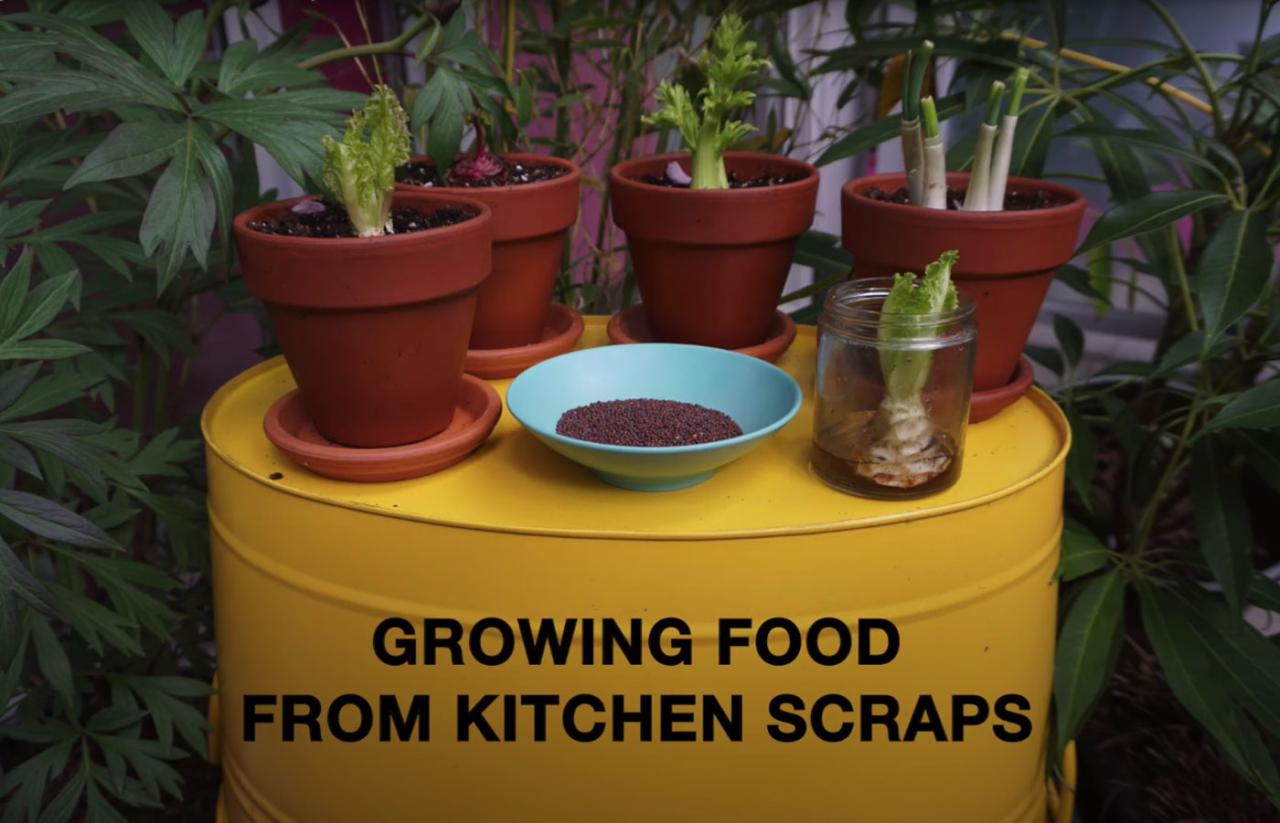
Reducing kitchen waste is an essential aspect of sustainable living that can significantly impact the environment. By feeding kitchen scraps to animals or composting them, we can mitigate the detrimental effects of traditional waste disposal methods, primarily landfill contributions. Landfills are among the largest sources of methane, a potent greenhouse gas that contributes to climate change. When food waste is sent to landfills, it decomposes anaerobically, releasing methane into the atmosphere. In contrast, recycling kitchen scraps can minimize this impact and promote ecological benefits.
Environmental Benefits of Recycling Food Waste
Food waste is a growing concern globally, with estimates suggesting that around one-third of all food produced for human consumption is wasted. This equates to approximately 1.3 billion tons annually, which not only strains resources but also contributes to environmental degradation. When food waste is composted or fed to animals, it diverts significant amounts from landfills.
The ecological benefits of recycling food waste include:
- Reduction of Greenhouse Gas Emissions: By composting or feeding kitchen scraps, we can significantly lower methane emissions compared to sending waste to landfills. Methane is around 28 times more effective than carbon dioxide at trapping heat in the atmosphere.
- Soil Enrichment: Composting kitchen scraps returns valuable nutrients back to the soil, improving soil health and fertility. This promotes the growth of healthy plants, reducing the need for chemical fertilizers.
- Conservation of Resources: Feeding kitchen scraps to animals or composting reduces the demand for new materials, saving water and energy that would be required to produce food from scratch.
- Support for Local Agriculture: By feeding food waste to livestock, local farmers can reduce feed costs and promote sustainable farming practices.
The consequences of food waste extend beyond just the food itself. For instance, the water used to grow wasted food is estimated to be around 1.4 trillion liters, which is enough to fill over 560,000 Olympic-sized swimming pools. Addressing food waste through methods like feeding kitchen scraps is not just an environmental necessity; it’s also a pathway to a more sustainable future where resources are utilized more efficiently.
The shift from traditional waste disposal methods toward more sustainable practices can significantly reduce landfill contributions and mitigate the environmental impacts of food waste.
Identify best practices for safely preparing kitchen scraps for feeding purposes.
Feeding kitchen scraps to pets or livestock can be a sustainable way to reduce waste. However, it’s crucial to prepare these scraps safely to protect the health of the animals. By following best practices, you can ensure that the scraps are not only safe but also nutritious.
To properly prepare kitchen scraps for feeding, it’s essential to maintain cleanliness and proper storage techniques. This minimizes the risk of contamination and spoilage, which can adversely affect the health of your animals. Here’s a checklist to help keep your kitchen scraps ready for feeding purposes.
Checklist for Cleaning and Storing Kitchen Scraps
Maintaining hygiene in preparing kitchen scraps is vital for the safety of your animals. Follow this comprehensive checklist to ensure proper cleaning and storage:
- Wash hands thoroughly before handling scraps to prevent the spread of bacteria.
- Rinse all fruits and vegetables under running water to remove dirt and pesticides.
- Remove any moldy or spoiled parts from the scraps before storage.
- Store scraps in clean, airtight containers to avoid exposure to pests and contaminants.
- Label containers with the date of collection to keep track of freshness.
- Keep scraps refrigerated if they won’t be used immediately, ideally within a week.
- Freeze any excess scraps that cannot be used promptly to prolong their shelf life.
Knowledge of Safe Scraps for Specific Animals
Understanding which kitchen scraps are suitable for different animals is crucial for their health. Some scraps that are safe for one type of animal may be harmful to another. For instance, certain fruit and vegetable scraps can be beneficial, while others may be toxic.
Educating yourself about safe scraps can prevent health issues. For example, while dogs can safely eat apple cores (after removing the seeds), they should never consume grapes or raisins, which are harmful. Similarly, pigs can enjoy a wide variety of kitchen scraps, but caution is needed with dairy products due to potential digestive disturbances.
Health Considerations When Feeding Kitchen Scraps
Feeding kitchen scraps can pose health risks if not managed appropriately. It’s important to consider potential health issues that can arise from improper feeding practices.
The key to safe feeding is knowledge of both the animals’ dietary requirements and the safety of the scraps.
Potential health considerations include:
- Risk of nutrient imbalance if scraps replace a balanced diet.
- Exposure to harmful bacteria like Salmonella or E. coli from spoiled food.
- Allergic reactions or gastrointestinal issues caused by unfamiliar food items.
- Potential for poisoning from toxic foods such as onions or chocolate, which should always be avoided.
By adhering to these best practices, you can safely utilize kitchen scraps, promoting sustainability while ensuring the well-being of your animals.
Elaborate on innovative ways to creatively use kitchen scraps beyond animal feeding.
Kitchen scraps often go to waste, but they can be transformed into delicious meals, valuable ingredients, or even beautiful crafts. By reimagining how we handle kitchen leftovers, we can foster creativity in the kitchen and contribute to sustainability. This section explores unique recipes and crafts that utilize common kitchen scraps, while also emphasizing the nutritional benefits of these practices.
Unique Recipes and Crafts Utilizing Kitchen Scraps
Transforming kitchen scraps into something useful or tasty can be both fulfilling and environmentally friendly. Here are three innovative ways to use those scraps that would otherwise end up in the trash:
1. Vegetable Broth from Scraps: Instead of discarding vegetable peels and stems, you can create a rich and flavorful broth. Collect scraps from onions, carrots, celery, and herbs. Simmer them in water for about an hour, strain, and you have a delicious base for soups, stews, or risottos.
Homemade vegetable broth is not only economical but also packed with nutrients, including vitamins and minerals from the raw vegetables.
2. Citrus Peel Candies: Don’t toss your citrus peels! Instead, turn them into delightful candies. Blanch the peels in boiling water, then soak them in sugar syrup until tender. Once cooled, roll them in sugar for a sweet treat. These candies add a zesty flavor to desserts and can also be used as cocktail garnishes.
Citrus peels are rich in vitamin C and antioxidants, making them a healthy addition to any sweet treat.
3. Banana Peel Smoothie: The next time you peel a banana, consider using the peel in a smoothie. Banana peels are nutritious, containing fiber, potassium, and vitamins B6 and B12. Blend a ripe banana with a small piece of the peel, spinach, and your favorite milk for a creamy, nutrient-packed drink.
Using banana peels not only reduces waste but also enhances the nutritional profile of your smoothie.
Inspiring others to repurpose kitchen scraps begins with sharing these recipes and tips. Demonstrating the ease and benefits of using scraps can encourage family and friends to adopt similar practices in their kitchens. Social media platforms or community workshops can provide an excellent avenue to share creative ideas and inspire a culture of sustainability.
End of Discussion
In summary, incorporating kitchen scraps into animal diets and garden ecosystems is not only beneficial for our furry friends but also plays a crucial role in reducing waste. By educating ourselves and others about the safe feeding practices and the environmental advantages, we can foster a sustainable lifestyle that respects both animals and the planet. So let’s embrace feeding kitchen scraps as a means to nourish and nurture, both at home and in our gardens.
General Inquiries
Can all kitchen scraps be fed to animals?
No, not all kitchen scraps are safe for animals. Some foods, like onions and chocolate, can be toxic to pets.
How can I safely introduce kitchen scraps to my pet’s diet?
Start with small amounts and monitor your pet for any adverse reactions. Gradually increase the portion if there are no issues.
What are the benefits of composting kitchen scraps?
Composting kitchen scraps reduces landfill waste, enriches soil, and decreases the need for chemical fertilizers.
Are there any risks associated with feeding kitchen scraps?
Yes, feeding improperly prepared or unsuitable scraps can lead to gastrointestinal issues or nutritional imbalances in animals.
How can I inspire others to use kitchen scraps creatively?
Share recipes or projects that utilize kitchen scraps, and highlight the benefits of reducing waste and being resourceful.