
 Valerie Eden
With Chicken vitamins at the forefront, the health and vitality of our feathered friends take center stage in the world of poultry farming. A well-balanced diet enriched with essential vitamins not only supports growth and egg production but also plays a pivotal role in strengthening their immune systems. Understanding the importance of these nutrients unveils a treasure trove of benefits that can revolutionize how we care for chickens.
From preventing deficiencies that can hinder development to enhancing egg quality, the right vitamin intake is crucial for ensuring that chickens thrive both in commercial settings and backyards. Delving into the various vitamins required for optimal nutrition reveals the significant impact they have on overall well-being and productivity. This exploration promises to equip chicken owners with valuable insights into maintaining healthy and robust poultry.
The significance of vitamins in chicken health
Vitamins play a crucial role in maintaining the health and productivity of chickens. Just like in humans, these essential nutrients support various physiological functions that contribute to the overall well-being of poultry. Understanding the importance of vitamins can help poultry farmers ensure optimal health for their flocks, ultimately leading to better growth rates and egg production.
Vitamins are organic compounds that are vital for a variety of metabolic processes in chickens. These nutrients can be categorized into two main groups: water-soluble and fat-soluble vitamins. Each vitamin serves specific functions that support not only the immune system but also growth, reproduction, and egg quality. For instance, Vitamin A is essential for vision and immune function, while Vitamin D is critical for calcium metabolism and strong bone formation. Vitamin E acts as an antioxidant, helping to protect cells from damage, and the B-vitamins are integral for energy metabolism.
Consequences of vitamin deficiencies in poultry
Vitamin deficiencies can lead to a range of health issues in chickens, significantly affecting their growth and productivity. Insufficient intake of essential vitamins may manifest in different ways, impacting both the chickens and the production yield.
The following points highlight the consequences of vitamin deficiencies:
- Vitamin A deficiency: Can result in poor vision and increased susceptibility to infections, leading to higher mortality rates.
- Vitamin D deficiency: Causes rickets in chicks, characterized by weak bones, and can also lead to poor egg shell quality in laying hens.
- Vitamin E deficiency: Can result in muscle degeneration and reproductive issues, including poor hatchability in eggs.
- B-vitamin deficiencies: Affect energy metabolism, leading to stunted growth, feather pecking, and reduced egg production.
The effects of vitamin deficiencies can be detrimental not only to individual birds but also to the entire flock, leading to economic losses for poultry producers.
Impact of vitamins on growth and egg production
Vitamins significantly influence both the growth rates of chickens and their egg production capabilities. Proper vitamin supplementation can enhance these aspects, making it a vital component of poultry nutrition strategies.
Enhancing growth is primarily linked to the role of vitamins in metabolism and energy utilization. For example, adequate B-vitamins contribute to improved feed conversion rates, allowing chicks to grow faster and healthier. Vitamin D, in particular, ensures proper calcium absorption, which is essential for skeletal development.
In terms of egg production, vitamins like E and A are crucial for laying hens. Vitamin E enhances fertility and hatchability, while Vitamin A is necessary for proper reproductive organ development. A balanced vitamin intake can lead to higher egg yields and improved egg quality, including shell strength and yolk color.
“Ensuring proper vitamin intake in poultry can lead to significant improvements in both growth rates and egg production, resulting in healthier chickens and increased farm profitability.”
In summary, the role of vitamins in chicken health cannot be overstated. By addressing vitamin requirements, poultry farmers can support their flocks in achieving optimal health, growth, and productivity.
Common vitamins essential for chickens
Vitamins play a critical role in the overall health and productivity of chickens. They contribute to various bodily functions, such as growth, reproduction, and disease resistance. Understanding which vitamins are essential for poultry can help poultry owners provide better nutrition through both commercial feeds and natural sources.
Several vitamins are crucial for chicken nutrition, and each serves a unique purpose in maintaining health and productivity. Below is a detailed look at these essential vitamins and their sources in commercial poultry feeds.
Essential Vitamins for Chickens
The following vitamins are vital for chickens, each contributing to different aspects of their health:
- Vitamin A: Essential for vision, immune function, and reproduction. Common sources include green leafy vegetables and carrots, as well as fortified commercial feeds.
- Vitamin D: Important for calcium absorption, impacting bone health and egg production. Sunlight exposure and vitamin D3 supplementation in feed are primary sources.
- Vitamin E: Acts as an antioxidant, promoting healthy skin and feathers. Natural sources include green grass, seeds, and nuts.
- Vitamin K: Crucial for blood clotting and bone health. It can be found in green plants and is often included in commercial poultry diets.
- B Vitamins (including B1, B2, B3, B5, B6, B7, B9, and B12): These are essential for metabolism and energy production, with sources ranging from whole grains to yeast and greens.
The importance of these vitamins varies depending on the life stage and health status of the chickens. For instance, growing chicks may have a higher requirement for B vitamins and vitamin D to support their rapid growth and skeletal development.
Sources of Vitamins in Commercial Poultry Feeds
Commercial poultry feeds are designed to meet the nutritional needs of chickens by including a balanced mix of vitamins. These feeds often contain premixes that ensure chickens receive adequate amounts of each vitamin.
A typical commercial feed may include:
- Fortified grains that supply B vitamins and vitamin E.
- Animal protein meals that are rich in vitamin B12 and essential amino acids.
- Mineral supplements that have added vitamin D3 for enhanced calcium absorption.
- Green additives, such as alfalfa or other legumes, that provide natural beta-carotene, which is converted to vitamin A.
These feeds are formulated based on the specific needs of the flock, taking into account their age, production stage, and health status.
Comparison of Vitamin Supplements Versus Natural Dietary Sources
While both vitamin supplements and natural dietary sources can provide necessary nutrients, there are distinct differences between the two.
Vitamin supplements offer a concentrated source of vitamins and can be specifically tailored to address deficiencies or specific health needs. They are often used in situations where natural sources are insufficient, such as in intensive production environments.
On the other hand, natural dietary sources provide vitamins in a more bioavailable form and come with additional nutrients that can enhance overall health. For example, whole grains provide not only B vitamins but also fiber and protein, which are vital for digestion and growth.
“While supplements are beneficial for correcting deficiencies, a diet rich in natural foods will always support better overall health in chickens.”
Ultimately, a balanced approach that incorporates both commercial feeds with added supplements and natural foods can often yield the best results in poultry nutrition. This ensures that chickens receive a comprehensive array of nutrients essential for their health and productivity.
The impact of vitamins on chicken immunity
The immune system of chickens plays a crucial role in their overall health and productivity. Vitamins are essential nutrients that significantly enhance the immune response of these birds. A well-balanced diet rich in specific vitamins can not only bolster the immune system but also improve the resistance of chickens to various diseases. In this discussion, we will explore how particular vitamins contribute to immunity, their relationship with disease resistance, and their role in stress management.
Vitamins and Immune System Enhancement
Certain vitamins are instrumental in supporting the immune system’s functions in chickens. For instance, Vitamin A is vital for maintaining the integrity of mucosal surfaces, which act as the first line of defense against pathogens. Additionally, Vitamin E acts as an antioxidant, protecting immune cells from oxidative damage and enhancing their function.
The following vitamins are particularly important for strengthening chicken immunity:
- Vitamin A: Essential for proper vision and immune function, it supports the integrity of epithelial tissues.
- Vitamin C: Known for its immune-boosting properties, it helps in the production of antibodies and enhances the activity of white blood cells.
- Vitamin E: Acts as an antioxidant, plays a significant role in immune response, and enhances the production of antibodies.
- Vitamin D: Important for calcium metabolism and immune function, it helps in the activation of immune cells.
The efficacy of these vitamins in enhancing the immune response can be observed through studies demonstrating that chickens receiving adequate levels show reduced incidence of respiratory diseases and better overall health.
Relationship Between Vitamins and Disease Resistance
The relationship between vitamins and disease resistance in poultry is well-documented. A diet deficient in essential vitamins can lead to immunosuppression, making chickens vulnerable to infections and diseases. When chickens receive adequate amounts of vitamins, their bodies are better equipped to resist common poultry diseases, such as Newcastle disease and avian influenza.
Important insights include:
- Studies indicate that chickens receiving a balanced diet with vitamins A, C, and E exhibit significantly lower mortality rates from infectious diseases.
- Supplementation with Vitamin D3 has been shown to improve resistance to respiratory diseases in broilers, enhancing their overall health and performance.
- Vitamins can modulate the immune response by influencing cytokine production, which is crucial for fighting infections.
These findings highlight the essential role of vitamins in empowering chickens to fend off pathogens and maintain health in the face of environmental challenges.
Vitamins in Stress Management and Overall Health
Chickens are often subjected to various stressors, including environmental changes, overcrowding, and handling. Vitamins play a vital role in stress management by supporting physiological functions and enhancing the birds’ ability to cope with stressors.
Key aspects include:
- Stress and Immunity: Stress can lead to the suppression of the immune response. Vitamins such as B-complex vitamins help in managing stress and maintaining energy levels.
- Vitamin C: Helps to mitigate the negative effects of stress. Adequate levels can improve resilience and overall wellbeing in chickens.
- Antioxidants: Vitamins E and A help to neutralize free radicals produced during stress, protecting immune cells and promoting recovery.
A balanced diet rich in these nutrients fosters a robust immune system, enabling chickens to maintain health and productivity even under stress.
“Proper vitamin intake is crucial for ensuring the health and resilience of poultry, allowing them to thrive in various conditions.”
Understanding vitamin supplementation in chicken farming
In chicken farming, vitamin supplementation plays a crucial role in ensuring the health and productivity of poultry. Vitamins are essential nutrients that help in various physiological processes, including growth, reproduction, and immune function. Proper vitamin supplementation can enhance the overall well-being of chickens, leading to improved growth rates and egg production.
Different forms of vitamin supplements are available for chickens, each with unique characteristics and benefits. Understanding these forms can help farmers choose the most effective options for their flocks. The main types of vitamin supplements include:
Forms of Vitamin Supplements
Vitamin supplements for chickens come in various formulations, including:
- Powdered Supplements: These are often mixed with feed or water, making them easy to administer. They provide flexibility in adjusting dosages according to flock requirements.
- Liquid Supplements: These can be added to drinking water and are readily absorbed by chickens. Liquid forms are ideal for quick vitamin delivery, especially in stressed birds.
- Granular Supplements: These can be sprinkled directly onto feed or mixed in. They are effective for both individual and group administration.
- Premixed Feed: Some commercial feeds contain added vitamins, ensuring that chickens receive essential nutrients in their daily diet.
The appropriate dosage and administration of vitamins are vital for avoiding deficiencies and toxicities. Administering the correct amount depends on several factors, including the age, weight, and health status of the chickens.
Dosage and Administration Guidelines
When determining the right dosage for vitamin supplementation, farmers should consider the following guidelines:
- Provide vitamins according to the manufacturer’s recommendations, which are typically based on the age and weight of the chickens.
- Monitor the health and performance of the flock regularly to adjust vitamin levels as necessary.
- Consider the specific needs of the breed and the environmental conditions they are kept in, as stress factors can increase vitamin requirements.
Monitoring vitamin levels in chicken diets is essential to ensure optimal health and performance. Regular assessments can help identify any deficiencies or excesses that may affect the flock’s productivity.
Monitoring Vitamin Levels
To effectively monitor vitamin levels in the diets of chickens, farmers should implement the following practices:
- Regularly analyze feed composition to check for the presence of essential vitamins, ensuring that feed meets the nutritional standards required.
- Utilize blood tests or tissue analysis to assess the vitamin status of the flock, allowing for precise adjustments to supplementation.
- Observe signs of vitamin deficiencies, such as poor feathering, reduced growth rates, or reproductive issues, which may indicate a need for increased supplementation.
By understanding the different forms of vitamin supplements, adhering to proper dosage guidelines, and monitoring dietary vitamin levels, chicken farmers can enhance the health and productivity of their flocks effectively.
The role of vitamins in egg quality and production
The quality of eggs produced by chickens is significantly influenced by their vitamin intake. Vitamins play crucial roles in various biological processes that directly affect egg production and the overall health of hens. A well-balanced vitamin profile in a hen’s diet can enhance not only the quantity but also the quality of eggs laid, impacting factors such as yolk color, nutritional value, and shell strength.
Vitamin supplementation is linked to improved egg production rates and quality. For instance, vitamins such as A, D, E, and B-complex are vital for optimal physiological functions in laying hens. These vitamins can enhance reproductive performance, ensuring that hens are more productive and that the eggs they lay meet higher standards of quality.
The impact of specific vitamins on egg characteristics
Understanding how different vitamins contribute to the quality of eggs is essential for poultry farmers. Here are some of these key vitamins and their effects:
- Vitamin A: Essential for maintaining proper vision and reproductive health, Vitamin A affects the color of the yolk, enhancing its nutritional value.
- Vitamin D: Crucial for calcium absorption, Vitamin D ensures strong eggshell formation, reducing breakage and increasing marketability.
- Vitamin E: An antioxidant that helps protect cell membranes, Vitamin E plays a role in improving the hatchability of eggs and the immune response of the chicks.
- B vitamins: This group includes several vitamins, such as B2 (riboflavin) and B12 (cobalamin), which are important for energy metabolism and red blood cell production, directly influencing egg production rates.
Research has shown a direct correlation between vitamin supplementation and enhanced egg characteristics. For example, a study published in the Journal of Applied Poultry Research found that layers receiving adequate vitamin E produced eggs with better shell quality and increased yolk color intensity compared to those on a vitamin-deficient diet. Other studies have indicated that hens supplemented with Vitamin D showed a 20% increase in egg production due to improved calcium utilization and shell strength.
“Optimizing vitamin intake in laying hens not only boosts egg production rates but also significantly enhances the overall quality of the eggs.”
Effects of environmental factors on vitamin stability in chicken diets
The nutritional health of chickens is intricately linked to the stability of vitamins in their diets, which can be significantly impacted by environmental factors such as temperature and humidity. Understanding these effects is crucial for poultry producers aiming to maintain optimal health and productivity in their flocks.
Environmental conditions can lead to the degradation of vitamins, rendering them less effective or completely inactive. For instance, high temperatures can accelerate the breakdown of vitamins A, D, and E, while excessive humidity can promote the growth of mold and bacteria, further depleting vitamin levels in feed. The stability of water-soluble vitamins, such as B vitamins, is also compromised under unfavorable conditions, emphasizing the need for effective management strategies.
Impact of Temperature and Humidity on Vitamin Stability
Temperature and humidity levels in storage and feeding environments play a critical role in the stability of vitamins in poultry diets. Here are key points illustrating these impacts:
- High Temperatures: Elevated temperatures can accelerate the oxidation of vitamins, particularly fat-soluble vitamins like A, D, E, and K. For example, vitamin A can lose as much as 50% of its potency when stored at temperatures above 25°C (77°F) for prolonged periods.
- High Humidity: Increased moisture levels can catalyze the hydrolysis of vitamins, especially in feeds containing high levels of grains and legumes. Humid conditions can lead to the formation of toxins while also promoting the growth of molds that can consume essential nutrients.
- Vitamin Sensitivity: Different vitamins exhibit varying levels of sensitivity to environmental factors. For instance, vitamin C is particularly vulnerable to heat and light, while vitamin B12 can degrade in the presence of moisture over time.
Methods to Preserve Vitamin Content in Poultry Nutrition
Preservation techniques are vital for maintaining vitamin integrity in feed under varying environmental conditions. Consider the following methods:
- Proper Storage: Store feeds in cool, dry places to minimize exposure to extremes of temperature and humidity. Utilizing airtight containers can help reduce moisture absorption and prevent oxidation.
- Use of Antioxidants: Incorporating natural antioxidants, such as vitamin E and selenium, into feed can help inhibit the oxidative degradation of other vitamins, thus extending their shelf life.
- Vitamin Fortification: Regularly assessing and fortifying feed with vitamins can ensure that even with potential losses, chickens receive adequate amounts. This approach involves monitoring feed formulations and adjusting vitamin levels based on environmental conditions.
Strategies to Ensure Adequate Vitamin Intake
Ensuring that chickens receive sufficient vitamins despite environmental challenges requires careful planning and management. Here are effective strategies:
- Regular Nutritional Assessments: Conducting frequent analyses of feed samples to monitor vitamin levels helps in making timely adjustments to feeding programs.
- Tailored Feeding Programs: Developing customized feeding regimens that account for seasonal variations in temperature and humidity can optimize vitamin availability for chickens.
- Balanced Diet Formulation: Incorporating a diverse range of feed ingredients can help compensate for the potential loss of vitamins due to environmental factors, ensuring a comprehensive nutrient profile.
Maintaining optimal vitamin stability in poultry feeds is essential for ensuring the health and productivity of chickens, especially under variable environmental conditions.
Innovations in vitamin delivery systems for poultry
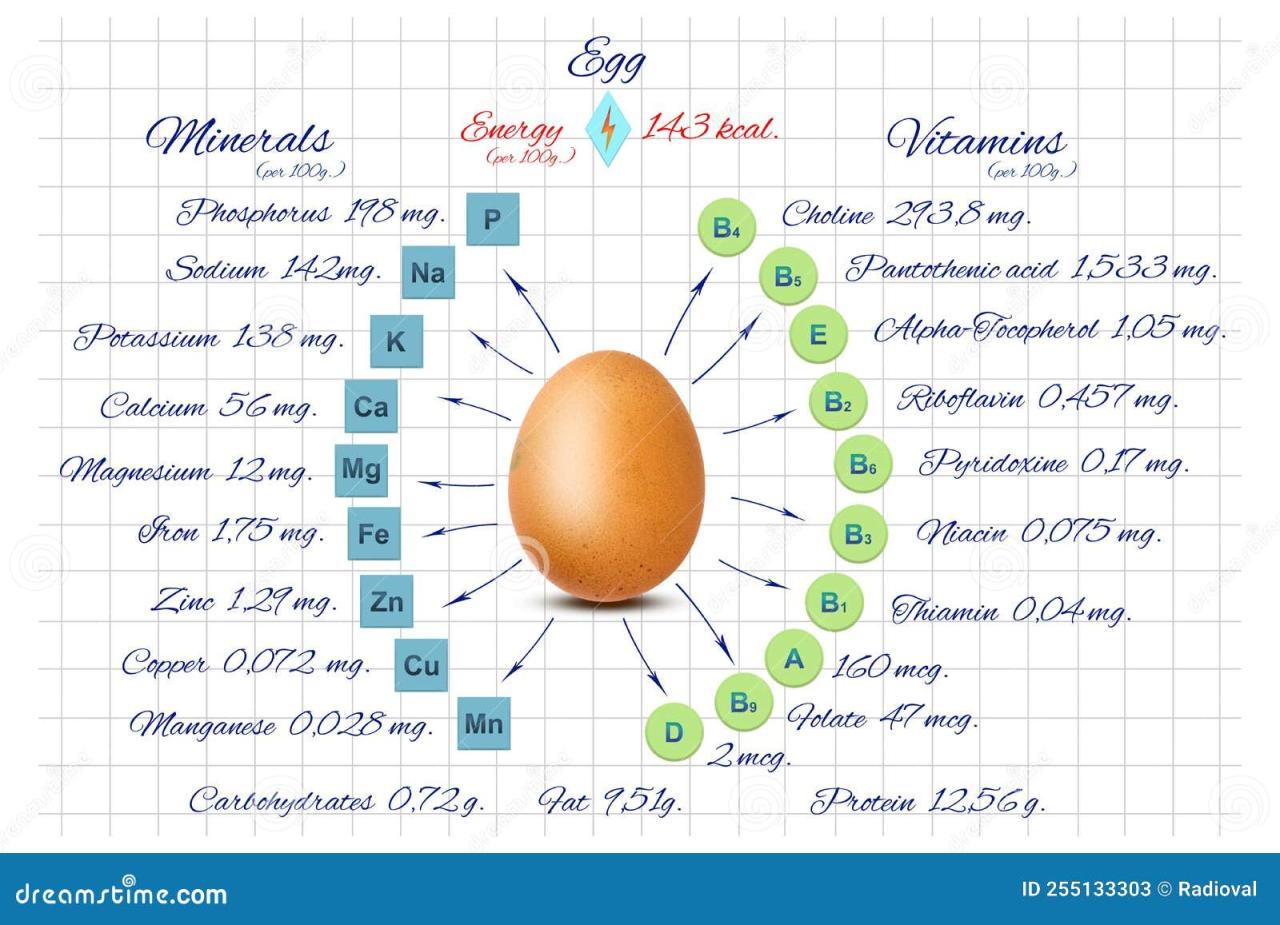
The poultry industry is constantly evolving, with advancements in nutrition playing a crucial role in improving bird health and productivity. Innovations in vitamin delivery systems have emerged as a key area of research, aiming to enhance the bioavailability and effectiveness of vitamins in chicken diets. These new methods not only address the limitations of traditional supplementation practices but also pave the way for more efficient feeding strategies that can lead to better growth rates and overall flock health.
Recent studies have shown that novel vitamin delivery systems, such as encapsulation techniques, liquid formulations, and nanotechnology, offer substantial advantages over conventional methods. These options allow for targeted delivery of vitamins, which can significantly improve absorption rates and reduce wastage. This is particularly important in commercial poultry operations where maximizing nutrient efficiency is essential for profitability.
Emerging technologies in vitamin delivery
The development of advanced vitamin delivery systems involves several innovative technologies that are reshaping poultry nutrition. Below are some of the most notable advancements:
- Microencapsulation: This technology involves coating vitamins with protective materials, allowing for controlled release in the digestive tract. Research indicates that microencapsulated vitamins can enhance stability and bioavailability, leading to improved nutrient absorption in chickens.
- Liquid formulations: Liquid delivery systems can enhance the solubility of vitamins and facilitate easier mixing with feed. Studies have demonstrated that liquid vitamins can lead to better intake and superior growth performance compared to traditional dry supplements.
- Nanotechnology: The application of nanotechnology in vitamin delivery allows for the creation of nanoparticles that can improve the absorption of vitamins at the cellular level. Research has shown that using vitamin nanoparticles can increase bioefficacy, providing birds with more effective doses.
- Fermentation technologies: Utilizing fermentation processes to produce vitamin-rich by-products can enhance the nutritional profile of feeds. Research has indicated that fermented feeds can contain higher levels of bioavailable vitamins, supporting better health outcomes in poultry.
These innovations not only improve the efficiency of vitamin utilization in poultry diets but also contribute to the overall sustainability of poultry farming. As research continues to evolve, the poultry industry can expect further breakthroughs that will enhance the health and productivity of chickens.
“Targeted delivery of vitamins through innovative systems ensures that poultry receive optimal nutrition, ultimately benefiting both animal welfare and farm profitability.”
Research into these emerging technologies emphasizes their potential to revolutionize poultry nutrition. For instance, a study published in the Journal of Animal Science highlighted the effects of microencapsulated vitamins on broiler growth performance, revealing significant improvements in weight gain and feed conversion ratios. Additionally, trials with liquid formulations demonstrated that birds receiving liquid vitamins exhibited enhanced immune responses, showcasing the benefits of these novel delivery systems.
As the poultry industry continues to adapt and innovate, the integration of advanced vitamin delivery technologies will likely play a pivotal role in shaping future nutritional practices and improving overall flock health.
Best practices for including vitamins in home-raised chickens
Providing your backyard chickens with optimal vitamin intake is essential for their health and productivity. A balanced diet not only supports robust growth and egg production but also enhances their immune system and overall well-being. Therefore, understanding how to effectively incorporate vitamins into their diet is vital for any chicken owner.
A balanced diet for home-raised chickens can be achieved through a combination of commercially available feeds and home-grown ingredients. This approach not only ensures that the chickens receive necessary nutrients but also allows for greater control over their diets. Vitamins, in particular, play a critical role in various physiological processes, including metabolism, immunity, and feathering. By paying attention to their vitamin intake, you can contribute to the longevity and productivity of your flock.
Incorporating vitamins into chicken diets
Including vitamins in the diet of backyard chickens can be done through a variety of methods. Here are some practical strategies for ensuring your chickens receive the essential vitamins they need.
– Commercial Chicken Feed: Most commercial feeds are fortified with essential vitamins and minerals. Look for a high-quality layer or grower feed that lists vitamins A, D, and E, as well as B vitamins.
– Fresh Vegetables and Fruits: Offering a variety of fresh produce can boost vitamin intake. Leafy greens, carrots, and blueberries are great sources of vitamins. For example, kale is rich in vitamins A and K, while carrots provide a good amount of beta-carotene.
– Supplemental Vitamins: In some cases, especially if you notice deficiencies, adding vitamin supplements to their drinking water can be beneficial. Products containing Vitamin D3 and B12 are often recommended for chickens.
– Fermented Feeds: Fermenting your chicken feed can enhance its nutritional value and make vitamins more bioavailable. This process promotes beneficial bacteria that can improve digestion and vitamin absorption.
Regular monitoring of your chickens’ health and behaviors can help in adjusting their vitamin levels. If you observe signs of deficiency, such as poor feathering, lethargy, or decreased egg production, it may be time to reassess their diet.
Monitoring vitamin levels in a small-scale operation
Maintaining a proper balance of vitamins in your chickens’ diets requires observation and adjustment. Here are effective methods for monitoring and adjusting vitamin levels in a small-scale operation.
– Regular Health Checks: Conducting routine health checks helps to identify any signs of vitamin deficiency. Look for indicators such as feather quality, energy levels, and overall behavior.
– Feed Composition Analysis: Occasionally analyze the nutritional composition of both commercial and home-grown feeds. This can help in determining if the feed meets the vitamin requirements of your flock.
– Consulting Veterinary Resources: Engaging with avian veterinarians or poultry nutritionists can provide valuable insights into the specific nutritional needs of your chickens. They can recommend adjustments based on the specific breed and age of your birds.
– Record Keeping: Keeping a detailed log of feed types, amounts, and any changes in health or production can highlight patterns and help in making informed adjustments to their diet.
By implementing these best practices, backyard chicken owners can effectively manage the vitamin intake of their flocks, ensuring they thrive in a home-raised environment.
Conclusion
In summary, ensuring that chickens receive adequate vitamins is vital for their health, immunity, and productivity. By understanding the role of various vitamins and how they contribute to growth and egg quality, chicken owners can make informed decisions about nutrition and supplementation. As we embrace best practices for vitamin inclusion, we pave the way for healthier chickens and ultimately, a more successful poultry farming experience.
General Inquiries
What are the signs of vitamin deficiency in chickens?
Signs include poor growth, reduced egg production, feather abnormalities, and increased susceptibility to diseases.
Can chickens get all their vitamins from feed alone?
While commercial feeds are designed to be nutritionally complete, sometimes supplementation may be necessary, especially in backyard settings with varied diets.
How often should I monitor my chickens’ vitamin levels?
It’s advisable to assess vitamin levels regularly, particularly during changes in diet, seasons, or if health issues arise.
Are synthetic vitamins as effective as natural sources?
Synthetic vitamins can be just as effective as natural sources when properly formulated and administered, but some poultry owners prefer natural dietary sources for their holistic benefits.
What environmental factors should I consider for vitamin preservation?
Temperature and humidity are critical; storing feed in a cool, dry place helps maintain vitamin stability and potency.