
 Valerie Eden
Egg-bound hen is a condition that can cause great distress for both the bird and its owner. When a hen is unable to lay an egg, it can lead to serious health issues, and recognizing the problem early is crucial. This situation can arise from various factors, including anatomical, biological, and environmental influences that affect a hen’s reproductive system. Understanding these factors can help in identifying symptoms and taking the necessary steps to assist the hen effectively.
In this discussion, we will explore the biological reasons behind egg binding, the signs to look out for, and the importance of early detection. Additionally, we will delve into causes ranging from age and breed to environmental conditions and nutrition, providing insights on preventive measures and treatment options to ensure the well-being of laying hens.
Understanding what an egg-bound hen is
Egg-binding is a serious condition that affects hens, particularly those that are young, older, or have reproductive issues. This occurs when a hen is unable to pass an egg through her reproductive tract, leading to a variety of health complications if not addressed in a timely manner. Understanding the biological and anatomical reasons behind egg-binding is critical for any poultry keeper, as it allows for better management and prevention of this condition.
The hen’s reproductive system has specific anatomical features that support egg-laying. The ovaries produce eggs that travel through the oviduct, where they are fertilized and encased in shells. However, several factors can lead to a hen becoming egg-bound. Anatomically, if the oviduct is malformed or if the hen is in poor health, egg-laying can become obstructed. Additionally, larger eggs than usual or multiple eggs can accumulate, leading to blockage. Nutritional deficiencies, particularly in calcium and vitamin D, can weaken the muscles that help push the egg through the oviduct. Stress factors, such as changes in environment, improper housing conditions, or illness, can also contribute to the risk of egg-binding.
Recognizing the symptoms of an egg-bound hen is essential for early intervention. Common signs include the hen sitting in a crouched position, straining or pushing without producing an egg, and displaying signs of discomfort or distress. You might notice a distended abdomen, lethargy, and reduced appetite. In some cases, the hen may exhibit abnormal vocalizations or isolation from the flock. If a hen is egg-bound, she may also have a dirty vent area due to the remnants of straining.
Early recognition of egg binding is critical to prevent further complications such as egg rupture, which can lead to peritonitis, a severe and often fatal inflammation of the abdominal cavity. Prompt veterinary intervention is necessary once egg-binding is suspected, as it may require medical treatment or even surgical intervention to resolve. Understanding these signs and symptoms can make a significant difference in the prognosis for the affected hen.
Signs of Egg-Binding in Hens
Identifying the signs of egg-binding promptly can significantly aid in the recovery of the hen. Here are the key indicators to watch for:
- Crouched sitting position: The hen may sit low to the ground, adopting a posture that indicates discomfort.
- Straining behavior: Hens will often appear to be struggling to lay an egg without success.
- Abdominal distension: A visibly swollen abdomen can be an indication of a trapped egg.
- Lethargy: The hen may become less active than usual, preferring to remain in one spot.
- Reduced appetite: A decrease in food intake can be a sign of distress or discomfort.
- Dirty vent area: The area around the vent may show signs of straining, often with fecal matter present.
Recognizing and acting on these symptoms quickly is crucial for the health of the hen and can prevent serious complications down the line.
Identifying causes of egg binding in hens
Egg binding is a serious condition in hens that can lead to significant health complications if not addressed promptly. Various factors contribute to a hen becoming egg-bound, including age, breed, health status, and environmental conditions. Understanding these factors is vital for preventing and addressing this issue effectively.
One major factor influencing egg binding is the hen’s age. Younger hens, particularly those that have just started laying, may struggle with the process due to inexperience. Conversely, older hens may also face difficulties as they approach the end of their laying cycle. Additionally, certain breeds are more susceptible to egg binding than others. For instance, larger breeds, such as the Orpington or Brahma, may have a higher incidence of egg binding due to the size of their eggs relative to their reproductive anatomy.
Health status plays a critical role in a hen’s ability to lay eggs successfully. Hens that are overweight may have excess fat surrounding their reproductive organs, making it harder for an egg to pass through. Conversely, hens that are underweight may lack the necessary body condition to support a healthy reproductive process. Furthermore, underlying health issues—such as infections or reproductive tract abnormalities—can contribute to egg binding, underscoring the importance of regular health assessments for hens.
Environmental factors affecting reproductive health
Environmental conditions, including temperature and housing, significantly impact a hen’s reproductive health. Extreme temperatures can affect a hen’s ability to lay eggs effectively. For instance, high temperatures can lead to dehydration, causing a hen to develop hard-shelled eggs that may be more difficult to pass. Cold temperatures may cause stress, which can inhibit normal laying patterns.
Housing conditions also play a key role. Overcrowded spaces can lead to stress and competition for resources, which can adversely affect egg-laying. Hens require proper nesting boxes, adequate space, and a clean environment to feel secure and healthy. Stress arising from poor housing conditions can lead to anxiety, which may subsequently contribute to egg binding.
Nutritional deficiencies can also lead to egg binding. A balanced diet is essential for strong eggshell formation and reproductive health. Key nutrients include calcium, phosphorus, and vitamin D, which are crucial for healthy egg production. Deficiencies in these nutrients can lead to soft-shelled or malformed eggs, increasing the risk of binding.
To prevent nutritional deficiencies, it is important to provide a balanced diet that includes:
- High-quality layer feed formulated to meet the specific nutritional needs of laying hens.
- Calcium sources such as crushed oyster shells or limestone to support eggshell strength.
- Access to fresh greens and protein sources, including mealworms or legumes, to enhance overall health and vitality.
Implementing a balanced diet and ensuring optimal environmental conditions can significantly reduce the risk of egg binding in hens.
Assessing the health of an egg-bound hen
When faced with a suspected egg-bound hen, it’s crucial to assess her health condition thoroughly. Egg binding occurs when a hen is unable to lay an egg, which can lead to serious health complications. An attentive evaluation of her physical state is essential for prompt treatment and recovery. Observing her behavior, physical appearance, and specific indicators can provide insights into her health and well-being.
Assessing the health of a hen suspected to be egg-bound involves careful observation and sometimes professional intervention. A veterinarian plays a vital role in this process, especially when symptoms are severe or prolonged. Initially, the hen’s behavior should be monitored closely. Signs such as lethargy, reduced appetite, and isolation from the flock indicate distress. Additionally, physical examination of the hen can reveal critical information regarding her condition.
Indicators of health status during a suspected egg-binding episode
Several key indicators should be monitored to evaluate a hen’s health status during a suspected egg-binding episode. These indicators include:
- Abdominal distension: A visibly swollen abdomen may suggest the presence of a lodged egg.
- Vent appearance: Check for any swelling, redness, or discharge around the vent area, which might indicate complications.
- Posture: A hen that frequently squats or assumes a laying position may be straining to lay an egg.
- Fecal output: Pay attention to the consistency and frequency of droppings; a lack of feces may suggest serious issues.
- Vocalization changes: Unusual sounds, such as frequent clucking or vocal distress, can indicate discomfort.
In addition to observation, specific procedures can help determine if an egg is lodged inside the hen. Palpation is a common technique used by veterinarians, which involves gently feeling the abdomen to assess for any abnormalities. This method requires proper technique to avoid causing further distress or injury.
To perform palpation effectively, the following steps can be taken:
1. Gentle handling: Ensure the hen is calm and securely held to prevent unnecessary stress.
2. Locate the abdomen: Place your hands on either side of the hen’s abdomen, applying mild pressure.
3. Assess for irregularities: Feel for any firm or rounded masses that may indicate an egg.
4. Check for discomfort: Monitor the hen’s reaction to palpation, as signs of pain may suggest complications.
By observing these indicators and performing gentle palpation, caretakers can gather essential information to aid in the decision-making process regarding veterinary intervention. Swift action is essential in cases of egg binding, and timely assessment can significantly improve the hen’s chances of recovery.
Treatment options for egg-bound hens
Egg binding is a concerning condition in hens where they are unable to lay an egg, leading to distress and potential health complications. Understanding the various treatment methods is crucial for hen owners to effectively address this issue. Treatment options range from simple home remedies to more intensive veterinary interventions, each with its own pros and cons.
There are several approaches available for treating egg-bound hens, and the choice of treatment often depends on the severity of the condition and the experience of the caregiver. Below are the common treatment options, along with their effectiveness based on anecdotal evidence and case studies.
Home Remedies
Home remedies can be the first line of treatment for egg-bound hens. They are generally less invasive and can be performed by the owner.
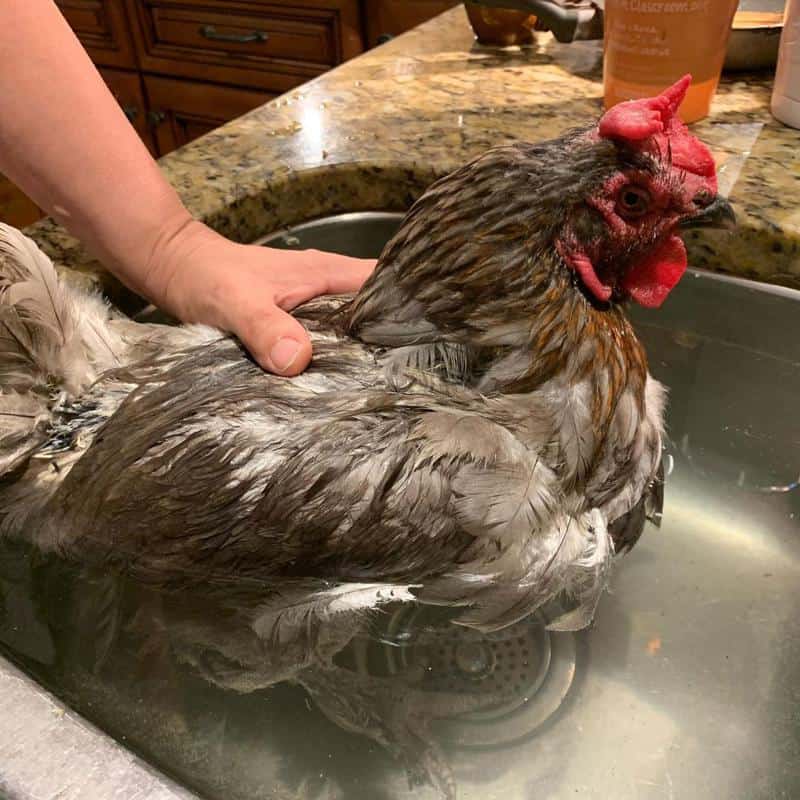
- Warm Soaks: Soaking the hen in warm water for about 20-30 minutes can relax the muscles and help the egg to pass. Many owners have reported success with this method.
- Olive Oil Administration: Administering a small amount of olive oil can lubricate the hen’s cloaca and ease the egg’s passage. Anecdotal evidence suggests that this is both safe and effective.
- Massage: Gently massaging the abdominal area can stimulate the hen’s muscles and encourage the egg to move. Many farmers have found this helpful in mild cases.
While these remedies are often effective for hens showing mild symptoms, they may not work for severe cases.
Veterinary Interventions
In more severe cases, veterinary intervention may be necessary. These approaches are more clinical and require professional assistance.
- Manual Extraction: A veterinarian can manually remove the egg if it is lodged in a position that is causing distress. This method has a high success rate but can be stressful for the hen.
- Hormonal Treatments: Hormonal treatments can be prescribed to stimulate the hen’s reproductive system and encourage egg-laying. Studies have shown this can be effective for hens with chronic egg-binding issues.
- Surgical Intervention: In extreme cases, surgery may be required to remove the egg. While this is a last resort, it can save the hen’s life in dire situations.
Comparison of Treatment Options
The effectiveness of these treatment options varies based on the hen’s condition and the techniques employed. Below is a comparison table that highlights the pros and cons of each treatment method.
| Treatment Option | Pros | Cons |
|---|---|---|
| Warm Soaks | Easy to perform; non-invasive; generally successful | May not work for severe cases |
| Olive Oil Administration | Safe; promotes lubrication | Varied results; not effective for all |
| Manual Extraction | High success rate; immediate relief | Stressful for the hen; requires professional |
| Hormonal Treatments | Can address chronic issues; effective | Potential side effects; requires veterinarian |
| Surgical Intervention | Life-saving in extreme cases | Risky; invasive; expensive |
Understanding these treatment options can help hen owners take the appropriate steps to ensure the health and well-being of their birds.
Prevention strategies for avoiding egg binding

Successful management of laying hens plays a pivotal role in preventing egg binding, a condition that can pose serious health risks. Implementing effective prevention strategies can significantly enhance the reproductive health of hens. Proper nutrition, housing, and monitoring practices are fundamental in ensuring that hens remain healthy and productive, and mitigating the risk of egg binding.
Ensuring that hens receive an appropriate diet is crucial in preventing egg binding. A balanced diet rich in calcium, protein, and other essential nutrients supports reproductive health and egg development. This can be achieved by providing a high-quality layer feed formulated specifically for laying hens, along with access to fresh greens and other calcium sources such as crushed oyster shells.
Nutrition and Housing Best Practices
The dietary and housing conditions significantly impact the overall health of laying hens. Regularly assessing and adjusting their diet and living environment can help prevent egg binding. Below are essential strategies for ensuring optimal nutrition and housing:
- Ensure a balanced diet: Provide laying hens with a nutrient-dense layer feed that includes adequate protein (16-18%), calcium (3-4%), and vitamins.
- Supplement calcium: Offer additional calcium sources like oyster shells or limestone to promote strong eggshell formation.
- Maintain hydration: Always provide clean, fresh water to prevent dehydration, which can lead to laying issues.
- Monitor housing conditions: Ensure the coop is clean, dry, and well-ventilated to prevent stress and health issues.
- Provide adequate space: Allow sufficient room for each hen to move freely, as overcrowding can lead to stress and health complications.
- Encourage natural behaviors: Provide nesting boxes, perches, and dust baths to satisfy natural instincts and reduce stress.
- Regular health checks: Conduct routine health examinations to identify any signs of illness or distress early.
Regular monitoring and maintenance are necessary for the well-being of laying hens. A helpful checklist of actions ensures that hens are living in optimal conditions and receiving the care they need.
Regular management is key to preventing egg binding in hens.
Checklist for Regular Hen Care
To ensure the overall health and well-being of laying hens, consider the following checklist:
- Check feed and water supply daily.
- Inspect housing for cleanliness and proper ventilation weekly.
- Monitor body condition and weight regularly.
- Examine nesting boxes for cleanliness and accessibility.
- Assess the presence of stress or behavioral issues among hens.
- Provide enrichment activities to reduce boredom.
- Keep records of egg production and health for each hen.
By implementing these strategies, hen owners can significantly reduce the risk of egg binding and promote a healthier, more productive flock.
The role of regular health checks in poultry management
Regular health assessments are crucial in maintaining the overall well-being of poultry. By routinely examining hens, owners can detect potential health issues, including egg binding, before they become severe. Early identification allows for timely intervention, which can prevent the escalation of illnesses and improve the quality of life for the birds. These proactive measures not only enhance flock productivity but also contribute to the economic viability of poultry farming.
Routine veterinary care plays a significant role in poultry management. Establishing a consistent schedule for health checks ensures that hens receive vaccinations, deworming treatments, and necessary health assessments. Such regular attention helps identify any underlying issues early on, which can be particularly vital for conditions like egg binding. A veterinarian can also provide guidance on proper nutrition and environmental management, further supporting the health of the flock.
Recognizing warning signs of health issues
Training hen owners to recognize warning signs of health issues is a pivotal aspect of poultry management. Understanding these indicators can lead to early detection and treatment, preventing unnecessary suffering. Here are important signs to monitor in your flock:
- Changes in behavior: Lethargy, isolation from the flock, or changes in feeding habits may indicate underlying health problems.
- Physical appearance: Look for weight loss, changes in feather quality, or unusual droppings, which can be signs of illness.
- Respiratory issues: Coughing, sneezing, or nasal discharge are symptoms that warrant immediate attention.
- Egg production: A sudden drop in egg production or the presence of abnormal eggs can indicate health issues, including egg binding.
Regular health checks not only support the well-being of poultry but also safeguard the investment of poultry owners.
By familiarizing themselves with these signs, hen owners can ensure a healthier flock and contribute to the overall effectiveness of their poultry management practices.
Closure
In summary, recognizing an egg-bound hen and understanding the underlying causes is essential for effective treatment and prevention. From regular health checks to proper nutrition and housing, the steps we take can significantly impact a hen’s reproductive health. By staying informed and vigilant, poultry owners can ensure their flocks remain healthy and productive, ultimately leading to happier hens and a more rewarding experience for their caretakers.
Quick FAQs
What are the signs of an egg-bound hen?
Common signs include straining to lay eggs, lethargy, decreased appetite, and swelling in the abdomen.
How can I help an egg-bound hen at home?
Soaking her in warm water, providing hydration, and ensuring she has a comfortable and stress-free environment can help.
Can egg binding happen to any breed of hen?
Yes, while certain breeds may be more prone to egg binding, any hen can potentially experience this issue.
Is egg binding a common issue in backyard flocks?
It can occur, especially in hens that are older or under stress due to environmental factors.
When should I call a veterinarian for an egg-bound hen?
If symptoms persist for more than a few hours or worsen, contacting a veterinarian is highly advised.