
 Valerie Eden
Grower feed stands at the heart of livestock management, serving as a pivotal component that influences the health and productivity of animals. With the right nutritional balance, it plays a significant role in enhancing growth rates and ensuring that livestock thrive in various farming environments. This introduction invites readers to explore the critical aspects of grower feed, shedding light on its formulation, ingredients, and the varying needs of different livestock types.
The effectiveness of grower feed is largely determined by its quality and the nutritional benefits it offers. By understanding the components that make up superior grower feed, farmers can make informed decisions that directly impact animal welfare, productivity, and even economic viability. As we delve deeper into the subject, we’ll uncover the challenges and innovations associated with grower feed management, ultimately highlighting its importance in modern agricultural practices.
The Importance of Grower Feed in Agricultural Practices
Grower feed is an essential component in the realm of agricultural practices, particularly in livestock management. It serves as the nutritional backbone that supports the growth and development of animals during their crucial growth stages. By ensuring that livestock receive appropriate sustenance, growers can significantly improve the health, productivity, and overall well-being of their animals. The impact of grower feed extends beyond just immediate health benefits, influencing long-term productivity outcomes for farmers and the agricultural industry as a whole.
The formulation of grower feed is designed to provide a balanced diet that caters to the specific needs of animals at different growth stages. Proper nutrition plays a vital role in enhancing growth rates for various livestock species, including poultry, swine, and ruminants. For instance, research indicates that when poultry are fed a high-quality grower feed, they can achieve a weight gain of 0.05 to 0.1 kg per week depending on the breed and environmental conditions. Similarly, in pigs, well-balanced grower feeds can lead to an average daily gain of 0.8 kg, significantly reducing the time to market weight and improving feed conversion ratios.
Variations in Grower Feed Formulations
Understanding the variations in grower feed formulations across different livestock types is crucial for optimizing animal growth and productivity. Each species has unique nutritional requirements based on their physiological needs, which growers must consider when selecting feed components.
1. Poultry Feed: Grower feed for poultry typically includes high levels of protein, vitamins, and minerals to support rapid growth. Ingredients often consist of corn, soybean meal, and synthetic amino acids. This combination ensures that chicks grow into healthy layers or broilers, meeting market demands effectively.
2. Swine Feed: For pigs, the formulation might be higher in energy and fiber to facilitate growth and maintain gut health. Ingredients like barley and wheat are common in swine grower feeds, enriching their diets and ensuring sufficient caloric intake for optimal growth rates.
3. Ruminant Feed: In ruminants such as cattle and sheep, grower feed often incorporates forages alongside grains. This blend supports their unique digestive systems, promoting healthy rumen function and efficient nutrient absorption.
The way grower feeds are formulated can also vary based on farming practices and geographic locations. Factors such as climate, available raw materials, and specific farming goals (such as organic versus conventional farming) influence the nutritional content and formulation of the feed.
“Properly formulated grower feed not only boosts growth rates but also enhances overall livestock health, leading to more sustainable farming practices.”
Components of High-Quality Grower Feed
High-quality grower feed is essential for the optimal growth and development of livestock, particularly during their crucial growth stages. The feed not only provides energy but also supplies vital nutrients that support overall health, growth rates, and production efficiency. Understanding the components of high-quality grower feed can help farmers and producers make better choices for their animals.
Essential Ingredients in Grower Feed
The formulation of grower feed includes a variety of essential ingredients that contribute significantly to the nutritional profile required for healthy animal growth. Each ingredient plays a specific role in ensuring the feed meets the dietary needs of the animals.
- Protein Sources: Ingredients like soybean meal, canola meal, and fish meal are rich in protein, which is vital for muscle development and overall growth. Protein provides the necessary amino acids that support tissue repair and growth.
- Energy Sources: Grains such as corn and barley serve as primary energy sources. They are rich in carbohydrates, helping to fuel daily activities and growth processes.
- Vitamins: Vitamins A, D, and E are commonly included in grower feed to support immune function, vision, and bone health. These vitamins help in various metabolic processes that are crucial during growth.
- Minerals: Essential minerals such as calcium, phosphorus, and zinc are included for their role in bone development, enzyme function, and overall health. The balance of these minerals is crucial for preventing deficiencies that can hinder growth.
Significance of Nutritional Components
Each component of grower feed has specific importance in animal nutrition. The balance of protein, vitamins, and minerals is essential for promoting optimal growth rates and health.
- Protein: A well-balanced protein level helps in muscle formation and growth. It is instrumental in maintaining strong, healthy animals capable of achieving high productivity levels.
- Vitamins: Vitamins are crucial for metabolic processes, and deficiencies can lead to growth retardation and susceptibility to diseases. For example, vitamin A deficiency can lead to poor vision and reduced immune response.
- Minerals: The proper ratio of calcium to phosphorus is critical for bone strength and development. An imbalance can lead to skeletal issues and poor growth performance.
Evaluating Grower Feed Quality
To ensure that the grower feed being used is of high quality, it is important to evaluate its ingredient list and nutritional content critically. The following factors should be considered when assessing the quality of grower feed:
- Ingredient list transparency: A high-quality grower feed should clearly list all ingredients, indicating the presence of high-quality sources of protein, energy, vitamins, and minerals.
- Feed analysis: Nutritional analysis reports should be available to verify the levels of protein, fat, fiber, vitamins, and minerals. This data helps ensure that the feed meets the specific needs of the animals being raised.
- Ingredient sourcing: Understanding where the ingredients are sourced can provide insights into their quality. Ingredients derived from reputable suppliers are often more reliable and nutritious.
- Consistency: High-quality feed will have consistent nutritional content across batches, ensuring that animals receive the same level of care and nutrition with each feeding.
Common Challenges in Grower Feed Management
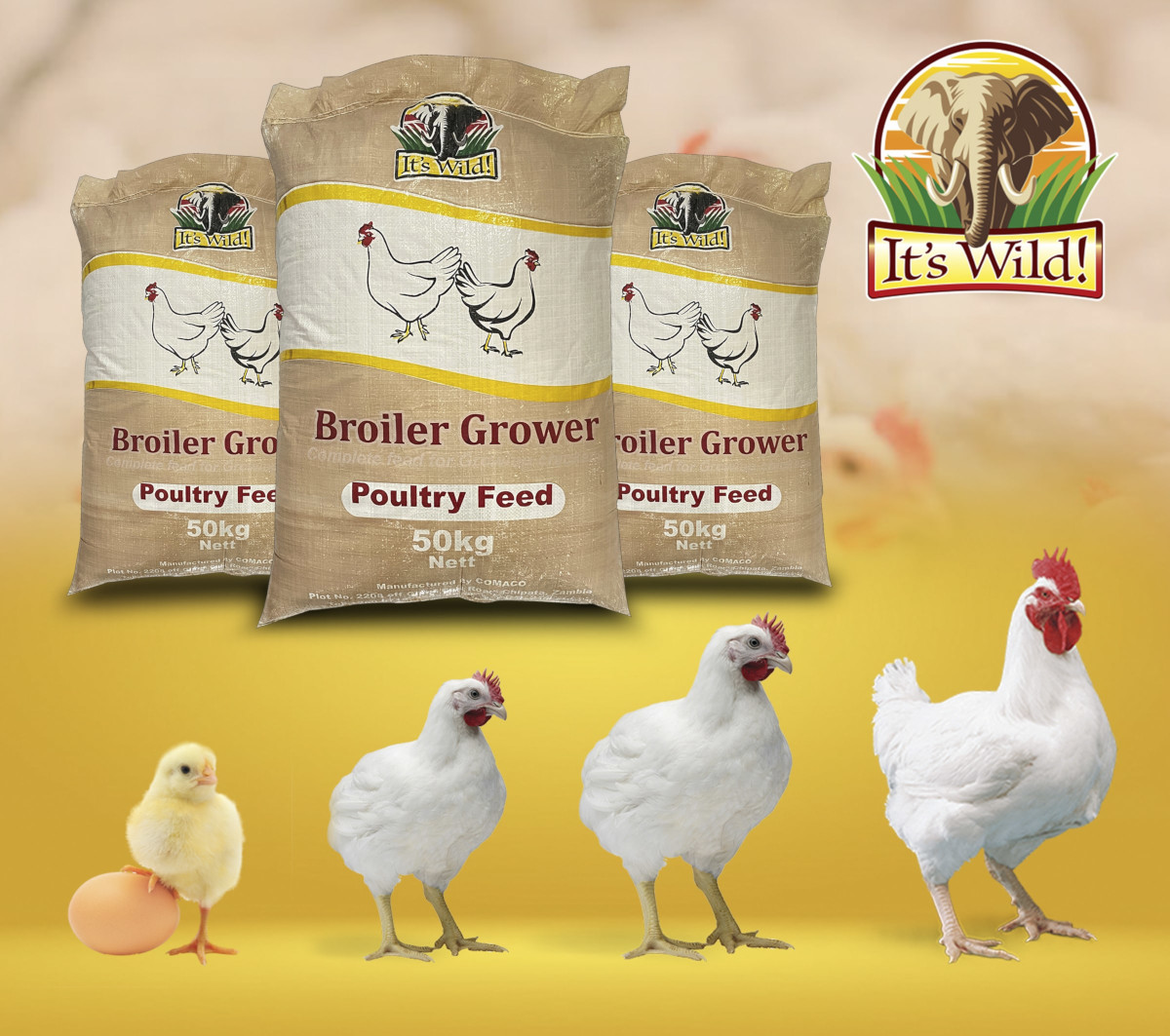
Managing grower feed is a critical aspect of livestock farming that can significantly impact both animal health and farm productivity. Farmers often face various challenges that can complicate the effective storage and handling of feed. Issues such as proper storage techniques, contamination, and feed waste can arise, affecting not only the quality of feed but also the overall efficiency of farm operations. Understanding these challenges can help farmers implement better practices and ensure their livestock remains healthy and productive.
One of the primary challenges in grower feed management is maintaining optimal storage conditions. Feed must be stored in a dry, cool, and ventilated environment to prevent spoilage and contamination. Exposed to moisture or heat, feed can develop mold or spoilage, leading to toxic compounds that can harm livestock. Additionally, pests and rodents can infiltrate feed storage areas, further compromising feed quality. A lack of proper handling procedures during transport and distribution can exacerbate these issues, leading to losses in nutritional value and increased feed wastage.
The implications of poor feed management extend beyond immediate livestock health. Contaminated or low-quality feed can lead to decreased growth rates, increased susceptibility to diseases, and ultimately higher veterinary costs. Such outcomes not only jeopardize animal welfare but also diminish farm productivity and profitability. For instance, a study indicated that livestock consuming moldy feed experienced a 20% reduction in growth rates, showcasing the direct correlation between feed quality and animal performance.
To address these common issues in grower feed supply chains, farmers can adopt several effective strategies. Implementing proper inventory management techniques can minimize spoilage and waste. Regular inspections of storage facilities to identify and rectify conditions that may lead to contamination or pest infestation are crucial. Furthermore, investing in quality feed additives that enhance preservation can improve feed shelf life and nutritional value. Training staff on best practices for feed handling and storage can also contribute to maintaining high standards and reducing losses.
Effective grower feed management is essential for optimizing livestock health and farm productivity.
Innovations in Grower Feed Production
The landscape of grower feed production is undergoing significant transformations driven by technological advancements and innovative practices. These developments aim to enhance the efficiency and sustainability of feed production while addressing the growing demands of livestock nutrition. By adopting new methodologies, producers can optimize feed formulations and reduce environmental impacts, ultimately leading to better outcomes for animal health and performance.
Recent technological advancements in grower feed production have centered around various areas, including ingredient formulation, production processes, and data analytics. Developments in feed formulation software now allow producers to create highly customized feed blends that meet the specific nutritional requirements of different animal species and growth stages. This precision in formulation enables the maximum utilization of feed and minimizes waste. Additionally, advancements in production techniques, such as extruding and pelleting, not only improve digestibility but also enhance the overall nutrient absorption efficiency in animals.
Precision Feeding Techniques
Precision feeding techniques represent a paradigm shift in the way grower feed is utilized. This approach is grounded in the principle of delivering the right nutrients in the right amounts at the right time, tailored to the individual needs of the animals. Utilizing data-driven insights from advanced sensors, feed management software, and artificial intelligence, producers can monitor and adjust feeding strategies more effectively.
By implementing precision feeding, farmers can track growth rates, feed intake, and overall health of their livestock, leading to more informed decisions on feed allocation. This personalized approach not only promotes better weight gain and feed conversion ratios but also minimizes the overconsumption of nutrients that can lead to health issues such as obesity or metabolic disorders. Furthermore, precision feeding can significantly reduce feed costs, as farmers can eliminate excess feed and optimize their budgets.
The environmental impact of grower feed production is also being addressed through the exploration of alternative feed sources. In response to the increasing awareness of sustainability, researchers and producers are investigating various unconventional ingredients to enhance the sustainability of feed. These alternative sources may include by-products from food processing, insect protein, and plant-based proteins, which can reduce reliance on traditional feed ingredients such as soy and corn.
The integration of these alternative feed sources not only diversifies the nutrient profile of grower feed but also helps in reducing the carbon footprint associated with feed production. For instance, using insect protein as a feed ingredient has been shown to require significantly less land and water compared to conventional protein sources, making it a more sustainable option.
Overall, the innovations in grower feed production are pushing the boundaries of what is possible in livestock nutrition. By leveraging technology and exploring new feed sources, the industry is moving towards a more efficient, sustainable, and responsible future in animal agriculture.
The Role of Grower Feed in Animal Welfare
Proper feeding practices play a crucial role in maintaining the overall well-being of livestock. The formulation and composition of grower feed significantly influence the health, growth, and productivity of animals. Quality grower feed ensures that livestock receive the necessary nutrients, including proteins, vitamins, and minerals, which are essential for their development and immune system health. When animals are provided with balanced nutrition, they exhibit better growth rates, improved reproduction, and lower disease susceptibility. Additionally, proper feeding practices lead to more humane treatment of animals by reducing stress and discomfort associated with nutritional deficiencies.
Ethical considerations surrounding the production of grower feed are paramount in promoting animal health. The sourcing of ingredients must prioritize sustainability and humane practices. For instance, using feed ingredients derived from by-products of food manufacturing can enhance sustainability while ensuring that livestock receive nutritious options. Manufacturers must also be cautious about the use of additives and growth promoters, which can pose health risks to animals and potentially lead to ethical dilemmas concerning their well-being. Implementing transparent and ethical sourcing and production processes fosters trust between consumers and producers, benefiting not only the animals but also the wider community and environment.
To further ensure animal welfare through quality grower feed, several best practices can be adopted. These practices focus on providing appropriate nutrition tailored to the specific needs of different livestock species and ages. Some examples include:
Best Practices for Animal Welfare through Quality Grower Feed
Quality assurance in feed production can significantly impact animal welfare. Implementing the following best practices is essential:
1. Nutritional Assessment: Conduct regular nutritional assessments to formulate feeds that meet the specific dietary needs of various livestock.
2. Ingredient Sourcing: Source high-quality, safe ingredients to prevent health issues caused by contaminated or low-nutritional-value feed.
3. Regular Monitoring: Monitor animal health and growth consistently to adjust feeding strategies as needed.
4. Educating Producers: Provide training for farmers on the importance of nutrition and its role in animal welfare to encourage best feeding practices.
5. Implementing Welfare Standards: Adopt welfare standards that prioritize the physical and psychological health of animals during feed production and distribution.
Quality grower feed is not just about meeting nutritional requirements; it is about integrating ethical practices that support the well-being of the animals.
Through these practices, producers can ensure that livestock thrive in a healthy environment, leading to improved productivity and better quality products for consumers.
Economic Impacts of Grower Feed Choices
The selection of grower feed plays a pivotal role in determining the economic viability of farming operations. It directly influences not only the health and productivity of livestock but also the overall profitability of agricultural enterprises. Therefore, making informed decisions regarding grower feed is essential for farmers aiming to optimize their operations and maintain a competitive edge.
Investing in high-quality grower feed can lead to significant cost-saving benefits. Initially, the expense associated with premium feed might seem daunting; however, the long-term advantages often outweigh this upfront cost. High-quality grower feed is formulated to enhance nutrient absorption and improve the growth rate of livestock. This efficiency can lead to a shorter time to market, meaning that farmers can sell their livestock sooner, thus reducing costs related to animal care, such as feed, bedding, and veterinary expenses. For example, a study conducted by the National Institute of Animal Agriculture showed that using a well-balanced grower feed can increase weight gain in pigs by up to 20%, translating into quicker sales and reduced overhead costs.
Moreover, the longevity of livestock health is significantly improved with quality feed, resulting in fewer diseases and lower mortality rates. This enhances overall productivity, as healthier animals are more efficient converters of feed into growth. The cumulative effect not only boosts profit margins but also minimizes economic risks associated with livestock production.
Influence of Grower Feed Pricing on Market Fluctuations
The pricing of grower feed is closely tied to market fluctuations in the agricultural sector, which can create both challenges and opportunities for farmers. Several factors contribute to the volatile nature of feed prices, including changes in commodity prices, transportation costs, and supply chain disruptions. Understanding these dynamics is crucial for farmers as they navigate their purchasing strategies.
Farmers should pay attention to the following points regarding grower feed pricing and market conditions:
- Commodity Prices: The cost of ingredients such as corn and soybean meal, which are key components of many grower feeds, fluctuates based on global supply and demand. For instance, a drought in a major corn-producing region can spike feed costs significantly.
- Transportation Costs: Increased fuel prices can lead to higher transportation costs for feed delivery, impacting overall feed prices. Farmers located farther from feed mills may feel this impact more acutely.
- Supply Chain Disruptions: Events such as trade tariffs or global pandemics can disrupt the supply chain, causing sudden increases in feed prices. A recent example is the COVID-19 pandemic, which led to shortages and increased prices for various agricultural inputs.
Understanding the interplay between these factors allows farmers to make strategic decisions about when to purchase feed and which products to invest in, ultimately aiding in maintaining their operational profitability.
Future Trends in Grower Feed Market
The grower feed market is poised for significant evolution in the coming years, influenced by a variety of emerging trends and shifting consumer demands. As the agricultural landscape adapts to new challenges and opportunities, understanding these trends will be crucial for stakeholders aiming to remain competitive and responsive to market dynamics.
One of the most notable trends shaping the grower feed market is the growing emphasis on sustainability and environmentally-friendly practices. This shift is largely driven by an increasing consumer awareness of food sources and their impacts on the environment. As a result, producers are more inclined to adopt practices that minimize their carbon footprint and utilize sustainable ingredients in their feed formulations.
Consumer Demand Shifts and Their Impact on Grower Feed Formulations
Changes in consumer preferences are reshaping the grower feed industry significantly. The demand for organic and non-GMO products has surged, pushing feed manufacturers to reconsider their ingredient sources. The following points highlight this trend’s implications:
- Increased Use of Plant-Based Proteins: The shift towards vegetarian and vegan diets among consumers has led to a higher demand for plant-based protein sources in animal feed, reducing reliance on traditional protein sources like soy and fish meal.
- Focus on Nutritional Quality: Consumers are increasingly interested in the nutritional profiles of the livestock they purchase, prompting feed producers to enhance formulations with specific vitamins and minerals to improve animal health and product quality.
- Transparency in Sourcing: With consumers demanding more information about their food production processes, feed suppliers are integrating traceability measures to assure customers about the origin of ingredients used in their products.
The implications of these consumer trends are vast, leading to a re-evaluation of sourcing strategies and formulation practices to align with market expectations and promote ethical production.
Predictions for the Grower Feed Industry Over the Next Decade
Looking ahead, the grower feed industry is expected to undergo substantial transformations driven by technological advancements and changing regulatory landscapes. The following predictions Artikel what the future may hold:
- Adoption of Precision Nutrition: The integration of data analytics and artificial intelligence in animal nutrition will allow producers to formulate feeds tailored to the specific needs of individual animals, maximizing growth and health outcomes.
- Rise of Alternative Proteins: The development of lab-grown and insect-based proteins is expected to gain traction, providing sustainable alternatives to traditional protein sources while addressing concerns about resource scarcity.
- Increased Regulations and Standards: Governments and regulatory bodies are likely to implement stricter guidelines concerning feed safety and environmental impact, pushing companies to adapt quickly to maintain compliance and market access.
As the grower feed market evolves, stakeholders must remain vigilant and adaptable to leverage emerging opportunities and mitigate potential risks associated with these trends. Staying informed and proactive will be essential to succeed in the dynamic landscape of the next decade.
Ending Remarks
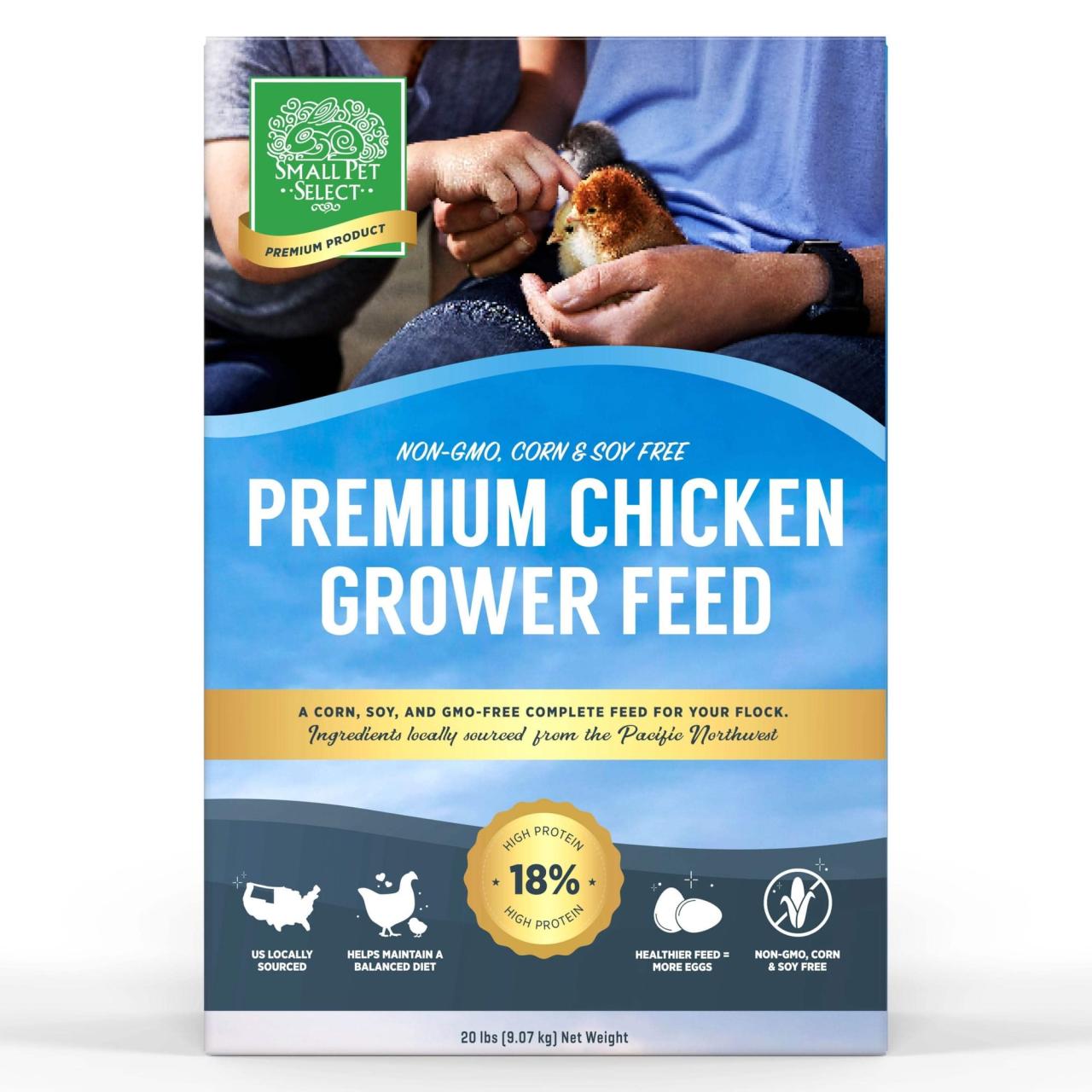
In conclusion, grower feed is not just a dietary supplement; it is a fundamental aspect of successful livestock farming. From its essential role in enhancing growth rates to the innovations that promise sustainability, understanding grower feed can lead to better animal welfare and improved farming outcomes. As the industry evolves, staying abreast of trends in grower feed will ensure that farmers are equipped to meet the ever-changing demands of both livestock and the market.
Question & Answer Hub
What is the primary purpose of grower feed?
The primary purpose of grower feed is to provide livestock with the essential nutrients required for optimal growth and development.
How often should grower feed be administered?
Grower feed should be administered according to the specific dietary needs of the animals, which can vary based on age, weight, and type of livestock.
Can grower feed be used for all types of livestock?
While grower feed is tailored for various livestock types, the formulations may differ to meet the specific nutritional requirements of each species.
What are common signs of poor nutrition in livestock?
Common signs include sluggishness, poor growth rates, unkempt fur or feathers, and increased susceptibility to diseases.
How can farmers improve their grower feed management?
Farmers can improve grower feed management by ensuring proper storage, monitoring feed quality regularly, and staying informed about best practices in feed formulation.