
 Valerie Eden
Layer pellets represent a vital innovation in poultry nutrition, specifically designed to optimize the health and productivity of laying hens. These specialized feed components are crafted to deliver a balanced mix of nutrients that are essential for robust egg production and overall poultry welfare. With a focus on quality ingredients and careful formulation, layer pellets help farmers ensure that their flocks thrive, leading to better egg yields and healthier birds.
The composition of layer pellets includes a variety of essential nutrients such as proteins, vitamins, and minerals that directly support egg production. This tailored approach not only enhances the nutritional profile available to hens but also differentiates layer pellets from traditional poultry feeds. By understanding the unique benefits provided by layer pellets, poultry farmers can make informed decisions that ultimately lead to improved flock performance and profitability.
Layer pellets are a unique feed component that provides nutritional value to poultry.
Layer pellets are designed specifically to meet the dietary needs of laying hens, ensuring they receive a balanced intake of essential nutrients necessary for optimal health and egg production. These pellets are composed of a variety of ingredients that are finely ground and mixed, creating a uniform feed that promotes better digestion and nutrient absorption. This unique formulation not only enhances the hens’ overall well-being but also contributes to the quality of the eggs produced.
The nutritional composition of layer pellets typically includes a blend of grains, protein sources, vitamins, and minerals to support the specific needs of laying hens. Key components include corn, soybean meal, and various protein supplements, which provide essential amino acids critical for maintaining health and improving egg production. Additionally, layer pellets are fortified with vitamins such as A, D3, and E, along with minerals like calcium and phosphorus. These nutrients play a vital role in the formation of strong eggshells, supporting skeletal development and ensuring the hens remain healthy and productive.
Essential nutrients in layer pellets and their role in enhancing egg production
The essential nutrients found in layer pellets are crucial for nurturing hens and optimizing egg output. The following important nutrients are typically included in layer pellets and their roles in enhancing egg production are as follows:
- Protein: Essential for muscle development and repair, protein helps produce quality eggs and aids in overall growth.
- Calcium: Vital for strong eggshell formation, adequate calcium intake reduces the risk of breakage and improves egg quality.
- Phosphorus: Works with calcium to support bone health and energy metabolism, essential for laying hens.
- Vitamins: Vitamins A, D3, and E contribute to reproductive health, immune function, and optimal egg production.
Layer pellets differ significantly from other types of poultry feeds, such as starter or grower feeds, which are formulated differently to cater to the specific growth stages of chicks and young birds. While grower feeds often contain higher protein content to support rapid growth, layer pellets are strategically lower in protein but higher in calcium, aligning with the nutritional requirements of hens that are actively laying eggs. This targeted nutritional approach ensures that hens receive exactly what they need at each phase of their life cycle, promoting sustained health and productivity.
The manufacturing process of layer pellets involves several stages that affect their quality.

The production of layer pellets, a key component in poultry feed, is a critical process influenced by several stages. These stages not only determine the nutritional value of the pellets but also their texture, durability, and overall quality. The careful execution of each stage is essential to produce layer pellets that meet the dietary needs of layers and ensure optimal growth and egg production.
The manufacturing process begins with grinding, where raw ingredients such as grains, protein sources, and vitamins are reduced to a fine powder. This is a crucial step as the particle size affects the digestibility of the feed. A finer grind allows for better mixing and ensures that the nutrients are evenly distributed. The grinding process typically employs hammer mills or roller mills, which are designed to achieve the desired particle size efficiently.
Following grinding is the mixing stage, which involves combining the ground ingredients with additives, such as minerals and vitamins, to create a homogenous mixture. Proper mixing is vital for ensuring that all components are evenly distributed, as uneven mixing can lead to nutrient imbalances. Batch mixers or continuous mixers are commonly used in this phase, allowing for precise control over ingredient proportions and consistency.
The next step is pelleting, where the mixed feed is subjected to high temperature and pressure in a pellet mill. This process compacts the feed into pellet form, enhancing its durability and making it easier for poultry to consume. The use of steam during pelleting also helps in gelatinizing starches and improving the feed’s digestibility. The quality of the pellet mill and its die plate significantly impact the final product, as variations in temperature and pressure can influence pellet hardness and nutrient retention.
Quality control measures are integral throughout the manufacturing process. Regular testing of raw materials, monitoring of grinding and mixing consistency, and sampling of finished pellets are essential to ensure that the feed meets established nutritional standards. Employing quality control protocols helps in identifying any deviations early, which can prevent substandard feed from reaching the market.
Commonly used equipment in layer pellet production includes grinders, mixers, pellet mills, and coolers. Each piece of equipment plays a pivotal role in ensuring the production process is efficient and that the final product is of high quality. For example, an efficient cooler is necessary post-pelleting to reduce moisture content, which helps in preserving the pellets’ shelf life and preventing mold growth.
In summary, the manufacturing process of layer pellets encompasses several critical stages, including grinding, mixing, and pelleting. Each stage plays a significant role in the overall quality of the final product, and robust quality control measures are necessary to uphold nutritional standards and ensure the welfare of poultry.
Layer pellets can significantly influence the health and productivity of hens.
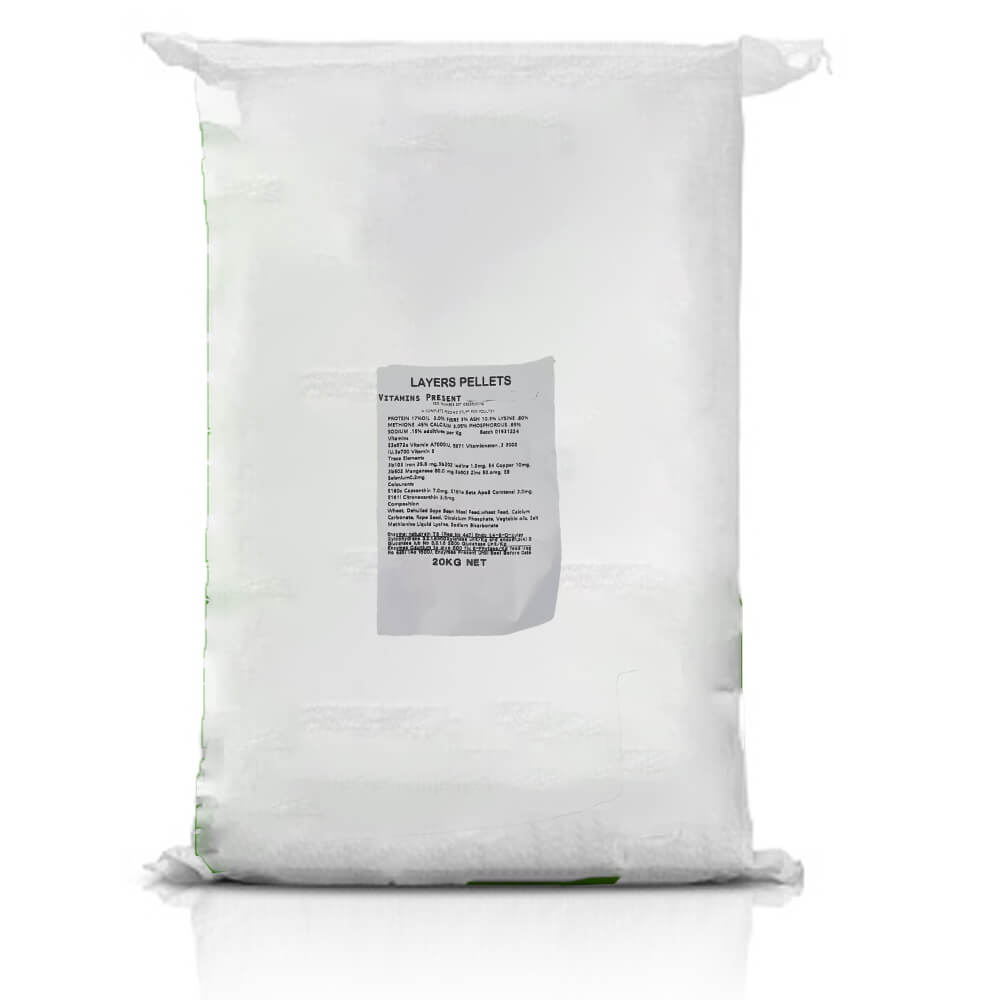
Layer pellets serve as a specialized feed that has been designed to meet the unique nutritional needs of laying hens. The formulation of these pellets takes into account the various dietary requirements at different stages of a hen’s life. By providing a balanced diet rich in proteins, vitamins, and minerals, layer pellets can not only enhance the health of the hens but also improve their productivity levels, resulting in optimal egg production.
Layer pellets contribute significantly to the overall health of laying hens through their balanced nutritional profile. These pellets typically contain a blend of essential nutrients, including proteins, carbohydrates, fats, vitamins, and minerals, which are critical for maintaining the hens’ well-being. For example, layer pellets often include calcium, an essential nutrient for the production of strong eggshells. A diet lacking in calcium can lead to weak eggshells, increasing the risk of breakage and impacting the overall egg yield. Additionally, layer pellets are designed to promote healthy digestion and nutrient absorption, which are vital for sustaining energy levels and supporting immune function. By ensuring that hens receive the right proportions of these nutrients, layer pellets can help prevent common health issues like obesity, metabolic disorders, and egg production irregularities.
Impact of Layer Pellets on Health Issues in Poultry
The relationship between layer pellet diets and the incidence of common health issues in poultry is noteworthy. A well-formulated layer pellet diet can help mitigate several prevalent health problems in laying hens. Below are some common health issues and how layer pellets play a role in prevention:
- Obesity: Layer pellets are designed to provide appropriate caloric content, reducing the risk of obesity, which can lead to reproductive issues and reduced egg production.
- Egg-Laying Disorders: Nutritional deficiencies can cause conditions like egg binding or shell-less eggs. Layer pellets provide adequate calcium and phosphorus to support proper egg formation.
- Feather Pecking: A balanced diet can reduce stress and aggression among hens, which are often exacerbated by nutritional deficiencies. Layer pellets help improve overall flock dynamics.
- Infections: A robust immune system, supported by vitamins A, D, and E found in layer pellets, can help hens resist diseases and infections.
The productivity levels of hens fed with layer pellets are generally higher compared to those on other feeding regimens, such as scratch grains or homemade diets. Studies have shown that hens consuming layer pellets typically produce more eggs with better quality than those on unbalanced diets. Layer pellets provide consistent nutrient levels, which are essential for maximizing egg output and maintaining the health of the flock. For instance, a controlled study revealed that hens on a layer pellet diet produced 10-15% more eggs compared to those fed a mixed diet lacking essential nutrients.
Overall, the influence of layer pellets on both health and productivity in laying hens is profound, resulting in healthier birds and more efficient egg production processes. This ultimately benefits poultry farmers by enhancing their yield and profitability in the competitive poultry market.
The storage and handling of layer pellets require specific practices to maintain their quality.
Layer pellets are an essential component in poultry nutrition, particularly for layers, as they provide the necessary nutrients for optimal egg production. However, ensuring the quality of these pellets during storage and handling is crucial to prevent spoilage and maintain their nutritional value. Proper practices not only help in preserving the health of the flock but also contribute to the overall efficiency of poultry operations.
Storage Conditions for Layer Pellets
Maintaining appropriate storage conditions for layer pellets is vital to prevent spoilage and ensure longevity. The following guidelines should be adhered to for optimal storage:
- Temperature Control: Store layer pellets in a cool, dry place with temperatures ideally between 50°F and 70°F (10°C to 21°C). High temperatures can lead to nutrient degradation and increased spoilage risk.
- Humidity Management: Keep humidity levels low, ideally below 15%. High humidity can promote mold growth and spoilage. Using dehumidifiers in storage areas can help maintain optimal conditions.
- Ventilation: Ensure adequate airflow in storage spaces to prevent moisture accumulation and maintain a stable temperature. Proper ventilation reduces the risk of spoilage and extends shelf life.
- Cleanliness: Regularly clean storage areas to avoid contamination from residues, pests, and potential contaminants. A clean environment reduces the risk of spoilage.
- Storage Containers: Use airtight containers or sealed bags to protect pellets from moisture and pests. Ensure that containers are made from materials that do not react with the feed.
Best Practices for Handling Layer Pellets
Proper handling of layer pellets is crucial to ensure the feed remains fresh and nutritious for the flock. The following best practices should be followed:
- Minimize Exposure: Reduce the time layer pellets are exposed to air to avoid oxidation and moisture absorption. Transfer feed quickly from storage to feeding stations.
- Use Clean Equipment: Ensure that all equipment used for handling pellets, such as scoops, transport vehicles, and feeders, are clean and free of contaminants.
- FIFO Method: Implement a First In, First Out (FIFO) system when using feed. This practice ensures older pellets are used before newer ones, minimizing waste and spoilage.
- Monitor Feed during Transfer: Pay attention to the condition of the pellets while transferring them to feeding stations. Discard any pellets that show signs of spoilage or contamination.
Monitoring Shelf Life and Signs of Deterioration
Regular monitoring of the shelf life of layer pellets is crucial in preventing the use of spoiled feed. Identifying signs of deterioration can help maintain the quality of the feed.
- Expiration Dates: Always check the manufacturer’s expiration date on the feed packaging. Use pellets before this date to ensure optimal nutrition.
- Visual Inspection: Regularly inspect pellets for changes in color, texture, or presence of mold. Any visible signs of spoilage should prompt immediate disposal of affected feed.
- Odor Assessment: Fresh layer pellets should have a pleasant, grainy smell. A rancid or foul odor indicates spoilage, and the feed should not be used.
- Texture Check: Pellets should be firm and intact. A crumbling texture or powdery appearance can indicate moisture damage or spoilage.
Layer pellets can be tailored to meet the specific needs of different breeds and egg production goals.
Layer pellets play a crucial role in the overall health and productivity of poultry. Tailoring these pellets to the specific needs of various breeds and production objectives helps ensure optimal performance. Each breed of hen has unique dietary requirements based on its size, age, and purpose, whether for egg production or meat. By understanding these needs, farmers can enhance the effectiveness of their feeding strategies, ultimately leading to improved egg yield and quality.
To formulate layer pellets for different poultry breeds, it’s essential to evaluate the nutritional requirements specific to each group. Factors such as the breed’s metabolic rate, growth stage, and egg-laying frequency are pivotal in determining ingredient proportions. For instance, high-producing breeds like the White Leghorn require a diet higher in protein (around 16-18%) and calcium to support their intensive egg-laying capabilities, while slower maturing breeds may benefit from a lower protein content.
Modifications in Ingredient Proportions for Specific Production Objectives
The ingredient proportions in layer pellets can be adjusted to cater to specific production objectives, such as enhancing egg size, shell quality, or overall flock health. Understanding these objectives is key to customizing the feed.
The following modifications can be implemented based on production goals:
- Increasing Protein Content: For breeds aimed at high egg production, increasing protein levels to 18-20% can be beneficial.
- Supplementing with Omega-3 Fatty Acids: For enhancing egg quality and nutritional value, incorporating flaxseed or fish oil can improve the Omega-3 profile of the eggs.
- Adjusting Calcium Levels: To ensure strong eggshells, especially in production breeds, a higher calcium content of 3.5-4% is crucial.
- Adding Probiotics: For improved gut health and feed efficiency, incorporating probiotics supports digestion and enhances growth rates.
To assess the needs of a poultry flock for customizing layer pellets, a systematic approach is required. Key steps include evaluating the age, breed, and production status of the flock. Regular health checks and production monitoring help identify deficiencies or excesses in the current diet. Additionally, feed analysis can reveal the nutritional composition of existing feeds, allowing for adjustments to meet the flock’s specific demands.
In conclusion, by tailoring layer pellets to the specific needs of different poultry breeds and production goals, farmers can significantly enhance the productivity and health of their flocks. A well-formulated diet not only leads to improved egg production but also ensures the overall well-being of the poultry.
The economic implications of using layer pellets for poultry farmers are significant.
The choice of feed is one of the most crucial decisions poultry farmers make, with layer pellets emerging as a leading option in the market. Layer pellets are formulated to provide optimal nutrition for laying hens, offering a balanced mix of proteins, vitamins, and minerals essential for consistent egg production. Understanding the economic implications of adopting layer pellets can help poultry farmers maximize their profit margins while ensuring the health and productivity of their flocks.
Layer pellets present a cost-effective feeding alternative when compared to traditional feeding methods such as mash or whole grains. While the initial purchase price of layer pellets may seem higher, the long-term savings and increased egg production they provide can significantly offset these costs. Layer pellets are designed for efficiency, reducing feed waste and ensuring that each hen receives the exact nutrients needed for optimal performance. This efficiency translates to lower feed conversion ratios, meaning farmers can produce more eggs with less feed over time.
Return on Investment for Poultry Farmers
Analyzing the return on investment (ROI) for poultry farmers who switch to layer pellet feeding strategies reveals compelling benefits. The ROI can be assessed through several key metrics, including feed costs, egg production rates, and overall flock health. By reducing feed waste and improving egg yield, farmers can enjoy a favorable ROI. Here are some insights into how layer pellets enhance profitability:
– Higher Egg Yield: Layer pellets are formulated to enhance egg production. Farmers often observe an increase in egg production rates by 10-20% within months of switching to pellets, translating to more income from egg sales.
– Cost Efficiency: The convenience and formulation of layer pellets can reduce labor costs associated with feed mixing and preparation. This saves farmers time and resources, contributing to their overall profitability.
– Healthier Hens: A well-balanced diet from layer pellets promotes better health, leading to lower veterinary costs and reduced mortality rates. Healthy hens tend to produce more eggs consistently, further improving the economic output.
For instance, a poultry farmer using layer pellets might see a reduction in feed costs by approximately 15% annually, coupled with a 20% increase in egg production, resulting in a significant uplift in revenue.
Long-term financial benefits are evident as well; improved egg production leads to better cash flow and the potential for reinvestment in additional stock or farm upgrades. By committing to layer pellets, poultry farmers not only secure a healthy flock but also position themselves for sustainable growth in an increasingly competitive market.
The environmental impact of layer pellet production and its sustainability practices.
The production of layer pellets plays a crucial role in poultry farming, influencing not only the health and productivity of the birds but also the environment. Understanding the environmental implications of layer pellet production is essential for implementing sustainable practices. As the demand for poultry products increases, so does the need for environmentally responsible methods in feed production.
In the production of layer pellets, several environmental considerations come into play, including resource consumption, waste generation, and emissions. Sustainable practices can significantly mitigate these impacts. For instance, utilizing local raw materials reduces transportation emissions and supports local economies. Furthermore, optimizing the manufacturing process through energy-efficient technologies can minimize resource usage and emissions.
Innovative methods for reducing the carbon footprint
Implementing innovative methods to reduce the carbon footprint of layer pellet production is essential for promoting sustainability in the industry. Several strategies can be employed to achieve this goal:
- Utilization of renewable energy sources: Incorporating solar, wind, or biomass energy into the production process can significantly reduce reliance on fossil fuels and lower carbon emissions.
- Waste management practices: Recycling by-products and using them as ingredients in the production of layer pellets can minimize waste and enhance resource efficiency.
- Precision agriculture techniques: Implementing data-driven approaches allows for optimized feed formulation, reducing unnecessary resource input and minimizing environmental impact.
Furthermore, advancements in transportation logistics can enhance distribution efficiency. Route optimization and the use of electric or hybrid vehicles can lead to a substantial reduction in emissions during the delivery phase.
Environmental implications of conventional feed versus layer pellets
The comparison between conventional feed and layer pellets reveals varying environmental implications. Conventional feed often involves a higher carbon footprint due to less optimized ingredient utilization and greater transportation distances. Layer pellets, on the other hand, are designed to maximize feed efficiency, thereby reducing waste and enhancing nutrient absorption in poultry.
When evaluating land use, layer pellets generally require less land to produce the equivalent nutritional output compared to conventional feeds. This can result in lower deforestation rates and habitat destruction associated with feed crop cultivation. Additionally, layer pellets can contribute to more sustainable water usage, as the formulation can be tailored to reduce the water footprint associated with feed crops.
In summary, the production of layer pellets incorporates various environmental considerations, and implementing sustainable practices can significantly reduce the ecological impact. Utilizing innovative methods in manufacturing and distribution further enhances sustainability efforts, providing a more environmentally friendly option compared to traditional feed sources in poultry farming.
Last Point
In conclusion, layer pellets stand out as a cornerstone in poultry nutrition, providing a comprehensive solution that meets the specific needs of laying hens. Their carefully crafted composition and manufacturing process ensure that these feeds promote health, productivity, and economic viability for poultry farmers. As we continue to explore the advancements in poultry nutrition, it becomes clear that layer pellets are not just a feed option, but a pivotal element in achieving sustainable and efficient poultry farming.
Popular Questions
What are layer pellets made of?
Layer pellets typically consist of grains, protein sources, vitamins, and minerals, formulated to meet the nutritional needs of laying hens.
How do layer pellets improve egg production?
Layer pellets provide a balanced diet rich in essential nutrients that support optimal health and increase egg yield in hens.
Can layer pellets be used for other poultry types?
While layer pellets are specifically formulated for laying hens, they can be adjusted and used for other poultry types, depending on their nutritional needs.
How should layer pellets be stored?
Layer pellets should be stored in a cool, dry place, away from direct sunlight, and in airtight containers to prevent spoilage.
What signs indicate layer pellets have deteriorated?
Signs of deterioration include unusual odors, changes in texture, and the presence of mold or pests.