
 Valerie Eden
Automatic chicken doors are a game-changer for poultry management, offering convenience and security that every chicken owner can appreciate. These innovative devices not only simplify access to the coop for your feathered friends but also provide enhanced protection against predators. With advanced technology and ease of use, automatic chicken doors are transforming the way we care for our chickens.
In the world of poultry keeping, manual doors often present challenges such as time consumption and potential safety risks. Automatic chicken doors, equipped with sensors and timers, allow for effortless operation, ensuring that your chickens can roam freely while you focus on other aspects of farm management. The array of models available today caters to a variety of needs and preferences, making it easier than ever for every chicken farmer to find the perfect solution for their coop.
The functionality of automatic chicken doors plays a crucial role in poultry management.
Automatic chicken doors are an innovative solution that greatly enhances poultry management by allowing for the controlled entry and exit of chickens without manual intervention. Utilizing advanced technology, these doors can be programmed to open and close at specific times or triggered by environmental factors such as light levels or motion. This automation not only provides convenience for poultry keepers but also promotes the health and safety of the flock, ensuring that chickens are protected from predators and adverse weather conditions.
The technology behind automatic chicken doors typically involves a combination of sensors, motors, and control systems. Most models use light sensors that detect the natural daylight, which signals when it’s time for the chickens to come out in the morning and go back in at night. Some advanced models also use timers, allowing owners to set specific opening and closing times according to their needs. Additionally, motion sensors can be employed to detect when chickens are approaching, triggering the door to open automatically. The motors are often designed to operate quietly and efficiently, ensuring minimal disturbance to the flock.
Benefits of using automatic chicken doors
The transition from traditional manual doors to automatic chicken doors offers numerous advantages that simplify poultry management. The primary benefits include:
- Enhanced Security: Automatic doors can help keep chickens safe from predators, as they close promptly at dusk, reducing the risk of attacks.
- Convenience: Poultry keepers no longer need to manually open and close the doors, saving time and effort, especially during busy mornings or late evenings.
- Improved Chicken Welfare: Automatic doors allow chickens to access the outdoors at their own pace, which supports natural behaviors such as foraging and exploration.
- Energy Efficiency: Many models are designed to use minimal power, making them cost-effective solutions in the long run.
- Weather Resistance: Various designs offer insulation and protection against harsh weather, keeping the coop environment stable.
Common features of automatic chicken doors
Various models of automatic chicken doors come equipped with features that cater to different needs and preferences. Understanding these can help poultry keepers select the right system for their flock. Key features to consider include:
- Material Durability: Most doors are made from weather-resistant materials like aluminum or reinforced plastic, ensuring longevity under various environmental conditions.
- Control Options: Different models offer varied control options, including remote control, smartphone apps, or manual overrides for added flexibility.
- Size Variability: Doors come in multiple sizes to accommodate various breeds of chickens, ensuring that all types can easily pass through.
- Safety Mechanisms: Many designs include safety features such as sensors that prevent the door from closing if an object is detected, protecting the chickens from harm.
- Battery Backup: Some models are equipped with battery backups, ensuring functionality even during power outages.
Automatic chicken doors revolutionize poultry management by combining convenience, security, and the welfare of the flock.
The advantages of installing an automatic chicken door in your coop are numerous.
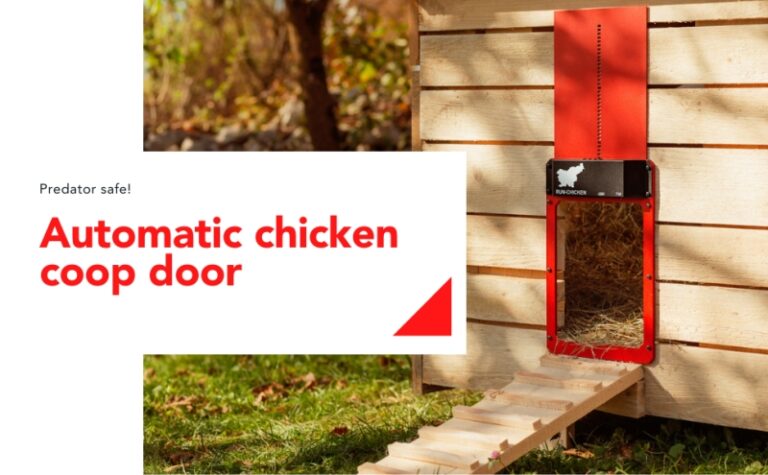
Installing an automatic chicken door can significantly transform the experience of poultry ownership. As technology continues to evolve, many farmers and backyard flock owners are reaping the benefits of this convenient and efficient solution. The convenience offered by automatic doors is just the beginning; these innovations enhance both the safety of chickens and save precious time for their caretakers.
Convenience Offered by Automatic Chicken Doors
Automatic chicken doors provide a level of convenience that manual doors simply cannot match. With these doors, poultry owners can ensure that their chickens have access to fresh air and outdoor space without having to physically be present. The doors operate on timers or sensors, allowing chickens to enter and exit their coop freely at set times or when they detect light, mimicking natural day and night cycles. This means that in the early morning, as dawn breaks, chickens can start foraging for food without waiting for their owners to arrive.
Moreover, many automatic doors are equipped with remote control features or app connectivity, giving owners the ability to operate the door from anywhere. This not only enhances day-to-day convenience but also allows for more flexibility in managing the flock. For example, if an owner is running late or out of town, they can still ensure their chickens are safe and have access to their outdoor environment.
Enhanced Safety Against Predators
The safety of chickens is paramount for any poultry owner, and automatic chicken doors play a crucial role in protecting them from predators. These doors are designed to close securely at night, ensuring that chickens are safely tucked away from wildlife that prowls after dark.
The robust construction of automatic doors makes them less susceptible to tampering by potential threats such as raccoons, foxes, or other predators. Many models also include features like infrared sensors that can detect the presence of animals, preventing the door from closing if something is in the way. This technology provides an additional layer of security, allowing chickens to remain safe in their coop even when their owners are not vigilant.
Time Savings Between Manual and Automatic Doors
When considering poultry care, time is a valuable resource. The time savings realized by switching from manual to automatic chicken doors can be significant. Owners of manual doors often find themselves dedicating time each morning and evening to open and close the coop. This routine can easily consume 15 to 30 minutes daily, depending on the number of chickens and the distance to the coop.
In contrast, automatic doors can eliminate or drastically reduce this time commitment. With an automatic door, once set up, it operates independently without daily intervention. Over a month, this means several hours saved, giving owners more time to engage in other essential tasks such as feeding, cleaning, and enjoying their flock.
In summary, automatic chicken doors not only provide convenience and safety for the flock but also allow poultry owners to save time and focus on other aspects of their farming operations. As more people adopt these innovative solutions, the benefits become increasingly clear, making them a worthwhile investment for any poultry enthusiast.
Various types of automatic chicken doors are available in the market, catering to different needs.
Automatic chicken doors have revolutionized poultry keeping, offering convenience and security for both backyard and commercial chicken coops. With various options available, each type caters to distinct needs, preferences, and environmental factors. It’s essential to understand the different types available to make an informed decision for your flock’s safety and well-being.
Types of Automatic Chicken Doors
When selecting an automatic chicken door, it’s crucial to consider the functionalities and power sources available. Here’s an overview of the primary types on the market:
- Solar-Powered Doors: These doors operate using solar panels, making them eco-friendly and ideal for areas with ample sunlight. They usually come with a rechargeable battery backup, ensuring functionality even on cloudy days.
- Electronic Doors: Most commonly powered by electricity, electronic doors provide reliable operation with features like timers and remote access. They can be connected to mobile apps for monitoring and control from a distance.
- Light-Activated Doors: This type of door uses a light sensor to open and close based on natural daylight, allowing your chickens to leave the coop at dawn and return at dusk automatically.
- Manual Override Options: Many automatic doors come with a manual override feature, allowing you to operate the door manually in case of power failure or other issues.
Factors to Consider When Choosing an Automatic Door
Selecting the right automatic chicken door involves more than just aesthetic preference. Here’s a list of important factors to consider:
- Size: Ensure the door size accommodates your breed of chickens; larger breeds may require wider and taller openings.
- Material: Look for durable materials like aluminum or reinforced plastic that can withstand harsh weather conditions and potential predators.
- Power Source: Depending on your coop location, choose between solar or electric-powered options based on availability and reliability.
- Security Features: Invest in doors with secure locking mechanisms to protect your flock from predators.
- Ease of Installation: Some doors may require complex installation, so consider your DIY skills or the need for professional help.
Price Range and Influencing Factors
The price of automatic chicken doors can vary significantly, typically ranging from $100 to $500 or more, depending on several factors:
- Type of Door: Basic models are generally more affordable, while advanced electronic and solar-powered options tend to be pricier due to their additional features.
- Size and Build Quality: Larger doors crafted from higher-quality materials cost more, reflecting their durability and longevity.
- Technical Features: Doors offering advanced functionalities like smart technology, remote control, and weather sensors typically come at a higher price point.
- Brand Reputation: Established brands with proven reliability may charge more for their automatic doors, while lesser-known brands might offer lower prices but come with risks regarding quality and support.
Choosing the right automatic chicken door is essential for ensuring the safety, convenience, and well-being of your flock.
The installation process of automatic chicken doors is a vital consideration for users.
Installing an automatic chicken door is an important task that can significantly improve the convenience and safety of keeping chickens. The process ensures that your birds can enter and exit their coop securely while allowing you to manage their access easily. The right installation can also mitigate various risks associated with predators and harsh weather. Here’s a detailed guide on how to install an automatic chicken door effectively.
Step-by-step installation process
The installation of an automatic chicken door involves several precise steps. Each step must be carefully executed to ensure the door operates smoothly. The following steps summarize the installation process:
- Choose the right location: Select a location on the coop wall that is both accessible for the chickens and secure from predators. Ensure there is ample space for both the door and the mechanism.
- Gather necessary tools and materials: You will typically need a power drill, screws, a screwdriver, a measuring tape, level, and the automatic chicken door kit itself.
- Measure and mark the door opening: Use the measuring tape to determine the size of the automatic door, then mark the Artikel on the coop wall. Ensure the measurements align with the manufacturer’s guidelines.
- Cut the opening: Carefully cut along the marked lines using a saw, ensuring the edges are clean and straight.
- Install the door frame: Insert the door frame into the newly cut opening. Use a level to ensure it is straight and secure it with screws as instructed in the kit.
- Mount the door mechanism: Follow the manufacturer’s instructions to install the motor and control system, ensuring connections are tight and secure.
- Attach the automatic door: Finally, attach the door to the frame and test its movement to ensure it opens and closes smoothly.
Potential challenges during installation
While installing an automatic chicken door is relatively straightforward, users may encounter challenges during the process. Being aware of these potential issues and having strategies to overcome them is essential for a successful installation.
Ensuring the door operates correctly depends on proper installation and adjustment.
Common challenges include:
- Misalignment: If the door frame or the door itself is not properly aligned, it may jam. A level should be used throughout the installation to guarantee straightness.
- Electrical issues: If the door system is powered, improper wiring can result in malfunctions. Always follow the electrical instructions carefully and consider consulting an electrician if unsure.
- Weatherproofing: In regions with extreme weather, ensuring the door is sealed against the elements is crucial. Use weatherstripping as needed to keep out rain and wind.
Importance of location and positioning
The location and positioning of the automatic chicken door are critical for maximizing its functionality and efficiency. A well-placed door enhances access for the chickens while offering protection from predators.
Factors to consider include:
- Accessibility: The door should be positioned where chickens can easily approach it without obstacles.
- Predator prevention: Installing the door at a height that is difficult for common predators to reach can help protect your flock.
- Sunlight exposure: Positioning the door to avoid direct sunlight may prevent overheating and ensure the door mechanism operates smoothly without interference from temperature changes.
The thoughtful installation of an automatic chicken door can greatly enhance the safety and convenience of managing a flock, thus allowing for a more enjoyable poultry-keeping experience.
Automatic chicken doors require maintenance and care to function effectively over time.
Maintaining an automatic chicken door is essential to ensure its durability and reliability over the years. These doors provide convenience and safety for your flock, but like any mechanical device, they need regular attention to perform optimally. Proper care not only extends the lifespan of the door but also prevents unexpected malfunctions that could compromise the safety of your chickens.
Regular maintenance helps identify potential issues before they escalate into significant problems. Here, we Artikel a maintenance checklist, common issues that may arise, and tips for cleaning and maintaining the door mechanisms to keep everything running smoothly.
Maintenance Checklist for Automatic Chicken Doors
To keep your automatic chicken door functioning effectively, follow this maintenance checklist regularly. Addressing these items will help ensure longevity and reliability.
- Check the battery: Ensure the battery is charged and functioning properly. Replace it if necessary.
- Inspect the door mechanism: Make sure there are no obstructions in the track or hinges and that everything moves freely.
- Test the sensor: Check that the sensor is accurately detecting the presence of chickens before opening or closing.
- Tighten screws and bolts: Periodically inspect and tighten any loose screws or bolts to prevent operational issues.
- Examine the wiring: Look for any signs of wear or damage in the wiring and repair or replace as needed.
- Lubricate moving parts: Use appropriate lubricant on hinges and other moving parts to reduce friction and wear.
- Clean the door regularly: Remove dirt and debris from the door and surrounding area to maintain functionality.
Troubleshooting Common Issues
Despite regular maintenance, issues may still arise with automatic chicken doors. Being aware of common problems and their solutions can help you address them promptly.
- If the door does not open or close: Check the power supply and ensure the battery is charged. Inspect the mechanism for any obstructions.
- Sensor malfunction: If the door opens or closes unexpectedly, adjust the sensor’s positioning or clean it to ensure it is functioning correctly.
- Unusual noises during operation: Listen for grinding or squeaking sounds, which may indicate a need for lubrication or repair of the moving parts.
- Stuck door: Inspect the track and hinges for debris or damage that could prevent the door from moving freely.
Cleaning and Maintenance Tips for Door Mechanisms
Cleaning and maintaining the door mechanisms is critical to prevent malfunctions and ensure smooth operation. Regular upkeep can mitigate most issues that arise.
- Use a soft cloth to wipe down the surface of the door and remove any dirt, dust, or chicken debris.
- Apply a silicone-based lubricant on the hinges and track every few months to maintain smooth movement.
- Inspect and clean the sensor to ensure it is free from dust or obstructions that could affect its operation.
- Perform a deep clean of the area surrounding the door to deter pests and maintain a hygienic environment for your chickens.
Regular maintenance and prompt troubleshooting are key to ensuring the longevity of your automatic chicken door.
User experiences and testimonials provide real-world insights into the use of automatic chicken doors.
The incorporation of automatic chicken doors has gained traction among poultry enthusiasts, offering convenience and security for their flocks. Users have shared numerous insights reflecting their experiences, highlighting both the advantages and challenges of adopting these devices. This feedback is invaluable in understanding how automatic chicken doors can impact the daily routines of poultry keepers.
The automatic chicken door market presents various models, each with unique features that cater to different needs. User testimonials reveal a spectrum of experiences, from first-time users to seasoned poultry keepers. Analyzing these reviews helps potential buyers make informed decisions based on real-world applications.
User reviews of automatic chicken door models
The impact of automatic chicken doors on users’ lives can be profound, influencing their daily routines and overall satisfaction with poultry management. Below are some summarized experiences from users, organized by their experience level.
First-time Users:
First-time poultry keepers often express excitement and trepidation about integrating automatic chicken doors into their routines. Here are some key highlights from their testimonials:
-
“Setting up the automatic door was straightforward, and my hens took to it quickly. I love not having to wake up early to let them out!”
-
“Initially, I was worried about safety, but the door has proven reliable. I feel more secure knowing my chickens are protected from predators.”
-
“The timer feature has changed my mornings! I can enjoy my coffee without worrying if the chickens are outside.”
Experienced Poultry Keepers:
For those who have been keeping chickens for a while, the feedback is often more nuanced, reflecting a deeper understanding of poultry management. Their insights include:
-
“I’ve tried several models over the years, and the current one is by far the most durable. It handles the weather well and has minimal maintenance.”
-
“The sensor technology is a game changer. No more manual opening and closing, which was a hassle during winter!”
-
“While the initial investment was higher, the time saved and increased safety for my flock have made it worthwhile.”
Overall, users report that transitioning to automatic chicken doors has significantly improved their daily routines, allowing for more time spent enjoying their flocks rather than managing them. The convenience of automation coupled with enhanced security measures has led to increased overall satisfaction among poultry keepers.
The environmental impact of using automatic chicken doors is an important aspect to consider.
Automatic chicken doors represent a modern innovation that not only enhances the convenience of poultry management but also contributes positively to the environment. As more people turn to sustainable farming practices, the role of technology, such as automatic chicken doors, becomes increasingly vital in reducing our ecological footprint while ensuring the welfare of our animal companions.
Solar-powered automatic chicken doors are a prime example of how innovative technology can lead to energy efficiency. By harnessing renewable solar energy, these doors operate independently from the electrical grid, significantly reducing the greenhouse gas emissions associated with conventional energy sources. This not only helps to lower utility costs for farmers but also promotes a sustainable approach to farming by minimizing reliance on fossil fuels. Furthermore, these systems often include battery backups, ensuring that they remain operational even during periods of low sunlight, thus maintaining the functionality of the farm while being environmentally considerate.
Reduction of human intervention and its effects on animal welfare
The implementation of automatic chicken doors leads to a significant reduction in human intervention, which has a positive impact on animal welfare. By allowing chickens to access their coop autonomously, these doors reduce stress and overcrowding, particularly during dawn and dusk when chickens instinctively seek shelter. This freedom to move without the constant supervision of humans contributes to more natural behaviors, enhancing the overall health and happiness of the flock.
Automatic doors also decrease the likelihood of human error, such as forgetting to secure the coop at night, which can expose chickens to predators. A well-designed automatic door system can minimize such risks, ensuring that chickens are protected without the need for constant monitoring. Moreover, the reduced need for human interaction during key times can lead to a more peaceful environment that allows chickens to thrive, further emphasizing the importance of welfare in poultry management.
Eco-friendly automatic chicken door designs available on the market
Numerous eco-friendly automatic chicken door designs are currently available, reflecting a growing trend towards sustainability in agriculture. These designs incorporate various features that not only promote energy efficiency but also enhance animal welfare and user convenience.
Here are examples of some of these designs:
- Solar-Powered Automatic Chicken Door: This type uses solar panels to power the mechanism, enabling it to operate efficiently even in remote locations without electricity. Users can expect a fully functional door that opens and closes according to sunlight, effectively utilizing renewable energy.
- Weather-Resistant Automatic Doors: Made from durable, eco-friendly materials, these doors are designed to withstand harsh weather conditions, reducing the need for frequent replacements and maintenance.
- Smart Automatic Doors: Many modern designs come equipped with sensors that detect the presence of chickens and adjust operation accordingly, ensuring that the door opens only when needed, thus conserving energy.
- Biodegradable Automatic Door Components: Some manufacturers are now offering doors made from biodegradable materials, which can break down naturally at the end of their lifecycle, contributing less waste to landfills.
These eco-friendly designs not only serve the practical needs of chicken farmers but also align with broader environmental goals, showcasing how technology can assist in sustainable agriculture practices.
Wrap-Up
In summary, automatic chicken doors provide numerous benefits, from saving time and effort to enhancing safety and improving the overall wellbeing of your flock. As technology continues to evolve, these doors are becoming more accessible and efficient, paving the way for a more sustainable approach to poultry management. Whether you are a seasoned chicken keeper or just starting out, an automatic chicken door could be the perfect addition to your farm, ensuring your hens are happy and safe.
FAQ Explained
How do automatic chicken doors work?
Automatic chicken doors use sensors or timers to open and close, allowing chickens to enter and exit the coop without manual intervention.
Are automatic chicken doors safe for my chickens?
Yes, they are designed to be safe, with features like soft-close mechanisms to prevent injury to the birds.
Can I use an automatic chicken door in any coop?
Most automatic chicken doors can be adapted to fit various coop designs, but it’s essential to ensure proper installation for optimal functionality.
Do automatic chicken doors require electricity?
Some models are solar-powered, while others require an electrical outlet; it’s important to choose one that suits your setup.
What maintenance do automatic chicken doors need?
Regular cleaning and occasional lubrication of the mechanisms are recommended to ensure longevity and reliable operation.