
 Valerie Eden
Mite treatment is essential for maintaining a healthy living environment, as these tiny creatures can significantly impact both human and animal health. With various species of mites lurking in our homes, understanding their effects and the methods to combat them is crucial. From allergies to skin irritations, mite infestations can cause a range of symptoms that affect our well-being. In this guide, we will delve into the types of mites, their impact on health, and the treatment options available to manage these pesky invaders effectively.
As we explore common mite treatment methods, natural remedies, and preventative measures, you’ll gain valuable insights into creating a mite-free space. By arming yourself with knowledge, you can take proactive steps to protect your home and loved ones from these unwelcome guests.
Understanding Different Types of Mites and Their Impact on Health
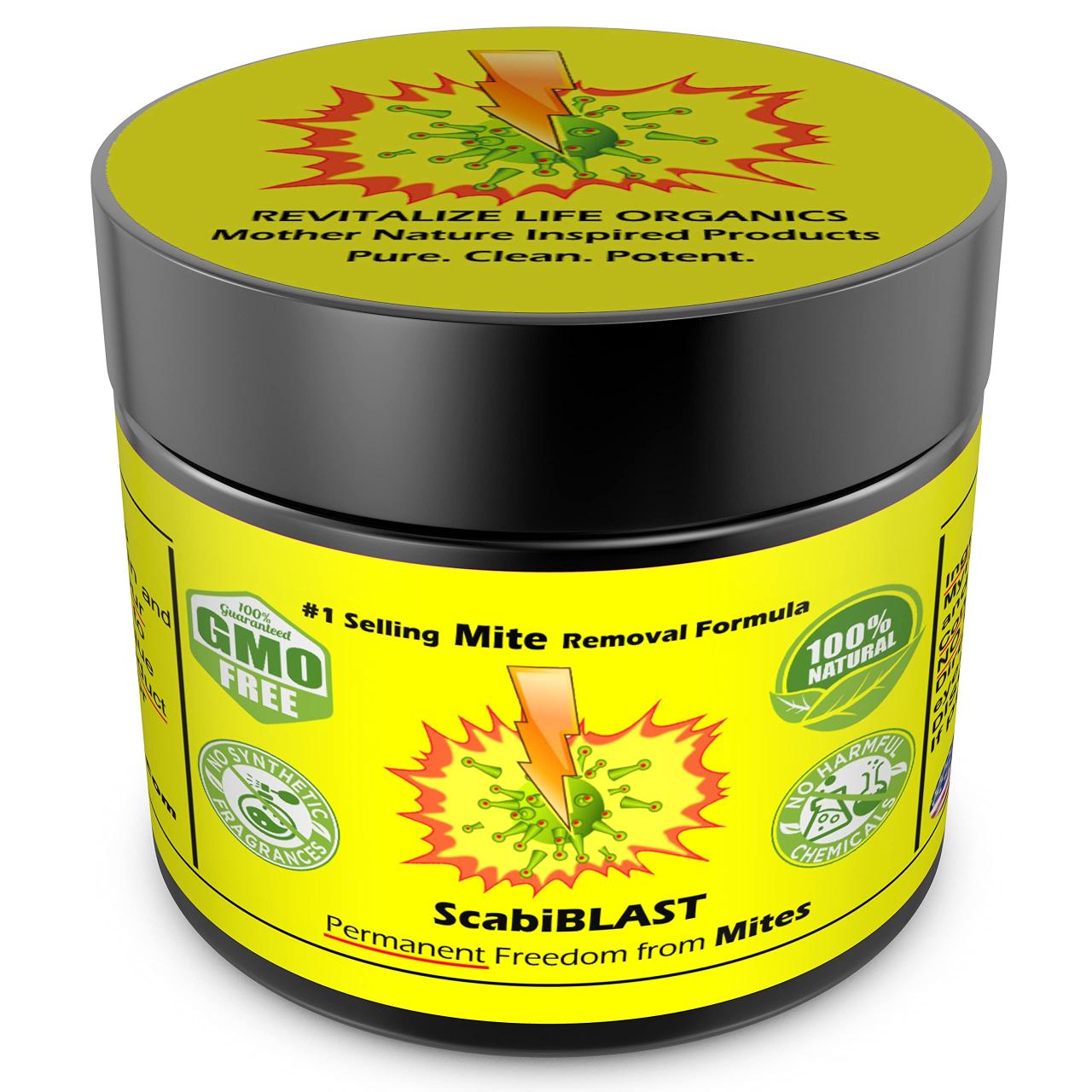
Mites are tiny arthropods that can significantly affect both human health and the well-being of pets. Understanding the various species of mites and their implications is crucial for effective treatment and prevention. Mites can inhabit homes, causing discomfort and health issues due to their bites or the allergens they produce. Knowledge of their types, symptoms, and environmental contributors can empower individuals to take proactive measures against infestations.
Mites fall into several categories, each with its unique impact on health. The most common species affecting humans include dust mites, scabies mites, and chiggers. Dust mites, prevalent in household dust, thrive in warm and humid environments. They are known to trigger allergic reactions, including asthma and eczema. Scabies mites, on the other hand, are notorious for causing intense itching and skin irritation through their burrowing behavior into the skin. Chiggers, while not directly responsible for diseases, can cause a painful rash and intense itching following bites, especially in areas of exposed skin. Other species such as bird mites and rat mites can also pose risks when their hosts invade human living spaces, leading to bites and allergic reactions.
Symptoms of Mite Infestations
Identifying the symptoms of mite infestations is essential for prompt treatment. Common symptoms experienced by humans include:
- Itching and rashes, particularly with scabies and chigger bites.
- Respiratory issues such as wheezing and shortness of breath, often linked to dust mite allergies.
- Red, swollen, or irritated skin where bites occur.
- Discomfort or allergic reactions in pets, such as excessive scratching, biting, or licking.
For pets, symptoms may manifest as skin irritations or allergic reactions, leading to visible distress and behavioral issues.
Environmental factors play a key role in mite proliferation in households. Dust mites flourish in bedding, upholstery, and carpets, particularly in humid conditions where they can find ample food sources like skin flakes. Scabies mites can spread easily in crowded living conditions or among close contacts. Factors such as poor ventilation, high humidity, and improper cleaning practices contribute significantly to the growth of these pests. Regular cleaning, maintaining lower humidity levels, and utilizing protective covers on bedding can help mitigate mite populations effectively.
“An understanding of mite types and their effects on health can empower individuals to take proactive measures against infestations.”
Analyzing Common Mite Treatment Methods Employed in Households
Mites can be a persistent nuisance in households, affecting both comfort and health. Understanding the various treatment methods can be instrumental in effectively managing these pests. This section examines the conventional treatments available for mite control, including over-the-counter options, their effectiveness, cost, and ease of application.
Comparative Analysis of Mite Treatment Methods
There are several approaches to treat mites in the household, each differing in terms of effectiveness, cost, and ease of application. The following table summarizes these methods, providing a clear comparison for homeowners seeking effective solutions.
| Treatment Method | Effectiveness | Cost (approx.) | Application Ease |
|---|---|---|---|
| Over-the-Counter Sprays | Moderate to High | $10 – $25 | Easy |
| Essential Oils (e.g., Tea Tree, Lavender) | Moderate | $5 – $20 | Moderate |
| Powdered Insecticides | High | $15 – $30 | Moderate |
| Vacuuming and Washing | High | Low (Cost of utilities) | Easy |
| Professional Pest Control Services | Very High | $100 – $300 | Very Easy |
Proper application of mite treatment methods is crucial for achieving optimal results. Following the manufacturer’s instructions is essential to ensure safety and effectiveness. Over-the-counter sprays, while easy to use, may require multiple applications depending on the severity of the infestation. Essential oils are a natural alternative, though their effectiveness can vary based on concentration and the type of mite.
Using powdered insecticides can provide targeted control and often requires only a single application, making it highly effective for larger infestations. Regular vacuuming and washing of bedding, curtains, and carpets can significantly reduce mite populations when done consistently. Engaging professional pest control services may be the most effective option for severe infestations but comes at a higher cost.
In summary, evaluating each treatment method’s effectiveness, cost, and ease of application is vital for homeowners struggling with mite issues. Consistent and informed application of these methods leads to better outcomes in mite control, improving comfort and health in the home.
Exploring Natural Remedies for Mite Infestations
Natural remedies have gained popularity in recent years as people seek alternatives to chemical treatments for various pests, including mites. Mites can infest homes, gardens, and even pets, leading to discomfort and health issues. Thankfully, many natural solutions are both effective and safer for the environment and human health.
Research shows that certain essential oils and herbal solutions can combat mite infestations effectively. Essential oils such as tea tree, lavender, and eucalyptus have been noted for their insecticidal properties. These oils disrupt the mites’ life cycle and deter them from infesting areas. Herbal solutions often rely on the natural compounds found in plants to repel or kill mites, making them a viable option for those looking to avoid synthetic chemicals.
Effective Homemade Solutions for Mite Treatment
Creating homemade remedies can be a cost-effective and eco-friendly approach. Here are some easy-to-make solutions that can help address mite issues:
- Essential Oil Spray: Mix 10-15 drops of essential oils (like tea tree or lavender) with water in a spray bottle. Shake well and spray directly onto affected areas.
- Herbal Infusion: Boil a handful of dried herbs, such as rosemary or peppermint, in water. Allow it to steep, cool, and then strain. Use the liquid in a spray bottle to treat infested areas.
- Vinegar Solution: Combine equal parts of water and white vinegar. Spray around the home or on surfaces where mites are present. The acidity of vinegar disrupts the mite’s environment.
- Neem Oil Treatment: Mix neem oil with water and a few drops of dish soap. Spray this mixture on plants and surfaces infested by mites, as it’s known for its pest-repellent qualities.
- Baking Soda and Water Paste: Create a paste with baking soda and water, and apply it to areas where mites are suspected. It can help suffocate the mites.
When comparing natural methods to chemical treatments, several factors should be considered. Natural remedies tend to be safer for humans and pets, reducing the risk of toxic exposure. Many chemical treatments can cause allergic reactions or exacerbate existing health issues, particularly in sensitive individuals.
Furthermore, natural solutions may take a bit longer to show effectiveness and might require multiple applications for optimal results. However, with consistent use, they can effectively manage mite populations. The long-term benefits, including environmental safety and reduced chemical exposure, often make natural remedies a compelling choice for many individuals.
Natural remedies offer a safer alternative to chemical treatments while effectively managing mite infestations.
Implementing Preventative Measures Against Mite Infestations
Maintaining a mite-free environment in your home is essential for a healthy living space. Mites, such as dust mites, can thrive in various areas of your home, leading to allergies and other health issues. Implementing effective preventative measures is crucial to reduce their populations and ensure a comfortable environment. This involves a combination of regular cleaning practices, smart choices in home maintenance, and mindful habits that together create an inhospitable setting for these pests.
Maintaining a mite-free environment requires a proactive approach to cleaning and upkeep. Regular cleaning protocols are essential in reducing mite populations effectively. Dust mites are particularly fond of warm, humid environments, often nesting in bedding, upholstery, and carpets. Therefore, it is vital to establish a consistent cleaning routine that targets these areas specifically. Frequent vacuuming using a vacuum cleaner equipped with a HEPA filter can significantly minimize dust accumulation and mite presence. It’s recommended to vacuum carpets and rugs at least once a week and more often in high-traffic areas. For upholstery, a thorough vacuum every two weeks can help keep mite populations under control.
In addition to vacuuming, washing bedding and linens in hot water (at least 130°F or 54°C) weekly is vital. This temperature effectively kills dust mites. Utilize allergen-proof covers on pillows and mattresses to provide an additional barrier against mites. The use of dust-mite-specific cleaning products, which may include sprays and dusting cloths treated with anti-mite agents, can further enhance your cleaning routine. These should be used as a supplement to regular cleaning, not as a replacement.
Cleaning Protocols for Reducing Mite Populations
Establishing consistent cleaning protocols is pivotal in preventing mite infestations. Below is a checklist detailing the best practices for ongoing maintenance to keep your home mite-free.
Regular cleaning and maintenance are your best defense against mite infestations.
- Vacuuming: Use a vacuum with a HEPA filter at least once a week for carpets and rugs; more frequently for high-traffic areas.
- Washing Bedding: Wash bed linens, pillowcases, and duvet covers weekly in water above 130°F (54°C).
- Dusting: Use a damp cloth for dusting surfaces weekly; avoid dry dusting which stirs up allergens.
- Steam Cleaning: Consider steam cleaning carpets and upholstery every 3-6 months to kill mites.
- Humidity Control: Keep indoor humidity below 50% using dehumidifiers or air conditioning, as mites thrive in humid conditions.
- Decluttering: Reduce clutter where dust can accumulate; consider removing unnecessary items from bedrooms.
- Allergen-Proof Covers: Invest in covers for pillows and mattresses to prevent mite access.
Incorporating these practices into your regular cleaning routine will help maintain a mite-free environment. By being proactive and consistent, you can significantly reduce the likelihood of mite infestations in your home. Keeping a clean, dry, and less cluttered space will not only help avoid mites but also contribute to a healthier living atmosphere for you and your family. Consistent application of these protocols will establish a barrier against mite populations, ensuring that your home remains a sanctuary free from these pests.
Understanding the Role of Professional Pest Control in Mite Treatment
When it comes to tackling mite infestations, understanding when to call in the pros can make a significant difference in the outcome. Mites, while often small and seemingly harmless, can lead to considerable damage and discomfort if left unchecked. Professional pest control services offer expertise, specialized treatments, and safety measures that may not be achievable through DIY methods, making them a vital resource in some situations.
Professional pest control should be considered particularly when the infestation is extensive or persistent, and when DIY methods have proven ineffective. Additionally, if you’re dealing with a sensitive environment such as a home with children or pets, professional intervention can provide peace of mind. The unique challenges posed by specific mite species, such as dust mites, spider mites, or bird mites, often necessitate tailored approaches. Professionals are equipped not only with knowledge but also with access to advanced treatment options that are more effective than over-the-counter solutions.
Cost Comparison of DIY Methods Versus Professional Services
When evaluating the costs and benefits of DIY mite treatment versus hiring professionals, it’s essential to consider effectiveness, safety, and long-term results. DIY methods may seem appealing due to their lower upfront costs; however, they often lack the precision and thoroughness required for complete eradication.
The effectiveness of DIY methods can vary greatly based on the tools and products used, as well as the user’s application skills. In contrast, professionals come equipped with specialized tools, knowledge of pest behaviors, and access to commercial-grade products that are often more effective. Here’s a comparison to illustrate these points:
- Costs: DIY treatments may range from $50 to $150 for products, while professional services can cost between $200 and $500, depending on the severity of the infestation and the service provider.
- Effectiveness: DIY methods may lead to temporary relief, but professionals typically guarantee thorough elimination and follow-up services.
- Safety: Professionals use safe, approved products and are trained to handle them properly, reducing risks to humans and pets compared to DIY applications that may lead to misuse.
Identifying reputable pest control services can further enhance the treatment experience. Look for companies with established reputations, verified customer reviews, and appropriate licensing and certifications. A trustworthy service provider will conduct a thorough inspection of the premises, offer a detailed treatment plan, and explain what to expect throughout the process. Typically, a treatment session may last anywhere from one to three hours, depending on the extent of the infestation, and follow-up visits may be necessary to ensure complete eradication.
The bottom line is that while DIY solutions can be tempting, enlisting professional help often leads to more effective, safer, and long-lasting results in managing mite infestations.
The Effects of Mite Treatment on Pets and Livestock
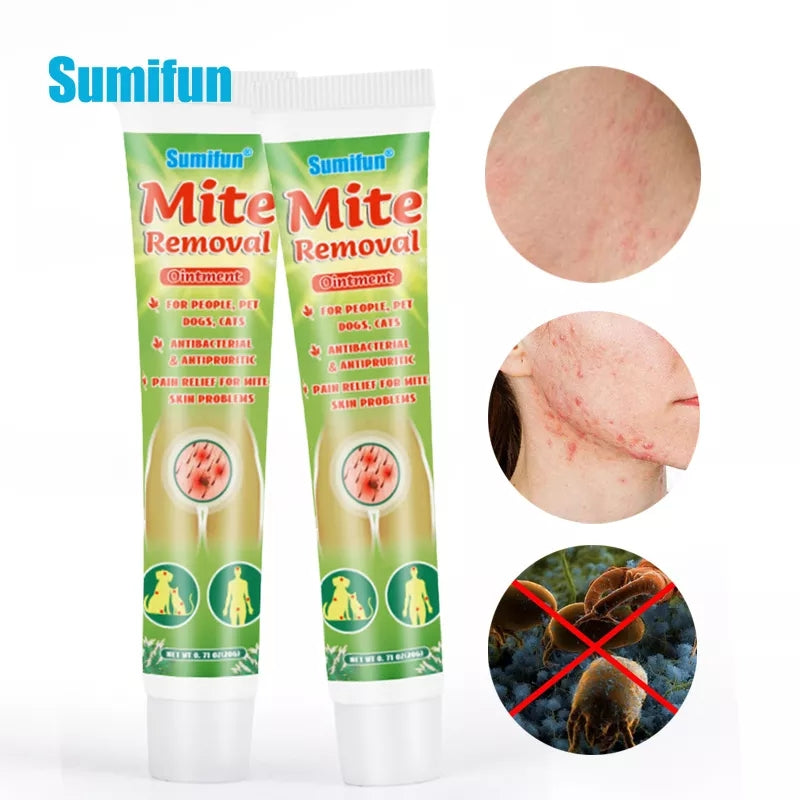
Mite infestations can significantly affect the health and well-being of pets and livestock. These tiny pests can lead to a range of health issues, including skin irritations, infections, and even systemic diseases. Consequently, timely and effective mite treatment is crucial for maintaining the health of animals. The impact of mite treatments on pets and livestock involves not only the alleviation of symptoms but also the restoration of their overall health, productivity, and quality of life.
Mite treatments are designed to eliminate the parasites and mitigate their harmful effects. Common treatments include topical medications, systemic treatments, and environmental control measures. For pets, topical insecticides, such as permethrin and fipronil, are frequently used to treat infestations. These treatments can be applied as spot-on solutions or sprays. For livestock, ivermectin is a common systemic treatment that can be administered orally or via injection, providing effective internal and external parasite control.
It is also essential to take precautions when administering mite treatments to pets and livestock. Overuse or incorrect application of these treatments can lead to adverse effects, including skin irritation and toxicity. Therefore, following the manufacturer’s guidelines and consulting a veterinarian before treatment is highly recommended. For instance, certain dog breeds may be more susceptible to the effects of specific treatments, necessitating tailored approaches for care.
Recognizing the signs of mite infestations is critical for timely intervention. In pets, signs may include excessive scratching, hair loss, inflammation, and changes in behavior due to discomfort. Livestock, on the other hand, may exhibit restlessness, decreased feed intake, weight loss, and changes in coat condition. Monitoring for these symptoms can facilitate early diagnosis and treatment, ultimately improving health outcomes.
Timely treatment of mite infestations is crucial for preventing secondary infections and other health complications.
The importance of early detection cannot be overstated. For example, in dogs, a condition known as sarcoptic mange, caused by mites, can lead to severe skin infections if left untreated. In livestock, infestations can directly impact productivity, leading to lower milk yields in dairy cattle or decreased weight gain in meat animals.
It’s important to maintain a clean environment to prevent re-infestation. Regular grooming and cleaning of living spaces can significantly reduce the risk of mite problems. Additionally, using preventive measures, such as mite repellents or regular veterinary check-ups, can help keep infestations at bay.
In summary, mite treatments play a vital role in ensuring the health and well-being of pets and livestock. Through careful monitoring and timely application of appropriate treatments, the adverse effects of mite infestations can be effectively managed. The collaboration between pet owners, livestock caretakers, and veterinarians is essential in fostering healthy environments for animals.
Last Point
In conclusion, effective mite treatment involves a combination of understanding the pests, utilizing appropriate methods, and maintaining a clean environment. Whether you choose conventional treatments, natural remedies, or professional pest control services, the key is to be diligent and informed. By taking these steps, you not only improve your health and comfort but also help keep your pets and livestock safe from the adverse effects of mite infestations.
FAQ Resource
What are the most common types of mites?
The most common types of mites include dust mites, scabies mites, and bird mites, each affecting health in different ways.
How can I tell if I have a mite infestation?
Signs of mite infestation may include persistent itching, rashes, and allergies, especially in areas where dust accumulates.
Are natural remedies as effective as chemical treatments?
Natural remedies can be effective, but their success often depends on the severity of the infestation and proper application.
How often should I clean to prevent mites?
Regular cleaning—at least once a week—using a vacuum with a HEPA filter and washing bedding in hot water can help prevent mite infestations.
When should I consider hiring a professional for mite treatment?
If you have a severe infestation or if home remedies and over-the-counter treatments fail, it may be time to consult a professional pest control service.