
 Valerie Eden
Coop ventilation is a vital aspect of poultry farming that ensures the well-being and productivity of chickens. Proper ventilation not only maintains optimal air quality but also plays a crucial role in preventing respiratory diseases and enhancing growth rates. With the right air circulation, farmers can create a healthier environment for their flocks, leading to improved overall performance and welfare.
This topic encompasses various ventilation systems, their effectiveness, and the science behind airflow dynamics. Understanding how different factors such as climate, coop design, and flock size influence ventilation needs allows farmers to make informed decisions. As we delve into the world of coop ventilation, we’ll uncover best practices, troubleshoot common problems, and explore innovative technologies that can transform poultry farming.
Understanding the Importance of Coop Ventilation in Poultry Farming
Proper ventilation in poultry farming is a key element that directly influences the health, productivity, and overall well-being of the birds. In an environment where chickens, ducks, or other poultry are raised, maintaining optimal air quality is essential. This involves not only keeping the coop temperature within a suitable range but also ensuring that humidity levels are managed and stale air is regularly replaced. Proper ventilation helps to minimize stress on the birds, which is critical for their growth and productivity.
Adequate airflow is vital for several reasons. Firstly, it helps to regulate the temperature within the coop. Birds are sensitive to heat, and high temperatures can lead to heat stress, which negatively affects their growth rates and egg production. Secondly, ventilation reduces the concentration of harmful gases such as ammonia and carbon dioxide, which can accumulate in confined spaces and lead to respiratory problems. Air circulation also contributes to the overall hygiene of the environment, as it helps to remove excess moisture and prevent the buildup of pathogens.
Effects of Inadequate Ventilation
The consequences of poor ventilation can be severe, leading to both health issues and economic losses for poultry farmers. When air circulation is inadequate, it can result in the following:
- Increased respiratory illnesses among birds: High levels of ammonia, often a byproduct of manure in poorly ventilated coops, can cause irritation to the respiratory tract. This irritation can manifest as coughing, wheezing, and decreased feed intake.
- Stunted growth rates: Birds that are exposed to high temperatures and humidity levels due to insufficient airflow may experience reduced growth rates, leading to longer production cycles and increased costs for farmers.
- Higher mortality rates: In extreme cases, inadequate ventilation can lead to heat stress and asphyxiation, significantly increasing mortality rates within flocks.
- Lower egg production: For laying hens, poor air quality can lead to reduced egg production and lower egg quality, impacting profitability.
Scientific principles indicate that air circulation plays a critical role in maintaining a healthy environment for livestock. The Bernoulli Principle, which describes how the pressure of a moving fluid decreases as its velocity increases, is applicable in this context. Properly designed vents enhance airflow, which can help to keep the coop cool and reduce moisture levels. Therefore, poultry farmers must consider the layout of their coop and install sufficient ventilation systems that promote effective air exchange.
Inadequate ventilation can lead to respiratory illnesses, stunted growth rates, and increased mortality in poultry.
Different Types of Ventilation Systems for Chicken Coops
Proper ventilation is essential for maintaining a healthy environment in chicken coops. It helps control temperature, humidity, and ammonia levels, promoting better growth and productivity among poultry. Understanding the different types of ventilation systems can aid farmers in selecting the best option for their specific needs.
There are two primary types of ventilation systems commonly used in chicken coops: natural ventilation and mechanical ventilation. Each has its unique advantages and disadvantages, which can significantly impact the health of the flock and the operational efficiency of the coop.
Natural Ventilation
Natural ventilation relies on the natural flow of air through openings in the coop, such as windows, vents, and doors. This system takes advantage of wind and temperature differences to promote air circulation.
Pros of Natural Ventilation:
– Cost-effective: Requires no electricity or mechanical parts, making it a low-cost option for farmers.
– Simplicity: Easy to implement and maintain with minimal technical knowledge.
– Environmental Benefits: Provides fresh air without additional energy consumption, reducing the carbon footprint.
Cons of Natural Ventilation:
– Weather Dependent: Effectiveness can be significantly reduced during extreme weather conditions, such as high heat or cold temperatures.
– Inconsistent Airflow: Air movement can be unpredictable, leading to potential hotspots or stagnant air zones within the coop.
– Limited Control: Difficult to fine-tune airflow or humidity levels, which could affect bird health.
Mechanical Ventilation
Mechanical ventilation uses fans and exhaust systems to actively move air in and out of the coop. This system can be more controlled and efficient than natural ventilation.
Pros of Mechanical Ventilation:
– Consistent Airflow: Provides a reliable and continuous flow of fresh air, regardless of external weather conditions.
– Temperature Control: Enables the adjustment of air temperature and humidity levels, promoting a more stable environment for the birds.
– Improved Air Quality: Reduces harmful gases like ammonia more effectively than natural ventilation.
Cons of Mechanical Ventilation:
– Initial Costs: Higher upfront investment due to the purchase and installation of equipment.
– Energy Consumption: Requires electricity, which can increase operational costs.
– Maintenance Needs: Mechanical components may require regular maintenance and repairs to function optimally.
To help farmers compare these ventilation systems, the following table Artikels key features, costs, and efficiency considerations:
| Ventilation Type | Cost | Energy Efficiency | Maintenance Level | Airflow Control |
|---|---|---|---|---|
| Natural Ventilation | Low (no electricity) | High (uses wind and temperature) | Low | Limited |
| Mechanical Ventilation | High (initial setup costs) | Variable (depends on energy source) | Moderate to High | High |
Effective ventilation is crucial for the health and productivity of poultry, influencing growth rates and overall flock wellbeing.
Key Factors Influencing Effective Coop Ventilation
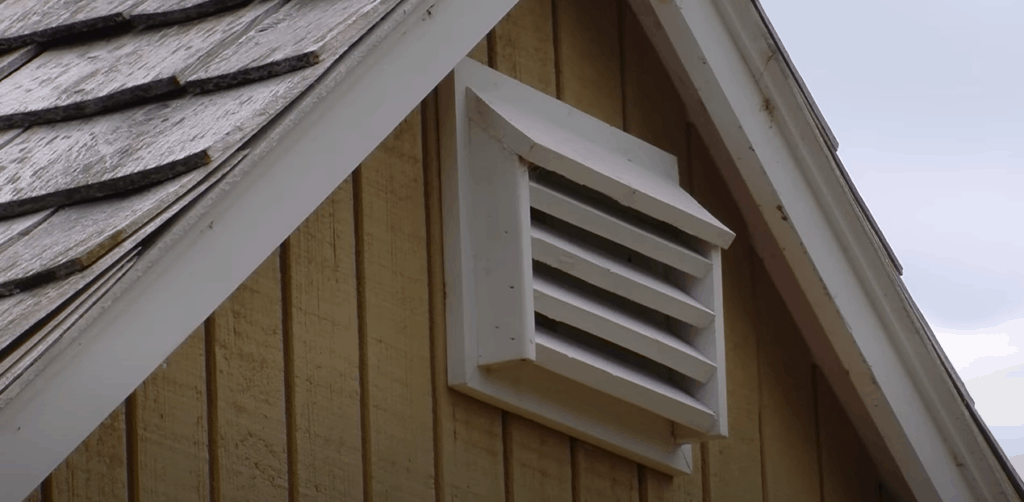
Effective ventilation in chicken coops is crucial for maintaining the health and productivity of the flock. Ventilation not only helps in regulating temperature but also plays a significant role in controlling humidity and air quality. Various factors influence the effectiveness of ventilation systems, and understanding these helps in creating an optimal environment for the chickens.
Climate, coop design, and flock size are three primary factors that significantly impact ventilation needs. Each of these elements interplays uniquely, affecting how air circulates within the coop and ultimately influencing the overall well-being of the birds.
Climate Impact on Ventilation
The local climate is a significant determinant of ventilation requirements in chicken coops. Regions with extreme temperatures, whether hot or cold, necessitate different ventilation strategies. In hot climates, for example, increased airflow is essential to prevent heat stress among chickens. This can be achieved through:
-
Natural ventilation via roof vents and side openings, allowing hot air to escape.
-
Fans to enhance airflow, especially during peak heat of the day.
-
Cooling pads to reduce temperature before air enters the coop.
Conversely, in colder climates, maintaining warmth is crucial. Here, ventilation must be balanced to prevent drafts while ensuring adequate air exchange. Insulated roofing and controlled ventilation systems can be effective.
Coop Design Considerations
The design of the chicken coop plays a pivotal role in its ventilation effectiveness. Factors such as the size, shape, and materials used in construction can influence airflow patterns. Key design features to consider include:
-
Ceiling height, which affects the ability of warm air to rise and escape.
-
Orientation of vents to maximize cross-ventilation.
-
Use of mesh or slatted walls to facilitate natural air movement without compromising security.
For instance, a coop designed with a high ceiling and strategically placed vents can significantly improve air circulation, reducing the risk of respiratory issues in the flock.
Flock Size and Density Effects
The size and density of the flock directly influence the ventilation demands of the coop. A larger flock produces more moisture and ammonia, necessitating better ventilation systems to maintain air quality. Key points regarding flock size include:
-
Higher stocking densities increase the need for robust ventilation systems to manage waste byproducts.
-
Smaller flocks may thrive in simpler ventilation setups but still require monitoring for air quality.
-
Regular assessment of flock behavior can indicate ventilation effectiveness; lethargic chickens may signal poor air quality.
Case studies, such as those observed in commercial poultry farms, illustrate that farms with well-designed ventilation systems proportionate to flock size experience lower mortality rates and improved growth performance. For example, a farm in the Midwest adjusted its ventilation strategy based on flock size and reported a 20% increase in weight gain due to improved air quality.
Best Practices for Maintaining Optimal Air Quality in Poultry Housing

Maintaining optimal air quality in poultry housing is essential for the health and productivity of the flock. Poor air quality can lead to respiratory issues, decreased growth rates, and increased mortality. Farmers need to implement best practices that ensure fresh air circulation, adequate ventilation, and minimal dust and ammonia levels within the coop.
Regular monitoring and adjustments based on environmental changes and the growth stages of the flock are crucial. As birds grow, their waste output increases, which can lead to elevated levels of harmful gases like ammonia. Weather changes can also impact ventilation needs, as hotter temperatures may require more airflow to keep the coop comfortable.
Methods for Assessing Air Quality
Assessing air quality in poultry housing can be done through various methods. These techniques are important in making informed decisions regarding ventilation and management practices.
One effective approach is to use air quality sensors that can measure levels of ammonia, carbon dioxide, humidity, and temperature. These sensors provide real-time data, allowing farmers to make immediate adjustments to ventilation systems. For instance, if ammonia levels rise above the recommended threshold of 25 ppm, farmers should increase airflow to dilute the gas effectively.
In addition to sensors, manual observation techniques are also valuable. Farmers should regularly inspect the coop and observe the following indicators:
- Behavior of birds: If birds are panting or spending excessive time near ventilation openings, it may indicate poor air quality.
- Odor: A strong smell of ammonia suggests that air quality is compromised and needs immediate attention.
- Dust levels: Visible dust particles in the air can indicate inadequate ventilation or excessive litter accumulation.
Implementing a routine inspection schedule, combined with sensor data, will help maintain optimal air quality. Regularly cleaning the coop and managing litter effectively also contributes to reducing harmful gases and dust accumulation.
“Healthy air quality is crucial for optimal poultry growth and overall flock health.”
Farmers should also take into account the external weather conditions. For instance, during hot summer months, increasing the open area for airflow and utilizing fans can significantly enhance the cooling effect within the coop. Conversely, in colder weather, proper sealing of the coop while maintaining sufficient ventilation is vital to prevent drafts, which can stress the birds.
By adhering to these best practices, farmers can ensure that their poultry housing remains a healthy environment conducive to optimal growth and productivity.
Troubleshooting Common Ventilation Problems in Chicken Coops
Proper ventilation in chicken coops is essential for the health and productivity of the flock. Insufficient or poorly managed airflow can lead to a myriad of issues, including respiratory problems, heat stress, and an unsuitable living environment. Understanding these common ventilation challenges can help poultry farmers maintain a healthier coop and ensure their chickens thrive.
Common Ventilation Issues and Solutions
Farmers frequently encounter several common problems when it comes to maintaining effective ventilation in chicken coops. These issues can significantly impact the chickens’ well-being and should be addressed promptly.
1. Excessive Humidity: High humidity levels in the coop can arise from wet bedding, droppings, and poor air circulation. This environment fosters harmful bacteria and promotes respiratory illnesses in chickens.
– Solution: Regularly replace bedding and ensure the coop is well-drained. Installing exhaust fans can help reduce humidity levels, allowing for better airflow.
2. Insufficient Airflow: A lack of adequate airflow can lead to a buildup of harmful gases such as ammonia, which is detrimental to chicken health.
– Solution: Ensure that windows and vents are strategically placed to facilitate cross-ventilation. Cowls or vents that open at the top can also help channel air effectively.
3. Drafts: While airflow is important, excessive drafts can cause stress in chickens, especially in colder weather.
– Solution: Use insulated materials or design windbreaks around the coop to block harsh winds while still allowing for some ventilation.
4. Temperature Fluctuations: Poor ventilation can cause extreme temperature variations within the coop, leading to heat stress or cold exposure.
– Solution: Implementing a combination of passive and active ventilation systems can help maintain a consistent temperature. Heat-retaining insulation can also be beneficial during colder months.
5. Contaminants and Odors: An accumulation of waste and poor air quality can lead to unpleasant odors and health hazards.
– Solution: Regular cleaning is vital, in addition to installing a proper ventilation system that can cycle fresh air into the coop while exhausting stale air.
To assist in identifying signs of poor ventilation, here is a checklist of indicators:
- High levels of moisture or damp bedding
- Strong ammonia smell
- Visible condensation on walls or ceilings
- Chickens displaying signs of respiratory distress (coughing, wheezing)
- Excessive pecking or unusual behavior among the flock
- Heat stress; chickens panting or showing lethargy
Preventative measures can effectively minimize the risk of ventilation issues before they arise. Key strategies include:
– Conducting Regular Inspections: Regularly check the coop’s ventilation system for obstructions or signs of wear.
– Choosing the Right Design: When building a coop, consider designs that maximize airflow, such as high roofs with angled vents.
– Utilizing Adjustable Vents: Install vents that can be opened or closed based on climatic conditions, allowing for greater control over airflow.
– Monitoring Indoor Conditions: Use hygrometers and thermometers to keep track of humidity and temperature levels within the coop.
– Educating Yourself and Others: Stay informed about best practices in poultry management and ventilation through workshops and resources.
By addressing these common ventilation problems proactively, poultry farmers can create a safer and more productive environment for their chickens.
The Role of Ventilation in Disease Prevention Among Poultry
Proper ventilation is a critical component in maintaining the health and productivity of poultry flocks. It serves not only to regulate temperature and humidity but also plays a significant role in disease prevention. Inadequate ventilation can lead to a buildup of harmful gases, moisture, and pathogens, which can compromise the birds’ immune systems and increase susceptibility to various diseases. Optimal airflow dynamics in a poultry coop can effectively reduce the concentration of airborne pathogens, thereby protecting the flock’s overall health.
The dynamics of airflow in a poultry environment are crucial for minimizing pathogen load and ensuring a healthy atmosphere. Good ventilation helps disperse ammonia and other harmful gases emitted from bird waste, which can cause respiratory distress and other health issues. Additionally, a well-ventilated coop allows for the dilution of airborne pathogens that can spread diseases among birds. Air movement reduces moisture levels that contribute to the proliferation of bacteria and fungi, thus decreasing the risk of infections. By creating a balance between fresh air intake and the removal of stale air, poultry producers can significantly enhance the health of their flocks.
Impact of Inadequate Ventilation on Poultry Diseases
Inadequate ventilation can exacerbate several diseases in poultry, increasing mortality rates and economic losses for farmers. Here are some diseases that can thrive in poorly ventilated conditions:
- Avian Influenza: This highly contagious viral infection spreads rapidly in crowded and poorly ventilated spaces. Enhanced airflow can help lower the viral load in the environment.
- Newcastle Disease: This viral disease affects respiratory, nervous, and digestive systems. Proper ventilation minimizes the chances of airborne transmission among birds.
- Aspergillosis: A fungal infection that thrives in damp environments, it can cause severe respiratory issues in poultry. Adequate airflow reduces humidity and the risk of fungal outbreaks.
To mitigate the risks associated with these diseases, several strategies can be implemented to enhance ventilation:
- Utilize natural ventilation systems, such as open-sided coops, which leverage wind to circulate fresh air effectively.
- Incorporate mechanical ventilation systems, such as exhaust fans, to control airflow and maintain stable environmental conditions.
- Regularly monitor air quality and temperature within the coop to ensure optimal conditions for the birds’ health.
- Implement appropriate litter management practices to reduce moisture levels and odors that can attract pathogens.
“Effective ventilation management not only improves animal welfare but also acts as a primary defense mechanism against disease outbreaks in poultry.”
By focusing on improving airflow dynamics and ensuring adequate ventilation within poultry housing, farmers can considerably lower pathogen concentrations and enhance overall flock health. Implementing these measures can lead to healthier birds, improved productivity, and ultimately, a more sustainable poultry operation.
Innovations in Coop Ventilation Technology
Advancements in coop ventilation technology are revolutionizing poultry farming, enhancing both efficiency and animal welfare. As the industry evolves, farmers are increasingly turning to innovative solutions that address the challenges of maintaining optimal air quality and temperature within poultry houses. This not only promotes healthier birds but also increases productivity, ultimately benefiting farmers’ bottom lines.
One of the most significant advancements in coop ventilation technology is the development of automated ventilation systems. These systems use a combination of sensors, fans, and control units to monitor environmental conditions such as temperature, humidity, and ammonia levels in real-time. By automatically adjusting airflow and temperature based on data collected, these systems create a healthier environment for the birds while reducing energy costs for farmers. Such technology ensures that the coop remains adequately ventilated without the need for manual intervention, allowing farmers to focus on other vital aspects of their operations.
Key Advancements in Automated Ventilation
Automated ventilation systems embody several key advancements that are transforming poultry farming. The following points Artikel some of the notable features and benefits that come with these innovations:
– Real-time Monitoring: Advanced sensors collect data on temperature, humidity, and air quality, enabling farmers to make informed decisions regarding environmental control.
– Energy Efficiency: Automated systems operate based on real-time data, leading to significant reductions in energy consumption compared to traditional manual systems. This not only lowers operational costs but also minimizes the carbon footprint of poultry farms.
– Improved Animal Welfare: By maintaining optimal conditions within housing units, automated ventilation systems help reduce the risk of heat stress and respiratory problems in birds, contributing to higher overall health and productivity.
– Remote Access Capabilities: Many modern systems offer remote monitoring and control through smartphone applications, allowing farmers to manage their operations from virtually anywhere. This convenience ensures that environmental conditions can be adjusted promptly to suit changing weather patterns.
Furthermore, these technologies often incorporate integration with other farm management software, allowing for a holistic approach to farm management. For example, farmers can correlate data from their feeding systems with ventilation data, leading to more tailored management strategies.
In essence, the innovation of automated ventilation technology not only enhances the living conditions for poultry but also streamlines the operational efficiency of farms. As the industry continues to adopt these technologies, it paves the way for a more sustainable and productive future in poultry farming.
Economic Impacts of Proper Ventilation in Poultry Production
Investing in proper ventilation systems in poultry production goes beyond just animal welfare; it significantly impacts the financial health of poultry farms. Good ventilation systems create optimal environments for poultry, which can translate into better growth rates and lower mortality rates, ultimately leading to increased profitability. When farmers prioritize ventilation, they not only enhance the quality of life for the birds but also improve their economic performance.
An efficient ventilation system contributes directly to the health and productivity of poultry. By maintaining optimal temperature and humidity levels, these systems reduce stress on birds, allowing them to achieve their genetic growth potential. Research shows that poultry in well-ventilated environments can achieve a 5-10% increase in average daily weight gain compared to those in poorly ventilated conditions. Furthermore, studies indicate that proper ventilation can reduce mortality rates by up to 15%. This substantial improvement in growth and survival rates leads to higher yields and, consequently, enhanced revenue for poultry producers.
Return on Investment and Sustainability
Understanding the financial implications of proper ventilation is critical for poultry farmers. The return on investment (ROI) associated with improved ventilation can be illustrated through several key points:
– Cost Savings on Feed: With optimized growth rates, there is a direct decrease in feed conversion ratios, meaning less feed is required for the same weight gain. This can result in savings of up to 20% on feed costs.
– Reduction in Veterinary Expenses: Healthy birds are less susceptible to diseases. A well-ventilated environment minimizes health risks, thus reducing the need for veterinary interventions. Reports estimate a decrease in healthcare costs by as much as 30% due to lower incidence of respiratory diseases.
– Market Viability: Birds that grow faster and healthier are ready for market sooner, enhancing cash flow for farmers. A reduction in time to market can improve overall sales by up to 15%, allowing producers to capitalize on market opportunities more rapidly.
– Sustainability: Quality ventilation systems contribute to environmental sustainability by improving air quality, reducing ammonia levels, and minimizing waste. This not only benefits poultry health but also fulfills increasing consumer demand for sustainable farming practices. The adoption of sustainable methods can attract premium pricing, enhancing overall profitability.
The combination of reduced mortality, improved growth rates, and cost savings creates a compelling economic case for investing in proper ventilation systems.
The metrics demonstrate that investing in proper ventilation is not merely an operational expense but a strategic move that fosters long-term sustainability and profitability in poultry production. By embracing such systems, poultry farmers can ensure they are well-positioned in a competitive market while maintaining responsible farming practices.
Conclusion
In conclusion, prioritizing coop ventilation is essential for maintaining high standards of poultry health and productivity. By implementing effective ventilation strategies, farmers can not only prevent disease but also enhance growth rates and ensure economic sustainability. As the poultry industry evolves with new technologies and practices, staying informed about ventilation options will be key to achieving success in farming.
Popular Questions
What are the signs of poor ventilation in a chicken coop?
Signs include excessive moisture, strong odors, increased respiratory issues among birds, and feather loss.
How can I improve ventilation in an existing coop?
Consider adding windows, vents, or fans to enhance airflow without creating drafts.
Is natural ventilation better than mechanical ventilation?
It depends on the farm’s specific needs; natural ventilation is cost-effective but may not be sufficient in extreme weather conditions.
How often should I monitor air quality in my coop?
Regular monitoring is recommended, especially during changes in weather or flock growth, to ensure optimal conditions.
Can I use sensors to monitor ventilation effectiveness?
Yes, sensors can provide real-time data on temperature and humidity, helping to assess ventilation efficiency.