
 Valerie Eden
Protein for chickens forms the cornerstone of their nutrition, significantly influencing their growth, development, and overall health. As poultry farmers and enthusiasts delve into chicken care, understanding the critical role protein plays becomes paramount. Whether it’s enhancing egg production or supporting muscle development, protein is not just another ingredient but a vital component of a balanced diet that ensures chickens thrive in their environment.
This article will explore various protein sources suitable for chickens, the formulation of balanced diets, the effects of protein deficiency, and innovative alternatives that can enrich poultry nutrition. With a structured approach, we will cover everything from understanding the importance of protein to evaluating its quality, helping you make informed decisions for your flock.
Understanding the Importance of Protein in Chicken Nutrition
Protein plays a crucial role in the nutrition of chickens, serving as a foundational component for growth, development, and overall health. Chickens require protein not only for muscle development but also for the production of feathers, eggs, and enzymes. When chickens consume an adequate amount of protein, they are more likely to thrive, demonstrating improved growth rates, higher egg production, and enhanced immune responses.
The quality and quantity of protein in their diet can significantly affect the efficiency of nutrient utilization, leading to better feed conversion ratios. It is essential for chicken keepers to understand the various sources of protein available for their flocks. This allows them to formulate balanced diets tailored to the specific needs of their chickens, depending on their age, breed, and purpose, whether it be meat production or egg laying.
Types of Protein Sources Available for Chicken Feed
A variety of protein sources can be utilized in chicken feed, each with unique benefits and drawbacks. Understanding these options helps in optimizing chicken nutrition for growth and productivity. Common protein sources include:
- Animal-Based Proteins: These proteins are derived from animal sources and are highly digestible. Examples include fish meal, meat meal, and blood meal. Fish meal is particularly rich in omega-3 fatty acids and is known to boost egg quality and health in hens.
- Plant-Based Proteins: These are derived from plant materials and are widely used in chicken feed. Soybean meal is the most prevalent plant protein, offering a high protein content and amino acid profile. Other sources include canola meal, peas, and sunflower meal, which can be utilized as alternatives depending on availability and cost.
- Supplemental Proteins: These include specific amino acids or protein fractions that can be added to enhance the overall protein composition. Common examples are lysine and methionine, which are essential amino acids that may be deficient in certain feed formulations.
The impact of protein on egg production and overall health in chickens cannot be overstated. Chickens that receive adequate protein in their diet produce eggs with higher nutritional value, including improved levels of essential nutrients. Furthermore, protein plays a vital role in the development of the immune system, helping to fend off diseases and ensuring that chickens maintain optimum health throughout their lifecycle. This results in healthier flocks that perform better and yield greater returns for poultry farmers.
Common Protein Sources for Chickens
In the diverse world of poultry nutrition, protein plays a vital role in the growth, development, and overall health of chickens. Understanding the various protein sources available is essential for formulating a balanced diet that meets the nutritional needs of these birds. There are several common protein sources utilized in chicken feeds, each bringing unique benefits and nutritional profiles.
The following are four prevalent protein sources in chicken diets: soybean meal, fish meal, peas, and sunflower meal. Each of these ingredients not only contributes to the protein content but also varies in terms of amino acid profiles, digestibility, and cost-effectiveness.
Protein Sources and Their Nutritional Profiles
A deeper understanding of these protein sources reveals their specific contributions to chicken nutrition.
1. Soybean Meal: This is one of the most popular protein sources used in chicken feed due to its high protein content, typically around 44-48%. It is rich in essential amino acids but has lower levels of methionine compared to animal protein sources. Its digestibility is high, making it an efficient choice for poultry diets.
2. Fish Meal: Known for its excellent protein quality, fish meal contains about 60-72% protein and provides omega-3 fatty acids, which are beneficial for chicken health and egg quality. However, its cost can be higher than plant protein sources, and availability may vary based on fishing regulations.
3. Peas: Peas are an emerging alternative in poultry diets, providing around 20-25% protein. They are low in anti-nutritional factors and have a good amino acid profile. Moreover, they are a sustainable option as they can be grown in various climates and contribute to soil health through nitrogen fixation.
4. Sunflower Meal: This byproduct of sunflower oil extraction contains approximately 35-40% protein. While it has a lower lysine content compared to soybean meal, it is a cost-effective source and can be an excellent option when used in combination with other protein sources to balance the amino acid profile.
Here’s a comparison of these protein sources based on their availability and cost:
| Protein Source | Protein Content (%) | Pros | Cons |
|---|---|---|---|
| Soybean Meal | 44-48 |
|
|
| Fish Meal | 60-72 |
|
|
| Peas | 20-25 |
|
|
| Sunflower Meal | 35-40 |
|
|
Choosing the right protein source is critical for optimizing growth and production in chickens.
Formulating a Balanced Diet for Chickens
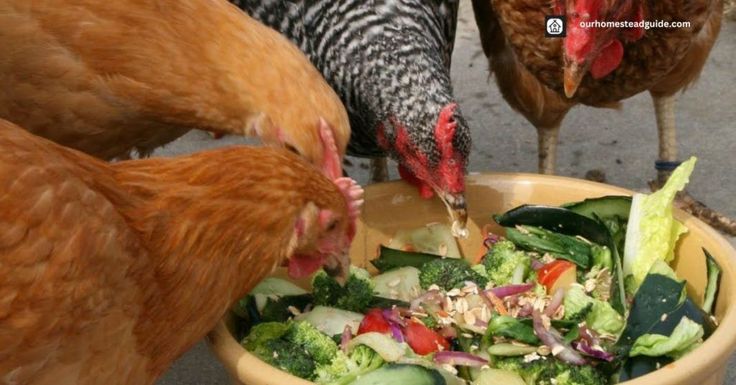
Creating a balanced diet for chickens is essential for their health and productivity. A well-formulated diet ensures that chickens receive the necessary nutrients, including adequate protein, which is crucial for growth, egg production, and overall wellbeing. Understanding the specific nutritional needs at different life stages helps poultry farmers optimize their feeding strategies and enhance flock performance.
Essential Factors in Diet Formulation
When formulating a balanced diet for chickens, several key factors must be considered to ensure they receive all necessary nutrients. This includes:
- Protein Quality and Source: Selecting high-quality protein sources such as soybean meal, fish meal, or peas is vital. The digestibility and amino acid profile of the protein sources should meet the specific needs of the chicken.
- Energy Needs: Carbohydrates and fats provide the energy necessary for maintenance and production. Energetic feeds like corn or wheat are often included to fulfill these requirements.
- Minerals and Vitamins: Critical for various physiological functions, minerals like calcium and phosphorus are essential for laying hens, while vitamins aid in growth and immune function.
- Age and Life Stage: Nutritional needs vary depending on whether chickens are chicks, growers, layers, or broilers. Adjusting protein levels according to these stages is crucial for optimal performance.
Protein Ratios at Different Life Stages
The protein requirements of chickens change significantly throughout their life stages. Here are the typical protein ratios needed at each stage:
Chickens require different protein levels at various growth stages to support their development and productivity:
- Chicks (0-6 weeks): Requires 18-20% protein to support rapid growth and development.
- Growers (6-12 weeks): Needs around 16-18% protein as growth rates start to stabilize.
- Layers (from 18 weeks): Should be fed a diet with 16-18% protein to ensure sufficient egg production and quality.
- Broilers (meat chickens): Requires 20-24% protein during the grow-out period to promote muscle development and optimize feed conversion.
Sample Feeding Programs for Layers and Broilers
Developing a feeding program tailored to the specific needs of layers and broilers is crucial for maximizing production efficiency. Below are sample feeding programs specifying protein requirements:
| Life Stage | Diet Composition | Protein Percentage |
|---|---|---|
| Layer Hens (18 weeks and older) | Complete layer feed with grains, soybean meal, and minerals | 16-18% |
| Broilers (0-6 weeks) | Starter feed with high protein content and energy sources | 22-24% |
| Broilers (6-8 weeks) | Finisher feed that balances protein and energy | 20-22% |
Properly balancing the protein levels in the diet not only enhances growth rates but also improves the overall health and productivity of the flock.
Effects of Protein Deficiency in Chickens
Inadequate protein in chicken diets can lead to a variety of adverse health effects. Chickens, like all animals, require a balanced diet to maintain their well-being, and protein plays a crucial role in their growth, feather development, and overall productivity. When protein levels fall short, chickens may exhibit several troubling symptoms that impact not only their health but also their productivity over time.
Protein deficiency can manifest in various health issues, often leading to a decline in growth rates, reduced egg production, and weakened immune systems. Chickens lacking sufficient protein may experience stunted growth, leading to smaller body sizes and lighter weights. Additionally, protein is vital for feather growth; thus, chickens with low protein diets often show poor feather development, which can result in bare patches and susceptibility to environmental stressors. Beyond immediate health concerns, long-term protein deficiency can severely impact productivity and lifespan, hindering the overall success of poultry operations.
Symptoms and Identification of Protein Deficiency
Recognizing the signs of protein deficiency in chickens is crucial for timely intervention. Several symptoms may indicate that chickens are not getting enough protein in their diet. Below are key indicators and recommended actions to address protein deficiency:
Chickens may exhibit the following signs when protein levels are insufficient:
- Stunted growth and reduced weight gain
- Poor feather condition, including feather loss or slow feather growth
- Decreased egg production and smaller egg size
- Weakness and lethargy, making them less active
- Increased susceptibility to diseases and infections due to weakened immunity
- Poor feed conversion ratio, meaning they are not efficiently converting feed into weight gain
To effectively manage and rectify protein deficiency, consider the following actions:
- Evaluate and adjust the protein content of their feed, ensuring it meets the nutritional needs based on age and production stage.
- Incorporate high-protein supplements such as soybean meal, fish meal, or commercial protein concentrates into their diet.
- Monitor body weight and growth rates regularly to identify any fluctuations that may indicate deficiencies early.
- Consult with a poultry nutritionist to formulate a balanced diet tailored to your chickens’ specific needs.
“Ensuring adequate protein levels in chicken diets is essential not only for their growth but also for their overall health and productivity.”
Evaluating Protein Quality in Chicken Feed
Assessing the protein quality in chicken feed is crucial for ensuring optimal growth, health, and egg production in poultry. The evaluation encompasses various methodologies that allow nutritionists to determine the effectiveness of protein sources utilized in formulations. This segment focuses on how these protein quality assessments contribute to the overall dietary strategy for chickens.
Different methods are employed to assess the quality of protein in feed ingredients, such as amino acid profiling, protein solubility tests, and in vitro digestibility assays. Each method provides insights into the nutritional value of the protein and its efficacy in chicken diets.
Protein Digestibility and Its Importance
Protein digestibility is a key factor that influences how well chickens can utilize protein sources in their feed. Digestibility refers to the proportion of protein that is broken down and absorbed by the animal, which directly impacts growth performance and feed efficiency. High digestibility levels indicate that the protein can be effectively utilized for muscle development and energy production.
The significance of protein digestibility in chicken feed formulation lies in the ability to select ingredients that not only provide adequate protein levels but also ensure that those proteins are accessible for absorption. This optimization can lead to improved feed conversion rates and overall poultry health.
To illustrate the digestibility levels of various protein sources used in poultry feed, the following table provides a comparative overview:
| Protein Source | Digestibility (%) |
|---|---|
| Soybean Meal | 90 |
| Canola Meal | 85 |
| Fish Meal | 92 |
| Poultry By-Product Meal | 88 |
| Peas | 80 |
“Selecting high digestibility protein sources is essential for maximizing the nutritional efficiency in poultry diets.”
This table highlights the varying digestibility percentages of common protein sources, allowing poultry nutritionists to make informed decisions regarding feed formulation. Higher digestibility levels not only promote better nutrient absorption but also enhance the growth and productivity of chickens.
Impact of Protein on Chicken Behavior
Protein intake plays a crucial role in the behavior and social dynamics of chickens. The quality and quantity of protein in their diet directly influence their physical health and overall well-being, subsequently affecting how they interact with one another within a flock. A balanced protein intake promotes healthier growth, energy levels, and cognitive functions, all of which contribute to more stable social behaviors among chickens.
The relationship between protein levels and chicken behavior is multifaceted, particularly when it comes to aggression and social hierarchy. Higher protein diets may lead to increased energy levels and assertiveness, impacting how chickens establish and maintain their pecking order. Conversely, insufficient protein can result in lethargy and social withdrawal, potentially leading to disruptions in flock dynamics.
Behavioral Changes with Varying Protein Levels
Different protein levels in chicken diets can yield noticeable behavioral changes, affecting how they interact socially. When chickens receive adequate protein, they tend to display:
- Enhanced Social Interactions: Chickens with sufficient protein are more likely to engage in social behaviors, such as preening and foraging together, which fosters stronger flock cohesion.
- Stable Pecking Order: A well-balanced protein intake helps maintain a stable social hierarchy, reducing the incidence of aggressive behaviors that can disrupt flock dynamics.
- Increased Playfulness: Higher protein levels correlate with increased playful behaviors, such as chasing and engaging in mock fights, which are essential for social learning and bonding.
In contrast, chickens with low protein levels may exhibit:
- Aggression and Pecking: Insufficient protein can lead to increased aggression, as birds become irritable and more prone to pecking at each other, disrupting social order.
- Withdrawal and Passivity: Low protein diets can result in lethargy and reduced social interaction, leading to isolated behavior among certain birds within the flock.
- Inhibited Growth and Development: Young chickens lacking adequate protein may show stunted growth, affecting their ability to compete for social status and resources within the group.
Understanding these behavioral impacts emphasizes the importance of providing a nutritionally balanced diet rich in protein to promote not only the physical health of chickens but also their social well-being. For instance, studies have shown that broilers fed higher protein diets exhibit more vigorous social interactions and less aggressive behavior, illustrating the critical link between nutrition and social dynamics within poultry flocks.
Innovations in Protein Sources for Poultry
The poultry industry is witnessing significant advancements in the sourcing of protein for chicken diets. Traditional protein sources such as soybean and fish meal are being supplemented or replaced by innovative alternatives that promise sustainability and improved nutrition. This shift is driven by the need for more sustainable practices in animal agriculture, as well as the increasing demand for poultry products globally.
Emerging trends indicate a growing interest in alternative protein sources that can effectively meet the nutritional needs of poultry while minimizing environmental impacts. Among these alternatives, insects and plant-based proteins are leading the charge. These innovations not only contribute to a more sustainable food system but also enhance the overall health and feed efficiency of chickens.
Insects as a Protein Source
Insects have emerged as a promising alternative protein source for poultry nutrition. They are rich in protein, essential amino acids, and beneficial fatty acids. Key advantages of incorporating insects into chicken diets include:
- High Nutritional Value: Insects can provide up to 70% protein by dry weight, making them an excellent supplement.
- Sustainability: Rearing insects requires significantly less land, water, and feed compared to traditional livestock.
- Waste Reduction: Insects can be fed on organic waste, converting it into high-quality protein, thus contributing to waste management solutions.
Research has shown that feeding chickens insect-based diets can improve feed conversion rates and enhance overall health. For example, studies indicate that broilers receiving insect protein demonstrate better weight gain and lower feed intake compared to those on conventional diets.
Plant-Based Protein Alternatives
Plant-based proteins, such as pea, lentil, and canola meals, are gaining traction as viable options to replace or reduce animal protein in poultry feed. These sources not only provide essential nutrients but also support better environmental practices. The benefits of integrating plant-based proteins into chicken diets include:
- Reduced Carbon Footprint: Plant protein production generally has a lower environmental impact than animal protein.
- Diverse Amino Acid Profile: Combining different plant proteins can create a well-rounded amino acid profile that meets chicken nutritional needs.
- Health Benefits: Inclusion of plant-based proteins can enhance gut health and improve the immune response in poultry.
Evidence suggests that chickens fed with a diet rich in plant proteins can achieve comparable growth rates and feed efficiency to those fed conventional protein sources. For instance, broiler chickens receiving a diet with a blend of pea and canola meals have shown significant improvements in overall health markers and productivity.
The future of poultry nutrition lies in the innovative use of alternative protein sources, which not only enhance chicken health but also contribute to sustainable agricultural practices.
Final Review
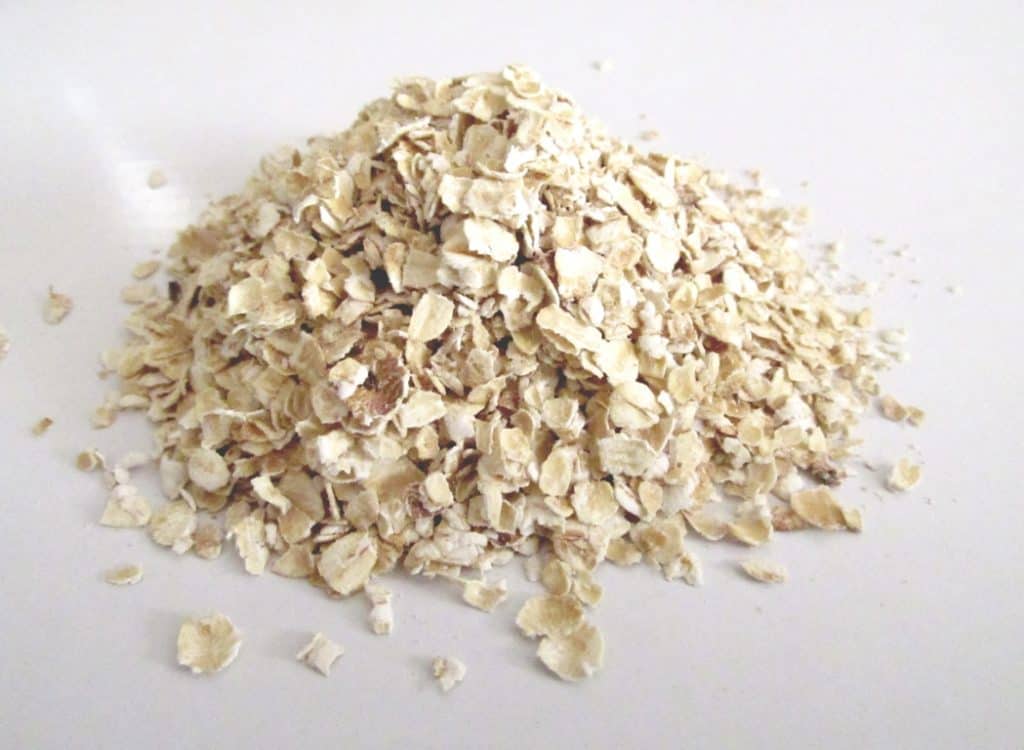
In conclusion, prioritizing protein in chicken diets is essential for fostering healthy, productive birds. By carefully selecting quality protein sources and formulating balanced diets, poultry keepers can enhance growth, egg production, and overall well-being. As the industry evolves with innovative protein sources like insects and plant-based alternatives, the future of poultry nutrition looks promising and sustainable, paving the way for healthier chickens and improved farming outcomes.
FAQ Resource
Why is protein important for chickens?
Protein is crucial for growth, muscle development, and egg production in chickens, supporting their overall health and productivity.
How much protein do chickens need at different stages?
Chickens require varying protein levels; for example, chicks need around 20-24% protein, while layers typically need 16-18% during egg laying.
Can chickens get enough protein from a vegetarian diet?
Yes, chickens can obtain adequate protein from vegetarian sources such as soybean meal, peas, and other legumes, though careful formulation is essential.
What are the symptoms of protein deficiency in chickens?
Symptoms include poor growth, decreased egg production, feather pecking, and overall lethargy, indicating a need for dietary adjustment.
Are there risks associated with high protein diets for chickens?
Yes, excessive protein can lead to kidney strain and increased ammonia in waste, affecting overall flock health and the environment.