
 Valerie Eden
Vitamin deficiencies can lead to a variety of health issues, affecting everything from energy levels to immune function. Vitamins are essential organic compounds that the body requires to operate optimally, and a lack of these nutrients can lead to serious health problems. Understanding the different types of vitamins, their roles in the body, and the consequences of deficiencies is crucial for maintaining overall health.
Water-soluble vitamins such as B and C need regular replenishment through diet, while fat-soluble vitamins like A, D, E, and K can be stored in fatty tissues. Each vitamin plays unique roles; for example, Vitamin D is vital for bone health, while Vitamin B12 is essential for nerve function. This discussion will delve deeper into the causes, symptoms, and prevention of vitamin deficiencies, highlighting their significance in our daily lives.
Understanding the importance of vitamins in the human body
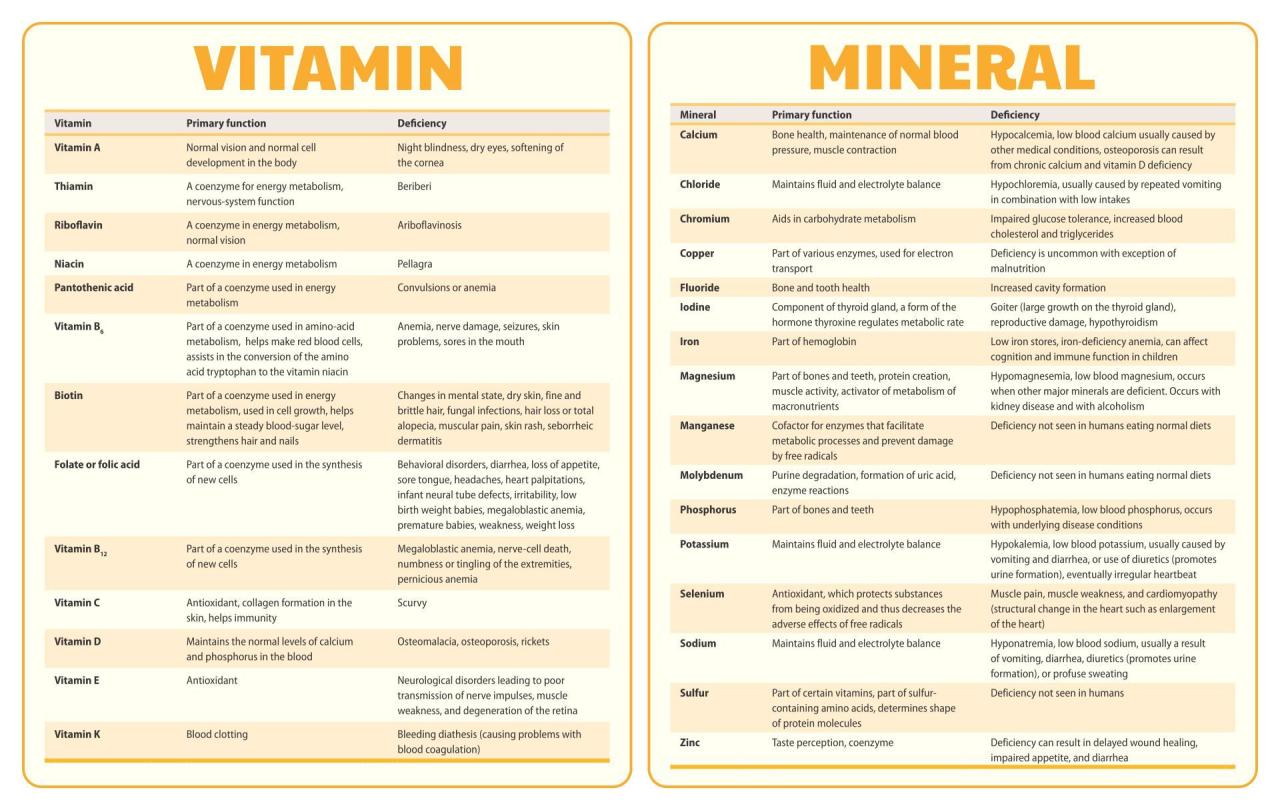
Vitamins are essential organic compounds that play critical roles in various physiological processes within the human body. They are crucial for maintaining overall health, supporting metabolic functions, and facilitating growth and development. Each vitamin serves specific functions, and their deficiency can lead to significant health issues. This highlights the necessity of a balanced diet rich in essential vitamins to ensure the body operates optimally.
Vitamins contribute to numerous bodily functions, from energy production and immune response to DNA synthesis and blood clotting. They act as coenzymes or cofactors in enzymatic reactions, helping to convert nutrients into energy and promoting the synthesis of hormones and neurotransmitters. Notably, vitamins also play vital roles in maintaining vision, skin health, and nerve function. For instance, Vitamin A is crucial for vision and cell growth, while Vitamin C is important for the immune system and acts as an antioxidant, protecting cells from damage.
Differences between water-soluble and fat-soluble vitamins
Vitamins can be broadly classified into two categories: water-soluble and fat-soluble vitamins, each with distinct characteristics and functions in the body. Understanding these differences is essential for managing dietary intake effectively.
Water-soluble vitamins, which include Vitamin C and the B vitamins, dissolve in water and are not stored in the body. This means they must be consumed regularly in the diet. These vitamins are crucial for energy metabolism, nerve function, and the synthesis of DNA and red blood cells. Since they are excreted through urine, excessive intake is generally less likely to cause toxicity but can still lead to imbalances.
Fat-soluble vitamins, such as Vitamins A, D, E, and K, are soluble in fats and oils and can be stored in the body’s fatty tissues and liver. These vitamins are vital for various bodily functions, including vision (Vitamin A), calcium absorption (Vitamin D), antioxidant properties (Vitamin E), and blood coagulation (Vitamin K). However, because they can accumulate in the body, excessive intake may lead to toxicity, making it essential to manage their consumption carefully.
Essential vitamins and their primary functions are as follows:
- Vitamin A: Supports vision, immune function, and skin health.
- Vitamin C: Acts as an antioxidant, supports the immune system, and promotes wound healing.
- Vitamin D: Essential for calcium absorption and bone health.
- Vitamin E: Functions as an antioxidant, protecting cells from oxidative damage.
- Vitamin K: Necessary for blood clotting and bone metabolism.
“Vitamins are not just a dietary accessory; they are fundamental to our biological processes.”
Identifying common vitamin deficiencies and their symptoms
Vitamin deficiencies can have significant impacts on health, often manifesting through various physical and mental symptoms. Understanding these deficiencies is crucial for maintaining overall well-being and addressing potential health issues. This segment will explore some of the most common vitamin deficiencies, focusing on Vitamin B12, D, and A, emphasizing their symptoms and how they can differ across various age groups.
Vitamin B12 Deficiency
Vitamin B12 is essential for the production of red blood cells and the maintenance of a healthy nervous system. Deficiency can lead to serious health issues, particularly among older adults and those with dietary restrictions. The symptoms of Vitamin B12 deficiency can include:
- Fatigue or weakness
- Pale or jaundiced skin
- Heart palpitations and shortness of breath
- Nerve problems like numbness or tingling
- Cognitive difficulties such as memory loss or confusion
It’s important to note that symptoms may present differently in various age groups. For instance, older adults may exhibit cognitive decline more readily, while younger individuals could primarily experience fatigue and energy loss.
Vitamin D Deficiency
Vitamin D plays a vital role in calcium absorption, bone health, and immune function. A deficiency can result in various health issues, including weakened bones and a higher risk of chronic diseases. The primary symptoms include:
- Bone pain and muscle weakness
- Increased susceptibility to infections
- Fatigue and low energy levels
- Mood changes, including depression
In children, Vitamin D deficiency can lead to rickets, characterized by soft, weak bones. Conversely, older adults may experience more pronounced bone pain and an increased risk of fractures, highlighting the importance of age-appropriate assessment and treatment.
Vitamin A Deficiency
Vitamin A is crucial for vision, immune function, and skin health. A deficiency can lead to severe health issues, especially in developing countries. Symptoms of Vitamin A deficiency can include:
- Night blindness or difficulty seeing in low light
- Dry skin and hair
- Frequent infections
- Dry eyes, potential leading to blindness
In children, Vitamin A deficiency can impede growth and development, whereas adults might notice a decline in immune function and increased vulnerability to infections.
“Recognizing the symptoms of vitamin deficiencies is essential for timely intervention and prevention of more serious health complications.”
Understanding vitamin deficiencies and their varied presentations among different age groups can guide effective dietary choices and supplementation, promoting better health outcomes for all individuals.
The impact of diet on vitamin levels in the body
Diet plays a pivotal role in determining the vitamin levels within our bodies. The foods we consume not only provide essential nutrients but also influence how well our bodies absorb and utilize these vitamins. A varied and balanced diet is crucial to avoid deficiencies and ensure optimal health. Different dietary patterns can either support or hinder the intake of vital vitamins, making it important to choose wisely.
A plant-based diet, for instance, can be rich in certain vitamins like Vitamin K and folate due to the abundance of leafy greens and legumes. However, it may fall short in Vitamin B12, which is predominantly found in animal products. On the flip side, a diet heavy in processed foods can lead to a decrease in essential vitamins, as these foods often lack the nutrients found in whole foods. The balance of macronutrients in the diet also affects vitamin absorption; for example, dietary fats enhance the absorption of fat-soluble vitamins such as A, D, E, and K.
Foods rich in essential vitamins and recommended serving sizes
To maintain adequate vitamin levels, incorporating a diverse range of foods is essential. Below is a table illustrating key vitamins, their food sources, and recommended serving sizes to ensure sufficient intake:
| Vitamin | Food Sources | Recommended Serving Size |
|---|---|---|
| Vitamin A | Carrots, sweet potatoes, spinach | 1 cup cooked spinach or 1 large sweet potato |
| Vitamin C | Citrus fruits, strawberries, bell peppers | 1 medium orange or 1 cup chopped bell peppers |
| Vitamin D | Fatty fish, fortified milk, egg yolks | 3.5 ounces of salmon or 1 cup fortified milk |
| Vitamin E | Nuts, seeds, vegetable oils | 1 ounce of almonds or 2 tablespoons sunflower seeds |
| Vitamin K | Kale, broccoli, Brussels sprouts | 1 cup cooked kale or 1 cup cooked broccoli |
| Vitamin B12 | Meat, fish, dairy products | 3 ounces of fish or 1 cup of yogurt |
It’s important to note that individual needs may vary based on age, gender, and lifestyle. Therefore, monitoring dietary habits and making adjustments can help ensure adequate vitamin intake. For instance, vegetarians and vegans might need to consider fortified foods or supplements to achieve sufficient B12 levels since plant sources are limited. Similarly, those with dietary restrictions or specific health conditions should consult with a healthcare professional to tailor their diets accordingly.
“Choosing a diverse range of nutrient-dense foods is key to preventing vitamin deficiencies and supporting overall health.”
The role of supplements in addressing vitamin deficiencies

Vitamin deficiencies can significantly impact overall health, making it crucial to ensure adequate intake. While a balanced diet rich in fruits, vegetables, whole grains, and proteins should provide most individuals with the necessary vitamins, modern lifestyles and dietary habits often fall short. This is where vitamin supplements come into play, offering a convenient option to help bridge the gap between dietary intake and nutritional needs. However, the effectiveness of these supplements compared to natural food sources is a topic of debate.
Research indicates that vitamin supplements can play a vital role in correcting deficiencies, especially in individuals who may have trouble absorbing nutrients or those following restrictive diets. For example, vitamin B12 supplements are commonly recommended for vegetarians and vegans, who may not get sufficient amounts from plant-based sources. However, natural food sources typically offer a more complex nutritional profile, including other beneficial compounds like fiber, antioxidants, and phytonutrients that supplements lack. Therefore, while supplements can be effective in providing specific vitamins, they are often not a complete substitute for whole foods.
Risks and benefits of over-supplementation
Understanding the potential risks and benefits of over-supplementation is essential in discussing vitamin supplementation. Excessive intake of vitamin supplements can lead to toxicity and various health complications. For water-soluble vitamins like B and C, the body usually excretes excess amounts. However, fat-soluble vitamins such as A, D, E, and K can accumulate in the body, potentially resulting in hypervitaminosis. Symptoms of this condition can range from nausea and headaches to more severe issues like liver damage or hypercalcemia from excessive vitamin D.
Conversely, the benefits of supplementation can be significant when done appropriately. For instance, people with certain health conditions or those undergoing specific treatments may require higher doses of vitamins to maintain their health. Pregnant women, for example, are often advised to take folic acid supplements to prevent neural tube defects in their babies. Thus, while supplements can be beneficial, they should be taken with caution and ideally under the guidance of a healthcare professional.
Comparison of various types of vitamin supplements
The market offers a plethora of vitamin supplements, each designed to address specific health needs. Here is a comparison of some common types of vitamin supplements that are available:
| Type of Supplement | Description | Recommended Use |
|---|---|---|
| Multivitamins | A combination of various vitamins and minerals. | General supplementation for those who may not meet daily nutritional needs. |
| Vitamin D | Essential for calcium absorption and bone health. | Recommended for individuals with limited sun exposure. |
| Vitamin B12 | Crucial for nerve function and the production of DNA and red blood cells. | Often taken by vegetarians and older adults. |
| Folic Acid | Vital for DNA synthesis and repair. | Recommended for women who are pregnant or trying to conceive. |
| Vitamin C | An antioxidant that supports the immune system and skin health. | Commonly taken to boost immunity, especially during cold seasons. |
In summary, while supplements can effectively address vitamin deficiencies, they are not a one-size-fits-all solution. The choice between supplements and natural food sources should be guided by individual health needs, dietary restrictions, and professional advice to ensure safety and efficacy.
Understanding demographic differences in vitamin deficiency prevalence
Vitamin deficiencies represent a significant public health concern globally, with their prevalence varying across different demographics. An understanding of how lifestyle and socioeconomic factors influence vitamin levels can help identify at-risk populations and address these deficiencies effectively. Factors such as income, education, access to healthcare, and cultural dietary practices play pivotal roles in determining nutritional status.
Research shows that socioeconomic status profoundly impacts access to nutritious food. Individuals with lower income levels are more likely to consume cheaper, processed foods that lack essential vitamins and minerals. Furthermore, education levels can influence nutritional knowledge, affecting dietary choices. In many instances, people living in food deserts—areas with limited access to fresh produce and healthy food options—experience higher rates of vitamin deficiencies. Specifically, studies have demonstrated that populations with lower socioeconomic status have a greater prevalence of deficiencies in vitamins A, D, and B12, primarily due to inadequate dietary intake and limited access to healthcare resources.
Populations at Higher Risk for Vitamin Deficiencies
Recognizing specific groups at heightened risk for vitamin deficiencies is essential for targeted interventions. Several populations are particularly vulnerable, including the following:
- The Elderly: Aging individuals often face physiological changes that affect nutrient absorption. A study by the National Institute on Aging indicated that around 33% of older adults suffer from vitamin D deficiency, primarily due to reduced sun exposure and dietary limitations.
- Pregnant Women: Nutritional demands significantly increase during pregnancy. According to the World Health Organization, approximately 40% of pregnant women worldwide are anemic, often due to iron deficiency, which can adversely affect fetal development.
- Vegetarians and Vegans: Those following plant-based diets may lack certain vitamins, particularly B12, which is primarily found in animal products. Research from the American Journal of Clinical Nutrition shows that about 60% of vegetarians may have suboptimal B12 levels.
- Infants and Young Children: This age group is at risk for deficiencies due to their rapid growth and development. The CDC reports that nearly 25% of U.S. children aged 1-5 years have inadequate vitamin D intake.
- Low-Income Communities: Financial constraints often result in limited access to a variety of foods, leading to deficiencies. A report from Feeding America highlights that food insecurity affects 1 in 8 Americans, contributing to widespread nutritional inadequacies.
It is evident that vitamin deficiencies disproportionately affect certain demographic groups. A comprehensive understanding of these differences helps inform public health strategies aimed at improving nutritional health. For example, tailored education programs for pregnant women about prenatal vitamins can mitigate risks, while community initiatives aimed at increasing food access in low-income areas can create healthier environments.
In summary, the interconnection of socioeconomic factors and lifestyle choices plays a critical role in vitamin deficiency prevalence. Addressing these disparities is essential for promoting overall health and well-being within vulnerable populations.
Strategies for preventing vitamin deficiencies
Maintaining adequate vitamin levels is essential for overall health and well-being. Vitamin deficiencies can lead to a range of health issues, including weakened immune function, impaired cognitive abilities, and chronic diseases. Fortunately, there are several practical steps individuals can take to ensure they meet their daily vitamin requirements and keep deficiencies at bay.
One effective approach to preventing vitamin deficiencies is to adopt a balanced and varied diet. This means incorporating a wide range of foods that are rich in essential vitamins. Here are some strategies to help individuals boost their vitamin intake:
Incorporating a Diverse Diet
Eating a colorful variety of fruits and vegetables is key to ensuring a broad spectrum of vitamins. Each color typically represents different nutrients. For instance, dark leafy greens like spinach and kale are rich in vitamins A, C, K, and folate, while orange and yellow vegetables like carrots and sweet potatoes provide substantial amounts of vitamin A and C. Including a mix of these foods can help individuals get the vitamins they need.
To facilitate meal planning, consider the following sample daily meal plan that is rich in essential vitamins:
| Meal | Food Items | Vitamins |
|---|---|---|
| Breakfast | Oatmeal topped with sliced bananas and walnuts | B1, B6, C, E |
| Snack | Greek yogurt with mixed berries | B2, B5, C |
| Lunch | Grilled chicken salad with spinach, bell peppers, and olive oil | A, C, K, B6 |
| Snack | Carrot sticks with hummus | A, C, K, B9 |
| Dinner | Baked salmon with quinoa and steamed broccoli | B12, D, E, K |
This meal plan showcases the importance of selecting a variety of foods. Regularly consuming nutrient-dense meals not only helps to prevent deficiencies but also supports overall health and vitality.
Importance of Regular Health Screenings
In addition to dietary choices, regular health screenings and blood tests play a crucial role in preventing vitamin deficiencies. These assessments can help identify any deficiencies early, allowing for timely intervention. Blood tests can reveal levels of specific vitamins, such as Vitamin D or B12, which are often overlooked.
Health professionals recommend that adults undergo routine screenings, particularly as they age or if they have dietary restrictions that may lead to deficiencies. For example, vegetarians and vegans are at a higher risk for B12 deficiencies, while individuals on a restricted diet may lack essential fatty acids or other vitamins.
Regular consultations with a healthcare provider can help guide dietary choices based on individual health needs and can encourage proactive measures to address any identified deficiencies. Maintaining a consistent check on one’s vitamin status can lead to better health outcomes and enhanced quality of life.
The connection between vitamin deficiencies and chronic diseases
Vitamin deficiencies have been linked to a variety of chronic diseases, with osteoporosis and heart disease being two of the most notable conditions affected by a lack of essential vitamins. Understanding this connection is crucial, as it highlights the importance of maintaining adequate vitamin levels for overall health and disease prevention.
Vitamin D and calcium are particularly important in the context of osteoporosis. A deficiency in vitamin D impairs calcium absorption, leading to decreased bone mineral density and an increased risk of fractures. Research indicates that individuals with low vitamin D levels have a significantly higher risk of developing osteoporosis. A study published in the Journal of Bone and Mineral Research found that elderly individuals with insufficient vitamin D levels had an approximately 2.5 times higher risk of hip fractures compared to those with adequate levels.
Similarly, the connection between vitamin deficiencies and heart disease has garnered attention in recent years. Vitamins B6, B12, and folate are essential for maintaining healthy homocysteine levels in the blood. Elevated homocysteine has been linked to an increased risk of cardiovascular diseases. A meta-analysis published in the American Journal of Clinical Nutrition found that higher intakes of these B vitamins were associated with a decreased risk of coronary heart disease. Additionally, vitamin E and C, known for their antioxidant properties, contribute to cardiovascular health by reducing oxidative stress and inflammation.
To mitigate the risks associated with these deficiencies and their potential chronic disease consequences, preventive measures are crucial. Regular health screenings can help identify vitamin deficiencies early, allowing for timely intervention. A balanced diet rich in fruits, vegetables, whole grains, nuts, and lean proteins can ensure adequate vitamin intake. Individuals should also consider fortified foods or supplements, especially those at higher risk of deficiencies, such as the elderly or individuals with specific dietary restrictions.
Incorporating these preventive strategies not only supports overall health but also plays a significant role in reducing the risk of chronic diseases associated with vitamin deficiencies.
The role of healthcare professionals in managing vitamin deficiencies
Healthcare professionals play a crucial role in identifying, diagnosing, and treating vitamin deficiencies, which can significantly impact overall health and well-being. Their expertise is necessary to ensure that individuals receive appropriate guidance tailored to their specific needs. With the rising prevalence of these deficiencies due to dietary changes and lifestyle factors, healthcare providers are essential in promoting awareness and proactive management.
Diagnosis of vitamin deficiencies often begins with a comprehensive assessment of a patient’s dietary habits, medical history, and physical symptoms. Healthcare providers may utilize various diagnostic tools, including blood tests, to measure vitamin levels and identify deficiencies. Common deficiencies, such as vitamin D, B12, and iron, can have serious health implications if left unaddressed. After diagnosis, healthcare professionals are responsible for developing a personalized treatment plan that may include dietary recommendations, supplementation, or referrals to specialists if necessary.
Patient education regarding vitamin intake
Educating patients about the importance of vitamins and how to maintain adequate intake is a fundamental aspect of managing vitamin deficiencies. It is vital for healthcare providers to engage patients in understanding how specific vitamins contribute to health and the potential consequences of deficiencies. This education can take many forms, including one-on-one consultations, informational brochures, and workshops.
Key points for patient education can include:
- Understanding dietary sources: Patients should be informed about foods rich in essential vitamins. For instance, leafy greens, citrus fruits, and fortified cereals are excellent sources of vitamin C, while oily fish, egg yolks, and fortified milk provide vitamin D.
- Recognizing symptoms: Educating patients on common symptoms of deficiencies—like fatigue, muscle weakness, or cognitive issues—can empower them to seek help promptly.
- Supplementation guidance: When dietary intake is insufficient, healthcare professionals should provide clear guidelines on appropriate supplementation, including dosage and timing, while considering individual health conditions.
A collaborative framework between patients and healthcare providers can enhance the management of vitamin deficiencies. This framework could consist of:
1. Regular check-ups: Schedule periodic visits to monitor vitamin levels and overall health.
2. Dietary assessments: Utilize food diaries or apps to track daily intake and identify gaps.
3. Personalized action plans: Develop tailored strategies that include meal planning and supplementation as needed.
4. Follow-up evaluations: Set milestones for reassessment of vitamin status and make necessary adjustments to the treatment plan.
By prioritizing education and collaboration, healthcare professionals can effectively manage vitamin deficiencies and promote a healthier lifestyle for their patients.
Last Word
In summary, vitamin deficiencies are a widespread issue that can have lasting effects on health and well-being. By being aware of the symptoms and dietary sources of essential vitamins, individuals can take proactive steps to ensure they are meeting their nutritional needs. Whether through diet, supplements, or healthcare guidance, maintaining adequate vitamin intake is vital for preventing deficiencies and promoting long-term health.
Questions Often Asked
What are the most common vitamin deficiencies?
The most common vitamin deficiencies include Vitamin D, B12, and A, often due to inadequate dietary intake or absorption issues.
How can I check my vitamin levels?
Vitamin levels can be checked through blood tests ordered by a healthcare provider, which can determine specific deficiencies.
Are vitamin supplements safe to take?
While many vitamin supplements are safe, it’s essential to consult with a healthcare professional to avoid risks associated with over-supplementation.
Can vitamin deficiencies affect mental health?
Yes, certain vitamin deficiencies, especially B vitamins and Vitamin D, can impact mood and cognitive function, leading to issues such as depression and anxiety.
How can I improve my vitamin intake?
Improving vitamin intake can be achieved by consuming a balanced diet rich in fruits, vegetables, whole grains, and lean proteins, along with considering supplements if needed.