
 Valerie Eden
Chicken diarrhea is a common yet often misunderstood condition in poultry that can significantly impact both the birds’ health and the farming industry. Whether it’s due to dietary issues, environmental stress, or infectious agents, understanding the ins and outs of chicken diarrhea is crucial for any poultry keeper. The effects of this condition can ripple through flocks, resulting in not only health complications but also economic challenges for farmers.
Exploring the causes reveals a wide array of contributing factors. From improper feeding practices to environmental stresses like overcrowding and poor sanitation, each element plays a role in triggering digestive issues. Additionally, recognizing the symptoms is key to timely intervention and management, ensuring the wellbeing of the birds and the sustainability of poultry operations.
Understanding the Causes of Chicken Diarrhea
Diarrhea in chickens can be a perplexing issue for poultry keepers, often leading to concern over the health and well-being of the flock. Identifying the causes of chicken diarrhea is essential for effective management and prevention of further health complications. A combination of dietary factors, environmental stressors, and health-related issues can significantly influence the digestive health of chickens, leading to diarrhea.
The primary factors contributing to chicken diarrhea are varied and multifaceted. Diet plays a crucial role in digestive health, particularly the quality and type of feed provided. For instance, a sudden change in diet can upset the delicate balance of gut bacteria, resulting in diarrhea. Additionally, certain foods can be problematic; for example, high-fat feeds or those rich in certain grains may cause digestive upset. Chickens fed excessive amounts of corn or soy can experience diarrhea due to the high starch content. Moreover, mycotoxins from moldy feed can also lead to gastrointestinal issues.
Environmental stressors further exacerbate the situation. Factors such as temperature fluctuations, humidity, and overcrowding can negatively impact a chicken’s digestive system. For example, during hot weather, chickens may become stressed, which can lead to increased water intake and subsequently, diarrhea. Poor ventilation in coops can contribute to the buildup of ammonia, resulting in respiratory issues that may indirectly affect digestion.
Stress during transportation or changes in routine can also lead to transient diarrhea. Chickens are sensitive creatures that thrive in stable environments; thus, any disruption in their daily lives can affect their overall health.
In summary, understanding the causes of chicken diarrhea involves a careful examination of both dietary components and environmental factors. By identifying these issues early, poultry keepers can take proactive measures to maintain the health and productivity of their flocks.
Symptoms and Signs of Diarrhea in Chickens
Chickens are generally hardy animals, but they can experience health issues, including diarrhea, which can be indicative of underlying problems. Recognizing the symptoms of diarrhea in chickens is crucial for early intervention and treatment, as untreated diarrhea can lead to severe dehydration and other complications.
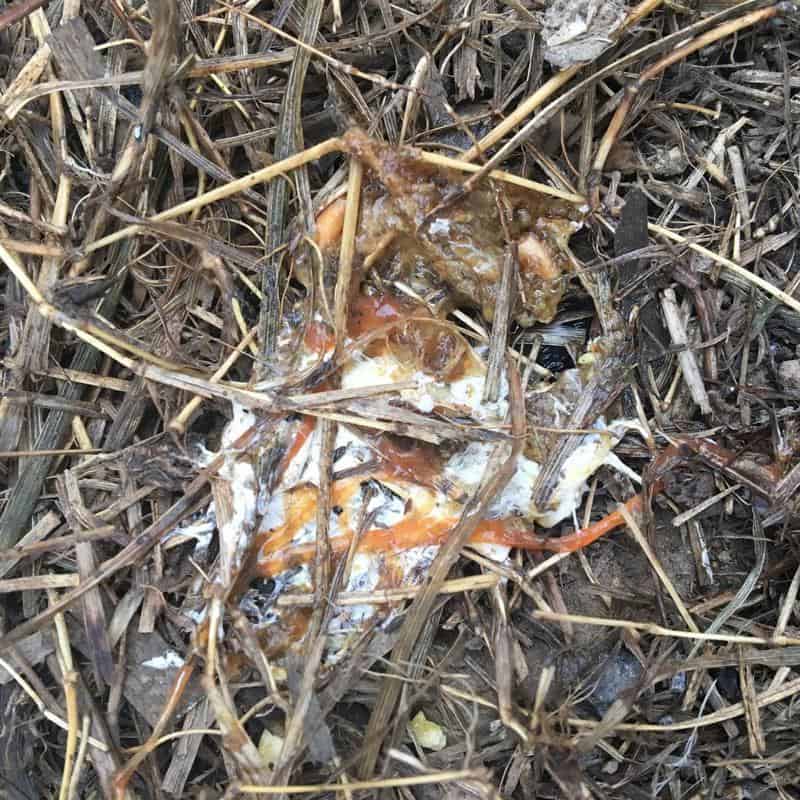
Common symptoms of diarrhea in chickens include watery or loose droppings, which may have an abnormal color or odor. A chicken suffering from diarrhea may also exhibit signs of lethargy, a decrease in appetite, and a general lack of energy. Furthermore, affected chickens might isolate themselves from the flock and display ruffled feathers, indicating discomfort or illness. Monitoring these behaviors closely can help identify affected birds early on.
Distinguishing Diarrhea from Other Digestive Problems
It is essential to differentiate between diarrhea and other digestive issues in chickens, such as dysentery or coccidiosis, as the treatments can vary significantly. While diarrhea is characterized by loose droppings, dysentery often presents with blood or mucus in the feces. In contrast, coccidiosis may lead to similar watery droppings, but it typically occurs alongside other symptoms such as weight loss and a significant drop in egg production.
To effectively assess the issue, consider the following factors:
- Consistency of Droppings: Diarrhea results in liquid feces, while other issues may show different consistencies.
- Presence of Blood or Mucus: Blood in droppings often indicates a more severe condition, such as dysentery, rather than simple diarrhea.
- Behavioral Changes: Monitor for signs of distress, isolation, or unusual behaviors that might suggest an underlying infection or disease.
Monitoring fecal output plays a significant role in overall chicken health management. Regular observation allows owners to identify changes in droppings and gauge the flock’s health. Consistent watery droppings may indicate a persistent health issue that requires veterinary attention. Additionally, variations in color (such as green or yellow) can reflect dietary changes or health problems.
Regular monitoring of fecal matter can lead to early detection and intervention, significantly improving the health outcomes for affected chickens.
By staying vigilant and informed about the signs of diarrhea, chicken owners can implement timely measures to ensure the well-being of their flock.
Treatment Options for Diarrhea in Chickens
Diarrhea in chickens can lead to serious health issues if not addressed promptly. Implementing effective treatment options is crucial for recovery and overall well-being. Various methods, including medications and dietary adjustments, can significantly aid in the healing process and restore a chicken’s health.
One of the primary treatment methods for diarrhea in poultry involves the use of medications. Antidiarrheal medications that are specifically formulated for chickens can help reduce the frequency and severity of diarrhea. For instance, products containing electrolytes can replenish lost fluids and prevent dehydration, which is a common concern during diarrhea episodes. Probiotics may also be used to restore the natural gut flora. When choosing medications, it is essential to follow veterinary advice to ensure that the treatment is appropriate for the specific underlying cause of the diarrhea.
Use of Natural Remedies
Natural remedies can also be effective in treating diarrhea in chickens. Incorporating certain herbs and supplements can promote digestive health and recovery. Some popular natural remedies include:
- Apple Cider Vinegar: Adding a small amount of apple cider vinegar to the drinking water can help balance pH levels in the gut, thereby improving digestion.
- Ginger: Ginger has natural anti-inflammatory properties and may aid in soothing an upset stomach.
- Pumpkin: Pureed pumpkin can help firm up stools due to its high fiber content.
- Yogurt: Plain yogurt contains beneficial bacteria that can help restore gut flora.
Adjusting a chicken’s diet during and after a diarrhea episode is vital for promoting healing. Initially, it is recommended to provide a bland diet that is easy to digest. This can include:
- Cooked rice or oatmeal
- Boiled eggs
- Plain yogurt
- Soft fruits like bananas or applesauce
These food options can help reduce irritation in the digestive tract. Once the diarrhea has subsided, gradually reintroducing regular chicken feed is essential. It’s advisable to monitor their recovery closely and consult a veterinarian if diarrhea persists beyond a couple of days or if the chicken shows signs of severe lethargy or other concerning symptoms.
Prevention Strategies for Chicken Diarrhea
Preventing diarrhea in chickens is essential for maintaining the overall health and productivity of the flock. Effective management and husbandry techniques can significantly reduce the incidence of this condition, ensuring that the chickens remain healthy and vibrant.
Implementing robust prevention strategies not only helps in minimizing the occurrence of diarrhea but also promotes better growth rates, egg production, and overall well-being. The following practices are crucial in achieving these goals.
Husbandry and Management Techniques
Proper husbandry and management are the cornerstones of preventing chicken diarrhea. The following practices can help in maintaining a healthy flock:
- Maintain Clean Housing: Regular cleaning and disinfection of chicken coops and surrounding areas prevent the buildup of pathogens that can lead to intestinal diseases.
- Provide Adequate Ventilation: Good airflow in poultry housing reduces humidity and moisture accumulation, factors that contribute to the proliferation of harmful bacteria.
- Ensure Proper Nutrition: A balanced diet provides essential nutrients and supports immune function, helping chickens resist infections that could cause diarrhea.
- Minimize Stress: Stress is a significant factor in chicken health. Creating a calm environment and avoiding overcrowding can help reduce the likelihood of diarrhea.
- Hydration: Always provide access to clean and fresh water, as dehydration can aggravate diarrhea and affect overall health.
Regular Health Checks and Vaccinations
Routine health checks and vaccinations play a vital role in maintaining the health of chickens and preventing diarrhea. Consistent monitoring allows for early detection of health issues, which can be crucial for treatment and management.
- Health Monitoring: Regularly check for signs of illness, including changes in droppings, behavior, or appetite. Early intervention can prevent the spread of disease.
- Vaccination Schedule: Adhering to a vaccination program helps protect chickens against common pathogens, reducing the risk of diarrhea caused by viral or bacterial infections.
- Consultation with Veterinarians: Establish a relationship with a veterinarian for expert advice on health checks and appropriate vaccination schedules.
Importance of Biosecurity Measures
Implementing strict biosecurity measures is crucial in minimizing the risk of intestinal diseases that can lead to diarrhea. These practices help to protect the flock from various pathogens that can be introduced from external sources.
- Controlled Access: Limit access to the poultry area to essential personnel only, reducing the risk of introducing pathogens.
- Quarantine New Birds: Isolate new or returning chickens for a period to ensure they are free from diseases before introducing them to the main flock.
- Footbath and Hand Hygiene: Require the use of footbaths and hand sanitizers for anyone entering the poultry area to prevent disease transmission.
- Proper Waste Management: Dispose of waste responsibly and regularly to prevent the buildup of disease-causing organisms.
Impact of Chicken Diarrhea on Poultry Farming
The impact of chicken diarrhea on poultry farming extends beyond the immediate health concerns of affected birds, significantly influencing the economic viability of poultry operations. The prevalence of diarrhea in flocks often leads to increased veterinary costs, loss of productivity, and potential marketability issues, which can collectively strain a farmer’s financial resources.
Economic Implications of Chicken Diarrhea
The economic repercussions of chicken diarrhea are multifaceted and can severely affect poultry farming profitability. Farmers must consider direct and indirect costs associated with managing outbreaks.
- Increased Veterinary Expenses: Farmers often incur additional costs for veterinary consultations, medications, and treatments to address the disease within the flock. This financial burden can escalate, especially if the diarrhea is recurrent or widespread.
- Decreased Productivity: Affected birds typically exhibit reduced feed conversion efficiency, leading to slower growth rates in meat production and lower egg-laying capacities. The economic losses from such declines can be profound, considering the extended time required to achieve market weight or egg production levels.
- Marketability Issues: Diarrhea can result in the production of lower-quality meat and eggs, which may fail to meet market standards. This can lead to diminished prices or increased rejection rates from processors and retailers, further straining profits.
- Higher Mortality Rates: In severe cases, untreated diarrhea can lead to higher mortality rates, reducing the overall flock size and necessitating financial adjustments to maintain operational sustainability.
The effect of diarrhea on egg production and meat quality is significant. For egg-laying hens, the compromised health due to diarrhea results in reduced egg yield and potentially lower egg quality. Eggs from affected hens may exhibit thinner shells and inconsistent sizes, making them less desirable in the market. In terms of meat quality, the stress and health decline associated with diarrhea often lead to poor muscle development and can result in inferior meat texture and flavor.
“The long-term consequences of untreated diarrhea on flock health can undermine farm sustainability.”
In addition to immediate health effects, untreated diarrhea poses long-term risks to flock health and farm sustainability. A recurrent cycle of illness can weaken the immune systems of chickens, making them more susceptible to other diseases. This ongoing vulnerability can create a cascade effect, leading to a less resilient flock overall. Farmers may face additional costs in the long run if they need to implement more extensive biosecurity measures or invest in new stock to replenish affected flocks. Sustainable poultry farming hinges on the ability to maintain healthy birds; thus, addressing chicken diarrhea promptly and effectively is essential for long-term success.
Research and Innovations in Combatting Chicken Diarrhea
Recent studies have demonstrated a growing concern and focus on the issue of diarrhea in chickens, especially as it directly impacts poultry health, productivity, and economic viability for farmers. Researchers have been diligently exploring the underlying causes of this condition, which can stem from a variety of factors including infections, dietary imbalances, and environmental stressors. Key investigations are now aimed at understanding the microbiome of poultry, which plays a critical role in digestion and overall health. Advances in genomic sequencing technology have enabled scientists to identify specific bacterial strains that could be linked to diarrhea onset, thus providing a pathway for targeted interventions.
Innovative treatments and dietary supplements are emerging as promising solutions to tackle the issues surrounding chicken diarrhea. A notable area of research involves the use of probiotics and prebiotics, which can enhance gut health and improve overall digestion. Studies have shown that the administration of specific probiotic strains can effectively reduce the incidence of diarrhea among chickens. For example, the use of Lactobacillus reuteri has been documented to support gut integrity and inhibit pathogenic bacteria, thereby decreasing the severity of digestive disorders. Additionally, feed additives such as organic acids and essential oils are being explored for their antimicrobial properties, helping to maintain a balanced gut flora in birds.
Future Trends in Poultry Health Management
As the poultry industry evolves, there are several trends emerging in health management strategies that aim to reduce digestive disorders like diarrhea. The integration of technology, such as precision feeding and real-time health monitoring systems, is becoming more commonplace. These innovations allow farmers to tailor diets to the specific needs of their flocks, thus preventing nutritional imbalances that could lead to digestive issues.
Moreover, research is increasingly focused on the development of vaccines targeting specific pathogens known to cause diarrhea in chickens, such as Clostridium perfringens and Eimeria species. The adoption of biosecurity measures is also paramount, with farmers being educated on best practices to minimize stressors in the living environment, which can trigger digestive problems.
The collaboration between agricultural researchers, veterinarians, and poultry producers is crucial in fostering a holistic approach to combatting chicken diarrhea. By pooling knowledge and resources, the industry can establish more effective health management protocols that not only address current challenges but also pave the way for a healthier future in poultry production.
Concluding Remarks
In summary, chicken diarrhea is more than just a fleeting ailment; it holds significant implications for both poultry health and farming economics. By understanding the causes, symptoms, and effective treatment options, poultry farmers can safeguard their flocks and enhance productivity. Prevention strategies, including proper husbandry practices and biosecurity measures, are essential to minimize the risk of this condition. Ultimately, staying informed and proactive will lead to healthier chickens and a more successful farming venture.
FAQ Corner
What are the main causes of chicken diarrhea?
The primary causes include dietary imbalances, bacterial infections, parasitic infestations, and environmental stressors.
How can I tell if my chicken has diarrhea?
Look for watery droppings, changes in fecal color, lethargy, and reduced appetite as indicators of diarrhea.
Are there specific foods that can cause diarrhea in chickens?
Yes, foods high in sugar, moldy feed, and sudden changes in diet can lead to digestive upset.
What are some home remedies for treating chicken diarrhea?
Probiotics, electrolytes, and natural herbs like garlic can be beneficial for recovery.
How can I prevent diarrhea in my flock?
Maintaining a balanced diet, ensuring clean water, practicing good sanitation, and regular health checks are effective prevention strategies.