
 Valerie Eden
Poultry vet plays a crucial role in modern agriculture, bridging the gap between animal health and farm productivity. With the increasing demands for poultry products, these veterinarians are not just healthcare providers but vital partners in ensuring the wellbeing of flocks and the sustainability of farming practices. Their expertise helps farmers navigate the complex landscape of poultry management, addressing everything from disease prevention to nutritional needs.
As the guardians of poultry health, poultry vets implement biosecurity measures to safeguard flocks against diseases, diagnose prevalent health issues, and advocate for improved welfare standards. This piece aims to delve into the multifaceted role of poultry vets, shedding light on their significant contributions to the poultry industry and the vital services they provide to farmers.
The Role of a Poultry Vet in Modern Farming
Poultry veterinarians play a crucial role in ensuring the health and productivity of poultry farms, which are essential components of the global food supply. With the increasing demand for poultry products, the role of these professionals has become more significant than ever. Poultry vets are not only responsible for treating sick birds but also for implementing preventive health measures that enhance the overall well-being of flocks.
Poultry vets contribute to the health and productivity of farms through various functions, including disease diagnosis, treatment, and prevention strategies. They perform routine health checks and vaccinations, which are vital for maintaining flock health. By monitoring the overall well-being of the birds, these veterinarians can identify potential health issues early, preventing outbreaks that could devastate a farm’s operations. Their expertise in poultry nutrition also aids farmers in formulating balanced diets that optimize growth and egg production, ensuring a sustainable and profitable farming practice.
Importance of Veterinary Services in Biosecurity Measures
Veterinary services are indispensable in establishing biosecurity measures to protect poultry from diseases. Biosecurity involves practices aimed at minimizing the risk of disease introduction and spread within poultry populations. A poultry vet provides guidance on the implementation of biosecurity protocols which may include:
- Visitor control measures to limit exposure to pathogens.
- Regular cleaning and disinfection of equipment and housing to eliminate possible contaminants.
- Surveillance and monitoring of flock health to detect early signs of illness.
- Vaccination programs tailored to specific farm needs to strengthen immunity against prevalent diseases.
These measures not only safeguard the health of the birds but also enhance consumer confidence in poultry products. By actively engaging in biosecurity planning, poultry vets help minimize economic losses due to disease outbreaks and maintain the integrity of poultry farming as a reliable source of nutrition.
Common health issues addressed by poultry vets include infectious diseases, nutritional deficiencies, and behavioral problems. Some prevalent diseases in the poultry industry are avian influenza, Newcastle disease, and coccidiosis. Each of these conditions can severely impact flock health and farm productivity. For instance, avian influenza can lead to significant mortality rates in infected flocks, prompting strict control measures and sometimes culling. Coccidiosis, on the other hand, is a parasitic disease that can cause intestinal damage and poor weight gain. Poultry vets diagnose these conditions through clinical examinations and laboratory tests, enabling them to provide effective treatment and management strategies tailored to the specific needs of the farm.
Common Diseases Treated by Poultry Vets
Poultry health is crucial for successful farming operations, and poultry veterinarians play a vital role in diagnosing and treating common diseases that can affect birds. Understanding these diseases, their symptoms, and the treatment protocols can help farmers prevent and manage health issues effectively. The following are some prevalent poultry diseases that vets frequently encounter.
Avian Influenza
Avian influenza, commonly known as bird flu, is a highly contagious viral infection affecting various bird species. Symptoms include sudden death, nasal discharge, coughing, and reduced egg production. In severe cases, birds may exhibit neurological signs such as tremors or paralysis.
Treatment protocols focus on biosecurity measures to prevent the spread of the virus, as there is no specific antiviral treatment for infected birds. Vaccination is also essential in endemic areas, and culling affected flocks is commonly practiced to contain outbreaks.
Coccidiosis
Coccidiosis is caused by protozoan parasites that infect the intestinal tract of poultry. Common symptoms include diarrhea, weight loss, and poor growth rates. In severe cases, it can lead to fatalities, particularly in young birds.
Treatment typically involves the use of anticoccidial medications, which can be administered through feed or water. Maintaining clean living conditions and implementing rotational grazing can help prevent the disease’s occurrence.
Newcastle Disease
Newcastle disease is a viral infection that can cause respiratory distress, nervous system issues, and digestive problems in poultry. Symptoms include sneezing, nasal discharge, and diarrhea, as well as a high mortality rate in some strains.
Poultry vets often implement vaccination programs as a preventive measure. Infected birds are usually isolated to control the spread, and supportive care may be provided to alleviate symptoms.
Marek’s Disease
Marek’s disease is a viral tumor disease affecting chickens, leading to lesions and paralysis. Symptoms can vary significantly, including weight loss, limping, and changes in feather color.
Vaccination at hatchery is the primary preventive strategy, as there is no effective treatment for infected birds. Good biosecurity practices are vital to minimize the risk of infection.
Salmonellosis
Salmonellosis is a bacterial infection that can cause severe gastrointestinal disease in poultry. Symptoms include diarrhea, lethargy, and a decrease in egg production. Infected birds can also act as carriers, shedding the bacteria into the environment.
Treatment involves antibiotic therapy, although antibiotic resistance is a growing concern. Preventive strategies include maintaining hygiene, proper handling of feed, and regular health monitoring.
Implementing effective biosecurity measures and preventive healthcare programs is essential in managing poultry diseases.
Each of the diseases mentioned has significant implications for poultry health and farm productivity. Successful case studies often highlight the importance of early detection, proper treatment protocols, and vaccination strategies. For example, a poultry farm in Iowa reported a significant reduction in avian influenza cases after implementing stringent biosecurity practices and a comprehensive vaccination program. Farmers are encouraged to collaborate closely with poultry vets to develop tailored health management plans that align with their specific farming operations.
Preventive Healthcare Strategies in Poultry
Preventive healthcare in poultry is essential for maintaining flock health and productivity. Poultry veterinarians emphasize proactive measures that farmers can implement to reduce the risk of disease and enhance the overall well-being of their birds. By adopting specific strategies, farmers can ensure a healthier flock, leading to increased productivity and reduced economic losses.
One of the cornerstones of preventive healthcare in poultry is the implementation of a comprehensive vaccination program. Vaccinations play a critical role in preventing infectious diseases that can severely impact poultry health and production. Poultry vets recommend adhering to established vaccination schedules tailored to different species, ensuring that birds are protected at the right times in their life cycle.
Vaccination Significance and Schedules
Vaccinations are crucial for protecting poultry against various diseases. They help in building immunity, thus reducing the incidence of outbreaks that can lead to high mortality rates. A well-planned vaccination schedule is integral to manage health risks effectively. The timing and type of vaccines administered can vary based on several factors, including the species of poultry and the specific diseases prevalent in the region.
The following table Artikels the vaccination timeline for different poultry species, highlighting the key vaccinations typically administered at various ages:
| Poultry Species | Age (Days) | Vaccination |
|---|---|---|
| Chickens | 1 | Marek’s Disease |
| Chickens | 7-10 | Newcastle Disease |
| Chickens | 14-21 | Infectious Bursal Disease |
| Turkeys | 1 | Marek’s Disease |
| Turkeys | 7-10 | Newcastle Disease |
| Turkeys | 14-21 | Infectious Laryngotracheitis |
| Ducks | 1 | Marek’s Disease |
| Ducks | 7-10 | Duck Virus Enteritis |
| Ducks | 14-21 | Newcastle Disease |
Proper vaccination schedules not only protect individual birds but also contribute to flock immunity, minimizing the potential for disease transmission. The timely administration of vaccines, as part of a broader health management program, is vital to ensuring that poultry operations thrive in a safe and healthy environment.
The Importance of Nutrition in Poultry Health
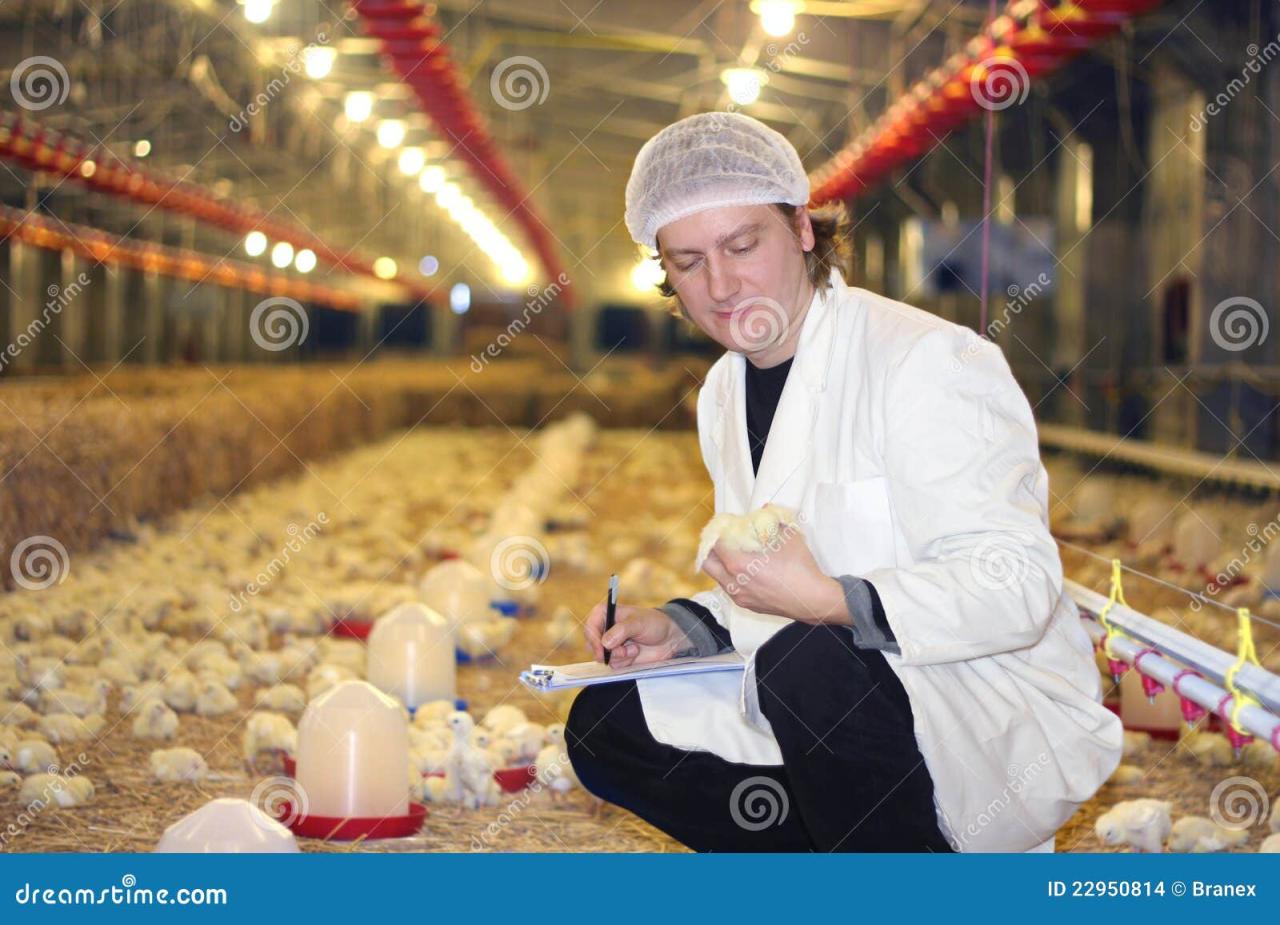
Proper nutrition is crucial for maintaining the health and productivity of poultry. Adequate dietary intake not only supports growth and development but also plays a significant role in disease prevention. Poultry veterinarians are essential in assessing and formulating appropriate feeding plans tailored to the needs of various poultry breeds, ensuring their overall well-being and optimal performance.
Nutrition influences the immune system and metabolic processes in poultry. A well-balanced diet can prevent nutritional deficiencies that may lead to diseases such as rickets, fatty liver syndrome, and other metabolic disorders. Furthermore, adequate nutrition enhances the birds’ ability to withstand environmental stresses and microbial challenges, ultimately improving their resilience against infections.
Assessment and Recommendations of Dietary Needs
Poultry veterinarians employ various methods to assess and recommend dietary needs for different poultry breeds. Factors such as age, growth stage, production purpose, and specific breed characteristics are taken into account to create a customized nutrition plan. These assessments are crucial, as different poultry species, such as broilers, layers, and turkeys, have varying nutritional requirements.
Veterinarians may evaluate the following:
- Body Condition: Regular monitoring of the body weight and condition helps determine if the current diet meets the birds’ needs.
- Feed Composition: Analysis of feed ingredients ensures that the diet is nutritionally balanced, including essential proteins, vitamins, and minerals.
- Water Quality: Access to clean and adequate water is vital for digestion and overall health, and its quality can affect feed intake and nutrient absorption.
- Production Goals: Identifying specific goals, such as egg production rates or weight gain targets, helps in formulating appropriate diets.
Nutrition and Disease Prevention
The connection between nutrition and disease prevention in poultry is profound. A well-nourished flock is generally more resistant to diseases. Nutritional imbalances can weaken the immune system, making birds more susceptible to infections. For instance, deficiencies in vitamins A, E, and D can lead to compromised immune responses, increasing the risk of respiratory diseases and other infections.
In practice, veterinarians advocate for diets that incorporate functional ingredients, such as probiotics and prebiotics, which promote gut health and enhance immune function. Additionally, specific nutrients like omega-3 fatty acids have been shown to improve overall health and reduce inflammation, which can mitigate the impact of various diseases.
Sample Feeding Plan
A sample feeding plan for a commercial layer operation, aiming for optimal egg production, may look as follows:
1. Starter Feed (0-6 weeks):
– Protein: 20-22%
– Energy: 2900-3000 kcal/kg
– Include essential vitamins and minerals to support early growth.
2. Grower Feed (6-18 weeks):
– Protein: 16-18%
– Energy: 2800-2900 kcal/kg
– Adjust calcium levels to prepare for future egg production.
3. Layer Feed (18 weeks and onwards):
– Protein: 15-17%
– Energy: 2700-2800 kcal/kg
– High calcium content (around 3.5-4%) to support shell quality.
– Incorporate additional vitamin D3 for enhanced calcium metabolism.
4. Additional Supplements:
– Probiotics during stressful periods (e.g., vaccination).
– Electrolytes in hot weather to prevent heat stress.
This plan aligns with the physiological needs of layers at different growth stages, ensuring that they receive proper nutrition to maximize health and productivity throughout their lifecycle.
Advances in Poultry Veterinary Medicine
The field of poultry veterinary medicine is rapidly evolving thanks to technological advancements that enhance animal health and farm efficiency. Innovations in diagnostics, treatment methodologies, and data management are transforming how poultry health is monitored and managed, leading to improved outcomes for flocks and reduced economic losses for farmers.
Modern poultry veterinary practices significantly differ from traditional methods, which often relied heavily on observational assessments and manual record-keeping. Today, poultry veterinarians use a variety of high-tech tools that facilitate early disease detection and more precise treatment options. These advancements not only streamline workflow but also provide a comprehensive understanding of flock health through data-driven insights.
Technological Advancements in Diagnostics
Recent developments in diagnostic technology have ushered in a new era for poultry veterinarians. These innovations allow for quicker and more accurate identification of diseases, which is crucial for maintaining flock health. One of the notable advancements is the use of PCR (Polymerase Chain Reaction) technology, which can detect viral and bacterial pathogens within hours, compared to traditional culture methods that can take days.
The incorporation of point-of-care testing devices enables veterinarians to conduct tests on-site, providing immediate results. This is essential in large poultry operations where timely interventions can prevent the spread of diseases.
Another significant advancement is the utilization of wearable technology for livestock. These devices monitor vital signs and behavioral patterns, allowing for real-time health assessments. For example, smart collars can track the movement and activity levels of birds, alerting farmers to any abnormalities that may indicate health concerns.
Innovative Treatment Techniques
In recent years, the treatment landscape for poultry has also seen significant changes with the introduction of innovative therapies. One such method gaining traction is the use of immunomodulators, which strengthen the birds’ immune responses, helping them to better fight off diseases.
Furthermore, the use of antibiotic alternatives such as probiotics and prebiotics is becoming more common, promoting gut health and reducing the need for traditional antibiotics. This shift not only addresses the growing concern of antibiotic resistance but also aligns with consumer demand for antibiotic-free poultry products.
Gene therapy is another frontier being explored, aiming to enhance disease resistance at a genetic level. For instance, research is being conducted on genetically modifying birds to resist certain viral infections, potentially reducing the reliance on vaccines and medications.
Data Management and Farm Efficiency
Advances in data management systems have revolutionized how poultry farms operate. Integrated software solutions now allow poultry vets to track health records, vaccination schedules, and growth rates in a centralized database. This level of organization enables more strategic decision-making and streamlined operations.
The application of big data analytics in poultry farming provides insights that were previously unattainable. Farmers can analyze patterns in health data over time, identify trends in disease outbreaks, and make informed predictions about future health challenges. This proactive approach helps in mitigating risks and optimizing production efficiency.
In summary, the integration of advanced diagnostic tools, innovative treatment methods, and sophisticated data management systems is revolutionizing poultry veterinary medicine. These advancements are paving the way for healthier flocks and more sustainable practices in the poultry industry.
The Impact of Poultry Veterinary Services on Animal Welfare
Poultry veterinary services play a crucial role in ensuring the welfare of birds raised for food production. These professionals are not just health care providers; they are advocates for the well-being of poultry, educating farmers and implementing practices that enhance the quality of life for these animals. By focusing on animal welfare, poultry vets contribute significantly to ethical farming and sustainable animal husbandry.
Veterinary practices can greatly enhance the living conditions of poultry through a variety of approaches, including disease prevention, better housing designs, and nutritional improvements. Poultry vets assess and advise on the best practices to ensure that birds are not only healthy but also free from unnecessary suffering. For instance, they may recommend changes in housing that allow for more natural behaviors, such as roaming and foraging, which are vital for the birds’ physical and psychological well-being.
Key Welfare Standards Promoted by Poultry Vets
Poultry veterinarians advocate for specific welfare standards that prioritize the health and comfort of poultry. These standards are essential for guiding farmers in maintaining humane farming practices. The following points highlight some of the critical welfare standards promoted by poultry vets:
- Adequate Space: Ensuring that birds have enough room to move freely, which helps prevent stress and aggression.
- Proper Nutrition: Providing a balanced diet that meets the nutritional needs of different poultry species and promotes overall health.
- Access to Fresh Water: Guaranteeing that birds have continuous access to clean and fresh water, which is vital for hydration and health.
- Behavioral Enrichment: Designing environments that allow for natural behaviors, including perching, dust bathing, and social interactions.
- Regular Health Check-ups: Conducting routine health assessments to catch diseases early and ensure timely intervention when necessary.
- Comfortable Housing: Utilizing housing designs that protect birds from extreme weather conditions and provide adequate ventilation and bedding.
These standards are not just guidelines; they are essential for fostering a culture of care and respect in poultry farming. They also serve as benchmarks for evaluating the effectiveness of animal welfare practices in the industry.
The Education and Training Pathway for Aspiring Poultry Vets
Becoming a poultry veterinarian requires a solid educational foundation and specialized training. This profession not only demands a strong understanding of veterinary medicine but also specific knowledge about poultry health, production, and management. The journey typically involves a series of academic and practical experiences designed to equip candidates with the necessary skills to excel in this field.
A bachelor’s degree in an appropriate field is the first step, often followed by veterinary school, where students earn a Doctor of Veterinary Medicine (DVM) degree. Core subjects include animal anatomy, microbiology, pharmacology, and poultry science. Postgraduate training, such as internships or residencies specific to poultry, provides hands-on experience in managing poultry health issues.
Essential Qualifications and Training Programs
Aspiring poultry vets should pursue a structured educational pathway that includes both foundational and specialized training. It is crucial for candidates to select programs that offer a comprehensive curriculum tailored to the complexities of poultry medicine. The following qualifications and training programs are essential for those looking to enter this field:
- Bachelor’s Degree: A degree in animal science, biology, or a related field is typically required before entering veterinary school.
- Doctor of Veterinary Medicine (DVM): This degree is essential and must be obtained from an accredited veterinary school, focusing on animal health and care.
- Internships and Residencies: Completing internships or residencies in poultry medicine offers practical experience and is often a requirement for board certification.
- Certification: After completing their education, veterinarians may seek certification through organizations such as the American Board of Veterinary Practitioners, which has a specialty in poultry.
Continuous education plays a vital role in the career of a poultry veterinarian. The fields of veterinary medicine and poultry science are constantly evolving with advancements in technology, treatment methods, and industry standards. Staying updated with the latest practices ensures that poultry vets can provide the best care for their patients and improve the overall health of poultry populations. Engaging in workshops, seminars, and online courses is highly encouraged to maintain competence in the field.
Relevant Courses and Programs
Prospective poultry veterinarians should consider enrolling in specialized courses that enhance their knowledge and skills in poultry health. Many veterinary colleges and extension programs offer relevant curricula that focus on various aspects of poultry care. Here are some recommended areas of study:
- Poultry Health Management: This course covers disease prevention, biosecurity measures, and flock health management strategies.
- Poultry Nutrition: Understanding the nutritional needs of poultry is essential for ensuring optimal growth and production.
- Avian Medicine: Focusing specifically on diseases affecting birds, this course provides in-depth knowledge necessary for effective diagnosis and treatment.
- Production Management: This course addresses the economic and managerial aspects of poultry production, integrating welfare and health considerations.
In summary, the journey to becoming a poultry vet is multifaceted, requiring a strong educational background, specialized training, and a commitment to lifelong learning. As the poultry industry continues to evolve, staying informed about new developments is crucial for ensuring the health and productivity of poultry populations.
Collaboration Between Poultry Vets and Farmers
The relationship between poultry vets and poultry farmers is vital to the success of livestock management and overall flock health. This collaboration is built on trust, effective communication, and shared goals focused on the welfare of the birds and the sustainability of farming operations. Poultry vets serve as essential allies, providing expertise that helps farmers navigate challenges and optimize their practices.
Strong communication channels are paramount for effective collaboration. Farmers and poultry vets must engage in regular discussions regarding flock health, nutrition, and management practices. The use of modern communication tools, such as mobile apps and online platforms, enhances the ability of both parties to share real-time information. This is crucial for timely decision-making and problem-solving, especially in scenarios involving health assessments or production forecasts.
Effective Communication Strategies
Establishing a solid communication framework can significantly enhance the relationship between poultry vets and farmers. Some strategies to consider include:
- Regular Meetings: Schedule periodic face-to-face meetings to discuss flock management and address any emerging concerns. This helps in building rapport and ensuring both parties are on the same page.
- Use of Technology: Implementing management software can streamline communication. Tools that allow for shared access to health records and production data can be very beneficial.
- Educational Workshops: Organize workshops where vets can share knowledge on best practices and new technologies. This fosters a culture of continuous learning and adaptation.
- Feedback Mechanisms: Encourage farmers to provide feedback on the vet’s recommendations. This two-way communication strengthens trust and promotes better outcomes for the flock.
In addition to routine flock management, poultry vets play a crucial role during crisis situations, such as disease outbreaks. Their expertise is indispensable in quickly diagnosing issues and implementing appropriate response measures. For instance, during an avian influenza outbreak, swift action from a poultry vet can help contain the spread and protect the flock.
Role of Poultry Vets in Crisis Management
The role of poultry vets in managing crises encompasses various key actions:
- Immediate Assessment: Upon suspicion of a disease, vets assess the flock to identify the problem accurately, ensuring a swift diagnosis.
- Health Protocol Implementation: Vets advise on and implement biosecurity measures to prevent further spread. This includes establishing quarantine protocols and vaccination schedules where necessary.
- Communication with Authorities: In severe cases, vets coordinate with local agricultural authorities. They provide essential information for public health and safety measures.
- Guidance on Treatment Options: Vets recommend appropriate treatment plans and medications, tailoring them to the specific needs of the flock while considering the farm’s operational capacity.
Effective collaboration between poultry vets and farmers not only ensures the health of the flock but also contributes to the economic viability and sustainability of poultry farming.
Challenges Faced by Poultry Veterinarians
Poultry veterinarians play a vital role in ensuring the health of poultry populations and the productivity of farming operations. Despite their essential contributions, they face numerous challenges that can significantly affect poultry health and farming efficiency. Understanding these challenges is crucial for developing effective management strategies.
Common Health Issues in Poultry
Poultry veterinarians often encounter several prevalent health issues that can threaten both flocks and farming operations. These health problems can arise from various factors including environmental conditions, management practices, and infectious diseases.
- Influenza and Other Respiratory Diseases: Highly pathogenic avian influenza (HPAI) and Newcastle disease are among the most serious threats to poultry health. These diseases can lead to significant mortality rates and can spread rapidly within and between farms.
- Digestive Disorders: Conditions such as coccidiosis and necrotic enteritis can severely impact growth rates and feed efficiency in poultry. Managing these issues requires vigilant monitoring and strategic interventions.
- Metabolic Disorders: Problems like fatty liver syndrome and sudden death syndrome often occur due to dietary imbalances or management errors. These disorders can silently affect production, leading to financial losses.
Environmental and Management Challenges
Environmental factors and management practices also pose significant challenges for poultry veterinarians. These issues can directly influence the overall health and productivity of poultry.
- Biosecurity Risks: Poor biosecurity measures can lead to the introduction of pathogens that compromise flock health. Vets need to implement strict biosecurity protocols to minimize these risks.
- Climate Variability: Extreme weather conditions, such as heat stress, can adversely affect poultry health. Vets often advise on housing modifications and climate control measures to mitigate these effects.
- Antimicrobial Resistance: Growing concerns about antibiotic resistance necessitate the careful use of antibiotics in poultry. Veterinarians are working to promote responsible usage and alternative treatments such as probiotics and vaccines.
Financial and Operational Pressures
Financial constraints and operational pressures can significantly impact the decisions poultry veterinarians make regarding flock management and treatment strategies.
- Cost of Veterinary Services: Farmers may be reluctant to invest in veterinary services due to high costs, which can affect flock health. Poultry vets often strive to demonstrate the return on investment (ROI) of preventive healthcare measures.
- Labor Shortages: A lack of trained personnel can hinder effective flock management and disease response. Vets may need to advocate for better training programs and collaboration with agricultural institutions.
- Market Fluctuations: Changes in consumer demand and pricing can create economic instability, making it challenging for poultry farmers to allocate resources for flock health. Vets may assist in developing adaptable business strategies to navigate these fluctuations.
“The success of poultry farming largely depends on the proactive involvement of veterinarians in addressing both health and economic challenges.”
Concluding Remarks
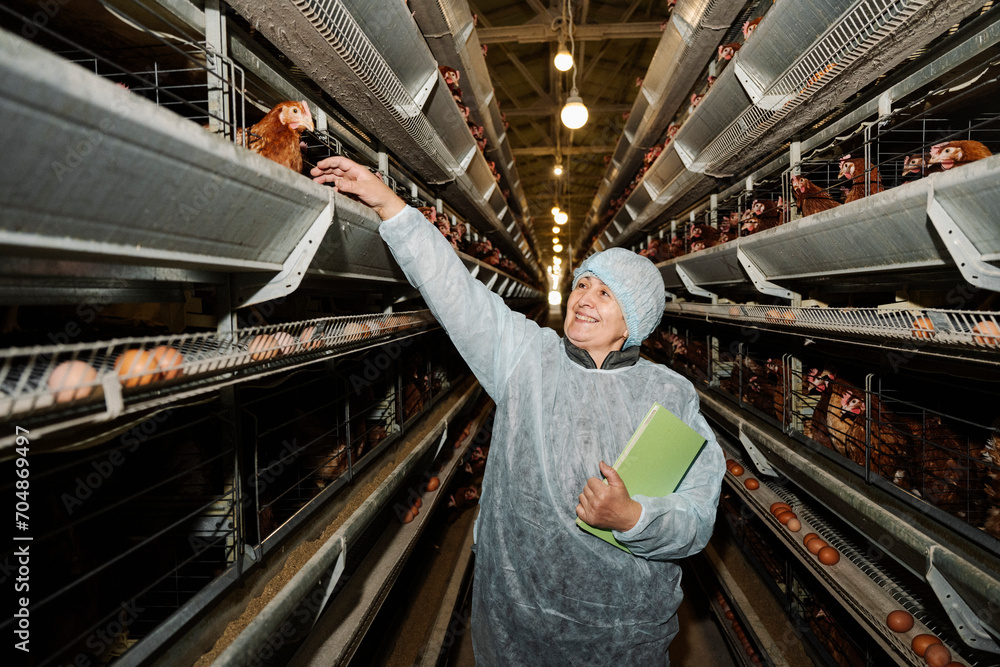
In conclusion, the role of poultry vets extends far beyond mere medical treatment; they are integral to the overall success and sustainability of poultry farming. Through their expertise in disease management, preventive healthcare, and nutritional guidance, these professionals help farmers navigate challenges and achieve optimal flock health. As advancements in veterinary medicine continue to evolve, the impact of poultry vets on animal welfare and productivity will undoubtedly grow, making them indispensable allies in modern farming.
Clarifying Questions
What qualifications do I need to become a poultry vet?
Typically, a veterinary degree is required, followed by specialized training in poultry medicine.
How often should poultry be vaccinated?
Vaccination schedules vary but are generally done every few months based on specific diseases and farm conditions.
What are common signs of illness in poultry?
Signs include lethargy, loss of appetite, coughing, and abnormal droppings.
How can farmers improve their communication with poultry vets?
Regular meetings and updates can enhance communication and ensure that both parties are aligned on health management strategies.
What challenges do poultry vets face in their work?
Poultry vets often encounter issues such as disease outbreaks, resistance to treatment, and the need for continuous education on new practices.