
 Valerie Eden
Feeding chickens veggies is not just a fun activity; it’s a gateway to enhancing your flock’s health and happiness. Chickens, like humans, benefit greatly from a varied diet rich in nutrients, and vegetables are an excellent source of essential vitamins and minerals. By introducing a colorful array of veggies into their feed, you can promote better overall health, improve egg production, and even enrich their daily lives with interesting textures and flavors.
From leafy greens to root vegetables, the right choices can transform your chickens’ diet, making it not only more nutritious but also more enjoyable. Understanding which vegetables are safe and beneficial, and how to introduce them gradually, can pave the way to healthier, happier chickens that contribute to your homestead in delightful ways.
The nutritional benefits of feeding chickens vegetables
Feeding chickens a diet rich in vegetables can profoundly enhance their health and well-being. Vegetables are not only a source of entertainment for chickens but also provide essential nutrients that contribute significantly to their overall growth, egg production, and immune function. By incorporating a variety of vegetables into their diet, chicken keepers can ensure their flock remains healthy and productive.
Various vegetables boast a range of essential nutrients that are crucial for chicken health. For instance, leafy greens such as kale and spinach are rich in vitamins A, C, and K, promoting good vision, strong immune responses, and healthy blood clotting. Root vegetables like carrots are packed with beta-carotene, which chickens convert to vitamin A, vital for maintaining feather health. Additionally, bell peppers are an excellent source of vitamin C, which can help reduce stress and improve overall health. Cruciferous vegetables like broccoli and cauliflower contain glucosinolates, which can enhance digestion and improve gut health.
Chickens can safely consume a variety of vegetables that are both nutritious and beneficial. Here’s a detailed list of vegetables that can be included in their diet:
- Kale
- Spinach
- Carrots
- Broccoli
- Bell Peppers
- Squash
- Beets
- Zucchini
- Celery
- Cucumbers
- Swiss Chard
- Peas
- Radishes
Incorporating a vegetable-rich diet has a measurable impact on egg production and chicken growth. Studies have shown that hens fed a varied diet of vegetables produce eggs with higher levels of omega-3 fatty acids, which are beneficial for human health. Furthermore, vegetables can enhance the flavor and quality of the eggs. Chickens that consume a diverse range of vegetables tend to have improved weight gain and higher survivability rates, resulting in a more robust and productive flock.
Feeding chickens vegetables not only provides essential nutrients but also supports their overall health and productivity, leading to both happier chickens and more nutritious eggs for consumption.
Best practices for introducing vegetables into a chicken’s diet
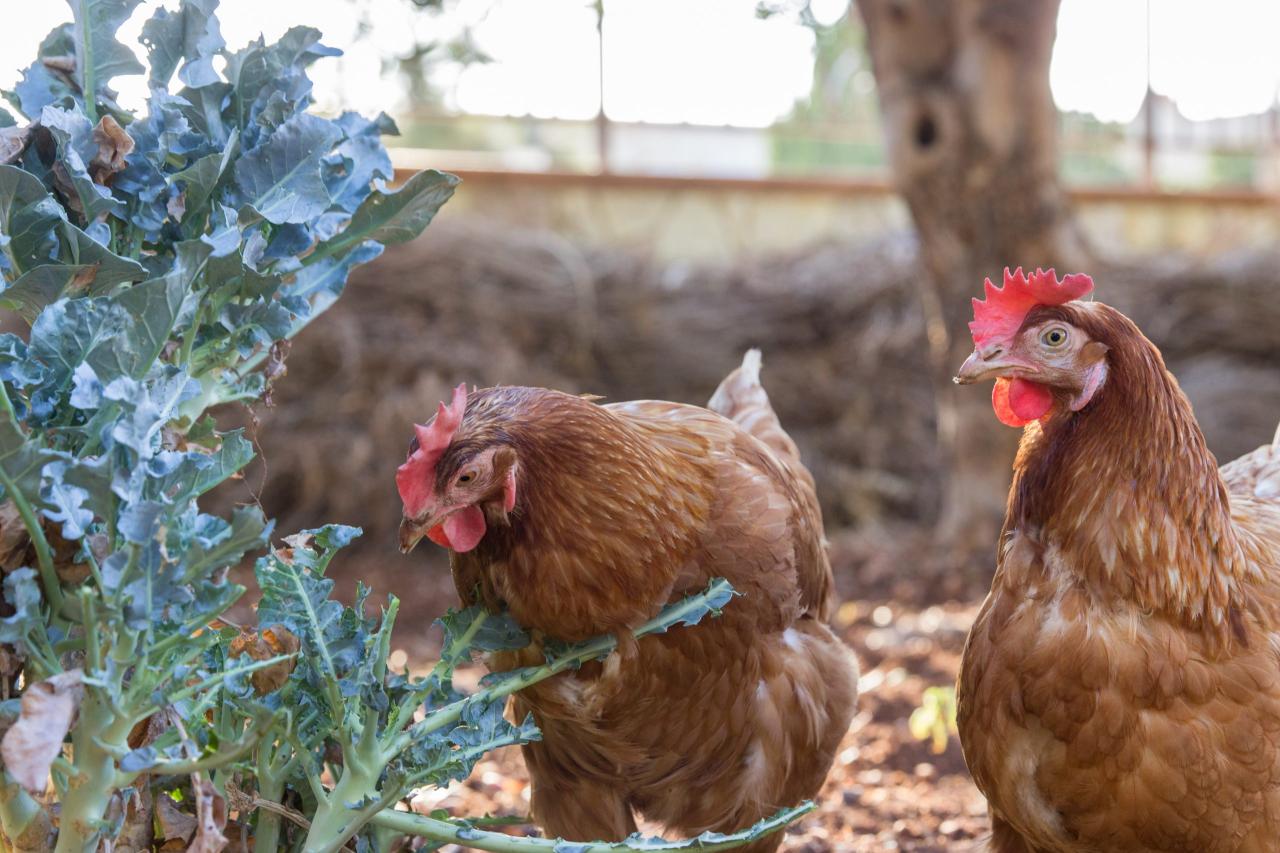
Introducing vegetables into your chickens’ diet can significantly enhance their health and well-being. Chickens are omnivores, and like any other animal, they thrive on a balanced diet that includes a variety of nutrients. Vegetables can offer essential vitamins and minerals, making them a fantastic addition to their regular feed.
Gradually incorporating vegetables into your chickens’ daily feed is crucial to ensure they adapt well and enjoy their new diet. Sudden changes can upset their digestive systems, so a gradual approach is recommended. Start by introducing small amounts of vegetables alongside their regular feed. Observe how they react and adjust accordingly. For instance, you might want to give them shredded carrots or leaf lettuce, as these are usually well accepted.
Methods for incorporating vegetables
It’s essential to prepare vegetables properly to maximize their appeal and digestibility for chickens. Here are some practical tips on how to do this:
- Chop or shred: Cutting vegetables into smaller pieces makes them easier for chickens to eat and digest. Larger pieces can be intimidating or difficult to manage.
- Steam or cook: Lightly steaming or cooking vegetables can make them softer and more palatable, which can encourage chickens to eat them.
- Mix with feed: Combining chopped vegetables with their regular feed can help integrate them into their diet without overwhelming the chickens with something entirely new.
- Offer as treats: You can hand-feed vegetables as a treat to create positive associations with them. This method can also allow you to observe their preferences.
Providing variety in the vegetables offered to chickens is critical for their overall health. Chickens can get bored with the same food, which can lead to decreased appetite. Offering a mix of leafy greens, root vegetables, and other colorful produce ensures they receive a broad spectrum of nutrients. However, moderation is vital. Overfeeding can lead to imbalances and digestive issues. A general guideline is to limit vegetable treats to about 10-15% of their total daily intake.
“Variety is the spice of life, even for chickens; a diverse diet keeps them happy and healthy.”
In summary, the key to successfully introducing vegetables into your chickens’ diet lies in gradual incorporation, proper preparation, and maintaining variety and moderation to promote optimal health.
Common misconceptions about feeding chickens vegetables
Feeding chickens vegetables can be a nutritious addition to their diet, but several misconceptions often cloud this practice. It’s essential to understand these myths to ensure proper care and optimal health for backyard chickens. By addressing these misconceptions, chicken owners can make informed decisions about their birds’ diets that promote their welfare and productivity.
One common misconception is that all vegetables are equally beneficial for chickens. While many vegetables can enhance a chicken’s diet, not all are safe or suitable. For example, starchy vegetables like potatoes can lead to health issues if fed in excess, while other vegetables, such as onions and garlic, can be harmful. This myth can harm chicken welfare by leading owners to offer inappropriate food items that may cause digestive problems or toxicity.
Another prevalent myth is the belief that chickens will naturally know what to eat. In reality, chickens may not instinctively avoid harmful foods, leading them to consume things that aren’t beneficial or safe for them. This misinformation can negatively affect a backyard chicken owner’s feeding practices, potentially leading to malnutrition or health complications due to an unbalanced diet.
Examples of misconceptions surrounding chicken diets
Understanding the specific misconceptions about feeding chickens vegetables is crucial for their health. Here are some prevalent myths and the truths behind them:
- Myth: Chickens can eat any vegetable.
While chickens enjoy a variety of vegetables, some are toxic, such as onions, garlic, and nightshade family plants.
- Myth: Vegetables are a substitute for chicken feed.
Vegetables should complement a balanced diet, not replace formulated chicken feed, which provides essential nutrients.
- Myth: Chickens will self-regulate their vegetable intake.
Chickens may overindulge in treats, leading to obesity and health issues, hence monitoring their intake is key.
- Myth: Corn is the best vegetable for chickens.
Corn is high in carbohydrates and should only be given in moderation; a variety of vegetables promotes better health.
These misconceptions can lead to poor feeding practices, affecting the overall health and productivity of chickens. By clarifying these myths, chicken owners can ensure their birds receive the best possible diet, fostering a healthier and more productive flock.
Seasonal vegetables to feed chickens throughout the year
Feeding chickens a variety of seasonal vegetables enriches their diet and promotes health. Different vegetables provide unique vitamins and minerals essential for optimal growth and egg production. Understanding which vegetables are available in each season can help chicken owners ensure their flocks receive the nutrition they need throughout the year.
Incorporating seasonal vegetables into chickens’ diets enhances their nutritional diversity. This approach not only provides essential nutrients but also keeps feeding routines interesting for the birds. Seasonal vegetables can improve the overall well-being of chickens by supporting their immune systems and enhancing egg quality. Below is a comprehensive list of seasonal vegetables available throughout the year, along with their specific benefits.
Seasonal Vegetable List
The following sections detail the vegetables available in each season, highlighting their benefits for chickens.
Spring Vegetables
Spring heralds the arrival of fresh produce, and several vegetables are ideal for feeding chickens during this time.
- Spinach: Rich in iron and calcium, spinach supports bone health and enhances egg production.
- Asparagus: Contains antioxidants that promote overall health and vitality in chickens.
- Radishes: High in fiber, radishes aid in digestion and can help prevent digestive issues in chickens.
Summer Vegetables
Summer brings a bountiful harvest of vegetables perfect for keeping chickens cool and nourished.
- Zucchini: Moist and hydrating, zucchini helps keep chickens hydrated during hot weather.
- Bell Peppers: Packed with vitamins A and C, bell peppers boost the immune system and improve feather quality.
- Cucumbers: High in water content, cucumbers are refreshing and help chickens stay cool.
Autumn Vegetables
Autumn vegetables are hearty and full of nutrients that help chickens prepare for the colder months.
- Squash: Rich in vitamins and fiber, squash supports digestive health and provides energy.
- Carrots: High in beta-carotene, which is converted to vitamin A, carrots improve vision and boost immunity.
- Beets: Beets are excellent for their antioxidant properties and can improve liver health in chickens.
Winter Vegetables
Even in winter, several vegetables can be beneficial when sourced fresh or stored properly.
- Kale: Packed with nutrients, kale is high in calcium, which is essential for eggshell quality.
- Brussels Sprouts: These mini-cabbages provide protein and help keep chickens warm due to their energy content.
- Sweet Potatoes: Rich in vitamins and fiber, they are a great energy source, helping chickens maintain body heat.
To enhance your chickens’ nutritional diversity through seasonal feeding, consider growing your own vegetables. Homegrown produce ensures freshness and adds a personal touch to your flock’s diet.
For those unable to grow their own, sourcing seasonal vegetables can be done at local farmers’ markets or grocery stores that prioritize local produce. Building relationships with local farmers can also lead to opportunities to acquire leftover or unsold vegetables at a discounted rate.
Feeding chickens seasonal vegetables not only supports their health but also contributes to a sustainable feeding practice.
By rotating seasonal vegetables in their diets, chicken owners can ensure their flocks receive a rich variety of nutrients year-round, supporting healthier chickens and better egg production.
The role of vegetables in enhancing chicken behavior and wellbeing
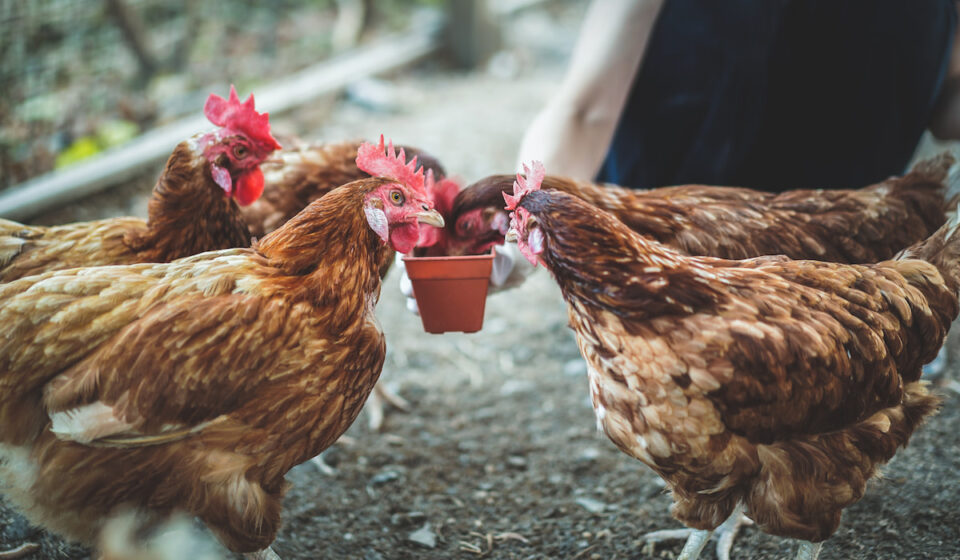
Feeding chickens a diet rich in vegetables not only contributes to their physical health but also plays a significant role in enhancing their overall behavior and wellbeing. A variety of vegetables can stimulate natural behaviors, encouraging chickens to engage in activities such as pecking and foraging, which are essential for their mental and emotional health.
The introduction of vegetables into a chicken’s diet can have profound effects on their behavior. Chickens are naturally inclined to peck, scratch, and forage for food, and providing them with a diverse array of vegetables can promote these instinctual behaviors. When chickens are offered vegetables like leafy greens, carrots, and peppers, they become more active and display increased foraging behavior, leading to improved physical activity levels. This not only keeps them physically fit but also helps in reducing stress and boredom, which can lead to undesirable behaviors such as feather pecking and aggression.
Behavioral changes observed by chicken owners
Observations from chicken owners reveal notable changes in their flocks’ behavior after introducing a variety of vegetables into their diet. Here are some of the key behavioral changes reported:
-
Increased foraging activity: Chickens often spend more time actively searching for hidden vegetables, mimicking their natural foraging instincts.
-
Improved social interactions: Sharing vegetables encourages flock cohesion, as chickens often engage with each other while foraging.
-
Enhanced pecking behavior: Different textures and colors of vegetables stimulate pecking, which is vital for their physical health and keeps their beaks properly trimmed.
-
Reduction in stress and anxiety: A varied diet promotes mental stimulation, helping to alleviate stress-related behaviors.
Chickens that are regularly given access to vegetables tend to display more curiosity and engage in play, as they are less likely to become bored. This is particularly important for maintaining a happy and healthy flock. Owners have noted that their chickens appear more lively and content, reflecting the positive impact that a varied vegetable diet can have on their wellbeing.
Safe and unsafe vegetables for chickens
When it comes to feeding chickens, providing the right vegetables can enhance their diet and overall health. While many veggies are safe and nutritious for chickens, some can be harmful or even toxic. Understanding which vegetables are safe and which to avoid is crucial for any chicken owner looking to keep their flock healthy and happy.
There are a variety of vegetables that chickens can enjoy without any adverse effects. These safe options provide essential vitamins and minerals that contribute to a balanced diet. On the other hand, there are also several common vegetables that should never be fed to chickens due to their toxic properties. Knowing the difference is key to ensuring your chickens thrive.
Safe vegetables for chickens
Several vegetables can be safely included in a chicken’s diet, offering a range of beneficial nutrients. Here’s a list of some commonly fed safe vegetables along with the reasons for their safety:
- Carrots – Rich in beta-carotene, which supports healthy vision and immune function.
- Spinach – Packed with iron and antioxidants, spinach can promote overall health and vitality.
- Broccoli – A great source of vitamins C and K, broccoli can help enhance the immune system.
- Peas – High in protein, peas are an excellent energy booster for active chickens.
- Bell peppers – Contain vitamin A and C, both crucial for maintaining healthy skin and feathers.
These vegetables are not only safe but also provide essential nutrients that can improve the overall well-being of chickens.
Unsafe vegetables for chickens
Some vegetables can be toxic to chickens and should be avoided. Understanding which vegetables are harmful is vital to prevent any health issues. Here’s a list of commonly found toxic vegetables:
- Potatoes (green parts) – The green parts of potatoes contain solanine, which can lead to gastrointestinal distress and neurological issues.
- Tomatoes (green parts) – Similar to potatoes, the green parts of tomatoes contain solanine and can cause lethargy and digestive problems.
- Onions – Onions can damage red blood cells in chickens, leading to anemia and other health complications.
- Garlic – While small amounts might be safe, excessive garlic can lead to digestive upset and possible toxicity.
- Rhubarb – Contains oxalic acid, which can harm the kidneys and cause other serious health problems.
Recognizing these unsafe vegetables is essential for maintaining chicken health and preventing potential poisoning.
Guidelines for researching the safety of new vegetables
Introducing new vegetables to your chickens should be done cautiously. Here are some guidelines to effectively research the safety of unfamiliar vegetables before feeding them:
- Consult reliable sources such as agricultural extensions, veterinary websites, or reputable books on poultry care that specifically discuss chicken diets.
- Look for forums or communities of chicken owners who share their experiences with feeding various vegetables, offering practical insights.
- Cross-check information across multiple sources to confirm the safety of the vegetable in question.
- Start with small quantities if unsure, monitoring your chickens for any adverse reactions before making it a regular part of their diet.
- Educate yourself about common toxicity signs in chickens to act swiftly should any symptoms appear after feeding them a new vegetable.
By following these guidelines, chicken owners can make informed decisions about the vegetables they introduce, contributing positively to their flock’s health.
Creative ways to serve vegetables to chickens for maximum enjoyment
Feeding chickens vegetables can be an engaging and enriching experience for them, especially when creativity comes into play. By presenting their meals in innovative ways, you can enhance their feeding experience, encourage natural foraging behaviors, and provide mental stimulation. Here, we explore various methods to serve vegetables that will not only satisfy their nutritional needs but also keep them entertained.
Innovative Presentation Methods
Presenting vegetables in unique formats can significantly boost chickens’ interest in their meals. Here are some inventive ways to serve these nutritious treats:
- Skewered Vegetables: Using wooden skewers, thread chunks of vegetables like carrots, zucchini, or bell peppers and hang them up in their coop or run. This not only elevates the feeding experience but also encourages vigorous pecking.
- Veggie Cakes: Blend finely chopped vegetables with some chicken feed and water to form a cake-like mixture. Pour this into a mold and freeze. Once solid, pop it out and serve as a refreshing treat on hot days.
- Hanging Baskets: Fill hanging baskets with leafy greens or herbs. As chickens peck at the hanging veggies, they engage in natural foraging behavior while enjoying their meal.
- Layered Vegetable Bins: Create a multi-layered feeder using wooden pallets or crates to hold different types of vegetables. This allows chickens to dig and explore while they consume their food.
DIY Vegetable Feeders
Creating DIY vegetable feeders can be a fun project and enhances the chickens’ feeding environment. These feeders can encourage foraging and make the experience more interactive. Here are several ideas:
- PVC Pipe Feeders: Cut lengths of PVC pipe and drill holes along the sides. Fill the pipes with chopped vegetables and mount them upright. Chickens will peck at the holes to get their treat, promoting natural foraging.
- Wooden Crate Feeders: Repurpose an old wooden crate by filling it with fresh veggies. The open design allows chickens to rummage and discover hidden goodies.
- Old Tire Feeders: Stack old tires and fill them with a variety of vegetables. This not only provides a feeding area but also creates a play space for chickens.
Vegetable Garden Area for Chickens
Designing a dedicated vegetable garden area for chickens can provide them with a natural environment to explore while they feast on fresh greens. This garden can be both functional and engaging for the birds.
- Plant Selection: Choose vegetables that are safe and nutritious for chickens, such as kale, Swiss chard, and squash. Establish a variety of plants that will provide ongoing foraging opportunities throughout the growing season.
- Garden Layout: Create a sectioned-off garden space with paths for chickens to wander through. This setup allows them to explore different plants while preventing overgrazing in specific areas.
- Fencing and Protection: Use light fencing to protect the vegetable garden from pests while allowing chickens access. This keeps their feeding area safe and sustainable.
“Engaging chickens in their feeding process through creative methods not only enhances their diet but also contributes to their overall happiness and wellbeing.”
The impact of environmental factors on the nutritional value of vegetables for chickens
Growing nutritious vegetables for chickens is not just about selecting the right seeds; environmental factors play a crucial role in determining the nutrient content of these foods. Soil health, sunlight, and water availability are essential elements that influence the overall quality of vegetables. Understanding how these factors interact can help poultry owners cultivate more nutrient-dense crops, directly benefiting the health and productivity of their flock.
Soil health is fundamental to plant growth as it provides essential nutrients and a habitat for beneficial microorganisms. Healthy soil rich in organic matter not only improves the availability of nutrients but also enhances the vegetable’s ability to absorb water. Sunlight exposure is another critical factor, as plants require adequate light for photosynthesis, which is vital for synthesizing vitamins and minerals. Water availability directly affects the plant’s growth rate and nutrient uptake; insufficient water can lead to stress, causing nutrient deficiencies. It’s important for chicken keepers to be knowledgeable about these environmental impacts to optimize vegetable production for their flock.
Growing nutrient-dense vegetables for chicken feeding
Implementing best practices in vegetable cultivation can significantly enhance the nutritional profile of what chickens consume. Here are some effective strategies for producing high-quality crops specifically for chicken feed:
- Utilize compost and organic fertilizers to enrich the soil, promoting superior growth and nutrient density in vegetables.
- Implement crop rotation and cover cropping to maintain soil fertility and prevent nutrient depletion over time.
- Choose vegetable varieties known for their high nutrient content, such as kale, spinach, and carrots, which are particularly beneficial for chickens.
- Ensure optimal sunlight conditions by planting in locations that receive sufficient light while avoiding overly shaded areas.
- Employ efficient irrigation techniques, such as drip irrigation, to ensure plants receive consistent moisture without waterlogging the soil.
To maximize vegetable quality for chickens, it’s essential to continuously monitor environmental factors and adapt practices accordingly.
Assessing the quality of vegetables based on environmental factors
Evaluating the quality of vegetables intended for chicken feeding involves understanding the influence of environmental factors. Here are several methods for assessing the nutritional value of these vegetables:
- Conduct soil tests to determine nutrient levels, pH, and organic matter content, which can guide soil amendments and improve vegetable health.
- Regularly check the growth conditions of plants, such as light exposure and moisture levels, to ensure they are optimal for nutrient accumulation.
- Monitor vegetable growth stages and harvest at the right time, as over-mature crops can lose nutritional value.
- Analyze the vegetables for nutrient content using laboratory testing, which can provide precise information on vitamin and mineral levels.
- Observe visual indicators such as color, texture, and size; vibrant colors often signify higher nutrient content, particularly in leafy greens.
By applying these assessment methods, poultry owners can ensure that the vegetables they grow are both nutritious and beneficial for their chickens, contributing to their overall health and productivity.
Ultimate Conclusion
In summary, incorporating vegetables into your chickens’ diet is a rewarding endeavor that can lead to numerous benefits, including improved health and behavior. By being mindful of what you feed them and how you present it, you can ensure your chickens thrive. So, whether you’re growing your own veggies or sourcing them from local markets, embracing a vegetable-rich diet for your flock can truly elevate their quality of life and your enjoyment of them.
Question & Answer Hub
Can chickens eat all types of vegetables?
No, not all vegetables are safe for chickens. Some can be toxic, so it’s important to research each type before feeding.
How often should I feed my chickens vegetables?
Vegetables can be given daily but should be balanced with their regular feed to ensure a complete diet.
What are the best vegetables for chickens?
Leafy greens like kale, carrots, and squash are excellent choices that provide essential nutrients.
Can chickens forage for vegetables?
Yes, allowing chickens to forage for vegetables as part of their diet can encourage natural behaviors and provide mental stimulation.
Is it necessary to cook vegetables for chickens?
Cooking is not necessary, but some vegetables may be easier for chickens to digest when steamed or chopped into smaller pieces.